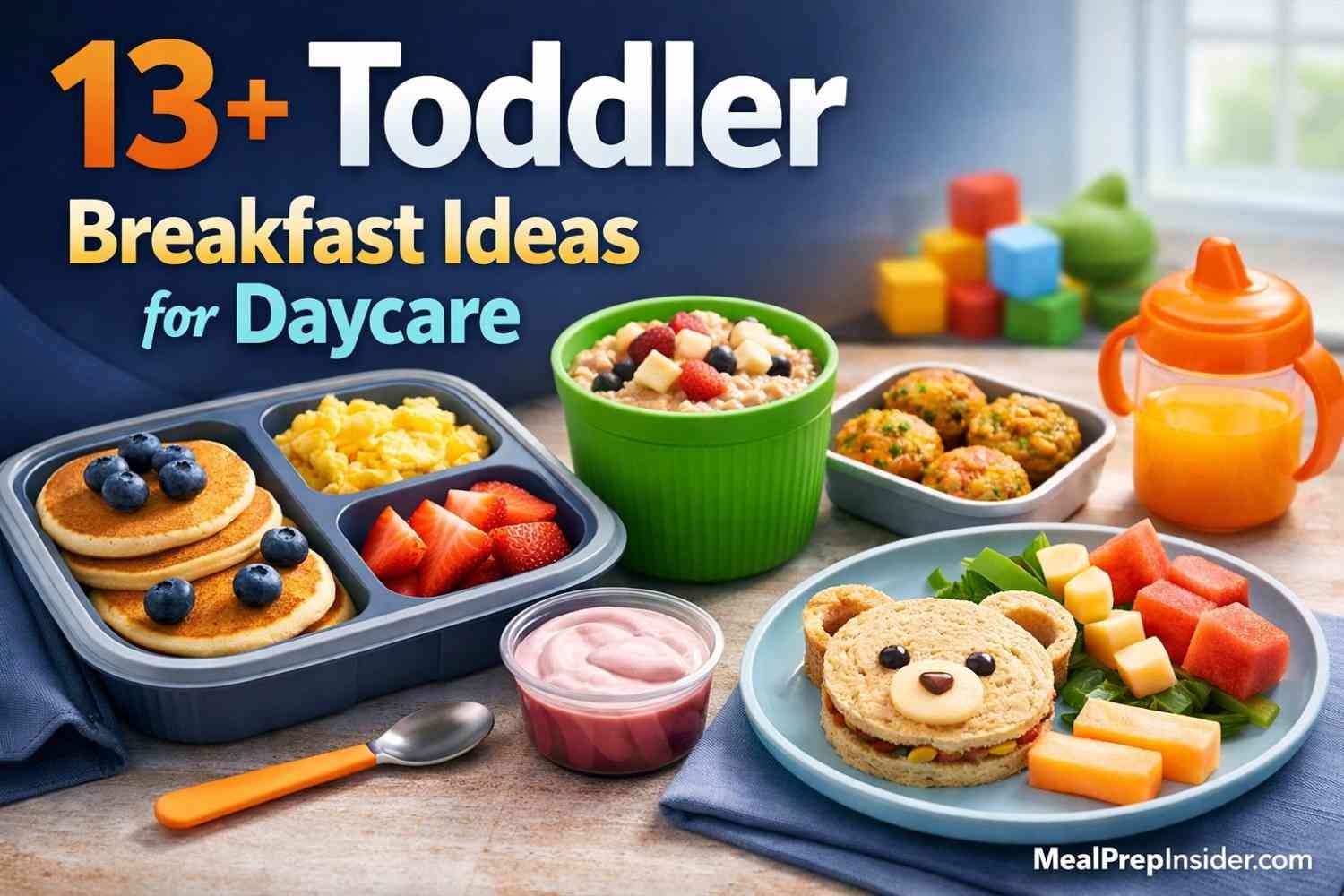
13+ Best Toddler Breakfast Ideas for Daycare: Healthy Ideas

Toddler breakfast ideas for daycare can make or break the entire morning routine, and most parents don’t realize how much power sits on that tiny plate.
You know that feeling when you’re already running late, your toddler’s having a meltdown about wearing socks, and you still haven’t packed breakfast? Yeah, that one. The breakfast you send matters more than you think. It affects their mood, their energy, their ability to focus during circle time, and whether they’ll be the hangry kid who bites during playtime.
Here’s something nobody tells you: daycare centers have rules. Lots of them. Nut-free policies. No-mess requirements. Foods that won’t spoil in a lunch box. Items that little hands can manage without adult supervision. Your Instagram-worthy smoothie bowl? Probably not happening.
But here’s the good news.
You don’t need to be a Pinterest mom to nail this. You need practical ideas that work in real life, with real toddlers, on real busy mornings. This guide breaks down everything you need to know about sending breakfast to daycare, including the mistakes parents make repeatedly and how to avoid them entirely.
Let’s get into it.
Why Toddler Breakfast Ideas for Daycare Matter More Than You Think
Breakfast isn’t just fuel. For toddlers, it’s the foundation of their entire day.
Research shows that children who eat a balanced breakfast demonstrate better concentration, improved memory, and more stable moods throughout the morning. They’re less likely to have emotional meltdowns and more likely to engage during learning activities.
At daycare, your child doesn’t have you there to coax them into eating. The food needs to be appealing enough that they’ll eat it willingly. It needs to be nutritious enough to sustain them until snack time. And it needs to follow whatever guidelines your specific daycare has established.
Miss any of these marks, and you’re setting everyone up for a rough day.
The right breakfast also signals to caregivers that you’re invested in your child’s well-being. Teachers notice which kids come with thoughtful meals versus whatever was grabbed last-minute. It matters.
What Makes a Great Daycare Breakfast
Not all breakfast foods translate well to the daycare environment.
A great daycare breakfast checks several boxes:
Portable and Mess-Free
It survives the commute in a lunch box without turning into a disaster. Yogurt needs a tight lid. Fruit shouldn’t leak juice everywhere. Nothing requires elaborate setup or creates massive cleanup.
Toddler-Friendly Portions
Small hands need small pieces. Everything should be bite-sized or easily manageable without utensils, though including a spoon for certain items works fine.
Nutritionally Balanced
The ideal combination includes protein, complex carbohydrates, and healthy fats. This trio keeps blood sugar stable and prevents the dreaded mid-morning crash.
Allergy-Conscious
Most daycares are nut-free zones. Many also request that you avoid common allergens or label them clearly. Always check your specific center’s policy.
Temperature-Safe
Unless you’re sending an insulated container, stick with foods that are safe at room temperature for 2-3 hours.
Actually Appealing to Toddlers
This is where many parents stumble. You might love quinoa breakfast bowls, but will your two-year-old touch them? Probably not.
The Foundation: Understanding Toddler Nutritional Needs
Toddlers need approximately 1,000 to 1,400 calories daily, depending on their age, size, and activity level.
Breakfast should provide roughly 25-30% of their daily intake, which translates to about 250-400 calories. But calories alone don’t tell the whole story.
Here’s what their growing bodies genuinely need:
Protein: 13-20 grams daily
Supports muscle development and keeps them full longer. Good sources include eggs, cheese, yogurt, and meat.
Healthy Fats
Critical for brain development. Avocado, full-fat dairy, and nut-free seed butters deliver these essential fats.
Complex Carbohydrates
Whole grains provide sustained energy without the spike-and-crash cycle of refined carbs.
Fiber: 19 grams daily
Supports digestive health and helps regulate blood sugar. Whole fruits, vegetables, and whole grains contribute fiber.
Calcium and Iron
Crucial for bone development and preventing anemia. Dairy products, fortified foods, and certain fruits provide these minerals.
Now let’s get to the actual ideas you came here for.
13+ Toddler Breakfast Ideas for Daycare That Really Work
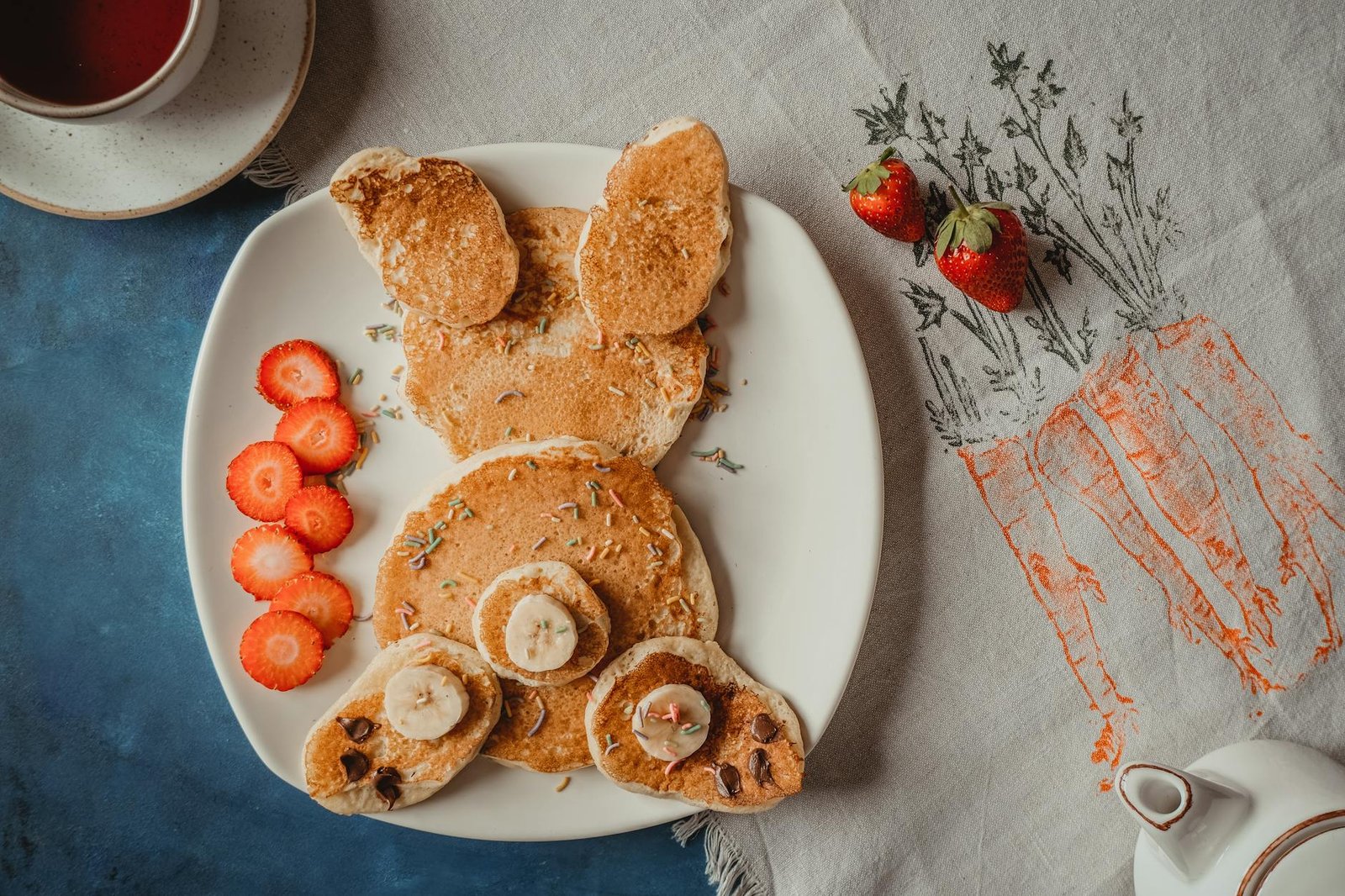
1. Mini Whole Wheat Pancake Sandwiches
Make pancakes ahead of time, then create little sandwiches with cream cheese or sunflower seed butter between two small pancakes.
Why it works: The sandwich format makes them easy to hold. You can freeze a batch and grab them as needed. Kids love the novelty of a “sandwich” for breakfast.
Prep tip: Use silicone molds to make perfectly sized mini pancakes. Add mashed banana or pumpkin to the batter for extra nutrition.
2. Egg Muffins Loaded with Veggies
Whisk eggs with diced bell peppers, spinach, and cheese. Pour into muffin tins and bake until set.
These little protein powerhouses stay fresh for days in the fridge. They’re completely portable, mess-free, and packed with nutrients toddlers often resist in other forms.
Flavor variations: Try combinations like ham and cheese, broccoli and cheddar, or tomato and basil.
3. Overnight Oats in Small Containers
Mix rolled oats with milk or a milk alternative, add chia seeds, and let sit overnight. In the morning, top with diced fruit.
The texture is soft enough for toddlers but substantial enough to keep them full. The make-ahead nature saves precious morning minutes.
Popular combos: Banana and cinnamon, strawberry and vanilla, apple and maple, or blueberry and lemon.
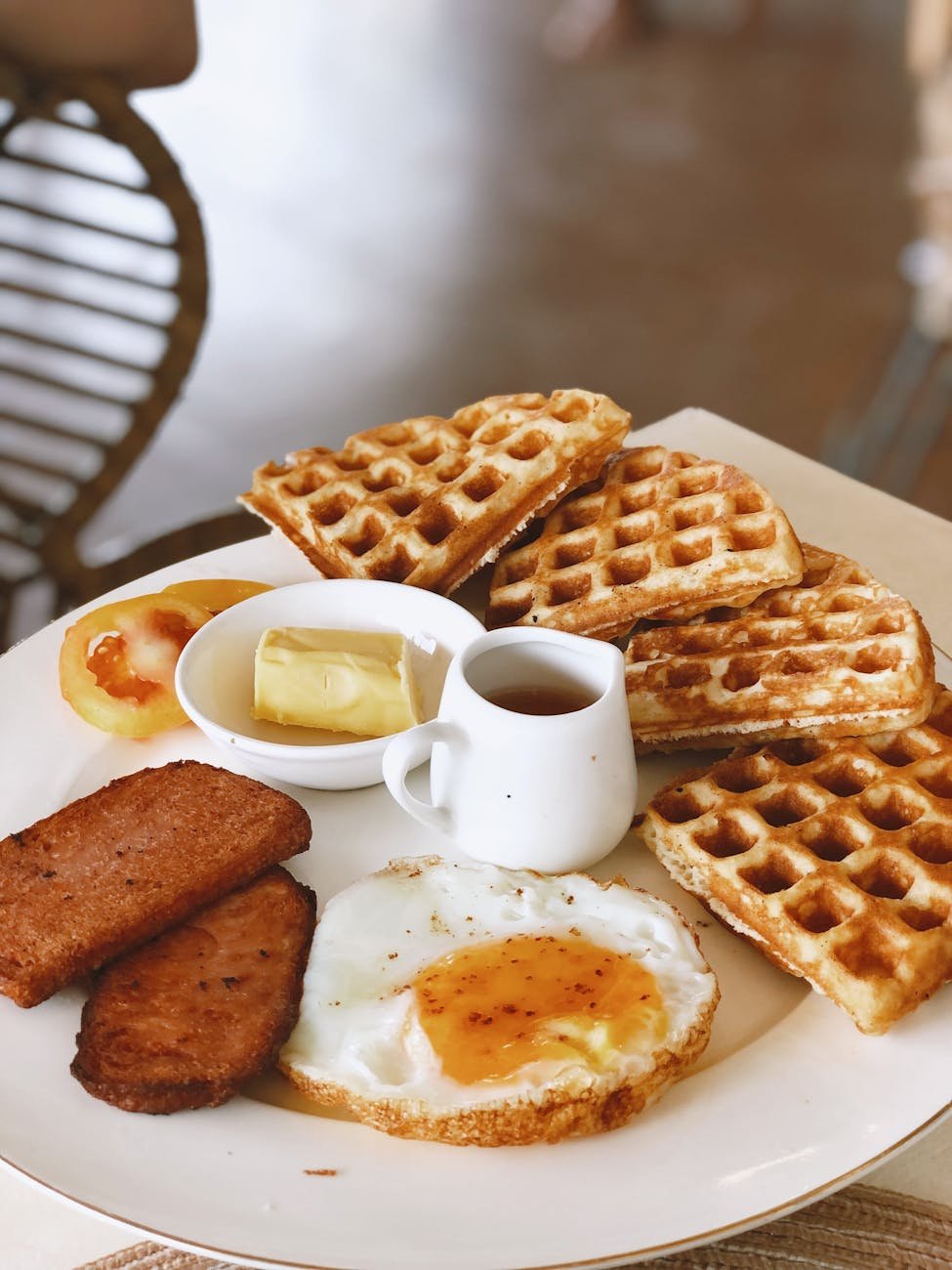
4. Whole Grain Waffles with Yogurt Dip
Send frozen waffles that have been toasted and cut into strips alongside a small container of Greek yogurt mixed with a bit of honey or fruit puree.
The dipping element makes eating interactive and fun. Toddlers love having control over their food.
Bonus: You can make waffle strips in advance and freeze them individually.
5. Cheese Quesadilla Triangles
Use whole wheat tortillas with shredded cheese. Cook until the cheese melts, then cut into triangles.
Simple. Reliable. Most toddlers will eat this without complaint. Add scrambled eggs inside for extra protein.
Time-saver: Make several at once and refrigerate. They’re fine eaten cold or at room temperature.
6. Fruit and Cheese Kabobs
Thread cheese cubes and grapes or melon chunks onto toddler-safe picks or simply pack them in a container in an alternating pattern.
The visual presentation makes food more appealing. Plus, you’re combining protein and natural sugars for balanced energy.
Safety note: Cut grapes lengthwise to prevent choking hazards.
7. Homemade Breakfast Cookies
These aren’t dessert cookies. Combine oats, mashed banana, applesauce, and mix-ins like dried fruit or mini chocolate chips. Bake until firm.
They feel like a treat but deliver actual nutrition. You can pack an incredible variety into these.
Popular add-ins: Shredded carrots, zucchini, pumpkin seeds, or coconut flakes.
8. Cream Cheese Roll-Ups
Spread cream cheese on a whole wheat tortilla, add a thin layer of fruit preserves if desired, roll tightly, and slice into pinwheels.
Visually appealing and easy to eat. The cream cheese provides protein and fat, while the tortilla offers complex carbs.
Variation: Use hummus instead of cream cheese for a different flavor profile.
9. Smoothie in a Pouch
Blend yogurt, frozen fruit, spinach (they won’t taste it), and a bit of honey. Pour into reusable squeeze pouches.
This works brilliantly for picky eaters who refuse traditional breakfast foods. You can hide vegetables, add protein powder, or boost nutrition with chia seeds.
Important: Keep this cold with an ice pack, and ensure your daycare allows pouches.
10. Hard-Boiled Eggs with Whole Grain Crackers
Peel and pack hard-boiled eggs with a side of crackers and some sliced cucumber or cherry tomatoes.
Protein-rich, filling, and completely portable. Many toddlers who won’t eat eggs prepared other ways will happily munch on hard-boiled ones.
Pro tip: Boil a dozen eggs on Sunday for the entire week.
11. Banana Sushi
Spread sunflower seed butter on a whole wheat tortilla, place a banana on one edge, roll tightly, and slice into rounds.
The presentation looks fun and interesting. It combines complex carbs, healthy fats, and fruit in one neat package.
Alternative: Use cream cheese instead of seed butter.
12. Cottage Cheese with Fruit and Granola
Pack cottage cheese in a container with diced peaches, berries, or pineapple. Add a small amount of granola on top.
High in protein and calcium, this breakfast supports bone development while the fruit adds natural sweetness and vitamins.
Tip: Keep the granola separate until eating time to maintain crunchiness.
13. Sweet Potato Breakfast Bites
Mash cooked sweet potato with a bit of cinnamon and maple syrup. Mix with oat flour to form a dough. Shape into small balls and bake.
These are naturally sweet, nutrient-dense, and incredibly appealing to toddlers. Sweet potatoes provide vitamin A, fiber, and complex carbohydrates.
Make-ahead: These freeze beautifully and thaw by breakfast time.
14. Avocado Toast Fingers
Toast whole-grain bread, spread with mashed avocado, and cut into finger-sized strips.
Healthy fats support brain development. The toast provides whole grains and energy. It’s trendy for a reason—it works.
Enhancement: Sprinkle with everything bagel seasoning or add a thin layer of cream cheese underneath the avocado.
15. Greek Yogurt Parfait
Layer Greek yogurt with berries and a small amount of granola in a secure container.
The layered presentation makes it visually interesting. Greek yogurt delivers more protein than regular yogurt, keeping toddlers satisfied longer.
Flavor boost: Add a tiny drizzle of honey or a drop of vanilla extract to the yogurt.
Common Pitfalls Parents Encounter (And How to Sidestep Them)
Sending Foods That Require Refrigeration Without Ice Packs
Dairy products, eggs, and certain fruits need to stay cool. If breakfast won’t be eaten within an hour of arrival, pack it with an ice pack in an insulated bag. Food safety isn’t negotiable.
Ignoring Choking Hazard Guidelines
Whole grapes, cherry tomatoes, hot dogs, and large nut pieces pose serious risks. Cut round foods lengthwise. Keep pieces smaller than a dime.
Packing Foods Your Child Has Never Tried
Daycare isn’t the place to introduce new foods. Test everything at home first. You need to know they’ll eat it and check for allergic reactions.
Overcomplicating the Meal
Three components max. Protein source, carbohydrate, fruit, or vegetable. Done. Toddlers get overwhelmed by too many choices.
Forgetting About Texture Preferences
Some toddlers hate mushy foods. Others refuse anything crunchy. Know your child’s preferences and work within them rather than against them.
Sending Too Much Food
Toddler stomachs are small. A few bites of several items are better than huge portions of anything. Overfacing them leads to waste and frustration.
Neglecting Presentation
Food cut into fun shapes, arranged in colorful patterns, or served in compartmentalized containers gets eaten more readily. Visual appeal matters to little ones.
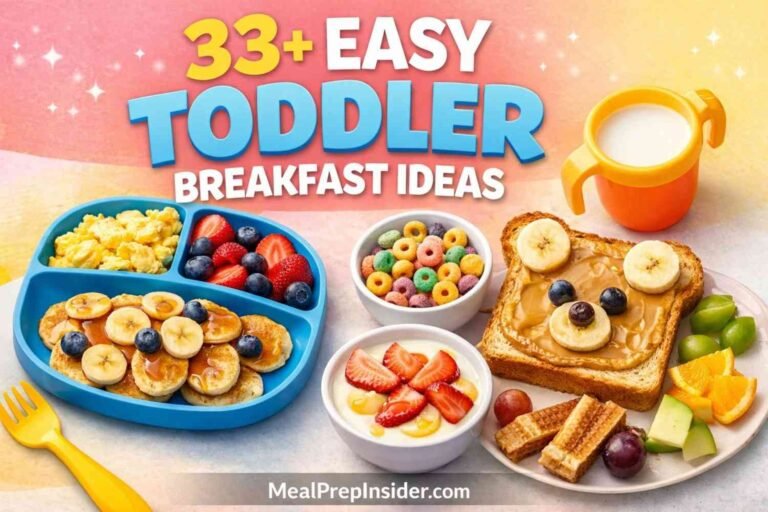
RELATED POST >> 33+ Easy Toddler Breakfast Ideas: Quick, Healthy, and Fun
How to Meal Prep Toddler Breakfasts Like a Pro
Real talk: you’re not making breakfast from scratch every single morning.
The parents who consistently send great daycare breakfasts have systems in place.
Sunday Prep Session
Dedicate 1-2 hours on Sunday to batch cooking. Make egg muffins, breakfast cookies, pancakes, and portion out yogurt parfaits. Store everything in grab-and-go containers.
Label Everything
Use painter’s tape and a marker to label containers with contents and date prepared. This prevents mystery food situations on rushed mornings.
Create a Breakfast Station
Designate one fridge shelf and one pantry section for daycare breakfast items. Keep non-perishables like pouches, crackers, and shelf-stable milk boxes in the pantry.
Invest in Quality Containers
Leak-proof containers with multiple compartments make packing easier and cleaner. Spend the money up front. You’ll use them daily for years.
Rotate a Two-Week Menu
Create 10 breakfast combinations and rotate through them. This provides variety without requiring constant creativity. Kids appreciate routine anyway.
Keep Emergency Backups
Stock shelf-stable items like individual applesauce pouches, whole grain cereal bars, and juice boxes for mornings when you’ve got absolutely nothing else ready.
Age-Specific Considerations for Daycare Breakfasts
12-18 Months
Focus on soft textures and very small pieces. Avoid anything requiring advanced chewing skills. Good options include scrambled eggs, very ripe banana slices, small pieces of French toast, and full-fat yogurt.
18-24 Months
Chewing skills improve, but caution still applies. Introduce more variety in textures. Try cheese cubes, softer raw fruits, mini muffins, and oatmeal.
2-3 Years
Most toddlers in this range handle a wider variety of foods. They can manage utensils more competently. Expand into heartier options like quesadillas, kabobs, and parfaits.
3+ Years
Preschoolers can handle more complex meals and combinations. They can manage foods that require more coordination to eat.
Handling Special Dietary Needs at Daycare
Dairy-Free Options
Use coconut yogurt, oat milk, or almond milk in recipes. Nutritional yeast provides a cheesy flavor without dairy. Sunflower seed butter replaces cream cheese in many applications.
Gluten-Free Alternatives
Gluten-free oats, rice cakes, corn tortillas, and gluten-free bread work perfectly in most recipes here. Check labels carefully for hidden gluten.
Vegetarian and Vegan Breakfasts
Beans provide excellent protein. Chickpea flour makes great egg-free muffins. Tofu scrambles work well. Focus on variety to ensure adequate nutrition.
Managing Food Allergies
Always communicate allergies clearly with your daycare. Label food containers with allergen information. Many daycares require allergy action plans on file.
Budget-Friendly Strategies for Daycare Breakfasts
Quality breakfast doesn’t require expensive specialty items.
Buy in Bulk
Oats, eggs, and frozen fruit cost significantly less when purchased in larger quantities. Warehouse stores offer substantial savings.
Use Seasonal Produce
Berries in summer, apples in fall, citrus in winter. Seasonal fruits taste better and cost less.
Make Your Own vs. Buying Prepared
Homemade granola costs about one-third of store-bought versions. Breakfast cookies you bake cost pennies per serving compared to packaged breakfast bars.
Repurpose Dinner Leftovers
Dinner sweet potato becomes breakfast bites. Last night’s roasted vegetables go into egg muffins. Get creative.
Skip Single-Serve Packaging
Buy large containers of yogurt and portion them into reusable containers. Purchase whole fruits instead of pre-cut packages.
What Daycare Teachers Wish Parents Knew About Breakfast
I’ve spoken with numerous daycare providers. Here’s what they want you to understand:
Teachers appreciate when breakfast comes ready to eat without requiring their assistance. They’re managing multiple children with varying needs.
Messy foods create problems. Syrup-soaked pancakes, overly ripe bananas that turn to mush, and yogurt in containers that leak frustrate teachers and take time away from other responsibilities.
Label everything with your child’s name. In a room full of similar lunch boxes, unlabeled food creates confusion.
Send utensils if needed. Don’t assume the daycare has extras available.
Foods that require microwaving often don’t get heated because of time constraints and safety protocols around hot foods.
Teachers notice patterns. If your child consistently arrives hungry or with an inadequate breakfast, they’re required to document it.
Quick Reference: Weekly Breakfast Planner
| Day | Breakfast Option | Protein Source | Carb Source | Fruit/Veg |
|---|---|---|---|---|
| Monday | Egg muffins | Eggs | N/A | Spinach, peppers |
| Tuesday | Yogurt parfait | Greek yogurt | Granola | Berries |
| Wednesday | Pancake sandwiches | Cream cheese | Whole wheat pancakes | Banana in batter |
| Thursday | Cheese quesadilla | Cheese | Whole wheat tortilla | Side of tomatoes |
| Friday | Overnight oats | Milk | Oats | Apple pieces |
Making Breakfast Fun and Appealing
Toddlers eat with their eyes first.
Cookie Cutters Transform Everything
Cut sandwiches, toast, cheese, and even watermelon into stars, hearts, or dinosaurs. The novelty factor increases consumption dramatically.
Colorful Variety
Aim for a rainbow plate. Red strawberries, orange cheese, yellow banana, green grapes, blue blueberries. Variety indicates nutritional diversity.
Bento-Style Compartments
Small sections with different foods give toddlers a sense of discovery and choice. They can pick which section to eat from first.
Involve Them in Prep
Let your toddler help choose between two breakfast options the night before. Give them ownership over their meal.
Silly Names Make Food Exciting
“Dinosaur egg” sounds more appealing than “hard-boiled egg.” “Banana sushi” beats “rolled tortilla.” Get creative with naming.
Troubleshooting: When Your Toddler Won’t Eat Breakfast
Not all kids wake up hungry.
If your toddler consistently refuses breakfast, try these approaches:
Adjust Dinner Timing
If dinner happens too late, they might genuinely not be hungry in the morning. Try moving dinner earlier.
Start Smaller
Sometimes the portion seems overwhelming. Offer just a few bites of something simple.
Focus on Fluids
A smoothie or whole milk might be more acceptable than solid food. Some nutrition beats no nutrition.
Make It Available Earlier
Some kids need 30-60 minutes after waking before they’re ready to eat. Factor this into your morning routine.
Check for Underlying Issues
Consistent refusal warrants a pediatrician visit. Certain medical conditions affect appetite.
The Reality Check: Permission to Be Imperfect
Some mornings will be a disaster.
You’ll send whatever you can find because you overslept, someone had a diaper blowout, and the dog threw up on the carpet. On those days, a granola bar and a banana are perfectly fine.
The goal is consistency over time, not perfection every single day.
Your toddler won’t suffer developmental delays because Tuesday’s breakfast came from a package instead of your kitchen. They won’t remember whether breakfast was Instagram-worthy.
They’ll remember that you cared enough to send them food. They’ll remember feeling full and ready to play. They’ll remember that mornings felt calm rather than chaotic.
Give yourself grace. You’re doing better than you think.
Beyond Breakfast: Setting Your Toddler Up for Success
Breakfast is one piece of a larger puzzle.
Consistent Sleep Schedule
Well-rested toddlers eat better. Prioritize bedtime routines that ensure adequate sleep.
Morning Hydration
Offer water first thing after waking. Mild dehydration affects appetite and mood.
Positive Food Environment
Never force eating. Never use food as punishment or reward. Keep mealtimes pleasant and low-pressure.
Model Good Habits
Toddlers imitate what they see. If they watch you eat balanced breakfasts, they’re more likely to do the same.
FAQs
How early should I prepare daycare breakfast?
Most breakfast items keep well for 2-3 days refrigerated. Batch prep on Sunday for Monday-Wednesday, then mid-week for Thursday-Friday. Some items, like egg muffins and breakfast cookies, freeze beautifully for up to three months.
What if my daycare doesn’t allow outside food?
Some centers provide all meals. If yours requires you to send breakfast, they’ll specify this in enrollment materials. Confirm their specific policies regarding homemade versus packaged foods, allergen restrictions, and container requirements.
Can I send a cold breakfast that doesn’t need heating?
Definitely. Most items in this guide are designed to be eaten at room temperature or cold. Overnight oats, yogurt parfaits, muffins, fruit, cheese, and many other options work perfectly without heating.
How much breakfast should I send for a toddler?
Toddler serving sizes are roughly one-quarter of adult portions. Think 1/4 cup yogurt, 1/4 slice of toast, and two to three pieces of fruit. It seems tiny, but it matches their stomach capacity.
What are the best containers for daycare breakfast?
Look for leak-proof containers with secure lids. Bento-style boxes with compartments work wonderfully. Brands like Bentgo, Yumbox, and EasyLunchboxes are parent favorites. Ensure they’re clearly labeled with your child’s name.
My toddler only wants the same breakfast every day. Is that okay?
Many toddlers go through phases where they want identical foods repeatedly. As long as that food provides decent nutrition, it’s fine. Keep offering variety alongside their preferred food without pressure. Their preferences will evolve.
How do I keep breakfast cold until eating time?
Use an insulated lunch box with a reusable ice pack. Freeze juice boxes or water bottles overnight and pack them alongside breakfast—they’ll keep everything cold while thawing to a drinkable temperature by snack time.
Are breakfast bars and granola bars acceptable for daycare?
They can be, but read labels carefully. Many contain as much sugar as candy bars. Look for options with whole grains, minimal added sugar (under 6 grams), and some protein. They shouldn’t be the daily default, but they work fine occasionally.
What if my child has multiple food allergies?
Work closely with your daycare to ensure they understand all restrictions. Many of these breakfast ideas are naturally free from common allergens or easily adapted. Focus on whole foods like fruits, vegetables, and allergy-safe proteins.
Should I send a drink with breakfast?
Check your daycare’s policy. Many provide milk or water throughout the day. If you’re sending breakfast to be eaten in the car or immediately upon arrival, include a small drink. For a later breakfast, it’s usually unnecessary.
Final Thoughts
Toddler breakfast ideas for daycare don’t need to be complicated.
They need to be practical, nutritious, and actually appealing to small humans with big opinions.
The ideas here give you a solid foundation. Mix and match components. Adapt recipes to your child’s preferences and your family’s dietary needs. Create systems that make mornings smoother rather than more stressful.
Remember that feeding toddlers is a long game. Some days, they’ll devour everything you send. Other days, they’ll eat two bites and declare themselves full. Your job is to consistently offer nutritious options. Their job is to decide what and how much to eat.
You’ve got this. Now go make Sunday’s prep session count.
SUGGESTED POST >> How to Meal Prep Breakfast Sandwiches [Freezer-Friendly]
Discover more from Meal Prep Insider
Subscribe to get the latest posts sent to your email.