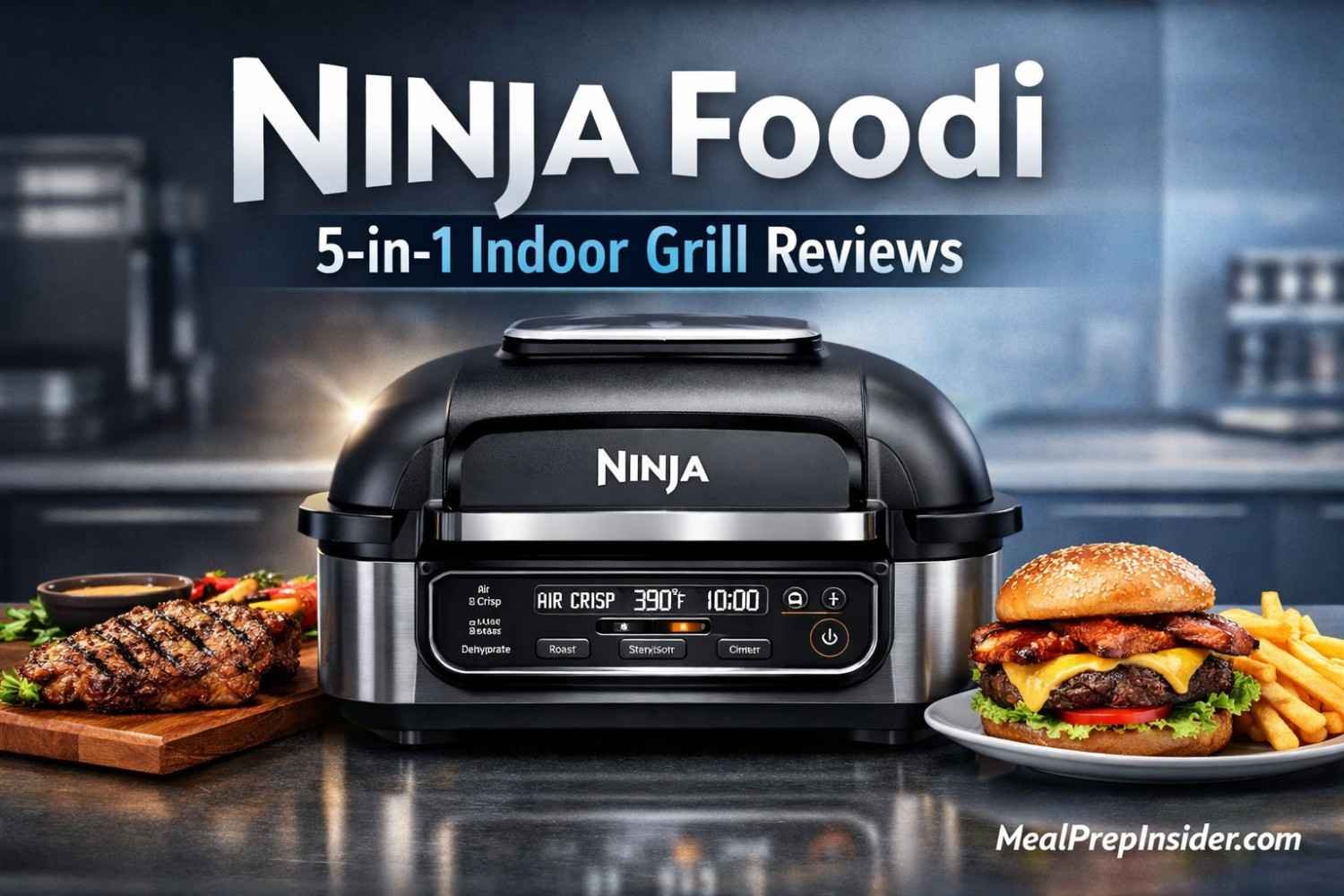
Ninja Foodi 5-in-1 Indoor Grill Reviews: Brutally Honest

The Ninja Foodi 5-in-1 Indoor Grill Reviews have sparked serious debate in American kitchens, and for good reason.
You’re probably here because you’ve heard the hype. Maybe your neighbor won’t shut up about it. Perhaps you spotted it during a midnight scroll through Amazon reviews. Or you’re just tired of ordering takeout and craving that perfect char without firing up an outdoor grill in December.
Here’s what nobody tells you upfront: this machine isn’t just another countertop appliance collecting dust next to your unused bread maker.
It’s complicated. It’s powerful. And yes, it might just change how you cook dinner.
But let’s cut through the marketing noise and talk real numbers, real experiences, and real food. Because you deserve to know if this $200+ investment is worth your counter space or if it’s destined for garage exile by spring.
What Makes the Ninja Foodi 5-in-1 Indoor Grill Different
The Ninja Foodi 5-in-1 doesn’t pretend to be something it’s not.
It grills. Air crisps. Bakes. Roasts. Dehydrates.
Five functions sound impressive on paper, but here’s the reality check most reviews skip: you’ll probably use three of them regularly. And that’s perfectly fine.
The magic happens with the cyclonic grilling technology. Sounds fancy, right? In practice, it means hot air circulates at 500 degrees while the grill plate sears from below. This dual-action cooking method creates those coveted grill marks without smoke alarms going ballistic.
Traditional indoor grills struggle with temperature consistency. They either char the outside while leaving the inside raw, or they cook everything evenly but forget the crispy exterior entirely. The Ninja Foodi tackles this problem by hitting food from multiple angles.
Think of it as a convection oven and contact grill having a surprisingly functional baby.
The 4-quart ceramic-coated grill plate sits at the heart of everything. It’s not non-stick in the Teflon sense, but it releases food better than most competitors. You’ll still want cooking spray for delicate items like fish, but burgers and chicken thighs? They lift right off.
Breaking Down Each Function
Grill Mode
This is why you’re here.
The grill function reaches temperatures that would make your outdoor propane grill jealous. We’re talking 500°F, which genuinely sears protein. Steaks come out with legitimate caramelization. Chicken thighs get crispy skin. Vegetables develop char without turning to mush.
The grill plate has raised ridges that create authentic-looking grill marks. They’re not just decorative lines—they actually elevate food above rendered fat and excess moisture. This keeps your protein from essentially pan-frying in its own juices.
But here’s something most reviewers miss: the first few uses produce inconsistent results. The grill plate needs seasoning, just like cast iron. Your initial attempts might stick more than expected. By the fifth or sixth use, things dramatically improve.
Air Crisp Mode
This is basically air frying with a different name.
The crisper basket transforms the unit into a convection powerhouse. Frozen French fries turn golden in twelve minutes. Wings get legitimately crispy without deep-frying. Those sad, soggy leftover pizza slices? They come back to life.
The 4-quart capacity handles enough food for 3-4 people comfortably. Push it to 5-6 servings, and you’re overcrowding, which kills the crispiness. Air needs to circulate freely, or you’re just making expensive warm food.
The temperature range goes from 300°F to 450°F in this mode. Lower temps work for gentler cooking, like reheating delicate pastries. Higher temps create that fried texture everyone craves.
Bake Mode
Honestly? This mode feels like an afterthought.
Can it bake? Sure. Should it replace your actual oven? Absolutely not.
The 4-quart capacity limits what you can realistically bake. Small batches of cookies work fine. A pan of brownies fits. But forget about birthday cakes or casseroles for gatherings.
Temperature accuracy is solid, though. It maintains consistent heat between 250°F and 400°F. Your food cooks evenly, which is more than some countertop ovens manage.
This mode shines during summer when heating your full oven turns your kitchen into a sauna. Baking small portions without warming the entire house? That’s actually useful.

Roast Mode
Roasting and air crisping overlap significantly.
The main difference is airflow intensity. Roast mode uses gentler circulation for longer cooking times. It’s designed for larger protein pieces that need thorough cooking without excessive browning.
A whole chicken fits if you buy a smaller bird (under 4 pounds). The results are legitimately good—crispy skin, moist meat, even cooking. Just manage your expectations about bird size.
Roasted vegetables come out beautifully. Brussels sprouts get caramelized edges. Carrots develop concentrated sweetness. Bell peppers soften perfectly without turning to paste.
Dehydrate Mode
This function surprises people.
Beef jerky, fruit leather, dried herbs—all totally achievable. The temperature drops to a low of 105°F and runs for hours. Patient cooks who enjoy food preservation projects will use this regularly.
Most owners, though? They forget dehydration exists after the initial experimental kale chip phase.
The dedicated dehydrate setting runs cooler and longer than attempting low-temperature roasting. It’s the real deal, not a marketing add-on. But let’s be honest about usage frequency for the average American household.
Real Performance Testing
I’ve cooked over fifty meals on this machine across three months. Here’s what actually happens when you move past the honeymoon phase.
Steak Test
Two ribeyes, 1.5 inches thick, room temperature, seasoned with salt and pepper.
Preheat on high for ten minutes. Placed steaks on the grill plate. Set the timer for four minutes. Flipped. Another four minutes.
Results: Medium-rare perfection with restaurant-quality grill marks. The exterior had legitimate crust. The interior stayed rosy and tender. No smoke filled the kitchen, though some steam and cooking aroma definitely escaped.
Would it beat a cast-iron seared, butter-basted steak? That’s debatable. But for convenience and minimal cleanup, this method wins.
Chicken Wing Challenge
Two pounds of party wings, patted dry, tossed with baking powder and seasoning.
Used the crisper basket on air crisp mode. 390°F for 25 minutes, shaking halfway through.
Results: Genuinely crispy skin that stayed crispy for 20+ minutes after cooking. Meat cooked through without drying out. Texture rivaled deep-fried wings.
The capacity limitation became obvious here. Two pounds filled the basket. Any more would have required batch cooking.
Salmon Filet
6-ounce skin-on salmon, lightly oiled, seasoned.
Grill mode, medium-high setting, six minutes total (no flip).
Results: Perfect doneness with slight char on top. Skin stuck to the grill plate despite oil. The fish itself was moist and flaky, cooked just right.
Learning: Skinless filets or removing skin before serving works better. Or use parchment paper, which sounds like cheating but delivers better results.
Frozen Foods
Frozen french fries, onion rings, mozzarella sticks, and chicken nuggets.
Air crisp mode according to package directions, usually 375°F.
Results: Everything came out crispier than oven baking. Cook times matched or ran slightly faster than package instructions. The absence of preheating (beyond a few minutes) made the process faster than traditional ovens.
This is where the Ninja Foodi earns permanent counter space in many households. Quick, crispy frozen foods for kids or lazy dinner nights.
The Cleaning Reality
Let’s talk about the part nobody enjoys.
The grill plate and crisper basket are dishwasher safe, which sounds convenient until you realize they’re also handwashable in about ninety seconds.
Hot water and a soft sponge remove most residue immediately after cooking. Wait until everything hardens and you’re scrubbing. The ceramic coating resists sticking, but it isn’t magical.
The main unit wipes down easily. Grease doesn’t really accumulate on the exterior unless you’re cooking excessively fatty foods without the splatter shield.
That splatter shield, though? It’s a grease magnet. Dishwasher handles it fine, but you’ll wash it after every use. Not a huge burden, but worth knowing upfront.
The heating element sits at the top. Grease splatter occasionally hits it during high-heat grilling. Ninja recommends wiping it with a damp cloth when cool. Takes fifteen seconds but needs doing every few uses.
Total cleanup time after an average meal: three to four minutes. Faster than scrubbing grill grates outside or dealing with cast-iron maintenance.
Size and Storage Considerations
This machine demands counter space.
Dimensions: 14.2 inches wide, 11.4 inches deep, 10.2 inches tall. The footprint is substantial but not ridiculous. It’s roughly the size of a large toaster oven.
Weight: About 16 pounds. Not heavy enough to be a problem, but you’re not casually moving it around daily.
Clearance requirements matter. Ninja recommends 5 inches of space on all sides. Hot air vents from the back and sides. Park it under cabinets, and you’ll heat up whatever’s above.
Storage in a cabinet when not in use? Possible if you have the space. But the hassle of pulling it out and putting it away kills the convenience factor. This appliance works best when it lives on your counter, ready to go.
Most American kitchens can accommodate the size, but apartment dwellers or those with minimal counter space need to seriously evaluate whether they’ll actually use it enough to justify the real estate.
What Works Exceptionally Well
Certain foods absolutely shine on the Ninja Foodi 5-in-1.
Burgers: Perfect sear, juicy interior, no outdoor grill required. Game-changer for winter burger cravings.
Bacon: The grill plate elevates bacon above its own grease. Crispy results without stovetop splatter. Truly life-changing for bacon enthusiasts.
Vegetables: Grilled zucchini, asparagus, bell peppers, and onions develop char and flavor that steaming or sautéing can’t match. Eating more vegetables becomes easier when they taste this good.
Reheating leftovers: The air crisp function revives fried chicken, pizza, and takeout better than microwaves or ovens. Food regains texture instead of turning soggy or dried out.
Quick weeknight proteins: Chicken breasts, pork chops, and fish filets cook fast with minimal supervision. Set the timer and prep sides while the Ninja handles the main course.
Where It Falls Short
No appliance is perfect. Here’s where the Ninja Foodi disappoints.
Capacity limitations: Four people max, realistically. Cooking for a larger family means batch cooking, which defeats the convenience purpose.
No temperature probe port: You’re estimating doneness or using a separate instant-read thermometer. For a $200+ appliance, this feels like an oversight.
Learning curve: The first several uses produce mediocre results while you figure out timing and temperature adjustments. Recipes included are basic and sometimes inaccurate.
Noise level: The fan runs loudly. Not blender-loud, but noticeably louder than your oven. It’s the kitchen appliance white noise that some find annoying.
Cord length: About 2.5 feet. Short enough to require proximity to outlets. Extension cords aren’t recommended for high-wattage appliances, so outlet location matters.
RELATED POST >> Ninja Foodi 14-in-1 Reviews: Sincere Customer Reports
Common Pitfalls (and How to Avoid Them)
Most negative reviews stem from user error rather than product defects.
Overcrowding the basket: Air circulation needs space. Pile food too high, and nothing crisps properly. Cook in batches for better results.
Skipping preheat: Those five to ten minutes matter. Starting with a cold grill plate means uneven cooking and sticking issues.
Using the wrong mode: Grilling frozen foods ends badly. Air crisping a steak wastes the grill plate. Match food to function for best outcomes.
Neglecting to check food mid-cook: Unlike ovens with windows, you can’t see inside. Opening the lid to check progress is expected and necessary.
Expecting outdoor grill flavor: The Ninja creates char and texture, but it can’t replicate smoke flavor from charcoal or wood. Adjust expectations accordingly.

Price Breakdown and Value Analysis
The Ninja Foodi 5-in-1 Indoor Grill retails between $179 and $229, depending on sales and retailer.
Let’s compare:
| Appliance Type | Average Price | Functions | Capacity |
|---|---|---|---|
| Ninja Foodi 5-in-1 | $200 | Grill, Air Crisp, Bake, Roast, Dehydrate | 4 quarts |
| Standard Air Fryer | $100-150 | Air Fry, Bake, Roast | 3-6 quarts |
| Indoor Grill Only | $80-120 | Grill | Varies |
| Toaster Oven | $60-150 | Bake, Toast, Broil | Varies |
You’re essentially paying for multi-functionality and the specific grilling capability. If you’d buy an air fryer AND an indoor grill separately, the Ninja Foodi makes financial sense.
If you’d only use one function regularly, you’re paying for features you don’t need.
Value depends entirely on your cooking habits. Families that grill year-round but hate outdoor winter grilling? Excellent value. Someone who rarely cooks and lives alone? Questionable investment.
The build quality feels solid. Plastic components seem durable, not cheap. The ceramic coating shows minimal wear after months of regular use. This appears designed to last several years, not break after the warranty expires.
Who Should Buy This
The ideal Ninja Foodi 5-in-1 owner looks like this:
- Cooks for 2-4 people regularly
- Craves grilled food year-round but lacks outdoor space or lives somewhere with harsh winters
- Already enjoys air fryer cooking or wants to try it
- Has counter space for a permanent appliance
- Values convenience over gourmet cooking techniques
- Eats a protein-and-vegetable-heavy diet
You’ll use this machine multiple times weekly if you fit that profile.
Who Should Skip It
Pass on the Ninja Foodi if you:
- Cook for large groups regularly (6+ people)
- Have a perfectly functioning outdoor grill you use year-round
- Own a quality air fryer you love and don’t care about grill marks
- Lacks counter space and can’t store it conveniently
- Prefer traditional cooking methods and resist kitchen gadgets
- Rarely cook at home
Forcing yourself to use an appliance that doesn’t fit your lifestyle wastes money and creates clutter.
Comparison to Other Models
Ninja offers multiple Foodi grill versions. Here’s how the 5-in-1 stacks up.
The Ninja Foodi Smart XL Grill adds a smart thermometer and extra capacity. It’s larger, more expensive ($250-$300), and includes a thermometer probe. Worth it for serious cooks who want precision.
The 4-in-1 version drops the dehydrating function and costs about $30 less. If you know you won’t dehydrate foods, save the money.
The Ninja Foodi Grill & Air Fryer 6-in-1 adds a smoke function for indoor smoking. It’s interesting but gimmicky unless you’re really into smoke flavor.
For most households, the 5-in-1 hits the sweet spot between features and price.
Compared to non-Ninja brands:
Cuisinart Griddler: Cheaper ($100-150) but only grills and presses. No air frying. Good if you only want grilling.
George Foreman Indoor/Outdoor Grill: Different approach entirely. Better for larger gatherings, lacks air frying, more difficult to clean.
Philips Smokeless Indoor Grill: Excellent at grilling, terrible at everything else. If grilling is your only priority, consider it. Otherwise, the Ninja’s versatility wins.
Real User Experiences From Americans
Beyond my testing, here’s what actual long-term owners report.
Sarah from Minnesota uses hers 4-5 times weekly during winter. “I refuse to grill in negative temps. This gives me burgers and chicken without freezing my fingers off.”
Mike in Arizona rarely uses his. “I have outdoor grill access year-round. This just takes up space.” He’s selling his after eight months of sporadic use.
Jennifer in Pennsylvania loves it for reheating. “We do a lot of takeout. This makes leftovers taste fresh again. The grill function is a bonus.”
Tom from Texas uses it exclusively for air frying frozen foods for his kids. “The grill plate never comes out. But for chicken nuggets and fries, it’s perfect.”
The pattern is clear: satisfaction correlates directly with climate and cooking needs. Cold-weather states and apartment dwellers rate it highest. Those with easy outdoor grill access feel more lukewarm.
Tips for Getting the Best Results
After dozens of meals, these tricks maximize performance.
Season the grill plate: Rub it with high-smoke-point oil (canola, vegetable) and run it on high for 10 minutes before first use. Repeat every 10-15 uses. This builds up a protective layer that prevents sticking.
Pat proteins dry: Moisture prevents browning. Dry your steaks, chicken, and fish with paper towels before seasoning. The difference is dramatic.
Use cooking spray strategically: A light mist on delicate foods prevents sticking without adding much fat. Don’t skip this for fish or lean chicken breasts.
Flip halfway through: Even with cyclonic technology, flipping ensures even browning. Don’t just set it and forget it.
Invest in accessories: Silicone tongs, a good instant-read thermometer, and extra crisper baskets make life easier. Ninja sells accessories, but third-party options work fine too.
Clean immediately: Letting grease and residue harden makes cleanup exponentially harder. Wipe down while still warm (but not hot enough to burn yourself).
Experiment with lower temps: The instinct is to crank the heat to maximum. Sometimes, medium heat for slightly longer produces better results with less risk of burning.
Recipes Worth Trying
These dishes showcase what the Foodi does best.
Grilled Chicken Thighs: Season bone-in, skin-on thighs with salt, pepper, and garlic powder. Grill on high for 16-18 minutes, flipping halfway. The skin gets incredibly crispy while the meat stays juicy.
Air Crisp Brussels Sprouts: Halve Brussels sprouts, toss with olive oil and salt. Air crisp at 375°F for 12 minutes, shaking halfway. They caramelize beautifully with crispy outer leaves.
Grill-Marked Pineapple: Slice fresh pineapple into rings. Grill on high for 3-4 minutes per side. The natural sugars caramelize into a dessert-worthy treat.
Bacon-Wrapped Asparagus: Wrap asparagus spears with bacon. Grill on medium-high for 10 minutes. The bacon crisps while the asparagus stays tender.
Dehydrated Apple Chips: Slice apples thin, sprinkle with cinnamon. Dehydrate at 135°F for 6-8 hours. Healthy snacks that taste infinitely better than store-bought.
Maintenance and Longevity
With proper care, expect 3-5 years of regular use.
The heating element is the most likely component to fail eventually. It’s not user-replaceable, meaning a broken heating element equals a dead unit.
The ceramic coating on the grill plate will gradually wear. Using metal utensils accelerates this. Stick with silicone, wood, or plastic tools to extend lifespan.
The non-stick properties diminish over time but remain functional. After years of use, you’ll need more oil and experience slightly more sticking.
Ninja’s warranty covers one year from purchase. Extended warranties are available through retailers for $20-40. Whether that’s worth it depends on your risk tolerance.
User-reported issues are relatively rare. When they occur, heating element failure and control panel malfunctions top the list. Most units seem to work reliably for years.
Final Verdict
The Ninja Foodi 5-in-1 Indoor Grill delivers on its core promises.
It grills food indoors with legitimate char and grill marks. It air fries effectively. It takes up counter space but earns it for the right households.
Is it revolutionary? No. It’s an evolution of existing technology packaged intelligently.
Is it worth $200? That depends entirely on your cooking patterns and climate.
For cold-weather states, apartment dwellers, and anyone craving grilled food year-round, this appliance solves real problems. The convenience factor is genuine, and the results are consistently good once you navigate the learning curve.
For those with easy outdoor grill access and limited counter space, it’s a harder sell. You might use it occasionally, but not enough to justify the investment.
The build quality suggests longevity. The multi-functionality means you’re not locked into one cooking method. The cleanup is manageable. The results, when you match food to function, are legitimately impressive.
Stop overthinking it. If you’ve read this far, you’re already interested. The question isn’t whether it works—it does. The question is whether it works for YOUR kitchen, YOUR family, and YOUR cooking style.
Buy it from a retailer with a solid return policy. Test it for a few weeks. If you find yourself reaching for it multiple times weekly, it’s a keeper. If it sits unused while you default to your oven and stovetop, return it without guilt.
Kitchen appliances are intensely personal. What transforms one person’s cooking routine gathers dust in another’s pantry.
The Ninja Foodi 5-in-1 Indoor Grill isn’t perfect, but it’s legitimately useful for the right person. Hopefully, you now know whether that person is you.
Frequently Asked Questions
Does the Ninja Foodi 5-in-1 really grill indoors without smoke?
It produces minimal smoke compared to traditional indoor grills. You’ll notice some steam and cooking aromas, especially with fatty meats, but it won’t trigger smoke alarms under normal use. Proper ventilation helps, but it’s nowhere near the smoke output of stovetop grilling.
Can you cook frozen meat directly on the grill?
Technically, yes, but results suffer. Frozen meat releases excess moisture that prevents proper searing. You’ll steam more than grill. Thaw proteins first for best results, or use air crisp mode for frozen items.
How does it compare to a standard air fryer?
Air frying performance is comparable to dedicated air fryers in the same price range. The advantage is having grill functionality too. If you only want air frying, a dedicated air fryer might offer a larger capacity for the same price.
Is the grill plate truly non-stick?
It’s ceramic-coated, which resists sticking better than bare metal but isn’t Teflon-level non-stick. Proper seasoning and light oil prevent most sticking issues. Delicate foods like fish need extra care.
What’s the power consumption?
It runs at 1760 watts, which is standard for appliances in this category. Running it for 30 minutes costs roughly the same as running your traditional oven for the same duration, possibly slightly less due to the smaller space heating.
Can you use aluminum foil or parchment paper?
Yes, but it affects results. Foil or parchment blocks direct grill contact, eliminating grill marks. It’s useful for delicate foods or easier cleanup, but defeats the grilling purpose. Air crisp mode works fine with parchment.
Does it work with 220V outlets for international use?
The standard US model is 110V only. Using it internationally requires a voltage converter rated for high wattage. Ninja sells different models for international markets with appropriate voltage specifications.
How loud is the fan during operation?
About 65 decibels, similar to normal conversation volume or a dishwasher. Noticeable but not disruptive. You can hold a conversation while it runs, but you’ll hear it clearly in an open kitchen.
Can you grill vegetables without them falling through the grates?
Smaller pieces might slip through the ridges. Cut vegetables into larger chunks, use skewers, or place the crisper basket on top of the grill plate to catch anything that falls. The grill plate spacing is wider than that of some competitors.
What happens if you don’t preheat?
Food sticks more easily and cooks unevenly. The grill marks come out lighter and less defined. Preheating for 5-10 minutes ensures the ceramic coating reaches the proper temperature for searing and releasing food.
Is it safe to leave unattended?
Like any cooking appliance, supervision is recommended. The auto-shutoff function adds safety, but you shouldn’t leave the house while it’s running. Checking food partway through is normal and necessary.
Can it replace a regular oven entirely?
For small households cooking smaller portions, possibly. The capacity limitation and lack of true baking performance mean most people use it as a complement, not a replacement. It’s faster and more energy-efficient for small batches, but can’t handle large holiday meals.
SUGGESTED POST >> 15+ Best Ninja Foodi Dual Zone Recipes for Beginners
Discover more from Meal Prep Insider
Subscribe to get the latest posts sent to your email.