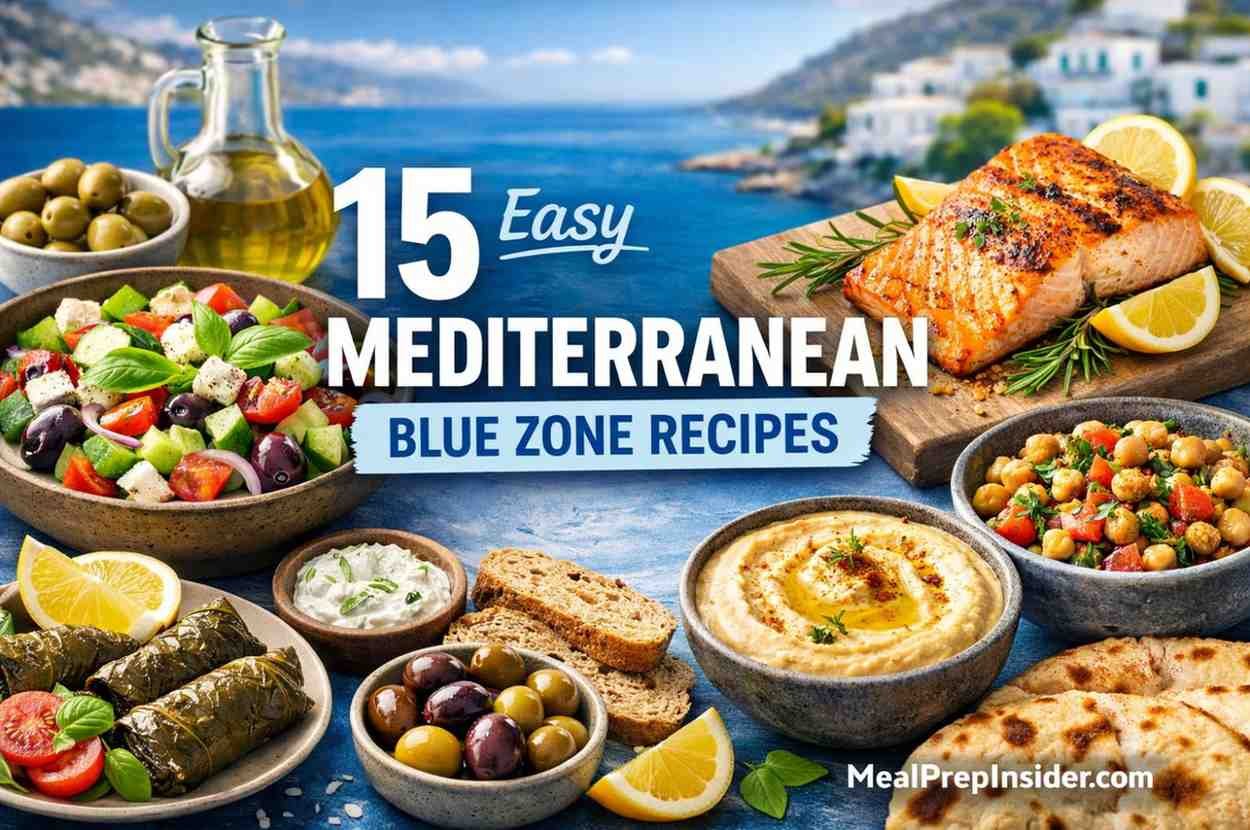
Mediterranean Blue Zone recipes are not just about food — they are about a way of living that millions of Americans are slowly waking up to. And honestly? It is about time.
People in places like Ikaria, Greece, and Sardinia, Italy, are living well past 90. Not in nursing homes. Not hooked to machines. They are gardening, cooking, laughing, and sipping wine with friends. Scientists have studied them for decades. The conclusion keeps coming back to one thing — what they eat plays a massive role.
But here is where it gets interesting.
These people are not eating complicated meals. They are not counting macros. They are not ordering expensive supplements online. They are eating simple, whole, plant-forward food that has been passed down for generations. Food that tastes incredible, by the way.
This post breaks down 15 of those recipes — adapted, simplified, and made accessible for anyone cooking in an American kitchen today. Whether you are brand new to Mediterranean eating or you have been at it for a while, something on this list is going to surprise you.
Let us get into it.
What Makes a Recipe a “Blue Zone” Recipe?
Before the recipes, it helps to understand what makes something qualify as a Blue Zone-aligned dish. Not every Mediterranean meal fits the bill.
Blue Zones researcher Dan Buettner identified five regions in the world where people consistently live the longest, healthiest lives. Two of those zones — Ikaria in Greece and Sardinia in Italy — are Mediterranean. The others include Okinawa, Japan; Loma Linda, California; and Nicoya, Costa Rica.
The food patterns shared across Blue Zones tend to look like this:
- Mostly plant-based — beans, vegetables, whole grains, and fruits dominate
- Low in processed food — nothing that comes in a crinkly package with a 40-ingredient label
- Rich in healthy fats — especially olive oil, nuts, and seeds
- Moderate in animal protein — fish a few times a week, red meat maybe once or twice a month
- High in legumes — lentils, chickpeas, and fava beans show up constantly
- Fermented foods included — think sourdough bread, yogurt, and aged cheeses
- Naturally low in sugar, fruit is a dessert
Mediterranean Blue Zone recipes check most of those boxes naturally. They are not designed to be “healthy.” They just are. That distinction matters more than it sounds.
A Quick Note Before You Cook
You do not need to overhaul your entire kitchen. You do not need to find a specialty grocery store. Most of these ingredients are sitting in American supermarkets right now — canned chickpeas, dried lentils, olive oil, canned tomatoes, and fresh vegetables.
The key shift is not about exotic ingredients. It is about priorities. When vegetables are the star of the plate — not the side dish — everything changes.
A few pantry staples worth having on hand:
| Staple | Why It Matters |
|---|---|
| Extra virgin olive oil | Primary fat source; anti-inflammatory |
| Canned or dried chickpeas | Protein, fiber, Blue Zone staple |
| Dried lentils | Fast-cooking, nutrient-dense |
| Whole grain pasta or farro | Complex carbs, sustained energy |
| Canned whole tomatoes | Versatile base for dozens of dishes |
| Fresh herbs (parsley, oregano, rosemary) | Flavor without sodium |
| Walnuts and almonds | Healthy fats, used as snacks or toppings |
| Plain Greek yogurt | Gut-friendly, high protein |
| Tahini | Sesame paste, used in dressings and dips |
Keep these stocked, and half the work is already done.
15 Easy Mediterranean Blue Zone Recipes
1. Ikarian Longevity Stew (Fasolada)
This is arguably the most famous dish in Greek Blue Zone culture. Fasolada is a white bean soup that Ikarians eat multiple times a week. It is humble. It is thick. It is deeply satisfying.
Ingredients:
- 2 cans of white beans (or 1.5 cups dried, soaked overnight)
- 3 medium carrots, sliced
- 3 celery stalks, chopped
- 1 large onion, diced
- 4 garlic cloves, minced
- 1 can whole tomatoes
- ¼ cup extra virgin olive oil
- Salt, pepper, and dried oregano to taste
- Fresh parsley for serving
How to make it:
Sauté the onion, garlic, carrots, and celery in olive oil for about 8 minutes. Add the tomatoes, beans, and enough water to cover everything by two inches. Simmer for 45 minutes. Season well. Finish with a generous drizzle of raw olive oil before serving.
The raw olive oil at the end is not optional — it is the point. That final pour is where most of the nutrition and flavor come from.
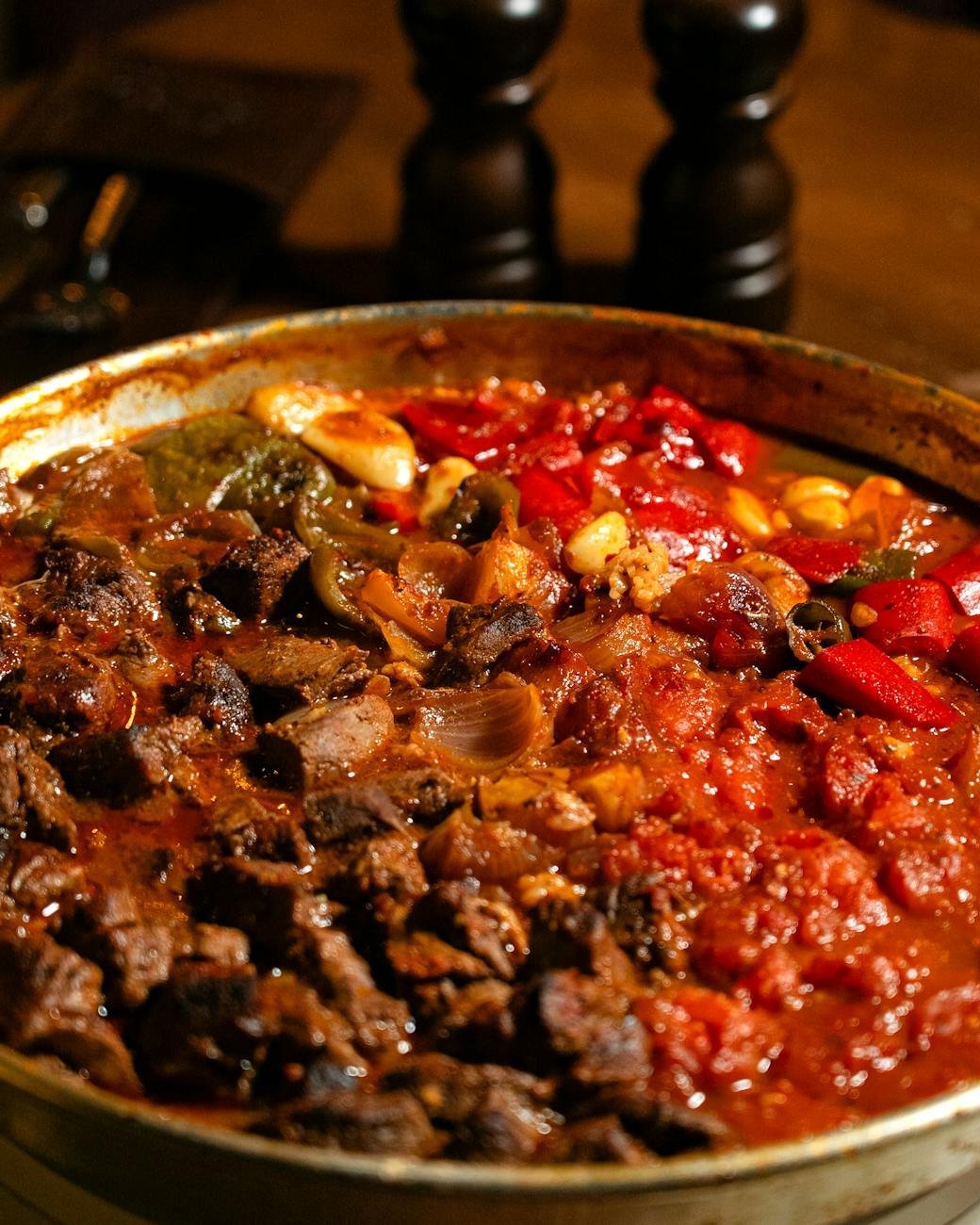
2. Sardinian Minestrone with Farro
Sardinians take their minestrone seriously. Unlike the watery American version, theirs is thick, hearty, and built around farro — an ancient grain that is quietly one of the most nutritious things you can eat.
Ingredients:
- 1 cup farro, rinsed
- 2 cans cannellini beans
- 2 zucchini, diced
- 1 cup kale, roughly chopped
- 1 onion, diced
- 2 garlic cloves
- 1 can crushed tomatoes
- 6 cups vegetable broth
- Olive oil, salt, rosemary
How to make it:
Start by sautéing the onion and garlic. Add the broth, farro, tomatoes, and beans. Cook for 25 minutes. Add the zucchini and kale in the last 10 minutes so they keep their texture. Serve with a drizzle of olive oil and a few fresh rosemary leaves.
This freezes beautifully. Make a double batch on Sunday and eat all week.
3. Greek Lentil Soup (Fakes)
Lentil soup in Greece is practically a national ritual. Fakes (pronounced “FAH-kess”) are eaten during fasting periods, on cold nights, and basically any time someone needs to feel grounded. It is filling, earthy, and ready in under 40 minutes.
Ingredients:
- 1.5 cups green or brown lentils
- 1 large onion, diced
- 4 garlic cloves
- 2 bay leaves
- 1 can diced tomatoes
- 3 tablespoons olive oil
- 1 tablespoon red wine vinegar
- 1 teaspoon cumin
- Salt and pepper
How to make it:
Sauté the onion and garlic. Add lentils, tomatoes, bay leaves, cumin, and enough water to cover by a few inches. Simmer until lentils are tender, roughly 30 to 35 minutes. Finish with a splash of red wine vinegar — this is what gives the soup its signature brightness.
That vinegar trick is something American cooks rarely know. Do not skip it.
4. Chickpea and Spinach Stew
This one is fast. We are talking 25 minutes from start to bowl. It draws on both Greek and Italian Blue Zone traditions and is one of the most nutritionally complete things you can eat on a weeknight.
Ingredients:
- 2 cans chickpeas, drained
- 4 cups fresh spinach
- 1 can crushed tomatoes
- 4 garlic cloves, minced
- 1 teaspoon smoked paprika
- ½ teaspoon cumin
- 3 tablespoons olive oil
- Salt and lemon juice
How to make it:
Heat olive oil and sauté the garlic for two minutes. Add paprika and cumin, stir for 30 seconds. Add chickpeas and tomatoes. Simmer for 15 minutes. Stir in spinach until wilted. Finish with a squeeze of fresh lemon.
Serve with crusty whole-grain bread for a complete meal.
5. Baked Fish with Tomatoes and Olives (Mediterranean Style)
Fish is not eaten daily in Blue Zones — but it is a regular part of the rotation. In Ikaria and Sardinia, small, oily fish like sardines, mackerel, and sea bass are preferred. This baked preparation is simple, clean, and full of flavor.
Ingredients:
- 4 fish fillets (sea bass, cod, or snapper)
- 1 cup cherry tomatoes, halved
- ½ cup Kalamata olives
- 4 garlic cloves
- ¼ cup olive oil
- Fresh thyme and oregano
- Salt, pepper, and lemon zest
How to make it:
Place the fish in a baking dish. Scatter the tomatoes, olives, and garlic around it. Drizzle everything with olive oil. Season generously. Roast at 400°F for 18 to 22 minutes, depending on the thickness of the fish.
Simple. Elegant. No fuss.
6. Hummus — But Made the Right Way
Most store-bought hummus is nothing like the real thing. Authentic hummus uses dried chickpeas, a generous amount of tahini, and fresh lemon. It is creamier, richer, and genuinely good for you.
Ingredients:
- 1.5 cups dried chickpeas (soaked overnight, then cooked) or 2 cans
- ⅓ cup tahini
- Juice of 2 lemons
- 2 garlic cloves
- 4 tablespoons ice water
- Olive oil and paprika for serving
- Salt
How to make it:
Blend the chickpeas, tahini, lemon juice, and garlic. With the blender running, drizzle in ice water until silky smooth. Taste and adjust salt. Spread in a wide bowl, drizzle with olive oil, and dust with paprika.
Eat with raw vegetables, pita, or a spoon. No judgment.
7. Roasted Vegetable and Grain Bowl
This is not a traditional single-origin recipe. It is inspired by the Blue Zone habit of eating roasted seasonal vegetables over whole grains — something that appears in both Ikarian and Sardinian households in various forms.
Ingredients:
- 1 cup farro, barley, or wheat berries, cooked
- 2 bell peppers, sliced
- 1 eggplant, cubed
- 1 zucchini, sliced
- 1 red onion, wedged
- 4 tablespoons olive oil
- Fresh herbs, salt, pepper
- Tahini dressing (tahini, lemon, garlic, water)
How to make it:
Toss the vegetables in olive oil and spread them on a sheet pan. Roast at 425°F for 30 to 35 minutes. Serve over cooked grain. Drizzle with the tahini dressing. Add fresh herbs on top.
This is meal prep gold. Roast a big batch of vegetables at the start of the week and build different bowls every day.
RELATED POST >> 17 Easy Okinawa Blue Zone Recipes: Authentic Eat to Age 100
8. Ikarian Longevity Greens (Horta)
Horta is cooked wild greens dressed in olive oil and lemon. It sounds almost too simple to be worth mentioning. But Ikarians eat this several times a week and consider it one of the most important parts of their diet.
Ingredients:
- 1 large bunch of dandelion greens, Swiss chard, or chicory
- 3 tablespoons extra virgin olive oil
- Juice of 1 lemon
- Salt
How to make it:
Blanch the greens in salted boiling water for 5 to 7 minutes. Drain and press out excess water. Dress with olive oil and lemon while still warm. That is it.
The variety of greens matters more than which one you pick. Rotate between dandelion, chard, beet greens, and mustard greens throughout the week.
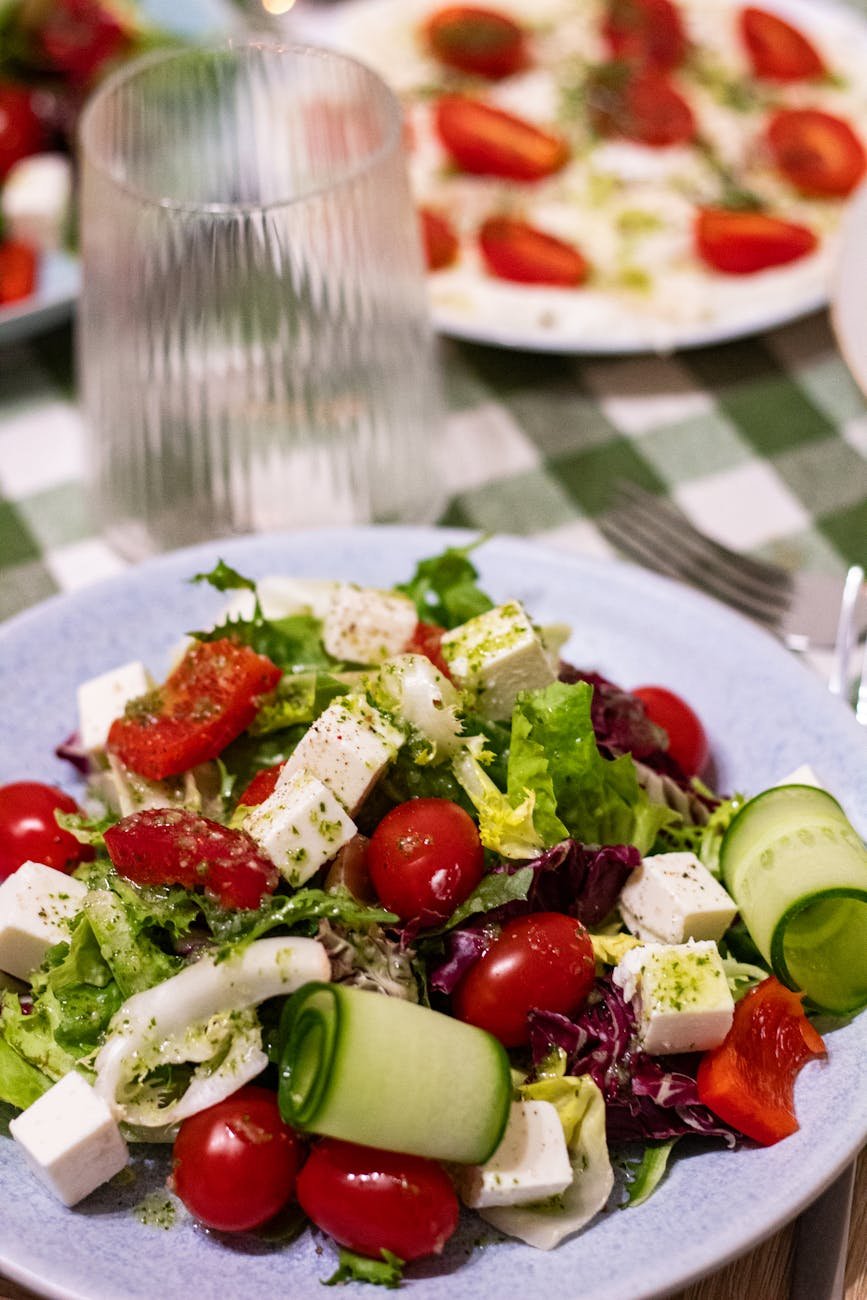
9. Sardinian Culurgiones (Stuffed Pasta with Potato and Mint)
This one is a bit more involved but worth the effort on a weekend. Culurgiones are Sardinian stuffed pasta — think ravioli but with a unique pinched seal and a filling of potato, pecorino, and fresh mint.
Ingredients:
- 2 cups semolina flour
- Water to form dough
Filling:
- 3 large potatoes, boiled and mashed
- ½ cup grated pecorino cheese
- ½ cup fresh mint, chopped
- 1 garlic clove, minced
- Salt
How to make it:
Mix flour and water to form a smooth dough. Rest for 30 minutes. Roll thin and cut into rounds. Mix the filling and place a spoonful in the center of each round. Seal by pinching in a braided pattern. Cook in salted boiling water for 4 to 5 minutes. Serve with a simple tomato sauce and a small grating of pecorino.
The mint in the filling catches everyone off guard. In the best way.
10. Greek Gigantes Plaki (Giant Baked Beans)
Gigantes Plaki is one of the most underrated dishes in Greek cuisine. Giant white beans baked in a tomato sauce with herbs and olive oil — it is a slow-food dish that rewards patience.
Ingredients:
- 2 cups giant white beans (or large lima beans), soaked overnight and boiled until just tender
- 1 can crushed tomatoes
- 1 large onion, diced
- 3 garlic cloves
- 1 teaspoon dried oregano
- ¼ cup olive oil
- Salt, pepper, fresh dill
How to make it:
Sauté the onion and garlic. Add tomatoes, olive oil, and seasoning. Combine with the beans in a baking dish. Add a little water if needed. Bake at 375°F for 45 to 60 minutes until the sauce is thick and the beans are creamy. Top with fresh dill.
Serve warm or at room temperature. Both are equally good.
11. Tabbouleh the Old-School Way
American tabbouleh tends to be mostly bulgur with a little parsley. Traditional tabbouleh — the kind eaten across the Mediterranean — is the opposite. It is mostly parsley with just a little bulgur.
Ingredients:
- 3 cups flat-leaf parsley, finely chopped
- ¼ cup fine bulgur, soaked in water for 20 minutes
- 3 ripe tomatoes, finely diced
- 4 green onions, sliced thin
- ¼ cup fresh mint
- Juice of 2 lemons
- 3 tablespoons olive oil
- Salt
How to make it:
Drain the bulgur and squeeze out excess water. Combine everything. Toss well. Let it sit for 15 minutes before serving so the flavors develop.
Fresh lemon juice and really good olive oil are what separate a great tabbouleh from a forgettable one.
12. Slow-Cooked Lamb with White Beans
Sardinians eat red meat sparingly — typically for celebrations. When they do cook lamb, it is slow-cooked for hours with beans and aromatics until everything melts together. This is a Sunday dish.
Ingredients:
- 1.5 lbs lamb shoulder, cut into large chunks
- 2 cans cannellini beans
- 1 can diced tomatoes
- 1 large onion, sliced
- 4 garlic cloves
- Fresh rosemary and thyme
- ¼ cup red wine
- 3 tablespoons olive oil
- Salt and pepper
How to make it:
Brown the lamb in olive oil. Remove and set aside. Sauté the onion and garlic. Add wine and let it reduce slightly. Add tomatoes, beans, herbs, and the lamb back in. Transfer to a Dutch oven and cook at 325°F for 2.5 hours.
The beans absorb the lamb’s flavor in a way that makes you understand why this dish has survived for centuries.
13. Baked Stuffed Tomatoes with Rice and Herbs (Gemista)
Gemista is a classic Greek dish of tomatoes (and often peppers) stuffed with seasoned rice and baked until golden. It is vegetarian, deeply aromatic, and one of those dishes that tastes even better the next day.
Ingredients:
- 6 large ripe tomatoes
- 1 cup long-grain rice, uncooked
- 1 small onion, grated
- 3 tablespoons olive oil
- Fresh parsley, mint, and dill
- 1 teaspoon dried oregano
- Salt and pepper
How to make it:
Cut the tops off the tomatoes and scoop out the pulp. Chop the pulp and mix with the rice, onion, herbs, olive oil, and seasoning. Fill the tomatoes with this mixture — only three-quarters full because the rice will expand. Replace the tops. Bake at 375°F for 1 hour.
Serve at room temperature. Add a side of crusty bread to soak up the juices in the pan.
14. Mediterranean Lentil Salad with Feta and Herbs
This is not a warm dish. It is a cold lentil salad that works as a side, a lunch, or a meal prep staple. Lentils are one of the most consistent foods across all Blue Zones, and this salad makes them easy to eat any time of day.
Ingredients:
- 1.5 cups green lentils, cooked and cooled
- ½ cucumber, diced
- 1 cup cherry tomatoes, halved
- ¼ cup red onion, finely diced
- ¼ cup crumbled feta
- Fresh parsley and mint
- 3 tablespoons olive oil
- 2 tablespoons red wine vinegar
- Salt and pepper
How to make it:
Combine everything. Dress with olive oil and vinegar. Toss well. Let it sit in the fridge for 20 minutes before serving.
This salad stays good in the refrigerator for up to three days, making it one of the most practical recipes on this list.
15. Greek Yogurt with Walnuts and Honey
Save the best — and simplest — for last. This is not a recipe in the traditional sense. It is a daily ritual in many Ikarian households. Greek yogurt, raw walnuts, and a drizzle of local honey. That is all.
Why it matters:
- Greek yogurt provides probiotics and protein
- Walnuts are one of the most studied longevity foods on earth
- Raw honey has antimicrobial and anti-inflammatory properties
Eat this for breakfast. Or as a snack. Or as dessert. Or all three. There are no rules here.
Patterns Worth Noticing Across These Recipes
After going through all 15, a few things stand out that are worth calling out directly.
Olive oil appears in almost everything. That is not a coincidence. Extra virgin olive oil is arguably the most studied food in the context of longevity. It is anti-inflammatory, it supports heart health, and it makes food taste better. Win every time.
Legumes are everywhere. White beans, lentils, chickpeas — they show up again and again. Blue Zone researchers found that people in these regions eat about a cup of legumes per day on average. Most Americans eat them rarely. That gap is worth closing.
Herbs do heavy lifting. Fresh parsley, mint, dill, oregano, and rosemary are not garnishes in these recipes. They are flavor workhorses and, on top of that, loaded with polyphenols and antioxidants.
Meals are mostly plant-forward, not strictly vegan. There is feta cheese, yogurt, fish, and occasional lamb in this list. Blue Zone eating is not dogmatic. It is flexible, seasonal, and rooted in what is available and enjoyable.
A Few Slip-Ups to Watch Out For
A lot of people try Mediterranean eating and end up frustrated because they make adjustments that quietly undermine the whole approach.
- Using low-quality olive oil — refined olive oil is not the same thing. Look for extra virgin with a harvest date on the bottle.
- Going heavy on pasta and light on vegetables — the ratio matters. Vegetables should fill most of the plate.
- Skipping the legumes — they are inconvenient, sure, but they are the backbone of the whole dietary pattern.
- Replacing processed American food with processed Mediterranean food — packaged hummus, pre-marinated meats, and store-bought pita are not what Ikarians are eating.
- Expecting instant results — Blue Zone eating is a long game. The benefits build over months and years, not days.
Frequently Asked Questions
What exactly is a Blue Zone?
Blue Zones are geographic regions where researchers have documented unusually high concentrations of people who live past 90 or 100 in good health. Dan Buettner coined the term after studying these populations extensively. Two of the five zones — Ikaria, Greece, and Sardinia, Italy — follow Mediterranean dietary patterns.
Do I need to eat Mediterranean food every single day for it to work?
No. The research suggests that consistency over time matters more than perfection. Even incorporating Blue Zone recipes three to four times a week can have meaningful health benefits compared to a typical American diet.
Are Mediterranean Blue Zone recipes expensive to make?
Most of them are genuinely affordable. Lentils, dried beans, canned tomatoes, and seasonal vegetables are some of the cheapest foods available. The recipes that involve fish or cheese cost a bit more, but even those are budget-friendly compared to most restaurant meals.
Can I adapt these recipes for dietary restrictions?
Absolutely. Most of these recipes are already gluten-free or can easily be made so by swapping out farro for rice or lentils. Dairy is used sparingly — mostly feta and yogurt — and can be omitted or replaced without destroying the dish.
Is wine really part of the Blue Zone diet?
In Sardinia, especially, moderate red wine consumption — specifically the local Cannonau variety — is part of the culture. Cannonau has notably high levels of polyphenols. However, this is contextual. Blue Zone researchers are clear that social drinking in small amounts, as part of meals and community gatherings, is different from drinking alone or heavily. It is not a prescription.
How do I start if I have never cooked Mediterranean food before?
Start with the Fakes (Greek lentil soup) or the chickpea-and-spinach stew. Both are under 30 minutes, use pantry staples, and will immediately give you a sense of how flavorful this cooking style is. You do not need to dive into Culurgiones in week one.
Are these recipes kid-friendly?
Many of them are — especially the hummus, baked stuffed tomatoes, Greek yogurt with honey, and the pasta dishes. The lentil and bean soups tend to go over well with kids, too, especially with good bread for dipping.
Final Thoughts
Mediterranean Blue Zone recipes are worth exploring not because they promise to add years to your life — though the research suggests they very well might — but because they are genuinely delicious, satisfying, and surprisingly easy to make.
The goal is not perfection. It is not a transformation overnight. It is just eating a little more of what has kept people thriving in places like Ikaria and Sardinia for generations.
Start with one recipe this week. Just one. See how it feels. Come back for another one the following week.
That is exactly how lasting change happens.
SUGGESTED POST >> 15 Simple Mediterranean Diet Meal Prep Ideas: Gut Reset Hack