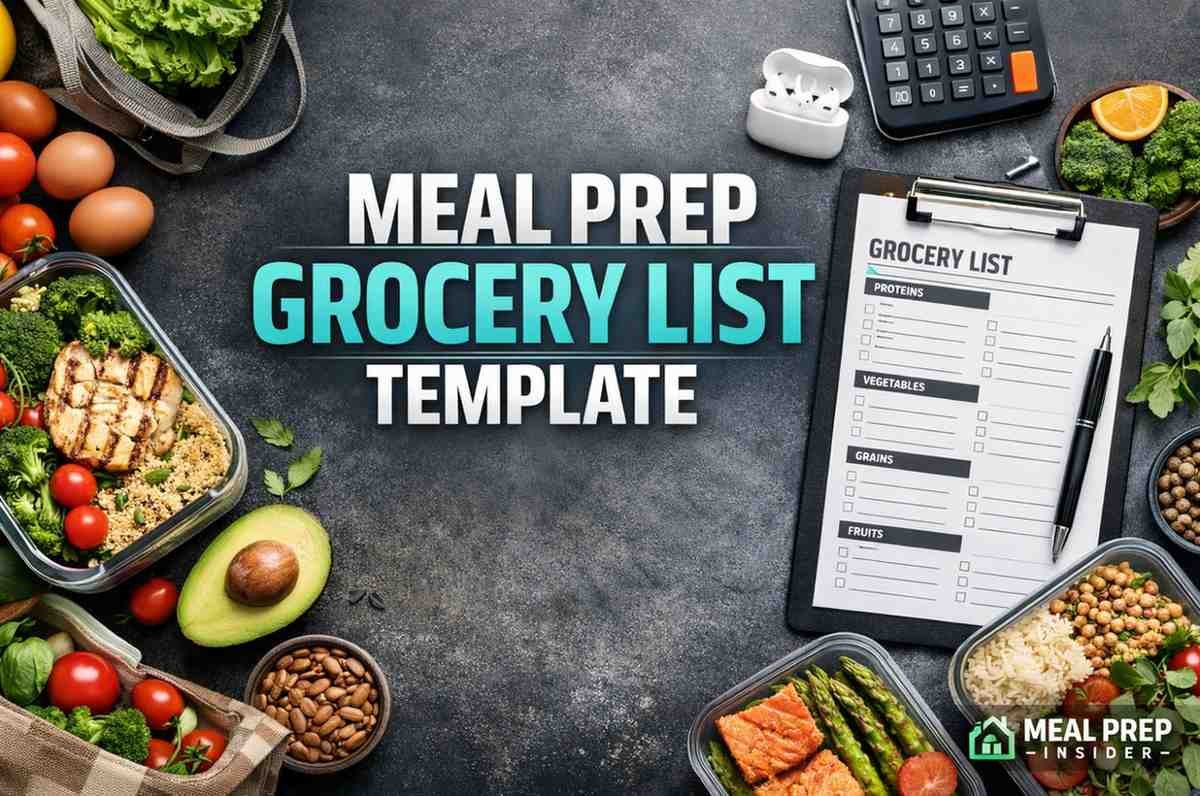
Meal Prep Grocery List Template: Unique Smart Shopping Guide

Meal Prep Grocery List Template: Master meal prep with our complete grocery list template. Save time, cut costs, and eat healthier with smart shopping strategies that actually work for busy Americans.
Why You Need a Meal Prep Grocery List Right Now
Look, we’ve all been there. Standing in the grocery store, phone in one hand, random ideas bouncing around your head about what to cook this week. You grab items that seem healthy. You convince yourself you’ll use that bag of kale. Then Thursday hits, and you’re ordering DoorDash again.
A proper meal prep grocery list changes everything.
It’s not about being perfect. It’s about having a system that works when life gets messy. And life always gets messy, doesn’t it?
The average American household throws away nearly $1,500 worth of food every year. That’s insane. Most of that waste comes from poor planning and impulse shopping. A solid grocery list template fixes both problems at once.
How Meal Prepping Saves You Serious Money
Here’s the real deal. When you meal prep with an organized list, you’re making one strategic shopping trip instead of multiple panic runs to the store.
Those quick trips destroy your budget. You know the ones where you just need milk but somehow end up spending $47 on random stuff? Yeah, those.
Real savings breakdown:
- Single grocery trip: $120 for the week
- Multiple random trips: $180+ for the week
- Takeout twice a week: Add another $80-100
- Coffee shop visits: $30-40 weekly
Do the math. That’s potentially $200-300 saved monthly just by planning ahead. Some folks save even more.
Building Your Master Grocery List Template
The best templates aren’t complicated. They’re organized by store sections, so you’re not zigzagging around like a confused tourist.
Core categories you need:
- Proteins (meat, fish, plant-based)
- Fresh produce
- Grains and carbs
- Dairy and eggs
- Pantry staples
- Frozen items
- Snacks and extras
Within each category, leave space for quantities and notes. Maybe you need chicken breast, but only if it’s under $4 per pound. Write that down.
Your template should live somewhere accessible. Your phone works great. A magnetic notepad on the fridge is surprisingly effective, too. Old school sometimes wins.
The Protein Section Strategy
Proteins eat up most of your grocery budget, so this section needs attention.
Buy what’s on sale, not what you’re craving. Sounds harsh, but it’s practical. If pork chops are half off and chicken breast isn’t, guess what you’re eating this week?
Budget-friendly protein options:
- Whole chicken (butcher it yourself)
- Ground turkey or beef
- Canned tuna or salmon
- Eggs (always)
- Dried beans and lentils
- Tofu or tempeh
- Frozen fish fillets
Rotate your proteins weekly. This keeps meals interesting and lets you take advantage of rotating sales cycles at major stores like Kroger, Safeway, or Walmart.
Truthfully, most Americans eat the same 4-5 proteins on repeat anyway. Pick yours and track their price patterns.
Fresh Produce That Lasts
Produce goes bad fast, which is why it needs strategic thinking.
Buy hardy vegetables that survive the week. Save delicate greens for meals you’ll make in the first couple of days.
Long-lasting produce choices:
- Carrots
- Cabbage
- Bell peppers
- Onions
- Sweet potatoes
- Apples
- Oranges
- Broccoli
- Cauliflower
Use within 2-3 days:
- Spinach
- Lettuce
- Berries
- Tomatoes
- Avocados
- Fresh herbs
Plan your meal prep schedule around the life spans of produce. Make the salad-heavy meals Monday through Wednesday. Save the roasted vegetable dishes for later in the week.
Some people swear by frozen vegetables. They’re honestly great. Nutritionally similar to fresh, way more convenient, and zero waste. Stock up on frozen broccoli, mixed vegetables, and stir-fry blends.
Grains and Carb Foundations
This section is where you build filling, satisfying meals without breaking the bank.
Rice, pasta, quinoa, oats. These are your friends. They’re cheap, they store forever, and they stretch proteins into complete meals.
Essential grain staples:
- Brown or white rice (or both)
- Pasta shapes (2-3 varieties)
- Quinoa
- Oats (steel-cut or rolled)
- Bread or tortillas
- Sweet potatoes
- Regular potatoes
One bag of rice costs about $10 and lasts for weeks in most households. Compare that to the $13 grain bowl from that trendy lunch spot.
Variety matters, though. Eating plain rice every day will make you quit meal prep faster than anything. Rotate between different grains and preparation methods.
Pantry Staples That Transform Meals
Your pantry is where bland becomes delicious.
Spices, oils, sauces, and condiments turn basic ingredients into different cuisines. Chicken and rice take on completely different flavors with soy sauce, taco seasoning, and curry powder.
Non-negotiable pantry items:
- Olive oil
- Vegetable or canola oil
- Salt and pepper
- Garlic (fresh and powder)
- Onion powder
- Paprika
- Cumin
- Chili powder
- Soy sauce
- Hot sauce
- Vinegar (balsamic and white)
- Chicken and beef bouillon
- Canned tomatoes
- Tomato paste
Build this section slowly. Don’t buy every spice at once. Add one or two per shopping trip until you’ve got a solid rotation.
Store brands work perfectly fine here. Nobody tastes the difference between name-brand garlic powder and the generic version.
Sample Weekly Grocery Lists by Budget
Let’s get practical with actual lists you can use.
Budget Tier: $50 Per Person Weekly
Proteins:
- 3 lbs ground beef
- 1 whole chicken
- 18 eggs
- 1 can of tuna
Produce:
- 2 onions
- 1 bag carrots
- 1 head of cabbage
- 5 lbs potatoes
- 3 apples
Grains/Carbs:
- 1 bag of rice
- 1 box of pasta
- 1 loaf of bread
Other:
- Milk
- Shredded cheese
- Butter
- Frozen mixed vegetables
- Oats

Mid-Range: $75 Per Person Weekly
Proteins:
- 2 lbs chicken breast
- 1 lb ground turkey
- 1 lb pork chops
- 24 eggs
- 1 block tofu
Produce:
- Mixed greens
- Bell peppers (3)
- Broccoli
- Tomatoes
- Bananas
- Berries
- Sweet potatoes
- Onions
- Garlic
Grains/Carbs:
- Quinoa
- Brown rice
- Whole-grain bread
- Tortillas
Other:
- Greek yogurt
- Cheese
- Almond milk
- Nuts
- Hummus
- Frozen vegetables
Flexible Budget: $100+ Per Person Weekly
Add everything from previous tiers plus specialty items, organic options, fresh fish, premium cuts, exotic produce, and convenience items.
Organizing Your List by Store Layout
Most Americans shop at the same store weekly. You know the layout. Use that knowledge.
Start your list matching your store’s flow. Typically, that’s:
- Produce section (right when you enter)
- Deli and bakery
- Meat and seafood
- Dairy along the back wall
- Frozen foods
- Middle aisles for pantry items
- Check out the impulse zone (avoid this)
Organizing this way cuts shopping time in half. No backtracking. No forgotten items requiring another loop through the store.
Some grocery apps let you arrange lists by aisle number. Target and Walmart apps do this automatically. It’s honestly pretty slick if you’re shopping those stores anyway.
Digital vs Paper Lists
Both work. Neither is superior. Pick what you’ll consistently use.
Digital advantages:
- Always accessible on your phone
- Easy to edit and rearrange
- Can share with household members
- Apps suggest items based on history
- Photos of specific products
Paper advantages:
- No phone battery concerns
- Faster to jot items down quickly
- The physical act of crossing off items feels good
- Works for people who aren’t phone-dependent
- No app learning curve
Personally? A simple note app works perfectly. Apple Notes, Google Keep, whatever came with your phone. You don’t need fancy meal-planning apps unless they motivate you.
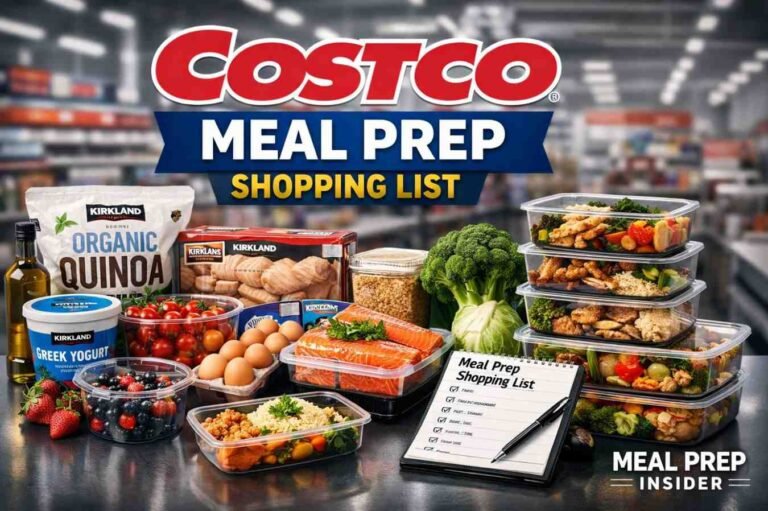
RELATED POST >> Costco Meal Prep Shopping List: Bulk Buying Success Guide
Pitfalls People Hit When Starting Out
Nobody gets meal prep perfect immediately. Here’s what trips people up.
Overbuying Fresh Produce
Your eyes see beautiful vegetables, and your brain imagines becoming someone who eats salad twice daily. Reality check: you won’t.
Buy for who you are, not who you wish you were. If you currently eat vegetables twice a week, don’t buy enough for twice daily. Gradually increase.
Ignoring What’s Already Home
Check your fridge and pantry before shopping. Seriously, actually look.
Most kitchens have half-used bags of rice, random cans of beans, and forgotten vegetables in the crisper drawer. Build meals around these first.
Planning Too Many New Recipes
Trying seven new recipes in one week sounds exciting until Wednesday, when you’re exhausted and staring at unfamiliar ingredients.
Stick to 2-3 familiar recipes and maybe one new thing. Master your basics before getting fancy.
Skipping the Prep Calendar
A grocery list without a meal plan is just random food you hope works out.
Match list items to specific meals on specific days. This prevents the “I have ingredients but nothing to eat” paradox.
Shopping While Hungry
Classic blunder. You’ll buy everything. Impulse purchases skyrocket when your stomach is making decisions.
Eat something before shopping. Even a granular bar helps.
Not Checking Sales and Seasons
Strawberries cost $6 in January and $2 in June. Plan meals around what’s currently affordable and in-season.
Most grocery chains publish weekly ads online. Spend five minutes reviewing before finalizing your list.
Creating Theme Days for Easier Planning
Theme days simplify both your list and your meal prep.
Instead of random different meals, create patterns:
- Meatless Monday (beans, tofu, eggs)
- Taco Tuesday (obviously)
- Crockpot Wednesday (set it and forget it)
- Stir-fry Thursday (quick and veggie-heavy)
- Fish Friday (if you eat seafood)
- Leftover Saturday
- Prep Sunday
This structure means your grocery list follows predictable patterns. You’ll naturally know what to buy because the framework stays consistent.
Batch Cooking Components vs Full Meals
Here’s a reality check about meal prep. You don’t have to make complete meals.
Prepping components often works better for real life.
Component approach:
- Cook 3 lbs of chicken breast
- Roast sheet pans of vegetables
- Make a big pot of rice or quinoa
- Boil a dozen eggs
- Prep smoothie bags
Then mix and match throughout the week. Monday’s chicken with rice and broccoli becomes Wednesday’s chicken tacos with different toppings.
This prevents meal fatigue where you’re eating identical containers all week.
Your grocery list for component cooking looks different. More versatile ingredients, fewer recipe-specific items.
Adjusting Lists for Dietary Needs
Templates aren’t one-size-fits-all. Adjust for how you actually eat.
Gluten-Free Adjustments
Swap regular pasta, bread, and flour for certified gluten-free versions. Add rice cakes, corn tortillas, and gluten-free oats.
Stock up on naturally gluten-free grains: rice, quinoa, buckwheat, millet.
Dairy-Free Shopping
Replace dairy milk with oat, almond, or soy varieties. Swap butter for olive oil or vegan butter. Use nutritional yeast instead of cheese for some dishes.
Coconut milk (canned) works great for creamy sauces and curries.
Low-Carb Focus
Increase protein and fat portions. Add more leafy greens, cruciferous vegetables, nuts, seeds, avocados, and full-fat dairy.
Cauliflower rice, zucchini noodles, and spaghetti squash replace traditional grains.
Vegetarian or Vegan Lists
Protein sources shift to beans, lentils, tofu, tempeh, seitan, and plant-based meat alternatives.
Increase nuts, seeds, and whole grains for complete protein profiles. Consider protein powder for smoothies.
Seasonal Shopping Strategies
Your grocery list should shift with seasons. It saves money and improves meal quality.
Spring:
- Asparagus
- Peas
- Artichokes
- Strawberries
- Spring greens
Summer:
- Tomatoes
- Zucchini
- Corn
- Berries
- Peaches
- Watermelon
Fall:
- Squash varieties
- Apples
- Brussels sprouts
- Sweet potatoes
- Pears
Winter:
- Citrus fruits
- Root vegetables
- Cabbage
- Pomegranates
- Kale
Seasonal produce costs less and tastes better because it’s not shipped from halfway across the world. Your grocery budget stretches further automatically.
Store Selection Matters
Where you shop affects what goes on your list and how much you spend.
Walmart or Target:
Good for basics, competitive pricing, and one-stop shopping. Their store brands (Great Value, Good & Gather) offer solid quality at lower prices.
Aldi or Lidl:
Excellent for budget meal prep. Limited selection actually simplifies decisions. Bring your own bags and a quarter for the cart.
Costco or Sam’s Club:
Bulk buying reduces per-unit costs dramatically. Best for non-perishables, frozen items, and household staples. Requires upfront membership investment.
Trader Joe’s:
Pre-prepped ingredients at reasonable prices. Frozen section is gold for meal preppers. Limited brands mean faster shopping.
Regular grocery chains (Kroger, Safeway, Publix):
Loyalty programs and digital coupons offset higher baseline prices. Familiar layouts make efficient shopping easier.
Farmers markets:
Weekend supplement shopping for peak-season produce. Prices vary wildly. Sometimes cheaper, sometimes premium.
Many successful meal preppers split shopping across stores. Costco runs monthly for staples, and a weekly Aldi trip for fresh items.
Technology Tools That Help
Apps can streamline the grocery list process if you’re into that.
AnyList: Clean interface, shared lists, recipe integration. The free version does plenty.
Mealime: Meal planning that generates shopping lists automatically. Helpful for beginners.
Out of Milk: Pantry inventory tracking plus shopping lists. Prevents duplicate buying.
Your store’s app: Most major chains now have surprisingly decent list features. Plus, they integrate sales and coupons.
Simple spreadsheet: Google Sheets template you customize completely. Share with household members.
Honestly though? The best tool is whichever one you’ll consistently use. A scrap of paper beats a sophisticated app you ignore.
Teaching Kids to Meal Prep Shop
Getting children involved builds life skills and makes shopping smoother.
Young kids can identify items from pictures, find specific colors of produce, and count items into bags.
Older kids can compare unit prices, read nutrition labels, and find sale items. Teenagers can plan meals and create lists independently.
Make it a game. “Find the cheapest pasta option.” “How many different green vegetables can we spot?”
This reduces the “can we get this” battles because they’re engaged in the actual mission.
Meal Prep for One vs Families
List sizes scale, but strategies differ.
Solo Shopping
- Buy smaller quantities more frequently
- Focus on versatile ingredients that work multiple ways
- Frozen vegetables prevent waste
- Share bulk purchases with friends
- Don’t skip meal prep because “it’s just me.”
Couple Shopping
- Coordinate preferences
- Split meal prep duties
- Buy medium quantities
- Plan 3-4 dinner recipes weekly
Family Lists
- Account for kid preferences alongside adult meals
- Buy in larger quantities
- Include quick breakfast options
- Stock kid-friendly snacks
- Plan leftover lunches automatically
Families save more money by meal prepping because bulk purchases make sense. Singles need different strategies but benefit just as much.
Handling Special Occasions and Meal Prep
Life happens. Birthdays, dinner invitations, work events, vacation weeks.
Don’t meal prep for days when you know you won’t eat at home. Adjust your grocery list accordingly.
Planning a lighter meal prep week because your birthday is Thursday and you’re definitely going out? Perfect. Buy less. Save money.
The template should flex with reality, not create rigid rules you’ll break and feel bad about.
Storage Container Considerations
Your grocery list should account for how you’ll store prepped food.
Invest in quality containers once rather than fighting cheap ones forever.
What works:
- Glass containers (Pyrex, Snapware)
- BPA-free plastic (Rubbermaid, Prep Naturals)
- Mason jars for salads and overnight oats
- Silicone bags for freezer items
You need various sizes. Some full meals, some component portions, some snack-sized.
Count your containers before planning. Don’t prep six meals if you own four containers.
The Sunday Reset Routine
Most Americans do their meal prep on Sundays. There’s a rhythm to it.
- Review the week ahead
- Choose recipes based on the schedule
- Check current inventory
- Create a grocery list
- Shop on Sunday morning
- Prep Sunday afternoon
- Store everything properly
This routine becomes automatic after a few weeks. Your brain switches to meal prep mode on Sunday morning.
Some people prefer weeknight prepping. Wednesday works too. Pick what fits your schedule.
Tracking What Actually Gets Eaten
Your grocery list should evolve based on real data.
Notice that you planned salmon for three weeks in a row but only ate it once? Stop buying salmon every week.
Keep quick notes about what worked and what became trash. Adjust future lists accordingly.
This prevents the cycle of buying the same ingredients you never use, only to tell yourself, “This time will be different.”
Reality-based planning beats aspirational planning every time.
Meal Prep Grocery List Template: FAQs
How much should I budget for weekly meal prep groceries?
Most single adults spend $50-75 per week on meal-prep groceries. Couples average $100-150. Families of four typically range from $150 to $ 250, depending on dietary choices and location. These figures assume you’re cooking most meals at home.
Can I meal prep if I live alone?
Absolutely. Solo meal prep prevents the expensive trap of ordering takeout because “cooking for one isn’t worth it.” Focus on recipes that freeze well or component cooking that creates variety from the same ingredients.
What’s the best day to grocery shop for meal prep?
Sunday mornings work great because stores are less crowded, and you can prep immediately after. Wednesday evenings catch mid-week sales. Avoid Saturday afternoons when stores are packed. Pick whatever day you’ll consistently stick to.
How long does meal-prepped food last in the fridge?
Most cooked proteins and vegetables stay good for 4-5 days in the refrigerator. Fish and seafood should be eaten within 2-3 days. Freeze anything you won’t eat within that window. Label everything with prep dates.
Should I buy organic for meal prep?
Buy organic for the “Dirty Dozen” produce if your budget allows (strawberries, spinach, apples, grapes, etc.). Conventional is fine for thick-skinned produce and items you’ll cook thoroughly. Don’t let perfect be the enemy of good. Meal prepping with conventional produce beats not prepping at all.
What if I get tired of eating the same meals?
Prep components instead of complete meals. Cook plain proteins and grains, then season each day differently. Use theme days to create variety. Keep a “rescue sauce” collection (teriyaki, curry, pesto) to transform basic ingredients.
How do I meal prep without getting overwhelmed?
Start with just three dinners your first week. Don’t try to prep every meal immediately. Pick simple recipes you’ve made before. Build complexity gradually as the routine becomes natural.
Can I meal prep and still enjoy food?
Definitely. Meal prep isn’t about bland chicken and broccoli in sad containers. It’s about having delicious food ready when you’re too busy or tired to cook. Season aggressively. Try new cuisines. Make food you genuinely want to eat.
What grocery items should always be on my list?
Eggs, onions, garlic, rice or pasta, frozen vegetables, olive oil, and whatever protein is on sale. These basics create countless meal combinations and never go to waste.
How do I avoid wasting fresh produce?
Buy less than you think you need initially. Choose hardy vegetables for later in the week. Freeze extras before they go bad. Accept that some waste happens while you’re learning your patterns. Track what spoils and adjust future lists.
SUGGESTED POST >> High-Protein Meal Prep for Muscle Gain Female: Strong Women
Discover more from Meal Prep Insider
Subscribe to get the latest posts sent to your email.