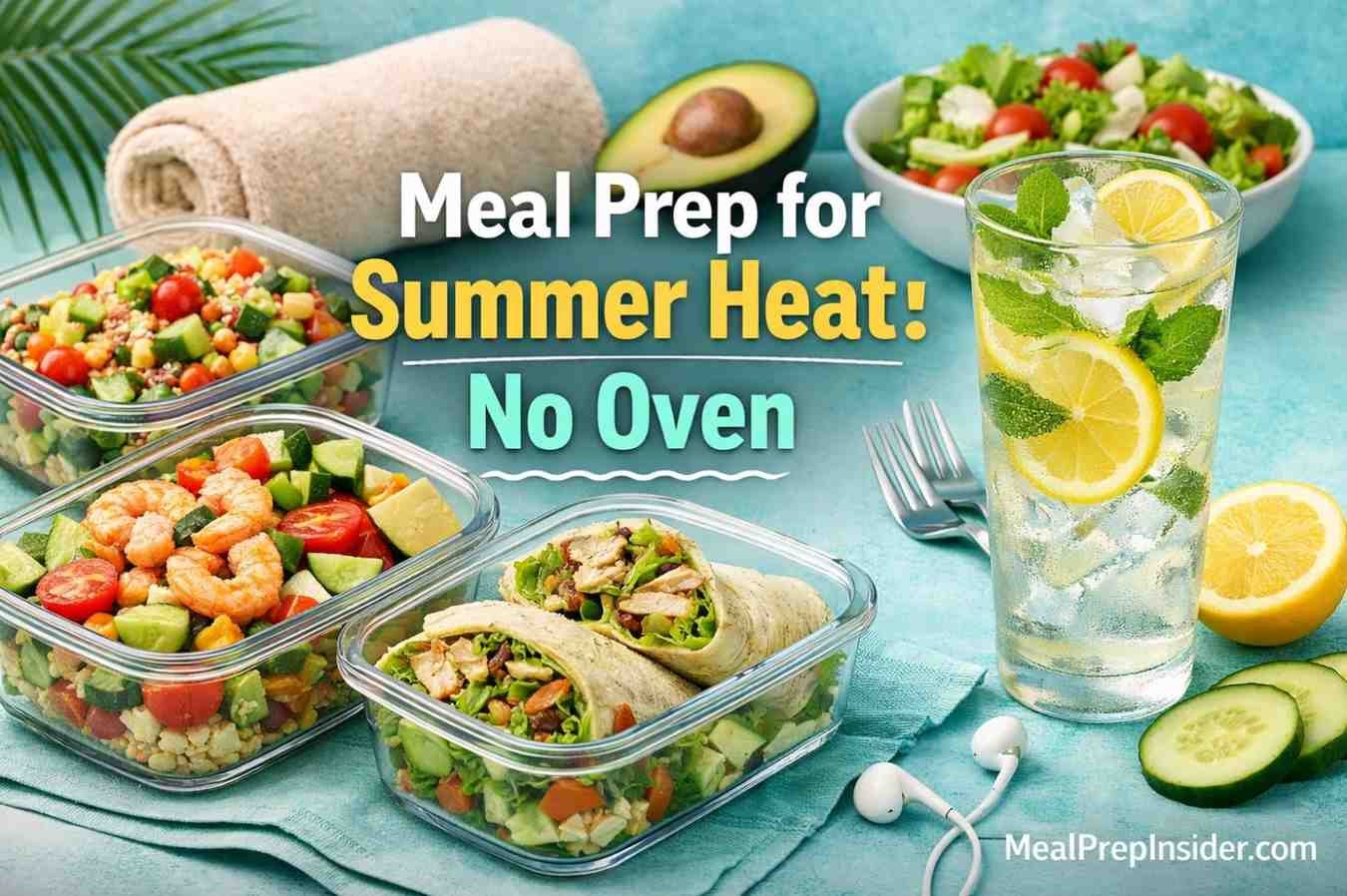
Meal Prep for Summer Heat: No Oven: Best Refreshing Options

Meal prep for summer heat without an oven might sound like a challenge, but honestly, it’s one of the smartest moves you can make when the temperature climbs into the triple digits.
Last July, I stood in my kitchen at 9 AM, already sweating, watching my oven preheat to 425°F. The AC was fighting a losing battle. My electric bill was skyrocketing. Something had to change.
That’s when I ditched the oven completely.
Now, I’m not just talking about surviving summer without baked chicken. I’m talking about thriving with meals that are actually better, fresher, and way more enjoyable when you’re not heating your house like a furnace. American summers are getting hotter, and our meal prep strategies need to evolve.
This isn’t your typical “eat salads all summer” advice. We’re going deeper.
Why Summer Meal Prep Without an Oven Makes Sense
The average oven raises your kitchen temperature by 10-15 degrees. Think about that for a second. You’re paying to cool your house while simultaneously heating it. The logic doesn’t track.
Beyond the temperature issue, summer brings different cravings. Heavy, baked casseroles that comfort us in February feel suffocating in August. Your body naturally wants lighter, fresher options. Meal prepping without an oven aligns perfectly with what your body actually needs during hot months.
There’s also the time factor. Summer evenings are meant for being outside, not hunched over a hot stove. When you prep strategically using alternative cooking methods, you free up those precious daylight hours.
The Tools That Replace Your Oven
Before diving into recipes and strategies, let’s talk equipment. You don’t need to buy everything at once, but these tools will transform your summer meal prep game.
Instant Pot or Pressure Cooker
This is the MVP of no-oven cooking. It cooks food faster than traditional methods while generating minimal heat in your kitchen. The sealed environment keeps that warmth contained instead of radiating throughout your space.
I resisted getting one for years. Thought it was just another kitchen gadget taking up counter space. Dead wrong. This thing changed everything.
Slow Cooker
Yes, it’s not new or trendy. But slow cookers are brilliant for summer meal prep because they produce far less ambient heat than ovens. Set it in the morning before temperatures peak, and you’ve got dinner ready without afternoon cooking.
Air Fryer
These have exploded in popularity for good reason. They create that crispy, roasted texture we love from ovens but heat up and cool down in minutes. Plus, they’re smaller and more efficient.
Outdoor Grill
Moving the heat source outside is an obvious solution, but many people forget about meal prepping on the grill. You can cook an entire week’s worth of proteins in one Sunday evening session.
Stovetop and Skillet
Sometimes the simplest tools are the best. A good cast-iron skillet or stainless steel pan can replicate many oven functions without heating your entire kitchen.
Microwave
Don’t sleep on this one. Modern microwaves are far more versatile than people give them credit for, especially for reheating and certain cooking techniques.
Proteins That Don’t Need Baking
Protein is usually the centerpiece of meal prep, and frankly, this is where people get stuck without an oven. Here’s the truth: you have more options than you think.
Grilled Chicken Variations
Chicken breasts, thighs, or drumsticks all work beautifully on the grill. Season them differently each week to avoid boredom.
Try these combinations:
- Lime and cilantro with cumin
- Lemon pepper with garlic
- Buffalo seasoning with ranch
- Teriyaki with ginger and sesame
- Mediterranean herbs with olive oil
Grill everything on Sunday. Slice some for salads, dice some for bowls, leave some whole for quick lunches.
Instant Pot Shredded Meats
Pork shoulder, chicken thighs, or beef chuck roast become incredibly tender in the pressure cooker. The best part? Twenty minutes of actual cooking time for meat that tastes as if it had simmered for hours.
My go-to method: Season the meat, add a cup of liquid (broth, salsa, or even just water with spices), cook on high pressure for about 20-30 minutes, depending on the cut, then shred it.
You’ve got taco meat, sandwich filling, burrito bowl protein, or salad topping ready to go.
Stovetop Ground Meat
Ground turkey, beef, or chicken cooks in minutes on the stovetop. Season it while cooking, portion it out, and you’ve got versatile protein for the week.
Brown it with taco seasoning, Italian herbs, Asian-inspired sauces, or Mediterranean spices. Each variation opens up different meal possibilities.
Cold Proteins That Shine in Summer
Not everything needs to be cooked fresh. These options are refreshing and perfect for hot weather:
- Canned tuna or salmon (mix with Greek yogurt, mustard, and herbs)
- Rotisserie chicken from the grocery store (shred it yourself)
- Deli turkey or chicken (look for low-sodium options)
- Hard-boiled eggs (stovetop, not oven)
- Smoked salmon
- Canned chickpeas (rinse and season)
Grilled or Pan-Seared Fish
Fish cooks quickly and doesn’t need an oven. Salmon, tilapia, mahi-mahi, or shrimp all work great on the grill or in a hot skillet.
The key with fish is not to overcook it. Medium-high heat, a few minutes per side, done.
Vegetables Without the Oven
Roasted vegetables are delicious, but they’re not your only option. Summer actually offers better alternatives.
Raw Vegetables
Embrace them. Summer produce is meant to be eaten fresh.
Prep these at the beginning of the week:
- Cherry tomatoes (halved)
- Cucumbers (sliced or diced)
- Bell peppers (strips or chopped)
- Carrots (shredded or sticks)
- Radishes (sliced thin)
- Red onion (diced or sliced)
- Celery (chopped)
Store them in containers with slightly damp paper towels to keep them crisp.
Grilled Vegetables
Zucchini, yellow squash, eggplant, peppers, onions, and asparagus all taste incredible grilled. Cut them into similar sizes, toss with oil and seasoning, and grill them alongside your proteins.
They keep for 4-5 days and taste great cold, at room temperature, or reheated.
Stovetop Sautéed Options
A quick sauté takes minutes and adds minimal heat. Spinach, kale, green beans, snap peas, and mushrooms all work perfectly.
Heat your pan, add oil, toss in veggies, season, and you’re done in under ten minutes.
Slow Cooker Vegetables
This might sound odd, but the slow cooker makes incredible vegetable sides. Sweet potatoes, regular potatoes, corn on the cob, and even spaghetti squash cook perfectly without heating up your kitchen.
Pre-Cooked and Frozen Options
There’s zero shame in using pre-cooked vegetables. Frozen riced cauliflower, frozen broccoli, and frozen stir-fry mixes are lifesavers. Steam them in the microwave when you’re ready to eat.
Carbs and Grains Made Easy
You don’t need an oven to satisfy your carb cravings. In fact, some of the best options are naturally no-oven foods.
Rice Cooker or Instant Pot Grains
Rice, quinoa, farro, and barley all cook perfectly in these appliances. Make a big batch on Sunday and portion it out.
Pro tip: Cook your grains in broth instead of water for better flavor.
Stovetop Pasta
Obviously. But think beyond basic spaghetti. Orzo, couscous, and small pasta shapes work great for cold pasta salads.
Cook it, rinse it with cold water, toss with olive oil, and add to your prepped containers.
Cold Grain Salads
These are summer gold. Cook your grain, let it cool completely, then mix with:
- Chopped vegetables
- Fresh herbs
- Dried fruit
- Nuts or seeds
- Vinaigrette dressing
It keeps for days and actually tastes better after the flavors have melded.
Stovetop Polenta
Creamy polenta cooks on the stovetop in about 30 minutes. Spread it in a pan, let it set, then cut it into squares. You can grill these squares or pan-fry them later for a crispy base to any meal.
Bread and Wraps
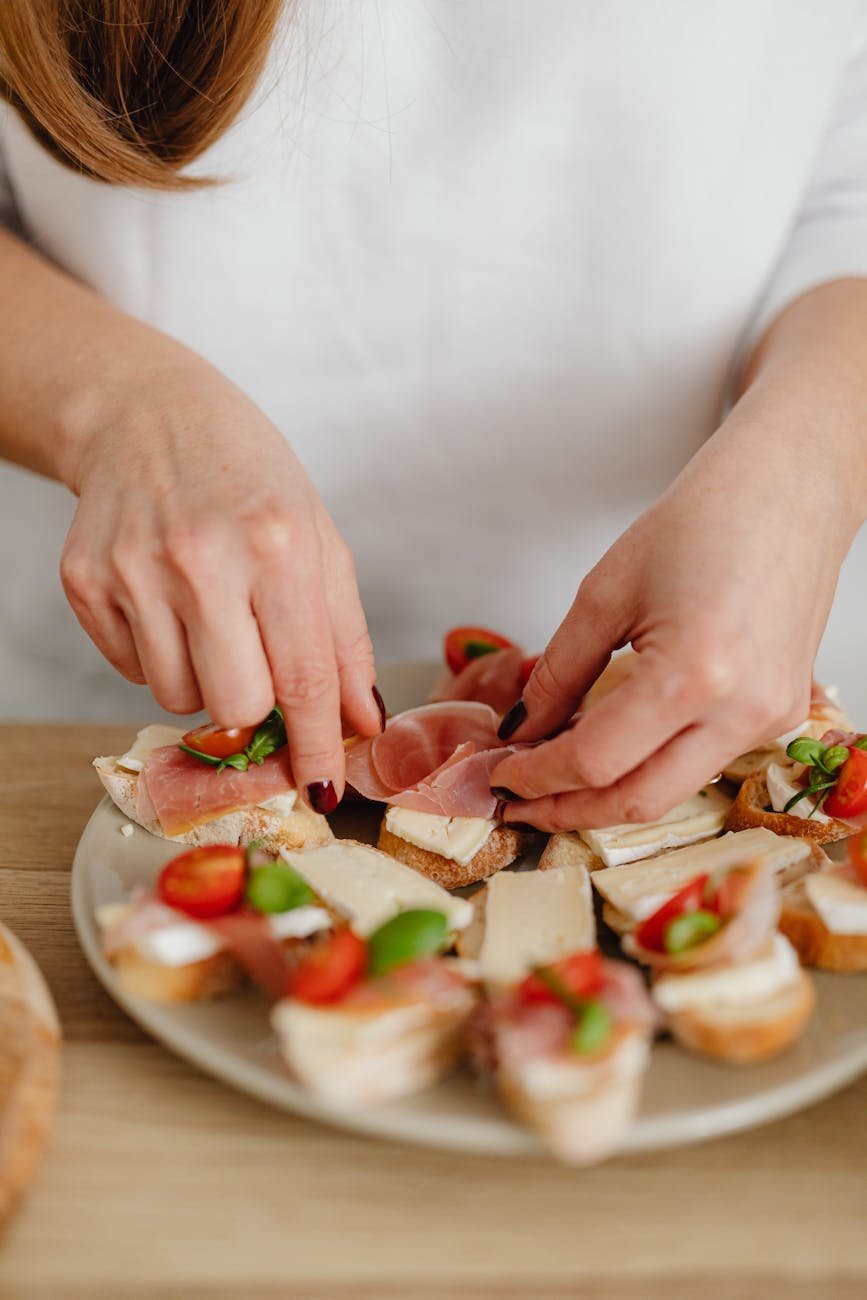
Sometimes the simplest carb is the best. Whole-grain bread, tortillas, pita, or naan require zero cooking.
Complete Meal Prep Ideas for Hot Weather
Let’s put this all together. Here are full meal prep plans that require zero oven use.
Mediterranean Week
Proteins:
- Grilled chicken with lemon and oregano
- Pan-seared shrimp with garlic
Vegetables:
- Cucumber and tomato salad
- Grilled zucchini and bell peppers
- Raw veggie sticks with hummus
Carbs:
- Quinoa with fresh herbs
- Whole wheat pita
Additional:
- Hummus
- Tzatziki sauce
- Feta cheese
- Kalamata olives
Mix and match throughout the week for bowls, wraps, or salads.
Taco Bowl Week
Proteins:
- Slow cooker carnitas
- Instant Pot chicken with salsa verde
- Black beans (stovetop or canned)
Vegetables:
- Shredded lettuce
- Diced tomatoes
- Sliced peppers
- Corn (grilled or from frozen)
- Diced red onion
Carbs:
- Rice cooked in an Instant Pot
- Tortilla chips or tortillas
Additional:
- Guacamole or sliced avocado
- Salsa
- Sour cream or Greek yogurt
- Cheese
- Fresh cilantro and lime
Asian-Inspired Week
Proteins:
- Instant Pot teriyaki chicken
- Pan-seared salmon with soy glaze
- Hard-boiled eggs
Vegetables:
- Stir-fried mixed vegetables
- Cucumber salad with rice vinegar
- Shredded carrots
- Edamame (microwave from frozen)
Carbs:
- Rice (white, brown, or cauliflower rice)
- Rice noodles (stovetop)
Additional:
- Sesame seeds
- Green onions
- Soy sauce or coconut aminos
- Sriracha
Summer Salad Week
Proteins:
- Grilled chicken (various flavors)
- Canned tuna with herbs
- Grilled shrimp
- Hard-boiled eggs
Vegetables:
Everything raw:
- Mixed greens
- Cherry tomatoes
- Cucumbers
- Bell peppers
- Shredded carrots
- Red cabbage
- Radishes
Carbs:
- Cold pasta salad
- Chickpeas
- Croutons
Additional:
- Various dressings
- Nuts and seeds
- Dried cranberries or other fruit
- Cheese
RELATED POST >> Healthy Vegetable Soup Meal Prep: Batch Cooking Guide
Making Your Meal Prep Last in Summer Heat
Food safety becomes extra important when it’s hot outside. Your meal prep strategy needs to account for higher temperatures.
Cool Everything Completely Before Storing
Never put warm food directly into containers and into the fridge. This raises the temperature inside your refrigerator and can affect everything else you’re storing.
Spread cooked items on a baking sheet and let them cool on the counter for 30 minutes, then refrigerate.
Invest in Quality Containers
Airtight containers keep food fresher for longer. Glass containers work better than plastic for longer storage.
I learned this the hard way after a week of soggy, sad salads in cheap containers.
Separate Wet and Dry Ingredients
Keep dressings, sauces, and wet ingredients separate until you’re ready to eat. This prevents everything from getting mushy.
Small 2-ounce containers are perfect for dressings and sauces.
Use the Right Storage Times
Here’s a realistic timeline for summer meal prep:
| Food Type | Refrigerator Storage |
|---|---|
| Cooked chicken | 3-4 days |
| Cooked beef/pork | 3-4 days |
| Cooked fish | 2-3 days |
| Cooked grains | 4-6 days |
| Raw cut vegetables | 3-5 days |
| Mixed salads without dressing | 3-4 days |
| Hard-boiled eggs | 5-7 days |
If something won’t get eaten within these windows, freeze it instead.
Freeze Smartly
Not everything freezes well, but many meal prep items do. Cooked meats, soups, stews, cooked grains, and many casseroles freeze beautifully.
Don’t freeze: raw vegetables with high water content, mayo-based salads, or fully assembled salads.
Pitfalls to Avoid
Here’s where people typically mess up their no-oven summer meal prep.
Over-Complicating Everything
You don’t need elaborate recipes with 15 ingredients. Simple, fresh food tastes better in summer anyway. Grilled chicken with salt, pepper, and lemon is perfectly fine.
Prepping Too Much at Once
Enthusiasm is great, but prepping seven days of food on Sunday often leads to waste. Start with 3-4 days and see how it goes.
Ignoring Texture Variety
All soft, mushy food gets boring fast. Include crunchy vegetables, crispy proteins, and varied textures to keep meals interesting.
Forgetting About Flavor
Without the caramelization that ovens provide, you need to be more intentional about seasoning. Fresh herbs, citrus, and bold spices become your best friends.
Skipping Snacks
Summer heat can make you less hungry at meal times but hungrier for snacks. Prep some: cut vegetables with dip, fruit, nuts, cheese, or cold protein like hard-boiled eggs.
Not Staying Hydrated
This isn’t directly about meal prep, but it affects everything. Dehydration makes you feel hungrier and crave worse foods. Prep infused water, iced tea, or keep cut citrus ready to add to water.
Time-Saving Strategies That Work
The whole point of meal prep is saving time during the week. Here’s how to maximize efficiency.
Cook Multiple Proteins Simultaneously
If you’re firing up the grill, cook everything at once. Chicken, beef, and vegetables can all share grill space. The Instant Pot can cook one thing while your stovetop handles another.
Batch Your Prep Tasks
Chop all vegetables at once. Cook all grains together. Season and grill all proteins in one session. Assembly-line thinking speeds everything up.
Use Downtimes Wisely
While rice cooks in the Instant Pot (which takes zero monitoring), you can prep vegetables or make dressings. Stack your tasks.
Keep a Well-Stocked Pantry
Having basics on hand means fewer grocery trips. Stock canned beans, tomatoes, broth, grains, spices, and condiments.
Create a Template
Choose a format (bowls, salads, wraps) and stick with it for the week. Once you have your template, you just swap out proteins and vegetables.
My current favorite: the basic bowl. Grain base, protein, two vegetables, and a sauce. Simple, endlessly variable, never boring.
Budget-Friendly Approaches
Summer meal prep without an oven can absolutely fit any budget.
Shop Seasonal Produce
Summer is when produce is cheapest and best. Tomatoes, cucumbers, zucchini, peppers, and corn are abundant and affordable.
Farmers’ markets often have better deals than grocery stores, especially near closing time.
Buy Proteins on Sale
Stock up when chicken, pork, or beef goes on sale. Freeze what you won’t use immediately.
Use Affordable Proteins
Eggs, canned tuna, chicken thighs (cheaper than breasts), and ground meat typically cost less than premium cuts.
Beans and lentils are incredibly cheap and work as complete or partial protein sources.
Minimize Waste
This is huge. When you prep intentionally and actually eat what you make, you’re not throwing money away.
Track what you consistently don’t eat and stop prepping it.
Make Your Own Dressings and Sauces
Store-bought versions are convenient but expensive. A basic vinaigrette takes two minutes and costs pennies compared to bottled versions.
Building Flavor Without the Oven
Since we’re skipping the caramelization and roasted depth that ovens provide, we need other flavor-building techniques.
Marinades
Let proteins sit in marinades for a few hours before grilling or cooking. The flavor penetration makes a massive difference.
Basic formula: acid (citrus or vinegar) + oil + seasonings + herbs.
Fresh Herbs
Dried herbs are fine, but fresh herbs elevate summer food completely. Cilantro, basil, parsley, mint, and dill are all perfect for no-cook or quickly cooked meals.
Grow them yourself if possible. Even a small windowsill herb garden saves money and provides better flavor.
Citrus
Lemon, lime, and orange juice and zest brighten everything. Add them at the end of cooking or right before serving for maximum impact.
Spice Blends
Create or buy good spice blends. They add complexity without extra effort.
Keep these on hand:
- Taco seasoning
- Italian blend
- Cajun seasoning
- Everything bagel seasoning
- Curry powder
- Chinese five-spice
Finishing Touches
Don’t underestimate the power of final garnishes. Toasted nuts, seeds, a drizzle of good olive oil, fresh herbs, or a squeeze of citrus transform a basic meal into something special.
Real Talk About Motivation
Let’s be honest. Meal prep sounds great until Sunday afternoon, when you’d rather be doing literally anything else.
Here’s what keeps me going:
The first time I opened my fridge on a Wednesday evening after work, I saw five ready-to-eat meals, and realized I didn’t have to cook or order expensive takeout. That feeling never gets old.
Financial motivation works for some people. Calculate how much you spend on lunch during work weeks versus bringing prepped meals. For most Americans, it’s shocking.
Health goals matter too. When healthy food is already prepared, you’ll eat it. When it’s not, you’ll eat whatever’s easiest.
Find your personal why. Maybe it’s saving money, losing weight, having more free time in the evening, or just feeling more organized. Lock onto that reason when motivation dips.
Adapting for Different Dietary Needs
No-oven meal prep works for basically any eating style.
Keto/Low-Carb
Skip the grains and add extra vegetables and healthy fats. Grilled proteins with cauliflower rice, zucchini noodles, and plenty of vegetables work perfectly. Add avocado, cheese, nuts, and olive oil for fat.
Vegetarian
Focus on beans, lentils, eggs, tofu, and tempeh for protein. These all cook beautifully without an oven. Grilled tofu is underrated and delicious.
Vegan
Similar to vegetarian, but skip the eggs and dairy. Tahini-based dressings, nutritional yeast for flavor, and plenty of beans and grains keep meals satisfying.
Paleo
Grilled meats and vegetables are basically the foundation of paleo eating. Sweet potatoes cooked in the slow cooker or Instant Pot replace grains.
Whole30
This one’s actually easier without an oven since you’re focusing on simple, unprocessed foods anyway. Grilled proteins, loads of vegetables, and compliant sauces.
Getting the Family on Board
Meal prepping for one person is manageable. Meal prepping for a family while avoiding the oven requires strategy.
Let People Customize
Prep components separately rather than complete meals. Everyone can build their own bowls or plates based on preferences.
This eliminates the “I don’t like this” complaints.
Include Kid-Friendly Options
Plain grilled chicken strips, simple rice, raw vegetables with ranch, and fruit work for picky eaters. Adults can add more adventurous flavors and ingredients.
Make It a Group Activity
Get everyone involved in Sunday prep. Even young kids can wash vegetables or stir grain. Teenagers can handle grilling or chopping.
When people help prepare food, they’re more invested in eating it.
Create a Meal Plan Together
Don’t dictate what everyone will eat. Have a family meeting, discuss options, and let everyone contribute ideas. You’ll get less resistance during the week.
Beyond Dinner
Meal prep isn’t just about dinner. Summer is perfect for prepping other meals without an oven.
Breakfast Options
- Overnight oats (dozens of flavor combinations)
- Greek yogurt parfaits with fruit and granola
- Hard-boiled eggs
- Smoothie prep bags (freeze fruit and greens in portions)
- Chia pudding
- Cold brew coffee concentrate
Lunch Ideas
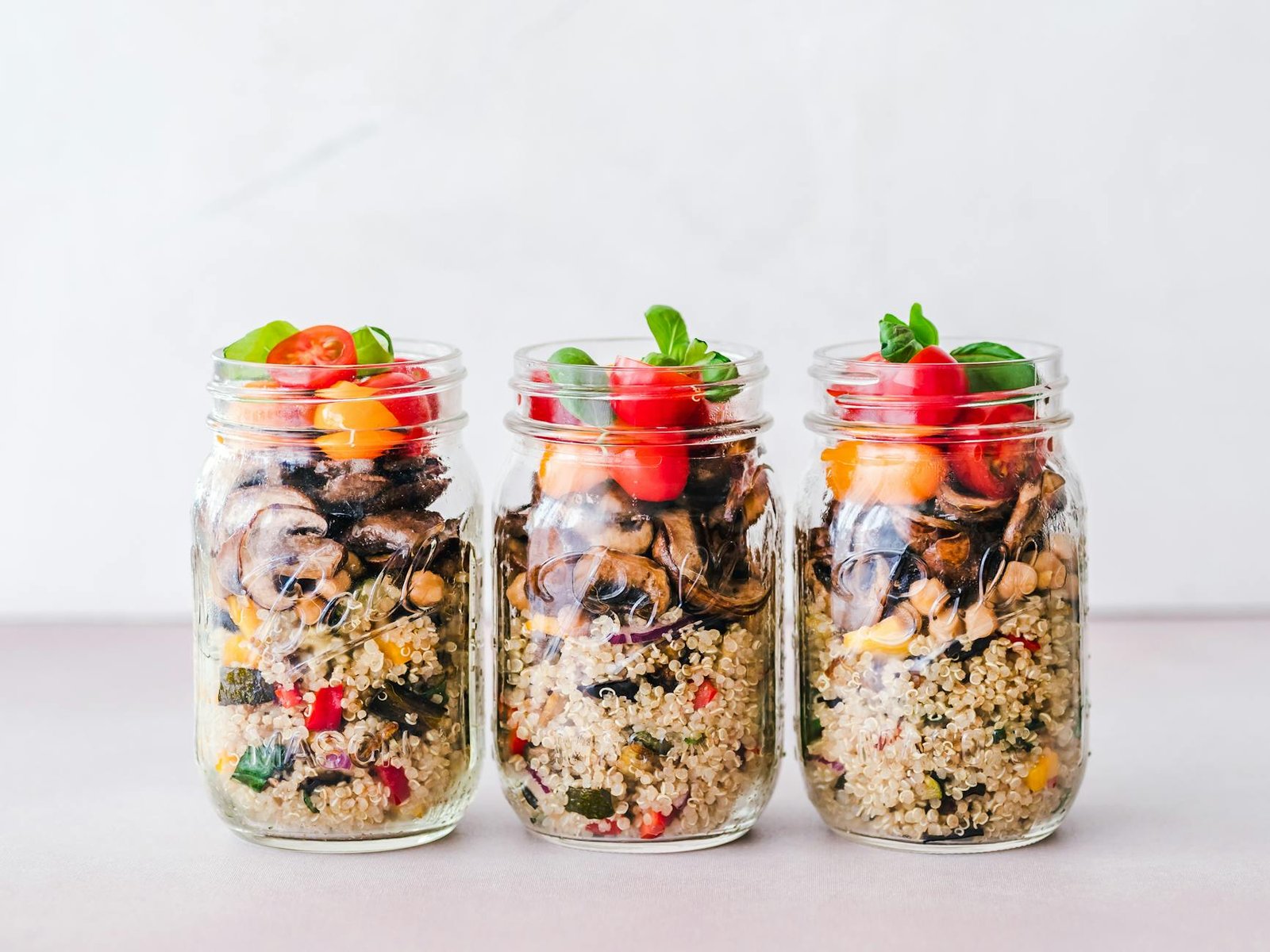
- Mason jar salads (dressing on bottom, sturdy vegetables next, greens on top)
- Sandwich components prepped separately
- Cold pasta salads
- Grain bowls
- Wraps (prep filling, assemble daily)
Snacks Throughout the Week
- Cut vegetables with hummus
- Fruit portions
- Energy balls (no-bake)
- Trail mix portions
- Cheese and crackers
- Turkey roll-ups
When to Break Your Own Rules
I’m all for no-oven summer cooking, but let’s be realistic. Sometimes you’ll want something baked.
Do it in the morning or evening when it’s cooler. Run your oven before 9 AM or after 8 PM, and the temperature impact is minimal.
Or save baking for cooler days. Even summer has occasional mild days, especially if you live in certain regions.
The point isn’t perfection. It’s making your life easier and your house more comfortable during the hottest months.
FAQ
How long does summer meal prep typically take?
For most people, 2-3 hours on Sunday covers meal prep for 3-5 days. If you’re efficient with multiple cooking methods, you can get it done faster. Beginners might take longer initially, but speed comes with practice.
Can I meal prep if I don’t have a grill?
Definitely. Stovetop cooking, Instant Pot, slow cooker, and air fryer handle everything you need. The grill is convenient but not essential.
What’s the best way to keep salads from getting soggy?
Store dressing separately in small containers. Keep wet ingredients like tomatoes and cucumbers separate from greens, if possible, or layer them strategically with heartier vegetables between the wet ingredients and the greens.
How do I prevent meal prep boredom?
Rotate your proteins and flavor profiles weekly. One week do Mediterranean, next week Mexican, then Asian-inspired. Variety in sauces and seasonings makes the same basic ingredients feel completely different.
Is meal prep actually cheaper than cooking daily?
Usually yes, because you buy ingredients in appropriate quantities, waste less food, and avoid emergency takeout situations. The savings compound when you’re not impulse-buying lunch or dinner several times a week.
Can I meal prep if I live alone?
Absolutely. In fact, it’s often easier. You only need to please yourself, and leftovers feed just one person. Freeze individual portions if you don’t want to eat the same thing all week.
What if I get tired of eating the same thing over and over?
Prep components instead of complete meals. If you have three different proteins, four vegetables, and two grain options prepped, you can create different combinations throughout the week.
How do I safely transport meal-prepped food to work in summer heat?
Use an insulated lunch bag with ice packs. Keep it in the coolest part of your car during commutes. Refrigerate it immediately upon arriving at work if possible.
What’s the easiest meal prep approach for complete beginners?
Start with just lunches for three days. Pick one protein, one grain, and two vegetables. Keep it simple until you build confidence and speed.
Do I need expensive containers for meal prep?
Not necessarily. While quality containers last longer and seal better, you can start with budget options or reusable containers you already own. Glass is ideal, but plastic works too if it’s BPA-free and airtight.
How can I add more vegetables to my no-oven meal prep?
Embrace raw vegetables with good dips and dressings. Grill extra vegetables whenever you’re grilling protein. Keep frozen vegetables as backup. Add shredded or spiralized vegetables to grain bowls.
Can meal prep work for weight loss?
It can be incredibly effective because you control portions and ingredients. Knowing exactly what and how much you’re eating removes guesswork and reduces impulsive eating decisions.
Final Thoughts
Meal prep for summer heat without an oven isn’t just possible—it’s preferable. You’ll stay cooler, eat fresher food, save money on electricity, and free up your evenings.
The first week might feel awkward as you figure out your rhythm. That’s normal. By week three or four, you’ll have systems in place that feel automatic.
Start small. Don’t try to prep every meal for the entire week on your first attempt. Pick one meal type, maybe lunches, and prep for three days. Build from there.
Remember that this is meant to make your life easier, not add stress. If something isn’t working, adjust it. Meal prep is personal, and your system should fit your life, schedule, and preferences.
Summer is too short to spend it sweating in a hot kitchen. Prep smart, eat well, and actually enjoy the season.
You’ve got this.
SUGGESTED POST >> Best AI Meal Prep Planner Available Now: Top 7 Explained
Discover more from Meal Prep Insider
Subscribe to get the latest posts sent to your email.