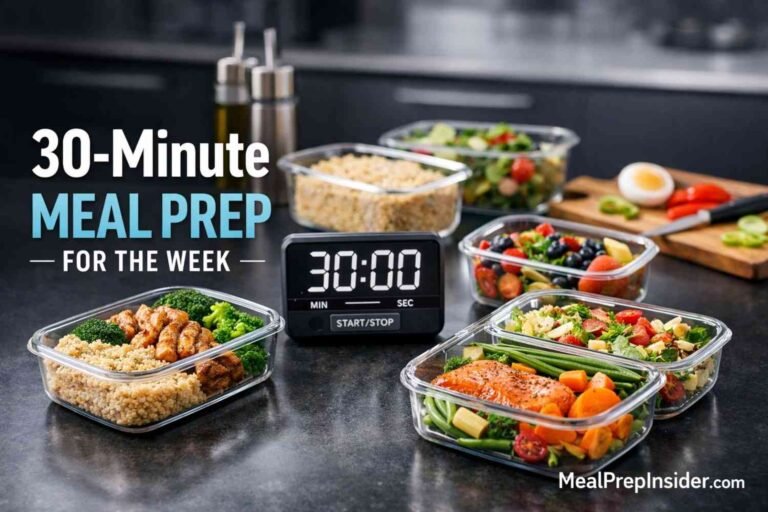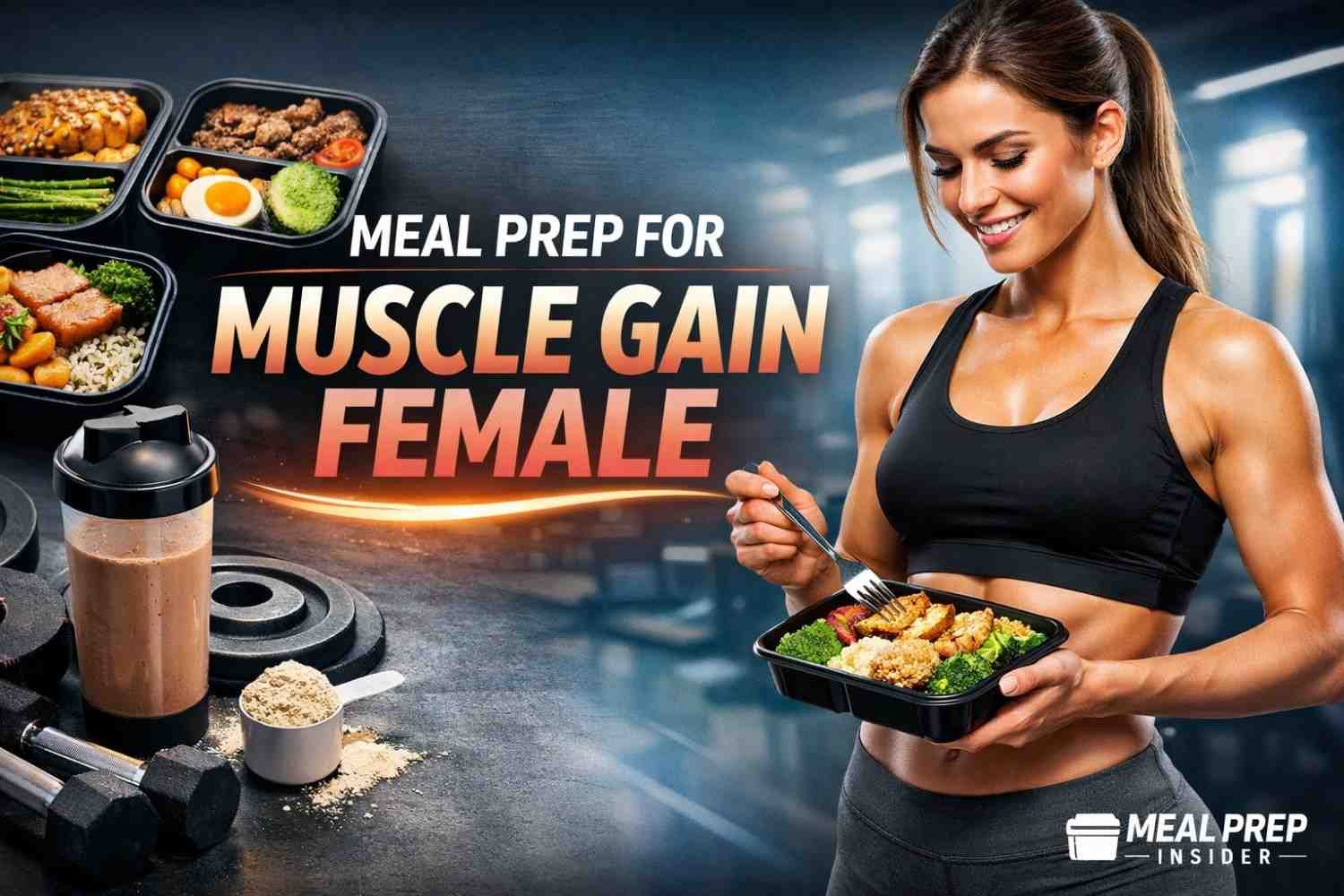
High-Protein Meal Prep for Muscle Gain Female: Strong Women

Meal Prep for Muscle Gain Female: Learn the best meal prep ideas for muscle gain designed specifically for women. High-protein, calorie-controlled meals to build lean muscle, boost metabolism, and support your fitness goals. Easy weekly prep plans perfect for busy females in the USA.
Why Women Need Different Protein Strategies
Listen, the fitness industry has been selling women the same old playbook for decades. Eat less. Do more cardio. Stay small.
That’s garbage advice if you’re trying to build muscle.
Women building muscle need protein. Lots of it. But not in the same way men do, and definitely not following some cookie-cutter Instagram plan that worked for someone else’s body.
Your hormonal cycles affect everything. How do you recover? How do you build muscle? Even though you absorb nutrients differently throughout the month.
Real talk? Most meal prep guides ignore this completely.
The typical American woman needs about 0.8 to 1.2 grams of protein per pound of body weight when actively building muscle. That’s significantly more than the standard dietary recommendations you’ll find on government websites.
For a 140-pound woman, that’s between 112 and 168 grams daily. Try hitting that without planning ahead. It won’t happen.
Understanding Your Protein Needs
Building muscle requires a calculated approach. You can’t just throw chicken breast at the problem and hope for results.
First, figure out your baseline. Multiply your current body weight by your activity factor. If you’re lifting weights 4-5 times weekly, you’re in the higher range. Three times weekly? Middle range works.
Protein Calculation by Activity Level:
| Activity Level | Protein per lb | Example (140 lb woman) |
|---|---|---|
| Moderate lifting (2-3x/week) | 0.8g | 112g daily |
| Heavy lifting (4-5x/week) | 1.0g | 140g daily |
| Intense training (6x/week) | 1.2g | 168g daily |
The science backs this up. Studies show women respond differently to protein timing than men. We actually benefit more from evenly distributed protein throughout the day rather than one massive post-workout shake.
Your body can only process about 25-30 grams of protein per meal for muscle synthesis. Anything beyond that gets used for energy or stored as fat.
So splitting your intake across 5-6 smaller meals makes more sense than three giant ones.
Best Protein Sources for Women
Not all protein is created equal. Some sources come packed with nutrients women specifically need during muscle-building phases.
Top Protein Sources:
- Lean ground turkey (22g per 4 oz)
- Chicken breast (26g per 4 oz)
- Salmon (25g per 4 oz)
- Greek yogurt (17g per 6 oz)
- Eggs (6g per large egg)
- Cottage cheese (14g per 1/2 cup)
- Lean beef (23g per 4 oz)
- Shrimp (24g per 4 oz)
- Protein powder (20-25g per scoop)
- Tempeh (15g per 3 oz)
You need iron. Women lose iron monthly, and building muscle increases demand even more. Red meat, dark poultry meat, and shellfish provide heme iron that your body absorbs easily.
Omega-3s matter too. They reduce inflammation from training and support hormone production. Fatty fish like salmon should show up 2-3 times weekly in your rotation.
Don’t sleep on eggs. They’re cheap, versatile, and contain all nine essential amino acids plus choline for brain health.
The Weekly Meal Prep Blueprint
Sunday afternoon meal prep changes everything. Spend 2-3 hours cooking, and you’ve got the entire week handled.
Here’s the framework that actually works.
Sunday Prep Session:
Cook three protein sources. Roast a big batch of chicken breasts, bake salmon portions, and grill some ground turkey. Season differently so you don’t get bored.
Prep two carb sources. Sweet potatoes and rice work great. They reheat well and pair with everything.
Chop vegetables. Lots of them. Broccoli, bell peppers, zucchini, snap peas, whatever’s on sale.
Make overnight oats. Five mason jars with protein powder mixed in. Breakfast solved.
Portion everything into containers immediately. If it’s already divided, you won’t overeat or undereat.
Sample Weekly Meal Plan:
Monday:
- Breakfast: Overnight oats with protein powder, berries, almonds
- Snack: Greek yogurt with honey
- Lunch: Grilled chicken, sweet potato, broccoli
- Snack: Hard-boiled eggs, carrots
- Dinner: Baked salmon, quinoa, asparagus
- Evening: Cottage cheese with cinnamon
Tuesday:
- Breakfast: Egg white scramble with spinach, turkey sausage
- Snack: Protein shake with banana
- Lunch: Ground turkey taco bowl with black beans
- Snack: String cheese, apple
- Dinner: Chicken stir-fry with mixed vegetables
- Evening: Casein protein shake
Wednesday:
- Breakfast: Protein pancakes with Greek yogurt
- Snack: Almonds, orange
- Lunch: Salmon salad with avocado, chickpeas
- Snack: Cottage cheese with cucumber
- Dinner: Turkey meatballs with zucchini noodles
- Evening: Hard-boiled eggs
Thursday:
- Breakfast: Overnight oats with protein powder
- Snack: Beef jerky, bell pepper strips
- Lunch: Chicken breast, brown rice, green beans
- Snack: Greek yogurt parfait
- Dinner: Shrimp and vegetable skewers, sweet potato
- Evening: Protein shake
Friday:
- Breakfast: Egg muffins with vegetables
- Snack: Protein bar, pear
- Lunch: Turkey and quinoa stuffed peppers
- Snack: Edamame
- Dinner: Grilled chicken, roasted Brussels sprouts
- Evening: Cottage cheese bowl
Saturday:
- Breakfast: Protein smoothie bowl
- Snack: Turkey roll-ups
- Lunch: Salmon with wild rice, roasted vegetables
- Snack: Greek yogurt with granola
- Dinner: Lean beef stir-fry
- Evening: Casein shake
Sunday:
- Breakfast: Veggie omelet with turkey sausage
- Snack: Protein balls
- Lunch: Chicken salad with mixed greens
- Snack: String cheese, grapes
- Dinner: Turkey chili with beans
- Evening: Greek yogurt
Each day hits that 130-150g protein target for a 140-pound woman training hard.
Budget-Friendly Shopping Strategies
Eating high-protein foods doesn’t mean destroying your bank account. You just need to shop smarter.
Buy in bulk. Costco, Sam’s Club, or BJ’s have massive packages of chicken breasts for half the price per pound. Freeze what you won’t use within three days.
Check sale flyers. Stock up when protein sources hit rock-bottom prices. Ground turkey on sale? Buy five pounds and freeze them.
Skip the organic hype for most items. Conventionally raised chicken has the same protein content. Save the organic budget for items that actually matter, like leafy greens.
Eggs are your best friend. Even fancy pasture-raised eggs cost less than $6 for a dozen. That’s 72 grams of protein for under six bucks.
Generic Greek yogurt works fine. The store brand has identical macros to Fage or Chobani but costs 40% less.
Budget Protein Price Comparison:
| Protein Source | Cost per lb | Protein per $ |
|---|---|---|
| Eggs | $2.50 | 29g |
| Canned tuna | $1.50 | 40g |
| Chicken thighs | $2.00 | 23g |
| Ground turkey | $3.50 | 18g |
| Whey protein | $0.60/serving | 40g |
| Chicken breast | $3.00 | 20g |
| Greek yogurt | $1.00/container | 17g |
| Cottage cheese | $2.50 | 28g |
Frozen vegetables cost pennies compared to fresh and have identical nutrition. Sometimes they’re actually more nutrient-dense because they’re frozen at peak ripeness.
Don’t waste money on fancy supplements. Protein powder, creatine, and maybe a multivitamin. That’s it. Everything else is marketing.
Meal Prep Containers and Equipment
You don’t need expensive gear. But having the right basics makes everything easier.
Glass containers beat plastic. They don’t stain, don’t hold smells, and you can reheat them without worrying about chemicals leaching.
Get different sizes. Small ones for snacks, medium for lunches, large for dinners. Having options prevents food waste.
Essential Prep Tools:
- Glass meal prep containers (12-pack minimum)
- Sheet pans (2-3 good quality ones)
- Slow cooker or Instant Pot
- Food scale
- Sharp knives
- Cutting boards (separate for meat and vegetables)
- Mason jars for overnight oats
- Blender for smoothies
- Rice cooker
A food scale is non-negotiable. Eyeballing portions will sabotage your goals faster than anything else. They cost $15 on Amazon.
Instant Pot changed the game for meal prep. Throw in frozen chicken breasts, and 30 minutes later, you have perfectly cooked, shreddable protein. No planning ahead required.
Sheet pan cooking is brilliant. Season your protein and vegetables, spread them on a pan, and roast at 400°F. One pan, minimal cleanup, perfect every time.
RELATED POST >> 7-Day High Protein Meal Prep for Muscle Gain: Proven Guide
Recipes That Actually Taste Good
Nobody sticks with bland chicken and broccoli. Your taste buds deserve better.
Honey Garlic Chicken Meal Prep:
Ingredients:
- 2 lbs chicken breast
- 1/4 cup honey
- 1/4 cup soy sauce
- 4 garlic cloves, minced
- 1 tsp ginger
- 2 cups broccoli florets
- 2 cups brown rice
Marinate chicken in honey, soy sauce, garlic, and ginger for 30 minutes. Bake at 375°F for 25 minutes. Steam broccoli. Cook rice. Divide into five containers.
Macros per serving: 45g protein, 52g carbs, 4g fat
Turkey Taco Bowls:
Ingredients:
- 2 lbs lean ground turkey
- Taco seasoning
- 2 cups black beans
- 2 cups brown rice
- Salsa, Greek yogurt for topping
- Lettuce, tomatoes, peppers
Brown turkey with seasoning. Warm black beans. Cook rice. Layer in containers with toppings on the side.
Macros per serving: 42g protein, 48g carbs, 8g fat
Salmon and Sweet Potato:
Ingredients:
- 6 salmon fillets (4 oz each)
- 3 large sweet potatoes
- Asparagus bunches
- Olive oil, lemon, dill
Bake salmon at 400°F for 12-15 minutes. Roast cubed sweet potatoes. Steam asparagus. Season everything generously.
Macros per serving: 38g protein, 35g carbs, 12g fat
Protein-Packed Overnight Oats:
Ingredients:
- 1/2 cup rolled oats
- 1 scoop vanilla protein powder
- 1 cup unsweetened almond milk
- 1 tbsp chia seeds
- 1/2 cup berries
- 1 tbsp almond butter
Mix everything in a mason jar. Refrigerate overnight. Grab and go.
Macros: 35g protein, 42g carbs, 12g fat
Greek Yogurt Parfait Prep:
Layer Greek yogurt, granola, and fresh berries in containers. Keep granola separate until eating to maintain crunch.
Add a scoop of protein powder to the yogurt layer for extra protein.
Macros: 30g protein, 38g carbs, 6g fat
Timing Your Meals for Maximum Gains
When you eat matters almost as much as what you eat.
Your muscles need consistent delivery of amino acids. Going more than 4-5 hours without protein signals your body to break down muscle tissue for fuel.
Pre-workout nutrition sets you up for success. Eat a meal with 25-30g protein and some carbs about 90 minutes before training. This gives you energy and starts the muscle-building process early.
Post-workout is crucial, but not as time-sensitive as the fitness industry claims. You have about 2-3 hours, not 30 minutes, to get protein in. The “anabolic window” myth needs to die.
In fact, research shows that total daily protein matters way more than precise timing. Hit your numbers consistently, and your body will respond.
Before bed matters, though. A slow-digesting protein like cottage cheese or casein powder helps prevent muscle breakdown during your overnight 8-hour fast.
Optimal Meal Timing:
- 7:00 AM – High-protein breakfast
- 10:00 AM – Protein-rich snack
- 12:30 PM – Balanced lunch with protein
- 3:30 PM – Pre-workout snack
- 5:00 PM – Training session
- 6:30 PM – Post-workout dinner
- 9:00 PM – Casein or cottage cheese
Spacing meals 3-4 hours apart keeps your metabolism active and provides a steady supply of muscle-building materials.
Adjusting for Your Menstrual Cycle
This is where female-specific nutrition gets interesting.
Your hormones fluctuate dramatically throughout the month, affecting everything from energy levels to nutrient needs.
During the follicular phase (days 1-14), estrogen rises. You’ll have more energy, recover faster, and can handle heavier training. Protein needs stay at baseline, and your body uses carbs efficiently.
Push harder during this phase. Your body is primed for muscle growth.
The luteal phase (days 15-28) is different. Progesterone increases, metabolism speeds up slightly, and you might need 100-200 extra calories daily. Cravings hit hard.
Increase protein slightly during this phase. It keeps you fuller and helps you manage cravings better than trying to white-knuckle it through.
Right before menstruation, water retention spikes. Don’t freak out about the scale. It’s just water, and it’ll drop off within a few days.
During menstruation itself, iron needs jump. Include more red meat, dark poultry, or iron-rich plant foods. Vitamin C helps absorption, so pair iron sources with citrus or bell peppers.
Some women train better during their period. Others feel drained. Listen to your body and adjust intensity accordingly, but don’t skip workouts entirely unless you’re dealing with severe symptoms.
Pitfalls to Sidestep
Lots of women sabotage their muscle-building efforts without realizing it.
Undereating protein is the biggest issue. You think you’re getting enough, but you’re not. Track everything for one week. You’ll probably be shocked.
Skipping meals wrecks your progress. Your body needs consistent fuel. Missing meals triggers muscle breakdown, not fat loss.
Going too low-fat backfires. Dietary fat supports hormone production. Women need adequate fat for testosterone production (yes, women need testosterone for muscle building). Aim for 20-30% of calories from healthy fats.
Cardio overload kills gains. You don’t need to run five miles after lifting. Excessive cardio interferes with recovery and muscle growth. Keep it to 2-3 moderate sessions weekly.
Not drinking enough water impacts everything. Aim for at least 80-100 ounces daily, more on training days. Dehydration reduces strength and slows recovery.
Frequent Errors:
- Relying on protein bars as meal replacements
- Eating the same meals daily (leads to nutrient gaps)
- Not adjusting intake as you gain muscle
- Forgetting about vegetable intake
- Overcomplicating meal prep
- Buying too many “fitness” foods that aren’t necessary
- Not planning for social situations
- Going too restrictive and binging later
Perfectionism derails more progress than anything else. You don’t need to hit your macros perfectly every single day. Aim for 80-90% consistency. That’s enough for serious results.
Storage and Food Safety
Cooked protein lasts 3-4 days in the fridge. Beyond that, you’re risking foodborne illness.
Freeze anything you won’t eat within three days. Cooked chicken, turkey, and beef freeze beautifully for up to three months.
Label everything with dates. You think you’ll remember when you made it. You won’t.
Cool food before refrigerating. Putting hot containers directly in the fridge raises the temperature of everything else, creating conditions for bacterial growth.
Safe Storage Times:
| Food | Refrigerator | Freezer |
|---|---|---|
| Cooked chicken | 3-4 days | 3 months |
| Cooked fish | 2-3 days | 2 months |
| Cooked ground meat | 3-4 days | 3 months |
| Hard boiled eggs | 1 week | Don’t freeze |
| Cooked rice | 4-6 days | 6 months |
| Cooked vegetables | 3-5 days | 8 months |
Raw meat should be cooked or frozen within 1-2 days of purchase. If you’re not using it immediately, freeze it.
Reheat food to 165°F internal temperature. This kills any bacteria that developed during storage.
Don’t leave prepped meals at room temperature for more than 2 hours. Bacteria multiply rapidly in the “danger zone” between 40 and 140°F.
Supplements Worth Considering
You can build muscle without supplements. But a few actually help.
Protein powder is convenient, not magical. It’s just food in powder form. Whey digests quickly for post-workout. Casein digests slowly at night. Plant-based options work fine if you prefer them.
Creatine monohydrate is backed by hundreds of studies. It helps with strength, muscle growth, and recovery. Women benefit just as much as men. Take 5g daily.
A basic multivitamin covers nutritional gaps. Training hard increases micronutrient needs. Think of it as insurance.
Omega-3 supplements help if you don’t eat fatty fish regularly. They reduce inflammation and support hormone production.
Vitamin D matters, especially if you live in northern states. Most Americans are deficient. It affects muscle function, mood, and bone health.
What to Skip:
- Fat burners (waste of money)
- BCAAs if you’re eating enough protein
- Testosterone boosters marketed to women
- Detox teas
- Metabolism boosters
- Fancy pre-workouts loaded with proprietary blends
Save your money. Food quality and consistency matter infinitely more than supplements.
Tracking Progress Beyond the Scale
The scale lies constantly. It measures everything – muscle, fat, water, food in your digestive system, and inflammation.
Take progress photos every two weeks. Same lighting, same poses, same time of day. Visual changes show up before scale changes.
Measurements tell a better story. Measure your arms, thighs, waist, and hips monthly. Muscle is denser than fat, so you might lose inches while the scale stays the same.
Track strength in the gym. Are you lifting heavier weights? Doing more reps? That’s progress, and it matters more than any number on a scale.
How your clothes fit reveals the truth. That pair of jeans is getting looser around the waist but tighter in the thighs? That’s muscle growth, baby.
Energy levels count too. Building muscle should make you feel stronger and more capable, not exhausted and depleted.
Making It Work Long-Term
Consistency beats perfection every single time.
You don’t need to meal prep forever. But doing it for 8-12 weeks while building the habit makes everything else easier.
Eventually, you’ll know portion sizes by sight. You’ll instinctively choose protein-rich foods. It becomes automatic.
Build flexibility into your system. Life happens. You’ll have dinners out, birthday parties, and vacations. One meal won’t destroy your progress.
Get back on track the next day. Don’t spiral into “I already messed up, might as well keep going” thinking. That’s how you actually sabotage yourself.
Find protein sources you genuinely enjoy. If you hate salmon, don’t force it. There are dozens of other options.
Experiment with seasonings and marinades. The same chicken breast tastes completely different with Italian herbs versus Caribbean jerk seasoning.
Involve friends or family. Meal prepping together makes it social instead of a chore. Plus, you can split costs on bulk purchases.
Remember why you started. Building muscle as a woman is powerful. You’re literally reshaping your body, becoming stronger, more capable, more resilient.
That’s worth a few hours of meal prep weekly.
Meal Prep for Muscle Gain Female: FAQs
How much protein do I really need to build muscle as a woman?
Aim for 0.8 to 1.2 grams per pound of body weight daily. A 150-pound woman actively building muscle needs 120-180 grams of protein spread throughout the day. This is significantly higher than standard dietary recommendations but necessary for muscle growth.
Can I build muscle on a plant-based diet?
Absolutely. You’ll need to be more intentional about protein sources and possibly supplement with plant-based protein powder. Combine foods such as quinoa, tempeh, lentils, beans, and tofu to achieve complete amino acid profiles. Track your intake carefully since plant proteins are less dense than animal sources.
How long does meal-prepped food stay fresh?
Cooked proteins last 3-4 days in the refrigerator, and cooked vegetables last 3-5 days. Freeze anything you won’t eat within that window. Properly stored frozen meals maintain quality for 2-3 months. Always label containers with dates and reheat to 165°F.
Is meal prepping expensive?
It’s actually cheaper than most alternatives. Buying in bulk, choosing sale items, and reducing food waste save money. A week of high-protein meals costs $60-80 for most women, less than eating out or buying prepared meals. Eggs, chicken thighs, and Greek yogurt offer the best protein-per-dollar value.
Do I need to eat immediately after working out?
No. The “30-minute anabolic window” is mostly myth. You have 2-3 hours post-workout to get protein in. Total daily protein intake matters way more than precise timing. That said, many women find that a post-workout meal helps with recovery and hunger management.
What if I get bored eating the same meals?
Use different seasonings and sauces to change flavors. Prep components rather than complete meals so you can mix and match throughout the week. Rotate your protein sources every week. Try new recipes monthly. Boredom usually comes from a lack of variety in preparation, not the actual foods.
Should I eat more during certain phases of my menstrual cycle?
Yes. During the luteal phase (days 15-28), your metabolism increases slightly. Adding 100-200 extra calories, particularly from protein and healthy fats, helps manage cravings and supports hormone production. Increase iron intake during menstruation through red meat, dark poultry, or supplements.
Can I build muscle while losing fat?
It’s possible but challenging, especially if you’ve been training for a while. Beginners and those returning after a break can achieve both simultaneously with adequate protein (1.0-1.2g per pound) and a small caloric deficit (200-300 calories below maintenance). Progress comes slower than focusing on one goal at a time.
SUGGESTED POST >> Costco Meal Prep Shopping List: Bulk Buying Success Guide
Discover more from Meal Prep Insider
Subscribe to get the latest posts sent to your email.