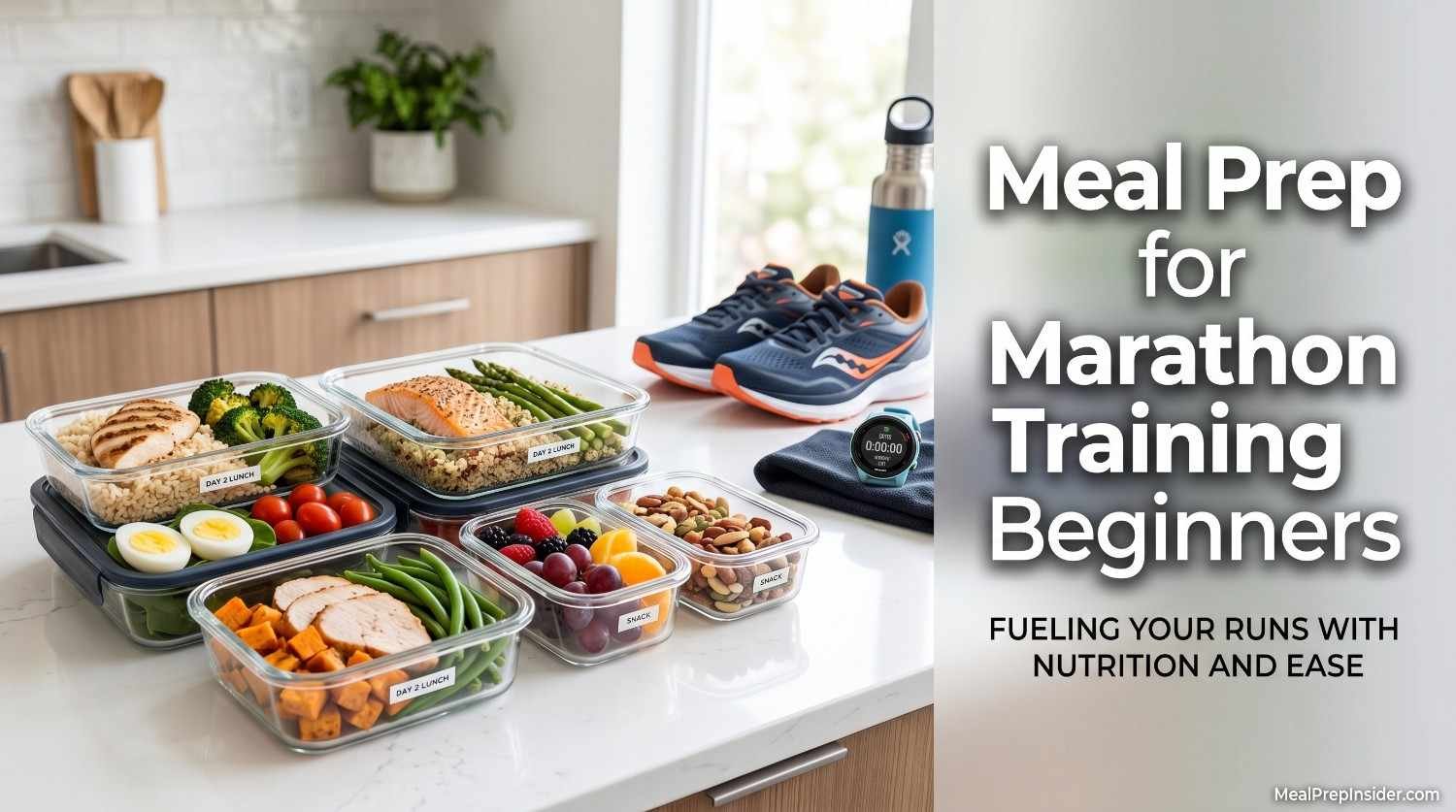
Meal prep for marathon training beginners is the quiet advantage nobody sees in race photos.
No fancy shoes required. No expensive gadget. Just food. Ready before you’re tired.
Because here’s what happens.
Training starts. You feel motivated. You buy a big bag of oats and a few chicken breasts.
Then the long runs hit.
You come home hollowed out. Starving. Slightly dizzy. Irritable for no good reason. You open the fridge and… nothing is ready. So you order something random, eat too fast, sleep poorly, and wake up sore.
That cycle is sneaky. It looks like “life.”
In reality, it’s fuel mismanagement.
This post fixes that. With a simple system. With U.S. grocery-store ingredients. With beginner-friendly prep that doesn’t require spending your whole Sunday in the kitchen.
Stay with me, because the most useful part isn’t a list of “healthy meals.”
It’s how to sync your prep with your training so you’re not guessing every day.
Meal Prep for Marathon Training Beginners: A No-Drama System
Marathon training rewards consistency. Food is part of that consistency. Not perfection. Not “clean eating.” Not a new diet.
Your job is simple:
- Eat enough to support training
- Get carbs right (most beginners underdo them)
- Hit protein daily
- Make it easy to repeat
Meal prep is the bridge between “I know what I should eat” and “I ate cereal for dinner again.”
Let’s build your bridge.
Why marathon meal prep is different from “normal healthy meal prep.”
A lot of meal prep content is written for fat loss or office lunches. Marathon training is different.
You are trying to:
- Store glycogen (carbs in your muscles)
- Repair muscle damage
- Support immune function (heavy training can make you run-down)
- Keep digestion calm (because running + GI drama is a real thing)
- Maintain stable energy for work, family, and training
And you’re doing it while your appetite does weird things. Some days you’re ravenous. Other days, you’re oddly “not hungry” after a hard run. That’s common for beginners and experienced runners alike.
Meal prep gives you a default. A fallback plan.
The beginner runner’s macro targets (simple, practical, U.S.-friendly)
You don’t need to track macros forever. But early on, it helps to know what “enough” looks like.
The big three (carbs, protein, fat)
Carbs are your main training fuel.
Protein is your recovery building block.
Fat supports hormones, satiety, and overall health.
Here are beginner-friendly ranges you can use without turning eating into a math class.
Daily macro ranges by body weight
| Goal | Carbs (grams per lb/day) | Protein (grams per lb/day) | Fat (grams per lb/day) |
|---|---|---|---|
| Easy / rest day | 1.5–2.5 | 0.6–0.8 | 0.3–0.5 |
| Moderate training day | 2.5–3.5 | 0.7–0.9 | 0.3–0.5 |
| Long run / hard workout day | 3.0–4.5 | 0.7–0.9 | 0.25–0.45 |
| Peak week / heavy volume | 3.5–5.0 | 0.7–0.9 | 0.25–0.45 |
How to use this without overthinking it:
Pick the row that matches your day. Multiply by your weight. That’s your rough target.
Example: 160 lb runner, long run day
- Carbs: 160 × 3.5 = ~560 g (yes, it can be that high)
- Protein: 160 × 0.8 = ~128 g
- Fat: adjust based on appetite and GI comfort
If that carb number shocks you, good. Most beginner marathoners underfuel carbs, then wonder why they’re dragging by week six.
In practice, you don’t need to hit numbers perfectly. You just need to stop “accidentally low-carb-ing” yourself.
Your “Run-Ready Plate” (a fast visual that works)
Forget perfect macros. Use a plate rule; you can repeat.
On most training days:
- ½ plate: carbs (rice, potatoes, pasta, bread, oats, tortillas, fruit)
- ¼ plate: protein (chicken, turkey, eggs, Greek yogurt, tofu, beans, fish)
- ¼ plate: colorful plants (veg, berries, salad, cooked greens)
- Plus: a little fat (olive oil, avocado, nuts), based on digestion and hunger
On long run days (and the day before):
Slide the plate toward carbs:
- ~⅔ plate carbs
- ~⅕ protein
- ~⅕ plants (often cooked, easier on the gut)
That’s the secret sauce. Not willpower. Not a cleanse. Just shifting the plate during the training.

Timing matters: what to eat before, during, and after runs
Meal prep gets way easier when you prep for moments, not just meals.
Pre-run (30–120 minutes before)
Aim: quick carbs, low fiber, low fat, moderate fluid.
Good options:
- Bagel + jam
- Banana + graham crackers
- Instant oatmeal made with milk
- Rice cake + honey
- Applesauce pouch + pretzels
If you run early and can’t eat much:
Try a few bites (banana, sports drink, half a bar). Something is usually better than nothing.
During long runs (usually 75+ minutes)
Aim: carbs + fluids + sodium.
A solid starter target:
- 30–60g carbs per hour (many beginners do well here)
- Work up toward 60–90g/hr if you tolerate it, and your pace/volume demands it
Beginner-friendly fuel ideas:
- Gels/chews (simple, consistent)
- Sports drink (carbs + sodium)
- DIY: small PB&J squares, dates, fig bars (test carefully)
Post-run (within ~2 hours)
Aim: carbs + protein + fluid + sodium.
A simple recovery template:
- Carb base: rice, potatoes, cereal, bagel, tortillas, fruit
- Protein: 25–40g (varies by size)
- Salt + fluid: especially after sweaty runs
Post-run meals that work:
- Burrito bowl (rice + beans/meat + salsa)
- Chocolate milk + bagel + banana
- Pasta + meat sauce
- Greek yogurt + granola + berries + honey (lighter recovery)
Meal prep wins here because you’re not trying to “cook responsibly” while dehydrated and tired.
The runner’s grocery list (U.S. store staples that meal prep well)
These are ingredients that reheat nicely, travel well, and don’t turn into sadness by day three.
Carb staples (your training engine)
- Jasmine rice, basmati rice, microwave rice cups
- Pasta (regular or high-protein)
- Potatoes, sweet potatoes
- Tortillas, bagels, and sandwich bread
- Oats, cereal, granola
- Beans (canned black beans, chickpeas)
- Fruit: bananas, berries (fresh or frozen), oranges, apples
- Pretzels, crackers, rice cakes
Protein staples (mix and match)
- Rotisserie chicken (underrated meal prep hero)
- Ground turkey or ground beef
- Eggs + egg whites
- Greek yogurt, cottage cheese
- Canned tuna/salmon
- Tofu, tempeh
- Protein powder (optional, useful)
Veg + “gut-friendly” options
- Frozen veg blends (broccoli, stir-fry mix, peas, corn)
- Baby spinach, spring mix
- Cucumbers, carrots, bell peppers
- Zucchini, green beans
- Sauerkraut or pickles (if tolerated; sodium boost)
Fats + flavor (the difference between “fine” and “I’ll eat this again”)
- Olive oil, avocado oil spray
- Peanut butter, almond butter
- Avocados
- Salsa, pesto, marinara
- Soy sauce, teriyaki, hot sauce
- Parmesan, shredded cheese
- Broth (for rice, soups)
- Seasonings: garlic powder, cumin, chili powder, Italian blend
The 2-hour weekly prep blueprint (built for tired people)
You don’t need a “meal prep day.” You need a prep window.
Two hours. Once a week. That’s enough to cover most beginners.
Step 1: Pick your 3 anchors
Anchors are your high-repeat items:
- One carb base (rice or potatoes)
- One protein (chicken, turkey, tofu, beans)
- One sauce (salsa, teriyaki, marinara, pesto)
With those three, you can build bowls, wraps, plates, and quick snacks all week.
Step 2: Cook in parallel (the time-saver)
Do this:
- Start with rice/potatoes first
- Put protein in the oven or skillet
- Steam or roast veggies while protein cooks
- Mix the sauce or quick dressing during downtime
Step 3: Portion for convenience, not aesthetics
Meal prep isn’t a Pinterest photo shoot. It’s friction removal.
Portion into:
- 2–3 full meals (ready to grab)
- 2 “mix” containers (protein/veg you can add to rice or wraps)
- Snack kit items (pretzels, yogurt cups, fruit)
Step 4: Build a long-run kit
This is the part many beginners skip, then regret.
Prep a small bag/box with:
- 2–4 gels or chews
- Electrolyte tabs or drink mix
- Safety pin, salt packets (optional)
- A backup snack (fig bar, gummies)
Make it automatic.
Three levels of meal prep (choose your intensity)
Not every week deserves the same effort. Train smarter. Prep smarter.
Level 1: Minimal (20–30 minutes, midweek rescue)
- Buy rotisserie chicken
- Microwave rice cups
- Steam frozen veg
- Add salsa or teriyaki
That’s dinner. That’s also tomorrow’s lunch.
Level 2: Standard (60–90 minutes, most weeks)
- Batch cook 1 grain + 1 protein
- Roast 2 trays of veg
- Make 1 sauce
- Prep 2 snack options
Level 3: Full send (2–3 hours, peak weeks or race week)
- Cook 2 carb sources (rice + pasta)
- Cook 2 proteins
- Prep breakfast base (overnight oats or egg muffins)
- Prep long-run snacks
- Freeze 2 emergency meals
If you’re new, Level 2 is your sweet spot.
Beginner-friendly marathon meal prep recipes (repeatable, not boring)
These recipes are designed to:
- Reheat well
- Scale easily
- Stay tasty for 3–4 days
- Fit runner macro needs
1) Teriyaki chicken rice bowls (5 servings)
Ingredients
- 2 lb chicken thighs or breasts
- 2 cups dry rice
- Frozen stir-fry veggies
- Teriyaki sauce
- Sesame seeds (optional)
Prep
- Cook rice.
- Pan-cook or bake chicken, slice.
- Stir-fry veggies, add sauce.
Why it works: High-carb, high-protein, easy on digestion if you don’t overdo fiber.
2) Turkey taco potato bowls (4–5 servings)
Ingredients
- 1.5 lb ground turkey
- 3–4 large russet potatoes (or sweet potatoes)
- Taco seasoning
- Black beans (optional)
- Salsa + shredded cheese
Prep
- Roast diced potatoes with oil + salt.
- Brown turkey with taco seasoning.
- Portion with salsa and cheese.
Runner tip: Great post-run meal. Add extra salt after hot runs.
3) Salmon pasta + peas (4 servings)
Ingredients
- Pasta (1 lb box)
- Frozen peas
- 2–3 cans of salmon (or baked salmon)
- Olive oil + lemon + garlic powder
- Parmesan
Prep
- Cook pasta, toss in peas at the end.
- Mix salmon with olive oil/lemon/seasoning.
- Combine, top with parm.
Why it works: Carbs + protein without heavy cooking.
4) Recovery chili (freezer-friendly) (6–8 servings)
Ingredients
- 1 lb ground beef or turkey (or extra beans)
- 2 cans of beans
- 1 can crushed tomatoes
- Onion (optional), chili seasoning
- Corn (optional)
Prep
- Brown meat.
- Add everything, simmer 20–30 minutes.
How to use it: Over rice, with bread, or in a tortilla. Freeze half.
5) Overnight oats “training edition” (4 jars)
Ingredients
- Rolled oats
- Milk (or soy milk)
- Greek yogurt
- Chia seeds (optional)
- Honey or maple syrup
- Frozen berries or a banana
Prep
- Mix and refrigerate.
Beginner move: Make these for early run mornings when appetite is low.
6) Egg + cheese breakfast sandwiches (6 sandwiches)
Ingredients
- English muffins or bagels
- Eggs + egg whites
- Cheese slices
- Optional: turkey bacon
Prep
- Bake scrambled eggs in a sheet pan, cut into squares.
- Assemble sandwiches, wrap, and freeze.
Why it works: You’ll stop skipping breakfast. Skipping breakfast is a sneaky performance killer.
7) DIY “long run rice bars” (test first) (8–10 pieces)
Ingredients
- Cooked sticky rice (short-grain works well)
- Honey or maple syrup
- Pinch of salt
- Optional: peanut butter, mini chocolate chips
Prep
- Mix warm rice with honey + salt.
- Press into a pan, cool, slice, wrap.
Important: Test on training runs. Some people tolerate this beautifully. Others don’t.
A sample 7-day meal prep plan (synced to a beginner marathon week)
This assumes a typical beginner schedule:
- 3–4 runs/week
- One long run on Saturday or Sunday
- One faster workout day (optional)
Adjust based on your plan.
Sample week table
| Day | Training | Breakfast | Lunch | Dinner | Snacks / Fuel |
|---|---|---|---|---|---|
| Mon | Rest / easy | Overnight oats | Teriyaki chicken bowl | Chili + rice | Yogurt + granola, fruit |
| Tue | Easy run | Bagel + jam | Turkey taco potato bowl | Salmon pasta | Pretzels, electrolyte drink if hot |
| Wed | Workout (optional) | Oats + banana | Leftover pasta + peas | Chicken bowls | Pre-run: applesauce; Post: chocolate milk |
| Thu | Easy run | Egg sandwich | Chili wrap + fruit | Taco bowls | Trail mix (light), yogurt |
| Fri | Rest / shakeout | Cereal + milk | Chicken bowl | Pasta night (extra carbs) | Salted popcorn, banana |
| Sat | Long run | Pre-run: bagel + honey | Post-run: burrito bowl | Chili + bread | During: gels/chews; After: extra fluids |
| Sun | Rest / short easy | Pancakes or oats | Leftovers | Simple rotisserie chicken plate | Prep snacks, fruit, hydration |
Notice the pattern:
- Carbs rise Friday night and Saturday.
- Fiber stays reasonable in the long run.
- Recovery meals are ready when you’re most likely to make chaotic choices.
That’s the point.
RELATED POST >> 16+ Best Intermittent Fasting Recipes for Heavy Sleepers
The long-run food puzzle (and how meal prep solves it)
Long runs are where beginners get humbled. Not by fitness. By fueling.
You can be in shape and still bonk if you treat long runs like “normal mornings.”
The night before
Keep dinner familiar. Carb-forward. Not a new spicy experiment.
Good choices:
- Pasta with marinara + lean protein
- Rice bowl with chicken + cooked veg
- Potatoes + eggs + toast
- Sushi (simple rolls), if you tolerate it
The morning of
Pick a repeatable pre-run combo. Examples:
- Bagel + honey + banana
- Oatmeal + maple syrup
- Toast + jam + sports drink
During
Start fueling earlier than you think you need to.
A practical rule: take your first carbs around 30–40 minutes in, then keep a steady rhythm.
After
Your post-run meal should feel obvious because you prepped it.
This is where meal prep becomes performance nutrition. Not just “being organized.”
Hydration + electrolytes (the piece most beginners underdo)
Many new marathoners focus on calories and ignore sodium. Then they wonder why they feel headachy, crampy, or wiped.
You don’t need a lab test to start improving this.
A simple sweat-day approach
- If it’s hot/humid or you sweat a lot: include electrolytes on long runs.
- Use sports drinks or electrolyte mixes that contain sodium (not just magnesium fairy dust).
- Salt your meals more on heavy sweat days.
Signs you may need more sodium (not a diagnosis)
- White salt streaks on clothes/hat
- Craving salty foods after runs
- Feeling “flat” despite eating enough
- Headaches after long runs (especially in the heat)
If you have blood pressure or kidney concerns, check with a clinician. For most healthy runners, smarter sodium intake is a performance and comfort upgrade.
Race-week meal prep (carb-loading without the chaos)
Carb-loading isn’t a pasta dinner the night before. It’s a 2–3 day strategy for most recreational runners.
And it’s much easier when your fridge is already set up.
Race-week food priorities
- Increase carbs
- Keep protein steady
- Keep fats moderate
- Reduce fiber slightly (especially 24–36 hours pre-race)
- Keep meals familiar
- Don’t “eat healthy” yourself into stomach trouble
Beginner-friendly carb-load foods (low-ish fiber)
- White rice, pasta, potatoes
- Bagels, white bread, tortillas
- Pancakes, waffles
- Applesauce, bananas
- Pretzels, rice cereal
- Sports drinks (yes, they count)
Simple carb-load day menu (example)
- Breakfast: bagel + eggs + fruit
- Snack: yogurt + honey
- Lunch: turkey sandwich + pretzels
- Snack: sports drink + banana
- Dinner: pasta + marinara + chicken
- Evening: cereal + milk
Meal prep angle: cook pasta, rice, and protein ahead so you aren’t making decisions while nervous.
Budget-friendly marathon meal prep (because training is already expensive)
You can fuel well without turning grocery shopping into a second rent payment.
High-value staples in U.S. stores
- Store-brand oats, pasta, rice
- Frozen fruit and vegetables
- Canned beans, canned tuna/salmon
- Eggs
- Rotisserie chicken
- Family packs of chicken thighs (often cheaper than breasts)
- Potatoes (cheap, elite carb source)
Cheap “runner power meals.”
- Beans + rice + salsa + cheese
- Eggs + toast + fruit
- Pasta + marinara + ground turkey
- Chili over baked potatoes
- Peanut butter sandwich + banana + milk
These meals look simple because they are.
They also work.
Food safety and storage (so your prep doesn’t betray you)
Meal prep fails fast when food gets soggy, bland, or sketchy.
Storage rules that keep it safe and palatable
- Cool hot food quickly before sealing containers (steam = sogginess)
- Store sauces separately when possible
- Keep crunchy items (crackers, granola) out of moist containers
- Label containers if you’re prepping multiple proteins
General fridge/freezer guidance (practical, not paranoid)
- Most cooked meals: 3–4 days in the fridge
- Freeze portions you won’t eat by day 4
- Reheat to steaming hot, especially poultry
If something smells off, don’t negotiate with it.
Eating out, work lunches, and travel (real-life stuff)
You will not cook every meal for 16+ weeks. Plan for that.
Work lunch strategy
Keep a “desk drawer kit”:
- Instant oatmeal packets
- Pretzels or crackers
- Peanut butter packets
- Electrolyte mix
- Shelf-stable protein (tuna packet, jerky, protein bar)
This prevents the 3 p.m. vending-machine spiral.
Restaurant ordering that supports training
You’re looking for:
- A carb base (rice, potatoes, bread, pasta)
- A protein (chicken, fish, tofu, beans)
- A veggie (but don’t overdo raw roughage pre-long run)
Examples:
- Chipotle-style bowl: rice + beans + chicken + mild salsa
- Diner breakfast: pancakes + eggs + fruit
- Italian: pasta + marinara + chicken, easy on the cream sauces
- Sushi: simple rolls + edamame (test fiber tolerance)
Vegetarian and dairy-free adjustments (still marathon-friendly)
You can absolutely prep for marathon training on different diets. You just need structure.
Vegetarian protein anchors
- Greek yogurt/cottage cheese (if lacto-vegetarian)
- Eggs
- Tofu/tempeh
- Lentils, chickpeas, beans
- Edamame
- Plant protein powder (useful, not mandatory)
Dairy-free swaps
- Soy milk is closest to dairy milk in protein
- Coconut yogurt is tasty but often low in protein (check labels)
- Lactose-free milk can be a game-changer if you’re sensitive
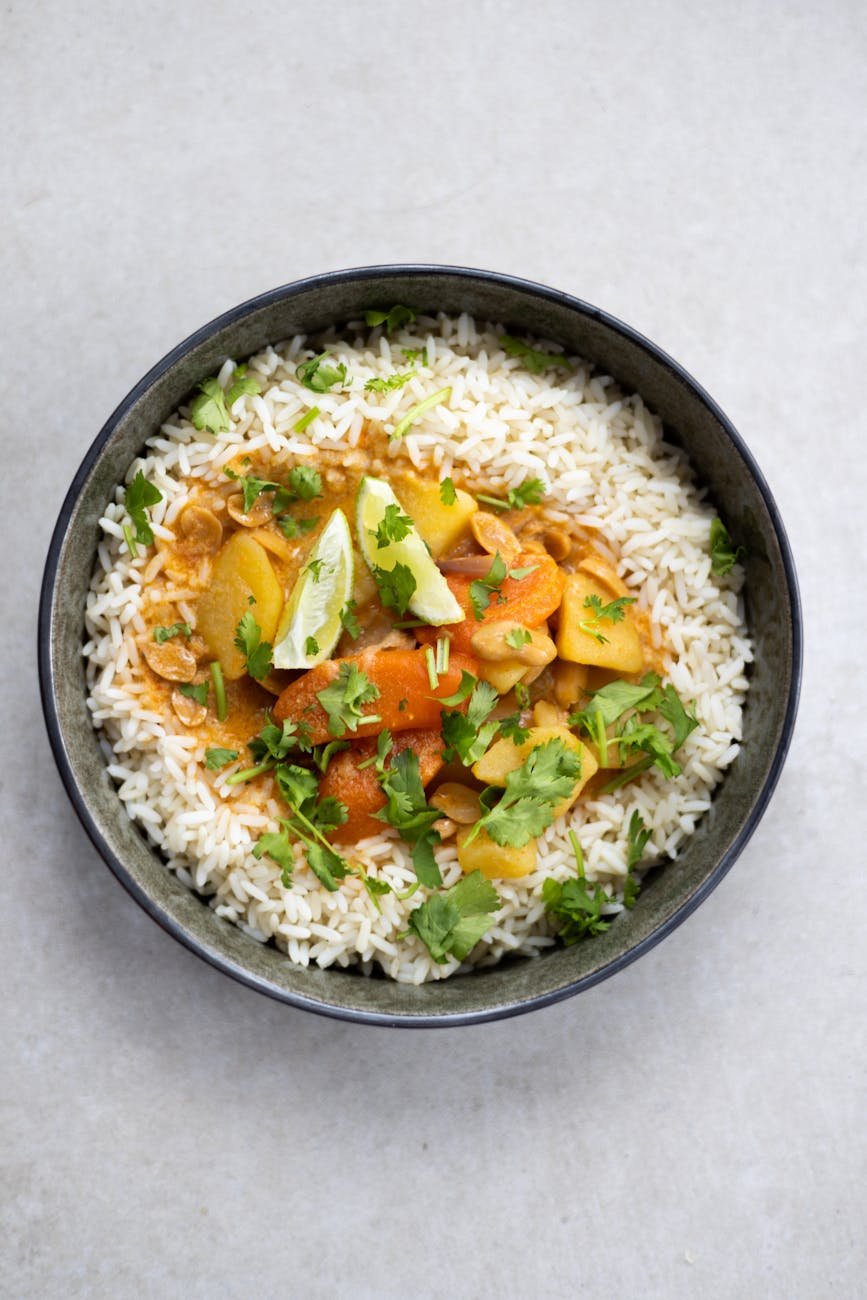
A vegetarian runner bowl that works
- Rice + tofu + teriyaki + cooked veg
Add edamame for extra protein. Add salt to taste.
Easy-to-miss pitfalls beginners make with marathon meal prep (and how to dodge them)
This is where most training cycles wobble. Not from effort. From repeatable, preventable slip-ups.
1) Under-eating carbs because you’re trying to be “healthy.”
This is the classic rookie error.
You don’t need to live on candy.
But you do need enough carbs to train.
Fix:
- Add rice, pasta, potatoes, bagels, tortillas with intention
- Increase carbs 24 hours before long runs
- Use a sports drink on long runs if chewing is hard
2) Overdoing fiber right before runs
In truth, “more veggies” is not always the move.
Fix:
- Keep pre-run meals lower fiber
- Choose cooked veg over giant salads on long-run-eve dinners
- Save the bean-heavy meals for later in the day, not right before training
3) Not practicing race-day fueling
You can’t wing nutrition at mile 18.
Fix:
- Use long runs to practice: same gel brand, same timing, similar breakfast
- Write down what worked (your future self will forget)
4) Going too low on sodium in hot weather
This one is sneaky, especially in humid U.S. summers.
Fix:
- Add electrolyte mix to water on long runs
- Salt meals more on high-sweat days
- Don’t fear sports drinks during key sessions
5) Prepping “perfect meals” you don’t want to eat
If you dread your containers, you’ll abandon them.
Fix:
- Choose flavors you genuinely like
- Use sauces (salsa, teriyaki, pesto)
- Rotate one variable weekly: protein, sauce, or carb
6) Forgetting snacks is part of the plan
Marathon training hunger is not polite. It shows up in meetings. In traffic. At 9 p.m.
Fix:
Prep snacks like you prep meals:
- Yogurt + granola
- Fruit + peanut butter
- Pretzels + cheese
- Trail mix (portion it)
- Chocolate milk after hard runs
How to adjust your meal prep as training ramps up
Your Week 2 appetite is not your Week 12 appetite.
Use these signals.
If you’re getting unusually sore, sleeping poorly, or feeling “flat.”
Often: not enough total calories and carbs.
Try:
- Add an extra carb serving at lunch and dinner
- Add a bedtime snack (cereal, toast, yogurt)
- Increase post-run carbs
If you’re gaining weight fast and feel sluggish
Sometimes, you’re overdoing fats/snacks while carbs are inconsistent.
Try:
- Keep carbs targeted around training
- Keep fats moderate (still include them, just don’t let them dominate)
- Simplify snacks to protein + carb, not endless grazing
If your stomach is unpredictable
Often: timing/fiber/fat issues.
Try:
- Eat your higher-fiber foods farther from runs
- Choose lower-fat pre-run foods
- Keep a “safe meal” list for long-run-eve dinners
A simple Sunday plan you can copy this week
If you want a plug-and-play start, do this.
Shop (one cart, no drama)
- Rice or pasta
- Potatoes
- Rotisserie chicken or 2 lb chicken thighs
- Eggs + Greek yogurt
- Frozen stir-fry veg + frozen berries
- Bagels + tortillas
- Salsa + teriyaki sauce
- Bananas + applesauce pouches
- Pretzels + electrolyte mix
Cook (about 90 minutes)
- Cook a big pot of rice
- Roast a tray of potatoes
- Portion rotisserie chicken (or bake your chicken)
- Stir-fry frozen veg with teriyaki
- Make 4 overnight oats
Portion
- 3 chicken rice bowls
- 2 potato taco bowls (add salsa/cheese later)
- 2 backup meals in the freezer (chili or extra bowls)
- Snack bin: bananas, pretzels, yogurt
You now have a week that won’t collapse the first time you get busy.
FAQs: Meal Prep for Marathon Training Beginners
How far in advance should I meal prep for marathon training?
Most runners do best prepping 3–4 days of meals at a time. You can prep twice weekly (Sunday + Wednesday) to keep food fresher and reduce boredom.
Do I need to count calories while training for a marathon?
Not necessarily. Many beginners succeed using portion cues and the Run-Ready Plate. Counting can help if you’re chronically under-fueling, but it’s optional.
What are the best carbs for marathon training meal prep?
Reliable, reheat-friendly carbs include rice, pasta, potatoes, oats, tortillas, bagels, cereal, and fruit. These are widely available in U.S. stores and easy to digest for many runners.
What should I eat the night before a long run?
Choose a familiar, carb-forward meal: pasta with marinara, rice bowls, potatoes with eggs, or a simple sandwich with a salty side. Keep fiber and spice moderate if you’re GI-sensitive.
Can I meal prep if I’m trying to lose weight while marathon training?
You can, but it’s a narrow path. Aggressive weight loss often backfires in marathon training (fatigue, injury risk, poor recovery). If weight change is a goal, use a conservative approach and consider guidance from a sports dietitian.
What’s the easiest high-protein option for beginner runners?
In practice, the easiest are Greek yogurt, eggs, rotisserie chicken, canned tuna/salmon, tofu, and ground turkey—because they cook fast and portion easily.
How do I avoid getting bored with meal prep?
Change one variable each week:
- Week 1: teriyaki bowls
- Week 2: salsa-lime bowls
- Week 3: pesto pasta bowls
Same structure. New flavor. Less effort.
Should I avoid fats before running?
Before most runs, yes—keep fats lower because they slow digestion. Save higher-fat meals for later in the day, especially if you’ve had GI issues on runs.
What foods should I not try right before race day?
Anything new, especially:
- New gels or drinks
- High-fiber meals
- Very spicy foods
- Heavy cream sauces
- Large portions of sugar alcohols (some “protein” snacks contain them)
Final note: your food doesn’t need to be perfect. It needs to be ready.
Marathon training beginners don’t fail because they chose the “wrong” grain.
They struggle because the plan breaks when life gets loud.
Meal prep is how you keep showing up anyway.
SUGGESTED POST >> 19+ Top-Rated OMAD Meal Prep Ideas: Cheap & Nutrient-Dense