Top 15 Low-Carb Diabetic Meal Prep Recipes: Best & Easy

Low-carb diabetic meal prep recipes have become a game-changer for millions of Americans managing their blood sugar while juggling busy schedules. I remember talking to my neighbor Nikki last spring—she’d just been diagnosed with Type 2 diabetes and felt completely overwhelmed by the dietary changes her doctor recommended.
Between her full-time job and shuttling two kids to soccer practice, the idea of cooking diabetes-friendly meals every single day seemed impossible.
That conversation stuck with me.
Meal prepping isn’t just about convenience. It’s about taking control of your health without losing your mind in the process. When you batch-cook low-carb meals on a Sunday afternoon, you’re essentially giving your future self a gift—the gift of not having to make difficult food choices when you’re exhausted, hungry, and tempted by that drive-through window.
The numbers tell a compelling story. Nearly 37 million Americans live with diabetes, and another 96 million are prediabetic. Most of them struggle with meal planning. They know what they should eat, but knowing and doing are two completely different things.
This guide brings you fifteen genuinely useful low-carb diabetic meal prep recipes that won’t bore you to tears or require a culinary degree to execute. These recipes work in the real world—for real people with real schedules.
Why Low-Carb Eating Matters for Diabetes Management
Carbohydrates directly impact blood glucose levels more than any other macronutrient. When you eat carbs, your body breaks them down into sugar, which enters your bloodstream. For someone with diabetes, this process doesn’t work efficiently, leading to potentially dangerous blood sugar spikes.
Low-carb eating helps stabilize those levels.
Research from the American Diabetes Association shows that reducing carbohydrate intake can significantly improve glycemic control. But here’s what they don’t always tell you—it also reduces the need for medication in many cases, improves energy levels, and can lead to meaningful weight loss.
The standard American diet is loaded with carbs. Breakfast cereals, sandwiches, pasta dinners, rice bowls—they’re everywhere. Switching to low-carb alternatives feels radical at first, but your body adapts faster than you’d expect.
What Makes a Recipe Truly Diabetic-Friendly
Not all low-carb recipes work well for diabetics. You need more than just reduced carbohydrates. A truly diabetic-friendly recipe should tick several boxes:
- Balanced macronutrients: Adequate protein and healthy fats to promote satiety
- Fiber-rich ingredients: Helps slow glucose absorption
- Minimal processed ingredients: Whole foods provide better nutritional value
- Realistic portion sizes: No tiny servings that leave you hungry an hour later
- Stable blood sugar impact: Foods with a low glycemic index
Temperature stability matters too. Your meal prep recipes need to be refrigerated well and maintain texture and flavor for several days. Nobody wants soggy vegetables or rubbery chicken on day four.
The Meal Prep Advantage for Blood Sugar Control
Meal prepping transforms diabetes management from a daily struggle into a sustainable routine. When healthy meals sit ready in your refrigerator, you’re significantly less likely to make impulsive food choices that spike your blood sugar.
Think about the typical weeknight scenario. You arrive home at 6:30 PM. You’re tired. Starving. Your blood sugar might already be dropping. In that moment, you’re vulnerable to poor decisions—ordering pizza, hitting a fast-food joint, or grabbing whatever processed snack is closest.
Now imagine opening your fridge to find a perfectly portioned container of herb-crusted salmon with roasted Brussels sprouts and cauliflower mash. Three minutes in the microwave and you’re eating a restaurant-quality meal that keeps your glucose steady.
That’s the power of preparation.
Essential Meal Prep Tools and Containers
Before diving into recipes, let’s talk equipment. You don’t need expensive gadgets, but a few key items make the process infinitely smoother:
Glass containers with tight-sealing lids remain the gold standard. They don’t absorb odors, they’re microwave-safe, and you can see exactly what’s inside without opening them. I prefer the compartmentalized versions that keep proteins separated from vegetables.
A quality food scale takes the guesswork out of portion control. Eyeballing portions sounds convenient until you realize you’ve been eating double servings for three weeks.
Sharp knives dramatically speed up prep work. Dull knives slow you down and increase your risk of injury.
Sheet pans and roasting pans allow you to cook multiple components simultaneously. Time efficiency matters when you’re batch-cooking.
A slow cooker or Instant Pot serves as your secret weapon for hands-off cooking. Set it and forget it.
Top 15 Low-Carb Diabetic Meal Prep Recipes
Recipe #1: Mediterranean Chicken with Roasted Vegetables
This recipe delivers big Mediterranean flavors without the carb-heavy couscous or pita bread typically served alongside.
Ingredients:
- 6 boneless, skinless chicken thighs
- 2 red bell peppers, cut into chunks
- 2 zucchini, sliced thick
- 1 red onion, quartered
- 1 cup cherry tomatoes
- 4 tablespoons olive oil
- 3 cloves garlic, minced
- 2 teaspoons dried oregano
- 1 teaspoon paprika
- Juice of 1 lemon
- Salt and pepper to taste
- ¼ cup crumbled feta cheese
Preparation:
Preheat your oven to 425°F. Toss all vegetables with half the olive oil, garlic, oregano, salt, and pepper on a large sheet pan. Season chicken thighs with remaining oil, paprika, salt, and pepper. Nestle the chicken among the vegetables. Roast for 35-40 minutes until chicken reaches 165°F internally. Squeeze lemon juice over everything and sprinkle with feta.
Nutrition per serving: 32g protein, 9g carbs, 18g fat, 3g fiber
Meal prep tips: Divide into five containers. Stores for up to four days. The flavors get better as they meld together.
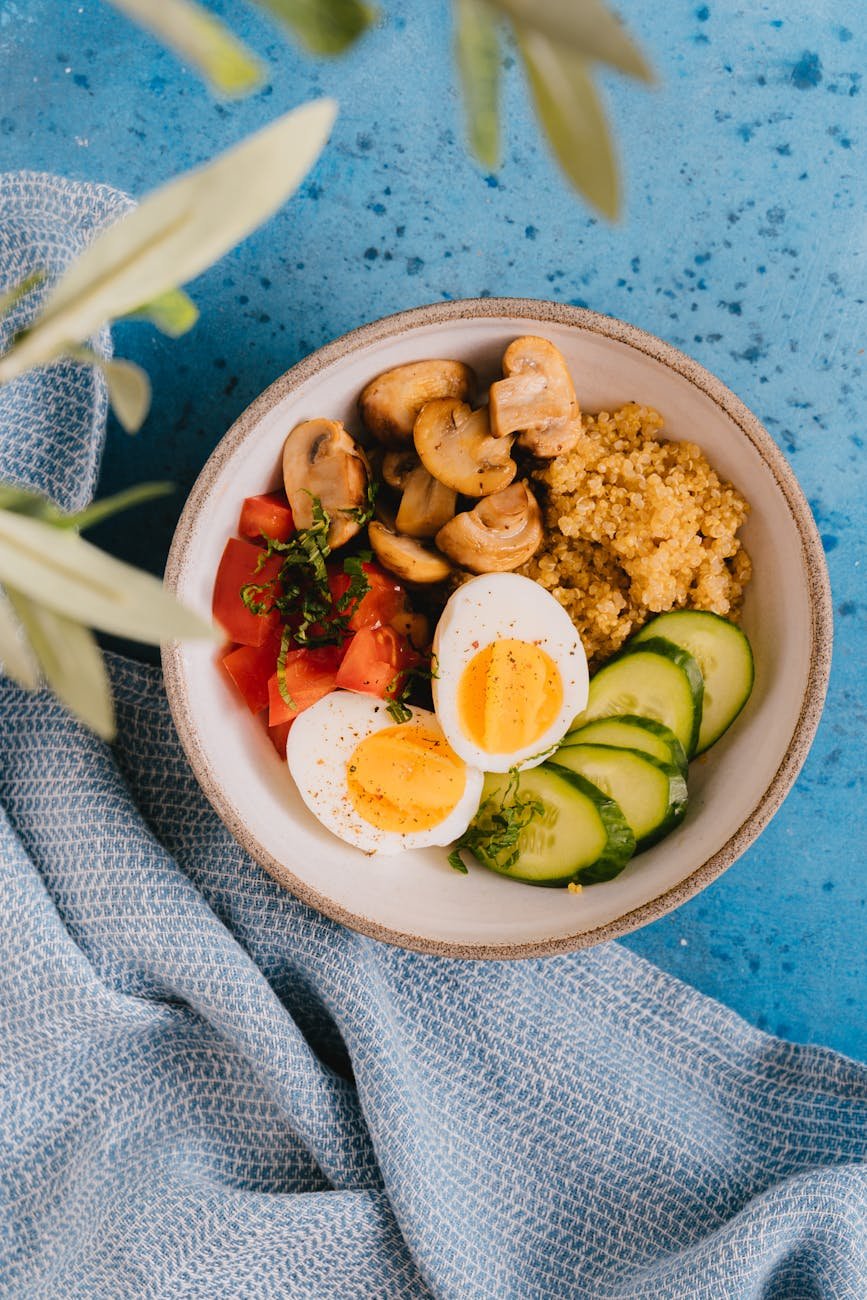
Recipe #2: Beef and Broccoli Stir-Fry Bowls
Takeout cravings don’t have to derail your blood sugar goals. This homemade version cuts the carbs and controls the sodium.
Ingredients:
- 2 pounds flank steak, thinly sliced against the grain
- 6 cups broccoli florets
- 1 red bell pepper, sliced
- 4 cloves garlic, minced
- 2-inch piece of fresh ginger, grated
- ¼ cup coconut aminos (or low-sodium soy sauce)
- 2 tablespoons sesame oil
- 1 tablespoon rice vinegar
- 1 teaspoon red pepper flakes
- 2 tablespoons avocado oil for cooking
- 2 tablespoons sesame seeds
Preparation:
Marinate sliced beef in coconut aminos, sesame oil, vinegar, garlic, and ginger for at least 30 minutes. Heat a large wok or skillet over high heat with avocado oil. Working in batches to avoid overcrowding, sear beef for 2-3 minutes until browned. Remove and set aside.
Add broccoli and bell pepper to the pan with a splash of water. Cover and steam for 3-4 minutes. Return beef to the pan, toss everything together, and cook another minute. Top with sesame seeds.
Nutrition per serving: 38g protein, 11g carbs, 16g fat, 4g fiber
Storage notes: Excellent for five days refrigerated. Reheats beautifully without getting mushy.
Recipe #3: Creamy Tuscan Salmon with Spinach
Rich, satisfying, and loaded with omega-3 fatty acids that support heart health—particularly important for diabetics who face elevated cardiovascular risk.
Ingredients:
- 6 salmon fillets (6 oz each)
- 4 cups fresh spinach
- 1 cup heavy cream
- ½ cup sun-dried tomatoes, chopped
- 3 cloves garlic, minced
- ½ cup chicken broth
- ½ cup grated Parmesan cheese
- 2 tablespoons olive oil
- 1 teaspoon Italian seasoning
- Salt and pepper
Preparation:
Season salmon with salt, pepper, and Italian seasoning. Heat olive oil in a large skillet over medium-high heat. Sear salmon skin-side down for 4-5 minutes, flip, and cook another 3-4 minutes. Remove from the pan. In the same skillet, add garlic and cook for 30 seconds.
Add sun-dried tomatoes, chicken broth, and heavy cream. Simmer for 5 minutes until slightly thickened. Stir in spinach until wilted, then add Parmesan. Return the salmon to the pan and spoon the sauce over the top.
Nutrition per serving: 42g protein, 6g carbs, 28g fat, 2g fiber
Prep wisdom: Store salmon and sauce separately if possible. The fish stays firmer that way.
Recipe #4: Mexican Cauliflower Rice Burrito Bowls
Traditional burrito bowls pack 70+ grams of carbs. This version keeps all the flavor but drops the carb count to single digits.
Ingredients:
- 2 pounds ground turkey (93% lean)
- 1 large head of cauliflower, riced (or 4 cups pre-riced)
- 1 can black beans, drained and rinsed
- 1 cup salsa (sugar-free)
- 2 cups shredded lettuce
- 1 cup shredded cheese (cheddar or Mexican blend)
- 1 avocado, sliced
- ½ cup sour cream
- 2 tablespoons taco seasoning (homemade or low-sodium)
- 2 tablespoons olive oil
- Lime wedges
- Fresh cilantro
Preparation:
Brown ground turkey in a large skillet with taco seasoning. Set aside. In the same pan, heat the olive oil and sauté the cauliflower rice for 5-7 minutes, until tender. Season with salt and pepper. Warm black beans with a bit of the salsa.
Assemble bowls with cauliflower rice as the base, topped with seasoned turkey, beans, lettuce, cheese, avocado, sour cream, and additional salsa. Garnish with cilantro and lime.
Nutrition per serving: 34g protein, 14g carbs, 19g fat, 6g fiber
Assembly strategy: Keep components separated until ready to eat for optimal freshness.
Recipe #5: Greek Turkey Meatballs with Tzatziki
These flavor-packed meatballs work hot or cold, making them incredibly versatile for meal prep.
Ingredients:
- 2 pounds ground turkey
- 1 cup crumbled feta cheese
- 3 cloves garlic, minced
- 1 egg
- ½ cup almond flour
- 2 tablespoons fresh oregano, chopped
- 1 teaspoon cumin
- Zest of 1 lemon
- Salt and pepper
For tzatziki:
- 1½ cups Greek yogurt (full-fat)
- 1 cucumber, grated and squeezed dry
- 2 cloves garlic, minced
- 2 tablespoons fresh dill
- 1 tablespoon lemon juice
- Salt to taste
Preparation:
Preheat oven to 400°F. Combine all meatball ingredients in a large bowl and mix gently. Form into 24 meatballs and place on a parchment-lined baking sheet. Bake for 20-25 minutes until cooked through. For tzatziki, combine all ingredients and refrigerate until serving.
Nutrition per serving (6 meatballs with tzatziki): 36g protein, 8g carbs, 18g fat, 2g fiber
Serving suggestions: Pair with cucumber salad, roasted peppers, or cauliflower rice.
Recipe #6: Asian-Inspired Lettuce Wraps
Crunchy, fresh, and infinitely customizable. These wraps deliver satisfaction without the blood sugar roller coaster.
Ingredients:
- 2 pounds ground pork (or chicken)
- 8 oz mushrooms, finely chopped
- 1 can water chestnuts, drained and chopped
- 4 green onions, sliced
- 3 cloves garlic, minced
- 2-inch piece of ginger, grated
- ¼ cup coconut aminos
- 2 tablespoons rice vinegar
- 1 tablespoon sesame oil
- 1 teaspoon sriracha (adjust to taste)
- 2 heads of butter lettuce, leaves separated
- Lime wedges for serving
Preparation:
Heat a large skillet over medium-high heat. Brown ground pork, breaking it into small pieces. Add mushrooms and cook until the moisture evaporates. Stir in water chestnuts, garlic, ginger, and green onions. Cook 2 minutes. Add coconut aminos, rice vinegar, sesame oil, and sriracha. Simmer until the sauce reduces slightly. Serve the meat mixture in lettuce cups with lime wedges.
Nutrition per serving: 28g protein, 9g carbs, 16g fat, 3g fiber
Storage hack: Keep filling and lettuce separate. Assemble fresh when ready to eat.
Recipe #7: Italian Sausage and Pepper Skillet
One-pan wonders save time and cleanup. This recipe proves healthy eating doesn’t require elaborate preparation.
Ingredients:
- 2 pounds Italian sausage (chicken or turkey), casings removed
- 3 bell peppers (mixed colors), sliced
- 2 zucchini, sliced into half-moons
- 1 large onion, sliced
- 4 cups baby spinach
- 4 cloves garlic, minced
- 1 can diced tomatoes (14.5 oz)
- 2 tablespoons Italian seasoning
- 2 tablespoons olive oil
- ½ cup shredded mozzarella
- Fresh basil for garnish
Preparation:
Heat olive oil in a large skillet. Brown the sausage, breaking it into chunks. Remove and set aside. In the same pan, sauté peppers, zucchini, and onion until softened, about 8 minutes. Add garlic and cook 1 minute. Return the sausage to the pan with the diced tomatoes and Italian seasoning. Simmer 10 minutes. Stir in spinach until wilted. Top with mozzarella and cover until the cheese melts.
Nutrition per serving: 31g protein, 12g carbs, 22g fat, 4g fiber
Leftover magic: Even better the next day as flavors intensify overnight.
Recipe #8: Lemon Herb Pork Chops with Green Beans
Simple doesn’t mean boring. This classic combination delivers comfort food satisfaction with diabetes-friendly macros.
Ingredients:
- 6 boneless pork chops (1-inch thick)
- 2 pounds fresh green beans, trimmed
- 6 cloves garlic, minced
- Zest and juice of 2 lemons
- 3 tablespoons olive oil
- 2 tablespoons fresh thyme
- 2 tablespoons fresh rosemary, chopped
- 1 tablespoon Dijon mustard
- Salt and pepper
Preparation:
Combine olive oil, lemon zest, lemon juice, garlic, thyme, rosemary, mustard, salt, and pepper. Marinate pork chops for at least 1 hour. Preheat oven to 425°F. Arrange green beans on a sheet pan and toss with a bit of olive oil, salt, and pepper. Place marinated pork chops in the same pan. Roast for 20-25 minutes, until the pork reaches 145°F and the green beans are tender-crisp.
Nutrition per serving: 38g protein, 10g carbs, 14g fat, 4g fiber
Temperature tip: Use a meat thermometer. Overcooked pork chops turn tough and dry.
Recipe #9: Shrimp and Avocado Salad Jars
Perfect for grab-and-go lunches. These layered salads stay crisp for days when assembled correctly.
Ingredients:
- 2 pounds cooked shrimp, peeled and deveined
- 3 avocados, diced
- 2 cups cherry tomatoes, halved
- 1 cucumber, diced
- ½ red onion, finely diced
- 6 cups mixed greens
- ¼ cup olive oil
- 3 tablespoons lime juice
- 2 cloves garlic, minced
- 1 teaspoon cumin
- Salt and pepper
- Fresh cilantro
Preparation:
Whisk together olive oil, lime juice, garlic, cumin, salt, and pepper for dressing. In wide-mouth mason jars, layer ingredients starting with dressing on the bottom, then shrimp, cucumber, tomatoes, onion, avocado (toss with a bit of lime juice to prevent browning), and greens on top. Seal tightly.
Nutrition per serving: 26g protein, 12g carbs, 18g fat, 6g fiber
The layering secret: Dressing on the bottom, hearty vegetables in the middle, delicate greens on top. Shake when ready to eat.
Recipe #10: Crustless Spinach and Mushroom Quiche
Breakfast, lunch, or dinner—this versatile dish works any time. Eliminating the crust slashes carbs without sacrificing texture.
Ingredients:
- 10 eggs
- 1 cup heavy cream
- 2 cups fresh spinach, chopped
- 8 oz mushrooms, sliced
- 1 cup shredded Gruyere cheese
- ½ cup grated Parmesan
- 1 small onion, diced
- 3 cloves garlic, minced
- 2 tablespoons butter
- 1 teaspoon nutmeg
- Salt and pepper
Preparation:
Preheat oven to 375°F. Grease a 9×13 baking dish. Melt butter in a skillet and sauté the onion until translucent. Add mushrooms and cook until the moisture evaporates. Add garlic and spinach, cooking until spinach wilts. Whisk together eggs, cream, nutmeg, salt, and pepper. Spread the vegetable mixture in the prepared dish. Pour egg mixture over vegetables. Top with both cheeses. Bake 35-40 minutes until set and golden.
Nutrition per serving: 18g protein, 6g carbs, 24g fat, 1g fiber
Make-ahead bonus: Slice into individual portions and refrigerate for easy weekday breakfasts.
RELATED POST >> Top 26 Gut Health Meal Prep Recipes: Simple But Delicious
Recipe #11: Cajun Chicken Thighs with Roasted Cauliflower
Bold Cajun spices transform simple ingredients into something memorable. Chicken thighs stay moist during reheating—a crucial meal prep consideration.
Ingredients:
- 6 bone-in, skin-on chicken thighs
- 1 large head of cauliflower, cut into florets
- 3 tablespoons Cajun seasoning (check for added sugar)
- 3 tablespoons olive oil
- 2 tablespoons butter, melted
- 4 cloves garlic, minced
- Fresh parsley
- Lemon wedges
Preparation:
Preheat oven to 425°F. Pat chicken thighs dry and rub generously with Cajun seasoning. Let’s sit for 15 minutes. Toss cauliflower with olive oil, remaining Cajun seasoning, and garlic. Arrange cauliflower on a large sheet pan.
Place chicken thighs skin-side up among the cauliflower. Drizzle chicken with melted butter. Roast for 40-45 minutes, until the chicken is crispy and the cauliflower is caramelized.
Nutrition per serving: 34g protein, 8g carbs, 26g fat, 3g fiber
Crispy skin secret: Don’t crowd the pan. Air circulation keeps the skin from getting soggy.
Recipe #12: Taco-Stuffed Bell Peppers
All the satisfaction of taco night in a nutritious, low-carb package. These peppers freeze beautifully for extended meal prep.
Ingredients:
- 6 large bell peppers, halved and seeded
- 2 pounds ground beef (85/15)
- 1 cup cauliflower rice
- 1 can diced tomatoes with green chiles
- 1½ cups shredded Mexican cheese blend
- 1 packet taco seasoning (or make your own)
- 1 tablespoon olive oil
- Toppings: sour cream, avocado, cilantro, lime
Preparation:
Preheat oven to 375°F. Lightly brush pepper halves with olive oil and place cut-side up in a baking dish. Brown ground beef, add taco seasoning, and cauliflower rice. Cook 5 minutes. Stir in diced tomatoes. Fill each pepper half with the meat mixture. Top with cheese. Cover with foil and bake 30 minutes. Remove the foil and bake for another 10 minutes, until the peppers are tender and the cheese is bubbly.
Nutrition per serving (2 halves): 32g protein, 13g carbs, 24g fat, 4g fiber
Freezer-friendly: Flash freeze on a tray, then transfer to freezer bags. Reheat from frozen at 350°F for 45 minutes.
Recipe #13: Coconut Curry Chicken with Cauliflower Rice
Warming spices and creamy coconut milk create restaurant-quality curry at home. Truly, the flavors develop and deepen overnight.
Ingredients:
- 2½ pounds chicken breast, cut into chunks
- 1 can full-fat coconut milk
- 2 tablespoons red curry paste
- 1 red bell pepper, sliced
- 1 cup green beans, trimmed
- 1 head of cauliflower, riced
- 1 onion, diced
- 4 cloves garlic, minced
- 2-inch piece of ginger, grated
- 2 tablespoons coconut oil
- 1 tablespoon fish sauce
- Juice of 1 lime
- Fresh basil and cilantro
Preparation:
Heat the coconut oil in a large pot. Brown chicken in batches and set aside. Sauté the onion until soft. Add garlic, ginger, and curry paste. Cook until fragrant, about 1 minute. Pour in coconut milk and fish sauce. Return chicken to the pot with bell pepper and green beans. Simmer 15-20 minutes. Meanwhile, sauté cauliflower rice in a separate pan until tender. Serve curry over cauliflower rice with lime juice and fresh herbs.
Nutrition per serving: 36g protein, 11g carbs, 18g fat, 4g fiber
Spice level: Adjust the amount of curry paste based on your heat tolerance. Start conservative.
Recipe #14: Balsamic Glazed Pork Tenderloin with Brussels Sprouts
Elegant enough for company but easy enough for Tuesday night. Pork tenderloin cooks quickly and stays lean.
Ingredients:
- 2 pork tenderloins (about 2 pounds total)
- 2 pounds Brussels sprouts, halved
- ½ cup balsamic vinegar
- 2 tablespoons olive oil
- 2 tablespoons butter
- 3 cloves garlic, minced
- 2 tablespoons fresh rosemary
- 1 tablespoon Dijon mustard
- Salt and pepper
Preparation:
Preheat oven to 425°F. Season pork with salt, pepper, and rosemary. Heat olive oil in an oven-safe skillet over high heat. Sear pork on all sides until golden. Remove from the pan. Add Brussels sprouts to the same skillet, cut-side down. Let them brown for 3-4 minutes. Nestle pork among the sprouts.
Transfer the skillet to the oven and roast for 15-20 minutes, until the pork reaches 145°F. Remove pork and let rest. Add balsamic vinegar, butter, garlic, and mustard to the pan with sprouts. Simmer on the stovetop until the sauce reduces and glazes the sprouts. Slice pork and drizzle with remaining glaze.
Nutrition per serving: 40g protein, 12g carbs, 12g fat, 5g fiber
Resting matters: Let pork rest 10 minutes before slicing. Juices redistribute for optimal tenderness.
Recipe #15: Turkey and Vegetable Meatloaf Muffins
Individual portions make meal prep effortless. These freeze perfectly and reheat in minutes.
Ingredients:
- 2 pounds ground turkey
- 1 zucchini, grated and squeezed dry
- 1 carrot, grated
- 1 small onion, finely diced
- 2 eggs
- ½ cup almond flour
- ¼ cup sugar-free ketchup
- 3 tablespoons tomato paste
- 2 cloves garlic, minced
- 1 tablespoon Worcestershire sauce
- 1 teaspoon dried oregano
- Salt and pepper
For topping:
- ¼ cup sugar-free ketchup
- 1 tablespoon apple cider vinegar
- ½ teaspoon smoked paprika
Preparation:
Preheat oven to 375°F. Line a muffin tin with paper liners or grease well. Combine all meatloaf ingredients in a large bowl and mix gently. Divide the mixture among 12 muffin cups, pressing down lightly. Mix the topping ingredients, then brush over each muffin. Bake 25-30 minutes until cooked through (165°F internal temperature).
Nutrition per serving (2 muffins): 32g protein, 9g carbs, 14g fat, 3g fiber
Batch cooking: Double the recipe. Freeze half for future weeks.
Pitfalls to Sidestep in Diabetic Meal Prep
Even experienced meal preppers make avoidable errors that undermine their efforts. Let’s address the most common pitfalls I’ve observed:
Over-reliance on processed “low-carb” products tops the list. Those keto bars, low-carb wraps, and sugar-free desserts often contain questionable ingredients that can still spike blood sugar in sensitive individuals. Whole foods should form your foundation.
Inadequate portion planning leads to either running out of food midweek or excessive waste. Calculate honestly. Most people need five lunches and five dinners if they’re home on weekends.
Neglecting variety causes taste fatigue. Eating the exact same meal five days straight sounds efficient until Thursday, when you’d rather skip lunch than face that chicken again. Rotate at least two or three different recipes each week.
Poor storage practices compromise food safety and quality. Label everything with dates. Store proteins on the lower refrigerator shelves where the temperature stays most consistent. Keep dressings and sauces separate until serving.
Skipping the vegetable component to save time backfires nutritionally. Non-starchy vegetables provide essential fiber, vitamins, and minerals that support blood sugar regulation. They’re not optional.
Creating Your Weekly Meal Prep Schedule
Consistency beats perfection. Developing a realistic routine increases your likelihood of maintaining this healthy habit long-term.
Sunday afternoon works best for most people. You’ve recovered from the workweek, and you’re thinking ahead to Monday. Block off 2-3 hours. Put on music or a podcast and make it enjoyable.
Choose two to three recipes maximum per prep session. Attempting all fifteen recipes at once guarantees burnout. Pick recipes with overlapping ingredients to reduce shopping complexity.
Prep in stages rather than finishing one recipe before starting another. While the chicken roasts, chop vegetables for another dish. While something simmers, portion out containers. This parallel processing saves significant time.
Invest 15 minutes in planning before shopping. Check what you already have. Make a detailed list organized by store section. Wandering the grocery store without a plan wastes time and money while increasing impulse purchases.
Adjusting Recipes for Personal Preferences and Restrictions
These recipes provide templates, not rigid rules. Your body, preferences, and health needs are unique.
Protein swaps work seamlessly in most recipes. Dislike salmon? Use cod or halibut. Can’t eat pork? Substitute chicken or turkey. The cooking methods remain consistent.
Vegetable flexibility means using what’s in season or on sale. Brussels sprouts too bitter for you? Try green beans or asparagus instead. The nutritional profile stays similar.
Spice adjustments transform dishes. If you hate heat, omit the red pepper flakes. If you love bold flavors, double the garlic and fresh herbs. Season to your taste.
Dairy sensitivities require simple substitutions. Coconut cream replaces heavy cream. Nutritional yeast mimics Parmesan’s savory notes. Dairy-free cheese alternatives have improved dramatically.
Tracking Blood Sugar Response to Meals
Individual glucose responses vary more than most people realize. A food that barely affects one person might significantly spike another’s blood sugar.
Test strategically. Check your blood sugar before eating, then again two hours post-meal. This shows you how your body specifically responds to each recipe.
Keep a simple food journal. Note what you ate, your blood sugar readings, how you felt, and your energy levels. Patterns emerge after a few weeks that guide your recipe choices.
Work with your healthcare provider. Share your meal prep plan and blood sugar logs at appointments. They can help you optimize your approach and adjust medications if needed.
Remember that stress, sleep, and activity levels affect blood sugar independent of food. A recipe that worked great one week might show different results during a stressful period. Context matters.
Shopping Strategies for Budget-Conscious Meal Preppers
Healthy eating doesn’t require bankrupting yourself. Strategic shopping keeps costs reasonable while maintaining quality.
Buy proteins on sale and freeze them. Chicken thighs often cost half as much as breasts and taste better in most preparations. Ground turkey goes on sale regularly. Stock up and freeze in meal-sized portions.
Embrace seasonal produce. Zucchini costs pennies in summer but quadruples in winter. Frozen vegetables maintain nutritional value year-round and eliminate waste from spoilage.
Store brands match name-brand nutrition for basics like canned tomatoes, olive oil, and spices. Save the premium spending for items where quality truly differs—like meat and fresh fish.
Wholesale clubs make sense if you have storage space and will use large quantities. Buying a whole pork loin and cutting it yourself saves money versus pre-cut pieces.
Plan around what you already have. Before buying new ingredients, check what you already have in your pantry and refrigerator. Challenge yourself to incorporate those items.
The Connection Between Meal Prep and Long-Term Diabetes Success
Sarah, my neighbor I mentioned earlier, texted me last month. She’s been meal prepping for nearly a year now. Her A1C dropped from 8.2 to 6.1. She’s lost 35 pounds without feeling deprived. Her doctor reduced one of her medications.
Those results didn’t happen because of some miracle diet or expensive program. They happened because she showed up consistently week after week, preparing meals that supported her health goals.
The research backs this up. Studies published in the Journal of the Academy of Nutrition and Dietetics show that people who meal prep regularly have better diet quality, more appropriate portion sizes, and greater variety in their diets compared to those who don’t plan ahead.
For diabetics specifically, the blood sugar stability that comes from consistent, low-carb meals compounds over time. Each stable day contributes to better overall glycemic control. Each week of avoiding high-carb convenience foods strengthens your metabolic health.
This isn’t about being perfect. Some weeks you’ll only manage one or two prep sessions. Other weeks you’ll nail it. The goal is progress, not perfection.
Troubleshooting Common Meal Prep Challenges
“I get bored eating the same thing all week.”
Freeze half your batch. Alternate with a different recipe you prepped the previous week. Use different sauces and seasonings to transform leftovers. Monday’s plain grilled chicken becomes Wednesday’s buffalo chicken salad with hot sauce and ranch.
“Everything tastes soggy by day four.”
Store components separately when possible. Keep dressings and sauces in small containers until ready to eat. Undercook vegetables slightly—they’ll reach perfect tenderness when reheated. Avoid microwaving with lids on, as they trap steam.
“My family won’t eat this food.”
Start with familiar flavors in healthier formats. The meatloaf muffins and taco-stuffed peppers appeal to most palates. Let family members customize with their preferred toppings. Consider prepping your lunches separately from family dinners if preferences clash significantly.
“I don’t have three hours on Sunday.”
Split the work. Prep proteins on Sunday, vegetables on Wednesday. Or prepare everything for the week in a single marathon session once a month, freezing most of it. Even 30 minutes of prep—washing and chopping vegetables—makes weeknights easier.
Expanding Your Recipe Repertoire Over Time
After mastering these fifteen recipes, you’ll naturally want to expand. The principles you’ve learned—balancing macronutrients, controlling portions, choosing low-glycemic ingredients—apply to infinite variations.
Start collecting recipes that appeal to you. Bookmark websites, save social media posts, or keep a physical recipe binder. When you find a high-carb recipe you love, challenge yourself to adapt it.
That pasta primavera? Try it with zucchini noodles. The fried rice? Cauliflower rice works perfectly. Tacos? Lettuce wraps or cheese shells. Most dishes can be reimagined in diabetes-friendly formats.
Join online communities focused on low-carb cooking or diabetic meal planning. The collective knowledge in these groups is astounding. Someone has already figured out how to make that favorite dish work with your dietary needs.
The Mental and Emotional Benefits Beyond Blood Sugar
Meal prep delivers advantages beyond the physical. The mental clarity that comes from eliminating daily food decisions is genuinely underestimated.
Decision fatigue is real. We make thousands of choices daily. Each dinner dilemma drains a bit more mental energy. When meals are predetermined, you reclaim that energy for what matters more.
The confidence boost surprises many people. Taking control of your nutrition in this tangible way creates momentum. If you can master meal prep, what else can you accomplish? That confidence spills into other health behaviors—exercise, stress management, and sleep hygiene.
There’s also profound comfort in knowing you’re actively managing your diabetes rather than feeling victimized by it. You’re not at the mercy of whatever restaurant is closest or what processed food is easiest. You’re in charge.
FAQs
How long do these meal prep recipes stay fresh in the refrigerator?
Most protein-based meal preps stay safe and tasty for 4-5 days when stored properly in airtight containers at 40°F or below. Seafood dishes should be consumed within 3 days for optimal quality. If you’re prepping for a full week, freeze half your portions and thaw them midweek.
Can I freeze all of these recipes?
Nearly all of them freeze well except the salad jars and any dishes with mayonnaise-based sauces. The stuffed peppers, meatloaf muffins, meatballs, and most skillet dishes freeze beautifully for up to 3 months. Cool completely before freezing, use freezer-safe containers, and label with dates.
What if I don’t have time to meal prep every week?
Start smaller. Prep just lunches or just dinners. Even preparing two or three meals helps more than preparing none at all. Consider a monthly marathon session where you make larger batches and freeze most of them. Some weeks will be busier than others—that’s normal life.
How do I calculate carbs if I modify a recipe?
Use a nutrition tracking app like MyFitnessPal or Cronometer. Input each ingredient with exact amounts. The app calculates totals automatically and lets you save custom recipes. This becomes especially important if you need to count carbs precisely for insulin dosing.
Will low-carb eating help with Type 1 diabetes, too?
Yes, though the approach differs slightly from Type 2. Low-carb eating can reduce insulin requirements and minimize blood sugar fluctuations in Type 1 diabetes. However, Type 1 diabetics should work closely with their endocrinologist when making significant dietary changes since insulin dosing will need adjustment.
What’s the ideal carb limit per meal?
This varies individually based on your medication, activity level, and how your body responds. Many diabetics aim for 15-30 grams of total carbs per meal, though some do better with even lower amounts. Your healthcare provider can help determine your optimal range based on your blood sugar patterns.
How do I prevent meal prep burnout?
Variety is crucial. Rotate different recipes weekly. Try new seasonings and cooking methods. Occasionally, take a prep week off and use frozen backup meals. Make it social—prep with a friend or family member. Listen to engaging podcasts or audiobooks while cooking to make the time enjoyable.
Are these recipes suitable for weight loss, too?
Absolutely. The combination of adequate protein, healthy fats, and fiber naturally promotes satiety while controlling calories. Many people lose weight on low-carb diabetic diets without deliberately restricting portions because the food is so satisfying. Focus on hunger cues rather than arbitrary calorie limits.
What if my blood sugar still spikes with these recipes?
Individual responses vary. Test your blood sugar two hours after meals to identify problematic ingredients. Some people are more carb-sensitive than others. You might need to reduce portions of higher-carb vegetables or adjust the recipes further. Medication timing can also affect post-meal glucose.
Can I meal prep if I live alone?
Definitely. These recipes actually work great for solo households because they prevent the temptation to order takeout when cooking for one feels pointless. You can also halve most recipes or freeze extra portions for variety later.
How do I reheat meal prep without drying it out?
Add a tablespoon of water or broth to containers before microwaving. Cover loosely to trap steam. Heat at reduced power (50-70%) for a longer time rather than at high power for a short time. For proteins, undercooking slightly during initial prep prevents dryness after reheating.
Do I need to count vegetables in my carb totals?
Non-starchy vegetables like leafy greens, broccoli, cauliflower, zucchini, and peppers have minimal impact on blood sugar for most people. Some diabetics don’t count vegetables with less than 5g of carbs per serving. Higher-carb vegetables like carrots, tomatoes, and onions should be counted if you’re tracking strictly.
Your Next Steps
You’ve got fifteen solid recipes, practical strategies, and the knowledge to succeed with diabetic meal prep. Information without action changes nothing.
This week, choose just one recipe from this list. Buy the ingredients. Prep it. Eat it for a few days and notice how you feel. Check your blood sugar. Pay attention to your energy levels and hunger patterns.
That single small action creates momentum.
Next week, add a second recipe. The week after, maybe a third. Before long, meal prep becomes a natural part of your routine rather than an overwhelming project you keep postponing.
Managing diabetes requires daily choices that either support or undermine your health. Meal prep stacks those choices in your favor. It removes obstacles. It makes the healthy option the easy option.
Sarah’s success didn’t happen overnight. She started exactly where you are now—reading articles, feeling overwhelmed, wondering if she could really make this work. She picked one recipe. Then another. Then another.
A year later, her life looks completely different.
Your life can too.
The recipes are here. The guidance is clear. The only missing ingredient is your decision to start.
What will you prep first?
SUGGESTED POST >> 8 Hour Night Shift Meal Plan: Eating Great to Stay Alert
Discover more from Meal Prep Insider
Subscribe to get the latest posts sent to your email.