How Much Does Meal Prep Cost Per Week? Numbers Don’t Lie

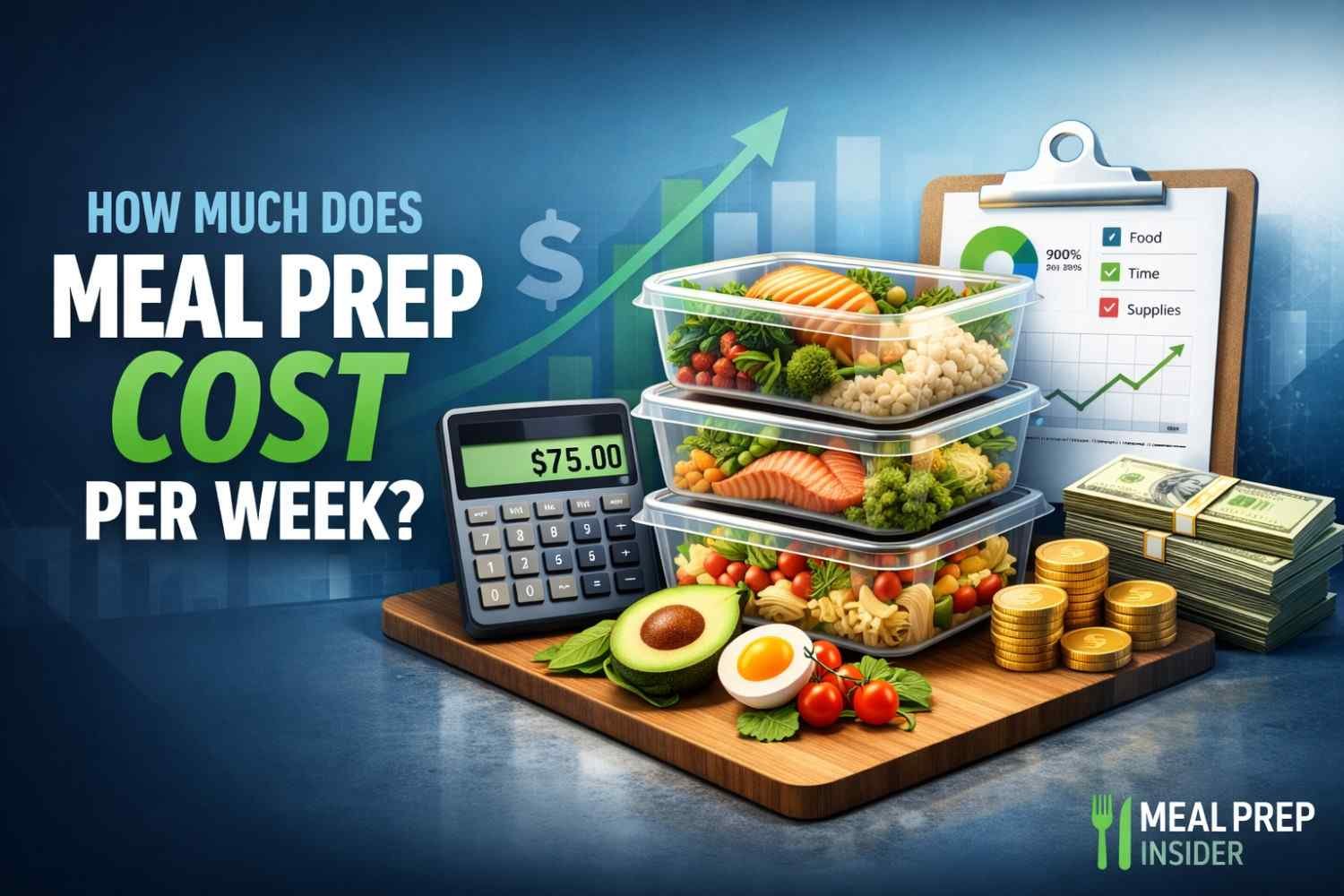
How Much Does Meal Prep Cost Per Week?: Curious about meal prep costs per week in the US? Discover average prices for prepared meal delivery services ($50–$200+ weekly), factors like servings & customization, and budget tips for healthy eating convenience.
How Much Does Meal Prep Cost Per Week?
Let’s get right to it.
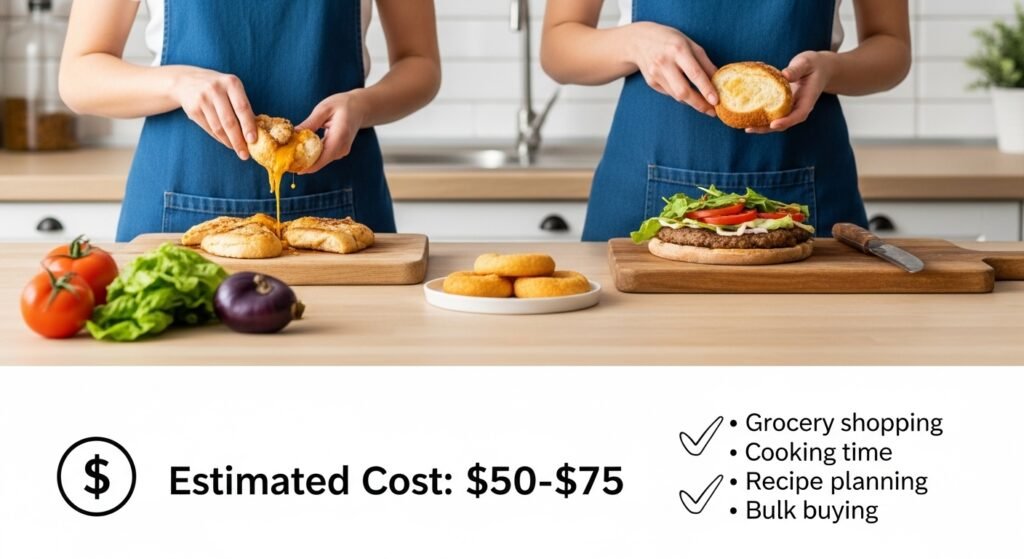
Most Americans spend somewhere between $50 and $150 per week on meal prep, depending on household size, diet type, and where they shop. That’s a wide range — and it’s intentional. Because meal prep looks very different from person to person.
A single guy eating chicken and rice? Maybe $40 a week. A family of four doing clean eating with organic produce? Closer to $200. It all depends on your choices, not just your groceries.
The real question isn’t just how much — it’s whether what you’re spending is actually worth it.
Why People Meal Prep in the First Place
Before we get into the numbers, it helps to understand why so many Americans have made meal prepping a weekend ritual.
The average American spends about $3,000 a year eating out, according to the Bureau of Labor Statistics. That’s roughly $58 a week on takeout, fast food, and restaurant meals. When you look at it that way, meal prep starts to make a lot of financial sense.
But it’s not just money. People meal prep to:
- Save time during busy weekdays
- Eat healthier without constantly thinking about it
- Reduce food waste
- Stay on track with fitness or weight goals
- Avoid impulse food decisions when hungry
All of that has value. And it affects how you should think about what you’re spending.
The Real Cost of Meal Prep Per Week (Broken Down)
Here’s where it gets practical. Meal prep costs fall into two categories: recurring costs (groceries, mostly) and one-time setup costs (containers, tools, equipment).
Most people only think about groceries. That’s a mistake.
Weekly Grocery Costs by Household Size
| Household Size | Budget Meal Prep | Moderate Meal Prep | Higher-End Meal Prep |
|---|---|---|---|
| 1 person | $30–$50 | $50–$80 | $80–$120 |
| 2 people | $55–$90 | $90–$140 | $140–$200 |
| Family of 4 | $100–$150 | $150–$220 | $220–$350 |
These numbers assume you’re prepping most meals — breakfast, lunch, and dinner — for the full week. If you’re only prepping lunches or just dinners, cut those figures roughly in half.
What Drives the Cost Up
Certain choices push your weekly spend higher than you’d expect. Things like:
- Organic produce — typically 20–50% more expensive than conventional
- Grass-fed or pasture-raised meats can double your protein budget
- Pre-cut or packaged vegetables — convenient, but you’re paying for the labor
- Specialty items — nut butters, superfoods, gluten-free products, protein powders
- Out-of-season produce — strawberries in January cost more than in June
None of these is a bad choice. But they have real costs, and they add up fast.
What Keeps the Cost Down
On the flip side, certain habits will keep your grocery bill surprisingly low:
- Buying proteins in bulk (family-sized packages of chicken thighs, ground turkey)
- Building meals around dried beans, lentils, eggs, and canned fish
- Shopping sales and planning your meals around what’s marked down
- Using a store like Aldi, Lidl, or Costco instead of a full-price grocery chain
- Sticking to seasonal produce
A person who shops strategically at Aldi can prep a full week of healthy meals for under $45. That’s not a myth. It genuinely is possible.
One-Time Setup Costs Most People Forget
This part catches people off guard. When you first start meal prepping, there’s an upfront investment that doesn’t go away after week one.
Here’s what that typically looks like:
| Item | Estimated Cost |
|---|---|
| Glass meal prep containers (set of 10) | $25–$50 |
| Large sheet pans | $10–$20 each |
| Instant Pot or slow cooker | $60–$120 |
| Good chef’s knife | $30–$80 |
| Cutting board | $15–$30 |
| Food scale | $10–$20 |
| Storage bags (reusable) | $15–$25 |
Not everyone needs all of this. But if you’re starting from scratch, you could easily spend $150–$300 before buying a single grocery item.
The good news? These are one-time costs. Spread over a year of weekly meal prep, that’s less than $6 extra per week.
RELATED POST >> 50 Easy Recipes for College Students: Dorm-Budget-Friendly
Meal Prep Cost by Diet Type
Your diet is probably the single biggest factor in what you’ll spend per week. Here’s a general breakdown.
Standard American Diet (Balanced Meals)
Think chicken, rice, roasted vegetables, pasta, eggs. This is the baseline.
Estimated weekly cost (1 person): $45–$70
It’s affordable because you’re working with inexpensive staple ingredients. Chicken thighs, rice, frozen vegetables, canned tomatoes — none of these break the bank.
Keto or Low-Carb
Keto gets expensive quickly. You’re relying heavily on meat, full-fat dairy, nuts, and avocados. All of those cost more per pound than grains or legumes.
Estimated weekly cost (1 person): $75–$130
If you’re doing keto with a lot of salmon, grass-fed beef, and specialty products? Budget closer to $150 for one person.
Plant-Based or Vegan
Here’s something that surprises people: eating vegan doesn’t have to be expensive. If you build meals around beans, lentils, tofu, rice, and seasonal vegetables, it can be one of the cheapest ways to eat.
Estimated weekly cost (1 person): $30–$65
Problems arise when people buy a lot of meat substitutes, vegan cheese, and packaged convenience items. Those products are often just as expensive — or more — than their animal-based counterparts.
High-Protein / Bodybuilder Diet
This one is all about the protein volume. If you’re eating 180–200 grams of protein per day, you’re going through a lot of chicken breast, ground beef, eggs, Greek yogurt, and cottage cheese.
Estimated weekly cost (1 person): $70–$120
Buying in bulk from Costco or Sam’s Club helps a lot here.
Gluten-Free
The gluten-free premium is real. Gluten-free bread, pasta, and snacks often cost two to three times as much as their regular counterparts.
Estimated weekly cost (1 person): $65–$110
Sticking to naturally gluten-free foods (rice, potatoes, meats, produce) instead of packaged GF alternatives will save you a lot.
Meal Prep vs. Eating Out: The Real Comparison
This is worth looking into, because many people assume meal prep is always cheaper. It usually is — but not always.
| Food Option | Avg. Cost Per Meal (US) |
|---|---|
| Fast food (combo meal) | $9–$14 |
| Casual sit-down restaurant | $15–$25 |
| Food delivery (DoorDash, Uber Eats) | $18–$35 (with fees and tip) |
| Meal kit service (HelloFresh, etc.) | $8–$12 per serving |
| Moderate meal prep (home-cooked) | $2–$4 per meal |
| Moderate meal prep (home cooked) | $4–$7 per meal |
The numbers speak for themselves. Even a moderate meal prep approach will cost you significantly less per meal than any takeout option.
A $12 Chipotle bowl — which might feel like a reasonable lunch — costs about three times more than a comparable homemade burrito bowl you prepped on Sunday.
Over a week, that difference adds up to $60–$100 in savings. Over a month, that’s potentially $250–$400 back in your pocket.
Meal Prep Cost Per Meal: How to Calculate Yours
Most people have no idea what their food actually costs per serving. Here’s a simple way to figure it out.
Step 1: Write down everything you bought at the grocery store for the week.
Step 2: Assign each ingredient to the meals it goes into. A bag of rice might go into three different dishes, so you split the cost.
Step 3: Divide the total ingredient cost for each dish by the number of servings it makes.
Example:
You make a big batch of turkey chili:
- 1 lb ground turkey: $5.50
- 2 cans black beans: $2.00
- 1 can diced tomatoes: $1.25
- Onion, garlic, peppers: $2.00
- Spices: $0.50 (estimated)
- Chicken broth: $1.00
Total: $12.25 for 6 servings = $2.04 per meal.
That’s what real meal prep math looks like. Two dollars a meal is extremely hard to beat.
Where You Shop Makes a Huge Difference
Same groceries, different stores, very different prices. Let’s be real about this.
| Store | Known For | Avg. Weekly Savings vs. Name-Brand Stores |
|---|---|---|
| Aldi | Low prices, no-frills | 25–40% cheaper |
| Lidl | Similar to Aldi | 20–35% cheaper |
| Costco / Sam’s Club | Bulk buying | Best for large families and proteins |
| Walmart | Everyday low prices | 10–20% cheaper than mid-range stores |
| Target | Convenient, mid-range | Comparable to regular grocery stores |
| Whole Foods | Quality, organic | 20–50% more expensive |
| Trader Joe’s | Unique products, decent prices | Moderate — good value on some items |
If you’re serious about keeping costs low, Aldi is hard to beat. Their produce is fresh, their store-brand products are solid, and you won’t be distracted by a dozen brands of the same thing.
For bulk meat, Costco is a game-changer. Buying a 10-pound bag of chicken thighs and portioning it yourself is almost always cheaper than buying individual packs.
The Hidden Costs Nobody Talks About
There are costs in meal prep that don’t show up on your grocery receipt. You should know about them.
Your time. Meal prep typically takes 2–4 hours on a Sunday (or whatever day you prep). That’s time with value. If you earn $30/hour professionally, a 3-hour prep session costs $90 in time. That doesn’t make meal prep not worth it — but it’s a real consideration.
Energy costs. Running your oven, stovetop, and Instant Pot for a few hours does add to your electric or gas bill. It’s not dramatic — maybe $3–$8 per session — but it’s not zero.
Food waste. If you prep too much and end up throwing food away, that’s money down the drain. Being honest about how much you’ll actually eat is important.
Impulse buys. Grocery stores are designed to make you spend more. Snacks, new products, and items on display at the end of the aisle — these add $10–$30 to the average person’s cart without them even noticing.
How to Meal Prep on a Tight Budget
Here’s a practical playbook for keeping weekly costs under $50 for one person, or under $100 for a family of four.
Build around the “Big Five” budget staples:
- Eggs
- Chicken thighs (not breasts — thighs are cheaper and more forgiving)
- Dried or canned beans
- Rice or oats
- Frozen vegetables
These five categories alone can carry an entire week of meals.
Plan before you shop. This sounds obvious, but most people don’t actually do it. Write out what you’ll eat for each meal of the week before you go to the store. Then buy only what you need for those meals.
Use a unit price calculator. Most grocery store shelf tags show a unit price (cost per ounce or per 100g). Compare these, not the package price.
Freeze strategically. If chicken is on sale, buy double and freeze half. Same with bread, bananas, batch-cooked grains, and soups.
Eat the same breakfast every day. Breakfast variety is where a lot of unnecessary spending hides. Overnight oats or scrambled eggs every morning? Cheap, filling, done.
Is Meal Prep Worth It Financially?
Let’s be direct: yes, for most people, meal prep is worth it financially.
If you’re currently spending $60–$80 per week on takeout and fast food, switching to meal prep can realistically cut your food costs to $40–$60 per week, while eating more food and probably better food.
That’s a savings of $1,000–$2,000 per year for a single person. For a family, it can be significantly more.
But meal prep isn’t right for everyone. If you’re already cooking most meals at home, the marginal savings might be smaller. If you genuinely don’t have 2–3 hours on a weekend, the time cost might outweigh the financial benefit. If you end up throwing away prepped food because you get bored, you’re not saving anything.
The financial math works. Whether the lifestyle works for you is a separate question.
FAQs
Q: How much does meal prep cost for one person per week? For one person, a realistic budget for a full week of meal-prepped meals is $40–$80, depending on diet and where you shop. Budget-focused shoppers at stores like Aldi can bring this down to $30–$45.
Q: Is meal prepping actually cheaper than buying groceries normally? Usually, yes, because planning ahead reduces impulse purchases and food waste. You buy exactly what you need and use it. Random grocery shopping often leads to unused ingredients going bad.
Q: How much does it cost to meal prep for a family of four? Expect to spend $100–$200 per week for a family of four, depending on your diet preferences. Buying proteins in bulk and keeping meals relatively simple will help keep costs toward the lower end.
Q: What’s the cheapest meal prep diet? A plant-based diet built around dried beans, lentils, rice, oats, and seasonal vegetables is typically the cheapest. A single person can eat well on $30–$40 per week this way.
Q: Does meal prep save money compared to meal kit services? Yes — significantly. Meal kit services like HelloFresh or Blue Apron cost roughly $8–$12 per serving. Home meal prep from scratch usually runs $2–$5 per serving for comparable meals.
Q: How do I calculate my actual cost per meal? Add up the cost of all ingredients used in a recipe, divide by the number of servings that recipe makes. That’s your true per-meal cost. Do this for a week to understand your actual spending.
Q: What are the biggest mistakes that make meal prep more expensive? Buying pre-cut vegetables, choosing expensive protein sources without checking unit prices, not planning meals before shopping, and overprepping (so food gets wasted) are the most common budget killers.
Q: Can I meal prep on $25 a week? It’s very tight, but possible for one person if you focus entirely on budget staples — eggs, oats, rice, dried beans, frozen vegetables, and canned fish. It requires discipline and very little variety.
SUGGESTED POST >> Meal Prep That Can Be Eaten Cold: 14 Amazing No-Reheat Ideas
Discover more from Meal Prep Insider
Subscribe to get the latest posts sent to your email.