High Protein Meal Prep No Chicken: Thrilling Taste Guide

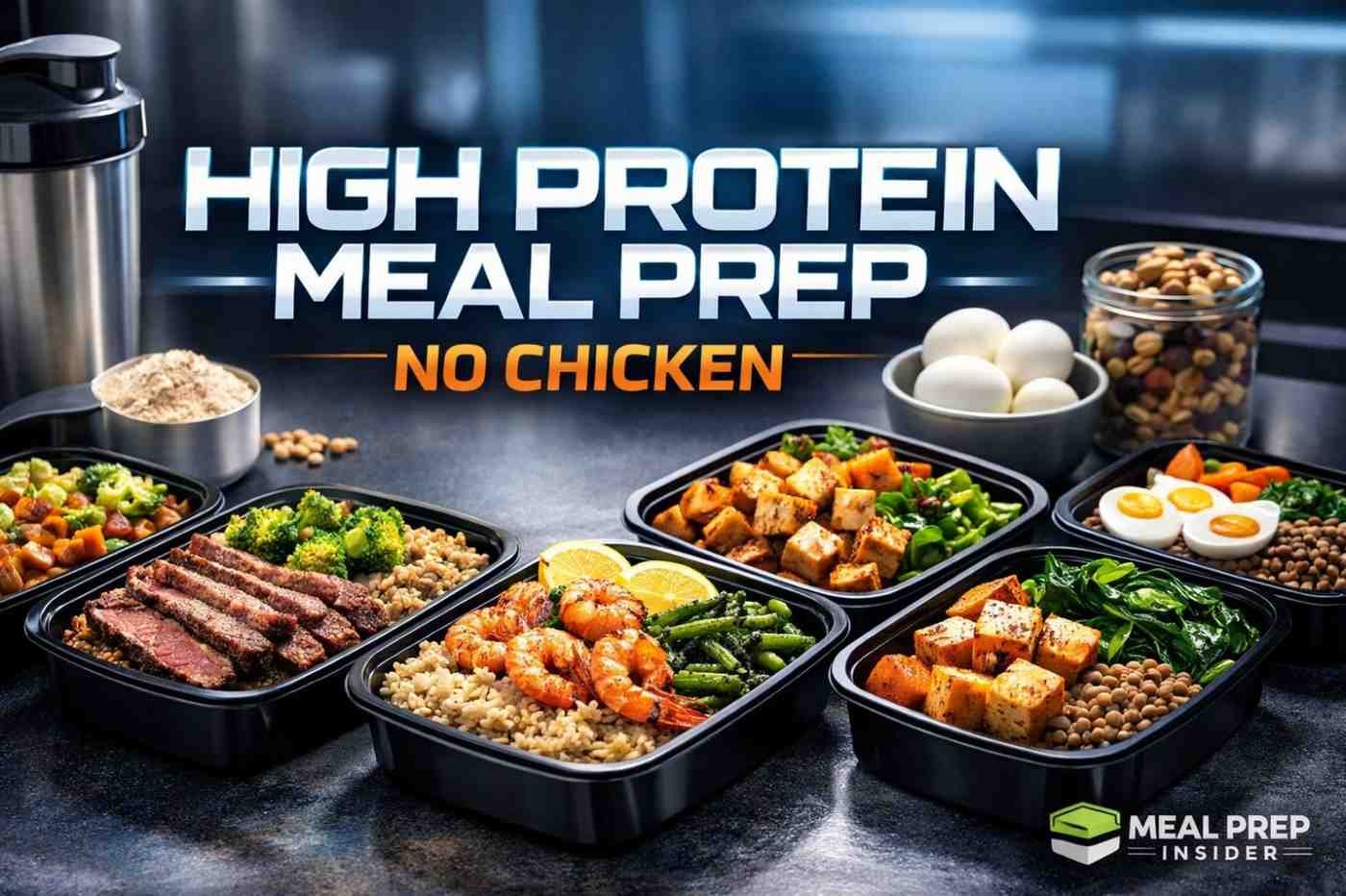
High Protein Meal Prep No Chicken! Discover delicious, ready-to-eat meals packed with 30g+ protein using beef, turkey, fish, pork, eggs, and plant-based options.
High Protein Meal Prep No Chicken
Look, I get it. You’re tired of chicken.
The endless grilled chicken breasts. The same boring meal prep containers filled with that familiar white meat. Your taste buds are staging a rebellion, and honestly, I don’t blame them.
But here’s the thing most people don’t realize: chicken isn’t the only protein game in town. Not even close. There’s a whole world of high-protein foods that’ll hit your macros just as hard without making you want to throw your meal prep containers out the window.
Let me show you how to meal prep like a boss without touching a single piece of chicken.
Why People Are Moving Away From Chicken
Americans eat roughly 100 pounds of chicken per year. That’s a lot of bird. And while chicken breast has long been the poster child of fitness nutrition, times are changing.
The monotony gets real. Fast.
People are realizing that variety isn’t just the spice of life; it’s the key to sticking with healthy eating long-term. When you’re forcing down the same protein source every single day, you’re setting yourself up for failure. Your brain craves diversity. Your gut needs it too.
Plus, chicken prices have been climbing. Sometimes you can find better deals on other protein sources that pack just as much nutritional punch.
And let’s be real: not everyone digests chicken well. Some folks just feel better eating other proteins.
The Protein Alternatives You’ve Been Sleeping On
Here’s what most people miss: protein diversity is actually better for you than sticking to one source. Different proteins bring different amino acid profiles, different micronutrients, and different benefits to your body.
Ground turkey gives you similar versatility to ground chicken but with a richer flavor profile. Lean beef brings iron and B12 that chicken can’t match. Fish delivers omega-3s that support everything from brain health to inflammation control.
Then you’ve got the plant-based players. Tofu, tempeh, and legumes aren’t just for vegetarians anymore. They’re legitimate protein powerhouses that even meat-eaters are adding to their rotation.
The protein-per-dollar ratio on some of these alternatives? Better than you’d think.
Ground Turkey: The Overlooked Champion
Ground turkey is basically chicken’s cooler cousin who nobody talks about enough.
It’s got roughly 22-25 grams of protein per 4-ounce serving. Nearly identical to chicken breast. But the flavor? So much better when you season it right.
Here’s what makes ground turkey perfect for meal prep:
- Cooks faster than most proteins
- Takes on whatever flavors you throw at it
- Stays moist better than ground chicken
- Works in literally any cuisine style
- Usually cheaper than chicken breast
Try making turkey taco bowls. Brown your ground turkey with cumin, paprika, garlic powder, and chili powder. Divide it into containers with black beans, brown rice, salsa, and a bit of cheese. Five servings done in 30 minutes.
Or go Asian-inspired. Cook ground turkey with ginger, garlic, soy sauce, and a touch of sesame oil. Serve over cauliflower rice with snap peas and carrots. Your taste buds won’t know what hit them.
The truth is, ground turkey adapts to whatever you’re craving. Italian? Make turkey meatballs. Greek? Turkey kofta bowls. American? Turkey chili that’ll last you all week.
Beef: Don’t Fear The Red Meat
The anti-beef propaganda needs to stop.
Lean beef cuts are incredible for meal prep when you choose wisely. A 4-ounce serving of 93% lean ground beef gives you about 23 grams of protein. Plus iron, zinc, and B vitamins that chicken barely touches.
Grass-fed beef brings even more to the table with better omega-3 ratios and higher levels of certain antioxidants.
Here’s the smart way to meal prep with beef:
Choose lean cuts. Ground beef at 90-93% lean, sirloin, flank steak, or eye of round. You get the protein without excessive saturated fat.
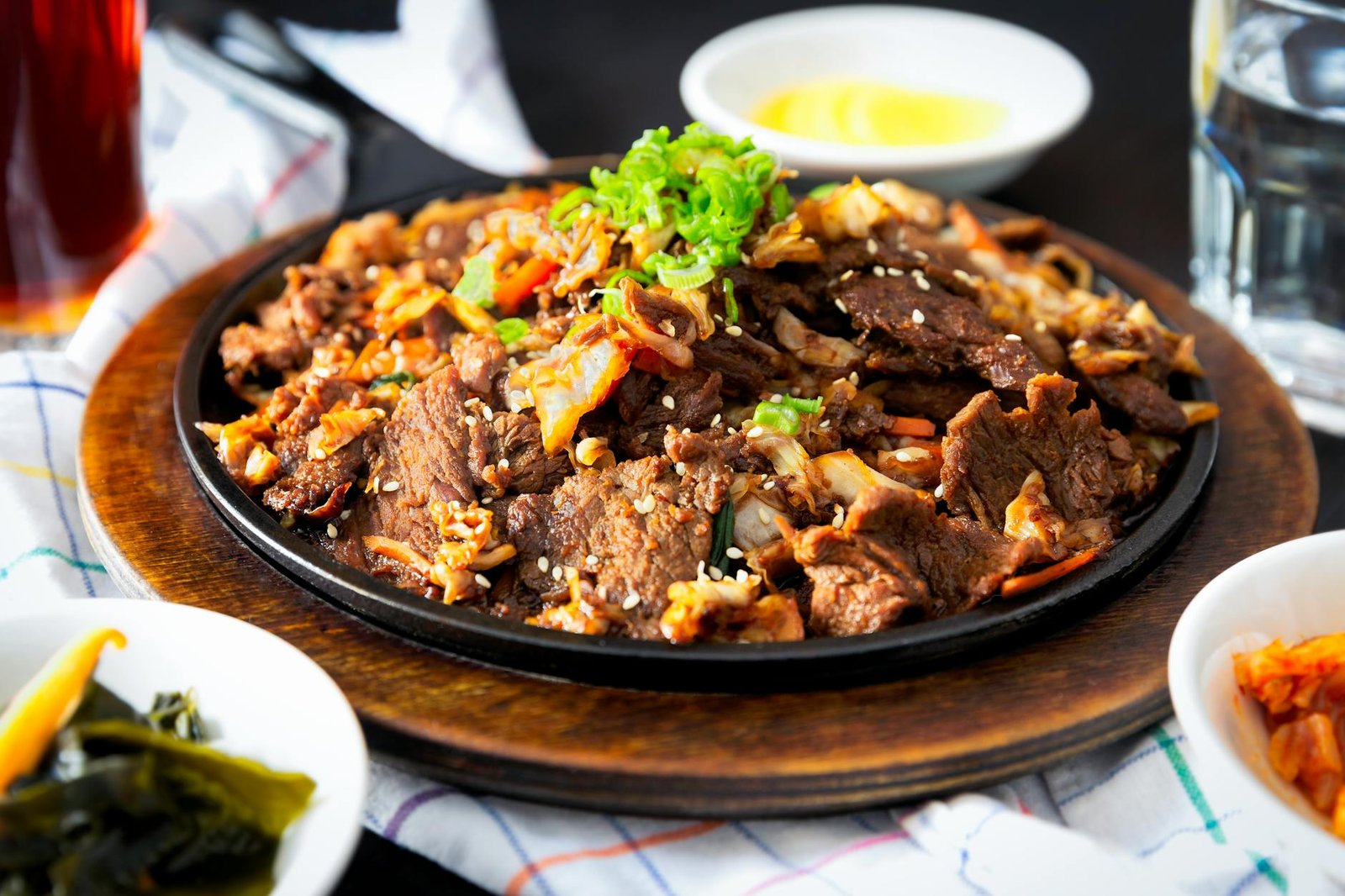
Batch cook strategically. Make a big batch of beef-and-vegetable soup on Sunday. Or prep Korean-style beef bowls with lean ground beef, lots of veggies, and brown rice.
One of my favorite tricks? Slow cooker pot roast. Chuck a lean roast in your slow cooker with beef broth, carrots, celery, onions, and potatoes. Let it cook while you do literally anything else. Shred it up, and you’ve got protein for days.
Steak prep works too. Buy flank or sirloin when it’s on sale, grill or pan-sear a bunch at once, slice it thin, and portion it out. Throw it on salads, in wraps, or alongside roasted vegetables.
Fish and Seafood: The Omega-3 Powerhouses
Fish is where things get interesting.
Salmon, tuna, cod, tilapia, shrimp. The options go on. And most of them meal prep better than you’d think.
Salmon is the heavyweight champion here. A 4-ounce portion delivers about 25 grams of protein plus those omega-3 fatty acids everyone’s always talking about. The ones that help your brain work better and keep inflammation in check.
Meal prepping fish isn’t complicated:
Bake multiple salmon fillets at once. Season them differently for variety. Lemon-dill for one batch, teriyaki for another, Cajun-spiced for a third. They’ll keep for 3-4 days in the fridge.
Canned tuna and salmon are underrated. Mix with Greek yogurt instead of mayo, add some diced celery and onion, and you’ve got a high-protein lunch that takes two minutes to throw together.
Shrimp cook in minutes. Literally minutes. You can prep different shrimp bowls for the week in less time than it takes to watch a sitcom episode. Garlic shrimp with zucchini noodles. Cajun shrimp and quinoa. Shrimp stir-fry with whatever vegetables are on sale.
White fish like cod or tilapia are blank canvases. They’re mild enough to work with any flavor profile you’re feeling that week.
The best part? Fish doesn’t reheat as badly as people think. Just don’t microwave it at work unless you want to become that person.
Pork: The Misunderstood Protein
Pork tenderloin has the same fat content as chicken breast.
Let that sink in.
A 4-ounce serving of pork tenderloin gives you about 24 grams of protein with only about 3 grams of fat. It’s lean, it’s affordable, and it tastes way better than most chicken preparations.
Pork chops work for meal prep too, especially the center-cut varieties. They’re quick-cooking and pair well with basically any vegetable.
Here’s a winning pork prep strategy:
Get a whole pork tenderloin. Season it with a dry rub (brown sugar, paprika, garlic powder, salt, pepper). Roast it at 400°F until it reaches an internal temperature of 145°F. Let it rest, slice it up, and portion it out with roasted sweet potatoes and green beans.
Five meals. One hour. Done.
Ground pork is another secret weapon. It’s usually cheaper than ground turkey and has more flavor. Use it in Asian-style lettuce wraps, Italian-seasoned meatballs, or breakfast hash with sweet potatoes and peppers.
Pulled pork in the slow cooker? Game over. One pork shoulder can feed you for a week if you’re cooking for one or two people. And it freezes beautifully.
Plant-Based Proteins That Actually Work
You don’t have to be a vegetarian to benefit from plant proteins.
Tofu packs about 10 grams of protein per half-cup serving. Tempeh ups that to around 15 grams. Lentils bring 18 grams per cooked cup. Black beans? About 15 grams per cup.
These aren’t just filler foods. They’re legitimate protein sources that bring fiber, vitamins, and minerals that chicken can’t touch.
Tofu meal prep is easier than most people think. Press it to remove excess water, cut it into cubes, toss with cornstarch and your favorite seasonings, then bake at 425°F until crispy. It keeps well and tastes great cold or reheated.
Make a big batch of crispy tofu on Sunday. Use it in Buddha bowls, stir-fries, or salads throughout the week.
Lentil prep is even simpler. Cook a large pot of lentils in vegetable broth with spices. Use them as a base for:
- Lentil curry bowls
- Mediterranean lentil salads
- Lentil soup
- Lentil “meat” sauce for pasta
Chickpeas roasted in the oven become addictively crunchy protein bombs. Season them however you want. Toss them on salads, eat them as snacks, or add them to grain bowls.
Quinoa isn’t just a carb. It’s a complete protein with all nine essential amino acids. One cup of cooked food gives you 8 grams of protein. Use it as your grain base, and you’re adding protein without even trying.
Turkey Breast: Chicken’s Better-Tasting Cousin
A whole turkey breast roasted on Sunday gives you sliced deli meat that’s actually healthy.
No weird preservatives. No excessive sodium. Just pure protein.
A 4-ounce serving of turkey breast delivers about 26 grams of protein. Slightly higher than chicken breast. And when you roast it yourself with herbs and spices, the flavor is incomparable to anything you’d buy pre-sliced.
Here’s the simple method:
Get a bone-in or boneless turkey breast. Rub it with olive oil, garlic, rosemary, thyme, salt, and pepper. Roast at 350°F until the internal temperature reaches 165°F. Let it rest, then slice.
Use those slices all week long. Turkey and avocado wraps. Turkey over salads. Turkey with roasted vegetables. Turkey sandwiches on whole-grain bread.
Ground turkey breast (not the regular ground turkey that includes dark meat) is the leanest ground meat you can buy. It’s dry if you overcook it, but when you add it to sauces or mix it with vegetables, it’s perfect.
Eggs: The Original Meal Prep Protein
Eggs are stupid easy to batch cook.
One large egg has 6 grams of protein. Make a dozen hard-boiled eggs on Sunday, and you’ve got grab-and-go protein for the week.
But let’s go beyond hard-boiled eggs.
Egg muffins are where it’s at. Beat a dozen eggs, add whatever vegetables and lean meat you want (turkey sausage, peppers, spinach, mushrooms), pour into a muffin tin, and bake. Freeze half for later weeks.
Frittatas work the same way but in a larger format. Make a big frittata with eggs, vegetables, and a bit of cheese. Cut it into portions. Reheat throughout the week.
The protein-to-cost ratio on eggs beats almost everything else. Even with egg prices fluctuating, they’re still one of the cheapest complete proteins you can buy.
And eggs aren’t just for breakfast. Add a fried egg on top of any lunch or dinner bowl for an instant protein boost.
Greek Yogurt and Cottage Cheese: The Dairy MVPs
Greek yogurt isn’t just for breakfast parfaits.
A single cup of non-fat Greek yogurt delivers about 20 grams of protein. That rivals most meat sources.
Use it as a base for:
- High-protein smoothies
- Tzatziki sauce for your protein bowls
- Replacement for sour cream
- Salad dressing base
- Marinade for other proteins
Cottage cheese has made a comeback. Gen Z discovered it, and now it’s everywhere again. Good, because it’s an excellent protein source with about 14 grams per half-cup serving.
Blend cottage cheese into smoothies for extra creaminess and protein. Mix it with fruit for a quick snack. Use it in lasagna or stuffed peppers as a protein-rich filling.
Both dairy options meal prep beautifully. Buy them in bulk, portion them out if needed, and you’ve got quick protein sources ready to go.
RELATED POST >> High-Protein Meal Prep for Muscle Gain Female: Strong Women
Sample Weekly Meal Prep Plan (No Chicken)
Here’s what a full week could look like:
Breakfast (Choose One Per Day)
- Egg muffins with turkey sausage and vegetables
- Greek yogurt with berries and granola
- Protein smoothie with cottage cheese and banana
Lunch Options
- Ground turkey taco bowls with black beans and brown rice
- Salmon with roasted vegetables and quinoa
- Lentil curry over cauliflower rice
- Turkey and avocado wrap with a side salad
Dinner Options
- Pork tenderloin with sweet potato and green beans
- Beef and vegetable stir-fry over rice
- Baked cod with roasted Brussels sprouts and wild rice
- Tofu and vegetable Buddha bowl
Snacks
- Hard-boiled eggs
- Cottage cheese with cucumber
- Roasted chickpeas
- Tuna salad with crackers
The Prep Strategy That Actually Works
Most people overcomplicate meal prep.
You don’t need to cook 21 different meals. You need a solid rotation of proteins and sides that you can mix and match.
Here’s the framework:
Pick 2-3 proteins for the week. Maybe ground turkey, salmon, and tofu. Cook them all on Sunday using different seasonings.
Prep 2-3 carb sources. Brown rice, sweet potatoes, and quinoa. Cook in bulk.
Roast a bunch of vegetables. Whatever’s on sale. Sheet pan them with olive oil and seasoning.
Now you’ve got building blocks. Mix and match throughout the week based on what sounds good that day.
Monday might be salmon with quinoa and roasted broccoli. Tuesday could be ground turkey over brown rice with roasted peppers. Wednesday brings tofu with sweet potato and green beans.
Same ingredients. Different combinations. Your taste buds stay interested.
Common Pitfalls People Run Into
The biggest error people make is not seasoning their proteins enough.
Plain, unseasoned turkey or fish tastes like cardboard. Of course, you’re going to hate meal prep if that’s what you’re eating.
Invest in spices. Real talk: your spice cabinet should be your best friend. Cumin, paprika, garlic powder, chili powder, Italian seasoning, and curry powder. These transform boring proteins into something you’ll look forward to eating.
Another frequent mistake: cooking everything the same way every week.
If you grill everything on Sunday, it all tastes vaguely similar by Wednesday. Mix up your cooking methods. Bake some proteins, pan-sear others, slow cook another batch. The variety in texture and flavor keeps things interesting.
People also tend to undercook their vegetables. Roasted vegetables should have some color on them. That’s where the flavor lives: in caramelization.
And here’s one people don’t talk about enough: not using enough fat in your meals.
I know you’re trying to be healthy. But a little olive oil, avocado, or nuts in your meal makes everything taste better and helps you absorb certain vitamins. Don’t be scared of reasonable amounts of healthy fats.
Storage and Food Safety Tips
Cooked proteins generally last 3-4 days in the refrigerator.
Fish is on the shorter end of that range. Beef and pork can push toward the longer end. Know your windows and plan accordingly.
If you’re prepping for more than 4 days, freeze half your portions. Most cooked proteins freeze well for 2-3 months.
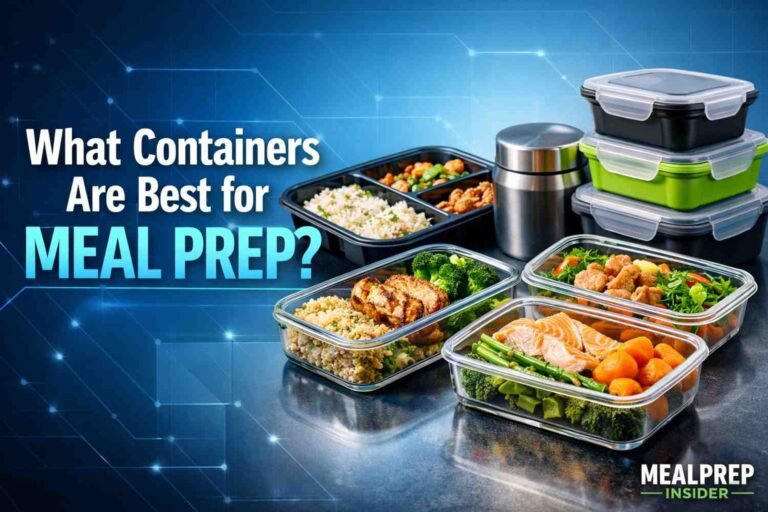
Use glass containers when possible. They don’t absorb odors, and they reheat more evenly than plastic.
Label everything with the date you cooked it. Future you will thank present you when you’re standing in front of your fridge, wondering if that ground turkey is still good.
Keep your fridge at or below 40°F. Use a thermometer to check. This isn’t optional if you’re meal prepping proteins.
Reheat to 165°F if you want to be super safe, especially with ground meats and pork.
Budget-Friendly Protein Shopping
Buy proteins on sale and freeze them.
This is the single biggest money-saver. When ground turkey goes on sale, buy five pounds and freeze what you won’t use this week.
Canned fish and beans are your budget friends. Canned salmon, tuna, and sardines pack serious protein for minimal cost. Dried beans and lentils are even cheaper.
Buy whole cuts and break them down yourself. A whole pork tenderloin costs less per pound than pre-cut chops.
Check the discount meat section. Stuff that’s close to its sell-by date is perfectly fine if you’re cooking it that day or freezing it immediately.
Shop ethnic grocery stores. Asian markets often have better prices on tofu and certain fish. Latin markets sometimes have great deals on beef and pork.
Price Comparison Table (Average US Prices)
| Protein Source | Cost per lb | Protein per 4oz | Cost per 20g Protein |
|---|---|---|---|
| Chicken Breast | $3.50 | 26g | $1.08 |
| Ground Turkey | $3.00 | 22g | $1.09 |
| Eggs (dozen) | $3.00 | 6g per egg | $0.83 |
| Canned Tuna | $1.00/can | 22g | $0.91 |
| Lentils (dry) | $1.50 | 9g | $0.42 |
| Ground Beef 93% | $5.00 | 23g | $1.74 |
| Pork Tenderloin | $4.50 | 24g | $1.50 |
| Tofu | $2.00 | 10g | $1.60 |
Quick Recipes To Get Started
15-Minute Turkey Taco Bowls
Brown 1 pound of ground turkey with taco seasoning. Divide into 4 containers. Add black beans, corn, diced tomatoes, and a bit of cheese. Serve over rice or lettuce.
Sheet Pan Salmon and Vegetables
Place 4 salmon fillets on a sheet pan. Surround with broccoli, bell peppers, and red onion. Drizzle with olive oil, season with salt, pepper, and garlic. Bake at 400°F for 15 minutes.
Slow Cooker Pork Carnitas
Put a pork shoulder in your slow cooker with orange juice, lime juice, garlic, cumin, and oregano. Cook on low for 8 hours. Shred and portion out.
Crispy Tofu Buddha Bowls
Press and cube extra-firm tofu. Toss with cornstarch and spices. Bake at 425°F for 25 minutes, flipping halfway. Serve with quinoa, roasted sweet potato, kale, and tahini dressing.
Beef and Broccoli Meal Prep
Slice 1.5 pounds of flank steak thin. Stir-fry in batches with garlic and ginger. Add broccoli florets and a sauce made from soy sauce, sesame oil, and a touch of honey. Serve over rice.
Flavor Combinations That Never Fail
Mediterranean: Lemon, garlic, oregano, olive oil. Works with fish, pork, beef, or lamb.
Asian-Inspired: Ginger, garlic, soy sauce, sesame oil, rice vinegar. Perfect for any protein.
Mexican: Cumin, chili powder, paprika, garlic, lime. Great with beef, turkey, or beans.
Italian: Basil, oregano, garlic, tomato, olive oil. Classic with beef, pork, or turkey.
Indian: Curry powder, garam masala, turmeric, ginger, garlic. Amazing with lentils, chickpeas, or any meat.
You don’t need complicated recipes. Just good seasoning combinations.
Making It Sustainable Long-Term
The key to meal prep success isn’t perfection.
It’s consistency. And consistency requires variety.
Rotate your proteins every week or every two weeks. Don’t force yourself to eat the same thing if you’re dreading it. That’s how you end up ordering takeout and wasting all the food you prepped.
Give yourself permission to have one or two meals out per week. Meal prep doesn’t mean you can never eat fresh-cooked food or enjoy a restaurant meal.
Keep it simple on busy weeks. Sometimes, meal prep is just hard-boiled eggs, canned tuna, and bagged salad. That’s still better than fast food every day.
Prep what you’ll eat. Don’t prep asparagus just because some fitness influencer said you should, even if you hate it. Life’s too short to eat food you don’t enjoy.
The truth is, sustainable, healthy eating looks different for everyone. Some people meal prep every single meal. Others just prep proteins and throw together sides throughout the week. Both approaches work.
Find what fits your lifestyle and stick with that.
Final Thoughts
Chicken fatigue is real, but it doesn’t have to derail your protein goals.
The world of proteins is bigger and more interesting than most people realize. Turkey, beef, pork, fish, eggs, tofu, and lentils. They’re all waiting to make your meal prep more interesting.
Start simple. Pick one new protein this week. Try one new recipe. See how you feel.
Next week, add another variety.
Before you know it, you’ll have a rotation of 8-10 different protein sources, and you’ll wonder why you ever thought chicken was your only option.
Your taste buds will thank you. Your body will thank you. And your meal prep won’t feel like a chore anymore.
Now, get out there and cook something other than chicken.
Frequently Asked Questions
How much protein do I need per day?
Most active adults need 0.8-1 gram of protein per pound of body weight. If you weigh 150 pounds, that’s 120-150 grams daily. Less active people can go lower, around 0.6-0.8 grams per pound.
Can I meal prep fish for 5 days?
Fish is best consumed within 3-4 days of cooking. If you want fish throughout the week, prep half fresh and freeze the other half for later, or plan fish meals for the first few days.
Is meal prepping cheaper than eating out?
Absolutely. The average restaurant meal costs $12-20. A home-prepped meal typically costs $3-6, depending on your protein choices. Over a month, that’s hundreds of dollars saved.
What if I don’t like leftovers?
You’re not eating leftovers; you’re eating pre-made, fresh meals. The mindset shift matters. Also, varying your seasonings and combinations helps things not feel repetitive.
Can I build muscle without chicken?
Yes. Muscle building requires adequate protein and progressive resistance training. The protein source doesn’t matter as long as you’re getting complete proteins with all essential amino acids.
How do I prevent meal prep burnout?
Change your proteins weekly, vary your seasonings, mix up your cooking methods, and don’t prep more than 4-5 days at once. Give yourself the flexibility to eat something different when you need it.
Are plant proteins as good as animal proteins?
Plant proteins are excellent, though most individual plant sources are incomplete proteins. Combine different plant proteins (like rice and beans) to get all essential amino acids. Or choose complete plant proteins like quinoa and soy.
What’s the best protein for weight loss?
The best protein for weight loss is whichever one keeps you full and satisfied while fitting your calorie goals. Lean proteins like fish, turkey breast, and plant-based options work well because they’re protein-dense yet low in calories.
How long does cooked ground turkey last in the fridge?
Cooked ground turkey stays good for 3-4 days in the refrigerator when stored properly in airtight containers. Freeze it if you need it to last longer.
Can I freeze meal-prepped containers?
Yes, most meal prep freezes well. Use freezer-safe containers, leave some room for expansion, and consume within 2-3 months for best quality. Thaw overnight in the fridge, then reheat.
SUGGESTED POST >> Peanut Butter Overnight Oats Meal Prep Made Easy
Discover more from Meal Prep Insider
Subscribe to get the latest posts sent to your email.