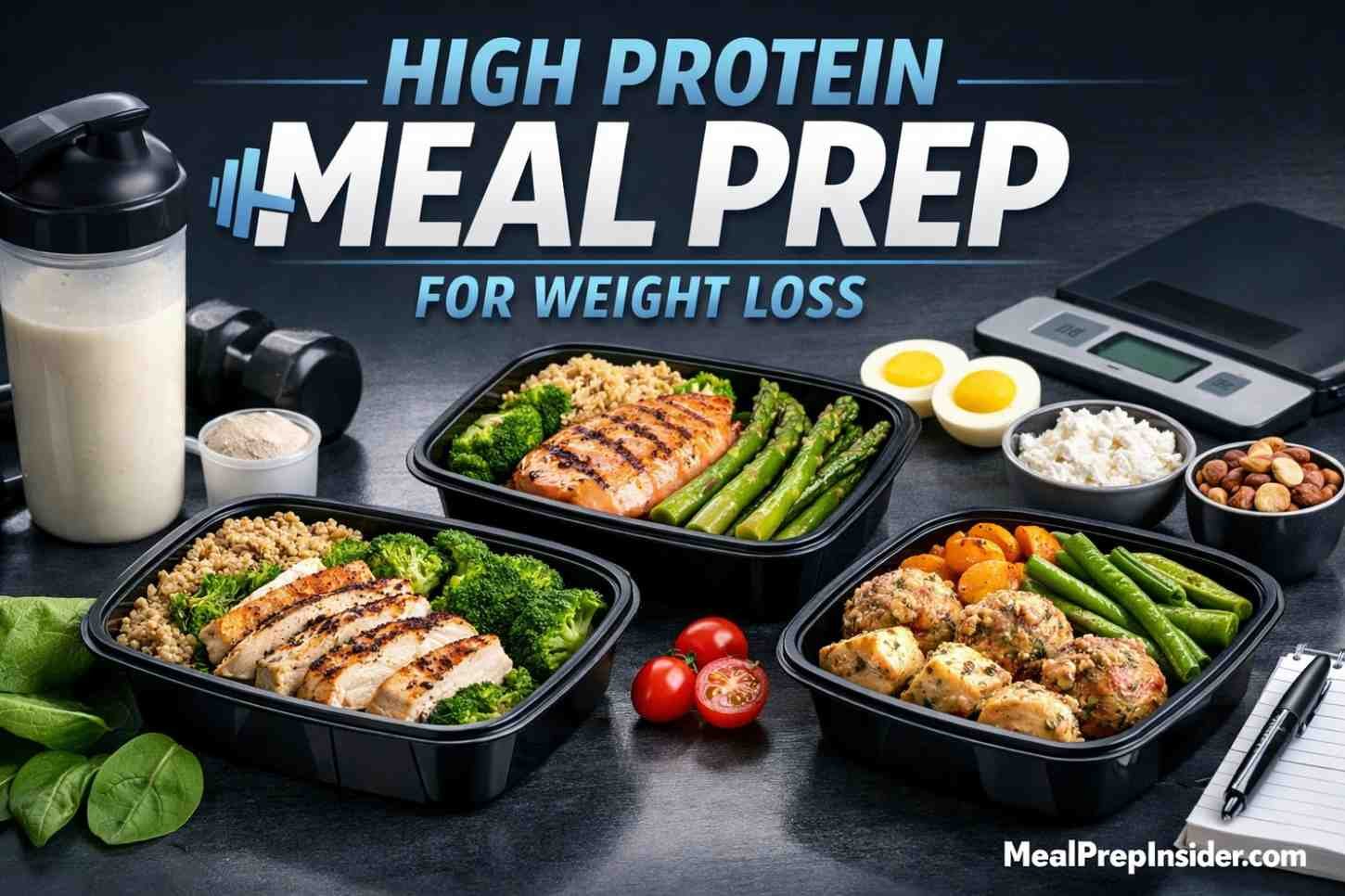
High Protein Meal Prep for Weight Loss for Fast Results

High protein meal prep for weight loss isn’t just another diet trend that’ll fade away by next Tuesday. It’s the secret weapon you’ve been scrolling past while bookmark-collecting recipes you’ll never make.
You know the drill: Sunday rolls around, you promise yourself this is the week you’ll get organized, and by Wednesday, you’re elbow-deep in a takeout container, wondering where it all went wrong.
Okay, you may want to know this.
Weight loss doesn’t happen because you bought the perfect containers or downloaded that aesthetic meal prep app. It happens when you remove the daily decision fatigue that leads to ordering pizza at 9 PM because there’s nothing in your fridge except condiments and good intentions.
Protein changes everything. It keeps you full longer, protects your muscles while you’re losing fat, and makes your body work harder just to digest it. But here’s what nobody tells you: knowing protein is important and having high-protein meals ready to grab are two completely different universes.
This post is going to walk you through exactly how to meal prep high-protein foods that don’t taste like cardboard, won’t bore you to tears by day three, and fit into a real schedule. No fluff. No, “just spiralize your vegetables and manifest your wellness.” Just straightforward strategies that work.
Let’s get into it.
Why High Protein Meal Prep for Weight Loss Works Better Than Winging It
The truth about spontaneous healthy eating? It’s a fantasy.
When you’re hungry, tired, or stressed, your brain defaults to whatever requires the least effort. That’s usually something wrapped in plastic or handed to you through a car window. Willpower is a terrible long-term strategy because it runs out right around 3 PM on a Tuesday.
Protein specifically matters because it triggers satiety hormones that tell your brain you’re actually satisfied. Carbs and fats are important too, but protein keeps you from raiding the pantry two hours after dinner. It also has the highest thermic effect of all macronutrients, meaning your body burns more calories digesting protein than it does processing carbs or fats.
When you prep these meals in advance, you’re making decisions during your strongest moment—not your weakest. You’re choosing grilled chicken and roasted vegetables on Sunday afternoon when you’re motivated, not Thursday night when you’re exhausted.
The math is simple. Consistent protein intake plus calorie control equals fat loss. Meal prep makes consistency automatic instead of aspirational.
How Much Protein Do You Really Need for Weight Loss?
Let’s cut through the confusion real quick.
Most research suggests aiming for 0.7 to 1 gram of protein per pound of body weight when you’re trying to lose fat. If you weigh 180 pounds, that’s roughly 126 to 180 grams of protein daily. Sounds like a lot? It is. That’s exactly why meal prep becomes non-negotiable.
Here’s a breakdown that makes it digestible:
- Sedentary individuals: 0.7-0.8 grams per pound
- Moderately active people: 0.8-1.0 grams per pound
- Very active or strength training: 1.0-1.2 grams per pound
You can’t hit these numbers by accident. A random salad here, some crackers there, and suddenly you’ve consumed 1,800 calories but only 40 grams of protein. Then you wonder why you’re hungry all the time and not losing weight.
Breaking your protein across 4-5 meals throughout the day makes it manageable. Meal prepping those portions ahead means you know exactly what you’re eating and when.
The Best High-Protein Foods for Meal Prep
Not all protein sources are created equal for meal prep purposes. Some foods turn into hockey pucks after reheating. Others develop weird textures or smells that make your coworkers question their life choices.
Here are your heavy hitters:
Chicken breast: The undisputed champion of meal prep protein. Lean, affordable, versatile, and reheats without major drama.
Ground turkey: Easier to season than chicken, cooks faster, and works in a million different recipes.
Salmon: Rich in omega-3s, stays moist if you don’t overcook it, and tastes good cold if needed.
Eggs: Cheap, packed with nutrients, and you can prep them a dozen ways.
Cottage cheese: Underrated and misunderstood. High protein, low calories, creamy texture.
Greek yogurt: Thick, creamy, versatile for sweet or savory applications.
Lean beef: More expensive but incredibly satisfying and nutrient-dense.
Tofu and tempeh: Plant-based options that absorb flavors and hold up well in the fridge.
Shrimp: Cooks in minutes, high protein, low calories.
Canned tuna or salmon: The ultimate convenience protein when fresh isn’t an option.

Setting Up Your Meal Prep System
The people who succeed at meal prep long-term have systems, not just motivation.
Start by picking one day a week as your designated prep time. Most people choose Sunday, but if that doesn’t work, Wednesday works just as well. The specific day matters less than the consistency.
Block out 2-3 hours. Put on a podcast or your favorite playlist. This isn’t a chore if you frame it as productive downtime.
Equipment you’ll need:
- Glass or BPA-free plastic containers with lids that seal properly
- A food scale (seriously, don’t skip this)
- Sheet pans for roasting
- A good cutting board and a sharp knife
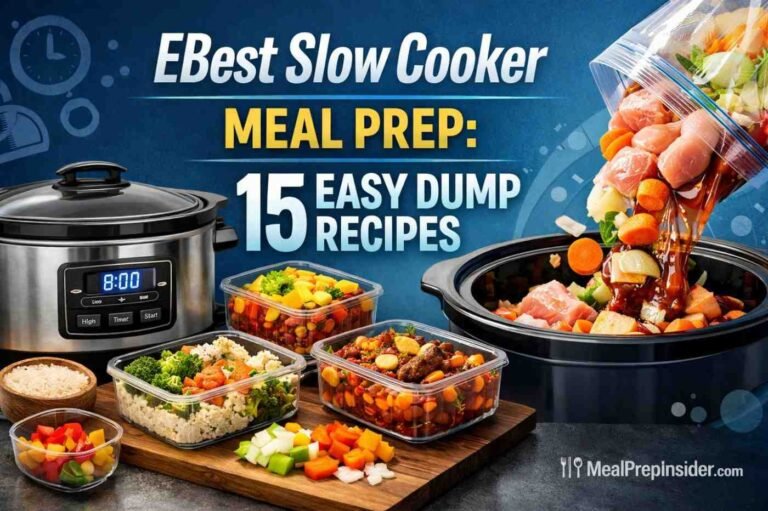
- Instant pot or slow cooker (optional but helpful)
Invest in containers that stack nicely and fit your refrigerator shelves. Nothing kills meal prep momentum faster than playing Tetris with mismatched containers every time you open the fridge.
Label everything with dates. You think you’ll remember what you made and when. You won’t.
Simple High-Protein Meal Prep Recipes That Don’t Suck
Let’s talk real food for real people.
Honey Garlic Chicken with Broccoli
Cook 2 pounds of chicken breast in a slow cooker with soy sauce, honey, garlic, and ginger for 4 hours. Shred it. Roast a bunch of broccoli with olive oil and salt at 425°F for 20 minutes. Portion into containers with brown rice or quinoa.
Each serving delivers roughly 40 grams of protein and reheats beautifully.
Turkey Taco Bowl
Brown 2 pounds of ground turkey with taco seasoning. Prep containers with the seasoned turkey, black beans, corn, diced tomatoes, shredded lettuce, and a dollop of Greek yogurt instead of sour cream. Skip the chips, and you’ve got a high-protein, lower-carb meal ready to grab.
Protein per serving: 35-40 grams.
Salmon and Asparagus
Season salmon fillets with lemon, dill, salt, and pepper. Bake at 375°F for 15-18 minutes. Roast asparagus on the same sheet pan. Pair with sweet potato or wild rice.
The omega-3s are a bonus, and you’re looking at 30-35 grams of protein per portion.
Egg Muffin Cups
Whisk a dozen eggs with diced vegetables (peppers, spinach, onions, mushrooms). Pour into a muffin tin and bake at 350°F for 20-25 minutes. These grab-and-go breakfast options pack about 12-15 grams of protein for two muffins.
Greek Yogurt Protein Bowl
Layer Greek yogurt with berries, a scoop of protein powder, chia seeds, and a handful of almonds. Prep these in mason jars for an easy breakfast or snack. Each jar can hit 30+ grams of protein depending on your protein powder.
Beef and Vegetable Stir-Fry
Slice lean beef thin and marinate in soy sauce, sesame oil, and garlic. Stir-fry with snap peas, bell peppers, and bok choy. Serve over cauliflower rice or regular rice. Portion out and you’ve got 35-40 grams of protein per container.
Shrimp and Zucchini Noodles
Sauté shrimp in garlic and olive oil. Spiralize zucchini or buy it pre-spiralized. Toss together with cherry tomatoes and a sprinkle of parmesan. Light, refreshing, and loaded with protein (25-30 grams per serving).
How to Keep Meal Prep from Getting Boring
Variety is where most people crash and burn.
Eating the same grilled chicken and broccoli for 12 straight meals is a special kind of torture. Your taste buds revolt. Your brain associates healthy eating with boredom. You quit.
Here’s how to avoid that:
Rotate your proteins weekly. Chicken this week, turkey next week, salmon the following week. Same vegetables, different protein. Small change, big impact.
Master 3-4 seasoning profiles. Mexican (cumin, chili powder, lime), Asian (soy sauce, ginger, sesame), Mediterranean (lemon, oregano, garlic), and American BBQ. The same chicken breast becomes four different meals.
Prep components, not complete meals. Cook your proteins plain. Roast your vegetables. Cook your grains. Mix and match throughout the week based on what sounds good.
Freeze half. If you’re prepping 10 meals, freeze 5 of them. Rotate them in after two weeks, and suddenly that chicken tastes fresh again.
Use different textures. Grilled, baked, slow-cooked, and stir-fried versions of the same protein feel like different foods.
The key is strategic variety, not chaotic randomness.
Common Pitfalls People Encounter With Protein Meal Prep
Everyone makes mistakes at first. That’s expected.
Overcooking everything. Chicken breast goes from juicy to cardboard in about 90 seconds of overcooking. Use a meat thermometer. Chicken is done at 165°F, not 185°F.
Ignoring food safety. Cooked food lasts 3-4 days in the fridge, max. If you won’t eat it by then, freeze it on day one. Don’t let it sit in your fridge for 6 days and then wonder why it smells weird.
Making everything too complicated. You don’t need 17 ingredients and a culinary degree. Salt, pepper, garlic powder, and olive oil can make almost any protein and vegetable combination taste good.
Not tracking your portions. Eyeballing portions leads to overeating or undereating protein. Use a food scale for two weeks until you can accurately estimate portions.
Forgetting about texture. Some foods don’t reheat well. Avoid meal-prepping things that get soggy or rubbery. Keep components separate when needed.
Prepping without a plan. Randomly cooking food and hoping it works leads to wasted time and ingredients. Plan your meals, make a grocery list, and stick to it.
Mistakes to Sidestep When Calculating Macros
Numbers matter when you’re trying to lose weight, but obsessing over every single calorie is a fast track to burnout.
Only focusing on protein. Protein is crucial, but carbs and fats play important roles too. Don’t eat 200 grams of protein and 10 grams of fat. Your hormones, energy levels, and sanity need balance.
Forgetting about liquid calories. That fancy coffee drink has 400 calories and 2 grams of protein. It’s not helping.
Using incorrect serving sizes. The nutrition label says “serving size: 4 oz,” but you’re eating 8 oz. You just doubled everything without realizing it.
Trusting a restaurant’s “grilled chicken” to be the same as yours. Restaurant food is often cooked in butter or oil you’re not accounting for. When in doubt, add 20-30% more calories than you think.
Not adjusting as you lose weight. Your calorie and protein needs change as your body weight changes. Recalculate every 10-15 pounds lost.
Meal Prep Strategies for Different Schedules
Not everyone has three hours on Sunday to cook.
The Busy Professional: Use a slow cooker or Instant Pot. Dump ingredients in before work, come home to cooked protein. Roast vegetables while you change clothes. Pack containers while you eat dinner. Total active time: 45 minutes.
The Parent: Batch cook while kids are at activities. Double recipes you’re already making for family dinners and portion out your lunches. Use rotisserie chicken from the grocery store as a shortcut.
The Student: Focus on one-pan meals and microwavable containers. Ground turkey, frozen vegetables, and instant rice can be a complete meal in under 20 minutes of prep.
The Night Shift Worker: Prep meals in whatever chunk of time you have. Three hours at once isn’t mandatory. Thirty minutes on three different days works just as well.
Adapt the system to your life instead of trying to force your life into someone else’s system.
Storage and Reheating Tips to Maintain Quality
Nobody wants to eat dried-out chicken that tastes like the inside of a microwave.
Store sauces separately. Adding sauce before reheating keeps meals from getting soggy and lets you control portions.
Undercook vegetables slightly. They’ll finish cooking when you reheat. Crisp vegetables turn to mush if they’re fully cooked twice.
Reheat at 50-70% power for longer times. High power dries everything out. Lower power with a longer time keeps moisture in.
Add a splash of water or broth. Before reheating, add a tablespoon of liquid to the container. Creates steam and prevents dryness.
Let food rest after reheating. Give it 30-60 seconds before eating. Distributes heat evenly.
Glass containers over plastic when possible. They don’t absorb odors or stains and heat more evenly.
Budget-Friendly High-Protein Meal Prep Options
Eating healthy doesn’t require a trust fund.
Buy in bulk. Chicken breast, ground turkey, and eggs are significantly cheaper in larger quantities. Freeze what you won’t use within 3-4 days.
Choose cheaper cuts. Chicken thighs cost less than breasts and taste better when reheated. Pork shoulder is cheap and perfect for slow cooking.
Use canned and frozen. Canned tuna, frozen shrimp, and frozen vegetables are nutritionally similar to fresh but cost a fraction of the price.
Skip fancy grains. Regular brown rice costs pennies compared to quinoa or farro and provides similar nutritional value.
Buy seasonal produce. Whatever vegetables are in season taste better and cost less.
Make your own seasoning blends. Pre-made spice mixes are convenient but marked up 300%. Buy individual spices and mix your own.
RELATED POST >> Best GLP-1 Meal Prep Ideas for Weight Loss: Works Faster
Here’s a sample weekly budget breakdown:
| Item | Quantity | Approximate Cost |
|---|---|---|
| Chicken breast | 5 lbs | $12 |
| Ground turkey | 3 lbs | $9 |
| Eggs | 2 dozen | $6 |
| Greek yogurt | 32 oz | $5 |
| Broccoli | 3 lbs | $6 |
| Sweet potatoes | 5 lbs | $5 |
| Brown rice | 2 lbs | $3 |
| Canned black beans | 4 cans | $4 |
| Total | $50 |
That’s roughly 20-25 high-protein meals for about $2-2.50 each. Cheaper than any drive-through and infinitely healthier.
Meal Prep for Vegetarians and Vegans
Plant-based protein sources require a bit more creativity but are completely viable.
Legumes: Lentils, chickpeas, black beans, and kidney beans are protein powerhouses. A cup of cooked lentils has about 18 grams of protein.
Tofu and tempeh: Pressed and marinated tofu absorbs whatever flavors you give it. Tempeh has a nuttier taste and firmer texture.
Seitan: Made from wheat gluten, seitan packs 25 grams of protein per 3.5 oz serving. Chewy texture similar to meat.
Edamame: Young soybeans with about 17 grams of protein per cup.
Nutritional yeast: Not a complete protein source alone, but adds 8 grams per 2 tablespoons, plus a cheesy flavor.
Protein powder: Pea, hemp, or brown rice protein can be added to smoothies, oats, or baked goods.
Combine different plant proteins throughout the day to ensure you’re getting all essential amino acids. Rice and beans together create a complete protein profile.
Tracking Progress Without Losing Your Mind
The scale is a liar sometimes.
Your weight fluctuates daily based on water retention, sodium intake, hormones, and bathroom habits. Weighing yourself every day and panicking over normal fluctuations is exhausting and counterproductive.
Better tracking methods:
- Weekly averages instead of daily weights
- Progress photos every two weeks
- How your clothes fit
- Energy levels throughout the day
- Gym performance (lifting heavier, more reps, better endurance)
- Measurements (waist, hips, arms, thighs)
High-protein meal prep creates results, but those results don’t always show up immediately on the scale. Trust the process. If you’re eating in a calorie deficit with adequate protein, your body composition is improving even if the number doesn’t drop every single day.
How to Handle Social Situations and Eating Out
Meal prep can’t control every single meal unless you plan to become a hermit.
Eating at restaurants:
- Check the menu online beforehand
- Order grilled proteins with vegetables
- Ask for sauces on the side
- Skip the bread basket
- Don’t arrive starving (eat a small protein-rich snack first)
Social gatherings:
- Eat one of your prepped meals before you go
- Bring a high-protein dish to share
- Focus on protein and vegetables at the buffet
- Have one indulgence and move on
- Don’t explain your entire eating plan to everyone; just eat what works for you
Weekend flexibility:
You don’t need to meal prep every single meal for the rest of your life. Many people prep Monday through Friday and eat more intuitively on weekends. Others prep all seven days but build in one “free” meal weekly.
Find what balance keeps you sane and consistent long-term.
Advanced Strategies for Breaking Through Plateaus
Sometimes your body adapts, and weight loss stalls.
Calorie cycling: Eat at maintenance calories 1-2 days per week and lower calories the other days. Keeps your metabolism guessing.
Protein cycling: Increase protein to 1.2+ grams per pound for two weeks, then drop back to 0.8-1.0 grams. Can help break through stubborn plateaus.
Carb cycling: Higher carbs on training days, lower carbs on rest days. Supports performance while maintaining a deficit.
Refeed days: One day every 7-10 days, where you eat at maintenance with higher carbs. Helps replenish glycogen and leptin levels.
Change your training: If you’ve been doing cardio, add strength training. If you’ve been lifting heavy, add metabolic conditioning. New stimulus creates new adaptation.
Don’t change everything at once. Adjust one variable, give it two weeks, assess results.
Building Muscle While Losing Fat
This is the holy grail, and it’s possible with the right approach.
High-protein meal prep combined with resistance training creates the ideal environment for body recomposition. You won’t build muscle as fast as someone eating in a surplus, but you can maintain and even gain muscle while losing fat if you’re newer to strength training.
Key principles:
- Minimum 0.8-1.0 grams of protein per pound of body weight
- Progressive overload in your training (gradually increasing weight, reps, or sets)
- Adequate sleep (7-9 hours nightly)
- Modest calorie deficit (300-500 calories below maintenance)
- Patience (this process is slower than just cutting or just bulking)
Your prepped meals should include protein with every single one. Distribute that protein relatively evenly throughout the day rather than eating 20 grams for breakfast and 100 grams at dinner.
Timing matters less than total daily intake, but having protein before and after training sessions can be beneficial.
Meal Prep Tools and Apps That Help
Technology can make this process easier if you use it right.
MyFitnessPal: Tracks macros and calories. The free version works fine for most people.
Mealime: Generates meal plans and shopping lists based on your preferences and goals.
Paprika: Recipe manager that pulls recipes from websites, scales ingredients, and creates shopping lists.
Cronometer: More detailed micronutrient tracking than MyFitnessPal if you’re into that level of detail.
Food scale: Not an app, but essential. Digital scales with a tare function cost about $15 and remove all guesswork.
Don’t get sucked into app overwhelm. Pick one or two tools and use them consistently instead of downloading 47 apps and using none of them.
Maintaining Results After Reaching Your Goal Weight
The finish line isn’t actually a finish line.
Weight loss isn’t a temporary project with a definitive end. It’s a transition to new habits that you maintain long-term. Meal prep doesn’t stop when you hit your goal weight; it becomes the system that keeps you there.
Transition strategies:
- Gradually increase calories by 100-200 weekly until you reach maintenance
- Continue prepping at least some meals to maintain structure
- Keep weighing yourself weekly to catch small gains before they become big ones
- Build in flexibility without abandoning the habits that got you results
- Focus on performance goals (strength, endurance) rather than just scale weight
Most people regain weight because they view their diet as something they did, not something they do. Meal prep removes that mentality. It’s just how you eat now.
Frequently Asked Questions
How long does meal-prepped food last in the refrigerator?
Cooked proteins and vegetables last 3-4 days safely. If you’re prepping for a full week, freeze meals you won’t eat within four days and thaw them as needed.
Can I meal prep if I don’t like eating the same thing repeatedly?
Absolutely. Prep components (plain proteins, roasted vegetables, cooked grains) and mix them differently throughout the week. Use various sauces and seasonings to create different flavor profiles from the same base ingredients.
Is meal prep safe for pregnant or breastfeeding women?
Generally, yes, but protein needs are different during pregnancy and breastfeeding. Consult with your healthcare provider about appropriate protein intake and food safety guidelines specific to your situation.
What if I don’t have time for a full meal prep session?
Start smaller. Prep just your protein for the week. Or prep only breakfast. Or just lunches. Something is better than nothing. Even prepping 5 meals is better than prepping zero.
Do I need to eat immediately after working out?
The “anabolic window” is less critical than once believed. Getting protein within a few hours after training is beneficial, but it’s not mandatory within 30 minutes. Total daily protein intake matters more than precise timing.
How do I prevent food boredom?
Rotate proteins weekly. Use different cooking methods. Experiment with various seasoning blends. Prep components instead of complete meals. Take one day weekly to eat something different.
Can I meal prep on a tight budget?
Yes. Buy proteins on sale and freeze them. Use cheaper cuts of meat. Incorporate eggs and canned tuna. Buy frozen vegetables instead of fresh. Skip expensive “superfoods” that don’t provide more nutrition than regular foods.
What’s the best protein powder for meal prep?
Whey protein is most popular for its amino acid profile and digestibility. Plant-based options like pea or brown rice protein work well for vegans. Choose one that tastes good to you since you’ll be more likely to use it consistently.
Should I count calories or just focus on protein?
Both matter. You need adequate protein to preserve muscle and stay full, but you need a calorie deficit to lose weight. Track both, at least initially, until you develop an intuitive sense of portion sizes.
How do I meal prep for a family with different dietary needs?
Prep base components that everyone can use. Cook plain proteins and vegetables, then let family members add their own carbs, sauces, and toppings based on individual preferences and goals.
Is it normal to feel hungry when starting high-protein meal prep?
Your body might need a week or two to adjust, especially if you’re coming from a higher-carb diet. Make sure you’re eating enough total calories and including some healthy fats with your meals. Hunger that persists beyond two weeks might indicate your deficit is too aggressive.
Can I build muscle and lose fat at the same time with meal prep?
Yes, especially if you’re new to strength training. Maintain a modest calorie deficit, eat at least 0.8-1.0 grams of protein per pound of body weight, and follow a progressive resistance training program. The process is slower than focusing on one goal at a time, but entirely possible.
Final Thoughts
High protein meal prep for weight loss works because it removes the chaos and guesswork from eating.
You’re not relying on motivation or willpower. You’re not making nutrition decisions when you’re tired, stressed, or hungry. You’re just opening your fridge and eating food you already prepared during a moment of strength and clarity.
The methods outlined here aren’t complicated. Cook protein. Prep vegetables. Portion everything. Repeat weekly. The magic isn’t in some secret ingredient or exotic superfood. It’s in the consistency that meal prep makes possible.
Start small if you need to. Prep three days instead of seven. Choose one recipe instead of five different ones. Build the habit first, then expand it.
Your future self—the one standing on the scale lighter, wearing clothes that fit better, and feeling more energetic—will appreciate the work you put in now. Not someday. Today.
Get your containers ready. Make your grocery list. Pick your prep day.
The weight won’t lose itself, but meal prep makes the process as automatic as possible.
SUGGESTED POST >> Easy Whole30 Meal Prep Ideas for Busy Weeks
Discover more from Meal Prep Insider
Subscribe to get the latest posts sent to your email.