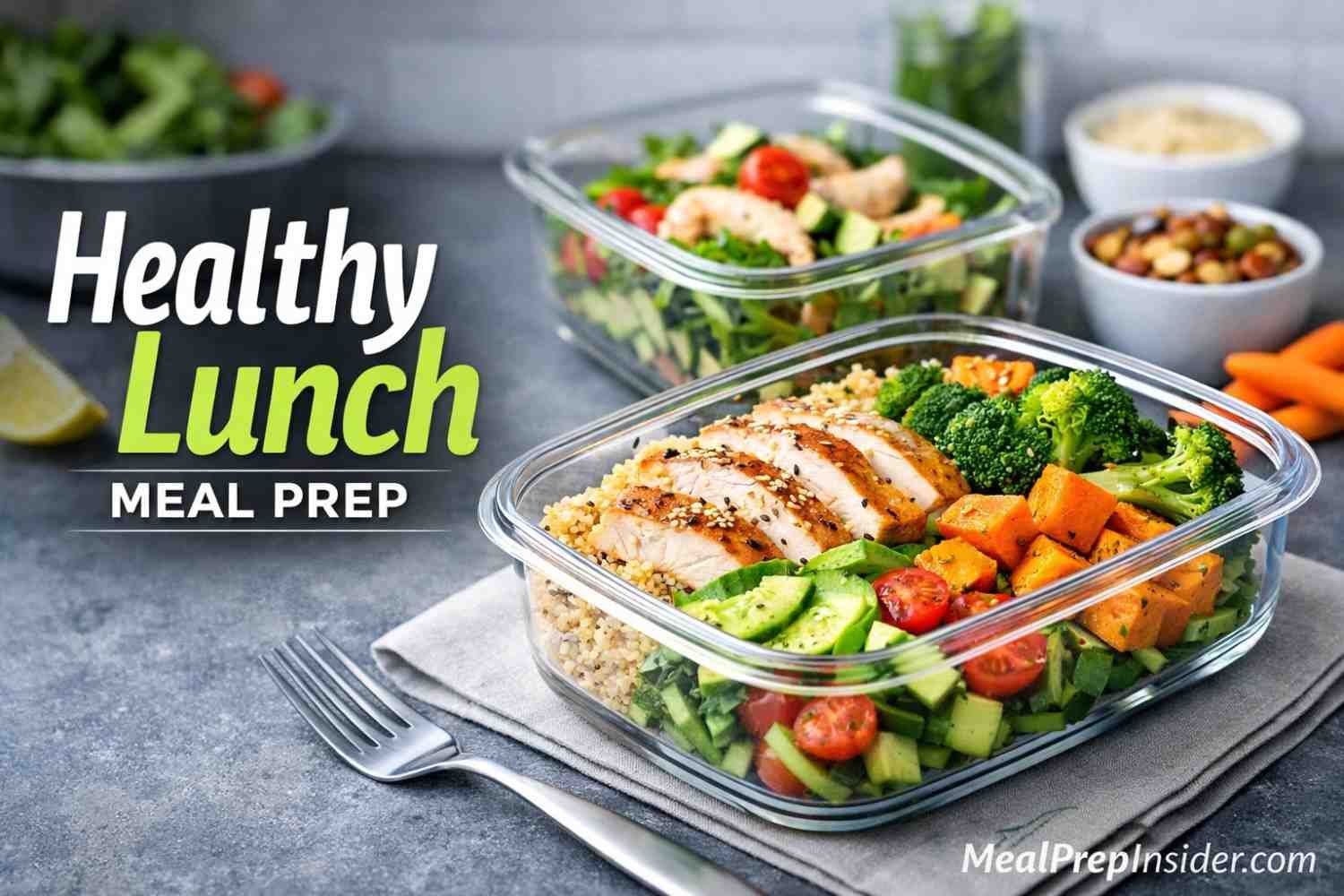
Healthy Lunch Meal Prep: Mastering Midday Nutrition

Healthy lunch meal prep transforms the way you eat during the workweek, and it’s about to change your life in ways you haven’t imagined.
You know that feeling when 1 PM rolls around, and you’re starving? Your stomach’s growling. Your brain’s foggy. And suddenly, that vending machine looks like a five-star restaurant.
That stops today.
Because what you’re about to discover isn’t another boring guide about containers and chicken breasts. This is the real deal—the stuff that nutrition coaches charge hundreds for, condensed into strategies you can start using tomorrow morning.
Here’s the thing most people miss: meal prep isn’t about spending your entire Sunday in the kitchen, sweating over identical boring meals. It’s about working smarter. Creating systems. Building a foolproof approach that fits your actual life.
And yes, the food needs to taste incredible.
Ready? Let’s dig in.
Why Healthy Lunch Meal Prep Matters More Than You Think
The average American spends over $3,000 annually on lunch alone. That’s not a typo.
But money’s just the surface issue.
Think about what happens when you don’t plan your midday meals. You grab whatever’s convenient. Fast food. Cafeteria mystery meat. That sad desk salad that leaves you hungry two hours later.
Your energy crashes. Productivity tanks. And by 3 PM, you’re basically a zombie scrolling through emails without processing a single word.
Meal prepping your lunches fixes this chain reaction. You control the ingredients. You manage portions. You decide exactly what fuel goes into your body during the most critical part of your day.
Plus, there’s something deeply satisfying about opening your fridge and seeing a week’s worth of gorgeous, ready-to-go meals lined up like soldiers. It’s visual proof that you’ve got your life together.
At least in the lunch department.
The Foundation: Understanding Your Nutritional Needs
Before you start cooking everything in sight, pause.
What does your body require?
This isn’t some one-size-fits-all situation. A construction worker needs a different fuel than someone working from home. An athlete training for marathons has different requirements than someone recovering from an injury.
Here’s a basic framework for most adults:
Protein: 25-35 grams per meal
Complex carbohydrates: 40-50 grams
Healthy fats: 10-15 grams
Fiber: 8-10 grams
Vegetables: At least 2 cups
These numbers shift based on your activity level, age, metabolism, and health goals. Someone trying to build muscle might bump protein higher. Someone managing blood sugar needs to watch carb quality carefully.
The beauty of meal prep? You calculate once, then repeat the formula.
No daily guesswork. No mental math while standing in line at Chipotle.
Setting Up Your Meal Prep Kitchen
You don’t need fancy equipment.
Seriously. The Instagram meal prep influencers with their color-coded everything and commercial-grade appliances? That’s performance art, not necessity.
Here’s what genuinely matters:
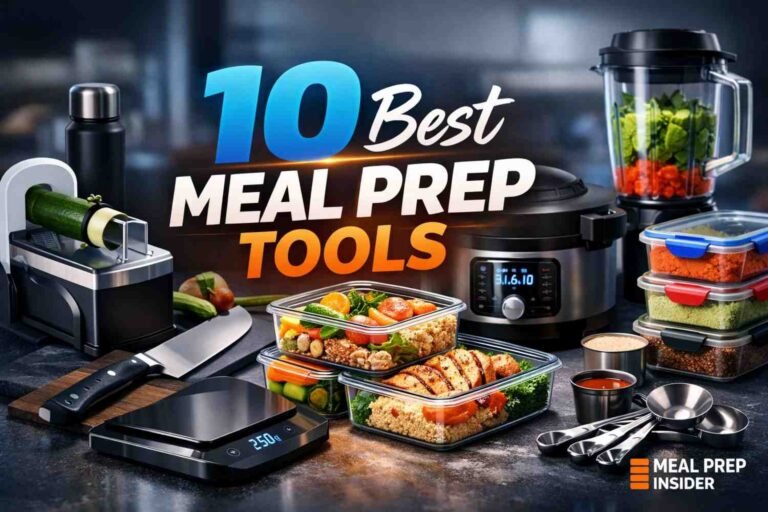
Essential Tools:
- Quality chef’s knife
- Large cutting board
- 2-3 sheet pans
- Large skillet
- Medium saucepan
- Glass storage containers with tight lids
- Instant-read thermometer
Nice-to-Have Items:
- Rice cooker or Instant Pot
- Food scale
- Mandoline slicer
- Silicone baking mats
- Mason jars for salads and overnight oats
The containers deserve special attention. Invest in good ones. Cheap plastic containers stain, warp, and make your food taste like chemicals after a few microwave sessions.
Glass containers last forever. They’re microwave-safe, dishwasher-safe, and won’t leak weird toxins into your carefully prepared meals.
Get various sizes. Some meals need compartments. Others work better in single containers.
And for the love of all that’s holy, make sure the lids actually fit. Nothing ruins your morning like discovering your curry has redecorated the inside of your work bag.
The Weekly Meal Prep Schedule That Works
Most people overthink the timeline.
You don’t need to dedicate an entire day. Two focused hours handle everything if you’re strategic about it.
Here’s a proven weekly rhythm:
Thursday Evening: Plan your menu and check inventory
Friday or Saturday: Grocery shop
Sunday Afternoon: Main prep session (2-3 hours)
Wednesday Evening: Quick refresh session (30 minutes)
That Wednesday check-in is crucial. It’s when you assess what’s still good, what needs to be frozen, and whether you need to adjust the week’s remaining meals.
Think of it as the course-correction moment.
Some weeks, you’ll realize you’re sick of what you made. Other weeks, you’ll discover you didn’t make enough. Wednesday gives you breathing room to adapt without derailing everything.
Building Your Meal Prep Menu
This is where creativity meets strategy.
You want variety without complexity. Flavors that develop well over several days. Textures that don’t turn to mush in the fridge.
Start with a protein foundation:
- Grilled chicken thighs (juicier than breasts)
- Baked salmon fillets
- Turkey meatballs
- Slow-cooked beef
- Seasoned tofu
- Hard-boiled eggs
- White beans or chickpeas
Notice what’s missing from that list? Grilled chicken breast. Because unless you’re really skilled, meal-prepped chicken breast becomes rubbery by day three.
Thighs stay moist. They’re forgiving. They’re also cheaper and more flavorful.
Next, add your carb component:
- Quinoa
- Brown rice
- Sweet potatoes
- Farro
- Whole-grain pasta
- Wild rice blend
- Cauliflower rice (for lower-carb needs)
Then vegetables—and here’s where most people stumble.
Not all vegetables survive meal prep equally. Delicate greens wilt. Cucumbers get slimy. Avocados turn brown.
Best vegetables for meal prep:
- Roasted broccoli
- Brussels sprouts
- Bell peppers
- Carrots
- Green beans
- Asparagus
- Kale (hearty varieties)
- Cabbage
Add these fresh the day you eat:
- Lettuce
- Spinach (unless wilted intentionally)
- Cucumbers
- Tomatoes
- Avocado
Finally, sauces and dressings change everything.
Plain grilled chicken and vegetables? Boring by Tuesday.
Same ingredients with different sauces throughout the week? Completely different experience.
Keep 3-4 homemade dressings or sauces on rotation:
- Lemon tahini
- Peanut sauce
- Chimichurri
- Balsamic vinaigrette
- Cilantro lime crema
- Ginger sesame
Store these separately. Add them when you’re ready to eat. This simple trick makes day-four meal prep taste as fresh as day one.
The Batch Cooking Method That Changes Everything
Forget cooking one meal at a time.
Your oven has multiple racks. Your stovetop has several burners. Use them simultaneously.
Here’s a sample two-hour power session:
Minute 0-10: Preheat oven to 425°F. Chop all vegetables. Season proteins.
Minute 10-15: Get rice or quinoa started in the rice cooker or on the stovetop.
Minute 15-20: Arrange vegetables on two sheet pans. Drizzle with oil, season, and place in the oven.
Minute 20-30: Start protein on stovetop (if pan-searing) or add to oven if roasting.
Minute 30-60: While everything cooks, prepare any sauces or dressings. Clean as you go. Set out containers.
Minutes 60-90: Items start finishing. Remove, let cool slightly.
Minute 90-120: Portion everything into containers. Label with contents and date. Stack in the fridge.
The key? Overlapping cook times.
While vegetables roast, you’re not standing there watching. You’re prepping the next thing. Making sauce. Cleaning bowls.
Efficiency comes from parallel processing, not speed.
Smart Portion Strategies
Eyeballing portions leads to either too much food (waste and expense) or too little (you’re starving by 3 PM).
A food scale removes guesswork, but if you don’t have one, use these visual guides:
Protein: Palm-sized portion (3-4 ounces cooked)
Carbs: Cupped handful (about ½ cup cooked grains)
Vegetables: Two fists (roughly 2 cups)
Healthy fats: Thumb-sized (1-2 tablespoons)
For weight management, these portions work for most people. Athletes or very active individuals need more. Smaller or sedentary folks might need less.
Pay attention to how you feel.
If you’re consistently hungry an hour after eating, you need more volume or a better macronutrient balance. If you can’t finish your meals, you’re overpacking.
Your body sends clear signals. Listen.
Flavor Combinations That Never Get Old
Boredom kills meal prep adherence faster than anything.
You can have perfect portions and ideal nutrition, but if the food tastes like cardboard, you’ll be ordering takeout by Wednesday.
These flavor profiles keep things interesting:
Mediterranean Bowl:
- Lemon herb chicken
- Quinoa with cucumber and tomato
- Roasted red peppers
- Kalamata olives
- Tzatziki sauce
Asian-Inspired Bowl:
- Ginger soy salmon
- Brown rice
- Stir-fried bok choy and snap peas
- Shredded carrots
- Sesame ginger dressing
Mexican-Style Bowl:
- Chili-lime chicken
- Cilantro lime rice
- Black beans
- Roasted corn and peppers
- Salsa verde
Buddha Bowl:
- Turmeric chickpeas
- Farro
- Roasted sweet potato
- Massaged kale
- Tahini dressing
Italian-Inspired Bowl:
- Herb turkey meatballs
- Whole-grain pasta
- Roasted zucchini and tomatoes
- White beans
- Pesto
Notice the pattern? Similar ingredients, completely different experiences based on seasoning and sauce choices.
This is how you meal prep for months without losing your mind.
Storage and Food Safety Essentials
You can meal prep perfectly and still get sick if you ignore basic food safety.
Here’s what matters:
Cool food rapidly before storing. Bacteria multiply fast in the “danger zone” between 40°F and 140°F. Spread hot food in shallow containers to cool faster, then refrigerate within two hours.
Label everything with the date. Your memory isn’t as good as you think. What feels like “a couple of days ago” might be a week.
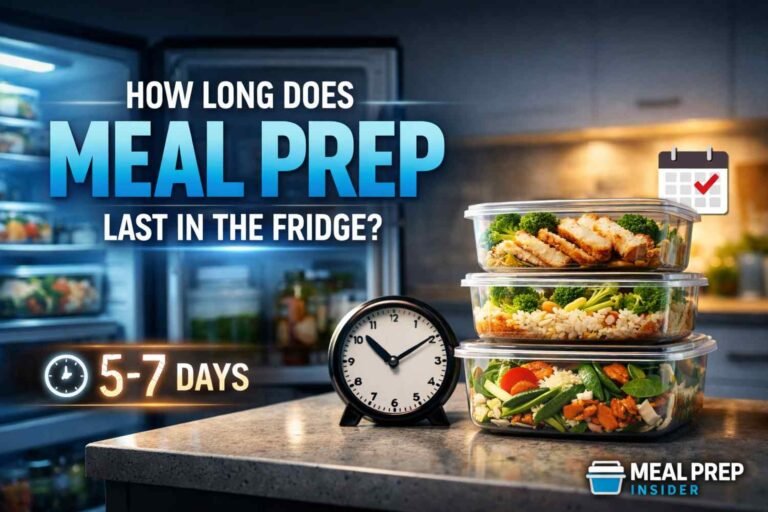
Most prepped meals stay good 3-5 days in the fridge. After that, quality declines and safety becomes questionable.
Freeze what you won’t eat within that window.
Freezing guidelines:
- Most cooked proteins: 2-3 months
- Cooked grains: 1-2 months
- Soups and stews: 3-4 months
Some items don’t freeze well:
- Lettuce and raw vegetables with high water content
- Cream-based sauces (they separate)
- Cooked pasta (gets mushy)
- Fried foods (lose crispness)
Thaw frozen meals in the fridge overnight, not on the counter. Room-temperature thawing invites bacterial growth.
When reheating, get food to 165°F internally. That’s hot enough to kill potential bacteria.
A quick temperature check with your instant-read thermometer takes five seconds and prevents food poisoning.
Worth it.
RELATED POST >> Easy Lunch Meal Prep: Best Hassle-Free Midday Meals
Mistakes People Make (And How to Avoid Them)
Starting with too many recipes sounds exciting until you’re two hours in and haven’t finished chopping vegetables.
Keep it simple at first. Master three solid combinations before expanding your repertoire.
Another trap: making food you don’t love because it’s “healthy.”
If you hate Brussels sprouts, roasting them won’t suddenly make them delicious. Find vegetables you enjoy. There are dozens of options.
Underseasoning is epidemic in meal prep circles. People get so focused on nutrition that they forget food should taste good.
Season boldly. Use fresh herbs. Don’t be shy with spices.
Properly seasoned healthy food beats bland “clean eating” every time.
Also, stop batch cooking everything together. Different items have different cooking times and temperatures. Trying to cook chicken, sweet potatoes, and broccoli together means something ends up wrong.
Undercooked chicken. Burnt broccoli. Mushy potatoes.
Cook items separately but simultaneously. Similar effort, far better results.
And please, don’t prep seven identical meals.
Nobody wants to eat the same thing for lunch seven days straight. You’re not a robot. Build in variety even if you’re using the same base ingredients.
Budget-Friendly Meal Prep Tactics
Eating healthy doesn’t require a trust fund.
Smart shopping and strategic choices keep costs manageable.
Buy these in bulk:
- Rice, quinoa, and other grains
- Dried beans and lentils
- Oats
- Nuts and seeds
- Frozen vegetables
- Canned tomatoes
Purchase these items on sale and freeze:
- Chicken thighs
- Ground turkey
- Salmon fillets
- Grass-fed beef
Skip the expensive items:
- Pre-cut vegetables (pay for convenience, not quality)
- Specialty “superfoods” with normal alternatives
- Organic everything (focus on the dirty dozen)
- Individual serving packages
Seasonal produce costs less and tastes better. Summer tomatoes are incredible. Winter tomatoes are sad. Plan around what’s currently abundant.
Store brands often match name brands in quality, especially for basics like canned beans, frozen vegetables, and grains.
A cost breakdown helps perspective:
| Meal Component | Cost Per Serving |
|---|---|
| Chicken thighs (4 oz) | $1.50 |
| Brown rice (½ cup) | $0.25 |
| Roasted vegetables (2 cups) | $1.50 |
| Homemade dressing | $0.25 |
| Total | $3.50 |
Compare that to a restaurant salad at $12-15, or even fast food at $8-10.
The savings add up shockingly fast.
Advanced Strategies for Busy Professionals
Limited time? These techniques maximize efficiency.
The night-before method: Instead of full Sunday prep, spend 15 minutes each evening assembling tomorrow’s lunch. Fresh ingredients, no storage concerns, minimal time investment.
Strategic restaurant integration: Order one fantastic meal from your favorite healthy restaurant. Portion it into three servings. Prep two other meal types. Now you have variety without cooking everything.
Salad jar system: Layer ingredients in mason jars. Dressing on the bottom, hearty vegetables next, proteins and grains in the middle, delicate greens on top. When ready to eat, shake and pour into a bowl. Stays fresh for 5 days.
Freezer cooking sessions: Once monthly, spend 3-4 hours making 20-30 freezer meals. Pull one out each morning. Zero daily effort.
Breakfast-for-lunch prep: Egg muffins, overnight oats, breakfast burritos. Who says lunch needs to be “lunch food”? These items prep quickly and offer complete nutrition.
Customizing for Dietary Needs
Special dietary requirements don’t complicate meal prep—they just shift ingredient choices.
For low-carb or keto:
Replace grains with cauliflower rice, zucchini noodles, or additional vegetables. Increase healthy fats through avocado, nuts, olive oil, and fatty fish.
For vegetarian or vegan:
Build around legumes, tofu, tempeh, and seitan. Combine incomplete proteins (beans and rice, hummus and pita) for complete amino acid profiles. Nutritional yeast adds cheesy flavor and B vitamins.
For gluten-free:
Choose naturally gluten-free grains like quinoa, rice, and certified oats. Many meal prep recipes are already gluten-free or easily adapted.
For dairy-free:
Coconut milk, cashew cream, and nutritional yeast replace dairy in most applications. Many meal prep bowls skip dairy entirely.
For high-protein needs:
Double protein portions. Add Greek yogurt, cottage cheese, or protein powder to breakfast items. Include protein-rich snacks like hard-boiled eggs or edamame.
The core principles remain the same. Only the ingredients change.
Sustainability and Meal Prep
Reducing waste feels good and saves money.
Use the whole vegetable. Broccoli stems are edible and delicious when peeled and sliced. Carrot tops make excellent pesto. Chicken bones become bone broth.
Compost vegetable scraps if possible. Many cities now offer composting programs.
Choose reusable containers over disposable ones. The initial investment pays for itself within weeks.
Buy local when feasible. Farmers’ market produce often costs less than grocery stores while supporting your community and reducing transportation emissions.
Freeze excess herbs in olive oil. Chop them, pack into ice cube trays, cover with oil, and freeze. Pop out cubes as needed for instant flavor.
Plan meals around what you already have. Before shopping, inventory your pantry and fridge. Build meals that use existing ingredients first.
Reduce food waste, reduce expenses, reduce environmental impact.
Everybody wins.
Meal Prep for Families
Feeding multiple people with different preferences challenges even experienced meal preppers.
The solution? Component-based meal prep instead of complete meals.
Prepare individual elements:
- 3 different proteins
- 2-3 carb options
- 4-5 vegetable choices
- Multiple sauces
Family members build their own bowls based on preferences. Your vegetarian daughter skips the chicken. Your carb-loving son loads up on rice. Your spouse who’s watching calories goes heavy on vegetables.
Same effort, customized results.
Kids participate more when they have choices. Let them pick one vegetable or protein for the week. Involvement increases consumption.
Prep components in larger quantities. It takes barely more time to cook three pounds of chicken than one pound.
Family meal prep reduces the nightly “what’s for dinner” stress while ensuring everyone eats nutritious food.
Getting Back on Track After Falling Off
You will skip meal prep some weeks.
Life happens. Unexpected work emergencies. Family obligations. Sometimes you just don’t feel like cooking.
That’s normal. Expected, even.
What separates successful meal preppers from quitters? They restart without guilt or excuses.
Missed last week? Okay. Prep this Sunday.
Only managed to prep three meals instead of five? Fine. Better than zero.
One spoiled container ruined your motivation? Dump it, learn from it, move forward.
Perfectionism kills more healthy habits than laziness does.
Start small after a break. Don’t try to prep seven days of all meals immediately. Begin with three lunches. Build momentum gradually.
Keep backup options available for emergencies:
- Frozen pre-made meals (healthy brands exist)
- Canned soup and crackers
- Rotisserie chicken and bagged salad
- Frozen vegetables with microwavable rice
These aren’t ideal, but they’re infinitely better than drive-through fast food.
Progress over perfection. Always.
Troubleshooting Common Issues
Problem: Food gets soggy by mid-week.
Solution: Store wet and dry ingredients separately. Keep dressings in small containers. Add crispy elements like nuts or seeds when ready to eat.
Problem: Meals taste bland after a few days.
Solution: Undercook slightly—flavors intensify during storage. Add fresh herbs, citrus, or hot sauce before eating. Keep multiple sauces on hand.
Problem: You’re tired of the same meals.
Solution: Change just one element. Same chicken, different vegetable. Same grain, different protein. Small shifts create variety without requiring completely new recipes.
Problem: Running out of fridge space.
Solution: Freeze half your meals. Stack containers efficiently. Use vertical space with shelf risers. Clean out condiments you don’t use.
Problem: Containers are staining or smelling weird.
Solution: Spray containers with cooking spray before adding tomato-based foods. Wash immediately after use. Baking soda paste removes stubborn stains and odors.
Problem: Food isn’t staying hot enough when reheating.
Solution: Add a tablespoon of water before microwaving. Cover to trap steam. Stir halfway through heating. Consider insulated lunch containers.
Seasonal Meal Prep Adjustments
Your body craves different foods in different seasons.
Respect that instinct.
Summer meal prep:
Lighter proteins like fish and chicken. More raw vegetables. Cold grain salads. Minimal oven use (your kitchen’s already hot enough).
Fall meal prep:
Roasted root vegetables. Heartier grains like farro. Warming spices. Soups and stews enter rotation.
Winter meal prep:
Slow-cooked proteins. Dark leafy greens. Citrus for brightness. Comfort food that’s still nutritious.
Spring meal prep:
Fresh herbs everywhere. Lighter preparations. Seasonal vegetables like asparagus and peas. Gradual transition from heavy winter foods.
Eating seasonally often costs less, tastes better, and aligns with your body’s natural needs.
Plus, seasonal shifts prevent boredom. You’re not eating the same foods year-round anyway.
Meal Prep While Traveling
Business trips and vacations don’t have to derail healthy eating.
Pack these travel-friendly prepped items:
- Overnight oats in sealed containers
- Trail mix portioned into bags
- Pre-cooked hard-boiled eggs (good for 1-2 days)
- Cut vegetables with individual hummus containers
- Protein bars (homemade or quality store-bought)
Many hotels have mini-fridges. Request one when booking. Some even have microwaves.
Grocery stores exist everywhere. Quick stop for rotisserie chicken, pre-washed salad, and fresh fruit creates a healthy meal without restaurant prices.
Pack an insulated lunch bag. Airport food is expensive and rarely nutritious. Your prepped meal passes through security just fine (just avoid liquids over 3.4 ounces).
Maintain some meal prep habits on the road. It’s easier than starting completely over when you return home.
The Mental Game of Meal Prep
Consistency matters more than perfection.
This bears repeating because it’s where most people struggle.
You don’t need Instagram-worthy containers. You don’t need chef-level knife skills. You don’t need expensive ingredients or specialty equipment.
You need to show up weekly and do the work.
Some weeks, your meals will be incredible. Other weeks, they’ll be merely adequate. Both count as success.
The goal isn’t culinary perfection. It’s having healthy, ready-to-eat food available when you need it.
That’s it.
Celebrate small wins. You prepped three days instead of one? That’s progress. Did you try a new vegetable? Growth. You didn’t buy lunch out even once this week? Victory.
Stack these small wins over weeks and months. They compound into significant lifestyle changes.
Meal prep transforms from a chore into a habit. Then from a habit into just what you do.
That’s when it becomes effortless.
Building Your Meal Prep Community
Going solo works, but having support amplifies success.
Find or create a meal prep group:
- Weekly meal swaps with friends (everyone makes extra of one dish, trades for variety)
- Online communities sharing recipes and tips
- Accountability partners who prep the same day
- Family members working together
Social media meal prep communities exist everywhere. Reddit, Facebook, Instagram—take your pick. Share your wins. Ask questions. Learn from others’ mistakes instead of making them yourself.
Some companies organize workplace meal prep clubs. Coworkers share recipes, coordinate bulk buying, and support each other’s health goals.
Teaching others cements your own knowledge. When you help a friend start meal prepping, you reinforce your commitment to the process.
Plus, trading meals with friends gives you restaurant-level variety with home-cooked quality and nutrition.
Frequently Asked Questions
How long does meal-prepped food stay fresh?
Most properly stored meals last 3-5 days in the refrigerator. Freeze anything you won’t eat within that window. Items with mayonnaise-based dressings or delicate greens should be eaten sooner, within 2-3 days.
Can I meal prep if I don’t have much time?
Definitely. Start with just two or three lunches instead of a full week. Use a slow cooker or Instant Pot for hands-off cooking. Choose simple recipes with minimal ingredients. Even 30 minutes of prep saves time and money during the week.
What’s the best way to reheat meal-prepped food?
Microwave works for most items—add a splash of water and cover to prevent drying. Oven reheating (350°F for 15-20 minutes) works better for items that should stay crispy. Stovetop reheating gives you the most control over temperature and texture.
Do I need to prep breakfast and dinner too, or just lunch?
Start with whatever meal causes you the most stress or poor choices. For most people, that’s lunch. Once you’ve mastered lunch prep, expand to other meals if desired. Some people only prep lunches forever, and that’s perfectly fine.
How do I prevent my food from getting boring?
Rotate three to four different meal types weekly. Keep multiple sauces and dressings available to change flavors. Add fresh ingredients like herbs or avocado right before eating. Switch up your grain base. Small changes prevent monotony without requiring completely different recipes.
Is meal prep actually cheaper than buying lunch?
Substantially. Home-prepped meals average $3-5 per serving. Restaurant or takeout lunches run $10-15. That’s a savings of roughly $35-70 per week, or $1,800-3,600 annually. Initial container investment pays for itself within weeks.
What if my family doesn’t like the same foods?
Prep components instead of complete meals. Make several proteins, grains, and vegetables. Let family members customize their own combinations. This approach accommodates different preferences and dietary needs without multiplying your workload.
Can I meal prep if I’m trying to lose weight?
Meal prep supports weight loss goals beautifully. You control portions and ingredients completely. Pre-logging meals into a tracking app removes daily decision fatigue. Having healthy food ready eliminates the temptation to grab whatever’s convenient when hunger strikes.
How do I meal prep without a lot of kitchen equipment?
One good knife, a cutting board, a large pot, a skillet, and basic storage containers handle most meal prep. Nice-to-have items like rice cookers or Instant Pots add convenience but aren’t essential. Start with the basics, add equipment as needed.
What containers work best for meal prep?
Glass containers with snap-lock lids offer the best durability and safety. They’re microwave, dishwasher, and freezer safe without leaching chemicals. BPA-free plastic works if you’re on a budget, but replace them regularly as they wear out faster.
Your Next Steps
You’ve got the information. Now comes the doing.
This week, don’t try to prep everything perfectly. Just commit to making three lunches.
Pick one protein you enjoy. Choose two vegetables. Select a grain. Find a sauce that excites you.
Block off two hours this weekend. Just two hours.
Prep those three meals. Eat them. Notice how you feel.
Did you save money? Check.
Did you eat healthier? Absolutely.
Did you avoid the stress of figuring out lunch three times? You bet.
Next week, maybe you can prep four meals. Then five.
Or maybe you stick with three forever. That’s still three victories every single week.
The people who succeed at meal prep aren’t special. They’re not more organized, more talented, or more disciplined than you.
They just started. Then they kept going.
Your turn.
SUGGESTED POST >> Best High Protein Lunch Meal Prep: Macro-Friendly Made Easy
Discover more from Meal Prep Insider
Subscribe to get the latest posts sent to your email.