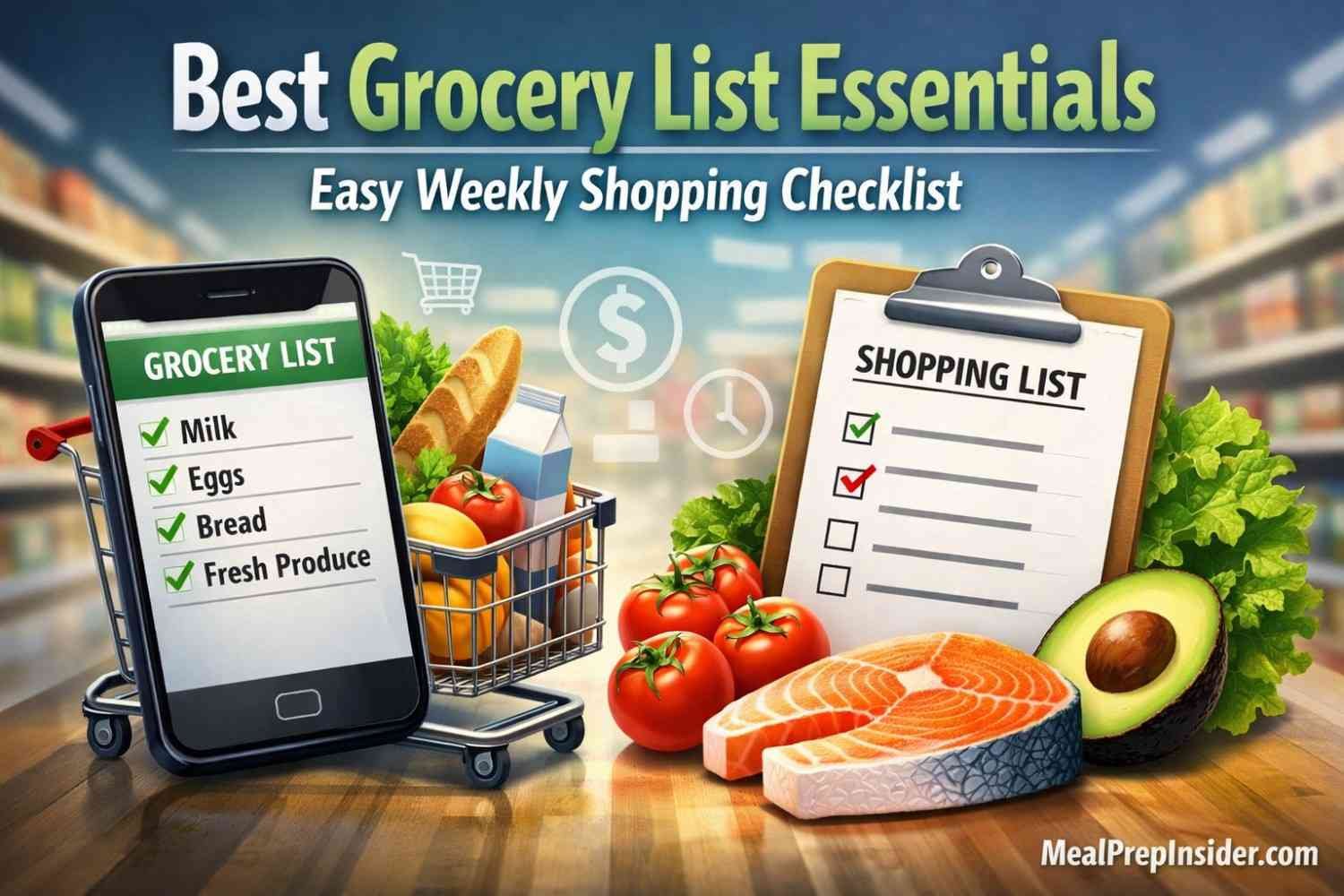
Best Grocery List Essentials: Easy Weekly Shopping Checklist

Best grocery list essentials can transform your weekly shopping from a chaotic scramble into a streamlined experience that saves both money and sanity.
Picture this: you’re standing in the middle of a crowded supermarket on a Sunday afternoon, cart half-full, wondering what you’re forgetting while other shoppers bump past you.
Your phone’s open to three different recipe sites. You’ve already walked past the dairy section twice. Sound familiar?
Here’s what most people don’t tell you about grocery shopping.
The problem isn’t just forgetting items. It’s the deeper issue of not having a system that works with your actual life. Not some Pinterest-perfect meal plan you’ll abandon by Wednesday. Not a restrictive diet that makes you miserable. Just real food for real people who want to eat well without spending three hours at the store every week.
This changes today.
What you’re about to read isn’t another generic grocery list copied from a thousand other blogs. This is the framework that busy Americans use to cut their shopping time in half, reduce food waste by 40%, and stop ordering takeout four nights a week because there’s “nothing to eat” at home.
Ready? Let’s break down exactly what belongs in your cart.
Why Most Grocery Lists Fail Before You Even Enter the Store
Your old approach probably looked like this: rush to the store after work, grab whatever looks good, spend way too much, then realize you can’t make a complete meal from what you bought.
The flaw runs deeper than poor planning.
Most grocery lists fail because they’re built backward. They start with recipes instead of staples. They focus on dinner and ignore breakfast and lunch. They assume you’ll have unlimited time and energy to cook elaborate meals every single night.
Real life doesn’t work that way.
A functional grocery list builds from foundation ingredients outward. It accounts for the nights when you’re exhausted. It includes backup options for when plans change. It prevents waste while maintaining flexibility.
That’s the system we’re building here.
The Core Framework: Building Blocks of a Smart Grocery List
Best grocery list essentials fall into specific categories that work together like a well-designed machine. Each category serves a distinct purpose in your weekly meal ecosystem.
Think of these as your non-negotiables. The items that give you maximum flexibility with minimum waste.
Fresh Proteins
Your protein choices anchor most meals. Stock a variety to prevent boredom and accommodate different cooking methods.
- Chicken breasts or thighs (versatile and quick-cooking)
- Ground beef or turkey (ready in 15 minutes)
- Salmon or white fish fillets (weeknight-friendly)
- Eggs (breakfast, lunch, or dinner option)
- Plain Greek yogurt (doubles as a protein and an ingredient)
Here’s what matters: buy proteins you’ll truly use within the week. That fancy cut of lamb sounds great until it’s still sitting in your fridge on day seven.
Vegetable Variety
Vegetables provide nutrients, volume, and color. Mix sturdy options with quick-cooking varieties.
- Leafy greens (spinach, mixed greens, or kale)
- Broccoli or cauliflower
- Bell peppers (any color)
- Cherry tomatoes
- Carrots
- Onions
- Garlic
- Zucchini or squash
- Sweet potatoes
- Regular potatoes
Smart move: choose at least two vegetables you can eat raw. This guarantees easy options for rushed days.
Fruit Selection
Fruit handles snacks, breakfast additions, and natural sweetness.
- Bananas (budget-friendly and filling)
- Apples (last week’s in the fridge)
- Berries (antioxidant powerhouses)
- Citrus fruits (lemons, limes, or oranges)
- Seasonal picks (whatever’s on sale)
The rotation strategy works here. Berries one week, stone fruit the next, melon after that. Your taste buds and wallet both win.
Whole Grains and Carbohydrates
Carbs provide energy and satisfaction. Choose varieties that store well and cook quickly.
- Brown rice or white rice
- Pasta (various shapes for different sauces)
- Quinoa
- Oats (rolled or steel-cut)
- Whole-grain bread
- Tortillas (flour or corn)
Reality check: You don’t need every grain every week. Rotate based on your meal plans and storage space.
Dairy and Alternatives
This category extends beyond milk. Think cooking ingredients and quick protein sources.
- Milk or milk alternative
- Cheese (cheddar, mozzarella, parmesan)
- Butter
- Cream cheese or sour cream
Cheese deserves special mention. A block of good Parmesan transforms basic pasta into something your family requests again.
Pantry Proteins and Canned Goods
These backup players save you when fresh options run out or time runs short.
- Canned beans (black, kidney, chickpeas)
- Canned tomatoes (diced and crushed)
- Tuna or salmon
- Chicken or vegetable broth
- Nut butter (peanut or almond)
The genius of canned goods: they wait patiently for emergencies without judgment.
Oils, Condiments, and Flavor Builders
Flavor transforms basic ingredients into food people want to eat.
- Olive oil (for cooking and dressing)
- Neutral cooking oil (vegetable or canola)
- Soy sauce or tamari
- Hot sauce
- Mustard
- Mayonnaise
- Ketchup
- Salad dressing (or ingredients to make your own)
- Vinegar (balsamic, apple cider, or white)
Don’t underestimate condiments. They’re the difference between “I’ll eat this” and “I’m excited to eat this.”
Spices and Seasonings
Spices take up minimal space but deliver maximum impact.
- Salt and black pepper (obviously)
- Garlic powder
- Onion powder
- Paprika
- Cumin
- Chili powder
- Italian seasoning
- Cinnamon
Start with these basics. Expand as you discover what you reach for repeatedly.
Freezer Essentials
Your freezer extends your grocery shop beyond seven days.
- Frozen vegetables (peas, corn, broccoli, mixed blends)
- Frozen fruit (for smoothies)
- Frozen proteins (backup chicken, fish, or shrimp)
- Ice cream (because you’re human)
Frozen vegetables get unfair criticism. They’re picked at peak ripeness, require zero prep, and prevent waste. Win, win, win.
Snacks and Quick Options
Strategic snacks prevent desperate vending machine runs and late-night drive-thru visits.
- Nuts or mixed nuts
- Crackers
- Hummus
- String cheese
- Granola bars
- Popcorn kernels
- Dark chocolate
The best snacks combine protein, fat, or fiber to keep you satisfied.
Customizing Your List for Different Household Types
A single person’s needs differ drastically from those of a family of five. Let’s break down adjustments for various situations.
Single Person Shopping
The biggest challenge here is preventing waste while maintaining variety.
Focus on:
- Smaller portions (buy half-size packages when possible)
- Versatile ingredients that work in multiple dishes
- Frozen options to extend freshness
- Meal prep once or twice weekly
Strategic tip: Befriend your freezer. Portion and freeze everything from bread to cooked grains to leftover sauces.
Couples Without Kids
You’ve got more flexibility but also different taste preferences to juggle.
Priorities:
- Include both partners’ favorite items
- Plan for date nights at home
- Stock wine or beverages you both enjoy
- Keep healthier snack options visible
The relationship saver: each person gets three “just for me” items that the other won’t judge.
Families With Young Children
Kids change everything about grocery shopping.
Essential adjustments:
- Kid-friendly fruits (grapes, clementines, apple slices)
- Easy proteins (nuggets, hot dogs for emergencies)
- Breakfast options they’ll eat
- Lunch box items
- More snacks than you think necessary
Truth bomb: Sometimes the organic, vegetable-forward meal loses to chicken nuggets. That’s okay. Tomorrow is another day.
Families With Teenagers
Teenagers eat constantly and unpredictably.
Must-haves:
- Double your usual protein quantities
- Substantial snacks (they’re always hungry)
- Sandwich materials
- Cereal
- Sports drinks if they’re active
- Easy-to-grab breakfast items
Budget reality: your grocery bill increases significantly during the teenage years. Plan accordingly.
The Weekly Shopping Strategy That Really Works
Having a list means nothing if your shopping approach creates stress.
Before You Shop
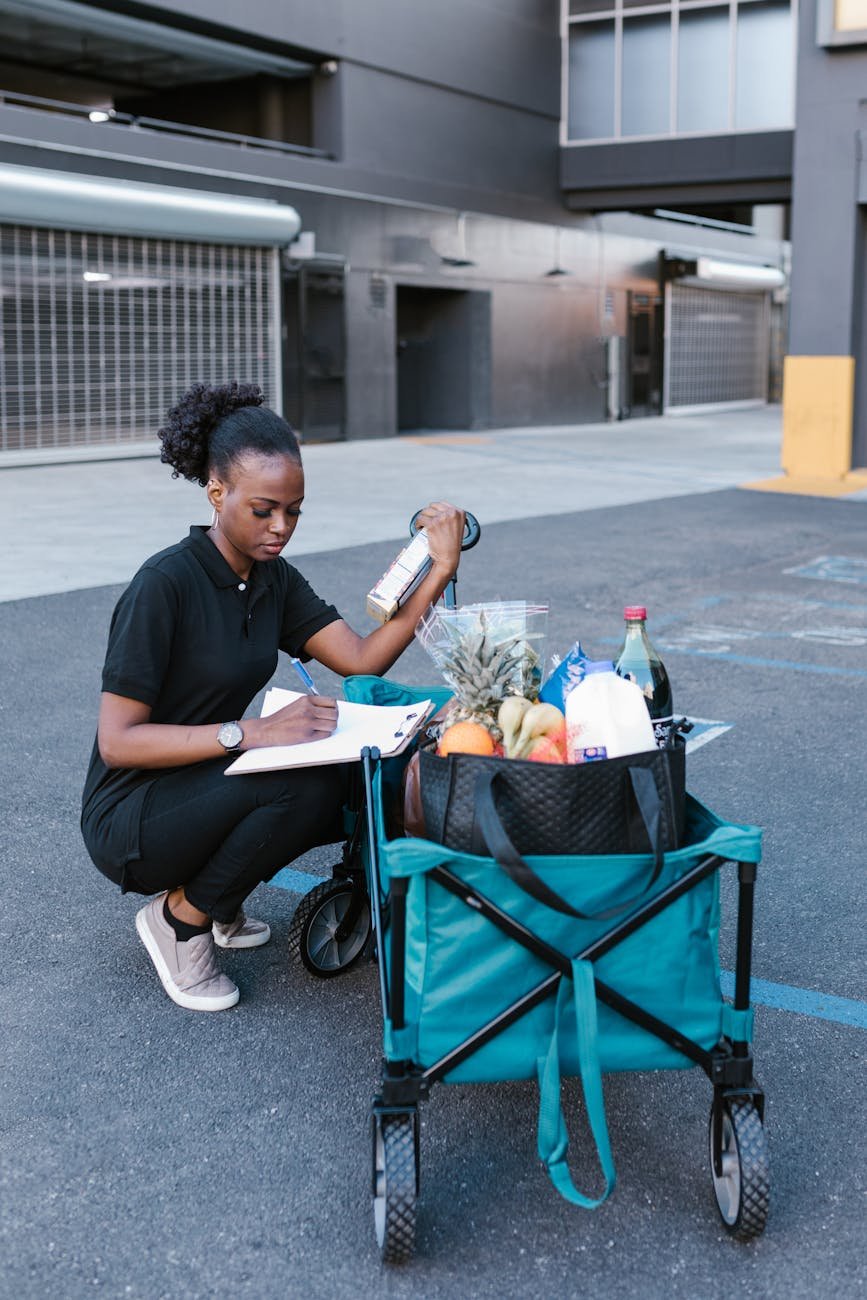
Check your pantry and fridge first. Sounds basic, but this step alone prevents duplicate purchases.
Inventory what you have. Use it to guide your list.
Take five minutes to plan rough meal ideas. Not detailed recipes. Just concepts like “tacos Tuesday” or “pasta night.”
At the Store
Shop the perimeter first. That’s where fresh items live.
Move systematically through your list. Jumping around wastes time and increases the number of forgotten items.
Compare unit prices, not just package prices. That bigger container isn’t always the better deal.
Check sell-by dates, especially on proteins and dairy. Grabbing from the back often gets you fresher products.
Common Pitfalls to Sidestep
Shopping while hungry makes everything look appealing. Eat first.
Bring kids when possible to avoid making impulse purchases. If they must come, set expectations before entering.
Skipping seasonal produce means missing both peak flavor and best prices.
Buying all fresh everything sounds healthy, but it often leads to waste. Balance fresh with frozen and canned.
Budget-Conscious Shopping Without Sacrificing Quality
Eating well doesn’t require spending half your paycheck.
Smart Substitutions
| Expensive Option | Budget-Friendly Alternative |
|---|---|
| Fresh herbs | Dried herbs (use 1/3 the amount) |
| Pre-cut vegetables | Whole vegetables you cut yourself |
| Name brand items | Store brand equivalents |
| Fresh fish daily | Frozen fish in bulk |
| Individual yogurt cups | Large tub portioned at home |
| Pre-marinated meats | Plain meat with your own marinade |
| Specialty grains | Rice and pasta staples |
These swaps save serious money without noticeable quality differences.
Timing Your Purchases
Proteins go on sale cyclically. Stock up and freeze when prices drop.
Seasonal produce costs less and tastes better. Strawberries in January disappoint both your taste buds and wallet.
Shop loss leaders. Stores advertise below-cost items to get you in the door. Build meals around these deals.
Check for manager’s specials on items nearing their sell-by date. Use or freeze them immediately.
Bulk Buying Wisdom
Buy in bulk only what you’ll honestly use. That 10-pound bag of quinoa isn’t a deal if half goes bad.
Good bulk purchases:
- Rice and grains
- Nuts (freeze for freshness)
- Canned goods
- Frozen proteins
- Spices from bulk bins
Bad bulk purchases for most households:
- Fresh produce (unless feeding a crowd)
- Bread (unless you have freezer space)
- Items you’ve never tried
- Things you use rarely
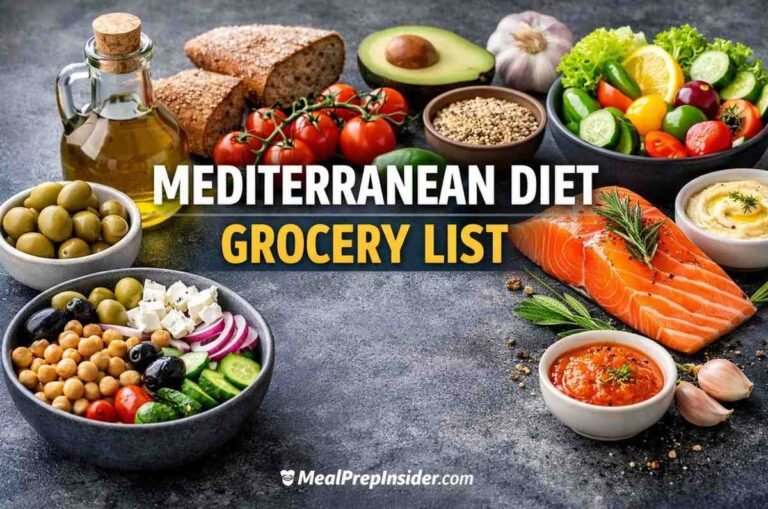
RELATED POST >> Ultimate Mediterranean Diet Grocery List: Best Easy Guide
Meal Planning Integration
Your grocery list shouldn’t exist separately from your meal plan. They’re partners.
The Simple Seven Method
Plan seven dinners. Not necessarily new recipes. Just seven concepts.
For example:
- Sheet pan chicken and vegetables
- Taco night
- Pasta with meat sauce
- Stir-fry
- Burgers
- Breakfast for dinner
- Slow cooker meal or leftovers
Build your grocery list from these seven ideas plus breakfast, lunch, and snack needs.
Breakfast Simplified
Most people can rotate three breakfast types happily:
- Quick option (cereal, yogurt, fruit)
- Protein-focused (eggs, breakfast sandwich)
- Grab-and-go (granola bar, banana, coffee)
Stock for all three categories. Choose based on the daily schedule.
Lunch Reality
For many Americans, lunch is either leftovers or assembled from components.
Stock lunch essentials:
- Bread or wraps
- Deli meat or leftover proteins
- Cheese
- Lettuce and tomato
- Quick soup options
- Salad materials
Make-ahead matters here. Prepping lunch components on Sunday saves weekday stress.
Seasonal Adjustments to Your Shopping List
Your needs shift as the weather changes.
Summer Shopping
Lighter meals dominate. Fresh produce shines.
Add:
- Grilling proteins
- Salad ingredients
- Fresh corn
- Tomatoes
- Watermelon and stone fruits
- Cold brew coffee ingredients
Reduce:
- Heavy stews and soups
- Comfort carbs
- Hot breakfast items
Fall and Winter Shopping
Heartier meals come back. Warm comfort food returns.
Add:
- Root vegetables
- Squash varieties
- Apples
- Soup ingredients
- Slow cooker staples
- Hot chocolate or tea
Reduce:
- Salad-focused meals
- Grilling items
- Light, cold dishes
Holiday Adjustments
Major holidays require list modifications.
Stock extra:
- Baking supplies
- Party foods
- Beverages for guests
- Special dietary items for visitors
- Coffee and tea
Plan earlier to avoid last-minute stress shopping.
Storage and Organization Tips
Buying smart means nothing if food spoils before you use it.
Refrigerator Organization
Top shelf: Ready-to-eat foods, leftovers
Middle shelves: Dairy, eggs
Bottom shelf: Raw meat (prevents dripping)
Drawers: Fruits and vegetables (separately for longer freshness)
Door: Condiments, juice, stable items
Preventing Food Waste
First in, first out. Move older items forward when restocking.
Prep vegetables when you get home. Washed and cut vegetables are used. Buried whole vegetables become science experiments.
Use clear containers. Seeing what you have prevents forgotten leftovers.
Label and date everything going into the freezer. In the future, you will appreciate your present effort.
The Three-Day Check
Every three days, look through your fridge. Identify what needs to be used soon. Plan the next day’s meal around these items.
This simple habit cuts waste dramatically.
Digital Tools and Apps That Help
Technology can streamline your grocery shopping process.
List Apps
AnyList, Out of Milk, and OurGroceries sync across devices. Share lists with household members in real-time.
Built-in categorization sends you through the store efficiently.
Meal Planning Apps
Mealime, Plan to Eat, and Paprika connect recipes directly to shopping lists.
Add a recipe, and ingredients populate your list automatically.
Store Apps
Target, Walmart, Kroger, and other major chains offer apps with digital coupons and weekly ads.
Some feature in-app shopping lists organized by store layout.
Budget Tracking
Mint or YNAB helps track grocery spending trends over time.
Seeing your monthly average often motivates better planning.
The Express List for Emergency Weeks
Life gets chaotic. Sometimes you need the absolute minimum.
The 20-Item Survival List
When time and energy are scarce, these items create multiple simple meals:
- Eggs
- Bread
- Peanut butter
- Pasta
- Jarred pasta sauce
- Ground beef
- Tortillas
- Cheese
- Milk
- Cereal
- Bananas
- Apples
- Frozen vegetables
- Chicken breasts
- Rice
- Canned beans
- Butter
- Coffee
- Yogurt
- Crackers
These twenty items support a week of basic meals without complexity.
Specialty Dietary Considerations
Many households need modifications for health, preference, or ethics.
Vegetarian Adjustments
Replace animal proteins with:
- Extra beans and legumes
- Tofu or tempeh
- More eggs and dairy (if consuming)
- Quinoa and other complete proteins
- Nuts and seeds
Add nutritional yeast for cheesy flavor and B vitamins.
Gluten-Free Shopping
Swap traditional grains for:
- Rice and rice products
- Corn tortillas
- Gluten-free oats
- Quinoa
- Certified gluten-free items
Read labels carefully. Gluten hides in unexpected places like soy sauce and soup.
Dairy-Free Options
Replace dairy with:
- Almond, oat, or soy milk
- Coconut yogurt
- Nutritional yeast instead of Parmesan
- Olive oil instead of butter (in some applications)
- Dairy-free cheese (quality varies widely)
Low-Carb Focus
Emphasize:
- Proteins
- Non-starchy vegetables
- Healthy fats (avocado, nuts, olive oil)
- Cauliflower rice instead of grain rice
- Zucchini noodles for pasta nights
Reduce:
- Bread and grains
- Starchy vegetables
- Most fruit (keep berries)
- Sugar and sweetened items
Frequently Asked Questions
How much should I budget for groceries weekly?
The USDA estimates $50-$75 per person weekly for a moderate-cost plan in the United States. Adjust based on your location, dietary needs, and eating habits. Urban areas typically cost more. Families can sometimes achieve economies of scale, reducing per-person costs.
Should I shop once weekly or multiple times?
Most people find that one major shop weekly, with one quick mid-week trip for fresh items, works best. This balances freshness with time efficiency. If you live close to a store and enjoy frequent trips, that works too. Find your rhythm.
What’s the best day to grocery shop?
Wednesday and Thursday typically offer the best combination of fresh stock, new sales, and smaller crowds. Avoid Sunday afternoons and weekday evenings between 5-7 PM when stores are busiest. Early morning on weekdays offers the quietest experience.
How do I stop impulse buying?
Never shop hungry. Stick to your list. Use cash instead of cards to enforce limits. Skip aisles containing items you tend to grab unnecessarily. Use grocery pickup or delivery to eliminate in-store temptation if impulse buying significantly impacts your budget.
Is meal prepping worth the time?
For most people, yes. Even basic prep like washing vegetables, portioning snacks, and cooking a grain saves significant weeknight time. You don’t need Instagram-worthy containers or elaborate systems. Simple prep pays dividends.
How long should grocery shopping take?
With a solid list and familiar store, expect 45-60 minutes for a full weekly shop. First-time system users might need longer. As you optimize your list and route, time decreases. Grocery pickup takes 10 minutes for loading but requires advance ordering.
What if my family won’t eat healthy foods?
Start small. Don’t overhaul everything simultaneously. Add one new vegetable weekly. Keep presenting options without pressure. Make healthier versions of favorite foods. Lead by example. Change takes time, especially with kids.
Should I buy organic?
Focus organic spending on the “Dirty Dozen” (strawberries, spinach, kale, apples, grapes, peaches, cherries, pears, tomatoes, celery, potatoes, and peppers). These conventionally grown items carry higher pesticide residues. Conventionally grown “Clean Fifteen” items test lower for pesticides and save money.
How do I reduce food waste?
Shop your fridge before the store. Plan meals using what you have. Store food properly. Freeze what you won’t use in time. Get creative with leftovers. Compost scraps if possible. The three-day fridge check mentioned earlier helps tremendously.
What about grocery delivery services?
Delivery works well for busy households willing to pay the premium. It eliminates impulse purchases and saves time. Downsides include delivery fees, tips, possible substitutions, and the inability to select your own produce. Try it to see if the convenience justifies the cost for your situation.
How can I get kids involved in grocery shopping?
Give them specific jobs: finding items, checking prices, weighing produce, or crossing items off the list. Let older kids plan one meal weekly. Teach budget awareness by allocating them a specific amount to spend on snacks. Make it educational rather than just transactional.
Is it cheaper to shop at multiple stores?
Sometimes, but factor in time and gas costs. Shopping sales at your primary store usually beat driving to three different locations unless prices differ dramatically. Combining a warehouse club for bulk staples with a regular grocer for fresh items works for many families.
Making This System Your Own
The best grocery system is one you’ll use consistently.
Start with the framework provided here. Test it for two weeks. Notice what works and what doesn’t.
Maybe you need more snacks. Perhaps you waste fresh herbs. Possibly your family eats more breakfast food than dinner.
Adjust accordingly.
Your list should evolve with your life. New job with different hours? Update your list. Kid starts soccer, requiring quick dinners? Modify your approach. Did you discover you love cooking on Sundays? Shift your strategy.
The goal isn’t perfection. It’s progress toward less stress, less waste, and better eating without the constant mental load of figuring out what’s for dinner.
Your Next Steps
Take fifteen minutes today to create your first customized list using these categories. Don’t overthink it. Just write down what you typically eat and use.
Shop from that list this week. Notice how it feels different from your usual approach.
Make one adjustment for next week based on what you learned.
Repeat.
Within a month, you’ll have a dialed-in system that makes grocery shopping feel almost automatic. The mental energy you currently spend on food decisions gets freed up for things that matter more.
Your grocery list essentials aren’t just about food. They’re about creating margin in your life. About coming home to a stocked kitchen instead of stress and takeout menus. About knowing you can feed yourself and your people well without drama.
That’s worth the effort of building a better system.
Now go stock that kitchen.
SUGGESTED POST >> Best Grocery Outlet Near Me: Top 50 Locations by State
Discover more from Meal Prep Insider
Subscribe to get the latest posts sent to your email.