Best GLP-1 Meal Prep Ideas for Weight Loss: Works Faster

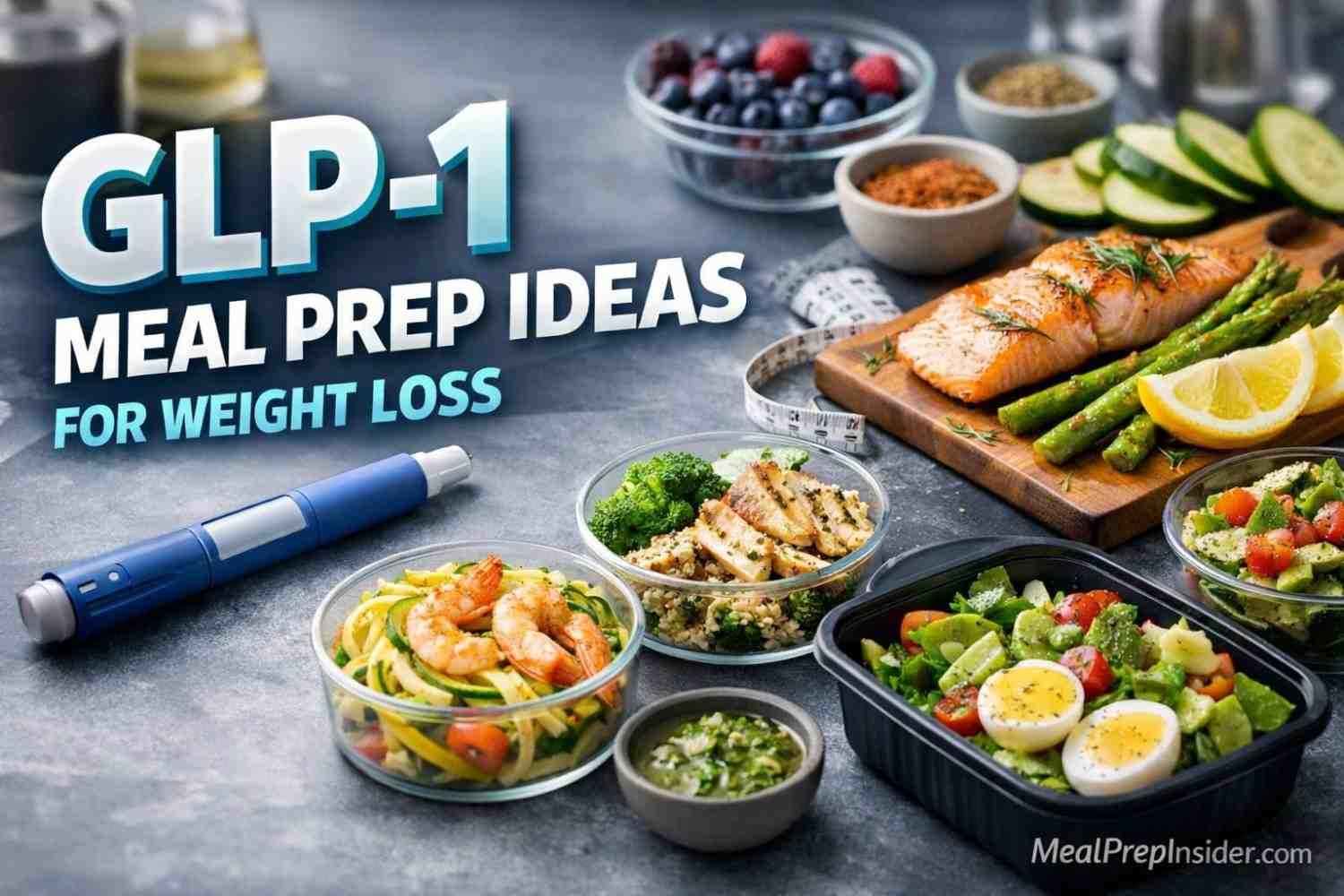
GLP-1 meal prep ideas for weight loss aren’t just about throwing chicken and broccoli into containers and calling it a day. If you’re riding the GLP-1 wave—whether that’s Ozempic, Wegovy, Mounjaro, or any of the other medications that have turned weight loss upside down—you already know the hunger suppression is real. The nausea can be brutal. And the food aversions? They hit different.
Here’s the thing most people won’t tell you.
Your relationship with food is about to change completely. What used to make your mouth water might now turn your stomach. That massive portion you could demolish before? It’ll sit there, mocking you, because three bites in and you’re uncomfortably full.
This isn’t your typical diet journey.
And your meal prep strategy needs to reflect that, or you’ll end up eating nothing, losing muscle mass instead of fat, and feeling like garbage despite the weight coming off. We’re going to walk through exactly how to prep meals that work WITH your GLP-1 medication, not against it. No complicated recipes that require a culinary degree. No ingredients you can’t pronounce.
Just real food that keeps you nourished, supports your weight loss, and doesn’t make you want to hurl.
Let’s get into it.
Understanding GLP-1 and Why Traditional Meal Prep Fails
GLP-1 medications slow down gastric emptying. Translation? Food sits in your stomach longer. Way longer.
That’s fantastic for appetite control, but terrible if you’re eating the wrong things. Heavy, greasy, or overly complex meals become punishment rather than nourishment. The standard bodybuilder-style meal prep—eight ounces of chicken breast, two cups of rice, and some sad steamed vegetables—will likely make you feel sick.
Your body needs smaller portions now. But smaller doesn’t mean less nutritious. You’re working with limited real estate in your stomach, so every bite needs to count. Protein becomes absolutely critical because you’re trying to preserve muscle while losing fat. Fiber helps with digestion, which can get sluggish on these medications. Hydration matters more than ever.
Traditional meal prep also fails because it doesn’t account for food aversions and taste changes. One day, eggs might be your best friend. The next week, the smell alone makes you nauseous. Flexibility isn’t optional—it’s survival.
The Foundation: What Your GLP-1 Meal Prep Should Include
Protein-forward, always. You’re eating less volume, but your body still needs 60-100 grams of protein daily to maintain muscle mass. Sometimes more, depending on your size and activity level.
Gentle on the stomach. Rich, fatty, fried, or heavily seasoned foods tend to backfire. Not always, but often enough that you’ll want lighter preparations in your rotation.
Small portions with high nutrient density. Think quality over quantity. A three-ounce portion of salmon with roasted vegetables might be all you need for a meal.
Easy to reheat and still tasty. Because you’re not always going to feel like eating the moment you planned to eat. Meals need to be forgiving.
Here’s what works exceptionally well:
- Lean proteins cooked simply (baked, grilled, air-fried)
- Soft vegetables that digest easily
- Complex carbs in smaller amounts
- Bone broth-based soups
- Smoothie components prepped and ready
- Protein-rich snacks for when solid food sounds terrible
GLP-1 Meal Prep Ideas for Weight Loss: The Practical Blueprints
Greek Yogurt Protein Bowls
Start your morning with something that doesn’t require chewing if swallowing feels like a chore.
Prep these in small mason jars or containers:
- 3/4 cup Greek yogurt (unflavored, full-fat, or 2%)
- 1 scoop unflavored or vanilla protein powder
- 2 tablespoons berries (fresh or frozen)
- 1 tablespoon ground flaxseed
- Drizzle of honey or maple syrup if needed
- Optional: pinch of cinnamon or vanilla extract
Mix everything except the berries. Top with berries. Refrigerate for up to four days.
Why this works: Cold, creamy, protein-packed. Easy to eat even when appetite is nonexistent. The probiotics support gut health, which GLP-1 users often need.
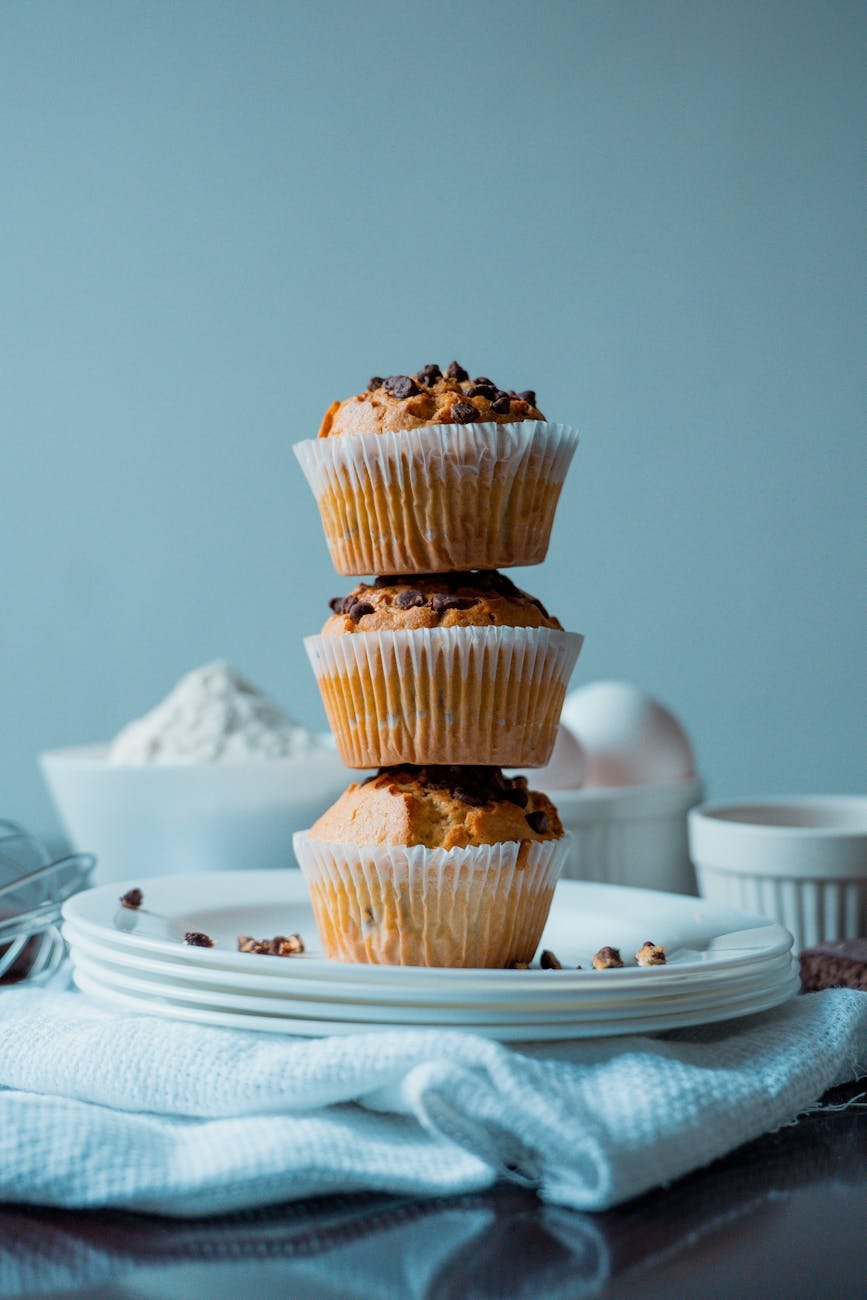
Egg Muffin Cups (When Eggs Don’t Disgust You)
Some weeks, eggs are fine. Other weeks, the thought makes you gag. Prep these during the good weeks.
Ingredients for 12 muffins:
- 10 large eggs
- 1/4 cup milk or unsweetened almond milk
- 1 cup chopped vegetables (bell peppers, spinach, mushrooms)
- 1/2 cup lean protein (turkey sausage, chicken, or ham)
- 1/3 cup shredded cheese
- Salt, pepper, garlic powder
Whisk eggs and milk. Distribute vegetables and protein into greased muffin tins. Pour egg mixture over. Top with cheese. Bake at 350°F for 20-25 minutes.
These freeze beautifully. Reheat one or two at a time. If eggs suddenly turn your stomach, you’ve got them frozen for later when they’re tolerable again.
Shredded Chicken Three Ways
Make one large batch of shredded chicken. Transform it into three different meals throughout the week.
Base recipe:
- 3 pounds of chicken breast
- Chicken broth
- Bay leaves, garlic, and onion
Cook in a slow cooker on low for 6 hours or an Instant Pot for 25 minutes. Shred.
Variation 1: Chicken and Rice Soup
- 1 cup shredded chicken
- 1/2 cup cooked white or brown rice
- 2 cups chicken broth
- Diced carrots and celery
- Fresh dill
Combine and simmer. Portion into containers. Gentle, warm, easy to digest.
Variation 2: Chicken Lettuce Cups
- 1 cup shredded chicken
- 2 tablespoons Greek yogurt
- Diced cucumber and tomato
- Fresh herbs
- Butter lettuce leaves
Mix chicken with yogurt and vegetables. Serve in lettuce cups. Light and fresh.
Variation 3: Chicken and Sweet Potato
- 4 ounces shredded chicken
- 1/2 cup mashed sweet potato
- Steamed green beans
- Light gravy made from chicken broth and cornstarch
Comfort food that doesn’t sit like a brick.
Ground Turkey Power Bowls
Ground turkey is affordable, lean, and extremely versatile.
Cook 2 pounds of ground turkey with:
- Garlic and onion powder
- Cumin and paprika
- Salt and pepper
Divide into four containers. Add different components to each:
Bowl 1: Mediterranean
- Cooked quinoa
- Cucumber, tomato, red onion
- Tzatziki sauce
- Kalamata olives
Bowl 2: Asian-Inspired
- Cauliflower rice
- Shredded cabbage and carrots
- Low-sodium soy sauce or coconut aminos
- Sesame seeds
Bowl 3: Mexican
- Black beans (small portion)
- Corn
- Salsa
- Cilantro and lime
Bowl 4: Simple Veggie
- Roasted zucchini and bell peppers
- Marinara sauce
- Fresh basil
Same protein, different flavors. Prevents food boredom, which is real when you can barely eat anyway.
Salmon and Asparagus Packs
Foil pack meals are ridiculously easy.
For each pack:
- 4-ounce salmon fillet
- 6-8 asparagus spears
- Lemon slices
- Olive oil spray
- Garlic, dill, salt, pepper
Assemble in foil. Seal tightly. Refrigerate up to three days or freeze.
When ready to eat, bake at 400°F for 15-18 minutes from fresh, or 25 minutes from frozen.
The salmon provides omega-3s and high-quality protein. Asparagus is gentle and nutrient-dense. Clean flavors that usually sit well.
Smoothie Freezer Packs
For days when chewing sounds exhausting.
Prep bags with:
- 1/2 cup frozen berries
- 1/2 banana (pre-sliced)
- Handful of spinach
- 1 tablespoon nut butter (or powdered peanut butter)
- Optional: 1 tablespoon chia seeds
When ready, dump bag contents into blender. Add:
- 1 scoop protein powder
- 1 cup unsweetened almond milk or regular milk
- Ice if needed
Blend. Drink slowly. Sometimes liquid nutrition is all you can manage, and that’s perfectly fine.
Cottage Cheese and Fruit Containers
Ridiculously simple. Surprisingly satisfying.
- 1/2 cup cottage cheese (full-fat digests better for many people)
- 1/4 cup pineapple, peaches, or berries
- 1 tablespoon slivered almonds
- Drizzle of honey
Prep in small containers. Grab and go. The cottage cheese packs serious protein—around 14 grams per half cup.
Turkey and Veggie Meatballs
Meatballs freeze exceptionally well and reheat perfectly.
Ingredients:
- 2 pounds ground turkey
- 1 cup finely grated zucchini (squeezed dry)
- 1/2 cup oat flour or breadcrumbs
- 2 eggs
- Italian seasoning
- Garlic and onion powder
- Salt and pepper
Mix everything. Form into small meatballs (easier to eat smaller portions). Bake at 375°F for 20 minutes.
Freeze half. Keep half in the fridge. Pair with:
- Marinara sauce over zucchini noodles
- In a sub with light cheese
- Plain with roasted vegetables
- In a light broth as a meatball soup
White Fish with Roasted Vegetables
Cod, tilapia, or halibut work beautifully.
Prep sheet pans with:
- 4-5 ounce fish portions
- Brussels sprouts, halved
- Carrots, chopped
- Red onion, sliced
- Olive oil, lemon, herbs
Roast at 425°F for 15-20 minutes. Divide into containers.
Fish is a light, lean protein. The vegetables roast into caramelized perfection without being heavy.
RELATED POST >> Easy Thyroid Diet Meal Prep Weekly Plan that Works
Protein-Packed Chili
Make a huge batch. Freeze portions.
Ingredients:
- 1 pound ground turkey or extra-lean beef
- 1 pound chicken breast, diced
- 2 cans diced tomatoes
- 1 can of black beans
- 1 can of kidney beans
- Onion, peppers, garlic
- Chili powder, cumin, paprika
- Low-sodium chicken broth
Combine everything in the slow cooker. Cook on low for 6-8 hours.
One cup provides around 25-30 grams of protein. Warm, comforting, and surprisingly gentle despite the spices. Top with Greek yogurt instead of sour cream.
Building Your Weekly Meal Prep Routine
Don’t try to prep every single meal for the entire week on Sunday afternoon. That’s a recipe for burnout.
Instead, use this framework:
Sunday:
- Cook 2-3 protein options
- Roast a big batch of vegetables
- Prep smoothie packs
- Make one big-batch item (soup, chili, meatballs)
Wednesday evening:
- Quick refresh
- Cook additional protein if needed
- Chop fresh vegetables
- Portion out the remaining meals
This split approach keeps food fresher and prevents you from spending four hours straight in the kitchen.
Storage tips:
- Use glass containers when possible (easier to reheat, no weird plastic taste)
- Label everything with dates
- Keep freezer meals clearly marked
- Store proteins separately from carbs and vegetables when possible for mixing and matching
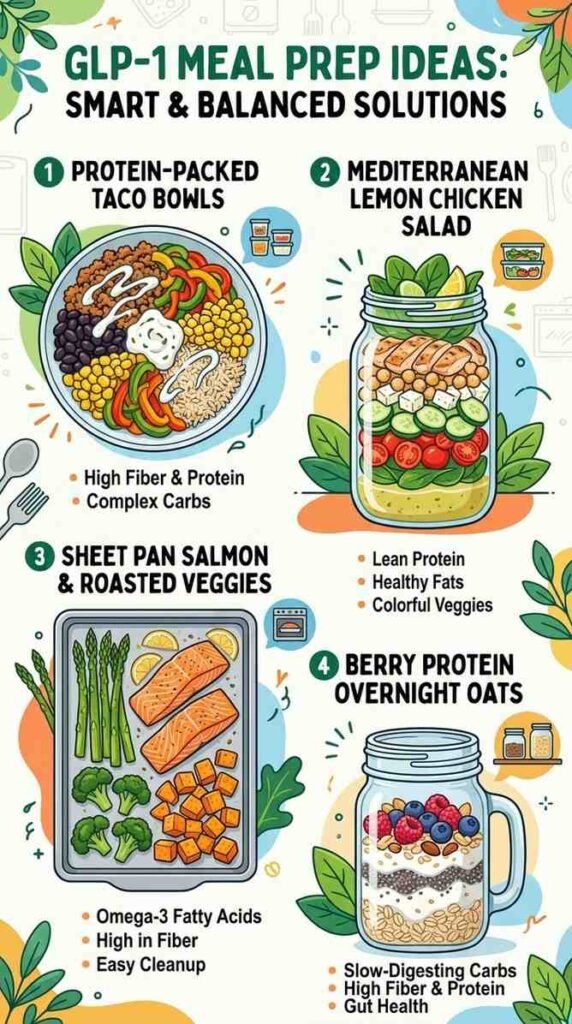
What to Keep Stocked in Your GLP-1 Kitchen
Your pantry and fridge should support quick pivots when meal plans fall apart.
Freezer essentials:
- Frozen vegetables (broccoli, cauliflower, mixed vegetables)
- Frozen berries
- Frozen pre-cooked shrimp
- Extra portions of prepped meals
- Bone broth frozen in ice cube trays
Pantry staples:
- Canned tuna and salmon
- Low-sodium broth
- Quinoa and brown rice
- Oats
- Protein powder
- Nut butters
- Canned beans
- Marinara sauce (low-sugar)
Fridge must-haves:
- Greek yogurt
- Cottage cheese
- Eggs
- Pre-washed greens
- Cheese (in moderation)
- Hummus
- Fresh herbs
Having these on hand means you can throw together a protein-rich meal or snack even when you haven’t prepped anything.
Navigating Common Pitfalls (Because They WILL Happen)
Food aversions changing weekly: Don’t fight it. Prep smaller batches of more variety instead of large batches of one thing.
Nausea hitting right at mealtime: Keep easy-to-digest options available. Smoothies, yogurt bowls, and broth-based soups. Sometimes you need to wait it out. Sometimes you need to eat anyway to avoid getting sicker.
Portion confusion: You genuinely need less food now. A meal that seems “too small” is probably perfect. Stop when you feel satisfied, even if food remains.
Texture issues: Some people develop texture sensitivities to GLP-1s. Slimy, mushy, or overly chewy foods become intolerable. Pay attention and adjust. Ground meats might work better than chunks. Crispy vegetables better than steamed.
Protein falling short: Track it for a week. You’re probably not eating as much as you think. Supplement with protein shakes if whole food isn’t cutting it.
Constipation: Fiber and water. Non-negotiable. Add ground flaxseed to yogurt. Eat plenty of vegetables. Drink water throughout the day, not just with meals.
Eating too fast: Your body’s fullness signals are amplified now. Slow down dramatically or you’ll be uncomfortable. Prep meals you can actually savor, not inhale.
Sample Weekly Meal Plan
Here’s what one week might actually look like:
Monday:
- Breakfast: Greek yogurt protein bowl
- Lunch: Chicken and rice soup
- Dinner: Salmon and asparagus pack
- Snack: Cottage cheese with berries
Tuesday:
- Breakfast: Smoothie from freezer pack
- Lunch: Turkey power bowl (Mediterranean)
- Dinner: Turkey meatballs with zucchini noodles
- Snack: Hard-boiled eggs (if tolerated)
Wednesday:
- Breakfast: Egg muffin cups
- Lunch: White fish with roasted vegetables
- Dinner: Chicken lettuce cups
- Snack: Greek yogurt with almonds
Thursday:
- Breakfast: Protein smoothie
- Lunch: Chili with Greek yogurt
- Dinner: Ground turkey Asian bowl
- Snack: Cottage cheese and pineapple
Friday:
- Breakfast: Greek yogurt protein bowl
- Lunch: Leftover salmon reheated
- Dinner: Turkey meatballs in marinara
- Snack: Protein shake
Saturday:
- Breakfast: Egg muffins
- Lunch: Chicken and sweet potato
- Dinner: Turkey Mexican bowl
- Snack: Handful of almonds
Sunday:
- Breakfast: Smoothie
- Lunch: Chili leftovers
- Dinner: Fresh grilled protein with simple vegetables
- Snack: Fruit with nut butter
Notice the flexibility. Notice the repeated use of prepped components in different ways. Notice protein at every meal.
Adjusting for Your Specific GLP-1 Medication
Different medications, different experiences.
Ozempic/Wegovy users often report stronger nausea in the first 48 hours after injection. Schedule meal prep for the day before or several days after your shot when you feel better.
Mounjaro users may experience more gastrointestinal issues. Focus heavily on easily digestible foods. Avoid anything too rich or fatty.
Saxenda users: Daily injections mean more consistent effects. Meal prep can follow a more standard routine.
Rybelsus users: The oral medication means no injection timing to worry about, but morning nausea can be intense. Have simple, gentle breakfast options ready.
Listen to your body. The medication affects everyone differently. Your meal prep should reflect YOUR experience, not someone else’s.
The Real Talk About Protein and Muscle Preservation
You’re losing weight rapidly. That’s exciting. But are you losing fat or muscle?
Without adequate protein, you’re losing both. And muscle loss slows your metabolism, making it harder to maintain your weight loss later.
Here’s the protein math:
Your goal should be roughly 0.7-1 gram of protein per pound of ideal body weight. If your goal weight is 150 pounds, you’re aiming for 105-150 grams of protein daily.
That sounds like a lot when you can barely finish a few bites of food.
Break it down:
| Meal/Snack | Protein Source | Grams |
|---|---|---|
| Breakfast | Greek yogurt + protein powder | 30g |
| Snack | Cottage cheese | 14g |
| Lunch | Chicken or fish (4 oz) | 28g |
| Snack | Protein shake | 25g |
| Dinner | Turkey or beef (4 oz) | 28g |
| Total | 125g |
Suddenly, it’s achievable. Meal prep makes it even easier because you’re not scrambling to figure out protein sources when you’re already exhausted.
Quick Meal Prep Hacks That Save Time
Rotisserie chickens: Buy two. Shred immediately. Freeze half. You just saved yourself an hour.
Pre-chopped vegetables: Yes, they cost more. Your time and sanity are worth it.
Slow cooker liners: Make cleanup a breeze. You’re more likely to use your slow cooker if cleanup isn’t a nightmare.
Batch cook grains: Make a huge pot of quinoa or brown rice. Freeze in one-cup portions. Microwave when needed.
Invest in good containers: Cheap containers leak, stain, and make reheating annoying. Get quality glass containers with locking lids.
Pre-measure seasonings: Mix your favorite spice blends in small jars. Dump and go instead of measuring each time.
Use your freezer aggressively: Almost everything freezes well. Double recipes and freeze half automatically.
Listening to Your Body (The Most Important Part)
Meal prep is a tool, not a prison.
Some days, nothing you prepped sounds good. That’s fine. Have backup options. Sometimes a simple protein shake and some crackers is dinner, and that’s okay.
Some days, you’ll feel hungrier than usual. Eat. Don’t restrict just because “the medication should make you not hungry.” Bodies are weird. Hormones fluctuate. Life happens.
Some days, the thought of food makes you nauseated. Don’t force it. Stay hydrated. Eat when you can. One day of minimal food won’t derail your progress.
The goal isn’t perfection. The goal is to support your body through significant metabolic changes while preserving muscle and health.
Frequently Asked Questions
How much should I actually eat on GLP-1 medications?
Most people naturally reduce to 1,000-1,500 calories daily due to appetite suppression. Focus on protein first, then vegetables, then small amounts of complex carbs. Let your hunger guide portions, but ensure you’re hitting minimum protein needs.
Can I meal prep for two weeks at once?
Not recommended for freshness and safety reasons. Most prepped meals last 3-4 days refrigerated. You can freeze portions for week two, but don’t prepare fresh meals that far in advance.
What if I can’t stomach meat anymore?
Common issue. Switch to plant-based proteins (tofu, tempeh, legumes), eggs (if tolerated), Greek yogurt, cottage cheese, and protein shakes. You might need to rely more heavily on powder supplements temporarily.
Should I avoid fats completely?
No. Healthy fats are essential for hormone function and nutrient absorption. Just moderate them because they slow down digestion even more. A tablespoon of olive oil, some avocado, or nuts in moderation are beneficial.
How do I prevent losing too much weight too fast?
Ensure you’re eating adequate calories and protein. If you’re losing more than 1-2 pounds per week consistently, increase portions slightly. Rapid loss often means muscle loss, which you want to avoid.
What about fiber supplements?
They can help with constipation, but whole food sources are better. Add ground flaxseed to yogurt, include plenty of vegetables, and choose brown rice over white. If needed, a gentle fiber supplement like psyllium husk works.
Can I eat carbs on GLP-1 medications?
Yes. Complex carbs in moderate amounts are fine and provide energy. Focus on quinoa, brown rice, sweet potatoes, and oats rather than refined carbs and sugars.
How do I handle social eating when I’ve meal prepped?
Don’t let meal prep isolate you. Eat a small portion of your prepped meal before social events so you’re not starving. Order something simple when dining out. Your prepped meals will keep—social connections matter too.
Should I take vitamins while on GLP-1s?
Consult your doctor, but many people benefit from a multivitamin, especially B12, vitamin D, and iron. You’re eating less volume, so micronutrients can fall short.
What if my family won’t eat my GLP-1 meal prep?
Make base components that everyone can enjoy. Plain grilled chicken, roasted vegetables, rice, etc. Then portion yours out first. They can add sauces, extra carbs, or whatever they want to their portions. Don’t cook separate meals if you can avoid it.
How long until meal prep becomes easier?
Usually, 2-3 weeks of consistency. The first few rounds feel overwhelming. Then you develop a rhythm. Your rotation of recipes gets established. Shopping becomes automatic. Stick with it through the learning curve.
Can I eat out, or do I need to eat prepped meals exclusively?
You can absolutely eat out. Meal prep is about making your life easier, not restricting it. Choose protein-forward options when dining out. Grilled fish, chicken, and steak with vegetables. Skip heavy sauces and fried foods. But don’t become a hermit.
The weight loss journey on GLP-1 medications is unlike anything else. Your meal prep strategy needs to be equally unique—flexible, protein-focused, gentle on your system, and actually sustainable.
Start small. Prep two or three meals. See how you feel. Adjust. Add more variety. Find what works for your body, your schedule, and your taste preferences.
This isn’t about restriction. It’s about nourishment in a body that’s changing rapidly. Give yourself grace. Give yourself protein. And permit yourself to adapt as you go.
Your future self will thank you.
SUGGESTED POST >> Meal Prep for Two People with Different Diets: Perfect Dual
Discover more from Meal Prep Insider
Subscribe to get the latest posts sent to your email.