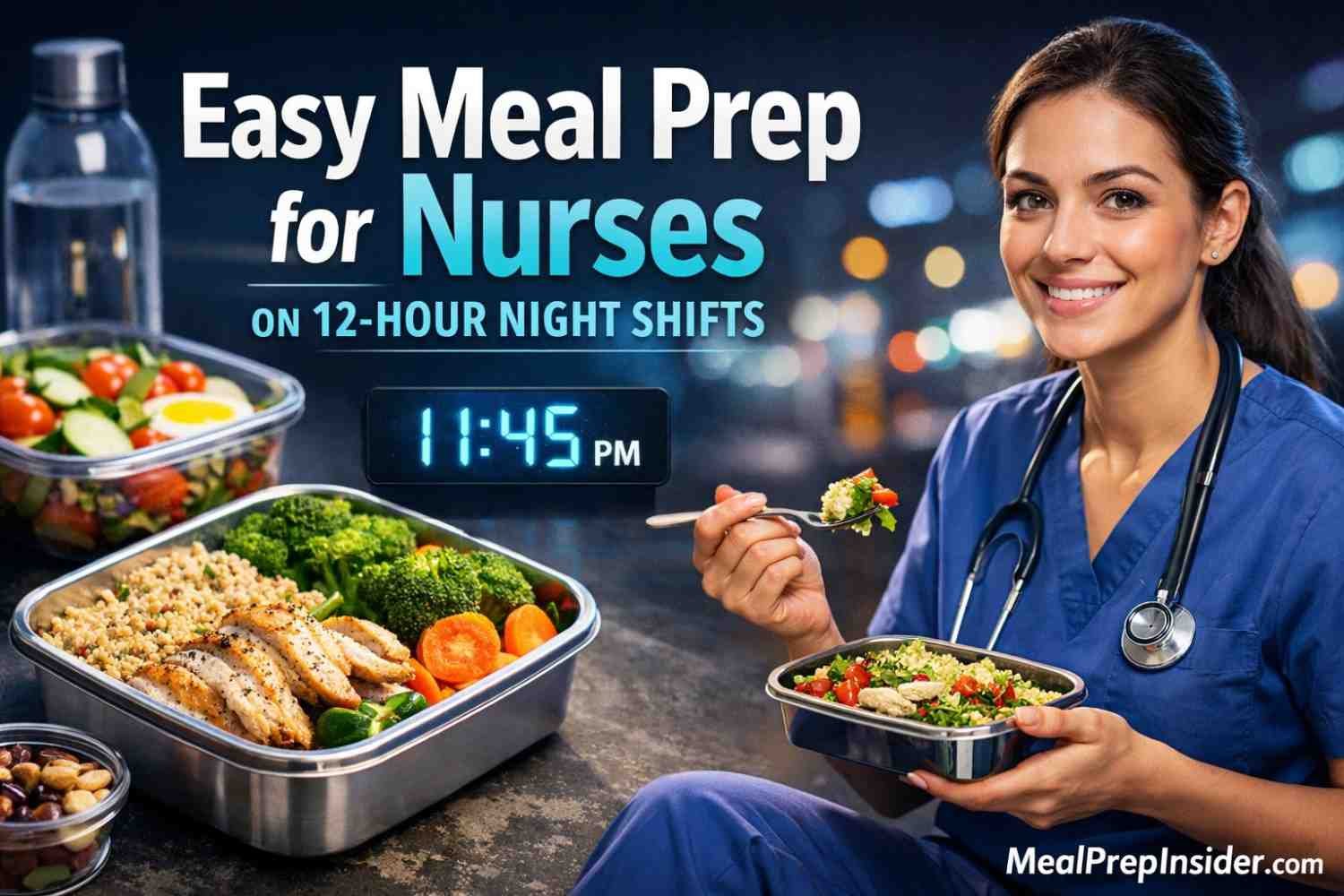
Easy Meal Prep for Nurses on 12-Hour Night Shifts

Easy meal prep for nurses on 12-hour night shifts isn’t just a nice-to-have skill. It’s survival. And if you’ve ever found yourself standing in front of a vending machine at 3 AM, staring blankly at a bag of Doritos like it holds the answers to life, you already know this.
Here’s what nobody tells you when you start working nights. Your relationship with food changes completely. Breakfast becomes dinner. Lunch happens at midnight. And that beautiful meal you planned? It’s sitting in your fridge at home because you forgot it on the counter at 6:45 PM while rushing out the door.
But what if meal prepping didn’t have to feel like a second job? What if you could spend about two hours on your day off and walk into every shift with food that actually tastes good, keeps you energized, and doesn’t require a microwave line that’s twelve nurses deep?
That’s exactly what this post is about. Stick around, because by the end, you’ll have a complete system, not just recipes.
Why Night Shift Nurses Struggle With Food More Than Anyone Realizes
Let’s get something straight. The night shift doesn’t just mess with your sleep. It wages war on your metabolism, your hunger cues, and your decision-making ability around food.
Research from the National Institute for Occupational Safety and Health (NIOSH) shows that night shift workers are significantly more likely to experience metabolic disruptions, weight gain, and digestive issues compared to their day shift counterparts. And nurses specifically face an added challenge: the physical demands of the job burn through calories fast, but the timing of those calories matters enormously.
When you eat matters almost as much as what you eat. Grabbing a heavy meal at 4 AM can leave you sluggish for the rest of the shift. Skipping food entirely leads to brain fog right when you need to be sharpest. And relying on coffee alone? That catches up with you faster than you think.
The problem isn’t willpower. It’s logistics. Night shift nurses are sleeping when grocery stores are least crowded, cooking when their families are eating different meals, and trying to fuel a physically demanding 12-hour window with whatever they can grab.
Meal prep solves the logistics problem. Period.
The Golden Rules of Meal Prepping for Night Shifts
Before we get into specific foods and recipes, let’s talk principles. These rules will save you more time and energy than any single recipe ever could.
Rule 1: Prep for your shift window, not for traditional meal times.
Stop thinking in terms of breakfast, lunch, and dinner. Instead, think in terms of pre-shift fuel, mid-shift sustenance, and post-shift recovery. Your body doesn’t care what the clock says. It cares about getting the right nutrients at the right intervals.
Rule 2: Prioritize foods that travel well and reheat easily.
Not every hospital break room has a reliable microwave. And even if yours does, you might have exactly seven minutes to eat. Your food needs to work within those constraints.
Rule 3: Batch cook proteins and grains separately.
This is the single biggest time-saver most people overlook. When you cook chicken, rice, and vegetables separately, you can mix and match throughout the week without eating the same exact meal five times.
Rule 4: Never underestimate snacks.
Snacks aren’t filler. For night shift nurses, strategic snacking between main meals is what keeps blood sugar stable and energy consistent. More on this later.
Rule 5: Make it taste good, or you won’t eat it.
This sounds obvious, but meal preppers constantly sacrifice flavor for convenience. Reheated bland chicken breast at 2 AM is depressing. Season generously. Use sauces. Add texture. You deserve food you look forward to eating.
What to Eat Before, During, and After a 12-Hour Night Shift
Timing your nutrition around a night shift requires a different playbook than daytime eating. Here’s how to structure it.
Pre-Shift Meal (Eat 60 to 90 Minutes Before Clocking In)
This meal sets the tone for your entire shift. You want a balance of complex carbohydrates, lean protein, and healthy fats. The goal is sustained energy without heaviness.
Good options include:
- Grilled chicken thighs with quinoa and roasted sweet potatoes
- Turkey and avocado wrap with a side of fruit
- Salmon with brown rice and steamed broccoli
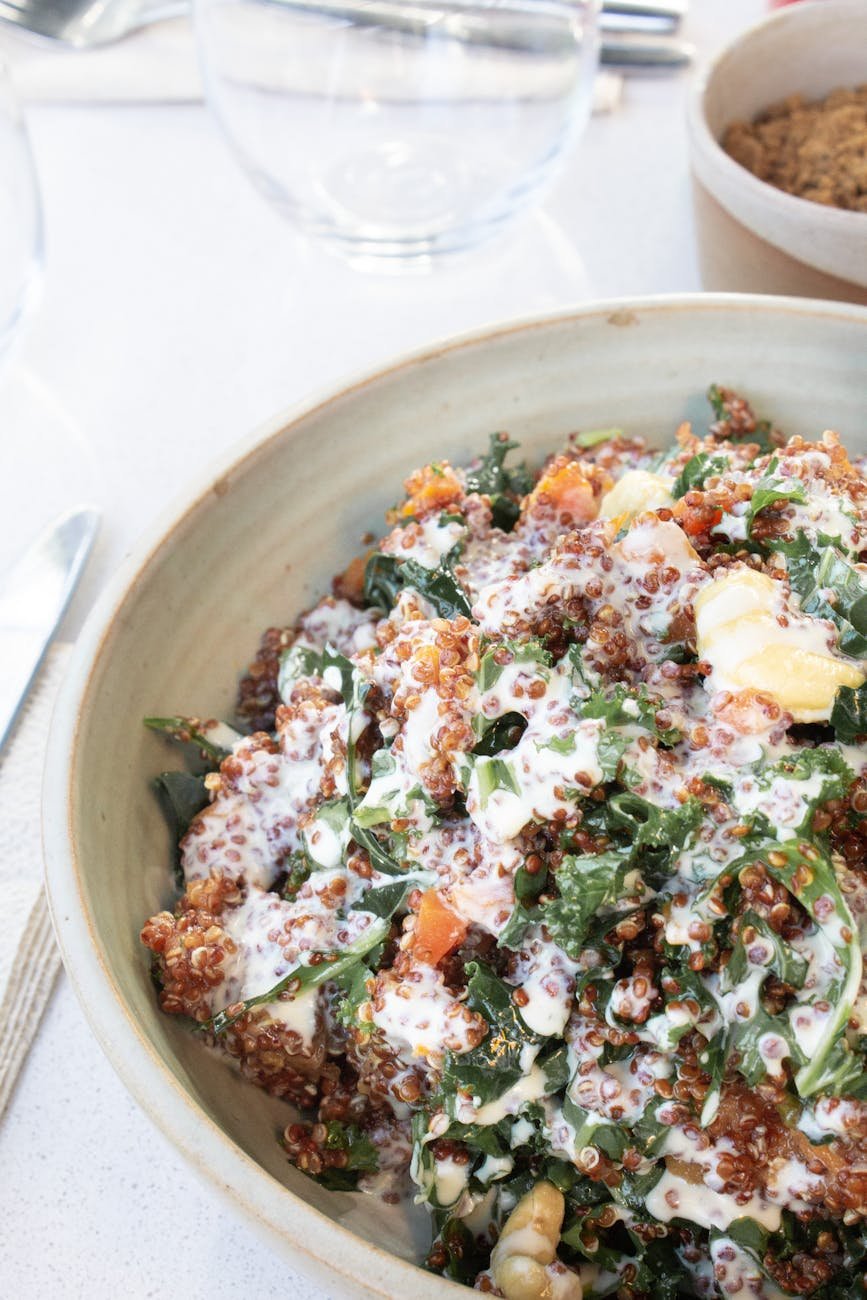
- A hearty grain bowl with chickpeas, roasted vegetables, and tahini dressing
Avoid anything fried, excessively cheesy, or loaded with simple sugars. That initial burst of energy will crash hard around hour three.
Mid-Shift Meal (Around the Halfway Point, Typically 1 AM to 3 AM)
This is where most nurses make their biggest nutritional misstep. The temptation to eat heavily is real. Your body is confused, your willpower is low, and the pizza someone ordered for the unit smells incredible.
Resist the urge to go heavy here. A moderate-sized meal that’s protein-forward with some complex carbs works best.
Strong mid-shift meals include:
- Turkey meatballs with whole wheat pasta and marinara
- Chicken stir-fry with vegetables over jasmine rice
- Black bean and sweet potato burrito bowl
- Lentil soup with a small piece of crusty bread
Keep portions reasonable. You still have six hours of work ahead. You need energy, not a food coma.
Post-Shift Recovery (When You Get Home)
This meal is about recovery and preparing your body for sleep. You want something lighter but still nutritious. Heavy meals before trying to sleep during the day will wreck your rest quality.
Consider:
- Greek yogurt parfait with berries and granola
- Scrambled eggs with spinach and whole-grain toast
- A smoothie with protein powder, banana, spinach, and almond milk
- Cottage cheese with sliced fruit and a drizzle of honey
The post-shift meal should help you wind down, not fire you back up.
Strategic Snacking: The Secret Weapon Nobody Talks About
Snacking on night shift isn’t about mindless munching. Done right, it’s the bridge that keeps your energy from crashing between main meals.
The best night shift snacks share three qualities: they’re portable, they don’t need refrigeration (or at least stay good in an insulated bag), and they combine protein with either healthy fat or fiber.
Here’s a quick reference for smart snack choices:
| Snack | Why It Works | Prep Required |
|---|---|---|
| Trail mix (nuts, seeds, dark chocolate) | Healthy fats and sustained energy | None, buy or make in bulk |
| Hard-boiled eggs | High protein, ultra portable | Boil a dozen on prep day |
| Apple slices with almond butter | Fiber plus healthy fat | Slice and pack, or use squeeze packs |
| High protein, ultra-portable | Protein and complex carbs | Zero prep |
| Hummus with veggie sticks | Fiber, protein, and micronutrients | Chop veggies on prep day |
| Protein balls (oat-based) | Balanced macros, satisfying | Make a batch, freeze extras |
| Beef or turkey jerky | High protein, zero refrigeration needed | Just buy quality brands |
| Roasted chickpeas | Crunchy, high fiber, fun to eat | Season and roast on prep day |
Pack at least two to three snacks per shift. Space them out. One around 10 PM, another around 3 AM if your mid-shift meal was on the lighter side, and maybe a small one around 5 AM to push through the final stretch.
The Two-Hour Meal Prep Blueprint
Here’s where everything comes together. This is a step-by-step system designed specifically for nurses working three to four 12-hour night shifts per week. Total active time: about two hours.
Step 1: Choose Your Proteins (30 Minutes)
Pick two proteins for the week. Cook them in bulk.
Examples:
- 3 pounds of chicken thighs, seasoned with garlic, paprika, salt, and pepper, baked at 400°F for 25 minutes
- 2 pounds of ground turkey, browned with taco seasoning
- A large batch of turkey meatballs
- 2 pounds of salmon fillets, baked with lemon and dill
Cook them. Let them cool. Divide into individual portions using meal prep containers.
Step 2: Cook Your Grains and Starches (20 Minutes, Mostly Passive)
While your protein cooks, get your carbs going.
- A big pot of jasmine or brown rice
- A batch of quinoa
- Roasted sweet potatoes (cube, toss with olive oil and salt, roast at 400°F for 25 minutes)
- Whole wheat pasta
Use a rice cooker or Instant Pot if you have one. Set it and forget it.
Step 3: Prep Your Vegetables (20 Minutes)
Wash, chop, and either roast or steam a variety of vegetables.
Great options that hold up well when reheated:
- Broccoli
- Bell peppers
- Zucchini
- Green beans
- Brussels sprouts
- Asparagus
Roasting tends to produce the best flavor and texture for meal prep purposes. Toss with olive oil, salt, pepper, and garlic powder. Roast at 400°F for 15 to 20 minutes.
Step 4: Prepare Your Snacks (15 Minutes)
- Boil a dozen eggs
- Portion out trail mix into small bags or containers
- Chop veggie sticks and portion with hummus cups
- Make a batch of protein energy balls if you’re feeling ambitious
Step 5: Assemble and Store (15 Minutes)
Now combine everything into grab-and-go containers. Each container should have a protein, a grain or starch, and vegetables.
Label them if it helps. “Monday Pre-Shift.” “Tuesday Mid-Shift.” Whatever keeps things simple.
Store in the fridge what you’ll eat within three days. Freeze the rest. Most prepped meals freeze beautifully and can be thawed the night before your shift (or the morning, depending on when you wake up).
Step 6: Sauces and Flavor Boosters (10 Minutes)
This step is optional, but it makes a massive difference. Prep two or three sauces to rotate throughout the week.
- Sriracha mayo (mix sriracha and mayo, done)
- Teriyaki glaze (soy sauce, honey, garlic, ginger, cornstarch slurry)
- Chimichurri (parsley, olive oil, garlic, red wine vinegar, red pepper flakes)
- Tzatziki (Greek yogurt, cucumber, dill, lemon juice, garlic)
Store sauces in small containers or even in silicone muffin molds that you freeze. Different sauces on the same base meal make it feel like a completely different dish.
Easy Meal Prep Recipes That Night Shift Nurses Swear By
Let’s get specific. These recipes are tested, approved, and designed for the realities of night shift life.
Honey Garlic Chicken Bowls
Cook cubed chicken breast in a skillet with soy sauce, honey, minced garlic, and a splash of rice vinegar. Serve over rice with steamed broccoli. This reheats perfectly and tastes even better the next day as the flavors develop.
Turkey Taco Bowls
Brown ground turkey with taco seasoning. Layer over cilantro lime rice with black beans, corn, diced tomatoes, and a dollop of sour cream. Pack the sour cream separately so it doesn’t get weird.
Mediterranean Quinoa Bowls
Combine cooked quinoa with diced cucumber, cherry tomatoes, Kalamata olives, red onion, and crumbled feta. Dress with olive oil and lemon juice. This one is great cold, so no microwave is required.
Sheet Pan Sausage and Vegetables
Slice turkey or chicken sausage. Toss with cubed sweet potatoes, bell peppers, and red onion. Season with Italian seasoning and olive oil. Roast everything on one sheet pan at 400°F for 25 minutes. Minimal cleanup. Maximum flavor.
Overnight Oats (For Post-Shift)
In a mason jar, combine rolled oats, chia seeds, milk (or almond milk), Greek yogurt, and a sweetener of your choice. Top with berries, sliced banana, or peanut butter. Refrigerate overnight. Grab it when you walk in the door from your shift.
Hydration: The Overlooked Half of Night Shift Nutrition
You can nail your meal prep and still feel terrible on shift if you’re dehydrated. Nurses are notorious for neglecting water intake because bathroom breaks are a luxury, not a given.
But dehydration during a 12-hour night shift causes headaches, fatigue, impaired cognitive function, and muscle cramps. None of which are acceptable when you’re responsible for patient care.
Here are some practical hydration strategies:
- Bring a 32-ounce water bottle and aim to finish it twice during your shift
- Infuse water with lemon, cucumber, or berries if plain water bores you
- Drink an electrolyte packet (like LMNT or Liquid IV) during the first half of your shift, especially if you drink coffee
- Front-load your water intake. Drink more during the first six hours and taper off in the last two so you’re not running to the bathroom when you should be sleeping
Avoid energy drinks as a hydration source. The sugar and caffeine content create a brutal crash cycle that compounds night after night.
RELATED POST >> Easy 12-Hour Night Shift Meal Plan: The Best PDF Inclusive
Pitfalls That Wreck Your Night Shift Nutrition (and How to Dodge Them)
Even well-intentioned nurses fall into traps that sabotage their nutrition. Here are the most frequent blunders and how to sidestep them.
Eating the unit’s potluck food as your main meal. Someone always brings donuts. Or orders pizza. Or makes brownies. Enjoy a small portion if you want, but don’t let it replace the meal you prepped. That prepped meal has purpose. The brownies do not.
Overdoing caffeine after midnight. A cup of coffee at the start of your shift is fine. Another one at midnight? Pushing it. Anything after 2 or 3 AM will interfere with your ability to fall asleep when you get home. Switch to water or herbal tea in the second half.
Skipping your pre-shift meal because you’re not hungry. Your body might not feel hungry at 6 PM because it’s still adjusted to daytime eating patterns. Eat anyway. Even something small. Starting a 12-hour shift on empty is a recipe for poor choices later.
Not having a backup meal. Containers leak. You forgot your bag. Things happen. Keep a stash of non-perishable backup options in your locker: instant oatmeal packets, nut butter pouches, protein bars, canned soup. It’s insurance.
Eating out of boredom during slow stretches. Nighttime can have lulls. Boredom eating is real, and the break room is right there. If you’ve already eaten your planned meals and snacks, the urge to eat more is almost always boredom or fatigue, not genuine hunger. Recognize it. Go for a short walk down the hallway instead.
Grocery Shopping Tips for Night Shift Meal Preppers
Shopping efficiently makes the entire meal prep process smoother. Here are tactics that save both time and money.
Buy proteins in bulk from warehouse stores like Costco or Sam’s Club. Chicken thighs, ground turkey, and salmon fillets can be bought in large quantities and frozen in individual portions.
Stick to a consistent shopping list. When you eat roughly the same categories of food each week (swapping out specific recipes for variety), your grocery list stays predictable. Predictability means speed.
Shop online with pickup or delivery. Seriously. You’re a night shift nurse. Your time is precious, and your schedule is strange. Walmart Grocery Pickup and Instacart exist for people exactly like you.
Buy pre-cut vegetables if chopping feels like a barrier. Yes, they cost a bit more. But if the alternative is not prepping at all, the convenience tax is worth it.
Keep a running list on your phone. When you run out of something, add it immediately. By the time your prep day comes around, your list is ready to go.
Container and Gear Recommendations
The right containers make meal prep easier and more sustainable. You don’t need anything fancy, but quality matters here.
Glass containers with snap-lock lids. They reheat evenly, don’t stain, and last years. Brands like Pyrex and Bayco are popular and affordable.
Divided containers. These keep components separate, so your rice doesn’t turn into mush from sitting in sauce for three days. Game changer.
A quality insulated lunch bag. Your food needs to stay cold for potentially 13+ hours (drive time plus shift time). Get a bag with real insulation, not a flimsy promotional freebie. Brands like PackIt and MIER make solid options.
Ice packs. Two at minimum. Rotate them between shifts.
A set of small sauce containers. Those little 2-ounce containers with screw-top lids let you pack dressings, sauces, and dips separately.
Mason jars. Perfect for overnight oats, salads, or smoothie ingredients you plan to blend at home post-shift.
How to Keep Meal Prep From Becoming a Chore
This is the part where most systems fail. You start strong. Week one, everything is portioned beautifully. Instagram-worthy containers lined up in the fridge. By week four, you’re back at the vending machine.
The key to sustainability is flexibility.
Don’t force yourself to eat foods you don’t enjoy just because they’re “healthy.” Find nutritious foods you genuinely like and build your rotation around those.
Change your recipes every two to three weeks. Even small swaps, like switching from teriyaki chicken to honey garlic chicken, keep things interesting enough to maintain motivation.
Prep with someone else. If you have a partner, roommate, or friend who also meal preps, do it together. Music on, conversation flowing, and suddenly the two hours feel more like a social event than a task.
Embrace semi-homemade shortcuts. Rotisserie chicken from the grocery store. Pre-made rice packets you microwave in 90 seconds. Frozen vegetable blends you just steam and season. There’s absolutely no rule that says everything has to be made from scratch. The goal is nourishment, not culinary perfection.
Reward yourself. If you successfully prep and eat your own food for all your shifts in a given stretch, treat yourself to a meal out or a fancy coffee. Positive reinforcement works, and you know this because you use it with your patients.
A Sample Week: Putting It All Together
Here’s what a realistic week of meal prep looks like for a nurse working three 12-hour night shifts (Sunday, Monday, and Wednesday).
| Pre-Shift Meal | Mid-Shift Meal | Snacks | Post-Shift Meal | |
|---|---|---|---|---|
| Sunday | Honey garlic chicken bowl with rice and broccoli | Turkey taco bowl | Hard-boiled eggs, trail mix, apple with almond butter | Overnight oats with berries |
| Monday | Sheet pan sausage with sweet potatoes and peppers | Leftover turkey taco bowl (different sauce) | Hummus with veggies, string cheese, protein bar | Smoothie with protein powder and banana |
| Wednesday | Mediterranean quinoa bowl (eaten room temp) | Honey garlic chicken with different veggies | Roasted chickpeas, beef jerky, Greek yogurt cup | Scrambled eggs with spinach and toast |
Notice the variety without excessive cooking. The same base proteins and grains get repurposed with different vegetables, sauces, and presentations. It feels varied. It isn’t repetitive. And it all came from one two-hour prep session on Saturday.
The Mental Health Connection
Let’s talk about something that doesn’t get enough attention. What you eat on the night shift directly impacts your mental health.
Night shift nurses already face elevated risks for anxiety, depression, and burnout. Poor nutrition compounds every single one of those risks. Blood sugar crashes cause irritability. Nutrient deficiencies affect neurotransmitter production. And the guilt cycle of eating poorly, feeling bad about it, then eating poorly again because you feel bad? It’s exhausting.
Meal prepping isn’t just about physical health or convenience. It’s an act of self-care. Every time you open a container of food you thoughtfully prepared for yourself, you’re sending a message: I matter enough to be taken care of, even at 3 AM on a Tuesday.
That might sound dramatic. It isn’t.
Frequently Asked Questions
How far in advance can I meal prep without food going bad?
Most cooked meal prep stays fresh in the refrigerator for three to four days. If you’re prepping for shifts spread across the full week, cook half fresh and freeze the other half. Thaw frozen meals in the fridge 24 hours before you need them.
What if I don’t have access to a microwave during my shift?
Focus on meals that taste great at room temperature or cold. Mediterranean bowls, wraps, grain salads, and protein boxes (cheese, crackers, deli meat, fruit) are all excellent no-heat options.
How do I stop myself from eating the break room junk food?
Eat your planned meals and snacks at consistent intervals. When you’re genuinely fueled, the temptation drops significantly. Also, keeping your prepped food visible and accessible helps. If your container is right there and the pizza requires walking to the break room, convenience wins.
Can I meal prep if I have dietary restrictions?
Absolutely. The framework works regardless of diet type. Swap proteins, grains, and vegetables to fit your needs, whether you eat keto, vegetarian, dairy-free, gluten-free, or anything else. The system is the same. The ingredients are flexible.
How do I handle meal prep when I switch between day and night shifts?
This is genuinely tough. Focus on prepping the same types of meals but adjusting when you eat them. Your pre-shift meal moves from evening to early morning. Your mid-shift meal moves from 2 AM to noon. The food itself doesn’t change. Only the clock does.
Is it okay to eat the same meals every shift?
In the short term, yes. Some people thrive on routine and find comfort in eating the same things. Long-term, rotating recipes ensures you’re getting a broader range of nutrients and prevents burnout with your meal prep habit.
What’s the best way to store prepped meals for transport?
Use an insulated lunch bag with two ice packs. Glass containers with secure lids prevent leaks. Pack snacks in separate compartments or bags so they’re easy to grab without digging through your main meals.
How much money can I save by meal prepping instead of buying food at work?
Most hospital cafeteria meals or takeout orders run $8 to $15 per meal. Prepped meals typically cost $3 to $5 per serving. If you eat two meals and snacks per shift and work three shifts per week, that’s roughly $50 to $80 in weekly savings. Over a year, that’s real money.
Final Thoughts
Night shift nursing is demanding in ways that people who’ve never done it will never fully understand. The least you can do for yourself is show up fed. Not just fed, but nourished. With food that gives you steady energy, sharpens your focus, and reminds you that you’re worth the effort.
Easy meal prep for nurses on 12-hour night shifts isn’t about perfection. It’s about consistency. It’s about having a system that works even when you’re exhausted, even when your schedule is chaotic, and even when every cell in your body wants to default to the path of least resistance.
Start small. Prep for one shift. See how it feels. Then build from there.
Your patients need you at your best. So do you.
SUGGESTED POST >> 23+ Easy Teacher Meal Prep Ideas for 20-Minute Lunches
Discover more from Meal Prep Insider
Subscribe to get the latest posts sent to your email.