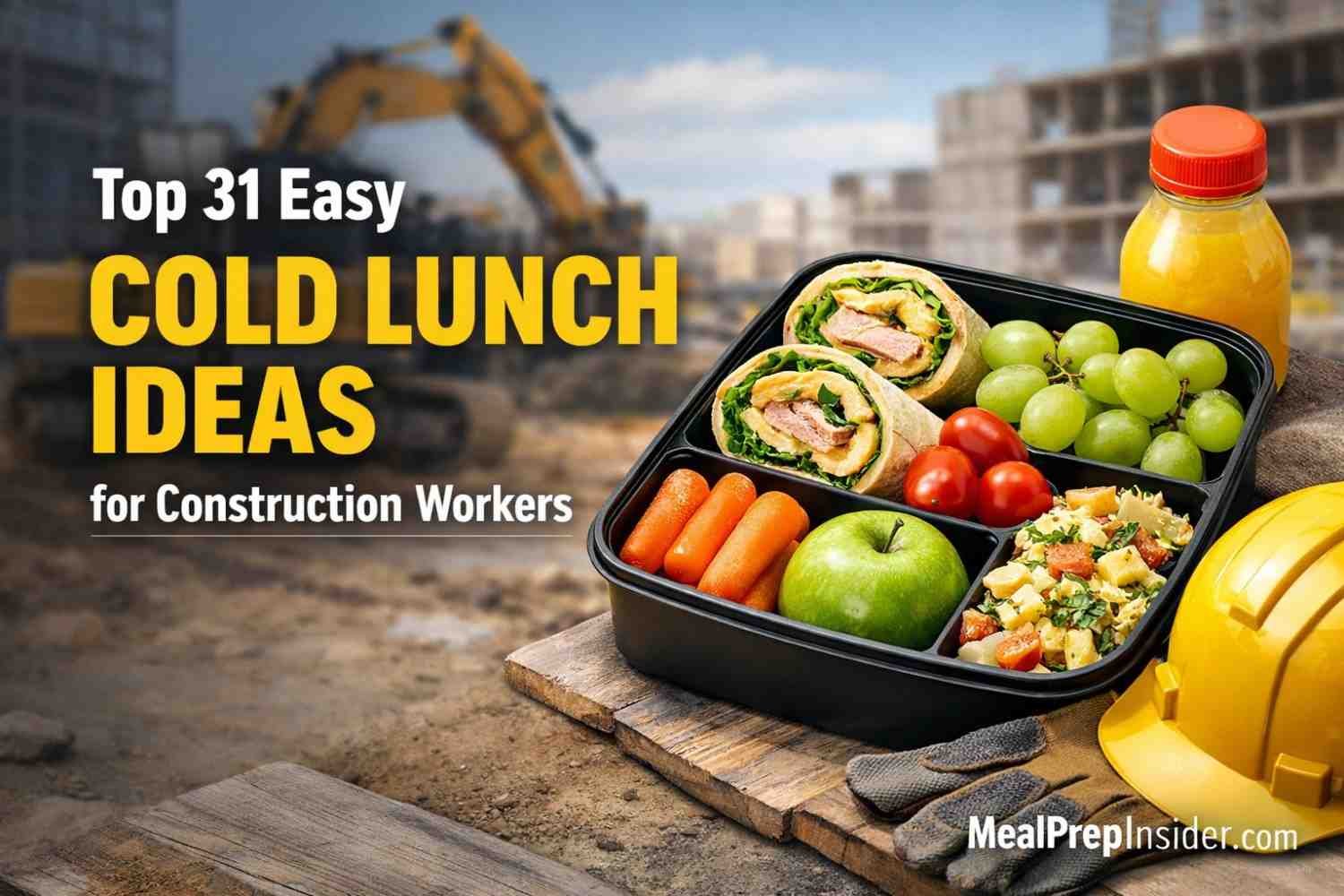
Top 31 Easy Cold Lunch Ideas for Construction Workers

Cold lunch ideas for construction workers need to satisfy two non-negotiable requirements: they must survive hours without refrigeration and deliver serious fuel for physically demanding work. No wimpy salads that leave you hungry by 2 PM. No fancy stuff that falls apart in a lunch box. Just real food that works.
Most construction workers spend their mornings hauling materials, operating machinery, or working in conditions that would make office employees cry. By lunch, you’re burning through calories like a furnace burns through coal. That gas station sandwich or greasy fast food run? They’re destroying your wallet and your energy levels.
Here’s what nobody tells you about packing lunch for construction work. The right cold lunch saves you roughly $2,800 yearly compared to buying lunch daily. More importantly, it keeps your energy stable instead of sending you on the blood sugar roller coaster that ends with you dragging through the afternoon.
This isn’t about becoming a meal prep influencer. This is about showing up to the job site with food that actually works for the kind of work you do.
Why Cold Lunch Ideas for Construction Workers Matter More Than You Think
Your body operates like a machine. Feed it garbage, get garbage performance. Feed it right, and you’ll notice the difference in your strength, focus, and how you feel at the end of a ten-hour shift.
Construction work burns between 400 and 600 calories per hour, depending on what you’re doing. That’s anywhere from 3,200 to 4,800 calories for a full day. Your lunch needs to account for a substantial chunk of that fuel.
But here’s the thing. You can’t always count on refrigeration. Job sites change. You might work in a temperature-controlled building one week and on an exposed roof the next. Your lunch needs to handle whatever conditions you throw at it.
Cold lunches solve this problem while giving you complete control over nutrition, portions, and cost.
What Makes a Great Construction Worker Lunch
Forget the fluff. A solid construction lunch checks these boxes:
- Protein-packed: Keeps muscles recovering and hunger at bay
- Calorie-dense: Matches your energy expenditure without requiring you to eat constantly
- Stable at room temperature: Survives 4-6 hours outside refrigeration safely
- Easy to eat: No elaborate setup or utensils required
- Portable: Doesn’t leak, crush, or turn into mush
- Quick to prepare: You’re not spending an hour making tomorrow’s lunch
The best lunches also pack some healthy fats and complex carbs. They keep your blood sugar steady instead of spiking and crashing.
The Essential Cold Lunch Equipment
Before we jump into specific ideas, let’s talk gear. The right equipment makes or breaks your lunch situation.
Insulated lunch box or cooler: Invest in quality. A good insulated bag with ice packs keeps food at safe temperatures for 6-8 hours. This expands your options significantly.
Ice packs: Get the reusable kind. Freeze them overnight. They’re game-changers.
Thermos containers: Wide-mouth thermoses work for cold foods too, providing extra insulation.
Durable food containers: Skip the cheap disposable stuff. Get containers that seal properly and won’t crack when your lunch box gets tossed around.
Reusable utensils: Keep a set in your lunch box permanently.
Top 31 Easy Cold Lunch Ideas for Construction Workers
Let’s get into the actual food. These ideas range from extremely simple to slightly more involved, but none require you to become a chef.
1. Classic Deli Sandwich Stack
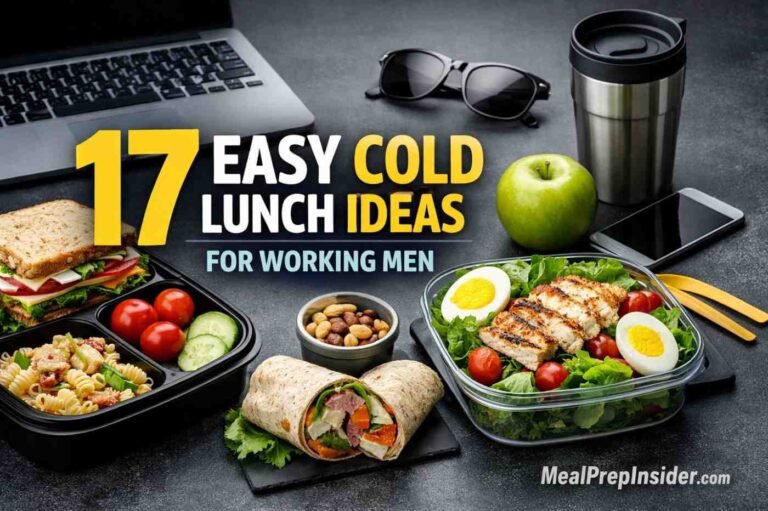
Build it right, and a sandwich becomes a legitimate meal. Use thick slices of deli meat (turkey, roast beef, ham), quality cheese, and sturdy bread that won’t get soggy. Add lettuce, tomato, and condiments packed separately if you’re particular about texture.
The trick? Wrap it tightly in foil or plastic wrap. This keeps everything together and makes it easy to eat with one hand.
2. Loaded Wraps
Wraps beat sandwiches for portability. The tortilla contains everything without pieces falling out. Fill with deli meat, cheese, lettuce, and whatever vegetables you tolerate. Ranch dressing or hummus adds flavor and moisture.
Wrap tightly and slice in half. These stay good for hours.
3. Chicken Salad Powerhouse
Make a big batch on Sunday. Shredded rotisserie chicken mixed with mayo, diced celery, grapes, and pecans. Season with salt, pepper, and a bit of lemon juice.
Eat it straight from a container with crackers, stuff it in a pita pocket, or pile it on bread. High protein, filling, and lasts several days in the fridge.
4. Pasta Salad with Protein
Cold pasta salad packed with chunks of salami, pepperoni, cubed cheese, cherry tomatoes, and Italian dressing delivers serious calories and taste. Make a huge batch for the week.
The pasta provides carbs for energy. The meat and cheese bring protein and fat. It’s a complete meal that tastes better after sitting for a day.
5. Peanut Butter and Banana
Simple. Effective. Two slices of bread, thick peanut butter, sliced banana. The peanut butter provides protein and healthy fats. The banana adds quick energy and potassium to prevent cramping.
Pack a second sandwich if you need more calories.
6. Hard-Boiled Egg Combo
Prep a dozen hard-boiled eggs Sunday night. Pack 3-4 with some salt, crackers, cheese sticks, and fruit. This modular approach lets you eat components separately.
Eggs are nutritional powerhouses. Cheap, portable, and packed with protein.
7. Beef Jerky and Nut Mix
Not a full meal replacement, but perfect for days when you’re eating on the move. Pair quality beef jerky with a trail mix containing nuts, dried fruit, and maybe some chocolate chips.
High protein, high calorie, zero preparation beyond throwing things in a bag.
8. Tuna Salad Packs
Mix canned tuna with mayo, relish, diced onion, and seasoning. Bring it in a container with crackers or bread on the side. Tuna provides lean protein and omega-3s.
The pouch tuna works great, too. Less messy than cans.
9. Cold Pizza
Leftover pizza is legitimately good cold. Two or three slices from last night’s dinner make a solid lunch. It’s portable, filling, and requires zero morning effort.
Pepperoni or sausage pizza adds extra protein.
10. Meat and Cheese Plate
The adult Lunchable. Pack sliced deli meat, cheese cubes or slices, crackers, some pepperoni, maybe olives if you’re into that. Add an apple or grapes.
Easy to assemble, easy to eat, and surprisingly satisfying.
11. Bagel with Cream Cheese and Lox
Sounds fancy, but it’s simple. A bagel with cream cheese and smoked salmon (lox) delivers tons of protein and calories. Add capers, red onion, and tomato if you want to get authentic.
Bagels are dense and filling. This keeps you powered for hours.
12. Cold Fried Chicken
Make extra fried chicken for dinner. Pack leftovers with some biscuits or rolls. Cold fried chicken is a legitimate Southern tradition for a reason.
High protein, high fat, high satisfaction.
13. Hummus and Veggie Packs
For days when you want something lighter. Pack a container of hummus with carrots, celery, bell peppers, and pita bread or chips.
Hummus provides plant-based protein. The vegetables add crunch and nutrients without weighing you down.
14. Sub Sandwich
Different from a regular sandwich because of the sheer size. Get a footlong sub from the grocery store deli or make your own. Load it with multiple meats, cheese, and all the toppings.
One footlong can be two meals if you’re moderate with portions.
15. Quinoa Salad Bowl
Cooked quinoa mixed with black beans, corn, diced tomatoes, cilantro, and lime vinaigrette. Add some grilled chicken or steak chunks if you made extra at dinner.
Quinoa is a complete protein with all essential amino acids. This bowl delivers sustained energy.
16. Cold Cut Roll-Ups
Skip the bread entirely. Layer deli meat with a slice of cheese, add some mustard, and roll it up. Make 6-8 of these.
Low-carb, high-protein, and extremely portable.
17. Greek Salad with Grilled Chicken
Romaine lettuce, cucumbers, tomatoes, red onion, olives, feta cheese, and chunks of grilled chicken. Pack the Greek dressing separately.
Light but filling. The feta and chicken provide plenty of protein.
18. Leftover Steak or Burger
That leftover steak from dinner? Slice it thin and make a sandwich, or eat it straight. Cold steak with some horseradish or mustard is excellent.
Same with burgers. A cold burger beats most fast food options.
19. Bean Burrito
Make burritos with refried beans, rice, cheese, and salsa. Wrap tightly in foil. These stay together well and are surprisingly good cold.
Beans provide fiber and plant-based protein. Rice adds filling carbs.
20. Sushi Rolls
If there’s a grocery store with a sushi section nearby, grab a few rolls. California rolls, spicy tuna, whatever. They’re meant to be eaten cold.
Not traditional construction food, but it’s different and satisfying.
21. Chicken Caesar Wrap
Grilled chicken, romaine lettuce, parmesan cheese, and Caesar dressing in a large tortilla. The Caesar dressing keeps everything moist without making it soggy.
Pack it tight, and this becomes a handheld meal.
22. Cheese and Crackers Deluxe
Upgrade the basic cheese and crackers. Pack several types of cheese, quality crackers, some summer sausage or salami, maybe some mustard and pickles.
This is basically charcuterie for the job site.
23. Protein Shake and Sandwich
A quality protein shake with a sandwich covers all bases. The shake delivers quick protein. The sandwich provides carbs and staying power.
Get a good shaker bottle that doesn’t leak.
24. Cold Meatloaf Sandwich
Leftover meatloaf sliced thick on bread with ketchup or BBQ sauce. Meatloaf is actually designed to be eaten cold (originally, anyway).
Filling, tasty, and uses leftovers efficiently.
25. Antipasto Salad
Salami, pepperoni, provolone cheese, olives, pepperoncini, cherry tomatoes, and lettuce with Italian dressing. This Italian-inspired salad is hearty and flavorful.
The cured meats don’t require refrigeration, making this extra stable.
26. Chicken Tender Box
Pack chicken tenders with dipping sauce, some raw veggies, and fruit. Chicken tenders are good cold and easy to eat.
Many grocery store delis sell these ready-made if you don’t want to cook.
27. Salami and Provolone Sandwich
Sometimes, simple is best. Quality salami and provolone on good bread with oil and vinegar. Add banana peppers if you like heat.
Italian delis have perfected this combination for a reason.
28. Protein Bento Box
Create your own bento-style lunch. One section with deli meat, another with cheese, one with nuts, one with fruit, and one with crackers or pretzels.
This variety keeps lunch interesting and lets you eat components as you want them.
29. BLT with Avocado
Bacon, lettuce, tomato, and avocado on toasted bread (toast it before packing). Pack the components separately and assemble on site if you’re particular about texture.
The avocado adds healthy fats and makes this more substantial.
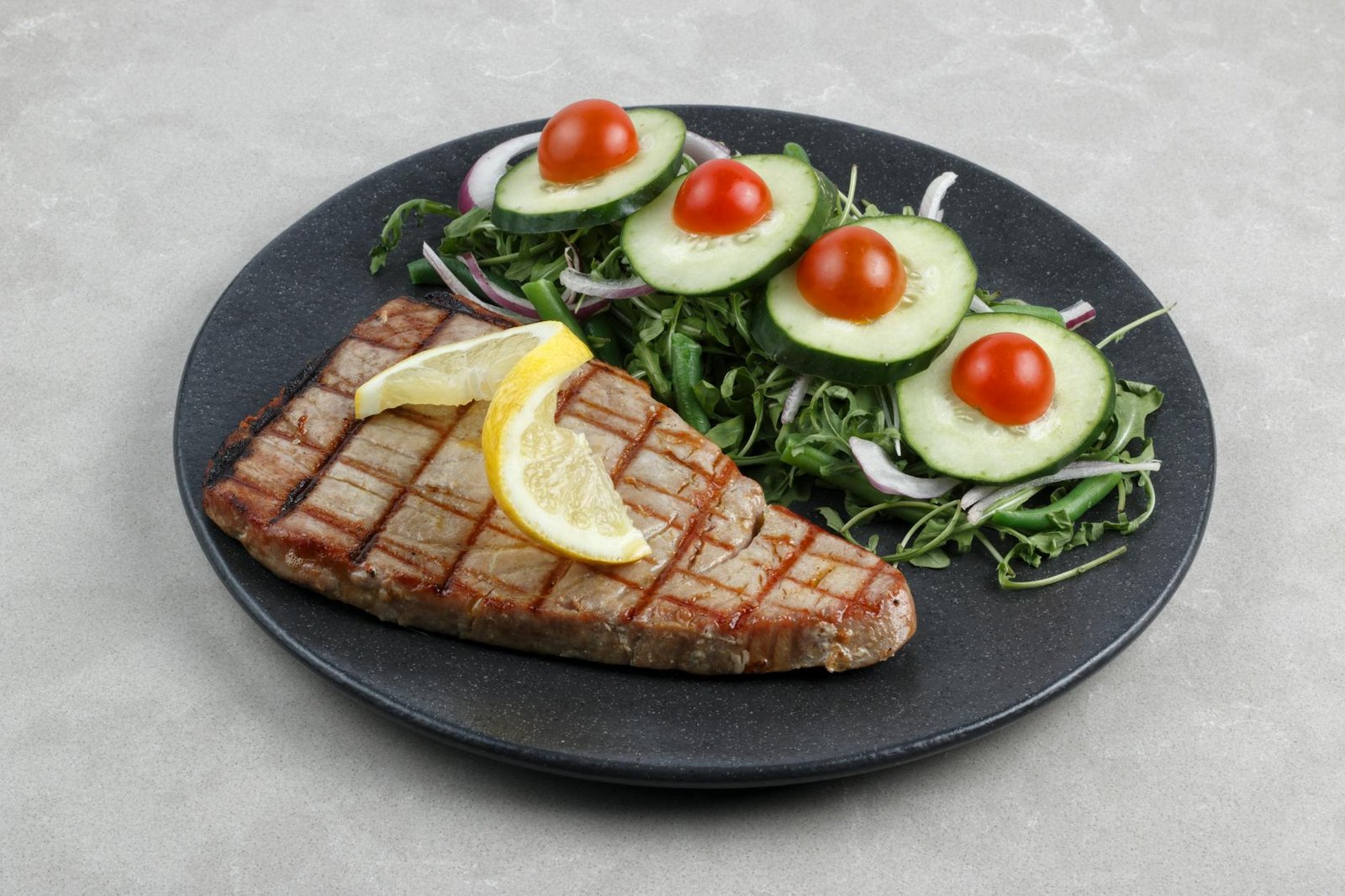
30. Cold Salmon or Tuna Steak
If you grill salmon or tuna steaks for dinner, the leftovers are excellent cold. Flake it over a salad or eat it straight with lemon.
High protein, healthy omega-3 fats, and filling.
31. The Ultimate Dagwood
This is the everything sandwich. Multiple types of meat, multiple cheeses, all the vegetables, and condiments on both slices of bread. Make it thick enough that you need a toothpick to hold it together.
This isn’t everyday food. This is Friday lunch when you’re celebrating making it through the week.
Building Your Weekly Lunch Strategy
Random lunches get boring fast. Here’s a better approach.
Sunday Prep: Spend 30-60 minutes preparing lunch components for the week. Cook a batch of chicken, hard-boil eggs, make pasta salad, and prep vegetables.
Mix and Match: Use those components to create different lunches each day. Monday gets chicken wraps. Tuesday gets chicken salad. Wednesday gets chicken in a pasta salad.
Leftover Integration: Plan dinners that intentionally create leftovers perfect for lunch. Grill extra chicken, make extra burgers, cook more pasta.
Theme Days: Some guys swear by having consistent lunch themes. Monday is sandwich day. Wednesday is pasta salad. Friday is whatever’s left.
Find what works for your brain and stick with it.
RELATED POST >> Top 15 Easy Cold Lunch Ideas for Adults at Work
Food Safety Realities
Let’s talk about not getting sick from your lunch.
The danger zone for bacterial growth is 40°F to 140°F. Food sitting in this range for more than two hours becomes risky. More than four hours gets genuinely dangerous.
How to stay safe:
- Use a quality insulated lunch box with ice packs
- Freeze water bottles and use them as ice packs (bonus: cold water later)
- Keep your lunch box out of direct sunlight
- Don’t open it repeatedly throughout the morning
- Pre-chill food in the fridge before packing
Foods that handle room temperature well:
- Cured meats (salami, pepperoni, summer sausage)
- Hard cheeses
- Peanut butter
- Bread and crackers
- Most fruits and vegetables
- Nuts and seeds
Foods that need cold temperatures:
- Chicken (unless it’s canned)
- Fresh deli meat
- Soft cheeses
- Mayo-based salads (though they’re more stable than people think)
- Milk
When in doubt, smell it before eating it. Your nose is a decent safety tool.
Cost Breakdown: Packing vs Buying
Let’s do the math because numbers matter.
Daily lunch purchase: $10-15 on average (fast food or convenience store)
Annual cost: $2,600-3,900 (assuming 260 work days)
Packed lunch cost: $3-5 per day
Annual cost: $780-1,300
Savings: $1,820-2,600 per year
That’s a truck payment. A nice vacation. A solid chunk of money for doing basically nothing except planning.
Plus, you eat better food that actually supports your work instead of making you sluggish.
Common Pitfalls and How to Avoid Them
Pitfall #1: Making lunches too complicated
You’re not a chef. You don’t need Instagram-worthy meals. Simple food that tastes good and fuels work is the goal. A turkey sandwich with an apple beats an elaborate salad you’ll be sick of making by Wednesday.
Pitfall #2: Not preparing enough
Make enough on Sunday to last most of the week. Running out of prepared components by Tuesday defeats the purpose.
Pitfall #3: Forgetting hydration
Your lunch should include water. Lots of it. Construction work in any weather demands serious hydration. Pack at least 64 ounces of water with your lunch.
Pitfall #4: Skipping breakfast, then under-packing lunch
If you skip breakfast, your lunch needs to be bigger. Don’t show up to a physical job on an empty stomach and then pack a sad little salad for lunch.
Pitfall #5: Getting stuck in a rut
Eating the same thing every day kills the motivation to pack lunch. Rotate between at least 4-5 different options to keep it interesting.
Quick Morning Assembly Tips
You’re not meal prepping the morning of. That’s a recipe for giving up. But you do need to assemble your lunch.
The night before works better: Pack your lunch before bed. Morning, you are not reliable.
Use containers that work: Everything should fit in your lunch box without cramming. If it doesn’t fit easily, you won’t pack it consistently.
Assembly line approach: If you’re making sandwiches for the week, make all five at once. Same with any other component.
Label containers: If you’re bringing multiple items, knowing what’s what helps. You don’t want to accidentally eat tomorrow’s lunch today.
Seasonal Considerations
Summer lunch packing differs from winter lunch packing.
Summer challenges: Heat destroys food faster. Your lunch box sits in a hot truck or job site trailer. Ice packs become non-negotiable. Focus on foods that handle heat better: cured meats, hard cheeses, PB&J, dried fruits.
Winter advantages: Cold weather naturally keeps your lunch safe. You can expand your options significantly. Fresh deli sandwiches, yogurt parfaits, and even cold pasta with creamy sauces work fine.
Spring and fall: Middle ground. Watch the forecast and adjust accordingly.
Making Lunch Actually Enjoyable
A cold lunch on a job site doesn’t have to be sad food eaten in your truck.
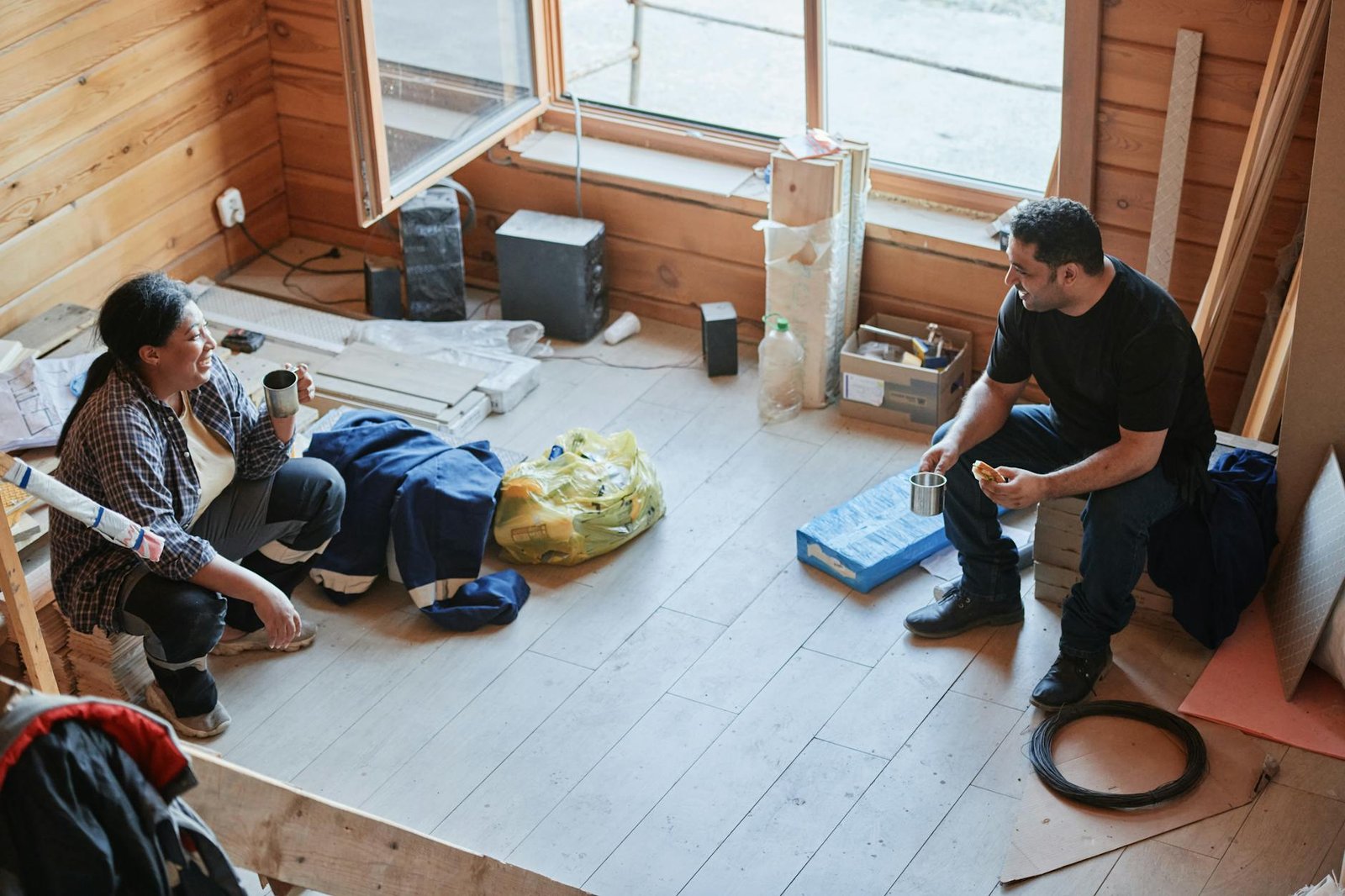
Find a decent spot: Even five minutes sitting somewhere besides your vehicle makes lunch better. A tailgate, a stack of lumber, whatever works.
Take an actual break: Don’t scroll your phone the whole time. Let your body rest.
Eat with crew members: Social lunch beats isolated lunch. Share food, swap stories, decompress together.
Bring something to look forward to: A good cookie, a candy bar, whatever small thing makes lunch feel less like fuel and more like a break.
The mental break matters as much as the physical fuel.
Budget-Friendly Bulk Buying
Save more money by buying lunch components in bulk.
Costco/Sam’s Club items worth buying:
- Deli meat in larger quantities (freeze half if needed)
- Cheese blocks (slice yourself)
- Bread (freeze extra loaves)
- Nuts and trail mix ingredients
- Beef jerky
- Protein bars
- Crackers
Store brands work fine: Nobody cares if your lunch meat is name-brand. The store brand tastes nearly identical for 30% less.
Buy seasonal produce: Apples in fall, citrus in winter. Seasonal produce costs less and tastes better.
Supplements and Extras
Some guys add supplements to their lunch routine.
Multivitamin: Covers nutritional gaps from eating the same foods repeatedly.
Protein powder: Easy way to boost protein without extra bulk. Mix with water or add to a shake.
Electrolyte packets: For hot days when you’re sweating heavily. Add to your water.
Fish oil: If you’re not eating fish regularly, fish oil capsules support joint health and reduce inflammation.
Check with a doctor before adding supplements, but these are generally safe and helpful.
When You Absolutely Can’t Pack Lunch
Some days it doesn’t happen. Here’s how to minimize damage.
Gas station wins: String cheese, hard-boiled eggs, beef jerky, nuts, and a banana. Skip the roller dogs and fried garbage.
Fast food better choices: Grilled chicken sandwiches, burgers (not the triple bacon ones), Subway (actually decent for construction work).
Grocery store deli: Grab a premade sandwich and fruit. Better than most fast food and similarly priced.
Don’t beat yourself up over occasionally bought lunches. The goal is most days, not perfect days.
Frequently Asked Questions
What’s the best lunch box for construction workers?
Look for hard-sided coolers with good insulation. Brands like YETI, Coleman, or Igloo make excellent options. The investment pays off in food that stays cold and a lunch box that survives job site abuse.
How long can a sandwich with mayo stay unrefrigerated?
With ice packs in an insulated lunch box, mayo-based sandwiches safely last 4-6 hours. Mayo is actually more stable than people think because of its acidity. The danger comes from the proteins (meat, eggs) more than the mayo itself.
What if I don’t have time to prep lunch?
Keep backup options available. Peanut butter, crackers, canned tuna, protein bars, and beef jerky require zero prep. These emergency lunches beat buying lunch every time.
Should I eat a big lunch or spread food throughout the day?
Personal preference. Some guys do better with a solid lunch. Others graze on smaller amounts every few hours. Listen to your body and energy levels.
Can I freeze sandwiches?
Yes, but not all types. PB&J freezes great. Deli meat and cheese sandwiches work okay (leave off the lettuce and tomato, add those fresh). Egg salad and tuna salad sandwiches don’t freeze well.
What about dietary restrictions?
These ideas adapt easily. Gluten-free bread, dairy-free cheese alternatives, and vegetarian protein sources (beans, chickpeas, tofu) all work with these concepts. The principles remain the same regardless of dietary needs.
How do I keep food cold without ice packs?
Freeze water bottles overnight and pack them with your lunch. They keep food cold, and you get ice-cold water as they thaw. Frozen juice boxes work similarly.
Are protein bars a good lunch replacement?
For emergencies, yes. As a daily habit, no. Whole foods provide better nutrition, more satisfaction, and cost less. Use protein bars as supplements or backup options, not primary meals.
What’s the minimum I should pack for a physical job?
Aim for at least 800-1000 calories at lunch if you’re eating breakfast and dinner normally. That’s roughly a substantial sandwich, fruit, some nuts or chips, and a protein source like cheese or hard-boiled eggs.
How do I prevent bread from getting soggy?
Pack wet ingredients (tomatoes, pickles, condiments) separately and add them when eating. Or use a barrier like lettuce between the bread and wet ingredients. Toasting bread also helps it resist moisture.
Final Thoughts on Construction Lunch Success
Packing lunch for construction work is genuinely simple once you establish a rhythm. Pick 5-7 lunch ideas that work for you. Prep components on Sunday. Assemble lunch the night before. Repeat.
The food itself matters less than consistency. A guy who packs a basic turkey sandwich every day saves more money and maintains better energy than someone who packs elaborate meals sporadically before giving up and buying lunch.
Start with the simplest options on this list. Master those. Then expand to other ideas when you’re ready.
Your body is your primary tool on a construction site. Feed it properly, and everything else gets easier. Better focus, more strength, sustained energy throughout the day, fewer injuries, and a better mood.
That $5 worth of groceries you pack becomes the difference between finishing the day strong versus dragging through the last hours, counting down until quitting time.
The 31 ideas above give you a month of different lunches without repetition. Mix them, modify them, or use them as inspiration for your own creations. The goal isn’t following recipes perfectly. The goal is to show up to work properly fueled.
Now pack tomorrow’s lunch tonight. Your future self will thank you when you’re not standing in a gas station line at noon, watching your break time and money disappear.
SUGGESTED POST >> 30-Min Healthy Air Fryer Meal Prep Recipes
Discover more from Meal Prep Insider
Subscribe to get the latest posts sent to your email.