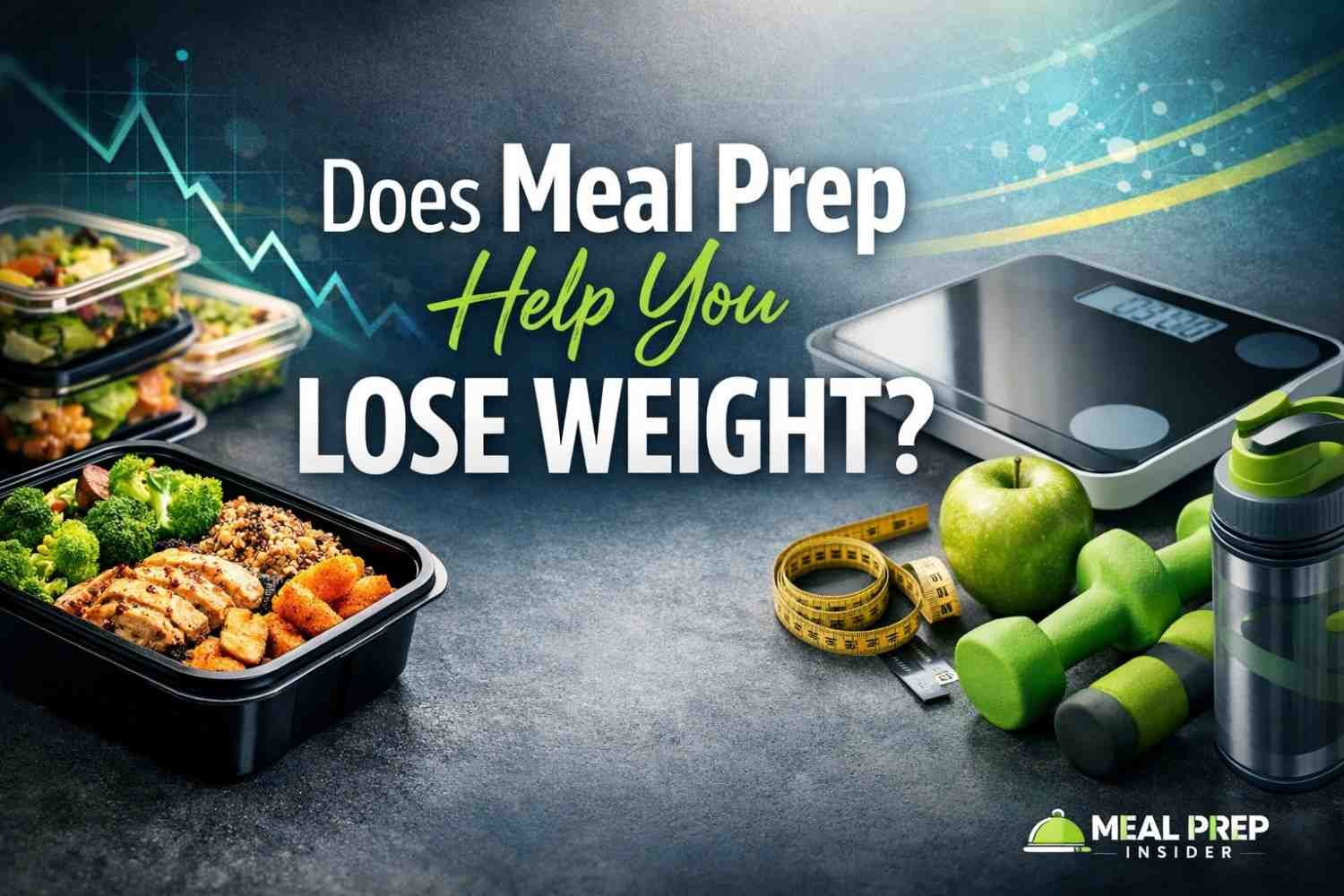
Does Meal Prep Help You Lose Weight? New Shocking Facts

Does Meal Prep Help You Lose Weight?: Wondering if meal prep actually helps with weight loss? Here’s an honest, research-backed breakdown of what works, what doesn’t, and how to start.
Learn if meal prepping really helps with weight loss. Discover how portion control, better nutrition, and calorie management make it an effective tool for sustainable fat loss and healthy habits in busy American lifestyles.
Does Meal Prep Help You Lose Weight?
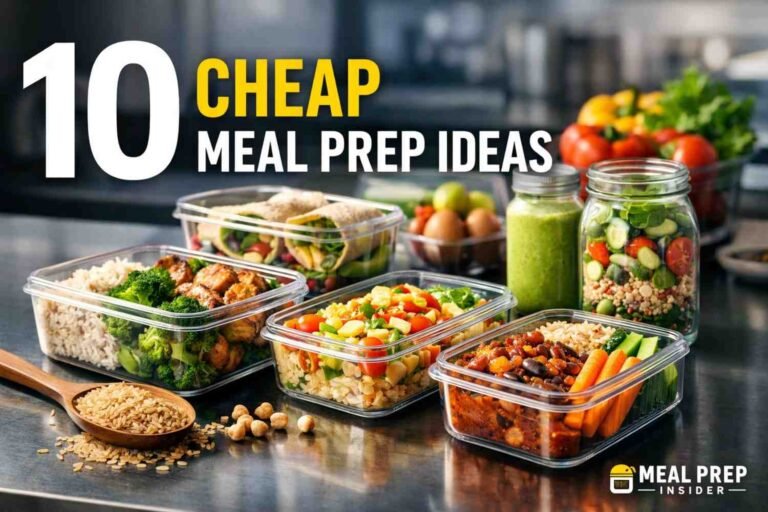
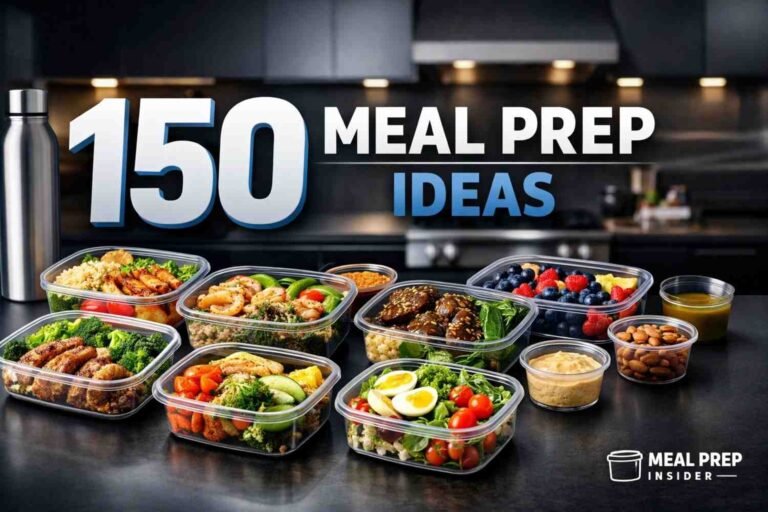
Let’s be honest. You’ve seen the Sunday meal prep posts — rows of glass containers, grilled chicken, roasted broccoli, and brown rice lined up like soldiers. Looks impressive. Looks healthy.
But does it actually move the scale?
The short answer is: it can. The longer answer is more interesting.
Meal prep isn’t magic. It won’t override a bad diet or make up for zero physical activity. But for a lot of people in the US — juggling long work hours, school runs, and fast-food joints on every corner — it genuinely changes the game.
Here’s a real look at the connection between meal prep and weight loss. No hype. No fluff.
What Meal Prep Actually Means
People use “meal prep” to mean different things. Some folks cook seven full dinners on Sunday. Others just chop their vegetables ahead of time or portion out snacks into bags.
It all counts.
At its core, meal prep is the practice of preparing some or all of your meals in advance. You decide what goes into your food before you’re hungry and in a rush. That’s the key part — the before.
Decision fatigue is real. By the time most people get home after a long day, they’re tired. Hungry. Done. And when that happens, the drive-through wins.
Meal prep removes that battle.
The Science Behind It (Without Putting You to Sleep)
Research actually backs this up.
A 2017 study published in the International Journal of Behavioral Nutrition and Physical Activity found that people who planned their meals in advance had better diet quality and were less likely to be overweight or obese. Participants who regularly planned meals consumed more fruit and vegetables and had a more varied, balanced diet overall.
Another study from Cornell University showed that people make over 200 food decisions per day. Most of those decisions happen on autopilot — influenced by convenience, hunger, and environment. Meal prep shifts those decisions to a calmer, more intentional moment.
That shift matters more than most people realize.
When you walk into a kitchen where your lunch is already made, you’re not choosing between a salad and a burger. You’re just eating the salad. The hard decision was already made.
How Meal Prep Supports Weight Loss Specifically
Let’s break this down into the specific ways meal prep creates conditions for weight loss.
It Controls Portions Without Willpower
One of the biggest drivers of weight gain is portion size. American restaurant portions are notoriously large — sometimes two to three times what a single serving should be.
When you prep meals at home, you decide how much goes into each container. You’re not guessing. You’re not eyeballing a pile of pasta and hoping for the best.
This is huge.
Controlled portions mean controlled calories. And calories — while not the only thing that matters — do matter when it comes to weight loss.
It Reduces Impulse Eating
Impulse eating is the enemy. You’re not even hungry. You’re just bored, stressed, or standing in front of the pantry out of habit.
When your meals are prepped, there’s less reason to wander into the kitchen looking for “something.” Your next meal is sorted. There’s structure. That structure reduces the mindless grabbing that adds up over time.
It Cuts Down on Takeout and Fast Food
The average American spends over $1,200 a year on fast food alone. That’s a lot of fries. A lot of sodium. A lot of hidden calories.
Fast food isn’t just expensive. It’s typically high in calories, low in protein, and almost entirely lacking in vegetables. Not a great combo if you’re trying to lose weight.
When you have meals ready at home, the temptation to order out drops significantly. You’re less likely to pick up a combo meal when grilled salmon and quinoa are already sitting in your fridge.
It Helps You Eat More Protein and Vegetables
Here’s something people don’t talk about enough. Weight loss is much easier when you’re getting enough protein.
Protein keeps you full. It supports muscle retention, especially if you’re in a calorie deficit. It also has a higher thermic effect than carbs or fat, meaning your body burns more calories digesting it.
When people prep their meals, they tend to plan protein-forward dishes. Chicken breast, turkey, eggs, Greek yogurt, legumes. These foods almost always feature in meal prep plans because they’re practical, filling, and cheap.
The same goes for vegetables. When you’re prepping anyway, chopping up a bag of mixed vegetables is easy. They’re there. You eat them.
It Makes Tracking Easier
Whether you’re using a calorie-counting app or just trying to be mindful, meal prep makes tracking much easier.
You know exactly what’s in your food because you made it. No guessing at restaurant macros. No hidden oils or sauces adding 300 calories you didn’t account for.
For people who track their intake as part of their weight loss strategy, meal prep is a game-changer.

The Flip Side: When Meal Prep Doesn’t Help
Here’s where I’ll be real with you.
Meal prep doesn’t automatically equal weight loss. There are ways people mess it up — or ways it just doesn’t work for their lifestyle.
You Prep the Wrong Foods
Prepping a week’s worth of mac and cheese, buttery mashed potatoes, and sugary overnight oats isn’t going to help you lose weight. It might actually help you gain it.
The food itself still matters. Meal prep is a tool. What you put in that tool determines the result.
You Over-Prep and Get Bored
Eating the same meal every single day gets old fast. After three days of plain chicken and steamed broccoli, most people crack. They order pizza. They feel like they failed. They stop altogether.
This is a very common cycle.
Variety isn’t just nice to have — it’s a strategy. Build rotation into your prep. Two or three different protein options. Different seasonings. Mix up your sides.
You Prep Too Much Food
Prepping five days’ worth of meals sounds efficient. But life happens. You eat out unexpectedly on Wednesday. You’re traveling on Thursday. Now half your containers are sitting in the fridge going bad, and you feel guilty.
Start smaller. Two to three days at a time is often more realistic for most households.
You Don’t Adjust Portions to Your Goals
Meal prep with no calorie awareness can sometimes lead to overeating “healthy” food. Avocado, nuts, brown rice — all nutritious, all calorie-dense.
If your portions are too large, you won’t lose weight. Even with meal prep.
RELATED POST >> How Much Does Meal Prep Cost Per Week? Numbers Don’t Lie
Meal Prep Strategies That Actually Work for Weight Loss
Let’s get practical. Here are strategies that work specifically for people trying to lose weight.
The Batch Cooking Method
Cook large quantities of individual components, then mix and match throughout the week.
- A big batch of grilled chicken
- Roasted vegetables (whatever’s in season)
- A grain like brown rice or farro
- A sauce or dressing on the side
This gives you variety without cooking from scratch every day. On Monday, you have a rice bowl. Tuesday, it’s a salad with the same chicken. On Wednesday, you throw it all in a wrap.
Same ingredients. Different meals. Less boredom.
The Breakfast-and-Lunch Focus
A lot of people struggle most at breakfast and lunch — the two meals most likely to be skipped or replaced with junk food.
If you only prep two meals a day, make it these. A solid high-protein breakfast (overnight oats, egg muffins, Greek yogurt parfait) and a simple lunch (grain bowl, salad with protein, leftovers in a container) can transform your week.
Dinner can stay flexible.
Protein First, Always
When planning your prep, start with your protein source. Everything else builds around it.
This approach naturally keeps meals balanced and filling. It also prevents the classic “I prepped a bunch of sides but have nothing to actually eat” problem.
The Freezer Trick
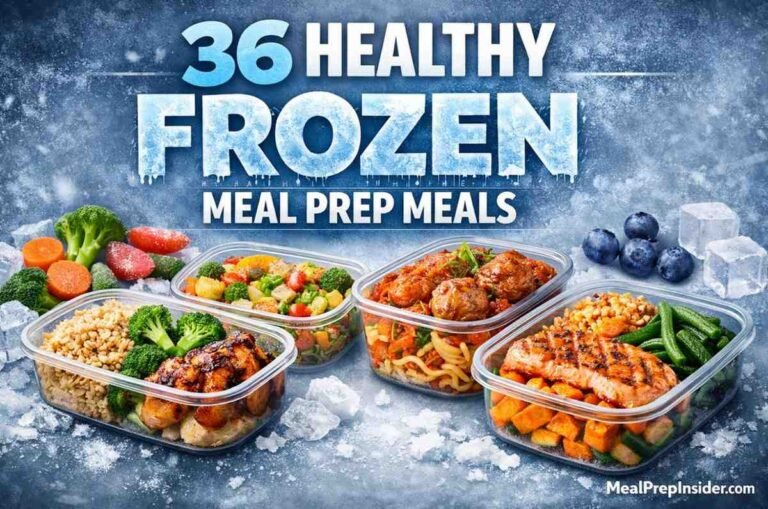
Soups, stews, turkey meatballs, chili — these freeze beautifully. When you’re prepping, double the recipe and freeze half.
Now you have meals for two weeks instead of one. And on the weeks you’re too busy to prep, you’re covered. You pull something from the freezer instead of ordering delivery.
This is underrated. Most people don’t use their freezer nearly enough.
Sample Meal Prep Plan for Weight Loss
Here’s a simple weekly plan. Adjust for your calorie needs, but this gives you a starting point.
| Meal | Monday–Wednesday | Thursday–Friday |
|---|---|---|
| Breakfast | Egg muffins + fruit | Greek yogurt + granola + berries |
| Lunch | Chicken + roasted veggies + brown rice | Turkey lettuce wraps + hummus |
| Snack | Apple + almond butter | Cottage cheese + cucumber |
| Dinner | Flexible (cook fresh or leftovers) | Flexible |
This structure keeps breakfast and lunch locked in while leaving dinner open. For most people, that balance works well.
What to Meal Prep When You’re Trying to Lose Weight
Not all foods are equal when it comes to weight loss meal prep. Here’s a quick breakdown:
High-Priority Proteins
- Chicken breast or thighs
- Ground turkey
- Eggs and egg whites
- Canned or fresh fish (tuna, salmon, tilapia)
- Legumes (lentils, black beans, chickpeas)
- Greek yogurt and cottage cheese
Smart Carbohydrates
- Brown rice
- Quinoa
- Sweet potatoes
- Oats
- Whole-grain wraps or bread
Vegetables Worth Prepping
- Broccoli, cauliflower, Brussels sprouts
- Bell peppers, zucchini, spinach
- Roasted carrots or beets
- Cucumbers and cherry tomatoes (for raw options)
Healthy Fats (In Moderation)
- Avocado (prep fresh — doesn’t store well)
- Olive oil-based dressings
- Nuts and seeds as toppings
Real Talk: Does Meal Prep Work If You Have a Busy Life?
Yes. But it needs to fit your actual life — not someone else’s Instagram version of it.
You don’t need a four-hour Sunday session. You don’t need matching glass containers or a label maker.
Even 30 minutes of prep makes a difference. Boil a dozen eggs. Washing and chopping vegetables. Making a big pot of rice. Portioning out snacks.
Those small actions compound. They change your default behavior throughout the week.
Think of it as removing friction. Every time you reach for food, you’re taking the path of least resistance. Meal prep makes the healthy option the easiest option.
That’s the whole point.
Common Myths About Meal Prep and Weight Loss
There’s a lot of noise out there. Let’s clear a few things up.
Myth: You need to track every macro precisely.
You don’t. While tracking can help some people, plenty of folks lose weight through meal prep without ever counting a single calorie. The act of cooking whole foods at home and controlling portions is often enough.
Myth: Healthy meal prep is expensive.
It doesn’t have to be. Chicken thighs, eggs, oats, frozen vegetables, canned beans — these are some of the most affordable foods in any grocery store. Buying in bulk and cooking at home is almost always cheaper than eating out.
Myth: Meal prep food tastes bad.
This one’s on technique, not the concept. Properly seasoned, well-cooked food stored correctly tastes great for several days. The problem is usually bland cooking or poor storage, not meal prep itself.
Myth: You have to do it all on Sunday.
No rule says that. Some people prep on Wednesday and Sunday. Some do a little every night. Find what rhythm works for your schedule.
Meal Prep vs. Dieting: What’s the Difference?
A lot of people think of meal prep and dieting as the same thing. They’re not.
Dieting usually implies restriction. A set of rules about what you can and can’t eat. A temporary state with an end date.
Meal prep is a behavior. A habit. A way of managing your food environment.
You can meal prep on any eating plan — keto, Mediterranean, intermittent fasting, calorie counting, or none of the above. It’s not tied to any one approach.
That’s actually one of its biggest strengths. Meal prep is flexible. It serves whatever goal you have. For weight loss, it’s a very effective tool because it changes your food environment in your favor.
How Long Before You See Results?
This is the question everyone wants answered.
Honestly? Most people notice changes within two to four weeks of consistent meal prepping — not because meal prep itself does something magical, but because they’re naturally eating less junk, more protein, and fewer surprise calories.
The results you see depend on:
- How significant is the change from your previous eating habits
- Your calorie deficit (if any)
- Your activity level
- Your starting point
For someone who was eating fast food daily and switches to prepped meals, the change can be quite noticeable within a month. For someone who already eats fairly well, the impact might be more subtle — better energy, less bloating, slightly easier to maintain a healthy weight.
Either way, consistency matters more than intensity. A slightly imperfect meal prep routine you maintain for three months beats a perfect one you abandon after two weeks.
Tips to Stay Consistent With Meal Prep
Consistency is the part most people struggle with. Here are practical ways to stick with it.
- Keep your prep day sacred. Block 30–60 minutes in your calendar like it’s a meeting. It is.
- Invest in decent containers. You don’t need fancy ones, but containers that seal well and stack easily make a real difference.
- Prep what you actually enjoy eating. This sounds obvious. People still ignore it. If you hate kale, don’t prep kale.
- Have a backup plan. Keep some frozen protein, canned fish, or eggs available for the week’s prep, in case it doesn’t happen.
- Start with just one meal. Commit to prepping just breakfast for two weeks. Then add lunch. Build the habit slowly.
The Bottom Line
Meal prep helps you lose weight by making healthy eating your default option, not a heroic daily effort.
It removes the friction. It eliminates decisions made in a state of hunger or fatigue. It puts you in control of your portions and ingredients before hunger or convenience can override your intentions.
Is it a guaranteed weight loss strategy? No.
But combined with a reasonable calorie goal, decent sleep, some movement, and consistency? It’s one of the most practical tools available — especially in a food environment designed to make overeating easy.
You don’t need to overhaul your life. Start small. Pick one or two meals. Make them in advance. See how your week feels different.
That’s the version of meal prep that actually works.
Frequently Asked Questions
Q: Can meal prep alone cause weight loss without exercise? Yes, diet plays the larger role in weight loss — roughly 70 to 80 percent according to most research. Exercise helps, but if meal prep leads you to consistently eat fewer calories and higher-quality food, weight loss can happen without any additional exercise.
Q: How many calories should my meal-prepped meals be? This depends on your weight, height, age, activity level, and goal. A general starting point for weight loss is a 300–500-calorie daily deficit relative to your maintenance calories. Use a TDEE (total daily energy expenditure) calculator to get a personalized baseline.
Q: Is it safe to meal prep for 5 days at once? For most cooked foods — chicken, grains, roasted vegetables — four to five days in the fridge is generally safe. Fish and leafy greens are better consumed within two to three days. When in doubt, freeze anything beyond day three.
Q: What’s the best container for meal prep? Glass containers are preferred for reheating and longevity. BPA-free plastic containers work well for packed lunches. For portion control, look for divided containers that keep items separate.
Q: Does meal prep work for families, or is it only for single people? It works for families — it just scales differently. Batch-cooking large quantities of protein and grains, then assembling different meals to suit different preferences, is how most families make it work.
Q: What if I don’t have time to meal prep? Even 20 minutes helps. Focus on high-impact, low-effort items: hard-boiled eggs, washed fruit, portioned nuts, cooked grains. These require minimal effort and remove the need for decision-making at the worst moments.
Q: Can I lose weight doing meal prep if I have dietary restrictions? Absolutely. Meal prep is adaptable to virtually any dietary need — gluten-free, dairy-free, vegan, low-sodium, diabetic-friendly. The structure of planning ahead actually makes it easier to consistently manage dietary restrictions.
SUGGESTED POST >> 50 Easy Recipes for College Students: Dorm-Budget-Friendly
Discover more from Meal Prep Insider
Subscribe to get the latest posts sent to your email.