Clean Plate Meal Prep: Your Ultimate Guide Now

Clean plate meal prep changes everything about how Americans approach food, time, and health. You’re probably tired of ordering expensive takeout at 9 PM because you didn’t plan. Or maybe you’ve watched another batch of vegetables turn to mush in your fridge while you scroll through delivery apps.
This isn’t another basic meal prep article.
What you’re about to read will shift your entire relationship with cooking, eating, and nourishing yourself. Most people think meal prep means eating bland chicken and broccoli for six days straight. They’re wrong. Clean plate meal prep combines efficiency with flavor, nutrition with satisfaction, and planning with flexibility.
The secret? It’s simpler than you think.
What Clean Plate Meal Prep Really Means
Clean plate meal prep focuses on preparing complete, balanced meals in advance that you’ll finish without waste or regret. The “clean plate” part isn’t about forcing yourself to overeat. It’s about creating meals so satisfying and properly portioned that nothing goes to waste.
Think of it as intentional cooking.
You’re designing your week ahead of time. Every ingredient has a purpose. Every container holds exactly what your body needs. No mystery leftovers. No forgotten produce decomposing in the crisper drawer.
This approach saves the average American household between $250 and $400 monthly. That’s not counting the time saved or the mental energy preserved when you’re not making food decisions three times daily.
Why Traditional Meal Prep Fails Most People
Here’s the truth: most meal prep advice sets you up for failure.
Those Instagram-perfect rainbow containers? They take four hours to prepare and taste like cardboard by Wednesday. The ultra-restrictive plans? They ignore that humans crave variety and flavor. The complicated recipes requiring seventeen ingredients? They’re not sustainable for people with actual jobs and lives.
Clean plate meal prep succeeds because it works with your schedule, not against it.
You don’t need expensive containers, exotic ingredients, or an entire Sunday sacrificed to your kitchen. You need a system that respects your time while delivering real nutrition.
The Core Principles of Clean Plate Meal Prep
Simplicity beats complexity every time
Start with proteins that you can prepare multiple ways. A batch of seasoned ground turkey becomes taco filling, pasta sauce base, or breakfast scramble. Grilled chicken transforms into a salad topper, wrap filling, or grain bowl centerpiece.
Variety prevents boredom
Prepare components, not complete meals. Cook three proteins, four vegetables, and two grains. Mix and match throughout the week. Monday’s lunch differs from Thursday’s even though you used the same building blocks.
Nutrition drives decisions
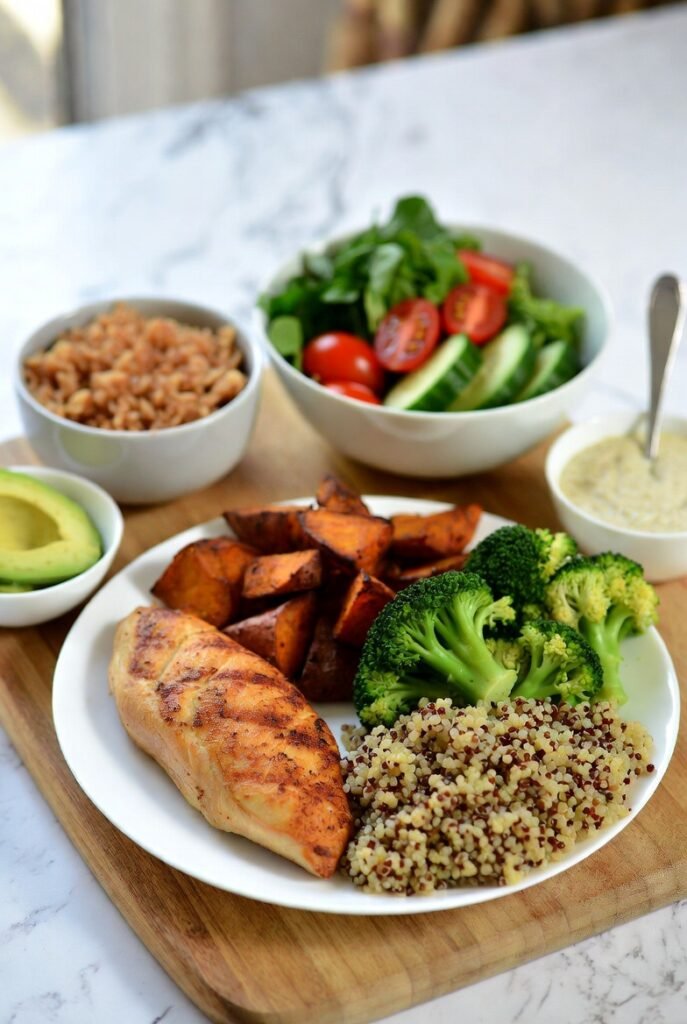
Each meal should include protein, fiber, healthy fats, and complex carbohydrates. This combination keeps you full, energized, and satisfied. No mid-afternoon vending machine raids needed.
Flexibility ensures success
Life happens. Build in buffer meals. Keep quality frozen options available. Don’t create a system so rigid that it collapses when you work late one evening.
Getting Started: Your First Week of Clean Plate Meal Prep
Equipment you need:
- 5-7 glass or BPA-free plastic containers
- A decent knife
- Two sheet pans
- A large pot
- Basic measuring tools
That’s it. No specialized gadgets required.
Time commitment:
Your first session takes 2-3 hours. By week four, you’ll complete everything in 90 minutes or less. The efficiency builds as you understand the system.
Shopping strategy:
Pick one day for shopping. Sunday works for most people, but choose whatever fits your schedule. Buy for specific meals, not random ingredients. Your list should connect directly to your prep plan.
The Ultimate Clean Plate Meal Prep Template
Here’s a framework that works for busy Americans juggling work, family, and life:
Proteins (choose 2-3):
- Grilled chicken breast or thighs
- Baked salmon or white fish
- Ground turkey or beef
- Hard-boiled eggs
- Baked tofu or tempeh
Vegetables (choose 3-4):
- Roasted broccoli and cauliflower
- Sautéed bell peppers and onions
- Fresh greens (arugula, spinach, mixed)
- Roasted sweet potatoes
- Steamed green beans
Carbohydrates (choose 2):
- Brown rice or quinoa
- Whole wheat pasta
- Roasted regular potatoes
- Overnight oats base
Healthy fats:
- Avocado (prep fresh daily)
- Nuts and seeds
- Olive oil dressings
- Natural nut butters
Sample Weekly Clean Plate Meal Prep Schedule
Monday:
- Breakfast: Overnight oats with berries and almond butter
- Lunch: Grilled chicken with quinoa and roasted vegetables
- Dinner: Salmon with sweet potato and green beans
Tuesday:
- Breakfast: Egg scramble with peppers and whole-grain toast
- Lunch: Ground turkey taco bowl with brown rice and fresh greens
- Dinner: Chicken stir-fry with mixed vegetables over rice
Wednesday:
- Breakfast: Greek yogurt parfait with granola and fruit
- Lunch: Salmon salad with mixed greens and quinoa
- Dinner: Turkey meatballs with whole wheat pasta and marinara
Thursday:
- Breakfast: Veggie omelet with sweet potato hash
- Lunch: Chicken and vegetable soup with whole grain crackers
- Dinner: Baked tofu with roasted vegetables and brown rice
Friday:
- Breakfast: Smoothie bowl with prepared fruit and granola
- Lunch: Leftover creative combination
- Dinner: Eat out or cook fresh (planned break)
Notice the pattern? Same core ingredients, completely different meals.
Time-Saving Techniques That Make a Difference
Batch cooking multiplies efficiency
While chicken bakes, vegetables roast. While grains cook, proteins marinate. Every minute counts. Use your oven, stovetop, and possibly a slow cooker simultaneously.
Prep in stages
Not everyone has three consecutive hours on Sunday. Break it up. Friday night: shopping. Saturday morning: chop vegetables. Sunday afternoon: cook proteins and grains.
Use strategic shortcuts
Pre-washed greens aren’t lazy—they’re smart. Rotisserie chicken saves 45 minutes. Frozen vegetables often contain more nutrients than “fresh” ones shipped across the country.
Quality shortcuts exist. Use them.
Master the sheet pan method
One pan. Multiple vegetables. Single cleanup. Toss different vegetables with olive oil, spread them on parchment paper, season appropriately, and roast at 425°F. Harder vegetables like potatoes go in first. Softer ones like zucchini join later.
Storage Guidelines for Maximum Freshness
Most prepared meals stay fresh 4-5 days when stored properly. Glass containers maintain quality better than plastic. Let food cool completely before sealing to prevent condensation and sogginess.
Protein storage:
- Cooked chicken: 4 days
- Cooked fish: 2-3 days
- Hard-boiled eggs: 5-7 days
- Cooked ground meat: 3-4 days
Vegetable storage:
- Roasted vegetables: 4-5 days
- Fresh greens: 3-4 days (store separately with a paper towel)
- Cut raw vegetables: 3-4 days
Grain storage:
- Cooked rice: 4-5 days
- Cooked quinoa: 5-6 days
- Cooked pasta: 3-4 days
Label everything. Date it. The oldest food gets eaten first.
Avoiding the Pitfalls That Derail Progress
Overcomplicating the process
Don’t try seventeen new recipes your first week. Stick with familiar foods prepared efficiently. Complexity kills consistency.
Preparing too much food
Enthusiasm leads to waste. Start conservative. Five lunches and three dinners beat ten meals that go uneaten.
Ignoring personal preferences
If you hate meal prep chicken, don’t make it. Find proteins you enjoy. This system works only when you look forward to eating what you’ve prepared.
Skipping seasoning
Under-seasoned food guarantees you’ll order pizza on Wednesday. Use herbs, spices, citrus, and quality salt. Flavor matters.
Forgetting about texture
Everything mushy? You’ll quit. Keep some vegetables crisp. Add crunchy toppings. Include fresh elements even in prepped meals.
Budget-Friendly Clean Plate Meal Prep
Clean plate meal prep saves money, but strategic shopping maximizes savings.
Buy proteins on sale and freeze
When chicken drops to $1.99/pound, buy ten pounds. Freeze in meal-sized portions. Same with ground turkey, pork chops, or fish.
Embrace seasonal produce
Summer squash costs pennies in July. Winter squash dominates in October. Seasonal vegetables taste better and cost less.
Calculate cost per meal
Most home-prepped meals cost $3-5 each. Restaurant meals average $12-15. The math speaks for itself.
Use the whole ingredient
Chicken breasts for dinner. Carcass for stock. Vegetable scraps for broth. Minimize waste, maximize value.
Clean Plate Meal Prep for Different Dietary Approaches
Keto-friendly:
- Focus on fatty proteins (salmon, thighs, eggs)
- Low-carb vegetables (broccoli, cauliflower, zucchini)
- Healthy fats (avocado, nuts, olive oil)
- Skip grains and starchy vegetables
Plant-based:
- Legumes as primary protein (chickpeas, lentils, black beans)
- Tofu and tempeh in rotation
- Whole grains for completeness
- Varied vegetables for nutrients
Mediterranean-style:
- Fish twice weekly
- Lots of vegetables
- Whole grains
- Olive oil as primary fat
- Herbs and spices for flavor
Paleo-oriented:
- Quality proteins
- No grains or legumes
- Plenty of vegetables
- Natural fats
- Sweet potatoes for carbs
The clean plate meal prep system adapts to any nutritional approach.
Advanced Strategies for Meal Prep Veterans
Flavor rotation system
Week one: Mediterranean flavors (lemon, oregano, garlic). Week two: Asian-inspired (ginger, soy sauce, sesame). Week three: Mexican-style (cumin, chili powder, lime). Week four: Italian (tomatoes, basil, olive oil).
Same preparation methods. Completely different eating experience.
Freezer meals as backup
Prepare double batches occasionally. Freeze half. Build a reserve of ready meals for chaotic weeks.
Breakfast prep variations
Overnight oats in multiple flavors. Egg muffins with different vegetables. Smoothie packs in freezer bags. Breakfast shouldn’t require daily cooking.
Lunch-specific containers
Invest in quality lunch containers with compartments. Keep dressing separate from salads. Prevent sogginess. Maintain food quality until you’re ready to eat.
RELATED POST >> 212 Meal Prep Reviews: Real Customers Honest Feedbacks
How Clean Plate Meal Prep Transforms Your Health
The benefits extend beyond convenience.
Consistent meal prep means consistent nutrition. You’re not skipping meals or grabbing whatever’s convenient. Your body receives regular, balanced nutrition.
Portion awareness improves naturally. You see exactly how much you’re eating. Mindless snacking decreases when meals satisfy you properly.
Energy levels stabilize. Blood sugar doesn’t spike and crash from irregular eating patterns. You feel better throughout the day.
Weight management becomes easier. Not because you’re restricting, but because you’re eating appropriate portions of nutritious food regularly.
Troubleshooting Common Clean Plate Meal Prep Challenges
“I get bored eating the same things.”
You’re doing it wrong. Mix components differently. Use varied seasonings. Add fresh elements daily. Clean plate meal prep offers variety within structure.
“My food gets soggy by Thursday.”
Store components separately when possible. Add sauces right before eating. Choose vegetables that hold up well. Skip delicate greens in assembled meals.
“I don’t have time for meal prep.”
You don’t have time NOT to meal prep. Those twenty minutes deciding what to eat each day? That’s two hours weekly. Use them for prep instead.
“My family won’t eat prepped food.”
They eat leftovers, right? This is planned leftovers. If they object to containers, plate the food. Presentation changes perception.
“Prep day feels overwhelming.”
Start smaller. Prep just lunches first. Add breakfast second. Gradually build the habit. Rome wasn’t built in a Sunday afternoon.
The Connection Between Clean Plate Meal Prep and Environmental Impact
Food waste represents a massive environmental problem. Americans throw away 40% of purchased food.
Clean plate meal prep directly addresses this waste. You buy what you need. You use what you buy. Nothing rots forgotten in your refrigerator.
Batch cooking uses less energy than cooking individual meals daily. One oven session beats seven heating cycles.
Reusable containers eliminate disposable packaging from takeout orders. One set of glass containers replaces hundreds of plastic clamshells annually.
Intentional shopping reduces impulse purchases that go uneaten. Your grocery list becomes more efficient over time.
Making Clean Plate Meal Prep Work Long-Term
Sustainability matters more than perfection.
Some weeks you’ll nail it. Every meal prepared, everything delicious, nothing wasted. Other weeks, you’ll prep three lunches and wing the rest.
Both scenarios beat the chaos of no system at all.
The goal isn’t perfect adherence to a rigid plan. The goal is to create sustainable eating habits that serve your life, health, and schedule.
Start simple. Build gradually. Adjust as needed.
Month one: Prep lunches only
Month two: Add breakfast options
Month three: Include some dinners
Month four: Refine your personal system
By month four, this feels natural rather than forced.
Tools and Resources That Actually Help
Useful apps:
- Mealime (meal planning)
- AnyList (grocery organization)
- Paprika (recipe management)
Quality container brands:
- Glass: Pyrex, Glasslock
- Plastic: Rubbermaid Brilliance, Sistema
Time-saving equipment worth considering:
- Instant Pot (pressure cooking)
- Rice cooker (set it and forget it)
- Quality chef’s knife (speeds everything)
You don’t need everything. Add tools as your practice develops.
Real Talk: When Clean Plate Meal Prep Isn’t the Answer
Some situations don’t benefit from traditional meal prep.
If you’re recovering from disordered eating, rigid meal planning might trigger restriction patterns. Work with professionals to find your balance.
If you travel constantly for work, different strategies work better. Focus on making smart choices when eating out rather than prepping you can’t access.
If you genuinely enjoy cooking fresh meals daily and have the time, keep doing that. Meal prep solves problems. If you don’t have those problems, different approaches fit better.
The best system is the one you’ll use consistently.
Seasonal Meal Prep Adjustments
Your meal prep should evolve with the calendar.
Summer:
- Lighter proteins (fish, chicken breast)
- Abundant fresh vegetables
- Cold grain salads
- Grilled preparations
Fall:
- Heartier proteins (thighs, beef)
- Root vegetables
- Warm grain bowls
- Roasted preparations
Winter:
- Slow-cooked proteins (stews, braises)
- Stored vegetables (squash, potatoes)
- Warming soups
- Oven-based cooking
Spring:
- Lighter transitions
- First fresh produce
- Renewed variety
- Mix of methods
Eating seasonally improves flavor and reduces costs.
Building Your Personal Clean Plate Meal Prep System
No two people prep identically. Your perfect system reflects your schedule, preferences, and goals.
Consider these factors:
Work schedule: Do you work traditional hours, shifts, or irregular patterns?
Family situation: Cooking for one differs from feeding four people.
Cooking skill level: Start where you are. Skills develop with practice.
Available time: Two focused hours beat four distracted ones.
Kitchen setup: Work with your space and equipment.
Dietary needs: Allergies, preferences, and restrictions shape your approach.
Budget constraints: Quality meal prep works at every price point.
Design your system around these realities.
The Psychology of Clean Plate Success
Meal prep succeeds or fails in your mind before it hits your kitchen.
Decision fatigue is real
Every food choice drains mental energy. Eliminate unnecessary decisions. Save that energy for important things.
Habit beats motivation
Motivation fluctuates. Habits persist. Build the habit of Sunday prep. Eventually, it happens automatically.
Visual cues matter
Seeing prepared meals in your fridge reminds you of your commitment. Clear containers showcase your effort.
Identity shift drives change
You’re not someone who “tries to meal prep.” You’re someone who preps meals. That identity shift changes behavior.
Taking Action: Your First Clean Plate Meal Prep Session
Enough theory. Here’s exactly what to do this weekend.
Friday evening (15 minutes):
- Choose 2 proteins, 3 vegetables, 2 grains
- Write your shopping list
- Check your pantry for basics
Saturday morning (45 minutes):
- Shop for ingredients
- Put everything away, organized by category
Sunday afternoon (2 hours):
- Start grains cooking (rice cooker or pot)
- Prep vegetables (wash, chop, organize)
- Season and start cooking proteins
- While proteins cook, roast vegetables
- Portion everything into containers
- Label and store
Monday:
- Eat the food you prepared
- Notice how different this feels
- Adjust next week based on what you learned
That’s it. Simple, actionable, effective.
Frequently Asked Questions
How long does meal-prepped food stay fresh?
Most proteins and cooked vegetables stay fresh 4-5 days when properly stored in airtight containers in the refrigerator. Fish is best consumed within 2-3 days. If you’re prepping for a full week, consider freezing meals you’ll eat after day four.
Can I meal prep if I don’t have much cooking experience?
Absolutely. Start with basic proteins like baked chicken or hard-boiled eggs. Steam or roast vegetables. Cook rice or quinoa. These simple techniques require minimal skill but deliver excellent results. Your abilities will grow with each prep session.
What if I get tired of eating the same meals?
Clean plate meal prep focuses on preparing components, not identical complete meals. Use different seasonings, sauces, and combinations throughout the week. Monday’s grilled chicken in a Mexican-style bowl tastes completely different from Wednesday’s chicken over Italian pasta.
Is meal prep cost-effective for one person?
Yes. Single-person households often benefit most from meal prep because buying ingredients in normal quantities creates multiple meals, preventing waste. You’ll spend less than eating out while ensuring you always have food ready.
How do I prevent meal prep burnout?
Build flexibility into your system. Don’t prep seven dinners if you enjoy cooking fresh meals some evenings. Maybe prep only lunches and breakfasts. Or prep components, but assemble meals fresh. Find the balance that serves you without overwhelming you.
What containers work best for meal prep?
Glass containers with airtight lids offer the best quality and durability. They’re microwave-safe, don’t stain, and don’t retain odors. BPA-free plastic containers work well for lunches you’ll eat cold. Invest in quality containers—they’ll last for years.
Can I meal prep and still eat out sometimes?
Of course. Clean plate meal prep creates structure and options, not prison. Having prepared meals means you choose to eat out rather than being forced to by a lack of food at home. That intentionality feels completely different.
How do I handle different dietary needs in one household?
Prep components rather than complete meals. Everyone shares the same proteins, grains, and vegetables, but combines them according to individual needs. This approach accommodates various preferences without requiring separate cooking sessions.
What if I miss a prep session?
Life happens. Keep quality frozen meals as backup. Prep partial batches. Use rotisserie chicken and pre-washed vegetables for a quick mini-prep. The system should support your life, not add stress when circumstances change.
How much money can I realistically save with meal prep?
The average American spends $250-300 monthly on restaurant meals and takeout. Meal prepping most meals reduces this by 60-80%, saving $150-240 monthly. Annual savings often exceed $2,000, not including reduced food waste from groceries that previously spoiled.
Your Clean Plate Meal Prep Journey Starts Now
You’ve reached the end of this guide, but the beginning of something better.
Clean plate meal prep isn’t about perfection. It’s about progress. It’s choosing to invest a few hours weekly to reclaim time, money, and health daily.
Start small. Start this weekend. Start with whatever feels manageable.
Prep three lunches. See how that feels. Build from there.
The containers in your fridge represent more than food. They represent taking control. They demonstrate that you’re worth the effort. They prove that planning beats constant crisis management.
Your future self—the one who isn’t hungry, stressed, and scrolling through expensive delivery apps at 9 PM on Tuesday—will thank you.
Stop reading. Start prepping.
Your clean plate journey begins with a single shopping list, one prep session, and the decision that you deserve better than chaos.
Make that decision today.
SUGGESTED POST >> Is Pyrex Microwave Safe? Quick Answer Before Next Reheat
Discover more from Meal Prep Insider
Subscribe to get the latest posts sent to your email.