Top 10 Cheap Meal Prep Ideas That Won’t Bore You to Death

Discover easy and cheap meal prep ideas for busy Americans! Budget-friendly recipes, high-protein meals, and simple weekly meal plans that save time and money. Perfect for families and students on a tight budget.
Cheap Meal Prep Ideas
Let’s be honest. Most meal prep advice online sounds like it was written by someone who’s never had to check their bank account before grocery shopping. You’ll see these beautiful glass containers with perfectly portioned salmon, asparagus, and quinoa lined up on a marble countertop. And you’re sitting there thinking, “Cool. I have $47 to feed myself for the next two weeks.”
This post is for you.
Not the Instagram crowd. Not the fitness influencer who spends $200 on groceries every Sunday. This is for regular people in the United States who want to eat decent food without going broke or spending their entire weekend in the kitchen.
Meal prepping on a budget isn’t complicated. But it does require a shift in how you think about food. It’s less about following trendy recipes and more about being strategic. Smart shopping. Simple cooking. And knowing what ingredients give you the most bang for your buck.
Let’s get into it.
Why Meal Prep Saves You More Than You Think
People talk about meal prep like it’s just a time-saver. It is. But the money part? That’s where it really hits different.
The average American household spends around $475 per month on groceries, according to the USDA. And a big chunk of that gets wasted. We’re talking roughly 30-40% of food purchased in the U.S. ends up in the trash. That’s not a small number. That’s hundreds of dollars a year literally rotting in your fridge.
Meal prepping cuts down on waste dramatically. When you plan what you’re going to eat ahead of time, you buy what you need. Nothing sits in the back of the crisper drawer, turning into a science experiment.
Here’s what consistent meal prep does for your wallet:
- Reduces impulse buys at the grocery store
- Eliminates most takeout and delivery spending
- Minimizes food waste by using ingredients intentionally
- Let’s you buy in bulk without things going bad
- Helps you take advantage of sales and seasonal pricing
One study found that Americans spend an average of $150 to $200 per month on dining out. If meal prepping cuts even half of that, you’re saving $75-$100 a month without really trying. Over a year? That’s $900 to $1,200. Not nothing.
The Real Cost of Not Prepping
Before we jump into the actual ideas, let’s talk about what happens when you don’t prep.
Monday morning. You didn’t plan anything. You grab coffee and a breakfast sandwich on the way to work. That’s $7-$10 right there. Lunch rolls around, and you hit a fast-casual spot. Another $12-$15. By dinner, you’re tired, so you order delivery. With fees and tip, that’s $25-$35.
That’s potentially $44-$60 in a single day. On food alone. Multiply that across even three or four days a week, and you’re looking at some serious spending.
Meal prep doesn’t mean you never eat out. It just means you’re not forced to eat out because you have no other option. There’s a big difference between choosing to grab dinner with friends and desperately ordering DoorDash because your fridge is empty.
Start With the Cheap Staples
The foundation of budget meal prep is built on a handful of affordable staples. These are your workhorses. They’re cheap, versatile, and they keep well.
Here’s your core lineup:
Grains and Starches
- Rice (white or brown, buy the big bag)
- Dried pasta
- Oats
- Potatoes and sweet potatoes
- Bread (store brand works fine)
- Tortillas
Proteins
- Chicken thighs (way cheaper than breasts, more flavor too)
- Ground turkey or ground beef
- Canned tuna and canned chicken
- Eggs
- Dried beans and lentils
- Canned black beans, chickpeas, and kidney beans
- Tofu
Vegetables
- Frozen mixed vegetables
- Cabbage
- Carrots
- Onions
- Canned tomatoes (diced and crushed)
- Frozen spinach
- Bell peppers (when on sale)
- Broccoli
Flavor Builders
- Garlic
- Soy sauce
- Hot sauce
- Cumin, chili powder, paprika, Italian seasoning
- Olive oil or vegetable oil
- Chicken or vegetable bouillon
These ingredients show up again and again in the recipes and ideas below. Master them, and you can eat well on $30-$50 a week, depending on where you live.
A Realistic Weekly Meal Prep Budget
Let’s break this down with actual numbers. These prices are based on average U.S. grocery store costs in 2024, give or take, depending on your region.
| Ingredient | Approximate Cost | Meals It Covers |
|---|---|---|
| 5 lb bag of rice | $3.50 – $5.00 | 15-20 servings |
| 3 lb chicken thighs | $5.00 – $7.00 | 6-8 servings |
| 1 dozen eggs | $2.50 – $4.00 | 6-12 servings |
| 5 lb bag of potatoes | $1.50 – $2.00 | 4-6 servings |
| 1 bag frozen vegetables | $1.50 – $2.50 | 4-6 servings |
| 1 lb dried pasta | $1.00 – $1.50 | 4-6 servings |
| 1 can crushed tomatoes | $1.00 – $1.50 | 3-4 servings |
| 1 bag of oats | $2.50 – $3.50 | 10-15 servings |
| 5 lb bag potatoes | $3.00 – $5.00 | 8-10 servings |
| Tortillas (10 pack) | $2.00 – $3.50 | 10 servings |
| Onions, garlic, spices | $3.00 – $5.00 | Multiple weeks |
Estimated weekly grocery total: $27 – $45
That’s for one person eating three meals a day, seven days a week. It’s tight, sure. But it’s doable. And the food is genuinely good if you cook it right.
RELATED POST >> 150 Delicious Meal Prep Ideas You Need Now
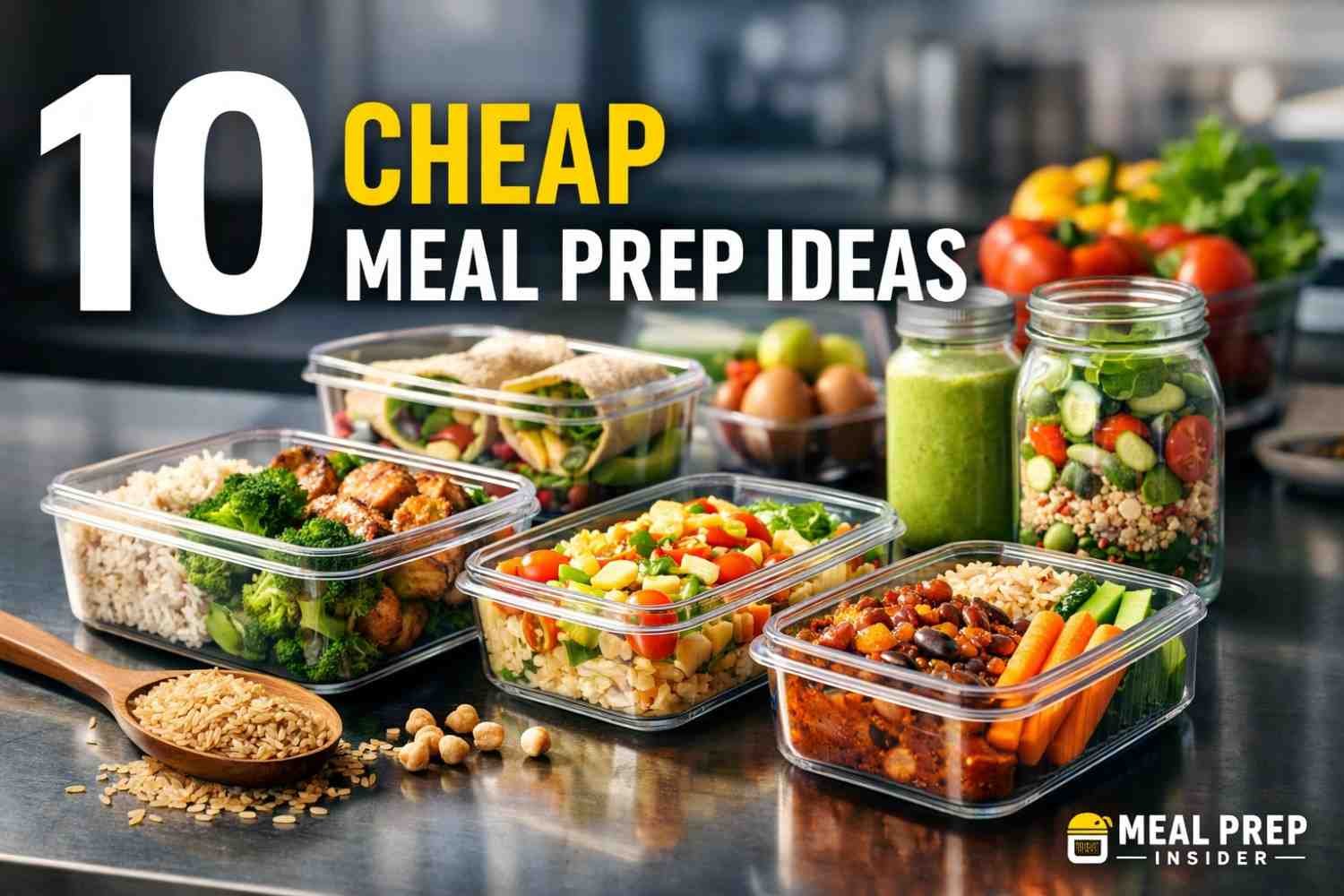
10 Cheap Meal Prep Ideas That Taste Like You’d Try
Here’s the thing. Budget food doesn’t have to taste like budget food. A little seasoning, a decent cooking method, and some creativity go a long way. These ideas are designed to be prepped on a Sunday (or whatever day works for you) and eaten throughout the week.
1. Chicken Thigh and Rice Bowls
This is the backbone of budget meal prep. Season bone-in or boneless chicken thighs with whatever you’ve got — cumin and chili powder for a Mexican vibe, soy sauce and ginger for an Asian twist, or just garlic powder, salt, pepper, and paprika for something simple.
Bake at 400°F for about 25-35 minutes. Cook a big batch of rice. Roast or steam some frozen broccoli. Divide into containers.
Cost per serving: roughly $1.50 – $2.00
Pro tip: Make a quick sauce to drizzle on top. Soy sauce + sriracha + a little honey. Or salsa verde from a jar. It changes the whole meal.
2. Black Bean and Sweet Potato Burritos
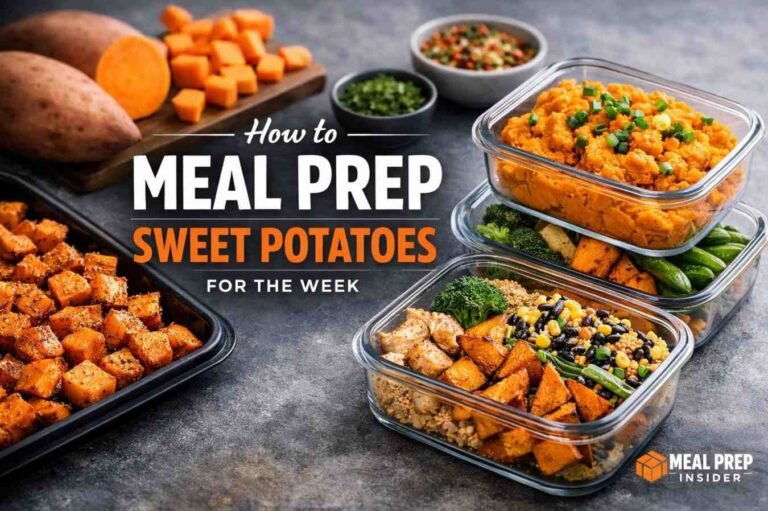
Roast cubed sweet potatoes with cumin and a little oil. Heat up canned black beans with garlic, salt, and a pinch of cayenne. Throw it all in a tortilla with some rice and whatever cheese you can afford.
You can wrap these tightly in foil and freeze them. Pull one out in the morning, microwave it at lunch. Done.
Cost per serving: about $1.00 – $1.75
3. Egg Muffins (Breakfast Prep)
Whisk a dozen eggs. Pour into a greased muffin tin. Add whatever vegetables you have — diced bell pepper, spinach, and onion. Maybe some shredded cheese if it’s in the budget.
Bake at 375°F for about 20 minutes. You’ve got 12 grab-and-go breakfast servings.
Cost per serving: around $0.50 – $0.75
These keep in the fridge for about five days and reheat in under a minute.
4. Pasta with Meat Sauce
Brown a pound of ground turkey or beef. Add a can of crushed tomatoes, some garlic, Italian seasoning, salt, and a pinch of sugar (it cuts the acidity). Let it simmer while you boil a pound of pasta.
This makes 4-6 solid servings. It reheats beautifully. And if you want to stretch it further, toss in some frozen spinach or diced zucchini.
Cost per serving: $1.25 – $2.00
5. Overnight Oats (No Cooking Required)
Mix rolled oats with milk (or water if you’re really pinching pennies). Add a spoonful of peanut butter, a drizzle of honey, and whatever fruit you have. Bananas are the cheapest option most of the year.
Put it in a jar or container. Stick it in the fridge. Breakfast is ready when you wake up.
Cost per serving: $0.50 – $1.00
You can make five of these at once on a Sunday night. Takes maybe ten minutes.
6. Lentil Soup
Dried lentils are criminally underrated. A one-pound bag costs around $1.50 and makes a massive pot of soup.
Sauté onion and garlic. Add lentils, a can of diced tomatoes, some cumin, and enough water or broth to cover everything. Simmer for 25-30 minutes until the lentils are tender.
Cost per serving: $0.75 – $1.25
This freezes incredibly well. Make a double batch, and you’ve got meals stashed for weeks.
7. Fried Rice
This is peak “use what you have” cooking. Cook rice ahead of time (day-old rice works best because it’s drier). Scramble some eggs in a hot pan. Add frozen mixed vegetables, soy sauce, garlic, and the rice. Stir it all together on high heat.
You can add whatever protein you have. Diced chicken, canned chicken, crumbled tofu. It all works.
Cost per serving: $1.00 – $1.50
8. Chickpea Curry
A can of chickpeas, a can of coconut milk (the cheap stuff is fine), curry powder, garlic, onion, and some canned tomatoes. That’s it. Simmer it for 20 minutes. Serve over rice.
This is one of those meals that tastes way more expensive than it is.
Cost per serving: $1.50 – $2.00
9. Sheet Pan Sausage and Potatoes
Buy the cheapest smoked sausage you can find. Slice it up. Cube some potatoes. Toss everything on a sheet pan with oil, salt, pepper, and paprika. Roast at 425°F for about 25-30 minutes.
Add some frozen green beans or broccoli to the pan for the last 10 minutes if you want vegetables in there.
Cost per serving: $1.50 – $2.25
10. Bean and Cheese Quesadillas with Salsa
Spread refried beans (canned, about $1) on a tortilla. Add shredded cheese. Fold it and cook in a dry skillet until crispy on both sides. Serve with jarred salsa.
Simple? Yes. Satisfying? Absolutely. And at under a dollar per serving, it’s hard to beat.
Cost per serving: $0.75 – $1.25
Mistakes People Keep Making With Budget Meal Prep
There are some pitfalls that trip people up over and over. Not necessarily obvious ones either.
Buying too many fresh vegetables at once. Fresh produce goes bad fast. If you’re prepping for the week, use fresh ingredients early and lean on frozen toward the end. Frozen vegetables are just as nutritious and way more forgiving with timing.
Ignoring the freezer. Your freezer is your best friend on a budget. Cooked rice, soups, burritos, and marinated chicken — all of it freezes well. If you make a double batch of something, freeze half. In the future, you will be grateful.
Trying to prep everything from scratch. You don’t need to make your own tortillas or grind your own spice blends. Store-bought is fine. The goal is to save money and time, not audition for a cooking show.
Not seasoning properly. This might be the biggest one. Bland food is the number one reason people quit meal prepping. You don’t need fancy ingredients to make food taste good. Salt, pepper, garlic powder, cumin, paprika, soy sauce, hot sauce — these are cheap, and they make a world of difference. Don’t be shy with them.
Cooking the same thing every single week. Burnout is real. Even if chicken and rice is cheap, you’ll start dreading it by week three. Rotate your proteins. Switch up your seasonings. Try a new recipe every other week just to keep things interesting.
Skipping breakfast prep. A lot of people do meal prep for lunch and dinner, but totally forget about breakfast. Then they end up buying coffee and a pastry every morning. Overnight oats, egg muffins, and even simple things like pre-portioned smoothie bags (frozen fruit + spinach in a bag, just add liquid and blend) save a surprising amount of money.
Smart Shopping Tips That Make a Difference
How you shop matters almost as much as what you cook. Here are some things that, in truth, make a noticeable dent in your grocery bill.
Shop with a list. Always. Going into a grocery store without a list is how you end up spending $80 when you only needed $35 worth of stuff. Write down exactly what you need for the week’s meals. Stick to the list.
Check the unit price, not just the sticker price. That $2.49 can of beans might seem cheaper than the $3.99 bag of dried beans. But the dried beans give you way more servings per dollar. Most grocery stores in the U.S. show the unit price on the shelf tag. Use it.
Buy store brands. There’s almost never a meaningful quality difference between name-brand and store-brand for staples like canned tomatoes, rice, pasta, frozen vegetables, and cooking oil. You’re paying for the label. That’s it.
Shop at discount grocers. Aldi, Lidl, WinCo, and Grocery Outlet consistently beat traditional supermarkets on price. If you have access to one, it’s worth the trip. Even if it’s slightly out of your way, the savings on a full grocery run can be $15-$30.
Use the Flashfood app or check clearance sections. Many U.S. grocery stores discount items that are close to their sell-by date. These are perfectly fine to eat, especially if you’re cooking and eating them within a day or two. The Flashfood app specifically connects you to these deals.
Buy whole chickens when they’re on sale. A whole chicken can cost $5-$8 and yield enough meat for multiple meals. Roast it, shred the meat, and use the bones to make broth. That’s three uses from one purchase.
Don’t shop hungry. I know this sounds like basic advice. Because it is. But it works. Everything looks appetizing when your stomach is growling, and that’s how snack foods and random impulse buys end up in your cart.
How to Keep Meal Prep From Feeling Like a Chore
This is where most people fall off. They go hard for two or three weeks, then they burn out and go back to ordering Chipotle every night.
Here’s how to make it sustainable.
Keep it under two hours. If your meal prep takes all day, you’re overcomplicating it. A solid week of food can be prepped in 60-90 minutes if you’re strategic. Cook your protein while your grains are going. Chop vegetables while things are in the oven. Multitask.
Prep components, not full meals. You don’t always need to assemble complete meals in containers. Sometimes it’s easier to cook a big batch of rice, a big batch of protein, and some roasted vegetables. Then mix and match throughout the week. Monday, it’s rice bowls. On Wednesday, it’s burritos with the same ingredients. Friday, it’s fried rice.
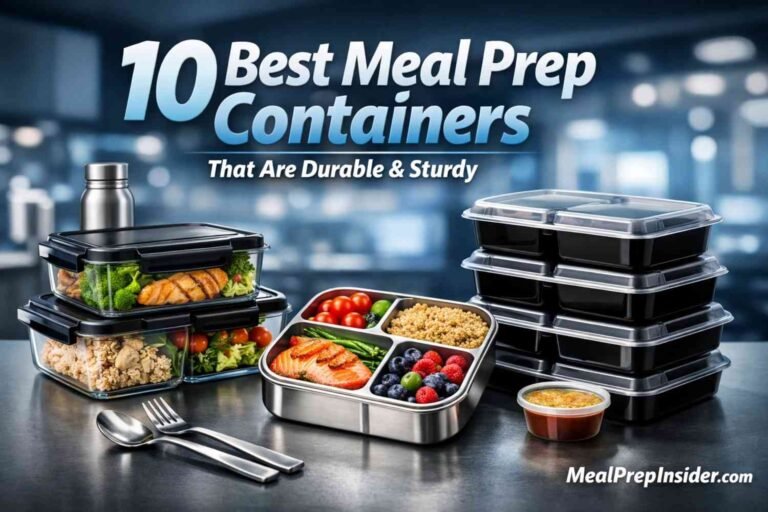
Invest in decent containers. You don’t need expensive glass ones right away. But flimsy, warped plastic containers that don’t seal properly will frustrate you. Grab a set of sturdy reusable containers from Target or Walmart for $10-$15. It’s a one-time cost that pays for itself quickly.
Make it social. Prep with a roommate, partner, or friend. Split the cooking. Share the cost. Put on some music or a podcast. It goes by faster when you’re not doing it alone.
Give yourself permission to take a week off. Meal prep isn’t a religion. If you skip a week, the world doesn’t end. Just get back to it the following Sunday. Consistency over perfection.
Meal Prep for Different Situations
Not everyone has the same setup. What works for a single person in a studio apartment is different from what works for a family of four.
For college students: Focus on no-cook or minimal-cook options. Overnight oats, wraps, canned soups jazzed up with extra vegetables, peanut butter sandwiches (don’t underestimate them), and microwave-friendly meals like frozen burritos and rice bowls. If you have access to a communal kitchen, batch-cook on the weekend.
For families: Scale up the recipes. A big pot of chili, a casserole dish of baked pasta, or a slow cooker full of chicken tacos feeds a family of four for two or three meals. Get kids involved in the easy parts — washing vegetables, stirring, and portioning. It helps, and they’re more likely to eat what they helped make.
For people who work long hours: The slow cooker or Instant Pot is your ally. Throw ingredients in before work, come home to a finished meal. Slow-cooker chicken thighs with salsa, beans, and rice are a complete meal that requires about five minutes of active effort.
For people who hate cooking: That’s okay. You can still meal prep. Hard-boiled eggs, pre-washed salad kits (wait for a sale), deli meat roll-ups, cheese and crackers, hummus with baby carrots, yogurt parfaits. Not everything needs to be cooked. Assembly counts as prep.
A Sample Weekly Meal Plan Under $35
Here’s what a full week might look like for one person on a tight budget.
Breakfast (all week): Overnight oats with banana and peanut butter
Lunch:
- Monday & Tuesday: Chicken thigh rice bowls with frozen broccoli and soy-sriracha sauce
- Wednesday & Thursday: Black bean and sweet potato burritos
- Friday: Fried rice with eggs and frozen mixed vegetables
Dinner:
- Monday & Tuesday: Lentil soup with bread
- Wednesday & Thursday: Pasta with meat sauce
- Friday: Bean and cheese quesadillas with salsa
Snacks: Hard-boiled eggs, bananas, peanut butter on toast
This covers 15 meals plus snacks. Total estimated cost: $28-$35, depending on your area and what you already have in your pantry.
The Bottom Line
Cheap meal prep isn’t about suffering through bland food or eating the same thing every day until you lose your mind. It’s about being intentional. Buying smart. Cooking simple. And building a system that works for your life, your budget, and your taste buds.
You don’t need a $300 grocery haul. You don’t need matching glass containers. You don’t need a Pinterest-perfect kitchen. You need a pot, a pan, some basic staples, and about an hour on a weekend.
Start small. Pick two or three recipes from this list. Prep them this Sunday. See how the week goes. Adjust from there.
The money you save will speak for itself. And honestly, once you get into the rhythm, you might find that you’re eating better than you were before — not worse.
That’s the whole point.
Frequently Asked Questions
How long does meal-prepped food last in the fridge?
Most cooked meal prep stays good in the fridge for 3-5 days when stored in airtight containers. Rice and cooked proteins tend to hold up well for about four days. If you want to extend beyond that, freeze portions and thaw them as needed throughout the week.
Is it cheaper to meal prep or eat out?
Meal prepping is significantly cheaper in almost every scenario. A home-cooked meal typically costs $1.50-$3.00 per serving, while even a “cheap” restaurant meal runs $8-$15 before tax and tip. Over a month, the difference can easily be $200-$400.
What’s the cheapest protein for meal prep?
Eggs, dried beans, lentils, and canned chicken are among the cheapest protein sources in the U.S. Chicken thighs (bone-in, skin-on) are usually the most affordable fresh meat option, often running $1.50-$2.50 per pound.
Can I meal prep without a microwave?
Yes. Many meal prep recipes work fine eaten at room temperature (grain bowls, wraps, pasta salads). You can also reheat food on a stovetop or in a toaster oven. It takes a bit longer but works just as well.
How do I keep meal-prepped food from getting soggy?
Store wet ingredients (sauces, dressings) separately from dry ingredients. Keep rice and grains in their own section of the container or in a separate container altogether. When reheating, add a splash of water to rice to re-steam it and avoid that dried-out texture.
Is frozen produce as nutritious as fresh?
In many cases, yes. Frozen fruits and vegetables are typically flash-frozen at peak ripeness, which locks in nutrients. They’re often just as nutritious — sometimes more so — than fresh produce that’s been sitting on a shelf for days. And they’re almost always cheaper.
What if I get bored eating the same meals?
Rotate your recipes every week or every two weeks. Use the “component prep” method, in which you cook the base ingredients (protein, grain, vegetables) and assemble them differently each day. Change up your sauces and seasonings. Even small variations make a big difference in how a meal feels.
SUGGESTED POST >> Best Prep Meals Delivered to Your Door: 6 Services Ranked
Discover more from Meal Prep Insider
Subscribe to get the latest posts sent to your email.