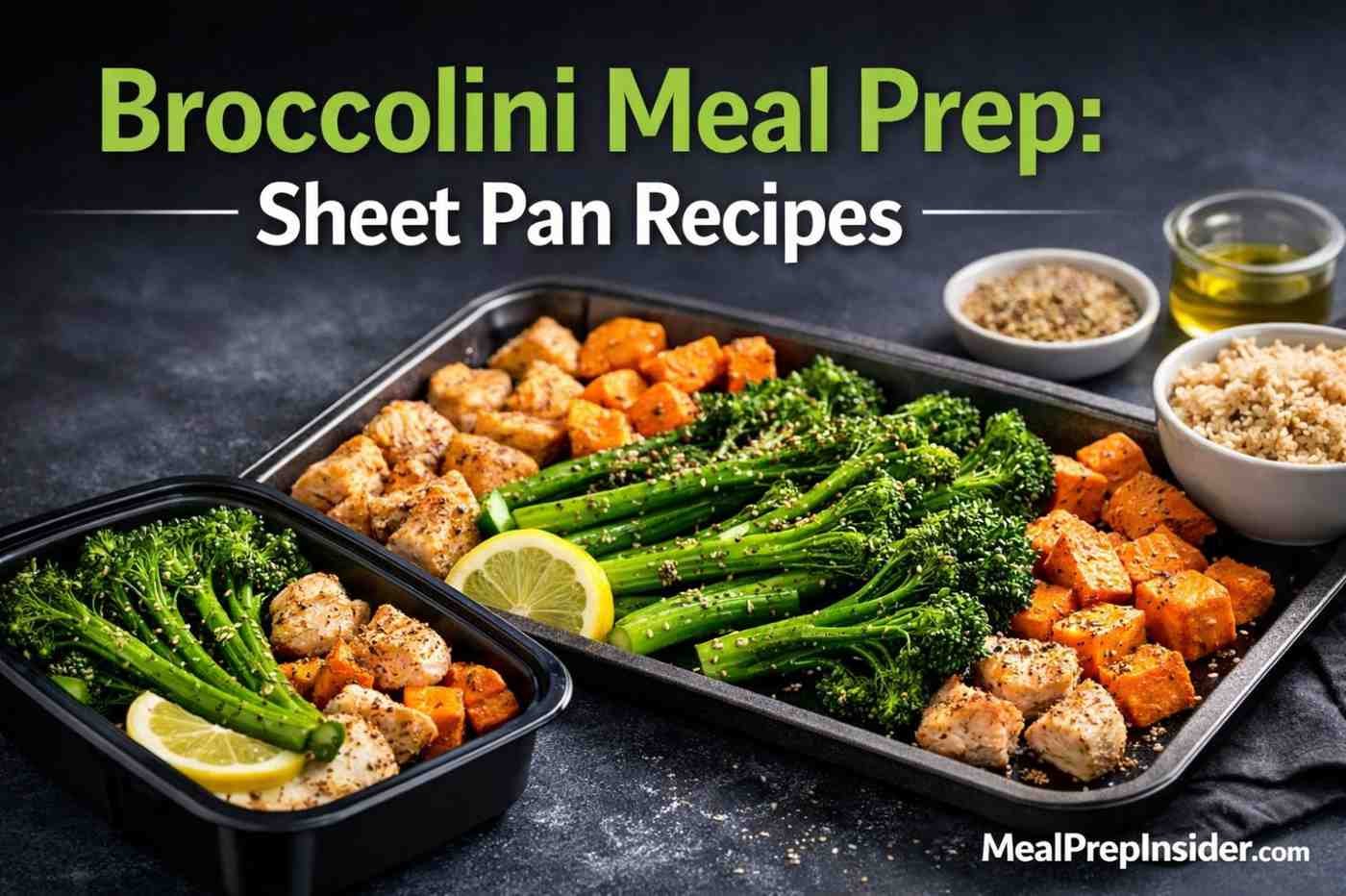
Easy Broccolini Meal Prep: Sheet Pan Recipes: Eat Clean Now

Broccolini meal prep might sound like just another trendy vegetable thing, but hold that thought. Picture this: Sunday evening, you’re staring at your empty fridge, already dreading the week ahead of takeout menus and rushed dinners.
Now imagine opening that same fridge to find perfectly portioned meals, each one packed with tender broccolini, protein, and flavors that somehow taste better on day three than they did fresh. That’s the magic we’re unpacking here.
Sheet pan cooking has been around forever, sure. But pairing it with broccolini and a strategic meal prep approach? That’s where things get interesting.
Most people mess this up from the start. They either overcook their vegetables until they’re mushy brown things, or they undercook everything else, trying to keep the greens crispy. The sweet spot exists, though. And once you nail it, you’ll wonder why you ever bothered with complicated recipes that dirty every pot in your kitchen.
Let me be straight with you: this isn’t about perfection. It’s about sustainable cooking that fits into real life. The kind where you can watch TV while your oven does the heavy lifting.
Why Broccolini Works Perfectly for Sheet Pan Meal Prep
Broccolini hits differently than regular broccoli. The stems stay tender without getting woody. The florets crisp up beautifully without turning to charcoal. And honestly, it looks more elegant on your plate, which matters when you’re eating the same meal for the fourth time that week.
The narrow stalks cook evenly, which solves the biggest headache of sheet pan cooking: timing. You know how regular broccoli has those thick trunks that stay raw while the tops burn? Broccolini laughs at that problem.
Here’s what makes it a meal prep champion:
- Stays crisp in the fridge for up to five days
- Reheats without turning soggy or smelly
- Pairs well with literally any protein you throw at it
- Absorbs marinades and seasonings better than its thicker cousin
- Requires minimal prep work (no chopping florets for twenty minutes)
- Contains more vitamin A and C than regular broccoli
- Costs about the same per serving when you buy in bulk
The texture holds up remarkably well in storage containers. That’s not something you can say about spinach or kale, which turn into sad green puddles by Wednesday.
The Science Behind Perfect Sheet Pan Timing
Let’s talk temperature. Most recipes tell you to roast everything at 400°F and call it a day. That’s lazy advice that leads to mediocre results.
Broccolini needs high heat to caramelize those natural sugars and develop that slightly charred flavor everyone loves. But your chicken breast? It needs more moderate, consistent heat to stay juicy.
The solution isn’t complicated. You just need to understand layering and timing.
Start proteins on the lower rack at 375°F. Add your broccolini to the upper rack about fifteen minutes later, cranked up to 425°F. Or use two separate pans at different positions in your oven.
Some ovens have hot spots. Learn yours. Rotate your pans halfway through if you notice uneven browning. It takes five seconds and prevents that annoying situation where half your meal is perfect, and the other half needs another ten minutes.
Essential Equipment You Really Need
You don’t need fancy stuff. But you do need the right basics.
Heavy-duty rimmed baking sheets: The flimsy ones warp at high heat and create uneven cooking. Get the commercial-grade aluminum ones. They’re fifteen bucks and last forever.
Parchment paper or silicone mats: Anyone telling you to skip this and just use oil is someone who enjoys scrubbing pans for thirty minutes. Your time is worth more.
A reliable meat thermometer: Guessing doneness is how you end up with dry chicken or undercooked pork. Digital instant-read thermometers cost less than a fancy coffee and eliminate all the stress.
Quality storage containers: Glass ones are worth the investment. They don’t stain, don’t hold smells, and you can reheat directly in them.
My Go-To Broccolini and Chicken Sheet Pan Recipe
This one’s stupidly simple but tastes as if you tried.
Ingredients:
- 2 pounds boneless, skinless chicken thighs
- 2 bunches broccolini, ends trimmed
- 3 tablespoons olive oil
- 2 tablespoons balsamic vinegar
- 4 cloves garlic, minced
- 1 teaspoon dried oregano
- 1 teaspoon smoked paprika
- Salt and pepper to taste
- Lemon wedges for serving
Instructions:
Pat your chicken dry. This matters more than you think. Wet protein doesn’t brown; it steams.
Mix olive oil, balsamic, garlic, oregano, paprika, salt, and pepper in a bowl. Divide it into two portions.
Toss chicken with half the mixture. Let it sit while you prep the broccolini. Even ten minutes of marinating time makes a difference.
Arrange chicken on your sheet pan with space between pieces. Crowding creates steam instead of crispy edges.
Roast at 400°F for twenty minutes.
Toss broccolini with the remaining marinade. Pull the pan out, add the broccolini around the chicken, and return to the oven.
Another fifteen to eighteen minutes. Your chicken should hit 165°F internal temperature, and the broccolini should show some charred spots.
Squeeze fresh lemon over everything before portioning.
This makes four solid meal prep portions. Pair with quinoa, rice, or sweet potato if you need more bulk.
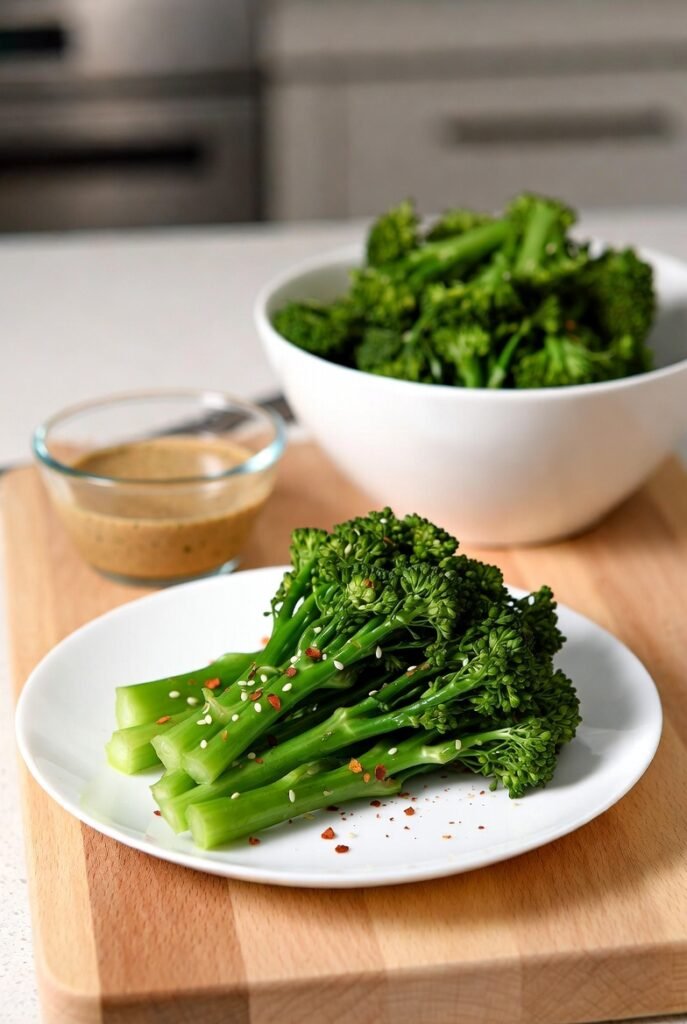
The Asian-Inspired Salmon and Broccolini Version
Want to switch things up? This one brings completely different flavors.
Ingredients:
- 4 salmon fillets (about 6 ounces each)
- 2 bunches broccolini
- 3 tablespoons low-sodium soy sauce
- 2 tablespoons honey
- 1 tablespoon sesame oil
- 1 tablespoon fresh ginger, grated
- 2 cloves garlic, minced
- 1 teaspoon sriracha (optional)
- Sesame seeds for garnish
- Scallions, sliced thin
Instructions:
Whisk together soy sauce, honey, sesame oil, ginger, garlic, and sriracha if you’re using it.
Place salmon skin-side down on your prepared sheet pan. Brush half the sauce over the fillets.
Toss broccolini with the remaining sauce and arrange around the salmon.
Here’s the trick with salmon: it cooks fast. Too fast, really.
Roast at 375°F for twelve to fifteen minutes total. The salmon should flake easily but still look slightly translucent in the very center. It’ll finish cooking with residual heat.
Top with sesame seeds and scallions. The contrast of nutty seeds against sweet-savory salmon is unbeatable.
Meal prep note: Salmon is best eaten within three days. It doesn’t hold as long as chicken or beef.
Italian Sausage, Broccolini, and Cherry Tomatoes
This one’s for when you want something that feels a bit more indulgent.
Ingredients:
- 1.5 pounds Italian sausage (sweet or spicy, your call)
- 2 bunches broccolini
- 2 cups cherry tomatoes
- 1 red onion, sliced into wedges
- 3 tablespoons olive oil
- 1 teaspoon Italian seasoning
- 1/2 teaspoon red pepper flakes
- 4 cloves garlic, smashed
- Fresh basil for serving
- Parmesan cheese, shaved
Instructions:
If your sausages are linked, keep them whole or cut into thirds. Don’t slice them too thin or they’ll dry out.
Toss broccolini, tomatoes, and onion with olive oil, Italian seasoning, pepper flakes, and garlic.
Arrange everything on your sheet pan. Nestle the sausages among the vegetables.
Roast at 425°F for twenty-five to thirty minutes. The sausages should brown nicely and hit 160°F internal temperature.
Those cherry tomatoes will burst and create this incredible sauce that coats everything. Don’t skip them.
Finish with fresh basil and shaved Parmesan right before eating.
This one’s rich, so pair it with something simple like crusty bread or a light salad.
The Vegetarian Option: Chickpeas, Broccolini, and Sweet Potato
Not everyone wants meat with every meal. This combo delivers serious staying power without any animal protein.
Ingredients:
- 2 cans chickpeas, drained and patted dry
- 2 bunches broccolini
- 2 medium sweet potatoes, cubed
- 3 tablespoons olive oil
- 2 teaspoons curry powder
- 1 teaspoon cumin
- 1/2 teaspoon coriander
- Salt and pepper
- 1/4 cup tahini
- 2 tablespoons lemon juice
- Water to thin the tahini sauce
Instructions:
The secret to crispy chickpeas: get them really dry. Roll them around in a kitchen towel.
Toss sweet potato cubes with half the olive oil and half the spices. They need a head start.
Roast at 400°F for fifteen minutes.
Meanwhile, toss chickpeas and broccolini with the remaining oil and spices.
Add them to the pan with the sweet potatoes. Another twenty minutes, stirring once halfway through.
Make your tahini sauce by whisking tahini with lemon juice and enough water to reach a drizzle consistency.
Portion everything and drizzle with tahini sauce before eating.
The combination of crispy chickpeas, caramelized sweet potato, and charred broccolini creates layers of texture that keep meals interesting all week.
Troubleshooting Common Issues
Soggy vegetables: You’re overcrowding the pan. Vegetables release moisture as they cook. If they’re packed tight, they steam instead of roasting. Use two pans if needed.
Dry protein: You either overcooked it or used lean cuts. Chicken thighs beat chicken breasts for meal prep because the extra fat keeps them moist through reheating. Same with salmon versus white fish.
Uneven cooking: Your oven probably has hot spots. Rotate the pan halfway through. Also, check if you’re actually preheating long enough. Give it a full fifteen minutes.
Burnt garlic: Minced garlic burns easily at high heat. Either add it later in the cooking process or use whole smashed cloves instead.
Everything tastes bland: You’re under-seasoning. Food needs more salt than you think, especially vegetables. Season in layers: marinade, during cooking, and a finishing sprinkle.
Broccolini turns mushy: You’re either cooking it too long or at too low a temperature. High heat, shorter time. Aim for tender-crisp with charred edges.
Meal Prep Storage Strategy
Don’t just throw everything in containers randomly. There’s a method here.
Let everything cool completely before storing. Hot food creates condensation, which makes everything soggy.
Store proteins and vegetables in the same container if you’re eating within three days. They’ll exchange flavors in a good way.
If you’re pushing it to four or five days, keep them separate. The vegetables stay crisper, and you can mix and match components.
Glass containers beat plastic for anything with tomatoes, curry, or strong seasonings. Plastic holds smells and stains.
Label with dates. You think you’ll remember what’s what. You won’t.
The Reheating Technique That Changes Everything
Microwaves are convenient, but turn everything into a sad, steamy mess.
Here’s the better way: oven or toaster oven at 350°F for about ten minutes. Your vegetables crisp back up. Your protein stays juicy.
An air fryer works beautifully, too. Three hundred fifty degrees for about six minutes brings back that fresh-cooked texture.
If you must microwave, do it at fifty percent power for longer rather than full blast for a short time. Add a tablespoon of water to the container and leave the lid slightly vented.
Building a Rotation Schedule
Eating the same thing five days straight gets old. Even the best recipe loses its appeal.
Cook two different sheet pan meals on Sunday. That gives you variety through Wednesday.
Do a quick Wednesday evening cook for Thursday and Friday meals. Thirty minutes of oven time while you catch up on emails.
Or prep three recipes with smaller portions each. Two servings of chicken, two of salmon, and two vegetarian. Mix and match sides throughout the week.
The point is sustainability. What works for your schedule and taste preferences?
RELATED POST >> Easy 5-Ingredient Meal Prep Recipes Save Your Weeknights
Flavor Combinations That Never Fail
Mediterranean vibes:
- Lemon, oregano, garlic
- Olive oil, red wine vinegar
- Cherry tomatoes, kalamata olives
- Feta cheese for serving
Asian-inspired:
- Soy sauce, ginger, garlic
- Sesame oil, rice vinegar
- Sriracha or gochujang for heat
- Lime wedges, cilantro, scallions
Mexican-style:
- Cumin, chili powder, lime
- Smoked paprika, oregano
- Cotija cheese, cilantro
- Avocado for serving
Simple and classic:
- Garlic, thyme, rosemary
- Balsamic vinegar, Dijon mustard
- Parmesan, black pepper
- Lemon zest
The Weekly Grocery List Template
Shopping aimlessly costs more and leads to decision fatigue. Here’s a streamlined approach.
Proteins (choose 2-3):
- Chicken thighs (2 pounds)
- Salmon fillets (1.5 pounds)
- Italian sausage (1 pound)
- Chickpeas (2-3 cans)
Vegetables (always):
- Broccolini (4-6 bunches)
- Cherry tomatoes (2 pints)
- Sweet potatoes (2-3 medium)
- Onions (2-3)
- Garlic (2 heads)
Pantry staples:
- Olive oil
- Soy sauce
- Balsamic vinegar
- Honey
- Spices: paprika, cumin, oregano, curry powder
Fresh additions:
- Lemons (3-4)
- Fresh ginger
- Fresh herbs (basil, cilantro)
- Scallions
Buy broccolini on sale and freeze it. Blanch for two minutes, shock in ice water, dry thoroughly, and freeze in portions. It works surprisingly well for sheet pan cooking later.
Time-Saving Hacks Nobody Tells You
Pre-cut your proteins the night before. Store them in the marinade overnight. Sunday cooking becomes assembly and roasting only.
Use parchment paper with sides folded up to create compartments on one pan. Different components can cook at slightly different rates without mixing.
Double your marinade recipes and freeze half. Thaw it the night before your next meal prep session.
Keep a dedicated “sheet pan spice blend” jar. Pre-mix your favorite seasoning combo in bulk. Two tablespoons and you’re done seasoning.
Invest in a second oven rack position. Cooking two pans at once doubles your output without doubling your active time.
Scaling for Different Household Sizes
Solo living: Cut recipes in half. One bunch of broccolini, one pound of protein. This gives you three to four meals, which is perfect for variety.
Couples: Standard recipes work great. You’ll have lunch and dinner covered for two to three days.
Families: Double everything. Use two sheet pans simultaneously. Kids often eat less, so one recipe plus fifty percent usually covers a family of four with lunches for the adults.
Meal prep for gains: Increase protein portions to eight ounces per serving. Add extra chickpeas or a grain side. Keep vegetables at standard amounts for volume without excess calories.
The Economic Breakdown
Let’s talk money because meal prep should save you cash.
Average cost per serving:
- Broccolini: $1.50
- Chicken thighs: $2.00
- Seasonings and oil: $0.50
- Optional sides: $1.00
Total per meal: roughly $5.00
Compare that to takeout at $12-15 or even fast casual at $8-10. You’re saving substantial money while eating better quality food.
Buying broccolini at warehouse stores drops the per-bunch cost significantly. Same with bulk protein purchases.
One month of sheet pan meal prep for dinner four nights a week saves the average person $150-200 compared to restaurant meals.
Advanced Techniques for Regulars
Once you’ve nailed the basics, try these upgrades.
Marinated broccolini: Soak broccolini in your protein marinade for thirty minutes before roasting. The flavor penetration is incredible.
Two-temperature roasting: Start at 450°F for ten minutes to get serious caramelization, then drop to 375°F to finish cooking through without burning.
Finishing under the broiler: Last two minutes under the broiler creates restaurant-quality char on both protein and vegetables.
Compound butters: Make herb butter ahead. A small pat on hot food right out of the oven transforms the dish.
Sheet pan sauces: Add a splash of chicken stock or white wine halfway through cooking. It reduces into a pan sauce while everything roasts.
Seasonal Variations
Broccolini peaks in fall and spring, but it’s available year-round now. Still, rotating your sides keeps things interesting.
Winter: Add Brussels sprouts, butternut squash, and root vegetables alongside broccolini.
Spring: Asparagus and snap peas work beautifully with the same timing as broccolini.
Summer: Cherry tomatoes, zucchini, and bell peppers lighten things up.
Fall: Sweet potatoes, delicata squash, and apples create heartier combinations.
The foundation technique stays the same. Just swap vegetables based on what’s fresh and affordable.
Making It Work With Dietary Restrictions
Keto: Skip sweet potatoes and starchy sides. Double up on broccolini. Choose fattier proteins like salmon or chicken thighs.
Whole30: Verify your sausage has no added sugar. Skip honey-based marinades. Use coconut aminos instead of soy sauce.
Gluten-free: This cooking method is naturally gluten-free. Just check your soy sauce and seasoning blends.
Dairy-free: Most recipes here already skip dairy. When cheese is listed, it’s a finishing touch you can easily omit.
Low-FODMAP: Use garlic-infused oil instead of fresh garlic. Choose scallion greens over onions.
The Mental Game of Meal Prep
Here’s what nobody mentions: meal prep is as much about mindset as cooking skills.
Some Sundays you won’t feel like it. That’s fine. Keep frozen vegetables and pre-cooked proteins as backup. A ten-minute assembly meal beats takeout.
Perfectionism kills consistency. Your broccolini got a little too dark? Still tastes good. Is your chicken slightly dry? Add sauce. Done is better than perfect.
Meal prep isn’t all-or-nothing. Even prepping two days of meals helps. Even just prepping vegetables while buying rotisserie chicken counts.
The goal is sustainable habits, not Instagram-perfect containers.
Quick Reference Cooking Times
Proteins at 400°F:
- Chicken thighs: 30-35 minutes
- Chicken breasts: 20-25 minutes
- Salmon: 12-15 minutes
- Pork chops: 25-30 minutes
- Italian sausage: 25-30 minutes
Vegetables at 400-425°F:
- Broccolini: 15-18 minutes
- Brussels sprouts: 25-30 minutes
- Sweet potato cubes: 30-35 minutes
- Cherry tomatoes: 15-20 minutes
- Chickpeas: 25-30 minutes
Use these as starting points and adjust based on your oven and preferences.
Beyond Basic: Creative Finishing Touches
The difference between good and memorable often comes down to what you add at the end.
Fresh herbs completely transform reheated meals. Keep basil, cilantro, or parsley on hand.
Acid brightens everything. Lemon juice, lime wedges, or a splash of vinegar right before eating.
Crunchy elements add interest. Toasted nuts, seeds, or crispy chickpeas.
Creamy components balance char and spice. Greek yogurt, tahini, or avocado.
A drizzle of quality olive oil or sesame oil finishes dishes like a chef’s signature.
The Real Talk About Consistency
Most people fail at meal prep not because they can’t cook, but because they try to do too much too fast.
Start with one recipe per week. Just Sunday dinner and Monday lunch. Build the habit before expanding.
Use the same base recipe with different seasonings. Chicken and broccolini with Italian spices one week, Asian flavors the next.
Don’t cook foods you don’t enjoy eating. Meal prep should make life easier, not be a punishment diet.
Some weeks will be chaotic. Have a backup plan: frozen sheet pan meals exist now, and they’re pretty decent.
The people who stick with this are the ones who find their rhythm, not the ones who follow someone else’s perfect system.
FAQs
How long does cooked broccolini last in the fridge?
Properly stored in airtight containers, cooked broccolini stays good for four to five days. It holds up better than most vegetables because of its sturdy structure. If it starts smelling off or gets slimy, toss it.
Can I freeze sheet pan meals?
You can, but quality varies. Chicken and heartier vegetables freeze well for up to three months. Salmon gets mushy. Broccolini loses some texture but works okay in mixed dishes where it’s not the star. Cool completely, portion into freezer-safe containers, and thaw overnight in the fridge before reheating.
What if I don’t have broccolini?
Regular broccoli works with minor adjustments. Cut florets small and peel the stems. Regular broccoli needs about five extra minutes of cooking time. Asparagus, green beans, or snap peas are also solid substitutes with similar cooking times.
Should I use foil or parchment paper?
Parchment paper is better for most applications. It’s naturally non-stick and doesn’t react with acidic ingredients like tomatoes or vinegar. Foil can be useful for easier cleanup with very messy or sticky foods, but parchment gives better browning.
How do I prevent everything from tasting the same after a few days?
Change up your finishing touches. The same base of chicken and broccolini becomes different meals with various sauces, fresh herbs, or spice blends added before eating. Keep three different sauce options in your fridge: something creamy, something acidic, something spicy.
What temperature should I reheat meals?
Oven or toaster oven at 350°F for ten to twelve minutes gives the best results. Air fryer at 350°F for six to eight minutes works great too. Microwave at fifty percent power for two to three minutes if that’s your only option.
Can I meal prep for the entire week on Sunday?
You can, but quality peaks at days three to four for most combinations. Consider doing a Sunday prep and a Wednesday refresh cook. This keeps everything tasting fresher while still saving significant time overall.
Is it safe to put hot food directly in the fridge?
Let food cool for about thirty minutes first, then refrigerate. Putting very hot food directly in the fridge raises the internal temperature and can affect other items. But don’t leave food out for more than two hours total.
What’s the best way to add carbs to these meals?
Cook your grains or potatoes separately in bulk. They often need different temperatures and times than proteins and vegetables. Portion them into containers and add to your sheet pan meals as needed throughout the week.
How much should I spend on meal prep containers?
A set of six to eight glass containers runs about thirty to forty dollars and lasts for years. That’s fewer than five takeout meals. They’re worth the investment. Cheap plastic containers stain and warp, forcing you to replace them constantly.
This approach to broccolini meal prep removes the mystery and stress from weekly cooking. It’s not about following complicated recipes or buying expensive ingredients. It’s about understanding how heat, timing, and simple seasonings work together to create meals you’ll genuinely look forward to eating.
The sheet pan method respects your time while delivering results that make weeknight dinners something other than a chore. Start simple, build confidence, and adjust based on what works for your life. That’s the real secret.
SUGGESTED POST >> Plant Based Meal Prep Recipes for Muscle Building
Discover more from Meal Prep Insider
Subscribe to get the latest posts sent to your email.