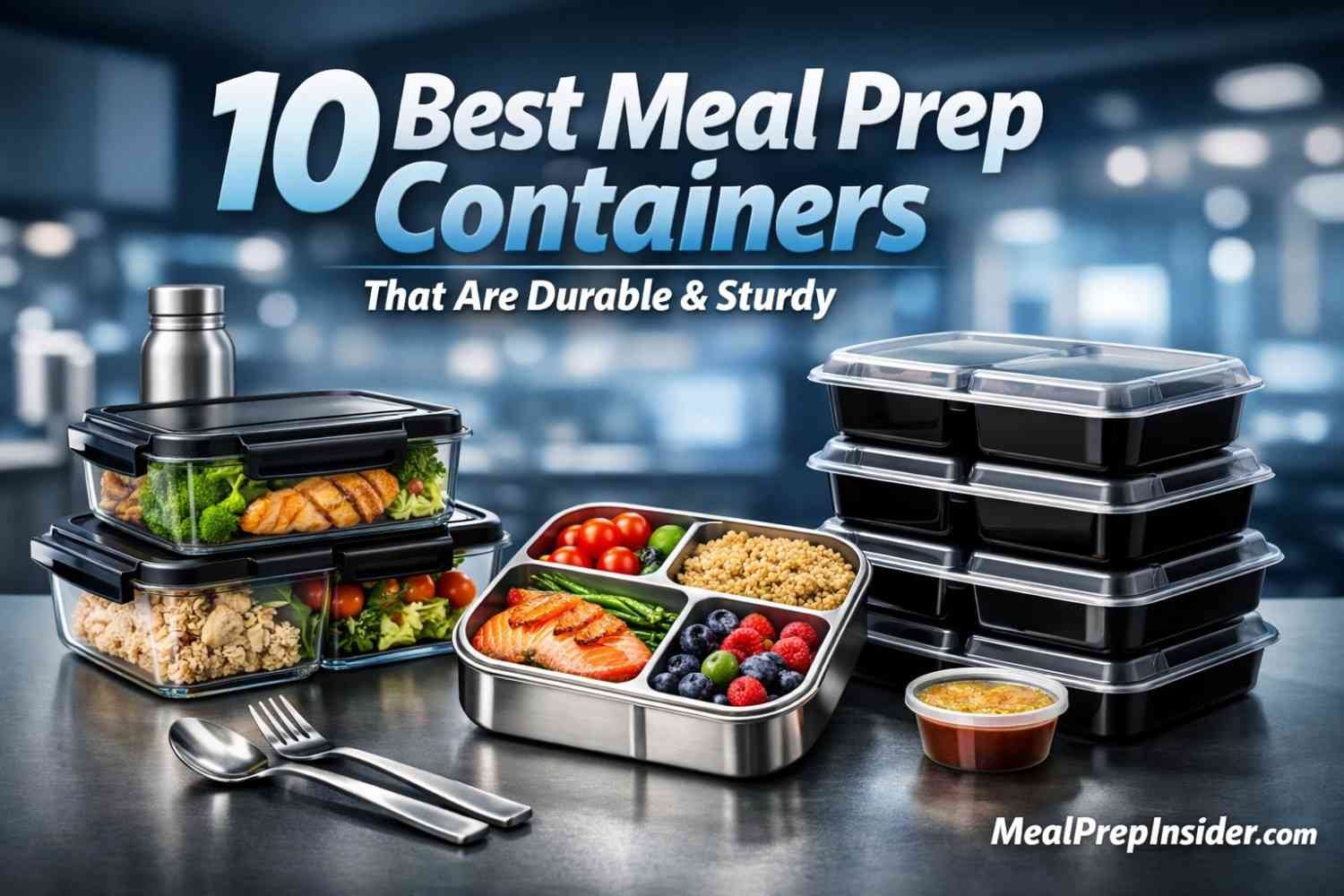
10 Best Meal Prep Containers That Are Durable & Sturdy

Best Meal Prep Containers: Meal prep containers have become the backbone of organized eating, and choosing the wrong ones will cost you money, time, and sanity. You’ve probably been there: lids that won’t snap shut after three washes, containers that stain orange from yesterday’s pasta sauce, or worse, ones that crack the moment you pull them from the freezer.
This isn’t just about storing food.
It’s about investing in containers that survive your microwave, dishwasher, and the occasional drop from counter height. The right meal prep containers transform chaotic weeknight dinners into structured, stress-free routines. They keep your food fresh longer, portion sizes consistent, and your refrigerator looking less like a science experiment.
We’ve tested dozens of options. Microwaved them. Froze them. Dropped them. Stained them with turmeric and tomato sauce. What survived? Only the toughest made this list.
Let’s get into the containers that actually earn their spot in your kitchen.
What Makes Meal Prep Containers Actually Durable?
Not all plastic is created equal. Neither is glass, for that matter.
Durability in meal prep containers comes down to material quality, construction design, and how well they handle temperature extremes. You need containers that withstand daily use without warping, cracking, or developing that weird cloudy film that screams “I’m done.”
Material matters more than you think.
BPA-free plastic sounds good on paper, but the type of plastic determines longevity. Polypropylene handles heat better than cheaper alternatives. Borosilicate glass resists thermal shock. Stainless steel laughs in the face of drops and dents.
Lid design separates winners from landfill candidates.
Those flimsy snap-on lids that pop off mid-transport? They’re why your lunch ended up sideways in your bag. Quality containers feature silicone-sealed lids, locking mechanisms that actually lock, or screw-top designs that create airtight environments.
Temperature tolerance is non-negotiable.
Your containers need to go from freezer to microwave to dishwasher without throwing a tantrum. Thermal shock resistance means they won’t crack when exposed to extreme temperature changes. This capability extends their lifespan by years.
The Top 10 Durable Meal Prep Containers You Can Trust
1. Pyrex Simply Store Glass Containers
These veterans of the container world have been around forever for good reason.
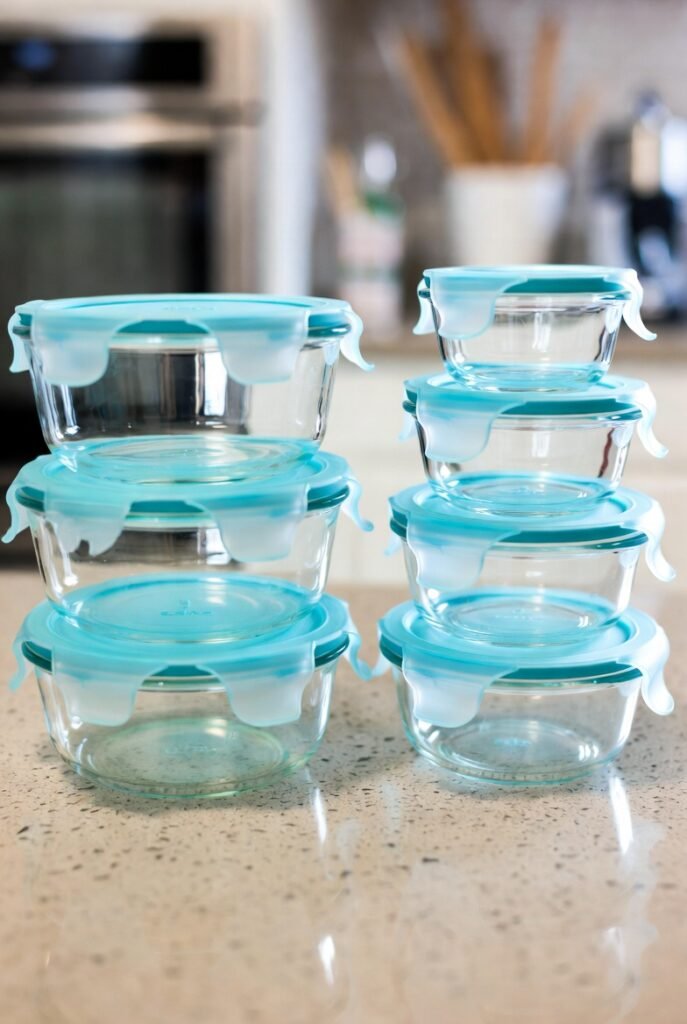
Pyrex uses tempered glass that handles temperature swings like a champ. You can pull these straight from the freezer and pop them in a preheated oven. The glass won’t absorb food odors or stains, which means your marinara sauce won’t haunt your next batch of meal prep.
The plastic lids snap on securely but aren’t airtight. That’s the trade-off. They’re perfect for refrigerator storage and reheating, but less ideal for transporting soups or liquids in your bag.
Why they’re durable:
- Tempered glass construction resists thermal shock
- Dishwasher-safe without degradation
- Stain and odor-proof
- Available in multiple sizes for various portion needs
Best for: Home meal preppers who prioritize microwave reheating and don’t need leak-proof transport.
2. Rubbermaid Brilliance Containers
Brilliance containers changed the plastic container game completely.
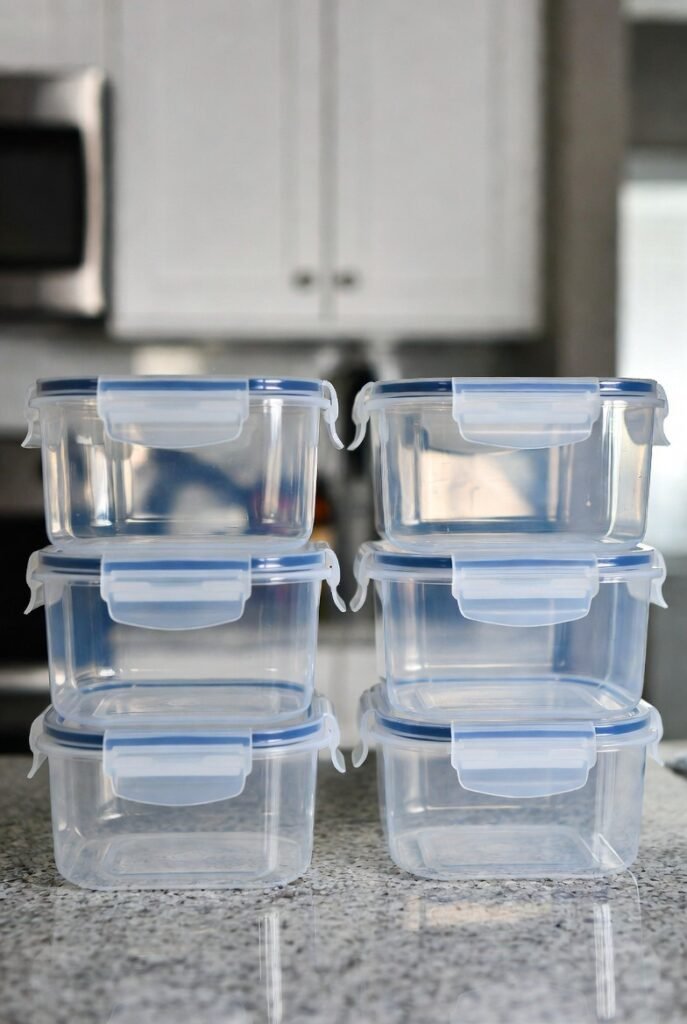
The crystal-clear Tritan plastic doesn’t cloud over time like cheaper options. The lids feature four locking tabs with silicone seals, creating a legitimately leak-proof environment. We’ve thrown these in bags upside down. No leaks. No stains. No complaints.
They stack perfectly, which matters when you’re prepping Sunday meals for the entire week. The clarity lets you see contents without opening every single container, saving time and preserving freshness.
Why they’re durable:
- Tritan plastic resists staining and odor absorption
- Four-latch locking system creates reliable seals
- Microwave, dishwasher, and freezer safe
- Vent tab for splatter-resistant microwaving
Best for: People who need leak-proof containers for transporting lunches to work or the gym.
3. Prep Naturals Glass Meal Prep Containers
These containers target serious meal preppers who batch cook.
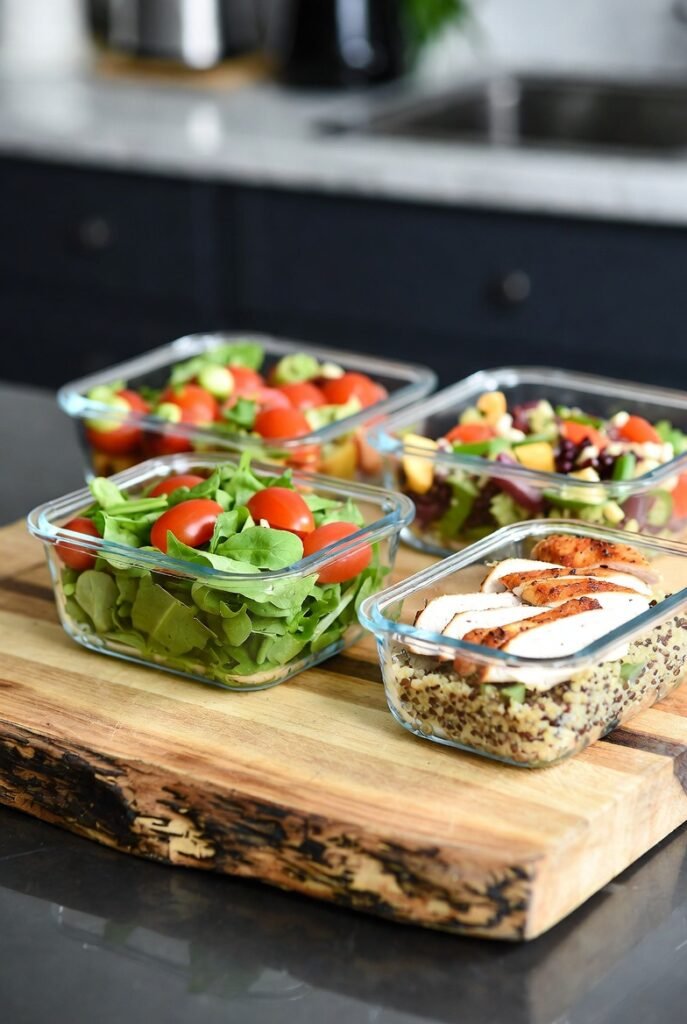
The set includes uniform-sized containers with snap-lock lids that feature silicone seals. The borosilicate glass handles oven temperatures up to 520°F, making them suitable for cooking, storing, and reheating in the same container.
The lids are BPA-free plastic with secure four-point locking mechanisms. They’re airtight and leak-proof when properly secured. The divided options help with portion control and keeping foods separated until you’re ready to eat.
Why they’re durable:
- Borosilicate glass withstands extreme temperatures
- Snap-lock lids with airtight seals
- Stain-resistant and odor-proof
- Safe for oven, microwave, freezer, and dishwasher
Best for: Batch cookers who want to prep, store, and reheat in identical containers.
4. Bentgo Prep 2-Compartment Containers
Bentgo brought bento-style containers to the American meal prep scene.
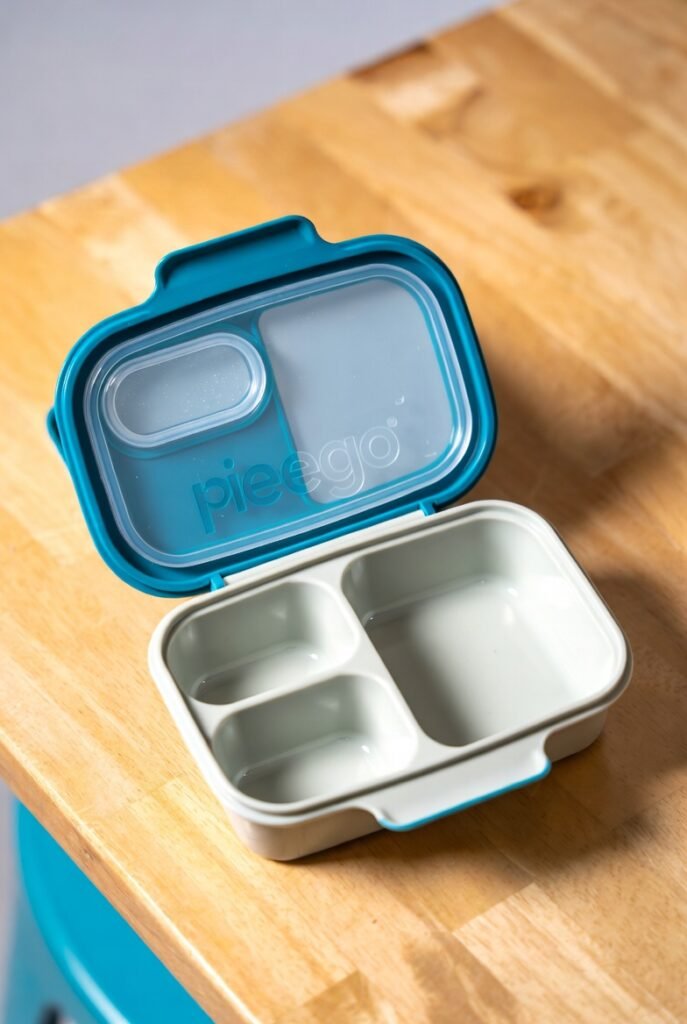
These plastic containers feature two compartments for keeping foods separate. The lids seal completely, preventing leaks even when positioned sideways. The portion control aspect helps with calorie counting and balanced macros.
The polypropylene construction handles daily dishwasher cycles without warping. After months of testing, the lids still seal as tightly as day one. They’re lightweight, stackable, and genuinely reusable for years.
Why they’re durable:
- High-quality polypropylene resists warping
- A compartmentalized design maintains food separation
- Leak-proof seals that don’t degrade
- Microwave and dishwasher safe
Best for: Portion-conscious meal preppers who want separated food compartments.
5. Glasslock Assorted Container Set
Korean-made Glasslock containers pioneered the snap-lock glass container design.
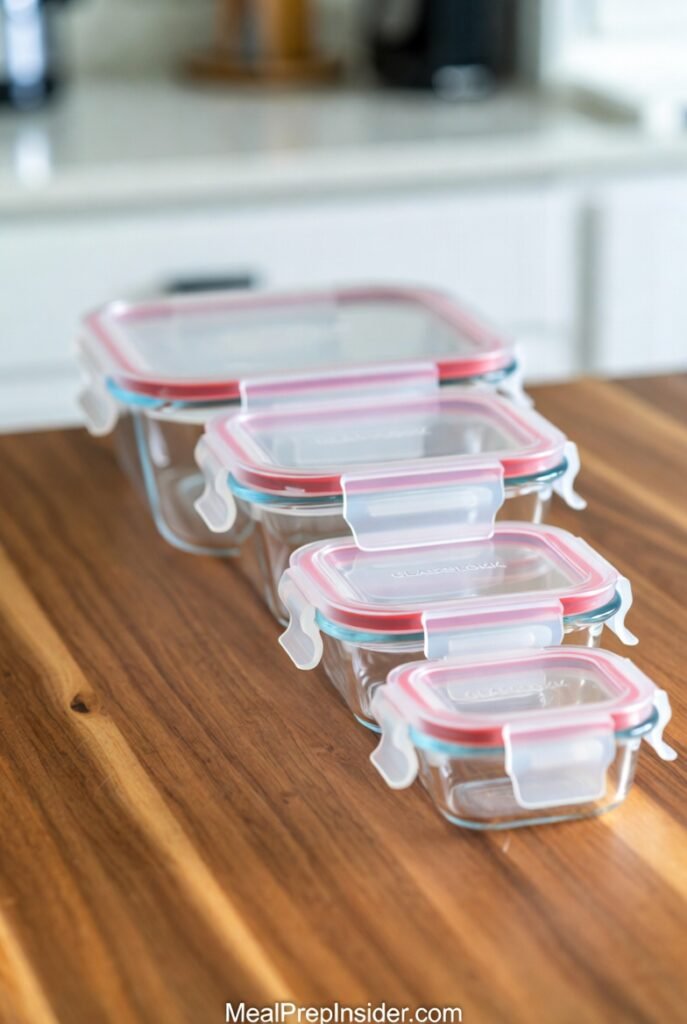
The tempered glass bodies pair with polypropylene lids that feature four-sided locking mechanisms. The silicone gaskets create genuinely airtight seals. You can store these containers on their sides without worrying about leaks or spills.
The variety pack includes different sizes, from small snack containers to large storage options. The versatility makes them suitable for everything from nuts and berries to full casseroles.
Why they’re durable:
- Tempered soda-lime glass for durability
- Four-point locking system with silicone seals
- 100% airtight and leak-proof
- Oven-safe without lids up to 400°F
Best for: Households needing versatile containers for various food storage needs.
6. Sistema Brilliance Containers
These New Zealand-designed containers offer premium features at mid-range prices.
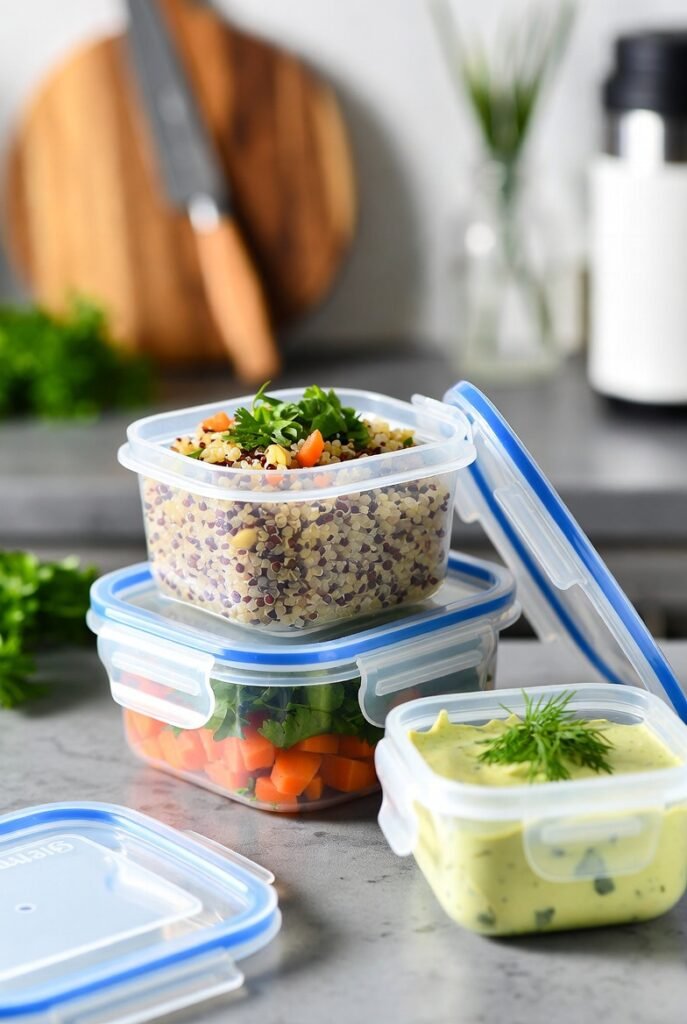
The Tritan plastic construction provides exceptional clarity that doesn’t fade. The distinctive locking clips create secure, leak-proof seals. Sistema engineered steam-release vents directly into the locking clips, allowing safe microwave use without removing lids completely.
The modular stacking design maximizes refrigerator and freezer space. Multiple containers stack securely without toppling, which matters when you’re juggling a week’s worth of meals.
Why they’re durable:
- Tritan plastic resists staining and clouding
- Integrated steam vents in locking clips
- Modular stacking system
- Freezer, microwave, and dishwasher safe
Best for: Budget-conscious meal preppers wanting premium features.
7. Freshware Meal Prep Containers
Freshware targets fitness enthusiasts and portion-focused meal preppers.
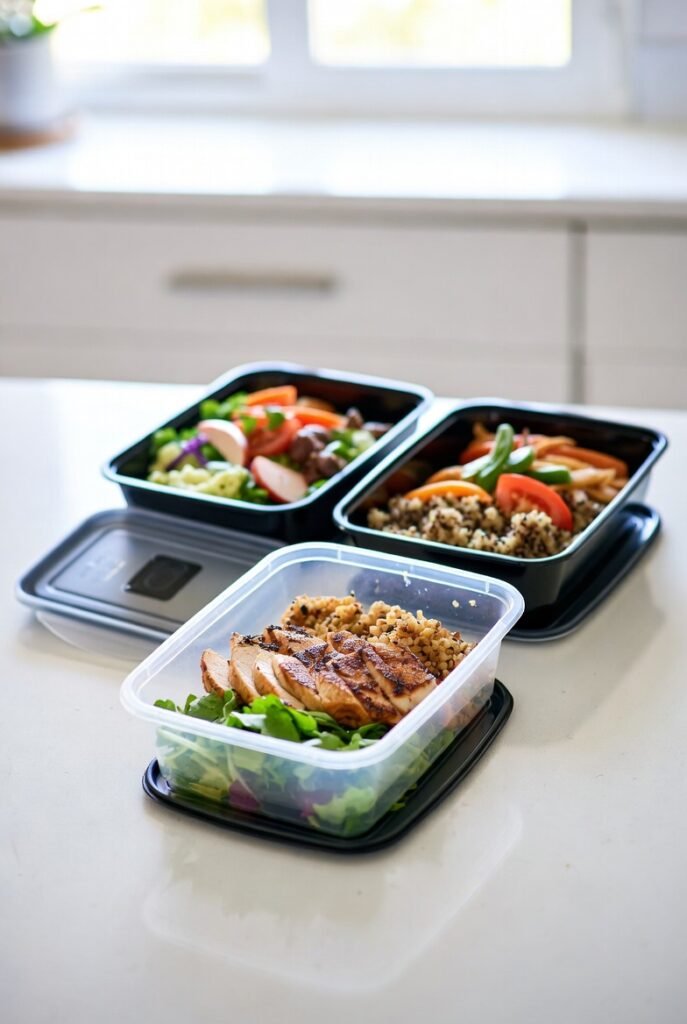
These containers come in sets of identical three-compartment designs. The compartments separate proteins, carbs, and vegetables perfectly. The polypropylene construction handles repeated microwave and dishwasher cycles without degrading.
The lids seal securely without locking mechanisms, relying instead on tight-fitting edges. They’re not quite as leak-proof as locking designs but work perfectly for solid foods and thicker liquids.
Why they’re durable:
- Commercial-grade polypropylene
- Three-compartment portion control
- Stackable space-saving design
- Reusable for 3-4 years with proper care
Best for: Fitness-focused individuals tracking macros and portions.
RELATED POST >> What Containers Are Best for Meal Prep? Top 5 Ranked Now
8. OXO Good Grips Smart Seal Containers
OXO applied their ergonomic design philosophy to meal prep containers.
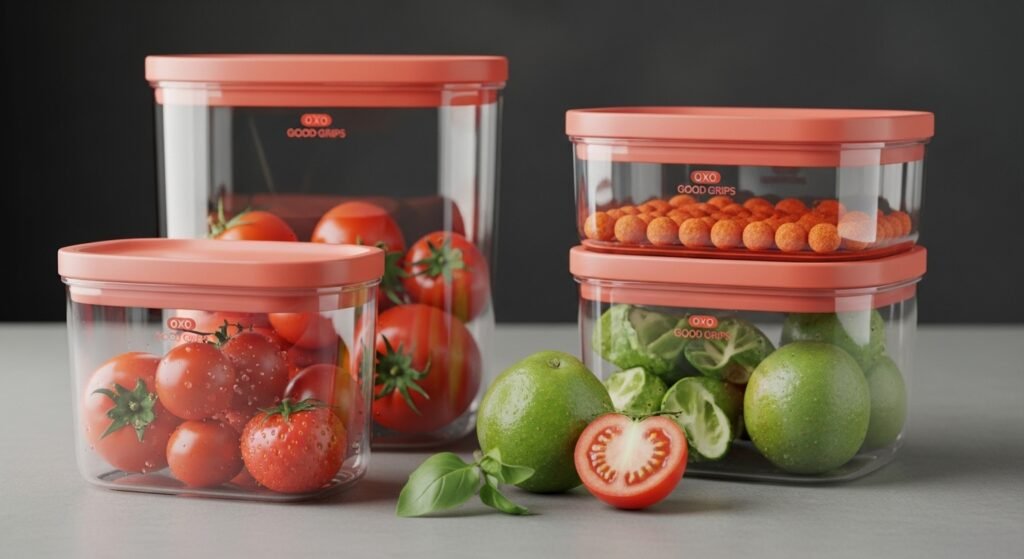
The Smart Seal system features a distinctive single-press seal mechanism. Push down on the colored button, and all four sides lock simultaneously. It’s brilliantly simple and remarkably effective.
The containers are made from BPA-free plastic that resists stains and odors. The clear bodies let you identify contents instantly. The leak-proof seals make these reliable for soups, stews, and liquid-heavy meals.
Why they’re durable:
- One-press Smart Seal locking system
- Stain and odor-resistant plastic
- Leak-proof even with liquids
- Dishwasher, microwave, and freezer safe
Best for: People who want foolproof sealing mechanisms and transport liquids regularly.
9. Bayco Glass Containers with Lids
Bayco offers premium glass containers at surprisingly accessible prices.
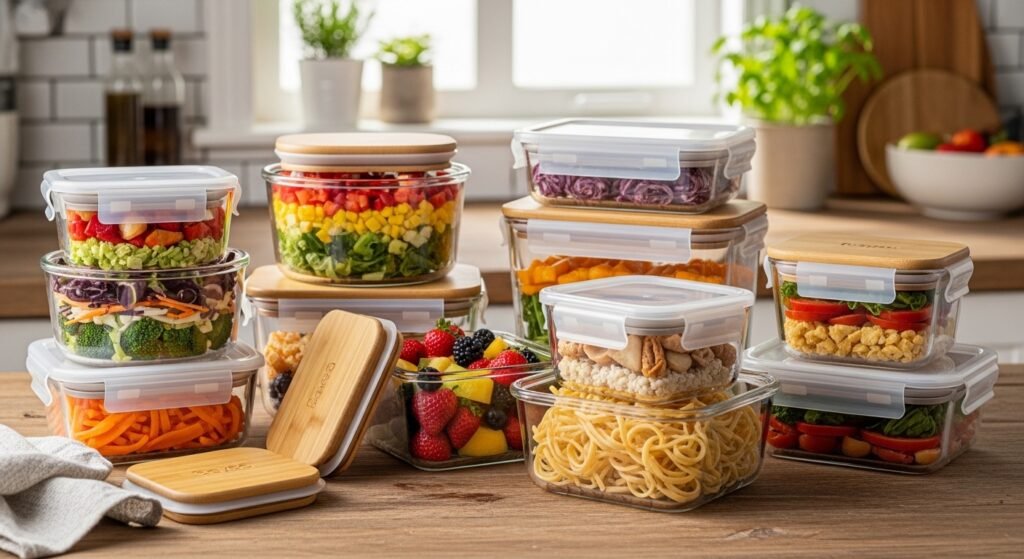
The borosilicate glass handles temperature extremes without issue. The snap-lock lids feature thicker silicone gaskets than many competitors, creating superior airtight seals. These containers maintain food freshness longer than standard options.
The rectangular shapes maximize refrigerator space better than round containers. They nest inside each other when not in use, minimizing storage requirements.
Why they’re durable:
- Borosilicate glass resists thermal shock
- Extra-thick silicone gaskets
- Space-efficient rectangular design
- Oven-safe to 450°F without lids
Best for: Health-conscious preppers who want glass containers without premium prices.
10. Souper Cubes Freezer Trays with Lids
These aren’t traditional containers, but they’ve revolutionized freezer meal prep.
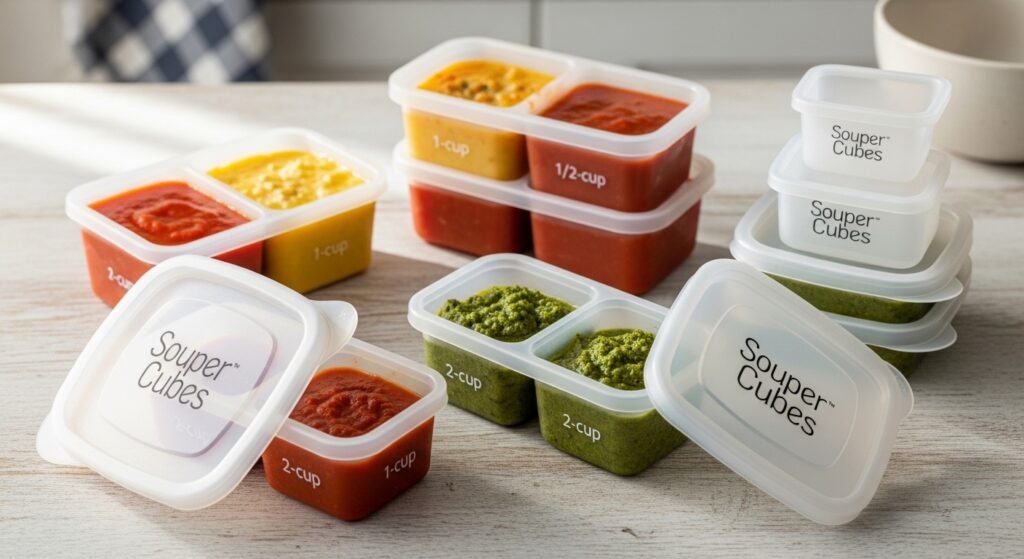
Souper Cubes are silicone freezer trays with lid options. You fill them with soups, stews, sauces, or smoothie ingredients, freeze them, then pop out perfect portion-sized blocks. The silicone construction means they’ll last virtually forever.
The tray format differs from standard containers, but the durability is exceptional. Silicone handles freezer temperatures indefinitely without cracking or becoming brittle.
Why they’re durable:
- Food-grade silicone lasts for years
- Freezer-specific design prevents freezer burn
- Dishwasher safe and stain-resistant
- Perfect portion control for frozen meals
Best for: Freezer meal preppers who want perfect portions of soups and liquids.
Material Breakdown: Glass vs. Plastic vs. Stainless Steel
Choosing container material affects durability, functionality, and longevity.
Glass Containers
Glass wins for longevity and food safety. It doesn’t absorb odors, stains, or chemicals. Tempered and borosilicate glass resists thermal shock, handling freezer-to-oven transitions.
The downside? Weight and breakability. Glass containers are heavier to transport and can shatter if dropped on hard surfaces. They’re ideal for home storage and reheating, but less practical for daily commuting.
Plastic Containers
Modern plastics like Tritan and polypropylene have come far from their cheap predecessors. Quality plastic containers resist staining, handle temperature changes well, and weigh significantly less than glass.
The catch is lifespan. Even premium plastics eventually degrade with repeated dishwasher cycles and microwave use. They scratch more easily, creating places for bacteria to hide. Plan to replace plastic containers every 2-4 years, depending on use.
Stainless Steel Containers
Steel containers are virtually indestructible. They handle drops, dents, and daily abuse without failing. They’re lightweight and won’t leach chemicals into food.
The limitation? They’re not microwave-safe. You need to transfer food to another container for reheating. They’re perfect for cold meals, salads, and foods you’ll eat at room temperature.
Features That Actually Matter for Longevity
Marketing departments love highlighting features that sound impressive but don’t affect real-world durability.
Airtight vs. Leak-Proof
These terms aren’t interchangeable. Airtight containers prevent air exchange, extending food freshness. Leak-proof containers prevent liquid spills during transport. The best containers offer both, but many excel at only one.
For meal prep, leak-proof matters more if you transport food. Airtightness matters more for extending refrigerator storage life.
Dishwasher Safety
“Dishwasher-safe” doesn’t mean dishwasher-proof forever. Top-rack plastic containers last longer than those exposed to bottom-rack heating elements. Glass containers handle any dishwasher position without issue.
Hand washing extends container lifespan significantly. If you’ve invested in premium containers, occasional hand washing preserves seals and prevents warping.
Microwave Safety
Check for actual temperature ratings. “Microwave-safe” can mean anything from “won’t melt immediately” to “handles repeated reheating cycles for years.”
Quality containers specify maximum temperatures and whether you should vent lids during heating. Follow these guidelines to prevent premature failure.
Freezer Compatibility
Not all containers handle freezer temperatures equally. Liquids expand when frozen, so containers need expansion room and flexible materials that won’t crack.
Glass containers specifically rated for freezer use have thicker walls. Cheaper glass may shatter during temperature transitions. Always verify freezer compatibility before filling containers with liquids and freezing.
Common Pitfalls When Choosing Meal Prep Containers
Mistake Number One: Prioritizing Price Over Durability
Cheap containers cost more long-term. That $10 set of 20 containers will crack, stain, and fail within months. Invest in quality once instead of replacing garbage containers repeatedly.
Calculate the cost per year of use. A $40 glass container set lasting 10 years costs $4 annually. A $10 plastic set lasting one year costs $10 annually. The math favors quality.
Mistake Number Two: Ignoring Size Variety
Buying identical-sized containers seems logical until you need different portion sizes. Having small containers for snacks, medium for lunches, and large for dinner portions provides flexibility.
Mixed sets initially seem chaotic but prove more practical over time.
Mistake Number Three: Overlooking Stacking Ability
Containers that don’t stack efficiently waste refrigerator space and create unstable towers that avalanche when you open the door. Test stacking before committing to a system.
Uniform shapes stack better than mixed designs. Round containers waste corner space. Rectangular containers maximize storage efficiency.
Mistake Number Four: Neglecting Lid Replacement Options
Lids fail before containers. Silicone seals wear out. Locking mechanisms break. If you can’t buy replacement lids, you’ll eventually throw away perfectly good containers because the lid failed.
Choose brands that sell replacement lids separately. This simple factor extends your investment by years.
How to Make Your Containers Last Longer
Even premium containers need proper care.
Avoid Thermal Shock
Don’t take frozen containers and immediately microwave them on high. Allow gradual temperature transitions when possible. This prevents stress cracks in both glass and plastic.
Clean Thoroughly Between Uses
Food residue left in seals creates bacterial growth and compromises seal integrity. Remove silicone gaskets periodically and clean them separately.
Don’t Overfill
Leaving expansion space prevents pressure buildup that can warp lids or crack containers. Fill to about 80% capacity for liquids, especially before freezing.
Rotate Your Containers
If you have 10 containers but use the same three repeatedly, you’re wearing out those three while nine sit pristine. Rotate through your entire collection to distribute wear evenly.
Replace Damaged Lids Immediately
A compromised lid ruins the entire container system. Don’t try to make do with a cracked lid or worn seal. Replace it or retire the container.
Meal Prep Container Organization Systems
Having great containers means nothing if you can’t find the right size when needed.
The Matching System
Buy containers in sets where all pieces are identical. This simplifies storage and meal prep. You always know exactly what you’re grabbing.
The drawback is inflexibility. Not every meal fits the same container size.
The Modular System
Choose containers from one brand with different sizes that stack together. Sistema and OXO excel at this approach. Different sizes share the same stacking footprint.
The Drawer System
Dedicate a kitchen drawer to container storage. Store containers nested with lids separated in dividers. This prevents the avalanche effect of stacked containers in cabinets.
The Vertical System
Use shelf dividers to store containers vertically like files. This works especially well for rectangular glass containers. You can see and access every container without moving others.
Special Considerations for Different Meal Prep Styles
Bodybuilding and Fitness Meal Prep
Portion control matters most here. Three-compartment containers with measured sections help hit macro targets consistently. Durability matters because you’re prepping 10-20 meals weekly.
Look for containers that clearly display portion sizes or mark them yourself with a permanent marker.
Family Meal Prep
Larger portions require bigger containers. Glass casserole-style containers with locking lids work better than individual portion containers.
Versatility matters when cooking for multiple people with different preferences. Having various sizes accommodates different serving needs.
Freezer Meal Prep
Freezer-specific containers prevent freezer burn and handle temperature extremes. Souper Cubes, wide-mouth glass containers, and heavy-duty plastic designed for freezing work best.
Leave expansion space. Mark containers with contents and dates. Use freezer-safe labels that don’t peel.
On-the-Go Professional Meal Prep
Leak-proof seals are non-negotiable. You need containers that survive being tossed in bags, briefcases, and gym lockers. Rubbermaid Brilliance and OXO Smart Seal containers excel here.
Consider insulated lunch bags designed for your container system. Properly paired, your meals stay at safe temperatures during commutes.
Sustainability and Environmental Impact
Durable meal prep containers reduce single-use plastic waste significantly.
The Real Environmental Cost
A reusable glass container offsets its manufacturing impact after about 30 uses compared to disposable containers. Quality plastic containers break even after 50-100 uses.
Since durable containers last for years, they’re environmentally superior to disposable options by orders of magnitude.
End-of-Life Considerations
Glass containers are infinitely recyclable. Stainless steel is highly recyclable. Plastic containers, even recyclable ones, downcycle into lower-grade materials.
Choosing materials with better end-of-life options reduces long-term environmental impact.
The Reduce-Reuse Reality
The most sustainable container is the one you already own and use regularly. Don’t buy new containers if your current ones still function. Maximize the lifespan of what you have.
Cost Analysis: When Premium Prices Make Sense
| Container Type | Initial Cost | Expected Lifespan | Cost Per Year | Replacement Frequency |
|---|---|---|---|---|
| Cheap Plastic Set | $10-15 | 6-12 months | $10-20 | 2-4 times yearly |
| Mid-Range Plastic | $25-35 | 2-4 years | $6-18 | Every 2-4 years |
| Premium Plastic | $40-60 | 4-6 years | $7-15 | Every 4-6 years |
| Glass Containers | $30-70 | 10+ years | $3-7 | Rarely if ever |
| Stainless Steel | $40-80 | 15+ years | $3-5 | Extremely rare |
The numbers reveal that premium containers actually cost less over time. The initial investment stings less when you realize you’re done buying containers for the next decade.
Frequently Asked Questions
Can I put meal prep containers with metal components in the microwave?
Never microwave containers with metal parts, including metal locking clips or stainless steel bodies. Metal causes sparking and can damage your microwave. Transfer food to microwave-safe containers first or choose all-plastic or all-glass options for reheating.
How do I remove stubborn stains and odors from plastic containers?
Create a paste using baking soda and water. Apply it to stained areas and let it sit for several hours or overnight. For odors, fill containers with warm water and add two tablespoons of white vinegar. Let soak for several hours, then wash normally. Sunlight also naturally bleaches stains and eliminates odors.
Are divided containers harder to clean than single-compartment ones?
Divided containers have more corners and crevices where food can stick. They require more attention during washing but aren’t significantly harder to clean. Running them through the dishwasher handles most residue. For stuck-on food, soak before washing.
What’s the maximum number of times I can freeze and thaw the same container?
Quality freezer-safe containers handle hundreds of freeze-thaw cycles without issues. The limiting factor is usually the seal degrading rather than the container itself. If you notice frost forming inside sealed containers, the seal has compromised and should be replaced.
Do glass containers break easily if dropped?
Tempered and borosilicate glass resist impacts better than regular glass, but they can still break if dropped on hard surfaces like tile or concrete. They’re more durable than you’d expect, but not indestructible. Using silicone sleeves adds protection if you’re particularly concerned about drops.
Can I use meal prep containers for non-food storage?
Absolutely. Quality containers work great for organizing craft supplies, hardware, office supplies, and other small items. The airtight seals protect contents from moisture and dust. Just keep food and non-food containers separate to avoid cross-contamination.
How do I know when it’s time to replace my containers?
Replace containers when you notice cracks, deep scratches that can harbor bacteria, warping that prevents proper sealing, or persistent cloudiness in clear plastic. If lids no longer seal properly and replacement lids aren’t available, retire the container. When in doubt, replace it.
Are expensive containers really worth it for beginners?
Starting with mid-range quality makes sense. You’ll learn what features matter most to you without the frustration of cheap containers failing immediately. Once you establish your meal prep routine, you can invest in premium options that match your specific needs.
Can I prep acidic foods like tomato sauce in any container?
Glass and stainless steel handle acidic foods without issues. Some plastics may stain or absorb odors from acidic foods, even if they’re food-safe. For tomato-based dishes, marinades, and citrus-heavy meals, glass containers perform better long-term.
What’s the best way to transport hot foods in meal prep containers?
Let hot foods cool to room temperature before sealing containers to prevent condensation buildup. For transporting genuinely hot food, use insulated food jars or containers specifically designed for hot transport. Standard meal prep containers are designed for refrigerated foods that you’ll reheat later.
Final Thoughts on Building Your Container Collection
Meal prep containers aren’t exciting. They’re not glamorous. They don’t photograph well for social media.
But they’re foundational to consistent, healthy eating habits. The right containers make meal prep smoother, food storage more reliable, and your kitchen more organized.
Start with one quality set. Learn what you like and dislike about the size, material, and features. Expand from there based on actual use rather than theoretical needs.
The containers on this list represent the most durable, reliable options available to American consumers. They’ve proven themselves through real-world testing, not just marketing claims.
Your future self will thank you for investing in quality now rather than replacing cheap containers every few months. The right meal prep containers don’t just store food. They enable the consistent habits that lead to better health, save money, and reduce stress.
Choose wisely. Prep confidently. Eat well.
SUGGESTED POST >> 76 Top Easy Meal Prep Ideas: Best Selected Painstakingly
Discover more from Meal Prep Insider
Subscribe to get the latest posts sent to your email.