
Night shift meal prep ideas can transform how you fuel your body during those challenging overnight hours. Let me tell you something—working nights isn’t for the faint of heart. Your body’s fighting its natural circadian rhythm, your friends are asleep when you’re awake, and finding decent food at 3 AM? Forget about it.
I remember talking to Sarah, a nurse who’d been working the graveyard shift for five years. She confessed that for the first two years, she survived on vending machine snacks and whatever fast food was open at ungodly hours. Her energy tanked. Her health suffered. Then she discovered meal prepping specifically for night shifts, and everything changed.
This isn’t your typical meal prep guide. We’re diving deep into meals that actually make sense for night workers—foods that keep you alert without the crash, easy to eat during short breaks, and honestly, things that won’t make you feel terrible when your body’s already confused about what time it is.
Why Night Shift Workers Need Different Meal Prep Strategies
Your body processes food differently at night. That’s just science.
When you’re awake while everyone else sleeps, your metabolism doesn’t function the same way it would during daylight hours. Your digestive system slows down. Your insulin sensitivity changes. What works for day shift folks might leave you feeling sluggish and bloated.
Night shift meal prep isn’t just about having food ready. It’s about strategic eating that supports your energy levels, maintains your health, and keeps you sharp when it matters most. You need meals that are:
- Easy to digest during nighttime hours
- Protein-rich foods to maintain alertness
- Portable for eating on the go
- Temperature-flexible (because microwaves aren’t always available)
- Quick to consume during short breaks
The right meal prep can be the difference between dragging through your shift and actually thriving during it.
The Foundation: What Makes a Good Night Shift Meal
Before we jump into the specific ideas, let’s talk basics.
Night shift meals should be lighter than what you’d eat during the day. Your digestive system is naturally slower at night, so heavy, greasy foods will sit like rocks in your stomach. Not ideal when you need to stay focused.
Protein is your best friend. It provides sustained energy without the blood sugar rollercoaster that comes from carb-heavy meals. Think lean meats, fish, eggs, Greek yogurt, and legumes.
Complex carbohydrates, when consumed in moderation, help maintain energy. We’re talking quinoa, brown rice, sweet potatoes, and oats. These release energy slowly, keeping you steady through your shift.
Healthy fats keep you satisfied. Avocado, nuts, olive oil, and seeds prevent that desperate hunger that hits at 4 AM and makes you reach for whatever junk food is available.
Hydration matters more than you think. Prep infused water, herbal teas, or electrolyte drinks alongside your meals. Dehydration during night shifts happens faster than you’d expect.
36 Night Shift Meal Prep Ideas That Work
Quick Breakfast-Style Options (Because Timing Is Weird)
1. Overnight Oats with Protein Powder
Mix oats, protein powder, almond milk, and chia seeds in mason jars. Add berries and nuts. Grab and go. These stay fresh for up to five days, and you can eat them cold, which is perfect when you’re rushing between tasks.
2. Egg Muffin Cups
Whisk eggs with vegetables, cheese, and cooked turkey sausage. Pour into muffin tins and bake. You get twelve portable protein bombs that reheat in seconds or taste great cold. Seriously, these changed the game for so many shift workers I know.
3. Greek Yogurt Parfait Jars
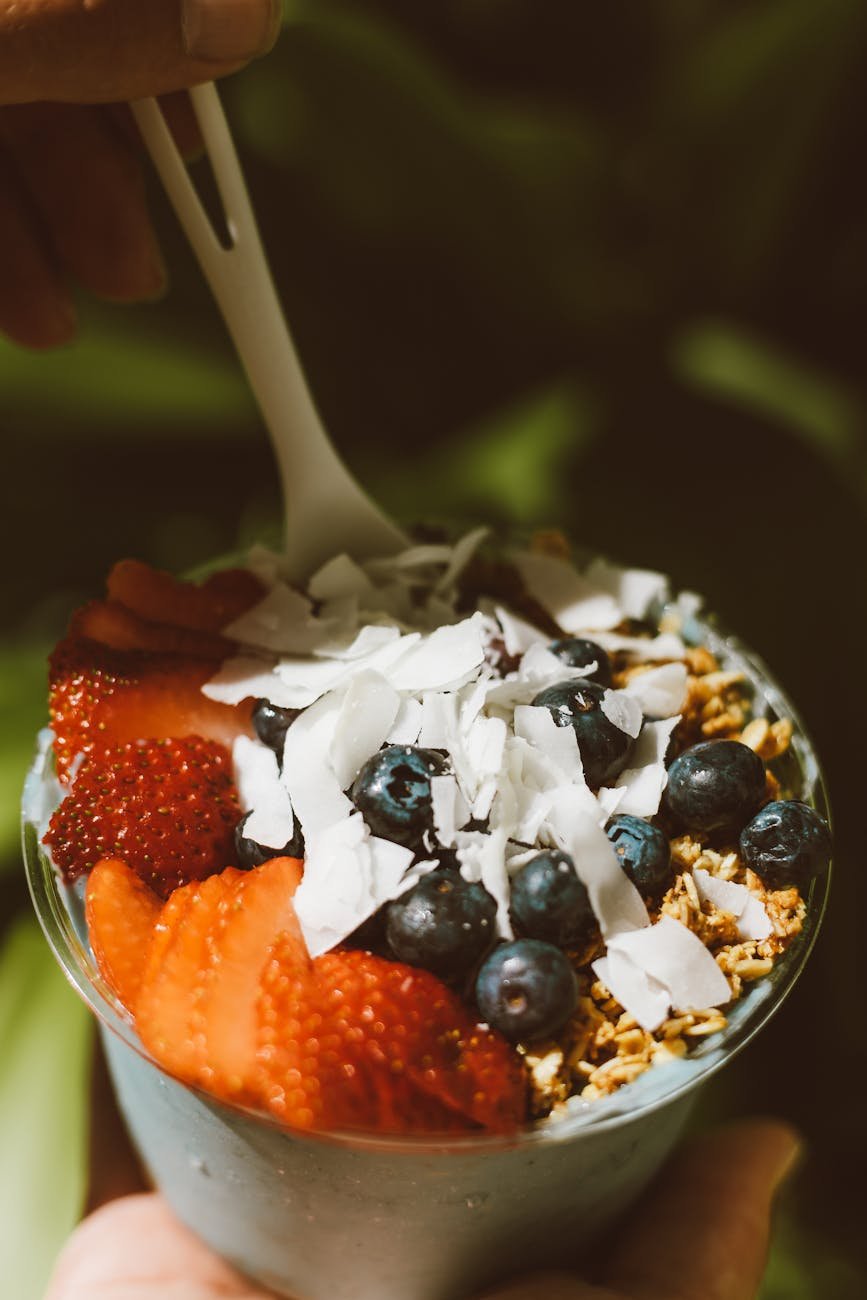
Layer Greek yogurt, granola, nuts, and fresh fruit. The protein from yogurt keeps you full without weighing you down. Plus, the crunch from granola gives you something satisfying to chew when you’re fighting fatigue.
4. Breakfast Burritos
Scrambled eggs, black beans, peppers, onions, and a bit of cheese wrapped in whole wheat tortillas. Wrap them individually in foil. These freeze beautifully and microwave like a dream.
5. Chia Seed Pudding
Mix chia seeds with coconut milk and a touch of maple syrup. Let it sit overnight. Top with sliced almonds and fresh fruit. Light, nutritious, and won’t make you feel heavy.
Protein-Packed Main Meals
6. Grilled Chicken with Roasted Vegetables
Classic for a reason. Season chicken breasts with your favorite spices, grill them up, and roast a big batch of vegetables. Portion them into containers with a small serving of quinoa. This combination keeps you full and focused.
7. Turkey Meatballs with Zucchini Noodles
Make a big batch of turkey meatballs on Sunday. Spiralize zucchini for “noodles.” Pack separately and combine when ready to eat. The protein-to-carb ratio here is perfect for night shift energy.
8. Salmon and Asparagus Packets
Place salmon fillets and asparagus spears on foil, drizzle with lemon and olive oil, seal, and bake. These packets are genius—they’re already portioned, and salmon’s omega-3s help with the inflammation that comes from working nights.
9. Beef and Broccoli Stir-Fry
Use lean beef strips, tons of broccoli, and a homemade sauce (soy sauce, ginger, garlic, a touch of honey). Serve over cauliflower rice to keep it lighter. This reheats better than most stir-fries.
10. Chicken Fajita Bowls
Seasoned chicken strips, sautéed peppers and onions, black beans, brown rice, and a dollop of Greek yogurt instead of sour cream. All the flavor, better nutrition profile.
11. Baked Cod with Green Beans
Cod is mild, easy to digest, and packs serious protein. Bake it with lemon and herbs, and pair it with steamed green beans. Light but satisfying.
12. Pork Tenderloin Medallions with Sweet Potato
Slice pork tenderloin into medallions, season, and bake. Roast sweet potato cubes separately. The natural sweetness of the potato perfectly balances the savory pork.
Lighter Options for Mid-Shift Eating
13. Mason Jar Salads
Layer dressing on the bottom, then hearty vegetables, proteins, and greens on top. Shake before eating. The key is keeping wet and dry ingredients separated. These stay fresh for days.
14. Chicken Lettuce Wraps
Ground chicken cooked with water chestnuts, mushrooms, and Asian-inspired seasonings. Pack with butter lettuce leaves. Crunchy, light, and won’t leave you feeling stuffed.
15. Tuna Salad Cucumber Boats
Mix tuna with Greek yogurt, celery, and spices. Scoop out the cucumber halves and fill them with the mixture. High-protein, low-carb, incredibly refreshing.
16. Caprese Skewers with Grilled Chicken
Thread cherry tomatoes, mozzarella balls, and basil on skewers. Add grilled chicken cubes. Drizzle with balsamic. Easy to eat, portion-controlled, and feels fancy.
17. Veggie-Packed Frittata Squares
Bake a large frittata loaded with vegetables and a bit of cheese. Cut into squares. Each piece is perfectly portioned and tastes great at any temperature.
Soup and Stew Options
18. Turkey Chili
Make a huge pot with lean ground turkey, beans, tomatoes, and tons of spices. This freezes brilliantly, and each serving is packed with protein and fiber. Warm, comforting, and won’t put you to sleep.
19. Chicken Vegetable Soup
Homemade broth, shredded chicken, and whatever vegetables you have on hand. Skip heavy noodles and use chickpeas instead for protein and texture.
20. Beef and Barley Stew
Hearty but not too heavy. Barley provides complex carbs that release energy slowly. Perfect for those longer 12-hour shifts.
21. Lentil Soup
Vegetarian protein powerhouse. Lentils, carrots, celery, tomatoes, and spices. This one’s incredibly budget-friendly, too.
22. Creamy Cauliflower Soup
Roasted cauliflower blended with vegetable broth and a touch of cream. Light, satisfying, and honestly tastes way more indulgent than it is.
Bowl-Based Meals
23. Buddha Bowls
Quinoa base, roasted chickpeas, steamed broccoli, shredded carrots, avocado, and tahini dressing. Everything you need in one container.
24. Burrito Bowls
Brown rice, seasoned ground turkey, black beans, corn, salsa, and a bit of cheese. All the burrito flavor without the tortilla weighing you down.
25. Teriyaki Chicken Rice Bowls
Grilled chicken with homemade teriyaki sauce, brown rice, edamame, and steamed vegetables. Make the teriyaki yourself to control the sugar content.
26. Poke-Inspired Bowls
Cubed raw tuna or cooked shrimp, sushi rice, cucumber, avocado, edamame, and seaweed. If you have access to fresh fish, this is incredibly refreshing during night shifts.
27. Mediterranean Bowls
Quinoa, grilled chicken, cucumber, tomatoes, olives, feta, and tzatziki. The flavors stay bright even after a few days in the fridge.
Snack-Style Meals
28. Protein Bento Boxes
Hard-boiled eggs, cheese cubes, nuts, sliced vegetables, hummus, and whole-grain crackers. Everything is finger food, perfect for eating while monitoring equipment or during brief breaks.
29. Turkey and Cheese Roll-Ups
Deli turkey wrapped around cheese sticks with mustard. Add some cherry tomatoes and snap peas on the side. Simple, but effective.
30. Energy Balls
Oats, nut butter, honey, chia seeds, and dark chocolate chips rolled into balls. These are technically snacks but pack enough nutrition to count as a light meal.
31. Veggie and Hummus Packs
Pre-portioned containers with carrot sticks, bell pepper strips, cucumber slices, and a generous scoop of hummus. Add some whole-grain pita if you need more substance.
32. Cottage Cheese and Fruit Bowls
Cottage cheese is underrated. High in protein, easy to digest. Pair with pineapple, berries, or peaches. A sprinkle of nuts adds crunch and healthy fats.
Warm Comfort Options
33. Turkey and Veggie Lasagna
Make a healthier lasagna with ground turkey, tons of vegetables, and part-skim cheese. Cut into portions and freeze individually. Real comfort food that won’t destroy your energy levels.
34. Stuffed Bell Peppers
Bell peppers filled with ground turkey, quinoa, tomatoes, and spices. These look good, taste amazing, and the pepper is basically an edible container.
35. Baked Chicken Thighs with Root Vegetables
Chicken thighs stay moist when reheated (unlike breasts). Roast with carrots, parsnips, and turnips. Hearty without being heavy.
36. Shrimp and Cauliflower Grits
Cauliflower grits (trust me on this) topped with seasoned shrimp and a bit of cheese. All the comfort of traditional shrimp and grits with better nutrition stats.
RELATED POST >> Top 37 High Fiber Meal Prep Ideas: Best Quick Fixes
Meal Prep Strategy for Night Shift Success
Having recipes is one thing. Implementing a system is another.
Pick Your Prep Day
Most night shift workers find success prepping on their first day off. Your body’s exhausted, but your mind knows you need this. Block out three to four hours.
Batch Cook Proteins
Cook all your proteins at once. Grill multiple chicken breasts, bake a few salmon fillets, and brown ground turkey. This is your foundation.
Prep Vegetables in Bulk
Wash, chop, and roast vegetables for the entire week. Store them separately from proteins so you can mix and match.
Invest in Quality Containers
Glass containers with tight lids are worth every penny. They don’t absorb odors, microwave safely, and show you what’s inside at a glance.
Create an Eating Schedule
Your shift might be eight, ten, or twelve hours. Map out when you’ll eat. Generally, plan for:
- A light meal before your shift starts
- A main meal during your first break
- Smaller snacks throughout the night
- A small meal before heading home
Rotate Your Menu
Don’t eat the same thing five days straight. You’ll burn out. Prep two or three different options each week.
Common Pitfalls Night Shift Workers Make with Food
Skipping Meals
You’re busy. I get it. But skipping meals leads to energy crashes and terrible food choices later. Set alarms if you need to.
Relying on Caffeine
Coffee has its place, but it’s not a meal replacement. Too much caffeine, especially late in your shift, also messes with your sleep after work.
Eating Too Close to Bedtime
Try to finish eating at least two hours before you plan to sleep. Your body needs time to digest before you lie down.
Choosing Only Cold Foods
Sometimes you need something warm. It’s comforting and signals to your body that it’s time to refuel. Don’t default to cold meals just because they’re easier.
Not Adjusting Portions
Night shift workers often need a different caloric intake than day workers. You might need less food overall since your body’s metabolism is different. Pay attention to how you feel.
Forgetting Hydration
Pack water bottles. Set reminders. Dehydration will tank your energy faster than anything else.
The Night Shift Meal Prep Weekly Plan Template
Here’s a sample week that rotates through different meal types:
| Day | Meal 1 (Before Shift) | Meal 2 (First Break) | Snacks | Meal 3 (Second Break) |
|---|---|---|---|---|
| Monday | Greek Yogurt Parfait | Turkey Burrito Bowl | Veggie & Hummus Pack | Energy Balls |
| Tuesday | Egg Muffin Cups | Grilled Chicken with Veggies | Hard-boiled Eggs | Cottage Cheese Bowl |
| Wednesday | Overnight Oats | Salmon and Asparagus | Protein Bento Box | Turkey Lettuce Wraps |
| Thursday | Breakfast Burrito | Beef and Broccoli Stir-fry | Caprese Skewers | Chia Pudding |
| Friday | Chia Seed Pudding | Chicken Fajita Bowl | Tuna Cucumber Boats | Turkey Roll-ups |
Adjust based on your shift length and personal hunger patterns.
Storage and Food Safety Tips for Night Shift Meals
Working nights means you’re often eating outside traditional meal times. Food safety becomes crucial.
Keep It Cold
Invest in a good insulated lunch bag with ice packs. Most workplaces have refrigerators, but don’t count on them.
Reheat Properly
If using a microwave, heat until steaming throughout. Stir halfway through to eliminate cold spots.
Know Your Limits
Most meal prep stays fresh for three to four days in the fridge. Anything longer should be frozen and thawed as needed.
Label Everything
Date your containers. When you’re sleep-deprived, it’s hard to remember what you made when.
Transport Safely
Keep your lunch bag in a cool area. Don’t leave it in a hot car during the summer months if you’re running errands before work.
Budget-Friendly Night Shift Meal Prep
You don’t need to spend a fortune to eat well on night shifts.
Buy Proteins on Sale
Stock up when chicken, turkey, or fish goes on sale. Freeze in individual portions.
Embrace Eggs
Probably the cheapest complete protein available. Infinitely versatile.
Seasonal Vegetables
They’re cheaper and taste better. Frozen vegetables are equally nutritious and often more budget-friendly than fresh.
Cook Once, Eat Twice
Make larger batches and freeze half. You’re creating a meal bank for future weeks.
Generic Brands
Store-brand quinoa, rice, oats, and canned goods are typically identical to name brands at half the price.
Making Night Shift Meal Prep Sustainable Long-Term
The initial excitement of meal prepping wears off. That’s normal.
Start Small
Don’t try to prep every single meal for the week on day one. Start by prepping just your main-shift meals. Add breakfast and snacks later once you’ve established a routine.
Keep It Simple
Fancy recipes with twenty ingredients aren’t sustainable. Stick to meals with five to seven components.
Prep with a Friend
If you work with someone on the same shift, consider prepping together. You can split costs, share containers, and motivate each other.
Track What Works
Keep notes on your phone about which meals kept you energized and which ones didn’t. Everyone’s body responds differently.
Give Yourself Grace
Some weeks you won’t have the energy to prep. That’s okay. Having a few healthy frozen meals on hand as backup isn’t a failure—it’s smart planning.
The Impact of Proper Nutrition on Night Shift Health
Let’s talk about what really happens when you consistently fuel your body well during night shifts.
Your energy stabilizes. Those 3 AM crashes become rare instead of expected. Your mood improves because your blood sugar isn’t constantly spiking and dropping.
Weight management becomes easier. When you’re eating planned, nutritious meals, you’re not desperately grabbing whatever’s available.
Sleep quality often improves. Proper nutrition supports better rest, even when you’re sleeping during the day.
Long-term health markers get better. Night shift work is already hard on your body. Proper nutrition is one of the few factors completely within your control.
Marcus, a factory worker I spoke with, lost thirty pounds and got his blood pressure under control within six months of starting consistent meal prep. He’s still working nights, but his doctor visits tell a completely different health story.
Frequently Asked Questions
How many meals should I eat during a 12-hour night shift?
Most people do well with one substantial meal during their first break, a lighter meal or hearty snack during the second break, and small snacks as needed. Listen to your body—some people prefer grazing on smaller portions throughout the shift.
Can I meal prep for night shifts if I have dietary restrictions?
Absolutely. The principles remain the same regardless of whether you’re vegetarian, vegan, gluten-free, or following any other dietary pattern. Focus on protein sources that work for you, plenty of vegetables, and foods that digest well at night.
What’s the best meal to eat right before a night shift starts?
Something moderate in protein and complex carbs, but not too heavy. A chicken and quinoa bowl, turkey wrap, or salmon with sweet potato works well. Avoid heavy, greasy foods that will make you sluggish.
Should I eat breakfast when I get home from a night shift?
Keep it light if you eat at all. Your body’s getting ready to sleep. A small protein smoothie or some Greek yogurt with fruit is plenty. Heavy meals right before sleep can disrupt rest quality.
How do I meal prep if I work rotating shifts?
Prep flexible meals that work for any time of day. Bowl-based meals, protein and veggie combinations, and grab-and-go options work regardless of whether you’re eating at 2 PM or 2 AM.
Is it okay to eat the same meals every week?
If you enjoy them and they’re nutritionally balanced, sure. Many successful meal preppers rotate between two or three favorite weeks. Variety matters more for nutrition and sustainability than for any other reason.
What if my workplace doesn’t have a microwave?
Focus on meals that taste good cold or at room temperature. Mason jar salads, wraps, bento boxes, overnight oats, and most of the lighter options on this list work perfectly without reheating.
How much should I spend on weekly meal prep for night shifts?
This varies by location and dietary preferences, but most people spend between $40 and $ 70 per week on groceries for work meals. That’s significantly less than buying food during shifts or hitting drive-throughs.
Can meal prepping actually help with weight gain during night shifts?
Yes. Night shift weight gain often stems from poor timing of meals, low-quality convenience foods, and irregular eating patterns. Meal prep addresses all three issues by providing nutritious, portioned meals exactly when you need them.
How long does it take to prep meals for a full week?
Once you’re in a rhythm, expect about 2-3 hours for a full week of meals. Your first few times might take longer as you figure out your system, but it gets faster with practice.
Night shift meal prep ideas aren’t just about convenience. They’re about taking control of your health when working conditions try to work against you. Your schedule might be unconventional, but your nutrition doesn’t have to suffer for it.
Start with a few meals from this list. See what works for your body, your schedule, and your taste preferences. Adjust as needed. The goal isn’t perfection—it’s consistency and feeling better during those long overnight hours.
You’re already doing the hard work of showing up for night shifts. Now give yourself the fuel to actually thrive during them.
SUGGESTED POST >> Meal Prep for Summer Heat: No Oven: Best Refreshing Options