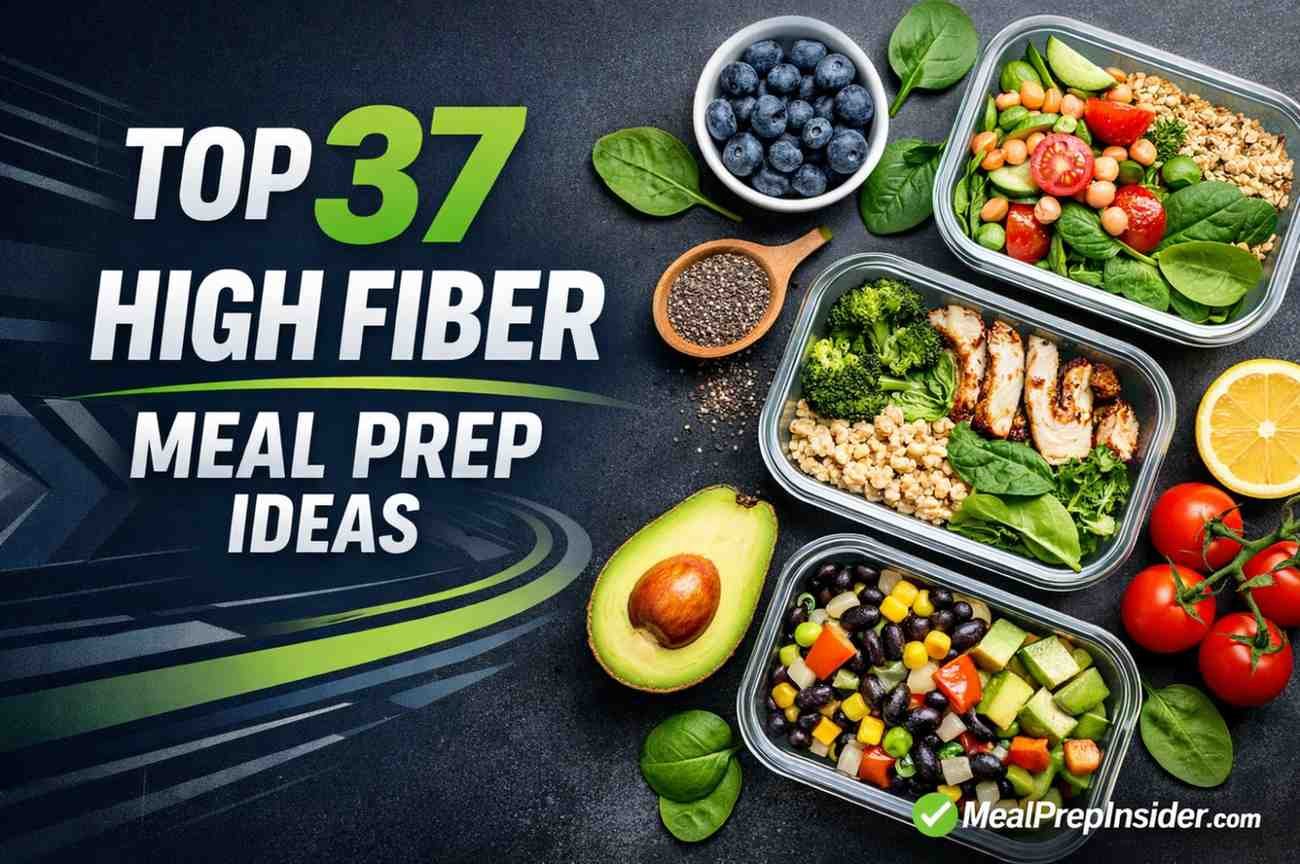
High fiber meal prep ideas can transform your weekly routine from chaotic to controlled in just a few hours on Sunday afternoon. My neighbor Sarah used to grab drive-through breakfast sandwiches every morning until she discovered that prepping fiber-rich meals ahead of time saved her money, helped her lose twenty pounds, and gave her energy that actually lasted past 10 AM.
Fiber is one of those nutrients everyone knows they need, but most Americans fall short on daily. The average person in the United States consumes only about 15 grams of fiber per day, when the recommended amount is 25 grams for women and 38 grams for men. That’s a massive gap.
When you prep high-fiber meals in advance, you set yourself up for success. No more rushed decisions at lunch. No more ordering pizza because you’re too tired to cook. Just grab what you made, heat it up, and fuel your body properly.
Why High Fiber Meal Prep Ideas Matter for Your Health
Fiber does more than keep you regular, though that’s certainly important. It stabilizes blood sugar levels, so no more afternoon crashes that send you hunting for candy bars in the break-room vending machine. It keeps you full longer, reducing those random snack attacks that derail your nutrition goals.
Research shows that high-fiber diets reduce the risk of heart disease, diabetes, and certain cancers. They help with weight management because fiber-rich foods take longer to chew and digest. Your body actually has to work for those nutrients.
Meal prepping takes the guesswork out of eating enough fiber. When your containers are already packed with quinoa bowls, veggie-loaded stir-fries, and bean salads, you don’t have to think about whether you’re hitting your targets. You just eat what you prepared.
The Meal Prep Mindset That Works
Before diving into specific recipes, let’s talk strategy. Successful meal prep isn’t about cooking seven identical chicken-and-broccoli meals every Sunday. That’s boring, and you’ll quit by Wednesday.
Think variety. Think mix-and-match components. Think about what actually sounds good to you.
I prep grains, proteins, and vegetables separately, then combine them in different ways throughout the week. Monday might be a Mediterranean quinoa bowl with chickpeas and roasted vegetables. Thursday could be those same chickpeas in a curry with brown rice and spinach. Same ingredients, completely different flavor profile.
Start small if this is new to you. Prep breakfast and lunch for three days instead of trying to prepare every meal for the entire week. Build the habit first, then expand.
Essential Tools for High Fiber Meal Prep
You don’t need fancy equipment, but a few key items make everything easier:
- Glass meal prep containers in various sizes
- A quality chef’s knife that doesn’t make chopping vegetables feel like punishment
- Large sheet pans for roasting multiple vegetables at once
- A rice cooker or Instant Pot for hands-off grain cooking
- Good storage bags for freezing extras
I resisted buying an Instant Pot for years because I thought it was just another kitchen gadget taking up space. Wrong. It cooks beans from dry in under an hour without soaking. It makes perfect brown rice every time. It’s worth every penny.
Top 37 High Fiber Meal Prep Ideas
Breakfast Options
1. Overnight Oats with Chia Seeds and Berries
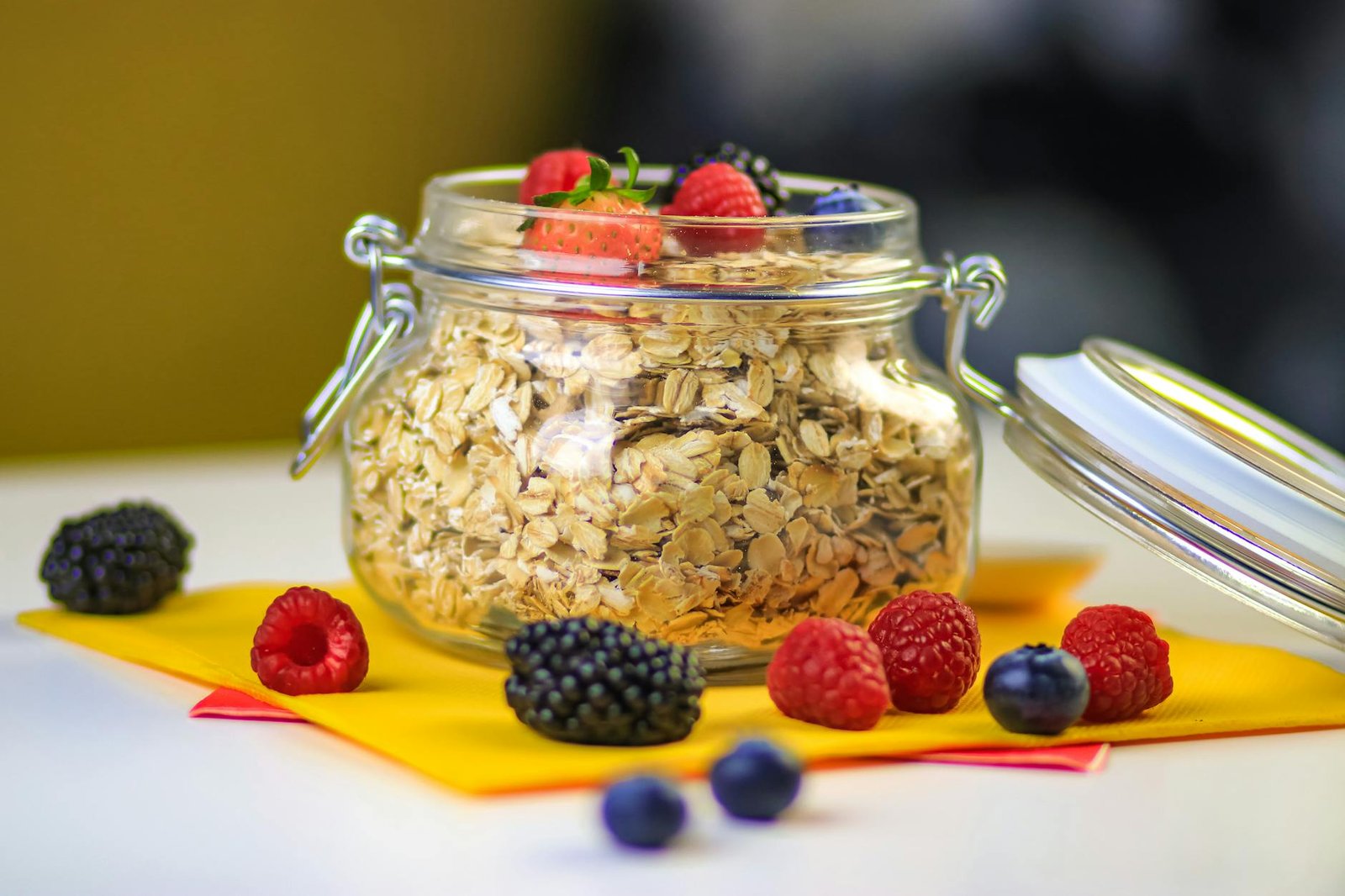
Combine rolled oats, chia seeds, almond milk, and a touch of maple syrup in jars. Top with fresh berries before eating. Each serving packs about 12 grams of fiber. Make five jars on Sunday, grab one each morning.
2. Sweet Potato and Black Bean Breakfast Burritos
Scramble eggs with black beans, roasted sweet potato cubes, and peppers. Wrap in whole wheat tortillas. These freeze beautifully and reheat in two minutes. Roughly 10 grams of fiber per burrito.
3. Quinoa Breakfast Bowls
Cook quinoa in almond milk, then portion into containers with cinnamon, sliced almonds, and diced apples. Warm it up and add a drizzle of almond butter. You’re looking at 8 grams of fiber here.
4. Bran Muffins with Carrots and Raisins
Bake a batch on Sunday. These last all week and pair perfectly with your morning coffee. Use whole wheat flour, wheat bran, grated carrots, and raisins for about 6 grams of fiber each.
5. Chia Pudding Parfaits
Layer chia pudding with Greek yogurt and granola. The chia seeds provide fiber, while the yogurt adds protein. Make in mason jars for an Instagram-worthy breakfast that’s actually nutritious.
Lunch Bowls and Salads
6. Mediterranean Chickpea Bowls
Roast chickpeas with olive oil and spices until crispy. Pair with quinoa, cucumber, tomatoes, red onion, and a lemon-tahini dressing. This bowl delivers around 15 grams of fiber.
7. Three-Bean Salad with Vegetables
Mix kidney beans, black beans, and chickpeas with diced bell peppers, red onion, and a vinaigrette. This gets better as it sits in the fridge. Seriously good and about 12 grams of fiber per serving.
8. Lentil and Roasted Vegetable Bowls
Cook green or brown lentils until tender. Roast seasonal vegetables like Brussels sprouts, carrots, and sweet potatoes. Combine with a tahini dressing. Lentils are fiber powerhouses with nearly 16 grams per cup.
9. Farro Salad with Kale and Cranberries
Farro is an ancient grain with a nutty flavor and chewy texture. Toss cooked farro with massaged kale, dried cranberries, walnuts, and a maple-Dijon dressing. About 8 grams of fiber per serving.
10. Brown Rice Buddha Bowls
Build these with brown rice as the base, then add roasted chickpeas, steamed broccoli, shredded carrots, avocado, and a peanut sauce. The combination gives you roughly 11 grams of fiber.
11. Barley and Vegetable Soup
Make a huge pot on Sunday. Barley contains more fiber than most grains, and when combined with vegetables and beans, this soup becomes a fiber superstar at 14 grams per bowl.
12. Spinach and White Bean Salad
Cannellini beans mixed with fresh spinach, cherry tomatoes, red onion, and a balsamic vinaigrette. Simple, refreshing, and loaded with about 10 grams of fiber.
Hearty Main Dishes
13. Black Bean and Sweet Potato Chili
This vegetarian chili is thick, filling, and freezes perfectly. Sweet potatoes add natural sweetness while black beans provide protein and fiber. One serving contains approximately 16 grams of fiber.
14. Whole Wheat Pasta with Lentil Bolognese
Swap traditional meat sauce for a lentil-based version. Cook it with tomatoes, carrots, celery, and Italian herbs. Serve over whole wheat pasta for a fiber count of around 13 grams.
15. Stuffed Bell Peppers with Quinoa and Beans
Cut bell peppers in half, stuff with a mixture of quinoa, black beans, corn, and spices. Bake until peppers are tender. These reheat wonderfully and offer about 11 grams of fiber.
16. Chicken and Vegetable Stir-Fry with Brown Rice
Load up the vegetables in this stir-fry. Think broccoli, snap peas, carrots, bell peppers, and water chestnuts. Serve over brown rice for roughly 9 grams of fiber per serving.
17. Turkey and Black Bean Skillet
Ground turkey cooked with black beans, diced tomatoes, corn, and taco seasoning. Portion into containers and eat with whole-grain tortillas or over brown rice. About 12 grams of fiber.
18. Baked Salmon with Roasted Brussels Sprouts and Quinoa
Brussels sprouts become crispy and delicious when roasted at high heat. Pair with baked salmon and quinoa for a balanced meal with around 10 grams of fiber.
19. Vegetable and Chickpea Curry
Make a big batch of curry with chickpeas, cauliflower, spinach, and tomatoes. Serve over brown rice or with whole wheat naan. This delivers approximately 14 grams of fiber per serving.
20. Slow Cooker White Bean and Vegetable Stew
Toss white beans, diced tomatoes, carrots, celery, kale, and vegetable broth in the slow cooker before work. Come home to a ready meal with about 13 grams of fiber per bowl.
Portable Snacks and Sides
21. Roasted Chickpeas
Season the chickpeas and roast until crunchy. Make several flavors like buffalo, ranch, or cinnamon sugar. A half-cup provides 6 grams of fiber and satisfies that crunchy snack craving.
22. Hummus with Vegetable Sticks
Batch-make hummus and portion it into small containers with carrot sticks, celery, bell peppers, and snap peas. Convenient and fiber-rich at about 7 grams per serving.
23. Trail Mix with Dried Fruit and Nuts
Create your own blend with almonds, walnuts, pumpkin seeds, dried apricots, and dark chocolate chips. Portion into small bags for grab-and-go snacks with roughly 5 grams of fiber.
24. Apple Slices with Almond Butter
Pre-slice apples and store in lemon water to prevent browning. Pack with individual almond butter portions. Simple but effective with about 5 grams of fiber.
25. Edamame Cups
Steam edamame, portion into containers, and sprinkle with sea salt. These protein and fiber-packed snacks contain about 8 grams of fiber per cup.
Soups and Stews
26. Split Pea Soup
This classic soup is incredibly high in fiber. One cup of split peas contains 16 grams. Add carrots, celery, onions, and ham, or keep it vegetarian. Freezes beautifully.
27. Minestrone Soup
Packed with vegetables, beans, and whole-grain pasta, minestrone is meal prep gold. Make a huge pot and freeze in individual portions. Each bowl has roughly 11 grams of fiber.
28. Lentil and Tomato Soup
Red lentils cook quickly and create a creamy texture. Combine with canned tomatoes, carrots, and curry spices for a warming soup with about 15 grams of fiber.
29. Black Bean Soup
Blend some of the beans to create a thick, creamy base while leaving some whole for texture. Top with cilantro, lime, and avocado. Around 14 grams of fiber per serving.
30. Vegetable and Barley Stew
Barley makes any stew heartier and adds substantial fiber. Load it with mushrooms, carrots, celery, and whatever vegetables you have on hand. Expect about 12 grams of fiber.
Creative Options
31. Zucchini Noodle Bowls with Chickpeas
Spiralize zucchini in advance and store it in the fridge. Combine with roasted chickpeas, cherry tomatoes, and pesto for a lighter option that still provides about 9 grams of fiber.
32. Cauliflower Fried Rice with Edamame
Pulse the cauliflower in a food processor until it reaches rice-sized pieces. Stir-fry with edamame, peas, carrots, and scrambled eggs. This low-carb option still delivers 8 grams of fiber.
33. Whole Wheat Pita Pizzas with Vegetable Toppings
Make personal pizzas on whole wheat pitas. Load them with sauce, vegetables like mushrooms and peppers, and a modest amount of cheese. About 7 grams of fiber each.
34. Baked Oatmeal Squares
Bake oatmeal in a pan with mashed bananas, berries, and nuts. Cut into squares for a portable breakfast or snacks. Each square provides roughly 6 grams of fiber.
35. Asian-Inspired Lettuce Wraps
Fill lettuce cups with a mixture of ground turkey, water chestnuts, mushrooms, and Asian sauce. Serve with brown rice on the side for about 8 grams of fiber.
36. Breakfast Grain Bowls with Farro
Cook farro, then combine it with scrambled eggs, sautéed spinach, and roasted tomatoes. A savory breakfast option with approximately 9 grams of fiber.
37. Bean and Veggie Quesadillas
Fill whole wheat tortillas with black beans, peppers, onions, and a small amount of cheese. Cut into triangles, then store separately with parchment paper. Around 10 grams of fiber per quesadilla.
Building Your Weekly Meal Prep Schedule
Sunday afternoon works for most people, but find what fits your schedule. Some people prefer splitting prep between Sunday and Wednesday to keep things fresher.
Here’s a realistic three-hour prep session:
Hour One: Wash and chop all vegetables. Get grains cooking in the rice cooker or on the stove. Start any dishes that need oven time, like roasted vegetables or baked proteins.
Hour Two: Cook proteins on the stovetop. Assemble any soups or stews. Make breakfast items like overnight oats or breakfast burritos.
Hour Three: Portion everything into containers. Label with contents and dates. Clean up while mentally planning which meals you’ll eat on which days.
Don’t try to be perfect. Some weeks, you’ll prep six meals and feel accomplished. Other weeks you’ll manage three, and that’s still better than nothing.
RELATED POST >> 17 Chicken Breast Meal Prep Ideas: Easy Weekly Edible Ideas
How to Store High Fiber Meals Properly
Glass containers are superior to plastic for several reasons. They don’t absorb odors or stains. They’re microwave-safe. They last for years. I bought a set five years ago and haven’t needed replacements.
Most cooked grains last four to five days in the fridge. Beans and legumes last about the same amount of time. Soups and stews often taste better after a day or two as flavors meld together.
Freeze anything you won’t eat within five days. Soups, stews, burritos, and most casseroles freeze exceptionally well. Salads don’t freeze, obviously. Keep dressings separate to prevent sogginess.
Label everything with the date and contents. You think you’ll remember what’s in that container, but you won’t. Trust me on this.
Mistakes People Make with High Fiber Meal Prep
Increasing fiber intake too quickly can cause digestive discomfort. Your gut needs time to adjust. If you currently eat 15 grams daily and suddenly jump to 35 grams, you’ll be bloated and uncomfortable. Add 5 grams per week until you reach your target.
Not drinking enough water while eating more fiber causes constipation, which is the opposite of what you want. Fiber absorbs water in your digestive tract. Without adequate hydration, it becomes a problem rather than a solution.
Making meals you don’t actually enjoy guarantees failure. I don’t care how healthy kale salad is if you hate it. Find high-fiber foods you genuinely like eating. There are hundreds of options.
Forgetting about variety means you’ll get bored. Eating the same quinoa bowl seven days straight sounds efficient until Thursday, when you can’t face another bite. Prep components instead of complete meals to create variety.
Skipping the planning step results in random food containers that don’t work well together. Spend fifteen minutes planning before you shop. Know what you’re making and why.
Tips for Maximum Fiber in Every Meal
Leave skins on vegetables whenever possible. Potato skins, apple peels, and cucumber skins all contain significant fiber. Peeling vegetables removes nutrients along with the skin.
Choose whole grains over refined versions every single time. Brown rice instead of white. Whole wheat pasta instead of regular. Quinoa instead of couscous. The fiber difference is substantial.
Add beans to everything. Seriously. Beans in salads, soups, pasta dishes, grain bowls, and even breakfast scrambles. They’re cheap, filling, and loaded with fiber.
Include nuts and seeds as toppings. Sprinkle chia seeds on yogurt. Add slivered almonds to salads. Toss pumpkin seeds in the soup. These small additions add up quickly.
Sneak vegetables into unexpected places. Grated zucchini in muffins. Cauliflower rice in fried rice. Spinach in smoothies. You’re getting fiber without even thinking about it.
Sample Five-Day Meal Prep Plan
This plan provides approximately 30-35 grams of fiber daily:
Breakfast All Five Days: Overnight oats with chia seeds, berries, and sliced almonds
Monday Lunch: Mediterranean chickpea bowl with quinoa
Monday Dinner: Black bean and sweet potato chili
Tuesday Lunch: Lentil and roasted vegetable bowl
Tuesday Dinner: Whole wheat pasta with lentil Bolognese
Wednesday Lunch: Three-bean salad
Wednesday Dinner: Stuffed bell peppers with quinoa and beans
Thursday Lunch: Farro salad with kale and cranberries
Thursday Dinner: Vegetable and chickpea curry over brown rice
Friday Lunch: Brown rice Buddha bowl
Friday Dinner: Turkey and black bean skillet
Snacks Throughout Week: Roasted chickpeas, apple slices with almond butter, edamame
This variety ensures you won’t get bored while consistently hitting fiber targets.
Shopping List Essentials for High Fiber Meal Prep
Keep these staples stocked, and you can always throw together high-fiber meals:
Grains:
- Brown rice
- Quinoa
- Farro
- Barley
- Rolled oats
- Whole wheat pasta
Legumes:
- Black beans (canned and dry)
- Chickpeas
- Lentils (red, green, brown)
- Kidney beans
- White beans
- Split peas
Vegetables:
- Sweet potatoes
- Brussels sprouts
- Broccoli
- Spinach
- Kale
- Bell peppers
- Carrots
- Onions
Fruits:
- Apples
- Berries
- Bananas
- Avocados
Pantry Items:
- Chia seeds
- Nuts and nut butters
- Canned tomatoes
- Vegetable broth
- Olive oil
- Spices and herbs
Buy what’s on sale and in season. Frozen vegetables work perfectly for meal prep and often cost less than fresh while maintaining nutritional value.
Adapting Recipes to Your Preferences
These 37 ideas are starting points, not strict rules. Hate chickpeas? Use black beans instead. Don’t eat meat? Leave it out or substitute tofu. Allergic to nuts? Use seeds.
The key is understanding that fiber comes from plants. Whole grains, legumes, vegetables, fruits, nuts, and seeds all contribute. As long as you’re building meals around these components, you’ll hit your fiber goals.
I have a friend who insists she hates healthy food. Then I watched her demolish a bowl of chili and ask for seconds. She didn’t realize the black bean and sweet potato chili was “health food” because it tasted good. Season your food properly, and it won’t feel like you’re eating cardboard.
Time-Saving Hacks
Buy pre-chopped vegetables when the budget allows. Yes, they cost more. They also save thirty minutes of prep time. Calculate whether your time is worth the extra two dollars.
Use rotisserie chicken instead of cooking your own. Shred it and add to grain bowls, salads, or wraps. The time savings is significant.
Cook double batches and freeze half. When you’re making lentil soup anyway, doubling the recipe takes minimal extra effort but gives you meals for two weeks instead of one.
Embrace one-pot meals. Sheet pan dinners, slow cooker recipes, and Instant Pot meals minimize dishes while delivering maximum nutrition.
Prep ingredients rather than complete meals when you’re short on time. Cooked grains, chopped vegetables, and cooked beans can become dozens of different meals throughout the week.
Making High Fiber Meal Prep Work Long-Term
The first few weeks might feel awkward. You’re learning what recipes work for you, how long prep actually takes, and what containers you need. Stick with it through this learning curve.
Take photos of meals you enjoyed and want to make again. I keep a note on my phone with “meal prep wins” so I remember what worked when I’m planning the next week.
Involve family members if you live with others. Even kids can wash vegetables or stir ingredients. Shared work makes it faster and teaches valuable skills.
Give yourself permission to buy pre-made items occasionally. If you’re exhausted and would otherwise order takeout, buying a rotisserie chicken and bagged salad is still better than pizza.
Remember why you started. Better energy, weight management, disease prevention, money savings, and reduced stress. When Sunday afternoon rolls around, and you’d rather watch Netflix, remind yourself how good you feel when meals are handled for the week.
Frequently Asked Questions
How long does meal-prepped food stay fresh?
Most cooked grains, proteins, and vegetables last four to five days in the refrigerator when stored properly in airtight containers. Soups and stews often last up to a week. Freeze anything you won’t eat within this timeframe to maintain quality and safety.
Can I freeze all of these high-fiber meals?
Most can be frozen successfully. Soups, stews, burritos, cooked grains, and bean dishes freeze beautifully. Avoid freezing salads with fresh greens, but grain-based salads often freeze adequately. Always cool food completely before freezing and use freezer-safe containers.
How do I prevent meal prep from getting boring?
Focus on prepping components rather than complete meals. Cook several grains, proteins, and vegetables, then mix and match throughout the week. Use different sauces and seasonings to change flavor profiles. Prep for three or four days instead of seven to maintain variety.
What if I experience digestive issues when increasing my fiber intake?
Increase fiber gradually over several weeks rather than all at once. Drink plenty of water throughout the day. Consider tracking which high-fiber foods cause issues and adjust accordingly. For example, some people tolerate certain beans better than others.
Do I need to buy organic ingredients for meal prep?
Organic is a personal choice based on budget and values. Conventional produce still provides the same fiber content. Focus first on eating enough fiber from any source, then upgrade to organic if it matters to you and your budget allows.
How much money does high fiber meal prep save?
This varies by current eating habits, but most people save $50-100 per week by meal prepping instead of buying lunch out and ordering dinner. Beans and grains are among the cheapest foods per serving, making high-fiber meal prep particularly economical.
Can I meal prep if I have a small kitchen?
Absolutely. You don’t need tons of space. Focus on one-pot meals and recipes that don’t require multiple cooking surfaces. Use your oven efficiently by roasting several vegetables at once. A slow cooker or Instant Pot minimizes the stovetop space it takes up.
What containers work best for meal prep?
Glass containers with snap-lock lids are ideal. They’re microwave-safe, don’t retain odors, and last for years. Get various sizes for different meal types. Mason jars work great for overnight oats and salads. Silicone muffin cups help with portion control for snacks.
How do I reheat meal-prepped food properly?
Remove food from the refrigerator and let it sit for a few minutes before microwaving to ensure even heating. Add a splash of water or broth to grains and pasta before reheating to prevent dryness. Soups and stews reheat best on the stovetop but work fine in the microwave.
Is it safe to eat the same foods all week?
From a food safety perspective, yes, as long as food is stored properly and consumed within recommended timeframes. From a nutritional standpoint, variety is beneficial, but eating similar meals for a week won’t cause deficiencies. Rotate recipes weekly for the best nutritional balance.
High fiber meal prep ideas transform how you eat without requiring perfection or hours of daily cooking. Start with a few recipes that sound appealing. Build the habit gradually. Notice how much better you feel when your nutrition is handled, and stress decreases.
The beauty of this approach is that it scales to your life. Busy week ahead? Prep more meals. Lighter schedule? Prep less. The flexibility makes it sustainable long-term, rather than another diet that lasts three weeks before you give up.
Your digestive system, energy levels, and future self will thank you for making this investment in your health.
SUGGESTED POST >> Top 26 Gut Health Meal Prep Recipes: Simple But Delicious