Meal prep for long work trips can transform your entire travel experience from exhausting to energizing. Trust me on this one.
Last month, I watched my colleague Sarah pull out a perfectly portioned container of homemade chicken and quinoa in our hotel room while I was stuck eating my third sad airport sandwich of the week. That moment changed everything for me.
Whether you’re a consultant hopping between client sites, a sales professional covering multiple territories, or anyone whose job keeps them away from home for extended periods, this guide will revolutionize how you approach food during business travel.
Why Meal Prep for Long Work Trips Matters More Than You Think
Here’s the reality. Business travelers in the United States spend an average of $63 per day on food, according to recent travel industry data. Over a two-week trip, that adds up to nearly $900. And let’s be honest, most of that money goes toward mediocre meals eaten in a rush between meetings.
But cost isn’t even the biggest issue.
The real problem is how terrible eating impacts your performance. You know the feeling. Heavy restaurant meals that leave you sluggish during afternoon presentations. Skipped breakfasts because hotel options were either expensive or unappetizing. Late-night room service that disrupted your sleep.
Your body doesn’t care that you’re traveling for work. It still needs proper nutrition to function at its best. The difference between closing a deal and losing one might come down to whether you had sustained energy throughout that crucial meeting.
Professional athletes don’t leave nutrition to chance. Neither should you.
Understanding Your Trip Before You Pack a Single Container
Before diving into recipes and packing strategies, you need to assess your specific situation. Every work trip presents different challenges and opportunities.
Questions to ask yourself:
- How long will you be gone?
- Will you have refrigerator access?
- Is there a microwave in your room or at the office?
- Are you flying, driving, or taking trains?
- What’s the meeting schedule like?
- Will clients expect you to join them for meals?
A three-day car trip to visit regional offices looks completely different from a two-week flight-based journey across multiple cities. Your meal prep strategy needs to match your reality.
I learned this the hard way when I packed a cooler full of fresh salads for a trip involving three connecting flights and a customs stop. By the time I reached my hotel, everything had wilted into an unrecognizable green mush.
The Non-Negotiable Equipment for Travel Meal Prep
You don’t need fancy gear to eat well on the road. But certain items make a massive difference.
Essential items:
- Collapsible cooler bag with good insulation
- Reusable ice packs (TSA-compliant frozen gel packs work best)
- Leak-proof containers in various sizes
- Insulated food jar for hot items
- Portable utensil set
- Small cutting board (flexible silicone versions pack flat)
- Travel-size containers for dressings and sauces
Nice to have:
- Portable immersion blender for smoothies
- Electric kettle (many hotels provide these)
- Small portion scale
- Silicone bags for snacks
- Collapsible bowl
Skip the bulky lunch boxes designed for elementary schoolers. Invest in adult-appropriate containers that stack efficiently and don’t scream “I brought food from home” during professional settings.
Foods That Travel Well Versus Foods That Don’t
Not all healthy foods survive travel gracefully. Learning which ingredients hold up under various conditions saves you from disappointing meals and wasted groceries.
| Travel-Friendly Foods | Foods to Avoid |
|---|---|
| Hard-boiled eggs | Leafy green salads |
| Nuts and seeds | Anything with mayo-based dressing |
| Whole grain crackers | Fresh-cut avocado |
| Cheese sticks | Smoothies (unless consumed immediately) |
| Beef or turkey jerky | Soft fruits like berries |
| Nut butter packets | Sushi or raw fish |
| Dried fruit | Cream-based soups |
| Whole apples and oranges | Foods with strong odors |
| Energy balls | Anything requiring precise temperature control |
| Grain bowls | Dishes with separate components that need mixing |
The best travel foods share common characteristics. They’re relatively dry, don’t require precise temperature control, taste good at room temperature or slightly warm, and won’t make your seatmate give you dirty looks.
Meal Prep Strategies Based on Trip Length
Short trips (2-4 days)
These trips offer the most flexibility. Fresh food remains safe and appetizing. You can pack pre-made meals without worrying too much about shelf stability.
Focus on complete meals prepared at home and transported in your cooler bag. Breakfast burritos wrapped tightly in foil reheat beautifully in hotel microwaves. Grain salads with robust vegetables like roasted sweet potatoes, chickpeas, and hearty greens hold their texture for days.
Medium trips (5-10 days)
This is where hybrid strategies work best. Pack enough prepared food for the first half of your trip, then supplement with strategic grocery store stops.
Most business hotels sit near at least one decent grocery store. Dedicate 20 minutes on day three or four to restocking basics. Pre-washed salad mixes, rotisserie chicken, and microwavable grain pouches extend your healthy eating streak without requiring a full kitchen.
Extended trips (11+ days)
Reality check. You cannot pack two weeks’ worth of meals into your luggage. Nor should you try.
For longer assignments, shift your focus to portable staples that enhance whatever local food you can source. Pack protein powder, individual nut butter packets, shelf-stable milk alternatives, oatmeal cups, and high-quality snacks. Then, research your destination in advance.
Where’s the nearest Whole Foods? Trader Joe’s? Even Target carries decent prepared foods these days. Knowing your options before arrival removes the excuse to order pizza at midnight.
Breakfast Options That Actually Work
Hotel breakfasts fall into two categories. The fancy buffet that costs $28 and takes 45 minutes, you don’t have. Or the sad continental spread featuring stale muffins and watery orange juice.
Neither option serves your needs.
Overnight oats:
These remain the gold standard for travel breakfast. Mix rolled oats with your liquid of choice, add chia seeds for staying power, and let time do the work. Prepare three or four jars before leaving home. They stay fresh in a mini-fridge for five days easily.
My go-to ratio: 1/2 cup oats, 1/2 cup milk, 1 tablespoon chia seeds, 1 tablespoon maple syrup. Shake it up in a mason jar and forget about it until morning.
Protein-packed egg muffins:
Whisk eggs with vegetables and cheese, pour into muffin tins, and bake until set. These portable protein bombs travel well in a cooler and reheat in 30 seconds. Make a dozen before departure. Breakfast is sorted for your entire trip.
Smoothie prep bags:
Freeze individual portions of smoothie ingredients in small bags. Pack your portable blender. Each morning, dump the contents of the bag into the blender with the liquid, then blend. Breakfast accomplished in under two minutes.
Nut butter and banana:
Sometimes the simplest solutions work best. A banana with a single-serve nut butter packet delivers quick energy without any preparation needed. Keep these in your work bag for mornings when even overnight oats feel like too much effort.
Lunch Ideas for Busy Workdays
Lunchtime during work trips presents unique challenges. You might be eating at a desk, between site visits, or during a brief break in an all-day session.
Your lunch needs to be fast, not messy, satisfying, and professional-looking.
Mason jar salads:
Layer ingredients strategically, and these work beautifully. Dressing goes at the bottom. Then hardy vegetables like carrots and bell peppers. Grains or proteins next. Delicate greens at the very top. When ready to eat, shake or dump into a bowl. The layering prevents sogginess during transport.
Wrap rollups:
Skip the soggy bread sandwich. Large tortillas wrapped around turkey, hummus, and vegetables are sliced into pinwheels that stay fresh and taste intentional rather than sad.
Bento-style boxes:
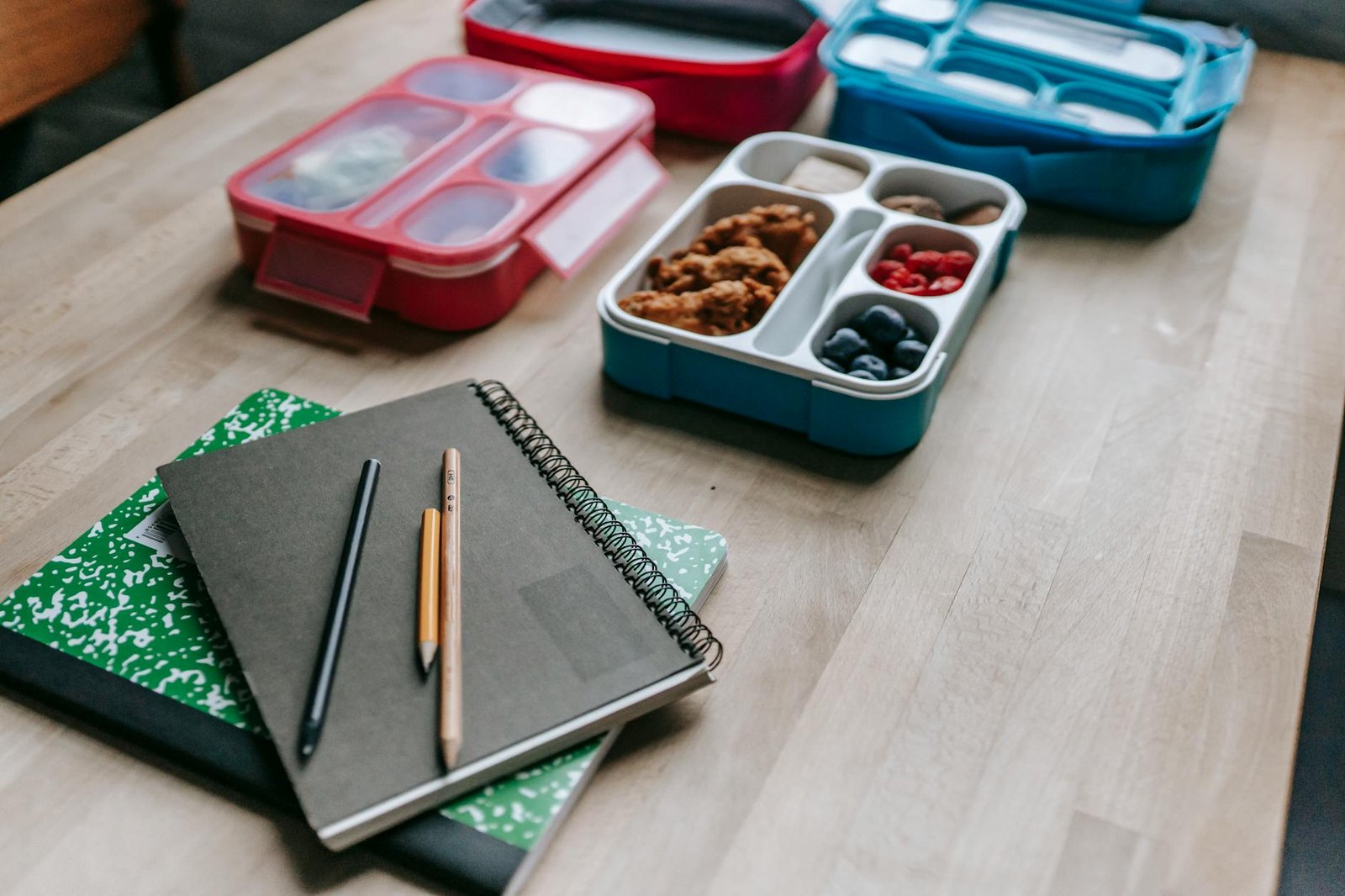
Compartmentalized containers let you pack a variety of flavors without mixing them. One section holds protein (grilled chicken strips or hard-boiled eggs). Another contains carbs (whole grain crackers or quinoa). A third holds vegetables. Small containers of hummus or guacamole round out the meal.
Grain bowls:
Brown rice, farro, or quinoa forms the base. Add roasted vegetables, a protein source, and a simple olive oil-based dressing. These bowls are good to eat at room temperature or slightly warm, making them ideal for situations where microwave access is uncertain.
Dinner Solutions When You’re Exhausted
After a full day of meetings, networking, and travel stress, the last thing you want is to figure out dinner. This is precisely when most people cave and order room service or grab fast food.
Having dinner options ready prevents bad decisions made from exhaustion.
Prepare-ahead soups:
Thick, hearty soups (think minestrone or lentil) transport well in insulated containers and reheat perfectly. Make a big batch at home, portion into travel containers, and freeze. Pack frozen food for your trip. They’ll thaw safely and provide hot, comforting dinners for your first few nights.
Rotisserie chicken strategy:
Stop at a grocery store on your way to the hotel and grab a rotisserie chicken. That single purchase provides protein for multiple meals. Eat some plain food that night. Shred the rest for salads, wraps, or grain bowls over the next few days.
Hotel room cooking:
Many extended-stay hotels provide small kitchens. Even standard rooms often have microwaves and mini-fridges. With minimal equipment, you can prepare simple meals.
Steam frozen vegetables in the microwave. Cook instant rice or quinoa. Scramble eggs on a stovetop if you have one. Combine components into satisfying meals that require minimal cleanup.
Smart restaurant ordering:
Some dinners will happen at restaurants. That’s fine and often necessary for relationship-building with clients or colleagues. Make better choices by reviewing menus beforehand, choosing grilled over fried, asking for dressings on the side, and boxing half your portion immediately if servings are massive.
Snacks That Keep You Going Between Meals
Business travel rarely follows a predictable eating schedule. Flights get delayed. Meetings run long. Hotel check-ins take forever.
Strategic snacking prevents desperate decisions.
Homemade trail mix:
Skip the overpriced airport versions loaded with candy pieces. Mix your own combination of raw nuts, seeds, and a small amount of dried fruit. Portion into individual bags for grab-and-go convenience.
Energy balls:
Dates, oats, nut butter, and various add-ins are blended together and rolled into balls. These no-bake treats satisfy sweet cravings while providing actual nutrition. They don’t require refrigeration for several days and pack easily.
Protein bars (the good ones):
Read labels carefully. Many protein bars contain as much sugar as candy bars. Look for options with simple ingredients, adequate protein (at least 10 grams), moderate sugar (under 8 grams), and enough fiber to keep you satisfied. RXBars, Perfect Bars, and certain KIND varieties meet these criteria.
Vegetable sticks with individual hummus cups:
Those small hummus containers available at most grocery stores pair perfectly with carrot sticks, celery, and bell pepper strips. Pre-cut your vegetables at home and pack them alongside the hummus for a satisfying afternoon snack.
Cheese and crackers:
Individually wrapped cheese portions (like Babybel) combined with whole-grain crackers offer protein and complex carbs to power you through afternoon slumps.
RELATED POST >> 30-minute Meal Prep for the Week: Quick Fix for Busy Weeks
Navigating TSA and Airline Regulations
Flying with food creates anxiety for many travelers. What’s allowed? What gets confiscated? Will security give me a hard time?
Understanding the rules eliminates stress.
What TSA allows:
Solid foods in any quantity pass through security without issues. Sandwiches, cooked meats, whole fruits, vegetables, cheese, bread, nuts, cookies, energy bars. All fine. Pack whatever you want in your carry-on.
The liquid rule still applies:
Dressings, dips, hummus, peanut butter, yogurt, and other spreadable or pourable items must follow the 3-1-1 rule. Individual containers cannot exceed 3.4 ounces. Everything must fit in a single quart-sized clear bag.
Here’s a workaround. Freeze items that are liquids at room temperature. Frozen items are considered solids and may be brought in any quantity. That smoothie pack frozen solid passes through security fine. Just know it will eventually thaw.
Practical tips:
- Pack food items together in one section of your bag for easy access during screening
- Remove food from your bag and place it in a bin if instructed
- TSA officers may need to inspect food items more closely
- International flights have different and often stricter rules about food
On the plane itself, flight attendants don’t care if you brought your own food. In fact, they probably prefer it since it means one less person complaining about airline meal options.
Mistakes That Sabotage Your Travel Meal Prep
Learning from others’ failures saves time and frustration.
Overpacking food:
Enthusiasm leads many first-timers to pack way more than necessary. All that extra food adds weight to luggage and often goes to waste. Start conservative. You can always supplement with local grocery runs.
Ignoring time zones:
Your carefully planned meals don’t account for the fact that your body thinks it’s 3 AM. Jet lag affects appetite significantly. Pack easily digestible options for the first day or two, rather than heavy meals your confused digestive system won’t appreciate.
Forgetting hydration:
Airplane cabins, hotel heating systems, and busy schedules conspire to dehydrate you. Dehydration causes fatigue, headaches, and poor concentration. Pack a quality water bottle and refill constantly. Consider electrolyte packets for longer trips or hot climates.
Skipping the grocery store research:
Arriving in an unfamiliar city without knowing where to find healthy food options leaves you dependent on whatever’s closest to your hotel. Spend 10 minutes before departure identifying the nearest quality grocery stores and healthy restaurant options near your accommodation.
Being too rigid:
Some work trips require flexibility. Clients might insist on taking you to dinner. Colleagues might organize team lunches. A networking event might feature only catering options.
Don’t be the person who refuses to participate because it doesn’t fit your meal plan. Flexibility matters for professional relationships. Make the best choices available in those situations and get back to your plan afterward.
Sample Meal Prep Plan for a 5-Day Business Trip
Let me walk you through exactly how I’d approach a Monday-Friday work trip involving flights and hotel stays.
Sunday preparation:
Spend two hours in the kitchen preparing the following:
- 6 egg muffins
- 4 overnight oat jars
- 1 batch of grain salad with roasted vegetables
- 12 energy balls
- Pre-cut vegetable sticks
- Portioned trail mix bags
Pack list:
- Cooler bag with ice packs
- All prepared food
- Protein bars (backup)
- Individual nut butter packets
- Electrolyte packets
- Empty water bottle
- Utensil set
Day-by-day eating:
| Day | Breakfast | Lunch | Dinner | Snacks |
|---|---|---|---|---|
| Monday | Overnight oats (packed) | Grain salad (packed) | Restaurant with colleagues | Energy balls, trail mix |
| Tuesday | Egg muffins (packed) | Grain salad (packed) | Grocery rotisserie chicken + salad | Vegetables + hummus |
| Wednesday | Overnight oats (packed) | Leftover chicken wrap | Room service (grilled option) | Protein bar, apple |
| Thursday | Hotel yogurt + packed granola | Grocery prepared salad | Client dinner | Energy balls, nuts |
| Friday | Overnight oats (packed) | Airport meal (careful choice) | Home | Whatever remains |
This approach provides structure while acknowledging that real business trips require adaptability.
Working With Dietary Restrictions on the Road
Traveling with dietary restrictions adds complexity but remains entirely manageable with proper planning.
Gluten-free travelers:
Pack certified gluten-free snacks and staples, since finding reliable options varies dramatically by location. Research restaurants beforehand using apps like Find Me Gluten Free. Call hotels to request gluten-free accommodations if their breakfast is included.
Vegan and vegetarian options:
Plant-based eating actually travels well since many excellent options don’t require refrigeration. Nuts, seeds, dried fruit, whole-grain crackers, and nut butter form a solid foundation. Research vegan-friendly restaurants at your destination. Many areas of the United States now offer abundant plant-based options.
Allergy management:
Pack more than you think you need. Unexpected delays, limited local options, and cross-contamination concerns mean having backup food isn’t optional. Carry emergency snacks at all times. Consider wearing a medical alert bracelet if your allergy is severe.
Religious dietary requirements:
Halal or kosher eating while traveling requires advance research. Identify compliant restaurants and grocery stores before arrival. Pack certified items from home when local options seem uncertain.
Technology and Apps That Help
Your smartphone offers tools that simplify travel meal prep and healthy eating on the road.
Grocery store apps:
Instacart, Whole Foods, and other delivery apps let you order groceries delivered to your hotel. Schedule delivery for shortly after your arrival. Fresh produce and healthy staples waiting in your room beats sad vending machine snacks every time.
Meal planning apps:
Mealime, Prepear, and similar apps help you plan and prep before trips. Generate shopping lists automatically. Find recipes optimized for meal prep.
Restaurant finders:
Happy Cow helps vegetarians and vegans find options. Find Me Gluten Free serves celiac travelers. Regular apps like Yelp allow users to filter by dietary preferences.
Nutrition trackers:
Apps like MyFitnessPal help you stay aware of your eating habits while traveling. Logging meals keeps you accountable even when your routine is disrupted.
Hotel reviews:
Before booking, check if reviews mention mini-fridges, microwaves, or kitchen access. Knowing your room’s capabilities in advance shapes your meal prep strategy.
Building Sustainable Habits for Frequent Travelers
If business travel is a regular part of your life, meal prep can’t be a one-time effort. It needs to become systematic.
Create standard packing lists:
Stop reinventing your approach every trip. Maintain a master packing list that includes meal prep essentials. Update it after each trip based on what worked and what didn’t.
Establish prep routines:
Designate a specific time before each trip for meal preparation. Sunday afternoons work well for Monday departures. Making it routine removes the decision fatigue.
Stock up on non-perishables:
Keep a supply of travel-friendly staples that don’t expire quickly. Protein bars, nut butter packets, oatmeal cups, and trail mix components should always be available. Running out shouldn’t mean skipping meal prep entirely.
Track what works:
Note which foods traveled well, which restaurants exceeded expectations, and which hotels offered helpful amenities. Build a database of reliable options across cities you visit frequently.
Forgive imperfect trips:
Some trips will involve more restaurant meals than planned. Schedules fall apart. Best intentions meet difficult realities. Don’t abandon your approach entirely because one trip went sideways. Return to your habits on the next one.
The Financial Case for Meal Prep
Let’s examine the numbers for anyone who needs convincing.
Typical daily food spending without prep:
- Hotel breakfast: $18
- Lunch out: $15
- Dinner: $25
- Snacks and drinks: $8
- Daily total: $66
Daily food spending with strategic meal prep:
- Breakfast (prepped): $3
- Lunch (prepped): $5
- Dinner (mix of prepped and eating out): $18
- Snacks (prepped): $3
- Daily total: $29
Savings over a 10-day trip: $370
Annual savings for someone traveling 100 days per year: $3,700
That’s a nice vacation funded entirely by eating smarter on the road.
And this calculation doesn’t account for the productivity gains from sustained energy, better sleep, and avoiding sick days caused by poor nutrition catching up with you.
FAQs About Meal Prep for Long Work Trips
How far in advance can I prepare meals for travel?
Most prepared meals remain safe and tasty for 3-5 days when properly refrigerated. Items like energy balls and granola last several weeks. Freezing extends the window significantly. Prepare freezer-friendly items up to a month ahead and store until trip day.
Can I bring food through airport security?
Yes. Solid foods face no restrictions. Liquids, gels, and spreadable items must follow the 3-1-1 rule or be frozen solid during screening. Pack food accessibly since TSA may need to inspect it.
What if my hotel doesn’t have a refrigerator?
Most hotels provide mini-fridges upon request, even if rooms don’t include them standard. Call ahead. If refrigeration truly isn’t available, focus on shelf-stable options like nuts, dried fruit, protein bars, and sealed items that don’t require cooling.
How do I keep food cold during travel?
Quality insulated bags, combined with frozen gel ice packs, typically maintain safe temperatures for 8-12 hours. Frozen items double as ice packs themselves. Consider packing items you want coldest at the bottom, surrounded by frozen elements.
What should I do about client dinners?
Accept them graciously. Client relationships matter more than perfect meal plans. Review menus beforehand when possible. Choose grilled proteins and vegetables. Eat modest portions. Skip alcohol if you want to feel sharp the next day. Return to your plan afterward without guilt.
Is meal prep worth the effort for short trips?
Absolutely. Even a two-day trip benefits from packed breakfasts and snacks. The effort-to-benefit ratio remains favorable regardless of trip length. Shorter trips actually make prep easier since food stays fresher.
How do I handle international travel with food?
Research destination country regulations carefully. Many countries restrict the import of food items, particularly meat, dairy, and fresh produce. Focus on sealed commercial products for international trips. Plan to source fresh items after arrival.
Your Next Steps
Meal prep for long work trips transforms travel from a nutritional disaster into an opportunity for peak performance. The investment of a few hours before departure pays dividends in energy, focus, savings, and overall well-being.
Start simple. Pick one trip and commit to packing breakfasts and snacks. Notice how much better you feel compared to previous travels. Build from there.
Your body and your bank account will thank you. And you’ll never look at another sad airport sandwich the same way again.
SUGGESTED POST >> Anti-Inflammatory Meal Prep for the Week: 7-Day Best Options