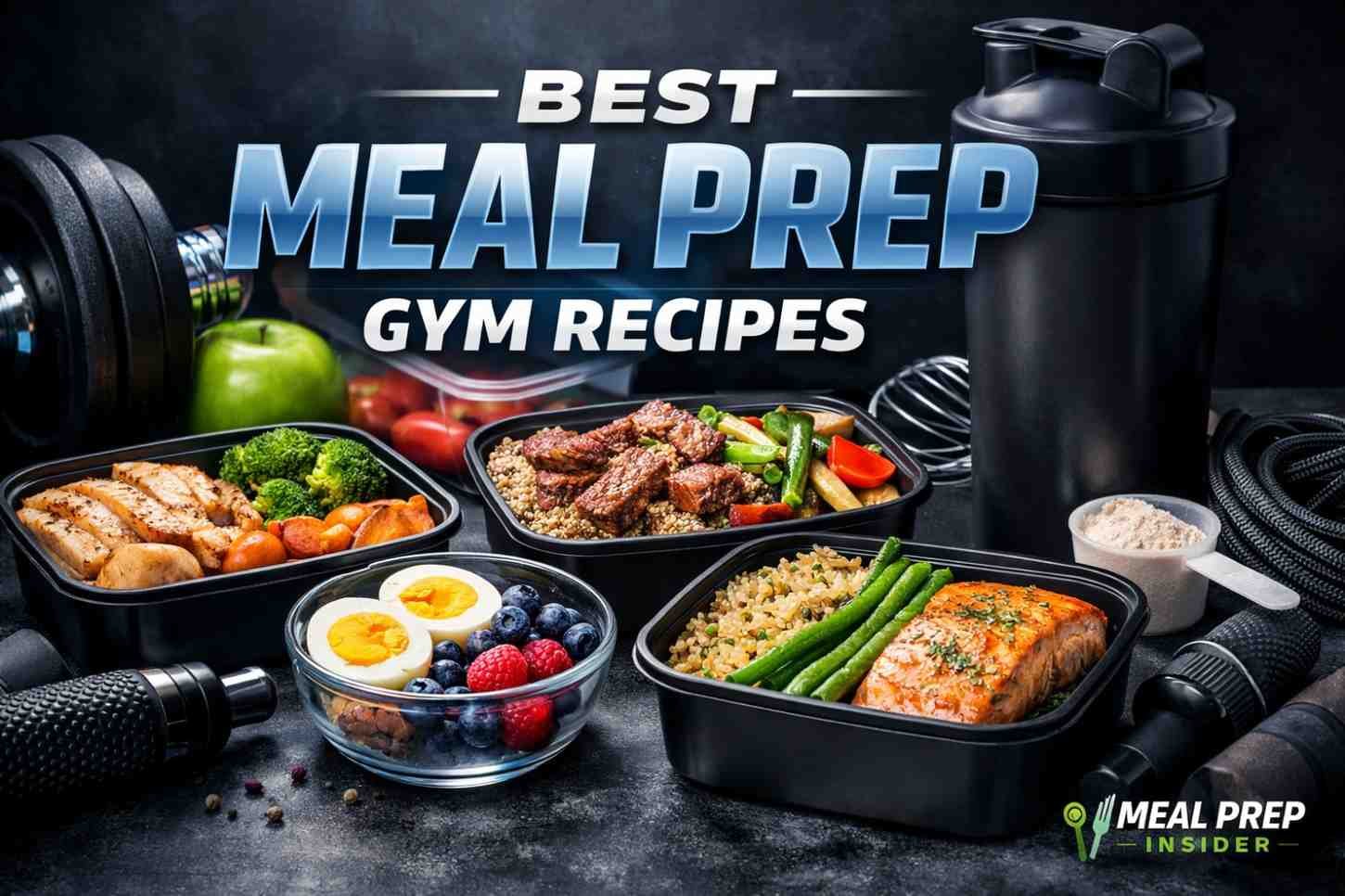
Learn easy, high-protein Meal Prep Gym Recipes perfect for building muscle, burning fat, and staying fueled. Quick healthy meal prep ideas with macros, meal plans, and bodybuilding-friendly recipes for busy lifters across the USA.
Look, meal prepping for the gym doesn’t have to be complicated. You don’t need fancy ingredients or chef-level skills to fuel your workouts properly.
Most people overthink this whole thing. They see fitness influencers with their perfectly portioned containers and think it’s out of reach. Wrong.
This guide breaks down a complete week of gym-ready meals that actually taste good and support your fitness goals. Whether you’re trying to build muscle, lose fat, or just maintain a healthy lifestyle while hitting the weights, these recipes work.
Why Meal Prep Works for Gym-Goers
Consistency beats perfection every single time.
When you prep your meals ahead of time, you remove the guesswork. No more standing in front of the fridge wondering what to eat post-workout. No more grabbing whatever’s convenient (usually something that doesn’t align with your goals).
Truthfully, the people who see the best results in the gym are the ones who’ve dialed in their nutrition. You can’t out-train a bad diet. That’s not just a saying. It’s reality.
Benefits of meal prepping for fitness:
- Saves 5-8 hours per week
- Reduces food waste by up to 40%
- Keeps you on track with macros
- Eliminates decision fatigue
- Costs less than eating out
- Ensures consistent energy levels
- Supports recovery between workouts
Understanding Your Macros
Before diving into the recipes, let’s talk numbers real quick.
Your macronutrient needs depend on your goals. Someone cutting weight has different requirements than someone bulking up. Makes sense, right?
Here’s a general framework:
For Muscle Building:
- Protein: 1.0-1.2g per pound of body weight
- Carbs: 2.0-3.0g per pound
- Fats: 0.4-0.6g per pound
For Fat Loss:
- Protein: 1.0-1.3g per pound
- Carbs: 0.8-1.5g per pound
- Fats: 0.3-0.5g per pound
For Maintenance:
- Protein: 0.8-1.0g per pound
- Carbs: 1.5-2.0g per pound
- Fats: 0.4-0.5g per pound
Don’t get too obsessed with hitting these numbers perfectly. Close enough works for most people. Unless you’re competing, being within 10-15% of your targets is solid.
Essential Meal Prep Tools
You don’t need a kitchen full of gadgets.
Here’s what genuinely makes a difference:
- Glass meal prep containers (BPA-free plastic works too)
- Food scale
- Rice cooker or Instant Pot
- Sheet pans
- Quality knife set
- Slow cooker
- Protein shaker bottles
- Measuring cups
The food scale is non-negotiable if you’re serious about tracking. Eyeballing portions is where most people screw up their macros without realizing it.
The 7-Day Meal Prep Plan
Each day includes three main meals plus snacks. Mix and match based on your schedule and preferences. These aren’t set in stone.
Day 1: Power Start Monday
Breakfast: Protein-Packed Egg Muffins
These things are brilliant for grab-and-go mornings.
Ingredients:
- 12 whole eggs
- 1 cup egg whites
- 1 cup diced bell peppers
- 1 cup spinach
- ½ cup reduced-fat cheese
- 1 lb turkey sausage
- Salt, pepper, garlic powder
Mix everything in a bowl. Pour into muffin tins. Bake at 350°F for 25 minutes. Done.
Each muffin has roughly 12g of protein, 2g of carbs, and 8g of fat.
Lunch: Chicken Teriyaki Bowls
Real talk, this beats Panda Express any day.
Ingredients:
- 2 lbs chicken breast
- 3 cups brown rice (cooked)
- 2 cups broccoli florets
- 1 cup snap peas
- Low-sodium teriyaki sauce
- Sesame seeds
Cut the chicken into cubes. Cook in a pan with a bit of oil. Add veggies during the last 3 minutes. Pour teriyaki sauce over everything. Serve over rice.
Makes 5 servings. Each has approximately 45g of protein, 52g of carbs, and 8g of fat.
Dinner: Lean Beef Taco Bowls
Comfort food that hits your macros.
Ingredients:
- 2 lbs 93/7 ground beef
- Taco seasoning
- 2 cups cauliflower rice
- 1 cup black beans
- Salsa
- Greek yogurt (instead of sour cream)
- Shredded lettuce
- Diced tomatoes
Brown the beef. Add seasoning. Prep your bowls with cauliflower rice as the base, then layer everything else.
Per serving: 42g protein, 28g carbs, 12g fat.
Snacks:
- Greek yogurt with berries
- Protein shake with banana
- Rice cakes with almond butter
Day 2: Transformation Tuesday
Breakfast: Overnight Protein Oats
Set it and forget it. Literally.
Ingredients:
- 2 cups rolled oats
- 2 scoops vanilla protein powder
- 2 cups unsweetened almond milk
- 2 tbsp chia seeds
- 1 tsp cinnamon
- Honey to taste
- Mixed berries
Combine everything except berries in containers. Refrigerate overnight. Add berries in the morning.
Makes 4 servings. Each portion delivers 28g of protein, 45g of carbs, and 9g of fat.
Lunch: Salmon and Sweet Potato
Omega-3s for the win.
Ingredients:
- 4 salmon fillets (6 oz each)
- 4 medium sweet potatoes
- Asparagus bundles
- Olive oil
- Lemon
- Garlic, dill, salt, pepper
Bake sweet potatoes at 400°F for 45 minutes. Season salmon with your spices. Bake for 15 minutes at the same temperature. Roast asparagus with olive oil for the last 12 minutes.
Each meal provides 40g of protein, 48g of carbs, and 16g of fat.
Dinner: Turkey Chili
Perfect for meal prep because it tastes better the next day.
Ingredients:
- 2 lbs ground turkey (93% lean)
- 2 cans of kidney beans
- 2 cans diced tomatoes
- 1 can of tomato paste
- 2 cups beef broth
- Diced onions and bell peppers
- Chili powder, cumin, paprika, garlic
Brown turkey with onions and peppers. Add everything else to a slow cooker. Cook on low for 6 hours.
Makes 8 servings. Per serving: 35g protein, 32g carbs, 8g fat.
Snacks:
- Beef jerky
- Cottage cheese with pineapple
- Handful of almonds
Day 3: Midweek Momentum
Breakfast: Breakfast Burrito Wraps
Make these once, eat all week.
Ingredients:
- 10 whole wheat tortillas
- 12 scrambled eggs
- 1 lb turkey bacon
- 2 cups hash browns (baked, not fried)
- 1 cup shredded cheese
- Salsa
Cook everything separately. Assemble burritos. Wrap in foil. Freeze what you won’t eat in 3 days.
Each burrito: 26g protein, 38g carbs, 14g fat.
Lunch: Asian Chicken Lettuce Wraps
Light but satisfying.
Ingredients:
- 2 lbs ground chicken
- Water chestnuts
- Mushrooms
- Green onions
- Hoisin sauce
- Soy sauce (low sodium)
- Ginger and garlic
- Butter lettuce
Sauté chicken with aromatics. Add veggies and sauces. Spoon into lettuce leaves when serving.
Per serving: 38g protein, 18g carbs, 9g fat.
Dinner: Baked Cod with Quinoa
Clean eating at its finest.
Ingredients:
- 5 cod fillets
- 2 cups quinoa (cooked)
- Green beans
- Cherry tomatoes
- Olive oil
- Herbs de Provence
Season cod with herbs. Bake at 375°F for 18 minutes. Steam green beans. Roast tomatoes with olive oil.
Each portion: 36g protein, 42g carbs, 10g fat.
Snacks:
- Apple slices with peanut butter
- Protein bar
- Edamame
Day 4: Strength Thursday
Breakfast: Protein Pancake Stack
Yes, you can have pancakes and still hit your goals.
Ingredients:
- 2 cups oat flour
- 4 scoops vanilla protein powder
- 4 eggs
- 2 cups unsweetened almond milk
- Baking powder
- Vanilla extract
- Sugar-free syrup
Mix dry ingredients. Add wet ingredients. Cook on griddle. Stack and store with parchment between layers.
Per serving (3 pancakes): 32g protein, 48g carbs, 8g fat.
Lunch: Steak and Veggie Stir-Fry
Restaurant quality at home.
Ingredients:
- 2 lbs sirloin steak (sliced thin)
- Mixed stir-fry vegetables
- Brown rice
- Coconut aminos or soy sauce
- Sesame oil
- Ginger, garlic
Sear steak quickly over high heat. Remove. Cook veggies. Combine with the sauce. Serve over rice.
Each serving contains: 44g protein, 46g carbs, 12g fat.
Dinner: Chicken Sausage with Peppers
Simple doesn’t mean boring.
Ingredients:
- 2 lbs chicken sausage (pre-cooked)
- 4 bell peppers (sliced)
- 2 onions (sliced)
- Marinara sauce
- Italian seasoning
- Whole wheat pasta or zucchini noodles
Slice the sausage. Sauté with peppers and onions. Add marinara. Serve over your choice of noodles.
Per meal: 34g protein, 44g carbs, 10g fat.
Snacks:
- String cheese
- Trail mix (portion controlled)
- Veggie sticks with hummus
RELATED POST >> Meal Prep for Weight Loss: This Burns Stubborn Fat Quickly
Day 5: Fitness Friday
Breakfast: Sweet Potato Breakfast Hash
Carbs are where they count most.
Ingredients:
- 3 large sweet potatoes (diced)
- 1 lb chicken sausage
- 2 bell peppers
- 1 onion
- 10 eggs
- Paprika, salt, pepper
Dice and cook sweet potatoes until crispy. Add sausage and veggies. Make wells and crack eggs into them. Cover until eggs set.
Makes 5 servings. Each has 30g of protein, 42g of carbs, and 13g of fat.
Lunch: Shrimp Burrito Bowls
Quick cooking protein for the win.
Ingredients:
- 2 lbs shrimp (peeled, deveined)
- Cilantro lime rice
- Black beans
- Corn
- Pico de gallo
- Avocado (add fresh)
- Lime wedges
Season and cook shrimp (takes like 4 minutes). Prep bowls with rice, beans, and corn. Top with shrimp and pico.
Per bowl: 38g protein, 56g carbs, 11g fat.
Dinner: Bison Meatballs with Marinara
Leaner than beef, more flavor than turkey.
Ingredients:
- 2 lbs ground bison
- 1 cup breadcrumbs
- 2 eggs
- Parmesan cheese
- Italian herbs
- Marinara sauce
- Whole wheat spaghetti
Mix bison with breadcrumbs, eggs, cheese, and herbs. Form balls. Bake at 400°F for 20 minutes. Heat the marinara separately.
Each serving: 42g protein, 48g carbs, 14g fat.
Snacks:
- Protein smoothie
- Hard-boiled eggs
- Dark chocolate (70%+ cacao)
Day 6: Weekend Warrior Saturday
Breakfast: Banana Protein Bread
Meal prep meets baked goods.
Ingredients:
- 4 ripe bananas
- 3 scoops vanilla protein powder
- 2 cups oat flour
- 4 eggs
- Greek yogurt
- Baking soda
- Cinnamon
- Dark chocolate chips (optional)
Mash bananas. Mix all ingredients. Pour into the loaf pan. Bake at 350°F for 50 minutes.
Per slice: 14g protein, 28g carbs, 6g fat.
Lunch: Greek Chicken Bowls
Mediterranean flavors hit different.
Ingredients:
- 2 lbs chicken thighs (skinless)
- Cucumber
- Tomatoes
- Red onion
- Kalamata olives
- Feta cheese
- Tzatziki sauce
- Quinoa or brown rice
Marinate chicken in lemon, oregano, and garlic. Grill or bake. Dice veggies. Assemble bowls.
Per serving: 40g protein, 44g carbs, 15g fat.
Dinner: Pork Tenderloin with Roasted Vegetables
Fancy without the effort.
Ingredients:
- 2 pork tenderloins
- Brussels sprouts
- Carrots
- Red potatoes
- Olive oil
- Rosemary, thyme
Season pork. Roast at 425°F for 25 minutes. Toss veggies with oil and herbs. Roast alongside pork for the last 20 minutes.
Each portion: 46g protein, 38g carbs, 12g fat.
Snacks:
- Rice crackers with tuna
- Protein balls
- Sliced cucumber with everything bagel seasoning
Day 7: Recovery Sunday
Breakfast: Veggie Frittata
Use up whatever vegetables you have left.
Ingredients:
- 12 eggs
- 1 cup egg whites
- Leftover vegetables
- Low-fat cheese
- Fresh herbs
Whisk eggs. Add veggies and cheese. Pour into oven-safe skillet. Bake at 375°F for 25 minutes.
Per serving: 24g protein, 8g carbs, 12g fat.
Lunch: Pulled Chicken Sandwiches
Ingredients:
- 3 lbs chicken breast
- BBQ sauce (sugar-free or low-sugar)
- Whole wheat buns
- Coleslaw mix
- Apple cider vinegar
Put chicken in the slow cooker with BBQ sauce. Cook on low 6-8 hours. Shred. Make quick slaw with coleslaw mix and vinegar.
Each sandwich: 38g protein, 42g carbs, 8g fat.
Dinner: White Fish with Lemon Butter
Light dinner before the new week.
Ingredients:
- 5 white fish fillets (tilapia, halibut, or mahi-mahi)
- Wild rice
- Steamed broccoli
- Lemon
- A small amount of butter
- Capers
Pan-sear fish. Make a simple lemon butter sauce. Serve over rice with broccoli.
Per meal: 36g protein, 44g carbs, 10g fat.
Snacks:
- Protein pudding
- Bell pepper strips
- Cashews (measured portion)
Meal Prep Timing Strategy
Sunday is prime prep day for most people. But honestly, you can split it up if that works better.
Sunday Prep (3-4 hours):
- Cook all proteins
- Prep vegetables
- Cook grains and starches
- Portion everything into containers
Wednesday Quick Prep (1 hour):
- Refresh vegetables
- Cook any fish (doesn’t keep as long)
- Portion remaining meals
This approach keeps food fresher and prevents burnout from spending an entire day in the kitchen.
Storage Guidelines
Not everything lasts the same amount of time. Pay attention here.
| Food Type | Refrigerator | Freezer |
|---|---|---|
| Cooked chicken | 3-4 days | 2-3 months |
| Cooked beef | 3-4 days | 2-3 months |
| Cooked fish | 2-3 days | 1-2 months |
| Cooked eggs | 3-4 days | Don’t freeze |
| Rice/grains | 4-6 days | 1-2 months |
| Cooked vegetables | 3-5 days | 2-3 months |
When in doubt, freeze it. Better safe than sorry when it comes to food safety.
Pitfalls to Dodge
Bland Food Syndrome
The number one reason people quit meal prep is boring food. Season your meals properly. Use different spices and sauces.
Prepping Food You Don’t Enjoy
Just because kale is healthy doesn’t mean you need to force yourself to eat it. Prep foods you genuinely like.
Not Considering Your Schedule
If you have lunch meetings on Tuesday and Thursday, don’t prep five lunches. Be realistic.
Ignoring Proper Portions
Eyeballing leads to either under-eating (losing muscle) or overeating (not losing fat). Use that food scale.
Freezing Everything
Some foods don’t freeze well. Lettuce, cucumbers, and most raw vegetables turn to mush. Keep those fresh.
Skipping Variety
Eating the same thing every single day gets old fast. Rotate your proteins and vegetables.
Pre and Post-Workout Nutrition
Timing matters more for some people than others.
If you train fasted in the morning, you probably don’t need pre-workout food. If you hit the gym after work, you need something.
Pre-Workout (30-60 minutes before):
- Banana with almond butter
- Greek yogurt with berries
- Rice cakes with honey
- Protein shake with simple carbs
Keep it light. You want energy, not a full stomach.
Post-Workout (within 2 hours):
- Any of your prepped meals work
- Protein shake with fruit
- Chicken and rice
- Eggs and toast
The “anabolic window” isn’t as critical as once thought, but getting protein within a few hours of training supports recovery.
Adjusting the Plan
These recipes serve as templates. Scale them based on your needs.
If you’re a 6’2″ guy trying to bulk, you’ll need more food than a 5’4″ woman cutting weight. Makes sense.
Use this formula:
- Calculate your maintenance calories
- Add 300-500 for bulking
- Subtract 300-500 for cutting
- Divide by the number of meals
Then adjust portion sizes accordingly.
Budget-Friendly Tips
Meal prepping should save you money, not drain your account.
Buy in Bulk:
- Rice, oats, and pasta
- Frozen vegetables
- Chicken breast when on sale
- Eggs (always cheap protein)
Shop Seasonal:
Fresh produce costs less when it’s in season. Berries in summer, squash in fall, citrus in winter.
Use Frozen:
Frozen vegetables are just as nutritious as fresh. Sometimes more so because they’re frozen at peak ripeness.
Generic Brands:
The store-brand Greek yogurt has the same protein as the name-brand. Save the cash.
Batch Cook:
Making large quantities reduces the cost per serving. Plus, you’re using less energy when cooking once instead of seven times.
Food Safety Basics
Don’t mess around with this stuff.
Cool cooked food within two hours. Divide large batches into smaller containers, so they cool faster.
Label everything with dates. Seriously, you won’t remember when you made it.
Reheat to 165°F. Use a food thermometer if you’re unsure.
When thawing frozen meals, do it in the fridge overnight. Not on the counter.
If something smells off, looks weird, or you can’t remember when you made it, toss it. Not worth the risk.
Making It Work Long-Term
The first few weeks feel overwhelming. That’s normal.
Start with just prepping lunches if doing full weeks seems like too much. Build the habit gradually.
Find containers you actually like using. Sounds silly, but you’re more likely to stick with it if your setup doesn’t annoy you.
Prep with a friend or partner. Makes time go faster and lets you split recipes.
Listen to podcasts or music while prepping. Turn it into an enjoyable time rather than a chore.
Remember why you started. Whether it’s getting stronger, losing weight, or just feeling better, keep that goal front and center.
Meal Prep and Social Life
You can meal prep and still have a life.
Build flexibility into your plan. If you usually go out on Friday nights, prep six days instead of seven.
Bring your prepped meals to gatherings. People won’t care as much as you think.
When you do eat out, make reasonable choices. One meal won’t derail everything if you’re consistent the rest of the time.
Actually, being prepared makes social situations easier because you’re not starving and likely to overeat.
Tracking Your Progress
How do you know if your meal prep plan is working?
Take Photos:
Weekly progress pictures show changes better than the mirror does.
Measure Performance:
Are your lifts going up? That’s a good sign you’re fueling properly.
Track How You Feel:
Energy levels, sleep quality, and recovery all indicate whether your nutrition is on point.
Check the Scale:
But don’t obsess over it. Weight fluctuates daily. Look at weekly averages.
Measure Body Composition:
If possible, get body fat measurements every 4-6 weeks.
Give any plan at least 4 weeks before making major changes. Your body needs time to respond.
When to Switch Things Up
The same plan won’t work forever.
As you get leaner, you’ll need to adjust your calorie intake. As you gain muscle, you might need more food.
Signs you need to change your plan:
- Weight hasn’t moved in 3+ weeks
- Constantly hungry or low energy
- Workouts feel terrible
- Not recovering between sessions
- Losing strength
Make small adjustments. Don’t overhaul everything at once.
Final Thoughts
Meal prep for the gym doesn’t require perfection. It requires consistency.
Some weeks you’ll nail it. Other weeks, life happens, and you’ll eat out more than planned. That’s fine.
The goal isn’t to be perfect. The goal is to have a system that supports your training most of the time.
These recipes give you a foundation. Modify them based on your preferences, dietary restrictions, and goals.
Start tomorrow. Not next Monday. Tomorrow.
Pick three recipes from this guide. Prep them on Sunday. See how it goes.
You’ll probably mess something up the first time. Everyone does. Learn from it and adjust.
Within a month, meal prepping becomes second nature. You’ll wonder how you ever did it any other way.
Your future self will thank you for starting today.
Frequently Asked Questions
How long does meal prep take each week?
Most people spend 2-4 hours on their main prep day. Once you get efficient with it, you can cut that down. Having the right tools and a solid plan makes the biggest difference. Some folks split prep into two shorter sessions instead of one long one.
Can I meal prep if I have dietary restrictions?
Absolutely. These recipes work as templates. Swap ingredients to fit your needs. Use plant-based proteins if you’re a vegetarian. Choose gluten-free grains if needed. The principles stay the same regardless of dietary preferences.
Do I need to eat the same thing every day?
Not at all. This plan includes variety throughout the week. You can also prep components separately and mix them differently each day. Cook several proteins and rotate them with different sides.
What if I don’t like a recipe after making it?
Happens to everyone. That’s why you shouldn’t prep a whole week of something new. Test recipes in small batches first. If you don’t like it, you’re not stuck with six servings of food you hate.
How do I prevent food from getting soggy?
Store wet and dry ingredients separately when possible. Keep dressings and sauces in small containers on the side. Don’t microwave vegetables too long. Reheat proteins and grains separately from fresh vegetables.
Is meal prep worth it for just one person?
Definitely. You actually save more time per person when cooking for one. Most recipes scale down easily. Plus, you’re less likely to waste food when you’ve portioned everything intentionally.
Can I build muscle on a meal prep plan?
Yes, if you’re eating enough calories and protein. The plan itself doesn’t build muscle; your training and adequate nutrition do. Meal prep just makes hitting your nutrition targets easier and more consistent.
What’s the best container for meal prep?
Glass containers with snap lids work great, but are heavier. BPA-free plastic is lighter to take to work. Get containers that are microwave and dishwasher-safe. Having multiple sizes helps with different meal types.
How do I meal prep on a tight budget?
Buy proteins on sale and freeze them. Use cheaper cuts of meat. Rely on eggs as a protein source. Buy frozen vegetables. Purchase grains in bulk. Shop store brands. One weekly shopping trip with a list prevents impulse purchases.
Should I prep breakfast, lunch, and dinner?
Start with whatever meal you struggle with most. For many people, that’s lunch. Once you’ve got that dialed in, add another meal. You don’t have to prep every single thing you eat.
SUGGESTED POST >> Top 10 Cheap Meal Prep Ideas That Won’t Bore You to Death