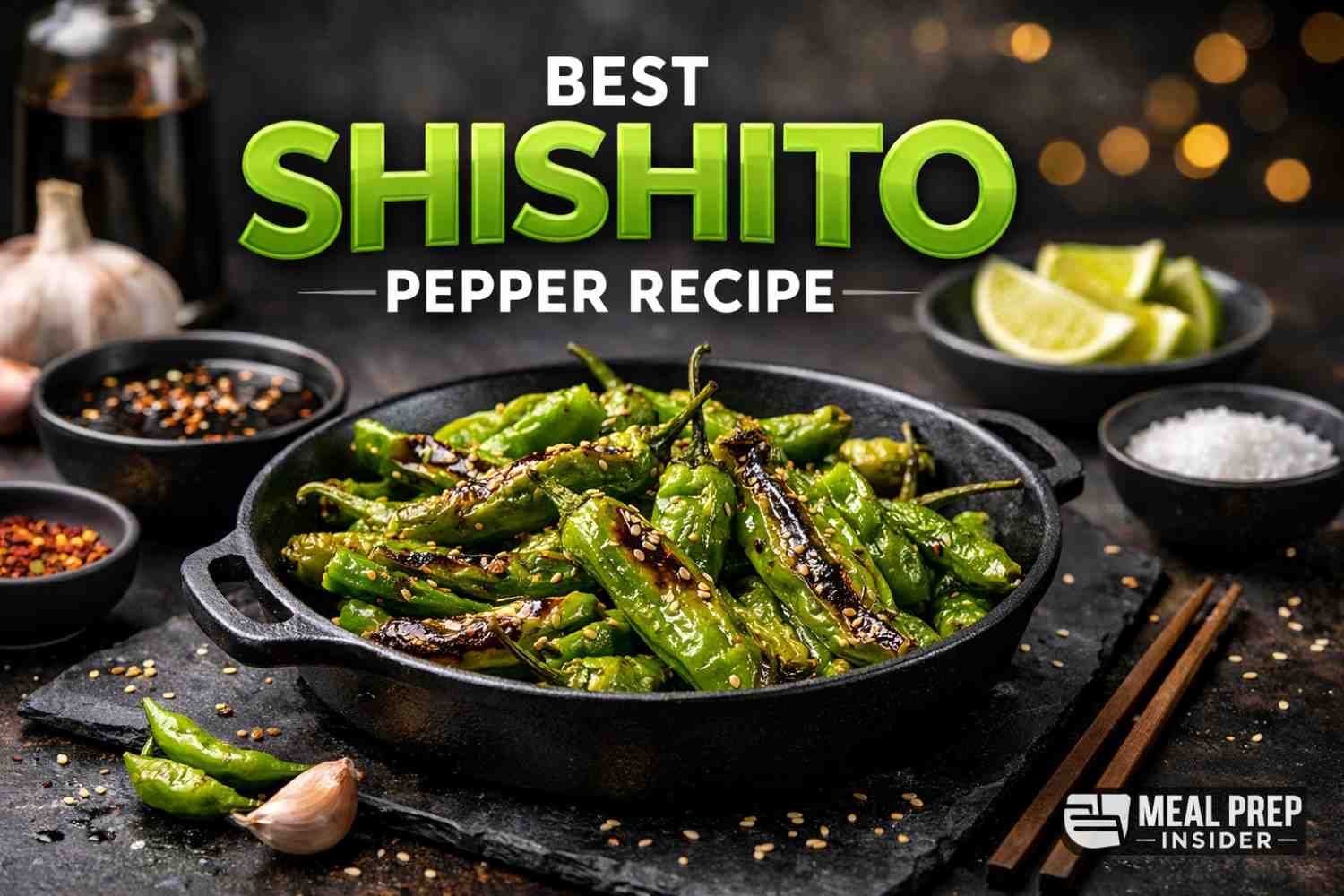
Best Shishito Pepper Recipe: Discover the best blistered shishito peppers recipe: quick, easy, and irresistible! Char in a hot skillet with olive oil and flaky sea salt for a smoky, mildly spicy appetizer perfect for game days or summer snacking in the US.
Best Shishito Pepper Recipe
You’ve seen them at restaurants. A small bowl of blistered green peppers, slightly charred, dusted with flaky salt — sitting next to a cold drink as they belong there. And they do.
Shishito peppers are one of those foods that look simple but taste different when done right. The textures. The smokiness. The occasional pepper that sneaks up with a little heat. It’s a whole experience in a single bite.
This guide covers everything — the best recipe, the right technique, flavor variations, what to serve them with, and why most people are slightly undercooking theirs.
What Are Shishito Peppers
Shishito peppers are a thin-skinned, East Asian variety of chili pepper. They’re mild — most of the time. About one in ten carries a surprising kick. That unpredictability is part of the appeal.
They’re small, usually two to four inches long, with a wrinkled texture and bright green color. They turn red if left to fully ripen, but most people cook them while they’re still green.
In the United States, shishitos have moved from specialty grocery stores into mainstream supermarkets. You’ll find them at Whole Foods, Trader Joe’s, Sprouts, and most large grocery chains, usually in small clamshell containers near the specialty produce.
They’re low in calories, high in vitamin C, and cook in under ten minutes. That combination — ease, flavor, and a bit of drama — is exactly why they’ve stuck around.
Why This Recipe Works
A lot of shishito pepper recipes overcomplicate it. They add too many ingredients or too many steps, or they cook the peppers at the wrong heat and end up with something steamed instead of blistered.
The key is high heat and dry cooking — no liquid, no crowding, minimal interference.
This recipe works because it respects what shishitos already are. It adds flavor without burying the pepper. It blisters without burning. And it takes about eight minutes from pan to table.
Ingredients
You don’t need much. That’s the point.
- 8 oz shishito peppers (roughly 2–3 cups)
- 1 tablespoon neutral oil (avocado, grapeseed, or vegetable oil)
- Flaky sea salt (Maldon is great here)
- 1 teaspoon sesame oil (optional but recommended)
- 1 teaspoon soy sauce (optional — adds a savory edge)
- Squeeze of fresh lemon or yuzu if you have it
For dipping sauce (optional):
| Ingredient | Amount |
|---|---|
| Mayonnaise | 3 tablespoons |
| Sriracha | 1 teaspoon |
| Lime juice | 1 teaspoon |
| Garlic (minced) | ¼ teaspoon |
That sauce is simple and works well, but you can skip it. The peppers hold their own without it.
Equipment
- A cast-iron skillet or carbon steel pan (strongly preferred)
- Tongs or a heat-resistant spatula
- A mixing bowl
You can use a stainless steel pan. You can also use a wok if you have one. What you should not use is a non-stick pan — it doesn’t get hot enough to properly blister the skin.
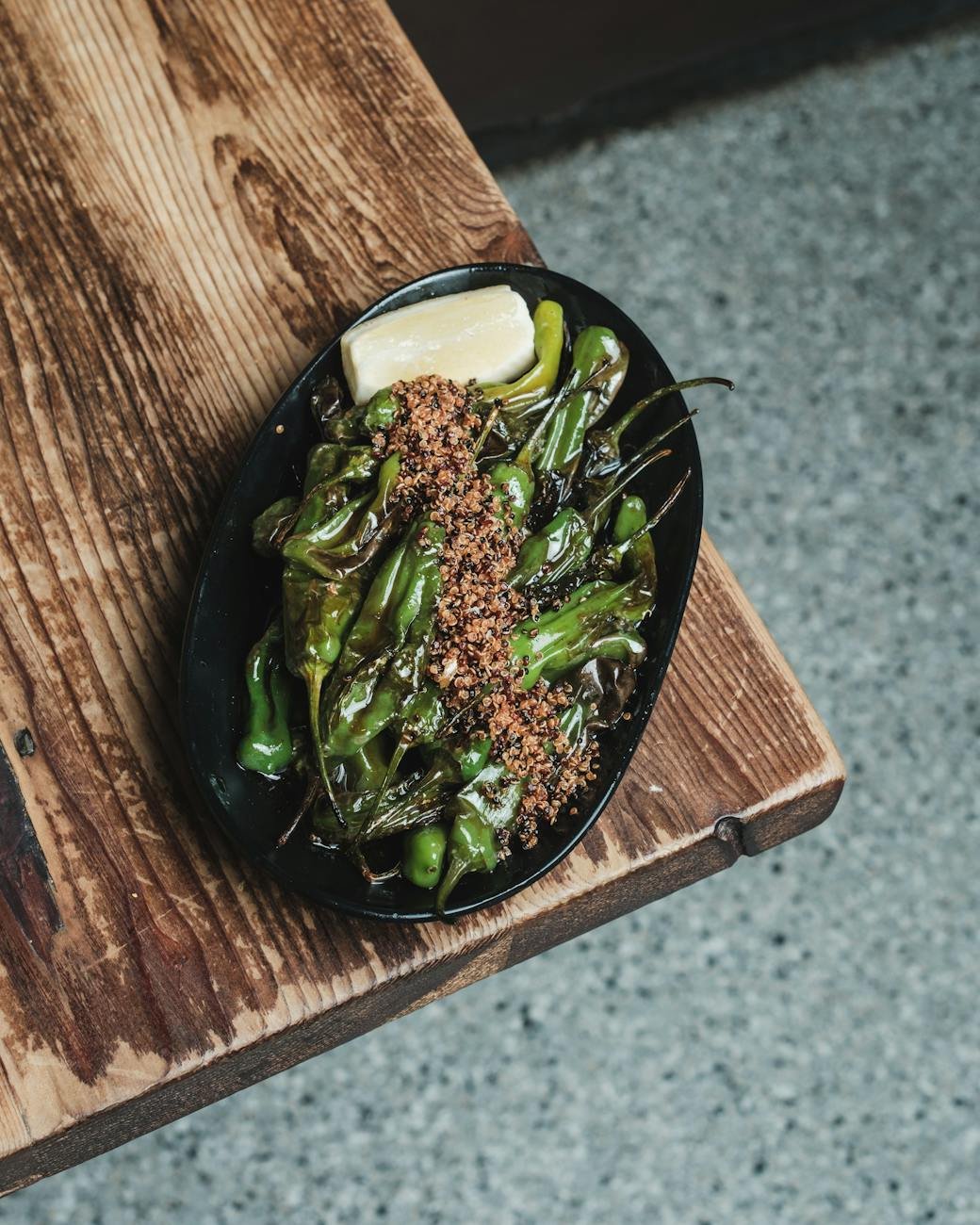
How to Make the Best Shishito Peppers
Step 1: Dry the peppers
Rinse the shishitos and pat them completely dry. This is more important than it sounds. Any moisture on the skin will steam the peppers rather than blister them. Use a clean towel and take an extra thirty seconds.
Step 2: Heat the pan hard
Place your cast iron over medium-high heat. Let it heat for two full minutes before adding oil. The pan should be genuinely hot — not warm, not medium. Hot.
Add the neutral oil and swirl to coat. When it shimmers, and a drop of water flicks into the pan, jumps, and disappears instantly, you’re ready.
Step 3: Add the peppers
Drop the shishitos in a single layer. Do not stir immediately. Let them sit undisturbed for ninety seconds to two minutes. You want charred contact points — real blisters, dark spots. That’s the flavor.
Once the first side is blistered, toss or turn them and let the other sides make contact with the pan. Total cook time is about five to seven minutes.
Step 4: Finish and season
Remove the pan from the heat. Drizzle sesame oil over the peppers if using. Add soy sauce and toss quickly.
Transfer to a serving plate. Immediately hit them with a generous pinch of flaky sea salt. Not table salt — flaky salt. The texture matters, and the seasoning should be visible on the peppers.
A small squeeze of lemon right before serving brightens everything up.
Step 5: Eat them fast
Shishitos are best when they come off the pan. They lose that crispness after a few minutes. This is not a make-ahead dish. Serve immediately, right in the pan or on a simple plate.
RELATED POST >> Top 8 Simple Goat Cheese Recipes: Big Flavor Delivery
Common Mistakes to Avoid
Cooking on too low a heat. This is the most common error. If the pan isn’t hot enough, the peppers will soften and steam in their own moisture rather than char. Turn up the heat.
Crowding the pan. If your peppers are piled on top of each other, they’ll steam. Cook in batches if you have more than what fits comfortably in one layer.
Moving them too much. Resist the urge to constantly stir or shake the pan. Blistering requires sustained contact with the hot surface. Leave them alone.
Over-seasoning before cooking. Season after. Salt draws out moisture and can affect the blister. Add it at the end when the peppers are off the heat.
Using cold peppers straight from the fridge. Let them sit out for ten to fifteen minutes before cooking. Cold peppers dropped into a hot pan lower the pan temperature quickly.
Flavor Variations
The base recipe is a classic. But there’s room to play.
Garlic butter shishitos: Add a tablespoon of butter and two cloves of minced garlic in the last minute of cooking. Toss to coat. Rich, slightly indulgent, and really good.
Citrus and miso: Mix one teaspoon of white miso with a squeeze of orange juice and a dash of rice vinegar. Toss the finished peppers in this sauce right before serving.
Parmesan and lemon: Grate a bit of Parmesan over the hot peppers right after plating. Add lemon zest. This is an Italian-leaning version that works surprisingly well.
Spicy sesame: Add a small amount of chili crisp — Lao Gan Ma or Fly By Jing — to the toss at the end. The extra oil, heat, and texture play nicely against the mild pepper.
Korean-inspired: Toss with a light coat of gochujang mixed with a little sesame oil and honey before serving. Garnish with sesame seeds.
Each variation takes maybe two extra ingredients and zero extra effort.
Serving Suggestions
Shishito peppers work in several different contexts.
As a snack or appetizer, serve them in a small bowl with flaky salt and a dipping sauce on the side. This is the bar food version — relaxed, shareable, hard to stop eating.
As a side dish, pair them with grilled fish, seared chicken thighs, or a bowl of rice. They bring acidity and char to simple proteins.
As part of a larger spread, put them alongside hummus, bread, pickles, or charcuterie. They add visual interest and a flavor contrast that plays well with rich or fatty foods.
They also work on tacos. That’s not a traditional use, but it’s a good one. Add blistered shishitos to a fish taco instead of or alongside jalapeños.
Nutritional Overview
For reference, here’s what a typical 3 oz serving of shishito peppers (before oil) contains approximately:
| Nutrient | Approx. Amount |
|---|---|
| Calories | 15–20 kcal |
| Carbohydrates | 3–4g |
| Fiber | 1g |
| Vitamin C | ~70% DV |
| Vitamin A | ~10% DV |
| Fat | 0g (before cooking oil) |
They’re genuinely low-calorie and high in micronutrients. Adding a tablespoon of oil brings the total closer to 140–150 calories for the whole batch — still modest for an appetizer with this much flavor.
Where to Buy Shishito Peppers
In the United States, availability has improved significantly over the past few years. Here’s where to look:
- Whole Foods Market — Almost always in stock, usually pre-packaged in 6–8 oz containers
- Trader Joe’s — Seasonal, but carries them regularly and prices competitively
- Sprouts Farmers Market — Reliable source, sometimes sold loose by the pound
- Asian grocery stores — Often cheaper and fresher; look for H Mart, 99 Ranch Market, or your local Korean or Japanese market
- Farmers’ markets — Late summer through early fall is peak season. Worth seeking out
When selecting peppers, look for firm skin without soft spots. Bright green, wrinkle-free except for the natural ridging. Avoid anything with yellowing or discoloration.
Can You Grow Shishito Peppers
Yes, and it’s pretty manageable for a home gardener.
Shishitos do well in containers and in the ground. They prefer warm temperatures — similar to bell peppers or jalapeños — and need full sun. In most of the continental US, you’d start seeds indoors in late winter and transplant after the last frost.
One plant typically yields a generous harvest through the summer. If you’re already growing other peppers or tomatoes, adding shishitos is a low-effort addition with a good return.
Seed sources like Baker Creek Heirloom Seeds and Kitazawa Seed Company carry shishito varieties. Some standard nurseries carry transplants in spring.
Storing Leftovers
If you have leftovers — which doesn’t happen often, but sometimes — they store okay in the fridge for a day or two. But they will not be crispy. That texture is gone the moment they cool down.
The best way to use leftover cooked shishitos: chop them and add them to eggs the next morning. Scrambled eggs with blistered shishito pieces, a bit of cheese, maybe some green onion. It’s a solid use.
You can also chop and fold them into a grain bowl, add them to a quesadilla, or toss with pasta.
Raw, uncooked shishito peppers keep in the fridge for up to a week, ideally in a sealed container or bag. Don’t wash them until you’re ready to cook.
Why Americans Love Shishitos Right Now
They’ve been a staple in Japanese cuisine for a long time — often served grilled or pan-fried at izakayas as a bar snack called yakitori-style shishito. That culture of simple, high-quality bar food has translated really well to American appetites.
Part of it is the format. Americans like finger food. Small plates. Shareable stuff. Shishitos fit that perfectly.
Part of it is the accessibility. You don’t need to know anything about Japanese cuisine to appreciate a blistered pepper with salt. The entry point is low. The payoff is immediate.
And part of it is the trend toward less meat and more vegetables — especially those that feel satisfying and have real flavor. Shishitos have that. They’re not a sad side dish. They’re an event.
The Heat Question
People always ask: ” How spicy are they?
Mostly, not at all. Shishito peppers score somewhere between 50 and 200 on the Scoville scale on average — well below a jalapeño (2,500–8,000) and far below anything like habanero territory.
But that’s roughly one in ten hot peppers that are real. Some people have eaten entire bowls without hitting a hot one. Others hit three in a row. It’s genuinely random and somewhat dependent on growing conditions — heat, water stress, and how ripe the pepper was at harvest can all influence it.
That randomness is part of why people enjoy eating them socially. Someone at the table always reacts, which makes the experience more fun than a bowl of chips.
Quick Recipe Summary
For anyone who wants to skip back to just the method:
- Dry the peppers thoroughly
- Heat the cast iron on medium-high for 2 minutes, and add neutral oil
- Add peppers in a single layer, don’t touch for 90 seconds
- Toss, continue cooking 3–5 more minutes until blistered on multiple sides
- Off heat: add sesame oil, soy sauce if using, toss
- Plate immediately, hit with flaky salt and a squeeze of lemon
- Serve hot
That’s it. Eight minutes. Really.
Frequently Asked Questions
Are shishito peppers the same as Padrón peppers? They’re similar but not the same. Padrón peppers are a Spanish variety with a slightly different flavor profile — a bit more earthy and sometimes grassy. They cook the same way and are interchangeable in most recipes, but shishitos tend to be a bit more widely available in US grocery stores.
Do you eat the stem? No. The stem is just a handle. Hold the pepper by its stem, eat the body, discard the stem. Most people figure this out after one pepper.
Can I make these in an air fryer? You can, and they come out reasonably well. Toss with oil, air fry at 400°F for about 7–8 minutes, shaking halfway through. You won’t get the same level of char as a cast-iron pan, but it’s a functional method if that’s what you have.
What if my peppers aren’t blistering? Your pan isn’t hot enough, your peppers are too wet, or you’re moving them around too much. All three are fixable. Crank the heat, dry the peppers well, and leave them alone once they hit the pan.
Can I use these in cooking beyond a simple appetizer? Absolutely. They work in stir fries, grain bowls, tacos, eggs, pasta, and as a pizza topping. Their mild heat and char make them versatile. Think of them less as a novelty snack and more as an ingredient with real range.
Why does one in ten taste spicy? No one has a completely definitive answer, but it’s believed to be a genetic mutation in individual pepper plants — some fruits on the same plant can develop more capsaicin than others. Environmental stress, such as drought or heat during the growing season, can increase the frequency of hot weather. It’s a natural quirk of the variety.
Are shishitos good for you? Yes, genuinely. They’re high in vitamin C, low in calories, and contain antioxidants. The cooking oil adds calories but also helps your body absorb fat-soluble vitamins. As far as snacks go, this is a good one.
Can I prep them ahead of time for a party? You can wash and dry them ahead of time and keep them in the fridge. But cook them to order. They go from pan to table in eight minutes, so it’s easy to do it fresh when guests arrive. Cold, limp shishitos from earlier in the day won’t have the same effect.
SUGGESTED POST >> Meal Prep Business Start Up Cost: What It Takes to Get Started in Reality