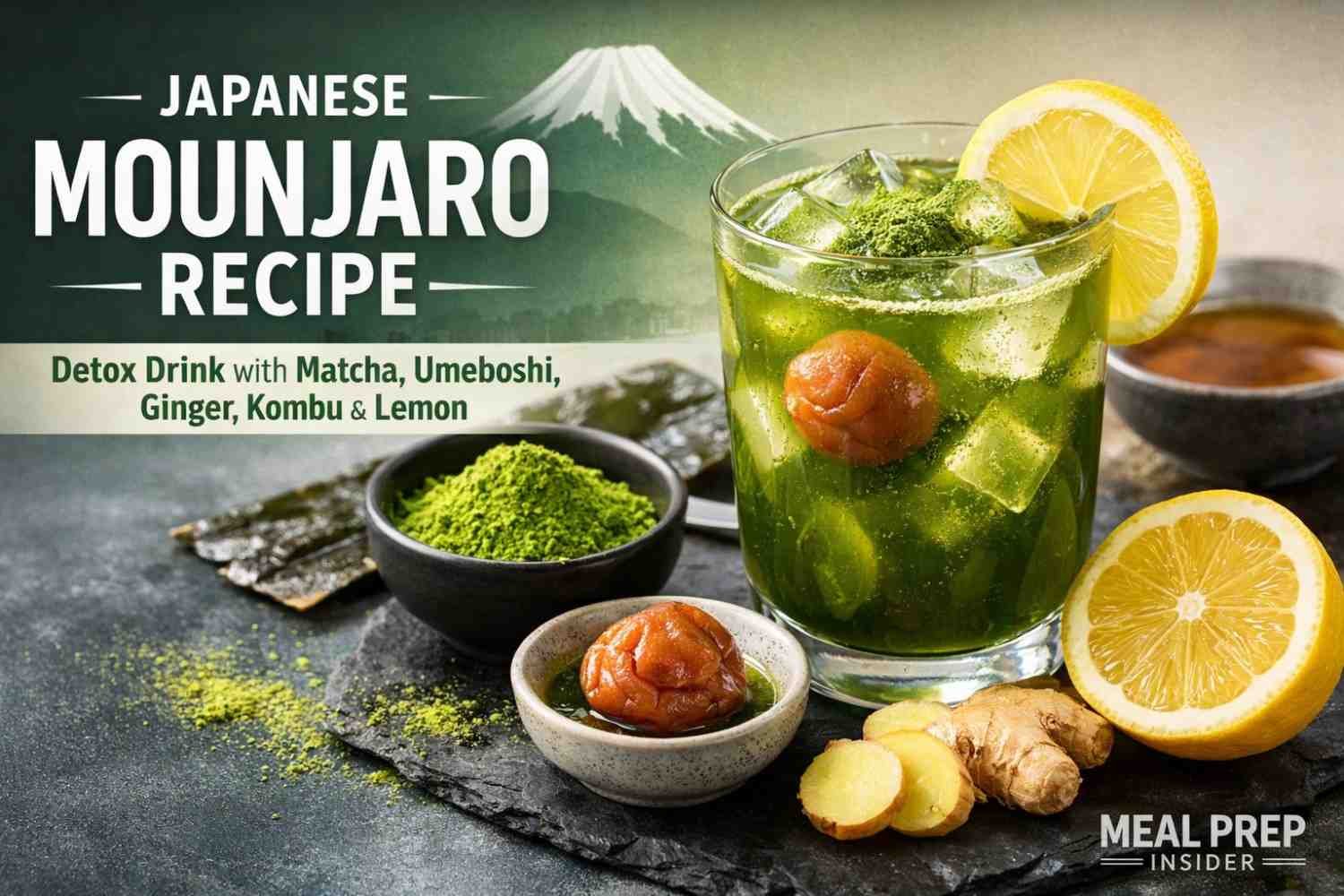
Try the viral Japanese Mounjaro recipe – a natural detox drink with matcha, umeboshi plum, ginger, kombu, and lemon for metabolism boost, gut health, and gentle weight loss support. Easy homemade wellness tonic!
The Japanese Mounjaro Recipe: What It Is, How to Make It, and Does It Work?
If you’ve spent any time on health TikTok or Pinterest lately, you’ve probably seen it. A murky, brownish drink in a mason jar, surrounded by ingredients that look like something from a wellness pantry. People are calling it “Japanese Mounjaro” — and a whole lot of Americans are drinking it before meals, hoping it’ll do what the brand-name injection does.
Let’s be honest up front. This is not a drug. It’s not a prescription. And it doesn’t contain semaglutide or tirzepatide — the actual active compounds in Ozempic and Mounjaro. What it is, though, is a fascinating recipe that blends traditional Japanese wellness ingredients with the modern obsession over appetite control. And depending on how you look at it, there might be more to it than just hype.
Here’s everything you need to know — the recipe, the science, the limitations, and why millions of people swear by it.
What Exactly Is “Japanese Mounjaro”?
The name is catchy. Maybe a little misleading.
“Mounjaro” is the brand name of tirzepatide, an FDA-approved injectable drug used for type 2 diabetes and weight management. It works by targeting GLP-1 and GIP receptors in the body, slowing gastric emptying and significantly reducing appetite.
The drink dubbed “Japanese Mounjaro” has nothing to do with the medication. It doesn’t affect the same receptors. It wasn’t developed in Japan by pharmacologists, and no clinical trial has compared the two.
So where did the name come from?
Mostly from social media. The recipe started circulating around 2023 and 2024, often attributed vaguely to “Japanese longevity culture” or traditional remedies used in Japan for digestive health and weight management. It stuck because the name is provocative — and because people trying to lose weight without access to prescription GLP-1 drugs are desperate for alternatives.
That said, the ingredients themselves are not gimmicks. Several of them have legitimate research supporting their use for appetite regulation, blood sugar management, and gut health.
The Ingredients (And Why Each One Matters)
Before getting into the actual recipe, it helps to understand what you’re working with. Here’s a breakdown:
Apple Cider Vinegar (ACV)
This is the backbone of the drink. Raw, unfiltered apple cider vinegar — the kind with “the mother” — has been studied for its effects on blood sugar and satiety. A 2018 study published in the Journal of Functional Foods found that ACV consumption reduced post-meal blood glucose spikes in subjects with insulin resistance. The acetic acid in ACV appears to slow gastric emptying, which means food sits in your stomach longer and you feel full longer.
Important note: don’t overdo it. Too much ACV can erode tooth enamel and irritate the esophagus. One to two tablespoons diluted in water is the standard.
Matcha Powder
Matcha is a finely ground green tea powder that’s been central to Japanese culture for centuries. It contains caffeine, L-theanine (an amino acid that promotes calm focus), and catechins — particularly EGCG (epigallocatechin gallate), a compound extensively studied for its role in metabolism and fat oxidation.
A 2020 meta-analysis in Nutrients found that green tea catechins modestly but significantly reduced body weight and BMI over time. Matcha is a concentrated form of green tea, so the catechin content is higher per serving.
L-theanine also reduces the jittery feeling often associated with caffeine, making matcha a cleaner energy source than coffee for many people.
Lemon Juice
Fresh lemon juice does several things here. First, it improves the drink’s palatability — let’s not pretend ACV tastes good. Second, vitamin C and the citric acid in lemon may support digestion and liver function. There’s also some evidence that lemon polyphenols can reduce fat accumulation, though the research is mostly in animal models.
What lemon definitely does is make this drink more refreshing and drinkable. That’s nothing.
Honey (Raw)
This is optional depending on your goals. If you’re closely managing blood sugar or on a low-carb diet, skip it. But raw honey — particularly manuka or wildflower — contains antioxidants and has a lower glycemic impact than refined sugar when used in small amounts. In this drink, it primarily serves as a sweetener to balance the sourness of ACV and lemon.
Ginger
This is where the drink gets a little more interesting. Fresh ginger root contains gingerols and shogaols, compounds shown in multiple studies to have anti-inflammatory effects. But more relevant here: ginger has demonstrated appetite-suppressing effects in human trials. A 2012 study in Metabolism found that consuming ginger powder with breakfast significantly reduced hunger through lunchtime compared with a placebo.
Ginger also supports gut motility, which means food moves through your digestive system more efficiently. Better digestion, less bloating.
Cinnamon (Ceylon, ideally)
Ceylon cinnamon — as opposed to the far more common Cassia cinnamon you’ll find in the supermarket spice aisle — contains compounds that appear to improve insulin sensitivity. Regular Cassia cinnamon has high coumarin content, which can be harmful in large amounts. Ceylon cinnamon is lower in coumarin and considered the safer choice for daily consumption.
Several studies have looked at cinnamon’s effect on fasting blood sugar levels, with mixed but generally promising results. When blood sugar is more stable, you’re less likely to experience the spikes and crashes that drive cravings.
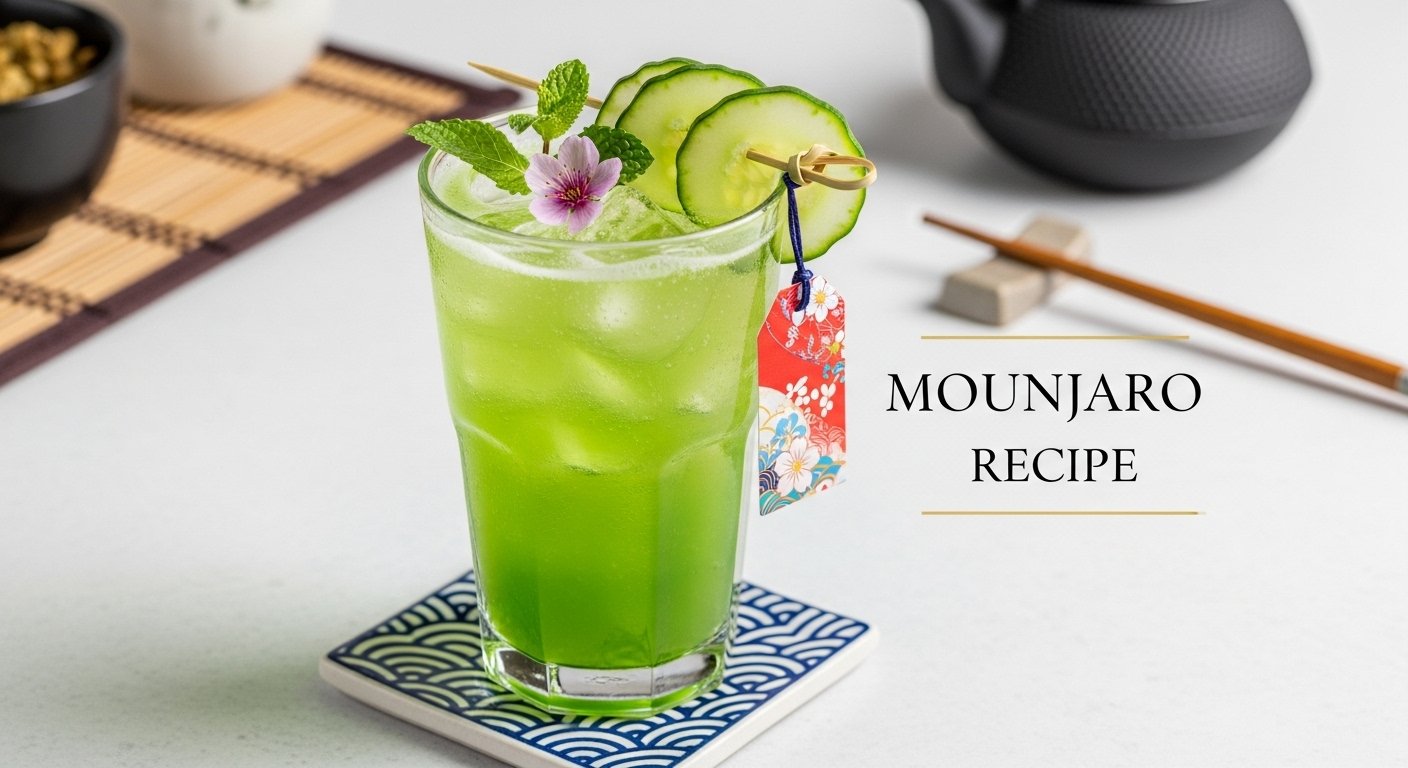
The Core Japanese Mounjaro Recipe
This is the version most commonly shared online, with a few refinements for taste and effectiveness.
Servings: 1 Prep time: 5 minutes Best taken: 20–30 minutes before a meal
Ingredients:
| Ingredient | Amount | Notes |
|---|---|---|
| Warm water | 8–12 oz | Not boiling — around 100–110°F |
| Apple cider vinegar | 1–2 tbsp | Raw, unfiltered with “the mother” |
| Fresh lemon juice | 1 tbsp | About half a medium lemon |
| Matcha powder | 1 tsp | Ceremonial or culinary grade |
| Fresh grated ginger | ½ tsp | Or ¼ tsp ground ginger |
| Ceylon cinnamon | ¼ tsp | Avoid Cassia if possible |
| Raw honey | 1 tsp | Optional; skip for strict low-carb |
Instructions:
- Heat your water to around 100–110°F. You don’t want it boiling — high heat can destroy some of the beneficial compounds in matcha and honey.
- Add the matcha powder first. Whisk it into the warm water until no clumps remain. A small bamboo matcha whisk works best, but a regular kitchen whisk or even a fork does the job.
- Squeeze in the lemon juice. Add the ACV. Grate or measure the ginger, then add it too.
- Stir in the cinnamon. Add honey if you’re using it.
- Give everything a good stir or shake and drink it relatively quickly before the cinnamon and ginger settle.
That’s genuinely it. Five minutes, one cup, no fancy equipment required.
RELATED POST >> Liquid Maria Juana Drink Recipe: The Bold Herbal Cocktail You’ve Been Missing
Variations Worth Trying
The base recipe is a starting point, not a rule. People across the US have been customizing it based on taste preferences, dietary restrictions, and what they already have in their kitchen.
Cold Version: For people who don’t love warm drinks first thing in the morning, use cold water or add ice. You’ll want to whisk the matcha separately with a small amount of warm water before adding the cold water and remaining ingredients, or it won’t dissolve properly.
Cayenne Add-In Adding a small pinch of cayenne pepper (⅛ tsp or less) introduces capsaicin, a compound with well-documented effects on thermogenesis and appetite. Some people find the spice helps them eat less at subsequent meals. Others find it irritates their stomach. Start small.
Turmeric Boost: A quarter teaspoon of turmeric provides curcumin, another compound with significant research supporting its anti-inflammatory effects. It also turns the drink a deep golden color. Pair with a tiny pinch of black pepper — piperine in black pepper increases curcumin absorption by up to 2,000% according to one study.
Iced Matcha Mounjaro
- 1 cup cold water
- 1 tsp matcha (whisked into 2 tbsp warm water separately)
- 1 tbsp ACV
- 1 tbsp lemon juice
- ½ tsp grated ginger
- ¼ tsp cinnamon
- Honey to taste
- Pour over ice and stir
This version is noticeably easier to drink for people sensitive to the taste of ACV.
How to Incorporate It Into Your Routine
The drink is most effective — or at least most popular — when taken as a pre-meal ritual. Here’s how different people tend to use it:
Before Breakfast, many people drink it on an empty stomach first thing in the morning, similar to how some people take ACV shots. This is fine for most adults, but if you have acid reflux, GERD, or a sensitive stomach, drinking concentrated acids first thing may cause discomfort. Have a small snack first if that’s you.
20–30 Minutes Before Lunch or Dinner. This is probably the most strategic window. The combination of ACV slowing gastric emptying, ginger signaling satiety hormones, and the drink’s fiber-like bulking effect, arriving before food, may help reduce how much you eat during the meal.
As a Midday Appetite Reset, some people use it when cravings hit in the afternoon — the 2–4 PM window when blood sugar tends to dip, and the urge to snack gets loud. The ginger and cinnamon together may help blunt that response.
What the Research Actually Says
Let’s be direct about this.
There is no study specifically on “Japanese Mounjaro” as a formulated drink. The name is a social media creation, not a clinical intervention.
What does exist is research on the individual ingredients. And taken together, the picture is more interesting than a pure placebo:
- ACV has the strongest evidence. Multiple human trials show it reduces postprandial blood sugar and improves insulin sensitivity. Some studies show modest reductions in body weight over 12 weeks.
- Matcha/green tea catechins show consistent but modest effects on fat oxidation and weight in meta-analyses. Not dramatic. But real.
- Ginger has several small trials supporting its role in reducing appetite and providing digestive comfort.
- Ceylon cinnamon has mixed evidence on blood sugar, but it’s generally considered safe and may offer some benefit.
- Lemon has limited direct evidence for weight loss, but its effect on palatability means you actually drink the thing, which matters.
What does the combination do in a synergistic, systematic way? No one has studied that directly. It’s possible the ingredients interact in beneficial ways. It’s also possible they don’t amplify each other meaningfully. Honest answer: we don’t know.
What we do know is that hundreds of thousands of people report feeling less hungry, more regulated, and more mindful about eating after building this drink into their routine. Habit formation and ritual have real psychological effects on eating behavior. Don’t discount that.
How It Compares to Prescription Mounjaro
Since people keep asking:
| Japanese Mounjaro Drink | Prescription Mounjaro (Tirzepatide) | |
|---|---|---|
| FDA approval | No | Yes (T2D and weight management) |
| Average weight loss | Modest, anecdotal | 15–22% body weight in trials |
| Cost | Under $5/week | $900–$1,200/month without insurance |
| Side effects | Mild (tooth enamel, GI) | Nausea, vomiting, possible thyroid risk |
| Mechanism | Indirect (blood sugar, satiety habits) | GLP-1/GIP receptor agonist |
| Prescription required | No | Yes |
The drink is not a replacement for tirzepatide in people who need pharmaceutical intervention. If you have type 2 diabetes, obesity, or a metabolic condition, please talk to your doctor rather than hoping a beverage solves it.
But for people looking to support healthy habits, improve satiety, manage blood sugar at the margins, and create a mindful pre-meal ritual — the drink has real, non-trivial value.
Things to Watch Out For
A few honest cautions before you start drinking this every day:
Tooth Enamel ACV and lemon juice together are acidic. Drink through a straw if you’re having this daily, and rinse your mouth with water afterward. Don’t brush your teeth immediately after — it actually worsens erosion because the acid has temporarily softened the enamel.
Medication Interactions: If you’re taking medications for diabetes or blood pressure, ACV and cinnamon can further lower blood sugar and blood pressure. This combination with prescription medication can cause your levels to drop too low. Talk to your doctor.
Digestive Sensitivity: Some people experience heartburn, bloating, or nausea when they first start. Cut the ACV in half for the first week and build up gradually. Taking it with a small amount of food — rather than completely fasted — can also help.
It won’t outwork a Poor Diet. This should go without saying, but it doesn’t always. The drink supports appetite management. It doesn’t counteract a 3,000-calorie-a-day fast food diet. Think of it as one tool in the box.
Making It a Habit (Without Burning Out on It)
The biggest challenge with drinks like this isn’t making them — it’s making them consistently. A few practical things that help:
Batch prep the dry mix. Combine your cinnamon, matcha, and ground ginger in a small jar. Every morning, you just scoop one teaspoon, add water, ACV, and lemon. Thirty seconds.
Put it where you’ll see it. Sounds basic. But if the matcha is in the back of your cabinet and you have to search for it, you’ll skip it on busy mornings.
Track how you feel, not just the scale. Many people notice reduced afternoon cravings, better energy, and improved digestion before they notice any change on the scale. Paying attention to those smaller signals keeps you motivated.
Don’t make it precious. If you forget one day, skip the guilt and have it tomorrow. The ritual matters when it’s consistent over weeks and months — not when it’s perfect every single day.

Frequently Asked Questions
Is Japanese Mounjaro actually from Japan? Not really, no. The recipe borrows from ingredients common in Japanese cuisine and wellness traditions — matcha, ginger — but the specific combination and name are products of Western social media, not of traditional Japanese remedies.
Can I drink this every day? Most healthy adults can. If you’re new to it, start with a lower ACV dose (1 tablespoon instead of 2) and monitor how your stomach reacts. Daily use is generally considered safe for most people.
Will it help me lose weight without changing my diet? Probably not significantly. It may reduce appetite and support blood sugar stability, but it works best as part of a broader approach to eating — not as a standalone solution.
What if I hate the taste? Increase the honey or lemon, reduce the ACV slightly, or try the cold/iced version. Using cold water dramatically mellows the harshness of the ACV. If you genuinely can’t tolerate it, ACV capsules exist — though you lose the matcha and ginger benefits that way.
Does it need to be ceremonial-grade matcha? No. Culinary-grade matcha works fine and is significantly cheaper. Ceremonial grade has a smoother taste on its own, but in a drink with ACV and ginger, the difference in flavor is minimal.
Can people with diabetes drink this? Potentially yes — some ingredients may actually benefit blood sugar regulation — but you should absolutely consult your healthcare provider first, especially if you’re on glucose-lowering medications.
How long before I see results? Most people who report positive effects say they notice changes in hunger levels and digestion within one to two weeks. Measurable weight change takes longer and depends heavily on overall diet and activity.
Is it safe during pregnancy? Consult your OB. High-dose ginger and large amounts of ACV are generally cautioned against during pregnancy. The amounts in this recipe are small, but always check.
Can kids drink this? This isn’t designed for children. Matcha’s acidity and caffeine make it unsuitable for younger kids. Adolescents should check with a parent and pediatrician first.
Is this the same as the “lemon matcha” drink going around? There are overlapping versions with different names. Some leave out the ACV, some add different spices. The core “Japanese Mounjaro” recipe consistently includes ACV, matcha, lemon, ginger, and cinnamon — the version most frequently referenced in the weight-loss community.
Final Thought
Is the Japanese Mounjaro drink a miracle? No. Will it replace actual medical treatment for obesity or metabolic disease? Absolutely not. But is it a low-cost, low-risk, reasonably evidence-supported drink that may help you eat less, manage your blood sugar a little better, and build a mindful pre-meal habit?
Yeah. Actually, it might be exactly that.
Make a cup. See how you feel. Give it two weeks before you decide it isn’t working.
That’s really all there is to it.
SUGGESTED POST >> What Containers Are Best for Meal Prep? Top 5 Ranked Now