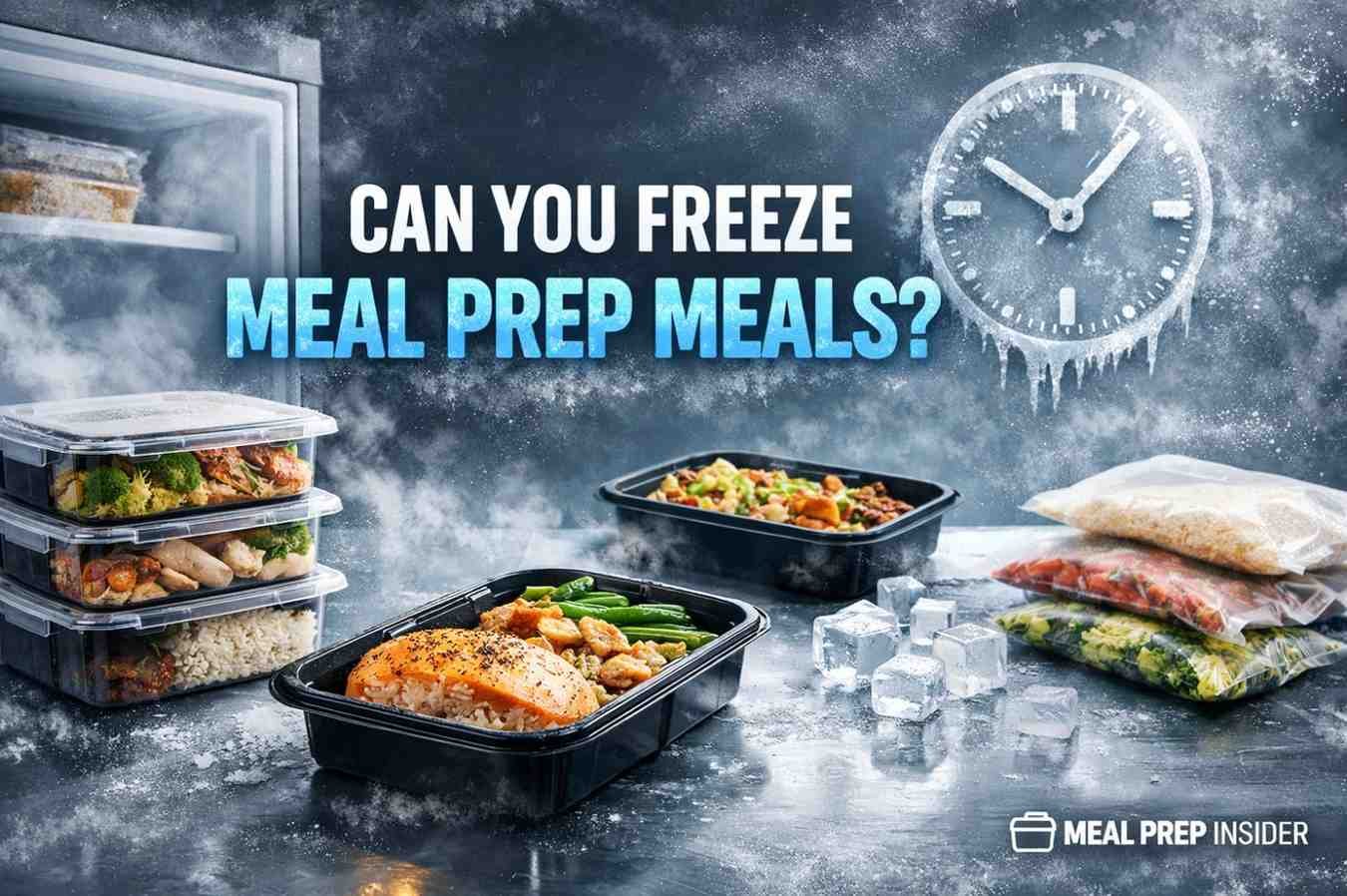
Can You Freeze Meal Prep Meals? Wondering if you can freeze meal prep meals? The short answer is yes — but not everything survives the freezer. Here’s exactly what to freeze, what to skip, and how to do it right.
Can You Freeze Meal Prep Meals?
Yes. And honestly, if you’re not doing it already, you’re making meal prep harder than it needs to be.
Freezing meal prep meals is one of the smartest things you can do for your week. It saves time, cuts down on food waste, and means you always have something real to eat — even when life gets busy, and cooking feels like the last thing you want to do.
But here’s the thing: not every meal prep dish handles the freezer the same way. Some come out perfectly fine. Others turn into a soggy, sad situation that you’d rather throw away than eat. Knowing the difference is what separates someone who meal preps successfully from someone who gives up after two weeks.
This guide covers everything — what freezes well, what doesn’t, how to store it right, how long things actually last, and the small habits that make the whole system work.
Why Freezing Meal Prep Makes Sense
Think about what most people do when they meal prep. They cook on Sunday, eat Monday through Wednesday, and by Thursday, things are starting to turn. The food’s still edible, technically, but nobody’s excited about it. Motivation drops. You order takeout. The whole cycle breaks down.
Freezing solves that problem.
Instead of eating the same thing four days straight, you rotate. You freeze half of what you cooked and pull it out midweek or the following week. That’s two weeks of meals from one cooking session. The freshness stays. The variety stays. And you don’t get burned out eating the same chicken and rice for the fifth time in a row.
There’s also a practical financial argument here. Food waste is expensive. The average American household throws away somewhere between $1,500 and $2,000 worth of food every year. Freezing meal prep cuts into that number. If you cooked it, you eat it — just maybe not this week.
What Meal Prep Foods Freeze Well
Some foods are genuinely built for the freezer. They don’t suffer from the texture changes that ruin other dishes. Here’s a solid breakdown:
Proteins
- Grilled or baked chicken breast and thighs
- Ground beef or turkey (cooked)
- Pulled pork and beef stew
- Shrimp (cooked or raw, just not both ways twice)
- Salmon and most baked fish
- Hard-boiled eggs — freeze surprisingly well if you remove the whites and only freeze the yolks
Grains and Starches
- White and brown rice (freeze it in portions — it reheats fast)
- Quinoa
- Cooked pasta — better when slightly undercooked before freezing
- Oatmeal and overnight oats in jars
- Mashed potatoes (add a little extra butter before freezing)
Soups, Stews, and Sauces. This is probably where the freezer shines most. Soups and stews are almost always better frozen than refrigerated. They hold their flavor, the texture barely changes, and reheating is simple.
- Chicken noodle soup (freeze before adding noodles if possible)
- Beef stew
- Chili — beef, turkey, or vegetarian
- Lentil soup
- Tomato-based pasta sauces
- Curry — red, green, butter chicken, dal
Other Freezer-Friendly Meals
- Burritos and breakfast burritos
- Stuffed peppers
- Meatballs (raw or cooked)
- Casseroles and baked dishes
- Frittatas and egg muffins
- Pancakes and waffles (yes, really)
- Smoothie packs — pre-portioned fruit and greens, ready to blend
What Does NOT Freeze Well
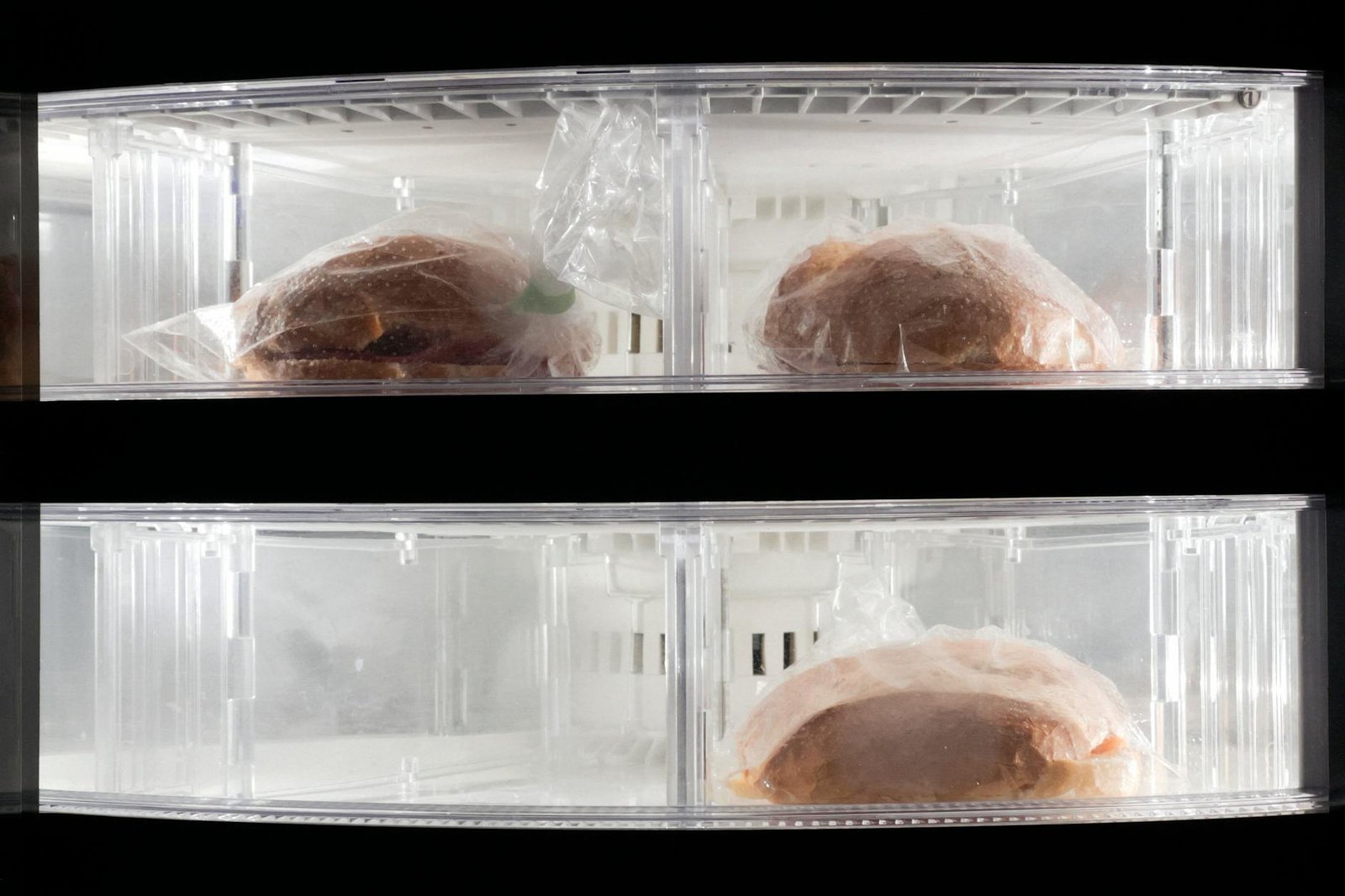
This part matters just as much. Some things come out of the freezer changed in ways that make them unpleasant to eat. Knowing what to avoid saves you from a lot of disappointment.
| Food | Why It Doesn’t Freeze Well |
|---|---|
| Lettuce and raw leafy greens | Cell walls break down, turns to mush |
| Cucumbers and raw celery | Too much water content |
| Cooked potatoes (chunks in soup) | Gets grainy and falls apart |
| Cream-based sauces | Separate and curdle when reheated |
| Mayo-based salads (egg salad, tuna salad) | Watery, unpleasant texture |
| Soft cheeses (ricotta, brie) | Texture turns grainy |
| Fried foods | Lose all crispiness, get soggy |
| Whole hard-boiled eggs | The white becomes rubbery |
| Gelatin-based foods | Completely fall apart |
| Fresh fruit with high water content (watermelon, grapes) | Mushy after thawing |
Some of these have workarounds. If you’re making a soup with potatoes, you can add the potatoes fresh when reheating, rather than freezing them with the soup. Same with cream — add it when you reheat, not before freezing. Small adjustments, big difference in results.
RELATED POST >> How Long Does Meal Prep Last in the Fridge?: Safe to Eat
How to Freeze Meal Prep Meals Correctly
Getting the freezing part right is just as important as knowing what to freeze. The way you package and freeze food affects how long it lasts and how good it is when you eat it.
Cool food completely before freezing. This is one of the most common mistakes people make. Putting warm food in the freezer raises the temperature inside, which affects everything else stored in there. It also leads to more ice crystals forming in your food, which damages texture. Let food cool to room temperature for no longer than 2 hours, then refrigerate briefly if needed before moving it to the freezer.
Use airtight containers. Freezer burn is the enemy. It happens when air reaches the food and dries it out. Use containers that seal properly — glass containers with locking lids, BPA-free plastic containers designed for freezing, or heavy-duty freezer bags with the air pressed out before sealing.
Portion it out before freezing. Freeze meals in single-serving portions rather than in a single big block. This way, you only thaw what you need. Thawing a massive container of chili just to eat one portion is inconvenient and shortens how long the rest stays good.
Label everything. Always. Write the contents and the date. Frozen food starts to look surprisingly similar after a few weeks. You will forget what’s in that unlabeled container. A piece of masking tape and a marker are all you need.
Leave space in the container. Liquids expand when frozen. If you fill a container all the way to the top, the lid can pop off, or the container can crack. Leave about an inch of space at the top for liquids.
Lay bags flat. If you’re using freezer bags, freeze them flat. Once frozen solid, you can stand them upright or stack them to save space. Flat freezing means faster, more even freezing, and makes organizing your freezer much easier.
How Long Can Frozen Meal Prep Last?
This question comes up a lot. The honest answer is that frozen food is technically safe for almost indefinite periods — freezing stops bacterial growth completely. But quality degrades over time. After a certain point, the food is safe but not particularly good.
Here are general guidelines for how long different prepped foods maintain good quality in the freezer:
| Meal Type | Freezer Quality Duration |
|---|---|
| Cooked chicken (plain) | 3–4 months |
| Ground beef or pork (cooked) | 2–3 months |
| Soups and stews | 4–6 months |
| Chili | 4–6 months |
| Cooked rice or quinoa | 1–2 months |
| Pasta dishes | 1–2 months |
| Casseroles | 2–3 months |
| Breakfast burritos | 1–2 months |
| Smoothie packs | 3 months |
| Baked goods (muffins, pancakes) | 2–3 months |
These aren’t hard cutoffs. Food past these windows isn’t dangerous — it just might taste a little flat or have minor texture changes. But within these time frames, you’ll get genuinely good results.
Thawing and Reheating the Right Way
How you thaw and reheat frozen meal prep matters. Done right, the food comes out tasting close to fresh. Done carelessly, it turns into something you’d rather not think about.
The refrigerator method (best option). Move the container from the freezer to the fridge the night before you plan to eat it. By the next day, it’s thawed, cold, and ready to heat. This is the safest and most consistent method.
The cold water method (faster). Place the sealed container or bag in a bowl of cold water. Change the water every 30 minutes. Most individual portions thaw within an hour or two. Don’t use warm water — it brings the outer layer into the temperature danger zone while the inside is still frozen.
The microwave method (fastest, least ideal for texture). Use the defrost setting, not full power. Full power will cook the edges while the middle stays frozen. Defrost in intervals and stir or flip the food between rounds. This method works fine for soups, stews, and rice dishes — not as great for proteins where texture matters.
Reheating tips by food type:
- Rice and grains: Add a splash of water before microwaving and cover loosely. The steam keeps it from drying out.
- Soups and stews: Reheat on the stovetop over medium heat, stirring occasionally. Add a bit of broth or water if it’s thickened too much.
- Proteins: Reheat covered in the oven at 325°F for gentle, even warming. Microwaving works, but it can make chicken tough if overdone.
- Pasta: Add a small amount of water or sauce before reheating to prevent sticking and drying.
- Breakfast burritos: Wrap in a damp paper towel and microwave — comes out nearly identical to fresh.
Building a Meal Prep Freezer System That Actually Works
Knowing what to freeze is one thing. Having a system that you actually stick to is another. Here’s a simple approach that works for most people.
The batch and rotate method. Every time you meal prep, cook double portions of at least two dishes. Eat one portion of fresh food that week. Freeze the other. By your third or fourth prep session, your freezer has a rotating selection of different meals. You’re never eating the same thing twice in a row, and you always have backup options.
The freezer inventory. Keep a simple list on your fridge or phone of what’s in the freezer. Update it when you add something, cross it off when you use it. Takes thirty seconds and saves you from constantly digging through frozen containers trying to figure out what’s in there.
Use your freezer as a buffer, not a backup. The freezer works best when you use it actively, not as a place to dump food you’re afraid of wasting. Plan to pull from it. Schedule a “freezer week” once a month where you eat through what’s stored before cooking fresh again. This keeps things rotating and prevents the dreaded forgotten-container situation.
Keep a core list of freezer-friendly recipes. Having five or six recipes you know freeze well makes planning a lot easier. You’re not reinventing the wheel every week — you’re rotating through proven meals that you know work. Things like chili, chicken, and rice bowls, breakfast burritos, and curry become reliable staples.
Best Containers for Freezing Meal Prep
The container you use makes a real difference in how well the food holds up and how convenient the whole process is.
Glass containers with locking lids — durable, don’t absorb odors, go from freezer to oven (without the lid), last for years. Heavier and more expensive upfront, but worth it.
Heavy-duty freezer bags — best for soups, stews, smoothie packs, and anything you can lay flat. Use the zip-lock style and press out as much air as possible before sealing. Gallon and quart sizes cover most needs.
Plastic containers (freezer-safe) — look for BPA-free containers specifically rated for freezer use. Cheaper than glass and lighter, but they can warp over time and sometimes hold onto odors.
Silicone bags — reusable, easy to clean, and flexible. A good middle ground between disposable bags and rigid containers. They’re especially useful for portioning proteins and smoothie ingredients.
Avoid: Thin takeout containers, glass jars not designed for freezing (they can crack), or any container without an airtight seal.
Common Freezing Mistakes to Avoid
Even people who’ve been meal prepping for a while make some of these:
- Freeze food in one big portion. You thaw more than you need, and refreezing thawed food reduces quality significantly.
- Not labeling containers. You think you’ll remember. You won’t.
- Freezing food while it’s still warm. Causes ice crystals and affects neighboring frozen items.
- Overfilling containers. Liquids expand. The lid will pop, or the container will crack.
- Skipping the cooling step. Related to the above — always cool completely first.
- Leaving food in the freezer too long. Even if it’s safe, quality drops. Rotate regularly.
- Thawing on the counter. The outside gets too warm while the inside stays frozen. Not safe for anything over an hour.
FAQs
Can you freeze meal prep salads? Not really, if we’re talking about leafy greens. Lettuce, spinach, and arugula turn to mush when frozen. What you can do is prep the toppings and proteins separately — grill the chicken, roast the chickpeas, make the dressing — and freeze those components. Assemble the salad fresh using thawed components.
Can you refreeze thawed meal prep? Generally, no — or at least not without some quality loss. Refreezing thawed food causes more ice crystals to form, which further breaks down the texture. The exception is if the food was thawed in the refrigerator and never got above 40°F — in that case, refreezing is technically safe, though quality may still suffer.
How do you prevent freezer burn on meal prep? Remove as much air as possible from containers and bags before freezing. Use airtight packaging. Don’t leave food in the freezer longer than recommended. Keeping your freezer temperature consistent at 0°F or below also helps.
Can you freeze meal prep in mason jars? Yes, but you have to do it right. Use wide-mouth jars (the shoulder on regular-mouth jars can crack when the contents expand). Leave at least an inch of headspace. Let the food cool completely before sealing and freezing. Avoid sudden temperature changes — don’t take a frozen jar directly from freezer to hot water.
Is it safe to freeze cooked rice? Yes. Cooked rice actually freezes very well. Let it cool completely, portion it into servings, and freeze in airtight bags or containers. To reheat, add a small splash of water and microwave covered, or steam it briefly on the stovetop. It comes back very close to fresh.
Can you freeze dairy-based meal prep? It depends on the dairy. Hard cheeses freeze fine. Milk-based soups and cream sauces tend to separate when frozen and reheated — you can sometimes whisk them back together, but the texture isn’t the same. Yogurt and sour cream don’t freeze well at all. If a dish has a cream-based sauce, consider adding the dairy component fresh when you reheat.
How long do frozen meal prep containers last? For best quality, most cooked meals maintain good texture and flavor for 2–4 months. Soups, stews, and chili can go up to 6 months. Beyond that, the food is still safe to eat if it’s been consistently frozen, but quality starts to noticeably decline.
Does freezing meal prep save money? Yes, meaningfully. When you freeze food before it spoils, you’re not throwing it away. You’re also less likely to order takeout when there’s already a ready-to-heat meal in the freezer. Over time, that adds up. People who meal prep with a freezer rotation consistently spend less on food than those who don’t.
Freezing meal prep isn’t complicated. It just requires knowing what works, how to store it properly, and building the small habits that keep the system running. Once you figure out your rotation, it becomes second nature — and your relationship with cooking during the week changes completely.
SUGGESTED POST >> 35 Easy Gluten Free Meal Prep Ideas on a Budget