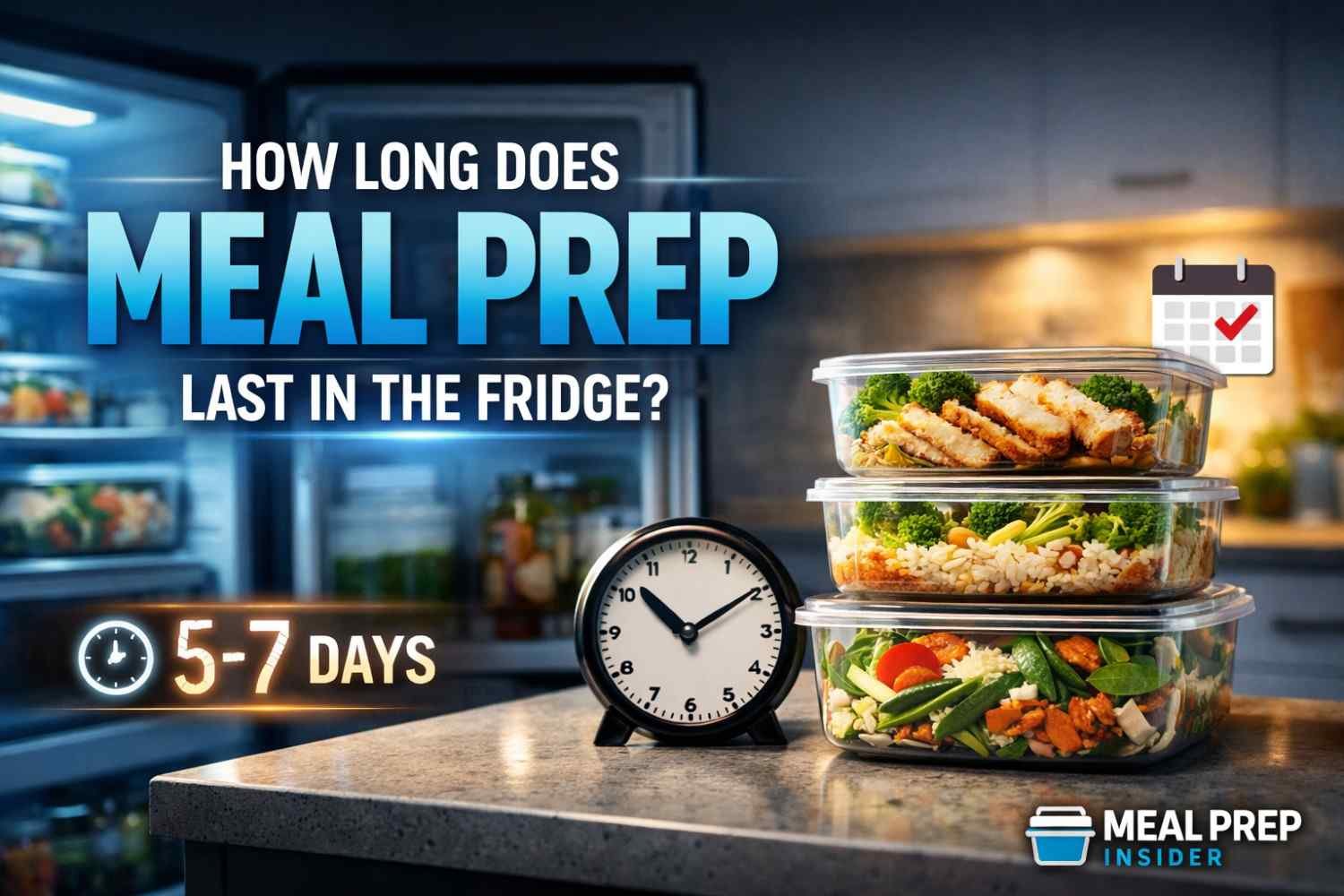
How Long Does Meal Prep Last in the Fridge? Wondering how long your meal prep stays fresh? Here’s exactly how long prepped food lasts in the fridge — plus what actually ruins it faster than you think.
Meal prepping saves time. It saves money. It keeps you from ordering pizza at 10 PM on a Tuesday when you’re exhausted and hungry. But there’s one question that messes people up every single week — how long does this stuff actually last?
How Long Does Meal Prep Last in the Fridge?
You cooked a big batch on Sunday. It’s now Thursday. You open the fridge, look at that container of chicken and rice, and you’re not totally sure if it’s still good. You eat it anyway, or you throw it out to be safe. Either way, you wish you just knew.
This guide gives you straight answers. No vague “3 to 5 days” without context. We’re breaking down specific foods, real storage rules, signs of spoilage, and the mistakes that silently shorten your food’s life in the fridge.
The General Rule — And Why It’s Not Enough
Most meal prep guides say cooked food lasts 3 to 5 days in the refrigerator. That’s the USDA’s baseline, and it’s a solid starting point. But it doesn’t tell the whole story.
A grilled chicken breast stored in an airtight glass container at 37°F behaves differently than a casserole crammed into a half-sealed bowl on the top shelf, where temperature fluctuates every time someone opens the door. Same “3 to 5 days” rule. Very different outcomes.
The variables that actually matter:
- Type of food — proteins spoil faster than grains; dairy-based dishes are more sensitive than roasted vegetables
- How it was cooled — food left out for more than two hours before refrigerating is already compromised
- Container quality — airtight seals slow oxidation and bacteria growth significantly
- Fridge temperature — your fridge should sit at or below 40°F (4°C); anything above that accelerates spoilage
- Where in the fridge it’s stored — the door is the warmest spot; bottom shelves near the back are the coldest
These aren’t minor details. They’re the difference between food that’s genuinely safe on day 4 and food that’s already sketchy on day 2.
How Long Specific Meal Prep Foods Last
Let’s get into the specifics. This is what most guides skip.
Cooked Chicken and Turkey
Cooked poultry — whether grilled, baked, or shredded — lasts 3 to 4 days in the fridge. Chicken is one of the more forgiving proteins when stored correctly, but it’s also among the first to spoil if you’re sloppy with storage.
Shredded chicken in sauce or broth tends to stay moist and last toward the higher end of that range. Dry-grilled chicken without any sauce starts to lose quality by day 3, even if it’s technically still safe.
If you batch-cook chicken thighs vs. chicken breast, thighs hold up better. More fat content means better texture retention.
Ground Beef and Pork
Cooked ground beef, pork, or a mix (think taco meat, meat sauce, or stir-fry) lasts 3 to 4 days. The key issue with ground meat isn’t just spoilage — it’s that bacteria can spread more evenly throughout ground meat during cooking and storage compared to whole cuts.
If your ground beef is mixed into a dish with vegetables and sauces, check the most sensitive ingredient in the mix. The dish as a whole is only as shelf-stable as its weakest component.
Cooked Fish and Seafood
This one surprises people. Cooked fish — salmon, tilapia, shrimp, whatever you prepped — lasts only 3 to 4 days, but the quality starts declining around day 2. The smell test is more obvious here than with chicken.
Shrimp prep, especially. It gets rubbery and develops a stronger odor faster than most proteins. If you’re prepping shrimp, plan to eat it within 2 to 3 days max for decent quality.
Hard-Boiled Eggs
Still in the shell: up to 1 week. Peeled and stored in water: 5 days. Peeled and stored dry: 5 days, but texture suffers.
Hard-boiled eggs are actually one of the safer meal prep items when handled right. People make the mistake of peeling a whole batch and then wondering why they get rubbery or start smelling sulfury by day 4.
Rice and Grains
Cooked white rice lasts 4 to 6 days. Brown rice, quinoa, farro, and similar whole grains do well in the same range — 4 to 5 days.
There’s a real concern with rice that doesn’t get talked about enough: Bacillus cereus. It’s a bacterium that survives cooking and thrives when cooked rice is left at room temperature too long. The fix is simple — cool your rice quickly and refrigerate it within an hour of cooking.
Pasta
Cooked pasta without sauce lasts 3 to 5 days. Pasta with sauce — especially cream-based sauces — lasts 3 to 4 days. Tomato-based pasta dishes hold up a little better because the acidity slows bacteria growth.
Store pasta and sauce separately if possible. This isn’t just a quality tip — it actually extends freshness because the pasta doesn’t keep absorbing moisture from the sauce.
Soups and Stews
Broth-based soups and stews: 4 to 5 days. Cream-based soups: 3 to 4 days. The dairy content in creamy soups makes them degrade faster.
Soups actually freeze incredibly well, which makes them ideal for batch cooking. If you’re making a big pot on Sunday and you know you won’t eat it all by Wednesday, freeze half of it immediately.
Roasted and Steamed Vegetables
3 to 5 days, generally. But texture matters here — roasted veggies that were crispy when cooked will be soft by day 2. They’re still safe and nutritious; they just won’t be crispy anymore.
Leafy greens and salads are a different category. 1 to 3 days once dressed. Undressed salad greens can last 4 to 5 days if stored properly with a paper towel to absorb moisture.
Casseroles and Mixed Dishes
Dishes that combine proteins, starches, and vegetables — such as lasagna, enchiladas, and grain bowls — last 3 to 5 days in most cases. The safest approach is to use the shortest shelf life among the ingredients in the dish.
RELATED POST >> Is Meal Prep Good for Weight Loss? The Honest Truth
Quick Reference Table
| Food | Fridge Life |
|---|---|
| Cooked chicken/turkey | 3–4 days |
| Cooked ground beef/pork | 3–4 days |
| Cooked fish/seafood | 3–4 days |
| Hard-boiled eggs (shell on) | Up to 7 days |
| Cooked rice/quinoa | 4–6 days |
| Cooked pasta (no sauce) | 3–5 days |
| Soup (broth-based) | 4–5 days |
| Soup (cream-based) | 3–4 days |
| Roasted vegetables | 3–5 days |
| Salad (undressed) | 4–5 days |
| Casseroles/mixed dishes | 3–5 days |
The Real Reasons Meal Prep Goes Bad Faster
People often blame the food or the fridge. Usually, it’s the process.
Cooling food too slowly
Leaving hot food on the counter to cool completely before refrigerating is a common habit that creates problems. The USDA recommends getting food out of the “danger zone” (40°F to 140°F) within two hours. That doesn’t mean wait two hours — it means don’t exceed it.
For large batches like soup or a pot of rice, divide them into smaller containers so they cool faster. A big pot of soup in one container can take hours to cool to a safe temperature, even inside the fridge, which means bacteria are multiplying the entire time.
Loosely sealed containers
Half the battle is the container. Plastic wrap thrown loosely over a bowl is not an airtight seal. The food is exposed to air, absorbs fridge odors, and dries out or deteriorates faster.
Glass containers with snap-lock lids or good-quality BPA-free plastic containers make a measurable difference in how long your food stays fresh. This isn’t a sales pitch — it’s just basic food science.
Stacking while hot
Stacking freshly cooked food containers while they’re still warm traps heat and creates a warm, moist environment between containers. Let them cool slightly (15 to 20 minutes on the counter, max) before stacking and sealing.
Not labeling anything
This sounds minor until you’re staring at four identical containers on a Thursday and you have no idea which one is Monday’s chicken and which one is Wednesday’s. Label everything with the date. Use masking tape and a marker. Simple.
The fridge temperature is off
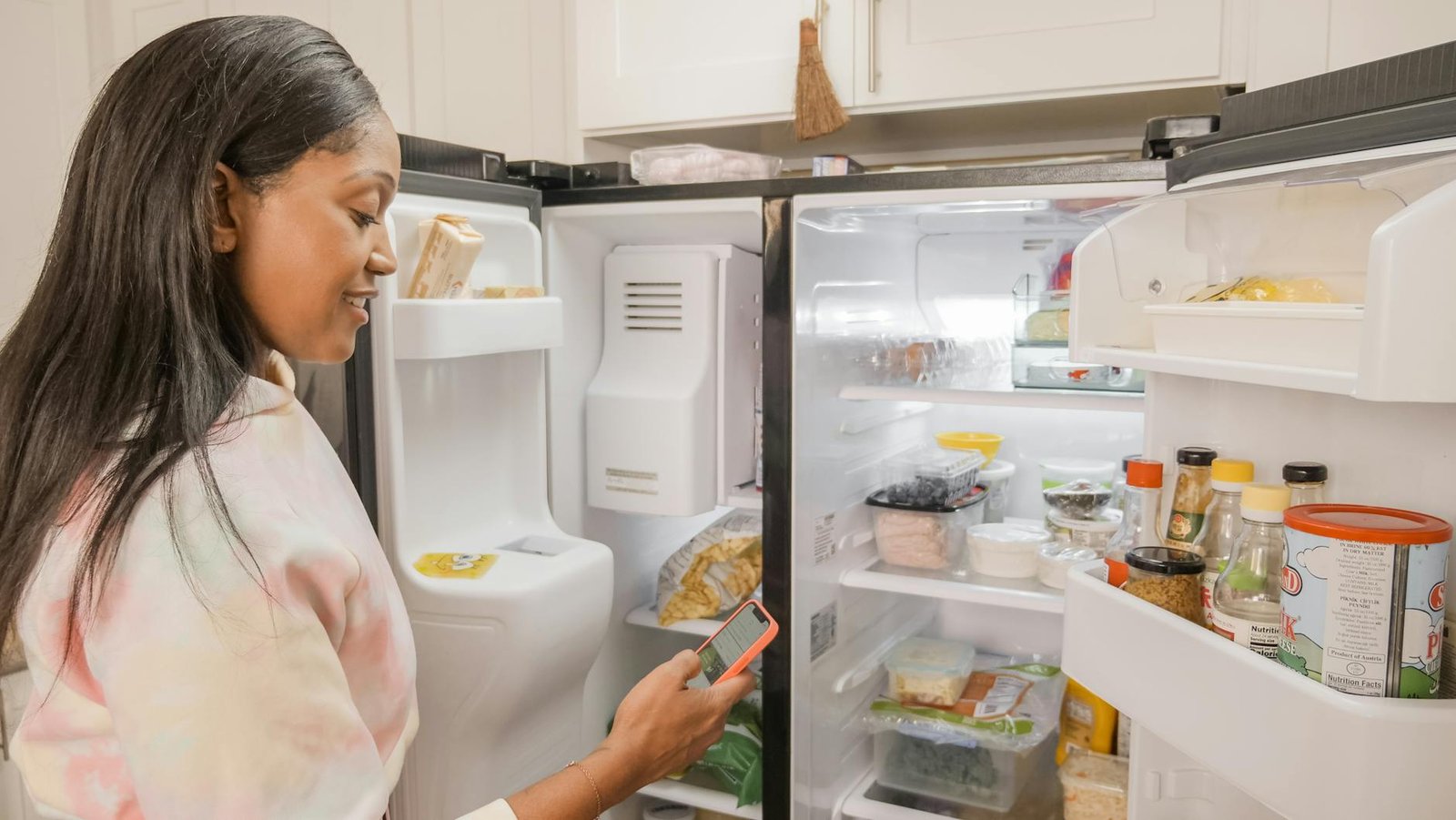
Many home refrigerators run slightly warmer than they should. If your fridge sits at 42°F instead of 37°F, you’re losing meaningful shelf life on everything inside it. Buy a small fridge thermometer — they cost around $10 — and actually check.
Signs Your Meal Prep Has Gone Bad
The smell test is the most obvious one, but it’s not always reliable. Some bacteria don’t produce noticeable odors. That’s what makes foodborne illness sneaky.
That said, here are the signs to watch for:
- Smell — anything sour, sour-sweet, or ammonia-like means toss it
- Texture changes — slimy chicken, mushy vegetables that weren’t mushy before, or watery separation in sauces
- Color changes — grey-ish meat, yellowing on eggs, or browning that wasn’t there before
- Mold — visible mold means the entire container goes. Don’t just scrape it off
- Off taste — if something tastes “wrong,” even if it looks fine, don’t push through it
When in doubt, throw it out. The cost of replacing a meal is nothing compared to a day of food poisoning.
Can You Freeze Meal Prep to Extend Its Life?
Yes. Freezing is the move when you want to prep further in advance.
Most cooked meals freeze well and last 2 to 3 months in the freezer before quality begins to decline. They’re technically safe beyond that, but texture and flavor suffer.
Foods that freeze well:
- Cooked meats (chicken, beef, turkey)
- Soups and stews
- Cooked grains (portion them out first)
- Casseroles and baked dishes
- Beans and legumes
Foods that don’t freeze well:
- Salad greens (they turn to mush)
- Cooked pasta (gets mushy when thawed)
- Dairy-heavy sauces (can separate)
- Hard-boiled eggs (the whites turn rubbery)
- Raw cucumbers, celery, and high-water vegetables
The trick with freezing is portioning before you freeze. Freezing a week’s worth of soup in one giant container means you have to thaw all of it just to eat one serving. Portion first.
Smart Meal Prep Schedules That Maximize Freshness
If you want meal prep to actually work for a full week, one batch on Sunday isn’t always realistic for foods that only last 3 to 4 days. Here’s how people handle it.
The two-session approach
Prep proteins and grains on Sunday for Monday through Wednesday. Do a smaller prep on Wednesday for Thursday and Friday. This keeps everything within its safe window, so you don’t have to eat questionable chicken on day 5.
Build components, not complete meals
Instead of prepping five identical containers of chicken, rice, and broccoli, prep a batch of chicken, a pot of rice, and some roasted vegetables separately. Then assemble throughout the week. Components stay fresher longer than assembled meals because you’re not mixing moisture between ingredients until you eat.
Rotate your proteins
If you’re prepping for a full week, use ground beef or shrimp early in the week. Save harder proteins like whole chicken pieces or pork loin for later since they hold up a bit better. Not a dramatic difference, but it helps.
Use your freezer strategically
Cook double batches and freeze half immediately. This barely adds time to your Sunday prep but gives you a fully stocked freezer for the weeks you’re too busy to prep at all.
Meal Prep Containers — What Actually Matters
You don’t need to spend a lot here. But you do need to make a few smart choices.
Glass vs. plastic
Glass is better for longevity and doesn’t absorb odors or stains. It’s heavier and breakable, but it lasts for years. Plastic is lighter and easier to stack, but make sure it’s BPA-free and has a genuine airtight seal — not just a snapping lid that lets air in.
Size matters
Match the container size to the portion. A small portion rattling around in a large container has greater exposure to air, which speeds up oxidation. Pack it appropriately.
Avoid single-use plastic bags for longer storage
They’re fine for dry snacks or items you’ll eat the next day. For anything lasting 3 to 4 days, use a real container.
Reheating Meal Prep Safely
Reheating properly matters as much as storage. Cold spots in reheated food mean bacteria survive.
The USDA recommends reheating cooked food to an internal temperature of 165°F. For stovetop soups and stews, bring them to a rolling boil. For everything else, use a food thermometer — at least occasionally — to make sure you’re hitting the right temperature.
Microwave tips that actually help:
- Stir food halfway through reheating to eliminate cold spots
- Add a splash of water to dry food before microwaving to prevent uneven drying
- Use microwave-safe covers to trap steam and heat more evenly
- Let food rest for 60 seconds after the microwave stops — it continues cooking slightly during that time
Don’t reheat food more than once. If you took out a portion and it’s been sitting for a while, don’t put it back in the fridge and reheat it again later.
Frequently Asked Questions
How long is meal prep good for in the fridge? Most cooked meal prep lasts 3 to 5 days in the fridge when stored properly in airtight containers at or below 40°F. Proteins like fish and shrimp tend toward the lower end; grains and roasted vegetables can last toward the higher end.
Can I meal prep for 7 days? Not safe with a single prep session for most foods. A two-session approach — prep on Sunday and again mid-week — keeps everything within a safe window. Alternatively, freeze the second half of your prep and thaw as needed.
Is it safe to eat meal prep after 5 days? It depends on the food and how it was stored. Some items, like rice and whole grains, might still be safe. Proteins are riskier. Unless you’re absolutely sure of the conditions, it’s better to err on the side of caution after the 5-day mark.
Why does my meal prep go bad so fast? Most common reasons: food was left out too long before refrigerating, the container wasn’t properly sealed, the fridge temperature is too high, or the food was stored in a spot in the fridge with inconsistent temperature (like the door).
Can I eat meal prep cold without reheating? Yes, for foods that are safe to eat cold — like grain bowls, salads, or hard-boiled eggs. For cooked meats and dishes that were cooked hot, cold eating is generally fine from a food safety standpoint as long as the food hasn’t been out at room temperature for more than two hours.
Does meal prep taste worse after a few days? Sometimes. Texture degrades faster than safety does. Crispy foods go soft. Salads wilt. Some sauces separate. It’s one reason prepping components separately and assembling fresh each day often produces better results than fully built meals that sit for days.
What’s the best container for meal prep? Glass containers with airtight snap-lids are widely regarded as the best option for maintaining freshness, preventing odor absorption, and ensuring a proper seal. BPA-free plastic with a tight-fitting lid is a solid, lighter alternative.
Should I let food cool before putting it in the fridge? Yes, briefly — but don’t leave it out for longer than two hours. Divide large portions into smaller containers to speed up cooling, then refrigerate. Putting hot food directly into the fridge raises the internal temperature slightly, which can affect nearby items.
Meal prep is only as useful as the food inside it. Knowing how long your specific foods last — and actually understanding why — takes the guesswork out of what’s safe to eat and what needs to go. You don’t need a culinary degree for this. You just need to know the rules, apply them consistently, and use your judgment when something seems off.
The goal isn’t to be paranoid. It’s to stop wasting food and stop second-guessing every container you open on a Thursday night.
SUGGESTED POST >> 20 Make Ahead Meal Prep Recipes to Cook Once: Save Time Now