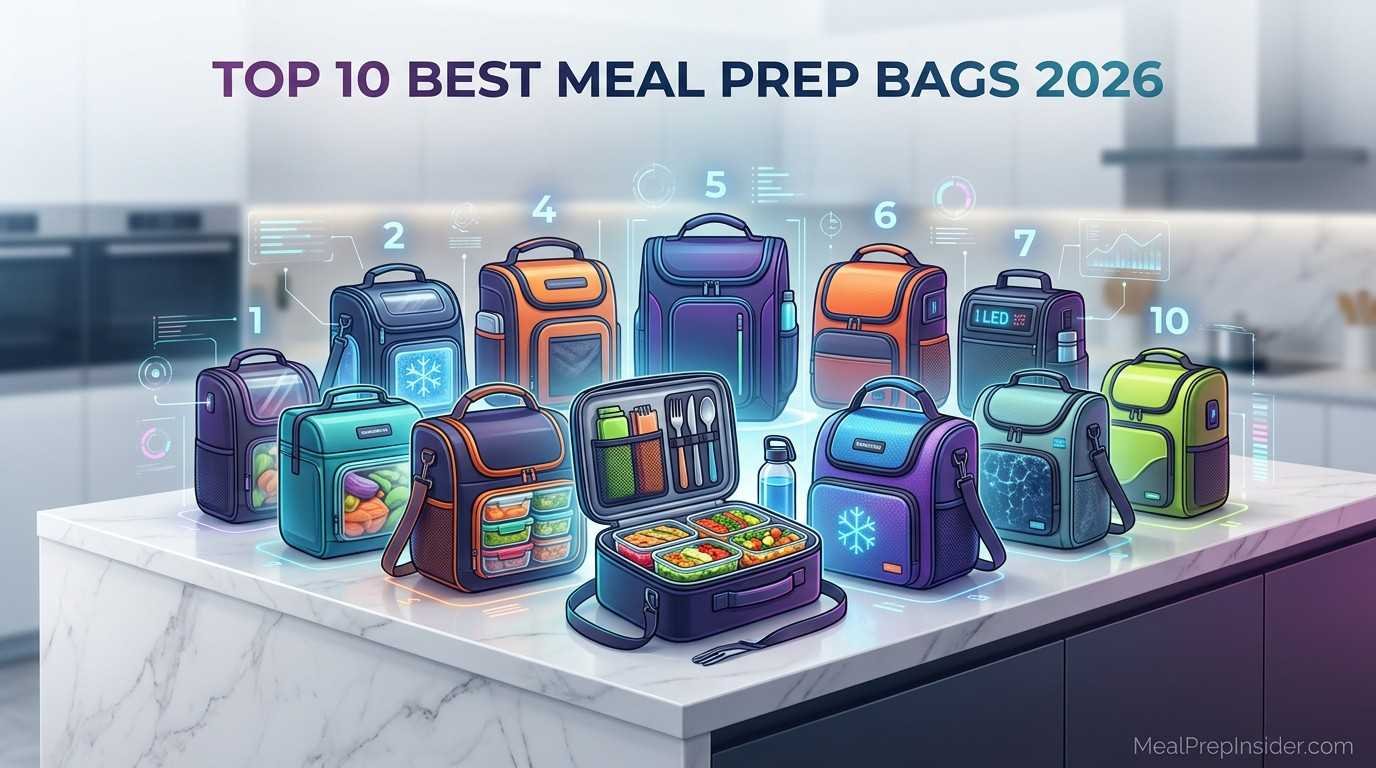
Best meal prep bags 2026 are not just “bigger lunch boxes.” They’re the difference between sticking to your plan… and rage-buying a $14 airport sandwich because your chicken and rice turned lukewarm at 11:07 a.m.
You know the moment.
The zipper fights you.
A container tips.
Something leaks.
And now your bag smells like teriyaki for the next two weeks.
Here’s the twist: most people don’t need more motivation. They need better gear. Quietly reliable gear. The kind that keeps food cold, organized, and upright—without making you look like you’re carrying a small cooler to a black-tie event.
Stay with me. Because the “best” meal prep bag depends on how you live in 2026: hybrid workdays, long commutes, gym-to-office transitions, tighter food budgets, higher grocery prices, and a bigger focus on portion control. Different needs. Different bags.
Below are the Top 10 Best Meal Prep Bags 2026, plus a no-nonsense buying guide, packing tactics, and FAQs that save you from buyer’s remorse.
Best Meal Prep Bags 2026: What matters now (and why 2025 advice is outdated)
Meal prep bags used to be judged by one thing: “Does it keep food cold?”
In 2026, that’s the baseline. The real differentiators are:
- Container compatibility (Do your containers fit without Tetris?)
- Leak resistance (Not “leakproof-ish.” Real protection.)
- All-day insulation with modern gel packs or thick foam
- Work-to-gym flexibility (separate compartments, stable structure)
- Cleaner materials (more buyers now look for BPA-free, easier-to-wipe linings)
- Comfort (padded straps matter when you carry 6–12 lbs of food)
- Looks (yes—because some bags scream “bodybuilder cooler,” and not everyone wants that)
And here’s the thing most people miss: a meal prep bag is a system, not a sack. If the bag doesn’t support your routine, your routine breaks first.
Quick comparison table (so you can shortlist fast)
Pricing and exact dimensions change by retailer, but this grid helps you pick the right “type” immediately.
| Rank | Meal Prep Bag | Best for | Capacity vibe | Insulation style | Price tier |
|---|---|---|---|---|---|
| 1 | Isolator Fitness 6-Meal Bag | Serious weekly prep | Large, structured | Thick insulated walls | $$ |
| 2 | MIER Large Lunch Bag / Meal Prep Tote | Everyday + value | Medium-large | Foam insulation | $–$$ |
| 3 | Arctic Zone Titan Deep Freeze (Expandable) | Long shifts + expansion | Expandable | High-performance lining | $$ |
| 4 | PackIt Freezable (Lunch/Meal Prep line) | Minimal ice packs | Medium | Built-in gel walls | $$ |
| 5 | Bentgo (Insulated tote styles) | Office-friendly style | Medium | Insulated + structured | $$ |
| 6 | Hydro Flask Insulated Lunch Bag | Premium + compact | Small-medium | Quality insulation | $$$ |
| 7 | YETI Daytrip Lunch Bag | Rugged, all-day cold | Medium | Heavy-duty insulation | $$$ |
| 8 | Igloo MaxCold Soft Cooler (small sizes) | Budget cooler performance | Medium | Cooler-grade insulation | $–$$ |
| 9 | Lifewit Large Lunch Bag | Big capacity on a budget | Large | Thick foam | $ |
| 10 | Carhartt Insulated Lunch Cooler (tote/box) | Jobsite durability | Medium | Tough insulation | $$ |
Now the detailed list—because details are where the winners separate themselves.
Top 10 Best Meal Prep Bags 2026 (detailed picks)
1) Isolator Fitness 6-Meal Prep Bag (the “bring half your fridge” champion)
If meal prep is your lifestyle, this is the one that keeps you honest.
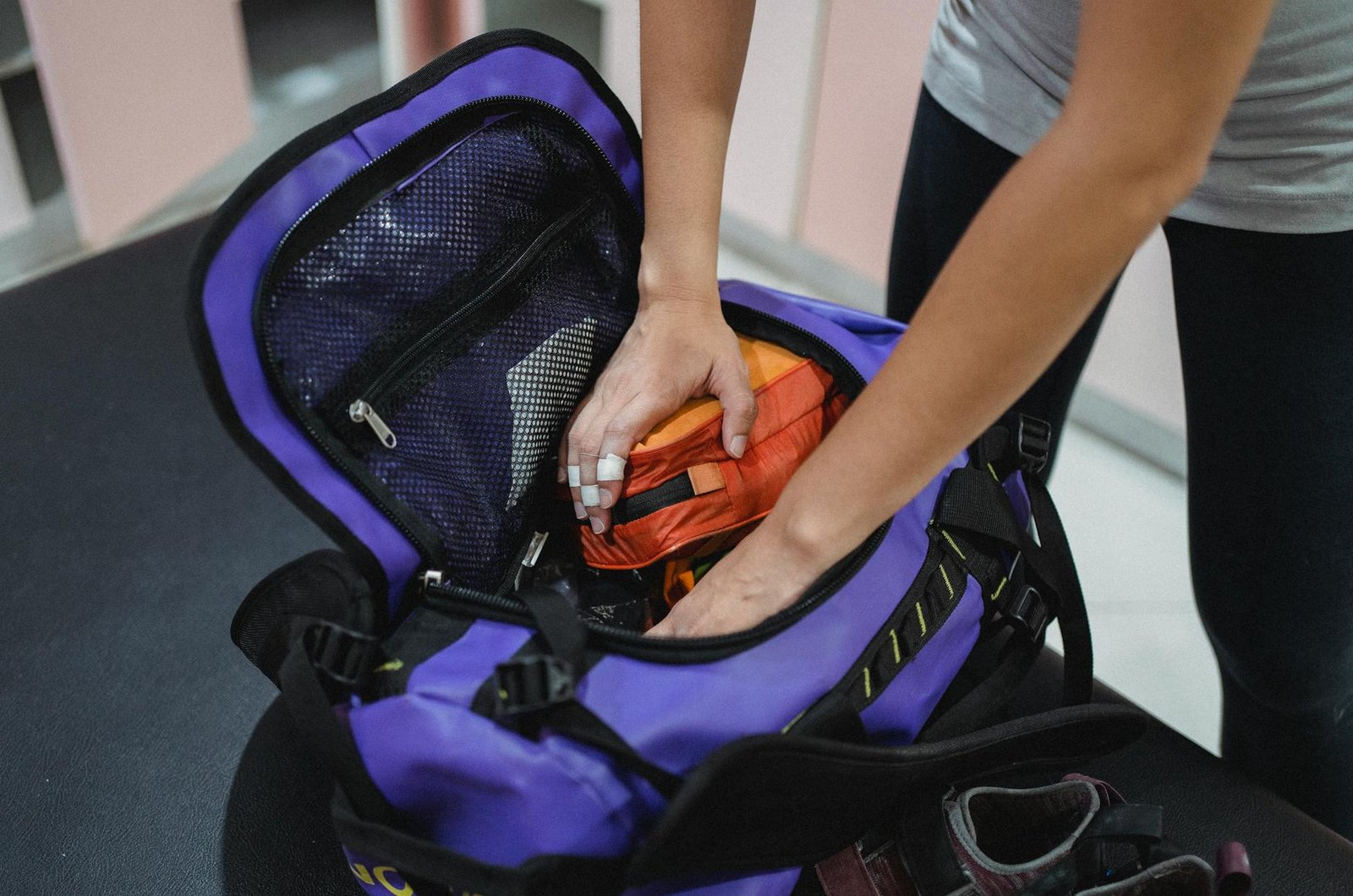
This bag is built for structure. It doesn’t slump. It doesn’t sag. It’s designed to hold multiple containers in a predictable, stackable layout, usually with dedicated pockets for ice packs and extras. It’s the kind of bag you set down, and it stays upright. That alone prevents a shocking number of spills.
Why it wins in 2026: more people are doing long days that start at home, hit the gym, then go to the office. This bag was made for that schedule.
Best for
- 2–3 meals plus snacks (or more, depending on container size)
- Gym + work combos
- People who hate repacking and reorganizing daily
Standout features
- Structured form with strong zippers
- Multiple compartments and pockets
- Designed around meal prep containers (not just random storage)
Pros
- Excellent organization
- Stable and upright
- Great for consistency and routine
Cons
- Bulkier than a normal lunch bag
- Not subtle in small offices
2) MIER Large Lunch Bag / Meal Prep Tote (value pick that doesn’t feel cheap)
MIER has quietly become the go-to for people who want a serious insulated bag without paying premium-cooler pricing.
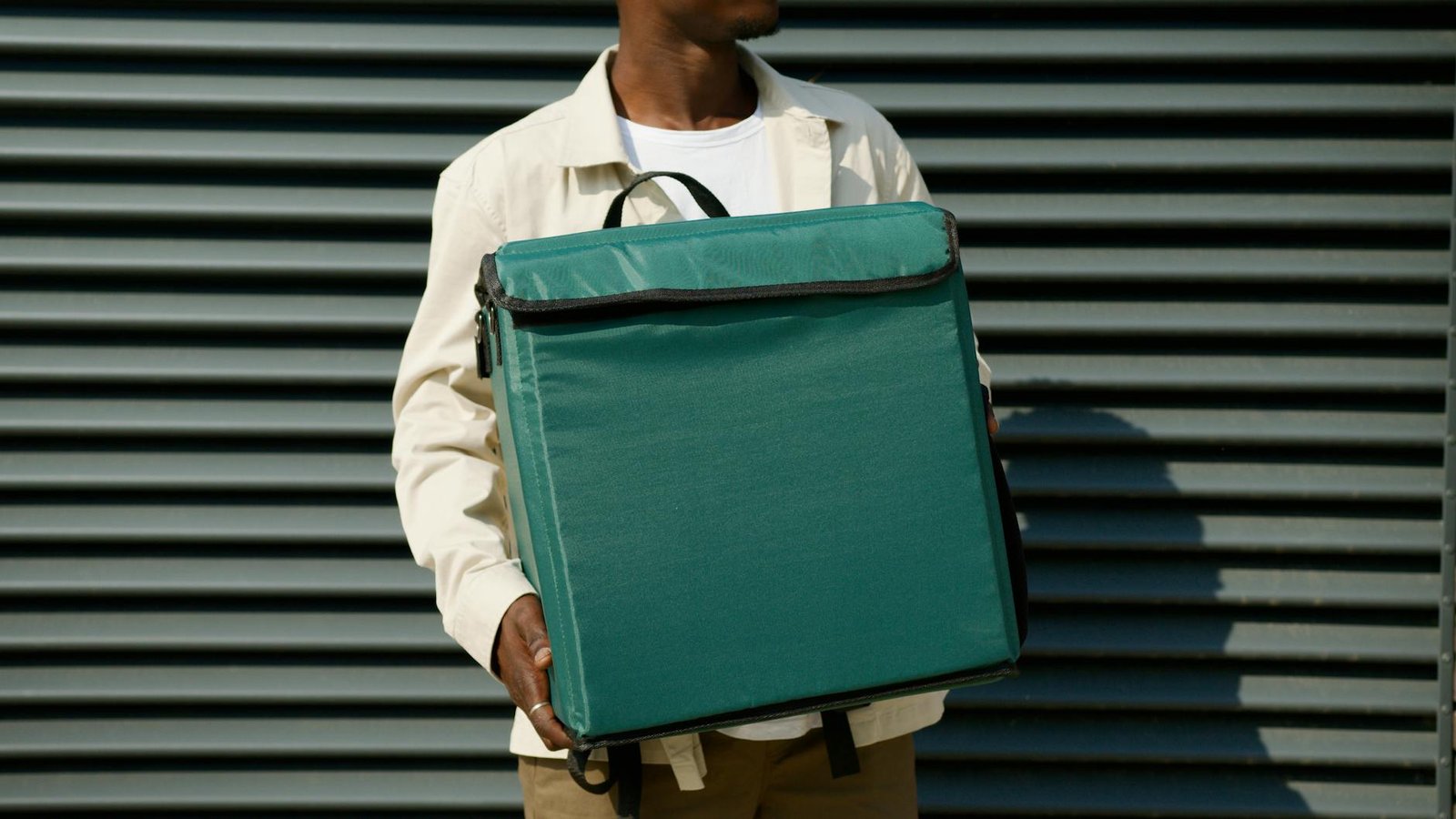
The big selling point: usable space. Not weird, tapered corners. Not pockets stealing volume. Just a practical cavity that fits meal prep containers with less fuss.
To be frank, many bags claim to be “large” and still can’t handle two containers side-by-side. MIER often can.
Best for
- Daily commuters
- Students + office workers
- Anyone who wants “roomy” without “massive.”
Standout features
- Wide opening (easier to load flat containers)
- Practical exterior pockets
- Usually lighter than heavy-duty cooler brands
Pros
- Great price-to-capacity ratio
- Flexible but still holds shape decently
- Easy to live with
Cons
- Less “locked-in” organization than hardcore meal prep systems
- Style varies by model (some look more casual)
3) Arctic Zone Titan Deep Freeze Expandable Lunch Cooler (the long-shift workhorse)
This is for people who don’t have a predictable lunchtime. Nurses. Teachers. Field reps. Anyone pulling a double.
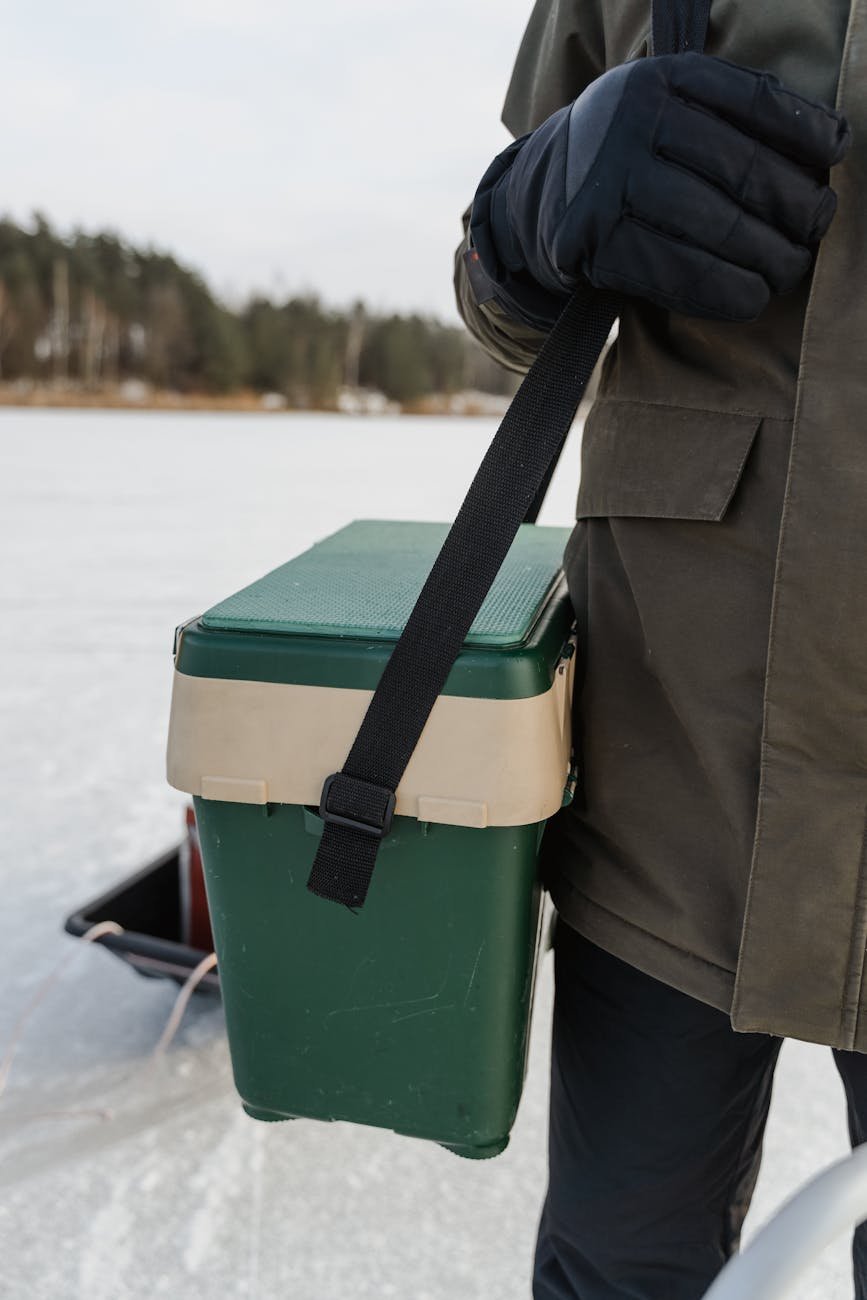
The expandable design is the main appeal. You can run it compact when you’re carrying one meal, then expand it when you need extra containers, fruit, and snacks.
In fact, expansion is underrated—because it reduces the “I’ll just grab something out” temptation when you didn’t pack enough.
Best for
- Long shifts
- People who pack breakfast + lunch + snacks
- Anyone who likes flexible capacity
Standout features
- Expansion zipper/section
- Cooler-like insulation performance
- Typically strong handles and rugged build
Pros
- Strong insulation for the price
- Durable feel
- Flexible capacity
Cons
- Expansion can make it feel bulky
- Not the most sleek-looking option
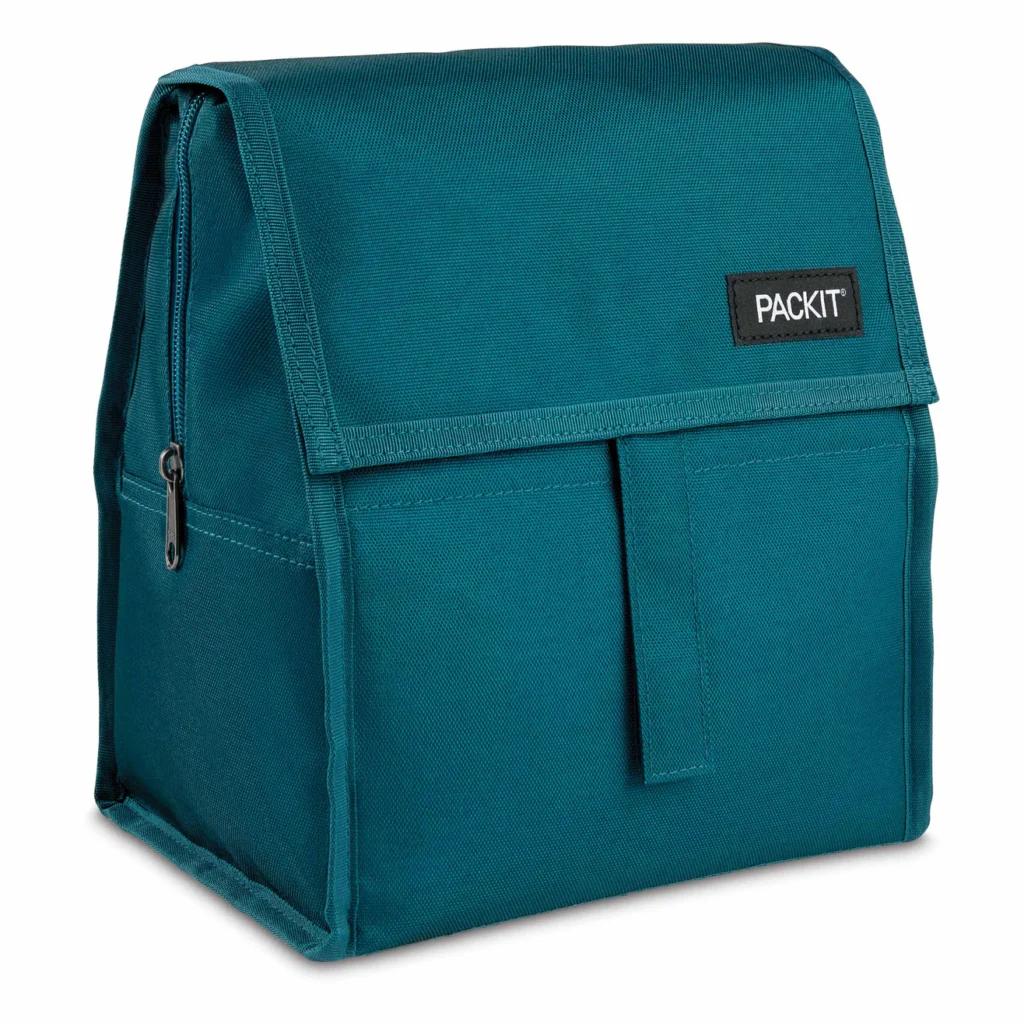
4) PackIt Freezable Lunch Bag (the “I forgot the ice pack” solution)
PackIt’s concept is simple: built-in gel walls that you freeze overnight.
If you’re the person who always forgets ice packs, or you hate the “ice pack shuffle,” this system feels like a cheat code.
Truthfully, it’s also great for quick trips—errands, day outings, short commutes—when you want cold food without extra pieces.
Best for
- People who forget ice packs
- Light meal prep (one to two containers)
- Travel days when you need a simple cold solution
Standout features
- Built-in freezable panels
- Convenient, minimal setup
Pros
- No separate ice pack needed
- Keeps items chilled for hours (depending on conditions)
- Good for beginners
Cons
- Must refreeze between uses
- Less flexible if you need to add extra ice packs for extreme heat
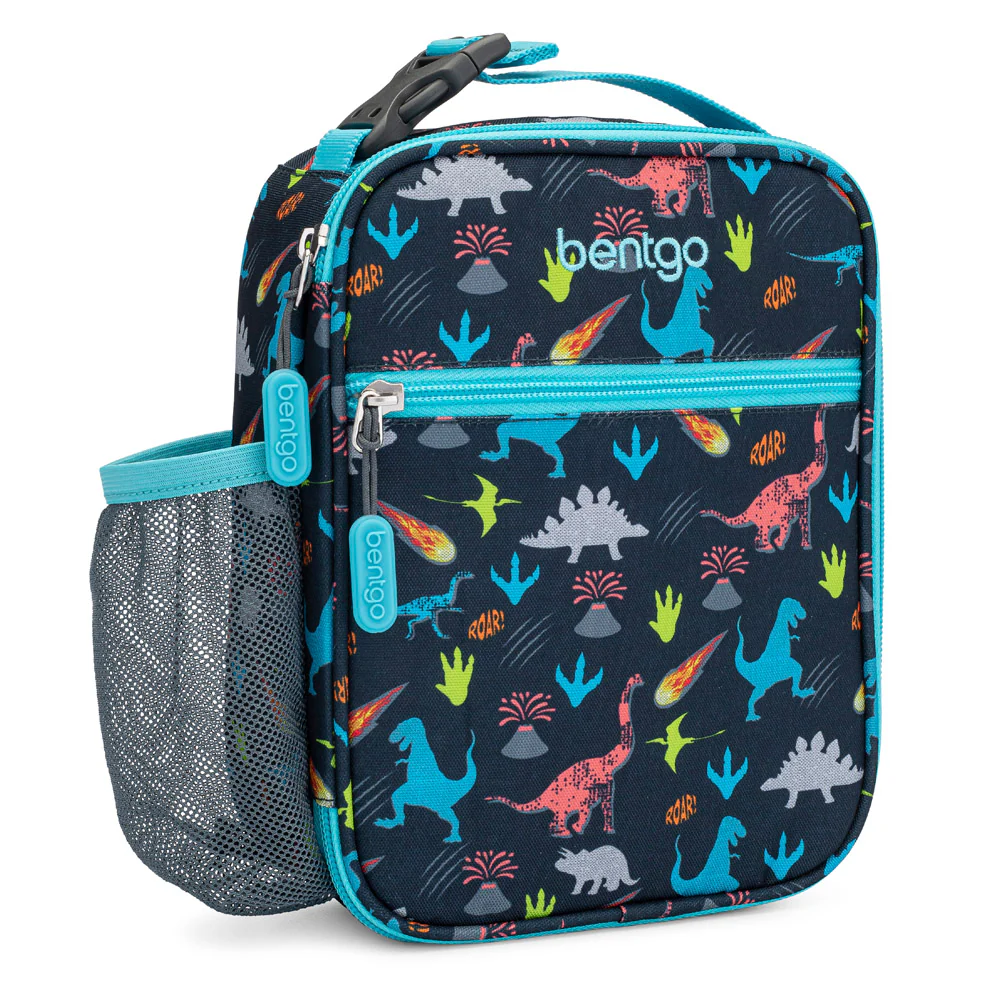
5) Bentgo Insulated Tote Styles (office-friendly without looking like a cooler)
Bentgo built its name around lunch solutions that don’t scream “meal prep bro.”
If you work in an office, meet clients, or just prefer a cleaner aesthetic, Bentgo’s insulated tote-style bags fit better with your daily vibe. They’re also usually designed to pair with common lunch container shapes.
As it turns out, a bag you’re not embarrassed to carry gets used more.
Best for
- Office workers
- People who want style + structure
- Moderate meal prep (lunch + snacks)
Standout features
- Sleek design
- Often more structured than basic lunch totes
- Easy to clean interiors (varies by model)
Pros
- Looks great in professional settings
- Simple, functional layout
- Usually lightweight
Cons
- Less capacity than true multi-meal systems
- Premium pricing on some models
6) Hydro Flask Insulated Lunch Bag (premium compact pick)
Hydro Flask’s lunch bags are built with the same brand energy as their bottles: clean design, quality feel, and strong insulation for the size.
This is not for bringing five containers. It’s for bringing one solid meal, maybe a snack, and keeping it cold without drama.
Really, it’s ideal for people who meal prep lunch but don’t need a full-day food supply.

Best for
- Minimalists
- People who pack one main meal
- Anyone who values quality materials and a clean look
Standout features
- Strong insulation for a compact bag
- Comfortable carry and neat design
Pros
- Premium build quality
- Great for everyday lunch routines
- Easy to pair with a backpack or work tote
Cons
- Smaller capacity
- Pricey compared to basic lunch bags
RELATED POST >> 10 Best Meal Prep Containers That Are Durable & Sturdy
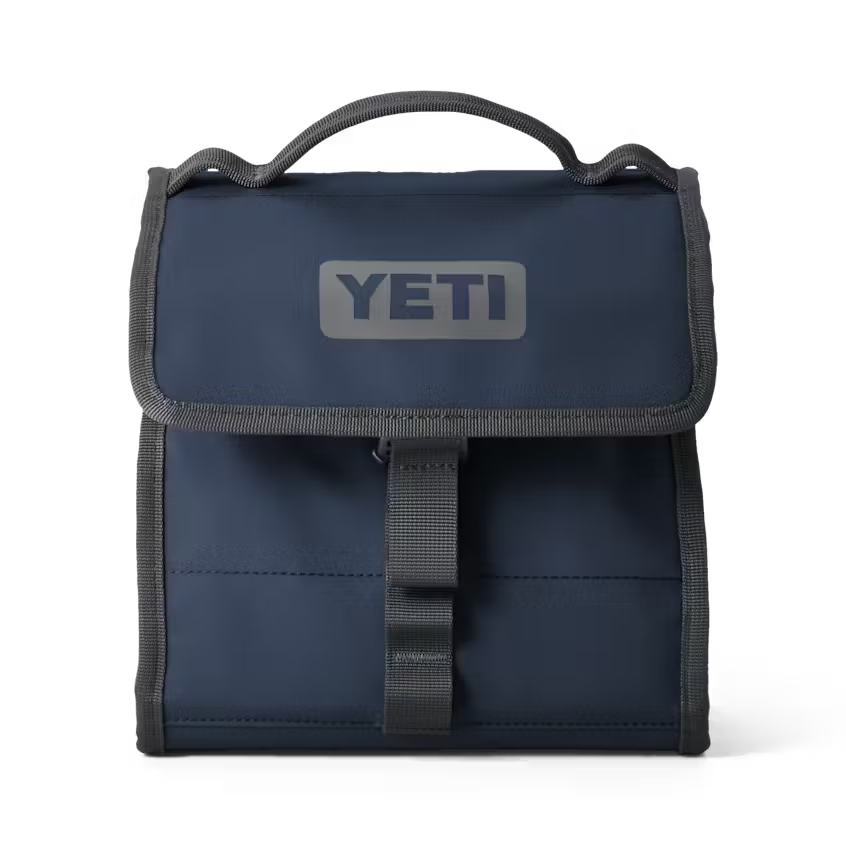
7) YETI Daytrip Lunch Bag (when “durable” is non-negotiable)
If you’re rough on gear, this one takes the hit and keeps going.
YETI is overbuilt on purpose. The Daytrip line is designed for dependable insulation and durability. It’s for people who toss a lunch bag in the truck, carry it outdoors, or want something that feels like it could survive a decade of Tuesdays.
To be honest, you’re paying for toughness and insulation performance. Not fancy meal compartments.
Best for
- Construction sites, outdoor work, travel
- People who want long-term durability
- Hot climates where insulation matters more
Standout features
- Rugged construction
- Strong insulation
- Quality zippers and materials
Pros
- Extremely durable
- Keeps food cold for a long time with good ice packs
- Holds shape well
Cons
- Expensive
- Less organizer-focused than meal-prep-specific bags
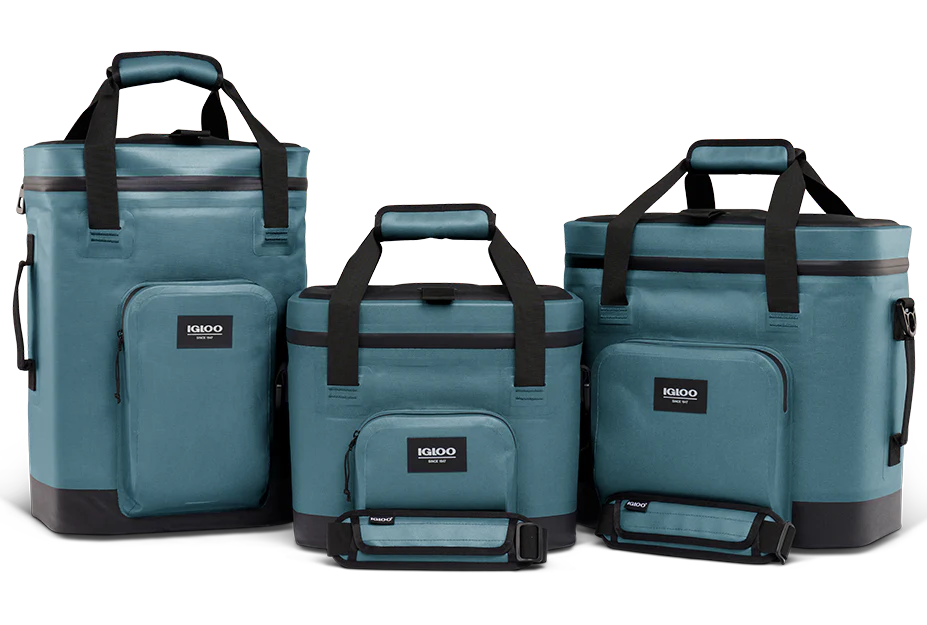
8) Igloo MaxCold Soft Cooler (budget-friendly “cooler performance”)
Igloo knows cold. If your main goal is temperature control—and you want cooler DNA in a softer form—this is a smart lane.
This option is great for people who meal prep but don’t need specialized container slots. You just want a reliable chilled cavity, and you’ll handle the rest.
Best for
- People prioritizing cold retention
- Budget-conscious buyers who still want a known cooler brand
- Road trips and day travel
Standout features
- Cooler heritage design
- Usually, strong insulation for the money
Pros
- Solid cold performance
- Usually easy to wipe clean
- Familiar, proven brand category
Cons
- Less “meal prep” organization
- May feel bulky for office settings
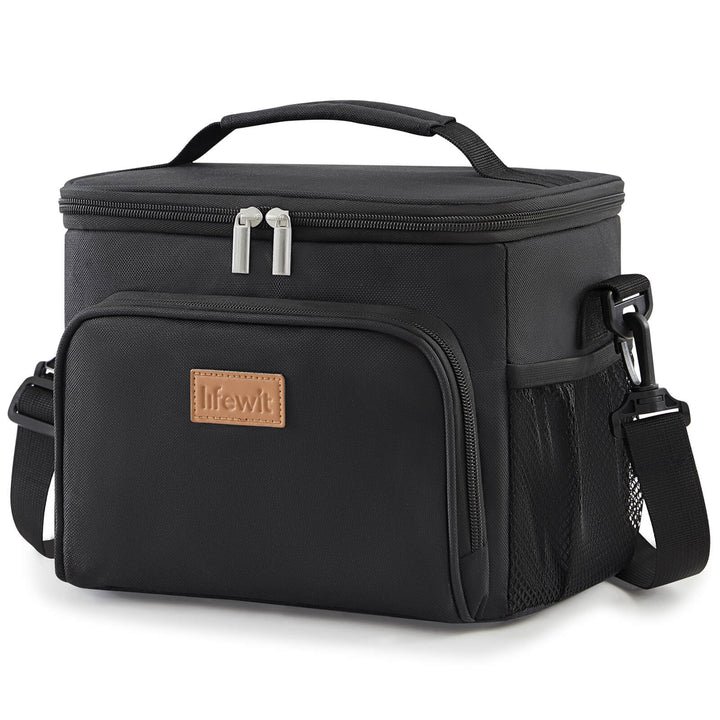
9) Lifewit Large Lunch Bag (big capacity on a tight budget)
Lifewit is popular for one reason: you get a lot of space for the price.
If you’re packing multiple containers and you don’t want to spend premium money, it’s a strong candidate. Many models include multiple pockets and a wide opening, which makes packing less annoying.
For real, wide openings change everything when you’re loading flat containers.
Best for
- Big appetite meal prep
- Budget buyers who need volume
- People who bring snacks for the whole day
Standout features
- High capacity
- Good pocket count
- Usually lightweight for its size
Pros
- Great capacity per dollar
- Easy loading
- Good for family packing too
Cons
- Durability varies by model
- Insulation performance depends heavily on ice pack choice
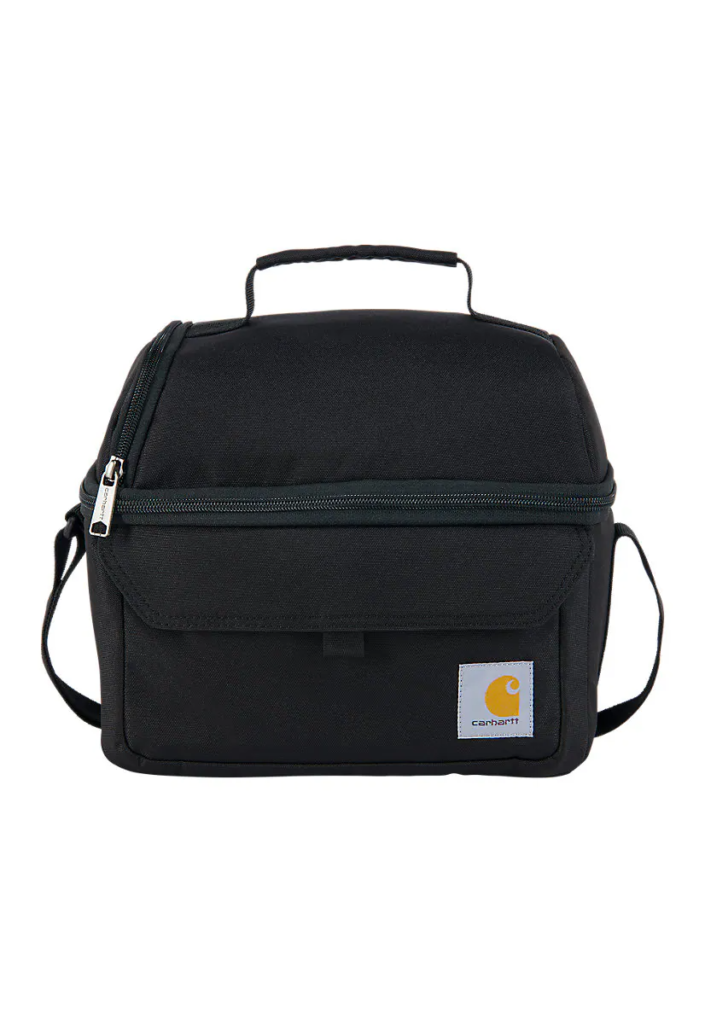
10) Carhartt Insulated Lunch Cooler (tough, practical, no-nonsense)
Carhartt lunch coolers are built for work. Period.
If your lunch bag gets dragged around, knocked over, or packed next to tools, you need something that won’t quit. Carhartt is usually more about durability and straightforward utility than sleek compartments.
Best for
- Jobsites and field work
- People are tough on zippers and handles
- Daily use where scuffs don’t matter
Standout features
- Rugged outer materials
- Simple, reliable layout
Pros
- Durable feel
- Practical design
- Holds up to daily abuse
Cons
- Less “organized meal prep system” vibes
- Style is more rugged than modern
How to choose the right meal prep bag (without overthinking it)
A great bag is one you’ll use five days a week. Not one that looks impressive in a product photo.
Here’s the decision path that works:
1) Decide your “day length.”
- 4–6 hours out: compact bag is fine
- 8–10 hours: you need thicker insulation + room for ice packs
- 10–14 hours: think expandable or multi-compartment, with larger ice packs
2) Count containers, not “liters.”
Online product sizes can be misleading. Instead, ask:
- Do I pack 1 container?
- 2 containers plus a snack?
- 3+ containers plus fruit and protein snacks?
Then buy the bag that fits that loadout without stacking like Jenga.
3) Pick your structure level
- Soft tote: flexible, lighter, easier to store
- Structured box: upright, better leak control
- Hybrid expandable: best for unpredictable days
4) Don’t ignore the zipper and the strap
This sounds petty. It’s not.
A cheap zipper turns meal prep into a daily irritation. A thin strap makes 8 pounds feel like 20. Over time, you’ll stop using the bag you “hate carrying.”
5) If leaks have burned you before, prioritize lining
Look for interiors that wipe clean easily. Consider a bag with a more rigid base. And use containers with solid seals.
Because leaks are not random. They’re predictable.
The ice pack strategy that keeps food colder (and stops the soggy mess)
People love to debate bags. Ice packs do more than most realize.
Use this simple setup:
- Put one ice pack on top (cold air sinks, but top packs chill the surface area that warms fastest when you open the bag)
- Put one ice pack on the side (prevents “warm wall” heat transfer)
- Keep proteins closest to the cold source
- Use frozen water bottles as backup (they chill + become drinking water)
If you live in hot states or leave your bag in a car, this matters even more.
Packing like a pro (so your meal prep bag behaves)
Small moves. Big payoff.
- Pre-chill the bag (toss ice packs in for 10 minutes while you finish getting ready)
- Pack flat containers on the bottom, lighter items on top
- Use one “sauce insurance” rule: sauces only in sealed cups or separate leakproof minis
- Put napkins and utensils in a dedicated pocket so they don’t touch condensation
- Keep one emergency snack (protein bar, nuts) for the day your schedule breaks
In practice, meal prep fails when your day goes off script. The bag should help you recover fast.
Frequent pitfalls (the stuff that ruins meal prep bags)
These are the recurring missteps people don’t notice until they’ve wasted money.
Usual slip-ups that cause leaks
- Packing containers sideways to “make them fit.”
- Overfilling sauces and soups
- Putting the bag on a car seat where it tilts for 30 minutes
Typical blunders that kill insulation
- Using tiny ice packs with a large bag
- Leaving too much empty air space (air warms fast)
- Opening the bag repeatedly like it’s a snack drawer
Easy-to-make errors that wreck the interior lining
- Scrubbing with harsh abrasives
- Leaving spills overnight
- Storing it closed while damp (hello, mystery smell)
Cleaning and care (so it doesn’t turn into a science experiment)
Keep it simple:
- Wipe after each use with mild soap + warm water
- Air-dry fully with the zipper open
- Once a week, do a deeper wipe and check corners and seams
- If odor sticks: baking soda overnight, then wipe again
To be fair, most “my bag smells bad” stories come from storing it wet and zipped.
Which meal prep bag is best for your lifestyle? (fast recommendations)
If you want quick answers, here they are:
- Best overall meal prep system: Isolator Fitness 6-Meal Bag
- Best value for everyday use: MIER Large Lunch Bag
- Best for long shifts: Arctic Zone Titan Deep Freeze Expandable
- Best if you forget ice packs: PackIt Freezable
- Best office-friendly look: Bentgo tote styles
- Best compact premium: Hydro Flask Lunch Bag
- Best rugged premium: YETI Daytrip
- Best cooler-style budget pick: Igloo MaxCold soft cooler
- Best big-capacity budget pick: Lifewit Large Lunch Bag
- Best for jobsite durability: Carhartt Insulated Lunch Cooler
FAQs: Top 10 Best Meal Prep Bags 2026
1) What size meal prep bag do I need for a full workday?
For most U.S. workdays (8–10 hours), aim for a bag that comfortably holds two meal containers plus snacks and room for at least two ice packs. If you’re gone 12+ hours, go larger or expandable.
2) Are meal prep bags TSA-friendly for flights?
Yes, the bag itself is fine. The issue is ice packs. Frozen gel packs are usually okay if fully frozen at screening; partially melted packs may be treated as liquid/gel. If you fly often, consider PackIt-style built-in freezable designs or buy ice after security.
3) How do I stop containers from tipping in my meal prep bag?
Pick a structured bag (boxier design), pack heavier containers at the bottom, and avoid leaving empty space. If there’s extra room, fill gaps with a small towel, napkins, or a protein snack so items don’t slide.
4) Do I need a “meal prep bag” or just a regular lunch bag?
If you carry one meal, a quality lunch bag works. If you carry multiple containers, want better organization, or have long days, a dedicated meal prep bag saves time and prevents spills. In reality, structure and capacity are the difference.
5) How long can a meal prep bag keep food cold?
It depends on insulation, ice packs, and ambient heat. With good ice packs and minimal opening, many insulated bags keep food safely cold for a typical workday. For long shifts or hot climates, use two larger ice packs and a bag known for strong insulation.
6) What features matter most for summer heat in the U.S.?
Prioritize:
- thicker insulation
- minimal space
- strong zippers and a tight seal
- larger ice packs
And don’t leave the bag in a parked car if you can avoid it.
7) What’s the best meal prep bag for gym + office days?
A structured multi-compartment option (like Isolator Fitness) or an expandable cooler bag (like Arctic Zone Titan) works best. You want stability, compartments, and enough space for extra snacks and a shaker bottle.
SUGGESTED POST >> Meal Prep for Menopause Weight Loss: 5 Easy Building Blocks