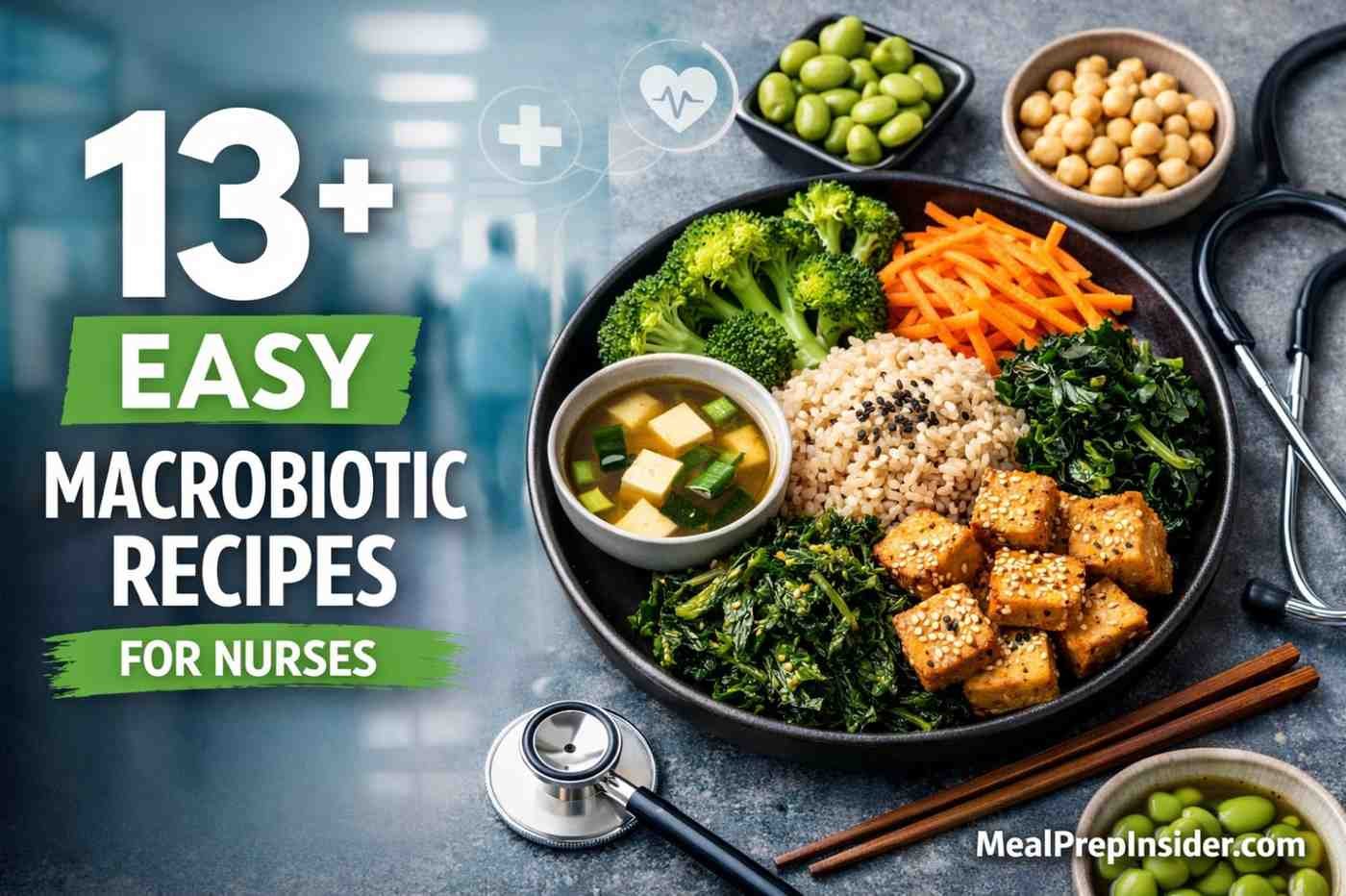
Easy Macrobiotic Recipes for Nurses can feel like a secret weapon when your shift is chaos, your break is ten minutes, and the vending machine is trying to seduce you again.
Picture this. It’s 2:47 a.m. The unit is humming. You’re hungry, but not “eat a full dinner” hungry. More like “if I don’t get something steady in my system, I’m going to start making questionable decisions” hungry.
You reach into your bag. You want warm food. Clean. Satisfying. Something that doesn’t spike your energy and then drop-kick it into the floor an hour later.
And you want it fast.
That’s where macrobiotic-style eating gets interesting. Not trendy-interesting. Real-life useful. The kind of useful that shows up when your feet hurt, and you still have meds to pass.
This post gives you 13+ simple, nurse-proof macrobiotic recipes—plus a system to keep them easy, portable, and realistic for U.S. grocery runs.
Easy Macrobiotic Recipes for Nurses (and why they work on brutal shifts)
Macrobiotic food, at its best, is steady food. Grounding food. The kind of meals that keep your blood sugar from acting like a roller coaster.
Nurses need that.
You don’t need perfection. You need repeatable wins:
- Meals that reheat well in a break-room microwave
- Snacks that won’t leave your hands greasy
- Options that work for days, nights, and rotating schedules
- Comforting bowls that still feel light enough to go back to work
Macrobiotic eating generally leans on:
- Whole grains (brown rice, quinoa, barley, millet, buckwheat)
- Beans/legumes (lentils, chickpeas, adzuki beans, black beans)
- Vegetables (especially cooked veggies for digestion and warmth)
- Sea vegetables (nori, wakame—tiny amounts go far)
- Fermented foods (miso, sauerkraut, pickles)
- Simple seasonings (tamari, sesame oil, ginger, scallions)
In plain terms? It’s “real food” with a calming, balanced feel.
Why macrobiotic-style meals fit nursing life in the U.S.
You don’t need a philosophy lecture. You need food that supports the realities of American healthcare work.
Macrobiotic-style meals are helpful because they’re often:
- High-fiber (steady energy, better digestion on weird schedules)
- Batch-cook friendly (grains + beans + veggies = easy assembly)
- Hydrating (soups, broths, cooked vegetables)
- Not overly sweet (less crash, less craving spiral)
And on a practical level? Most ingredients are available at:
- Standard U.S. supermarkets (rice, oats, frozen veg, beans, tofu)
- Big-box stores (bulk grains, canned beans, nuts, seaweed snacks)
- Asian markets (miso, soba, wakame, umeboshi—if you want to go deeper)
Macrobiotic basics in 90 seconds (no fluff)
If you want a simple “macrobiotic-ish” plate that works for nurses, aim for:
- 50%: vegetables (mostly cooked)
- 25%: whole grains
- 25%: beans/soy foods (beans, lentils, tofu, tempeh, edamame)
- Plus: a little fermented food + a little sea vegetable when you can
No need to be rigid. In reality, the “perfect ratio” doesn’t matter as much as consistency.
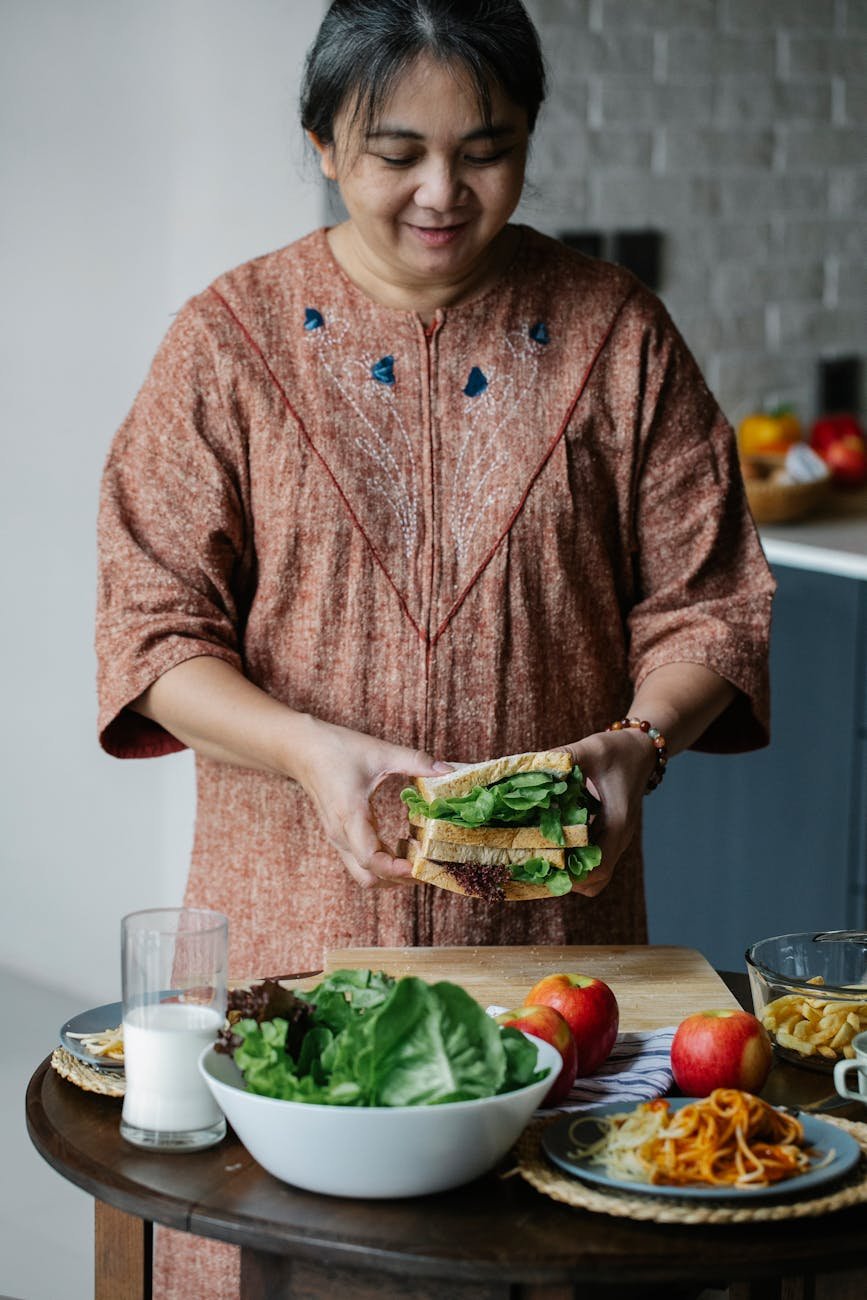
The nurse-friendly macrobiotic pantry (U.S. grocery realistic)
Here’s a practical pantry list that makes these recipes fast.
| Category | Staples to keep | Why it matters on shift |
|---|---|---|
| Whole grains | Brown rice, quinoa, rolled oats, barley, buckwheat/soba | Batch once, eat all week |
| Legumes | Lentils, chickpeas, black beans, adzuki (canned or dry) | Protein + fiber without heaviness |
| Quick proteins | Tofu, tempeh, edamame | Fast, neutral flavors, reheats well |
| Flavor builders | Miso paste, tamari/soy sauce, rice vinegar, toasted sesame oil | Makes “simple” taste intentional |
| Aromatics | Ginger, garlic, scallions | Big flavor, minimal effort |
| Veg | Frozen broccoli, spinach, mixed veg; carrots, cabbage, onions | Frozen veg saves your week |
| Sea veg | Nori sheets, wakame | Tiny add-in, big minerals |
| Crunch | Sesame seeds, pumpkin seeds, almonds | Texture = satisfaction |
| Ferments | Sauerkraut, quick pickles | Gut-friendly, wakes up bowls |
The 45-minute prep system that saves your next 3 shifts
If you do one thing, do this. It’s the nurse version of meal prep.
Batch-cook “the base.”
Pick 1–2 of each:
- Grain: brown rice or quinoa
- Bean: lentils or chickpeas
- Veg: roasted sheet-pan veggies or a quick sautéed mix
Make one sauce
You’ll see a few options below (miso-tahini, ginger-tamari, sesame-lime).
Pack like a professional
- Use 2-cup containers for bowls
- Use small containers for sauce (so it doesn’t get sad)
- Add crunchy toppings right before eating
Now you’ve got mix-and-match meals that don’t taste like punishment.
14 Easy Macrobiotic Recipes You Can Rotate All Month
Each recipe is designed for real workdays: short steps, minimal mess, solid leftovers.
1) Miso-Ginger Thermos Soup (break-room proof)
Warm, salty, comforting. Ideal for nights.
Ingredients (1–2 servings)
- 1 tbsp mellow miso (white or chickpea miso)
- 1 tsp grated ginger
- 1–2 tsp tamari (optional)
- 1 cup hot water
- ½ cup sliced mushrooms
- A handful of baby spinach
- 2 tbsp scallions
- Optional: cubed tofu, cooked soba, wakame
Steps
- Put miso + ginger in the bottom of a thermos.
- Add mushrooms, spinach, and tofu (if using).
- Pour in hot (not boiling) water. Stir well.
- Close and let it sit for 10 minutes.
Nurse tip: Pack cooked soba separately, then combine when you eat.
2) Brown Rice + Lentil “Code Blue” Bowl (steady energy)
This is your “I need something that holds me together” bowl.
Ingredients (2–3 servings)
- 2 cups cooked brown rice
- 1½ cups cooked lentils (or 1 can, rinsed)
- 2 cups shredded cabbage (or coleslaw mix)
- 1 carrot, grated
- 2 tbsp sesame seeds
Quick sauce
- 1 tbsp miso
- 1 tbsp tahini
- 1 tbsp lemon juice
- Water to thin
Steps
- Warm rice + lentils.
- Top with cabbage + carrot.
- Drizzle sauce. Add sesame seeds.
Variation: Add sauerkraut for a tangy, fermented kick.
3) Sheet-Pan Tamari Root Veg (meal prep gold)
Roast once. Eat for days. No drama.
Ingredients
- 2 sweet potatoes, cubed
- 4 carrots, sliced
- 1 red onion, wedges
- 1–2 tbsp olive oil or sesame oil
- 1 tbsp tamari
- Black pepper (optional)
Steps
- Heat oven to 425°F.
- Toss everything on a sheet pan.
- Roast 25–35 minutes, flipping once.
Serve with: quinoa + tofu + greens.
4) Sesame-Garlic Kale with Quinoa (microwave-safe greens)
Cooked greens are underrated on shift. They digest more easily. They travel better.
Ingredients (2 servings)
- 3 cups chopped kale
- 2 cups cooked quinoa
- 1 tsp sesame oil
- 1 clove garlic, minced
- 1 tbsp tamari
- 1 tbsp sesame seeds
Steps
- Sauté garlic in sesame oil for 30 seconds.
- Add kale + splash of water. Cover 2–3 minutes.
- Stir in tamari. Serve over quinoa. Top seeds.
5) Chickpea Nori Wraps (no-sog lunch)
A nurse’s lunch that doesn’t leak. Important.
Ingredients (2 wraps)
- 1 cup chickpeas (canned, rinsed)
- 1 tsp tahini
- 1 tsp rice vinegar
- 1 tsp tamari
- Grated carrot + cucumber sticks
- 2 nori sheets
Steps
- Mash chickpeas with tahini, vinegar, and tamari.
- Place filling and veggies on nori.
- Roll tightly. Slice in half.
Pack smart: Wrap in foil or parchment. Keep dry veggies separate if you prefer crunch.
6) Quick Udon with Broccoli + Miso Broth (10-minute reset)
This one feels like a warm shower in a bowl.
Ingredients (2 servings)
- 2 bundles of udon noodles (or soba)
- 2 cups broccoli (fresh or frozen)
- 1–2 tbsp miso
- 3 cups hot water
- 1 tsp ginger
- Optional: tofu cubes, scallions
Steps
- Cook noodles as directed. Add broccoli in the last 2 minutes.
- In a bowl, dissolve miso + ginger in hot water.
- Combine and top with scallions.
RELATED POST >> Best 13 Macrobiotic Recipes for Back Sleepers
7) Adzuki-Sweet Potato Chili (macrobiotic comfort, U.S.-style)
A chili that’s not heavy. Still cozy.
Ingredients (4 servings)
- 1 can adzuki beans (or kidney beans), rinsed
- 1 large sweet potato, cubed small
- 1 can diced tomatoes
- 1 tsp cumin
- 1 tsp smoked paprika
- Salt + pepper
- 2 cups water or veg broth
Steps
- Simmer sweet potato + tomatoes + broth 12–15 minutes.
- Add beans + spices. Simmer 10 minutes more.
Serving idea: Over brown rice with a spoon of sauerkraut.
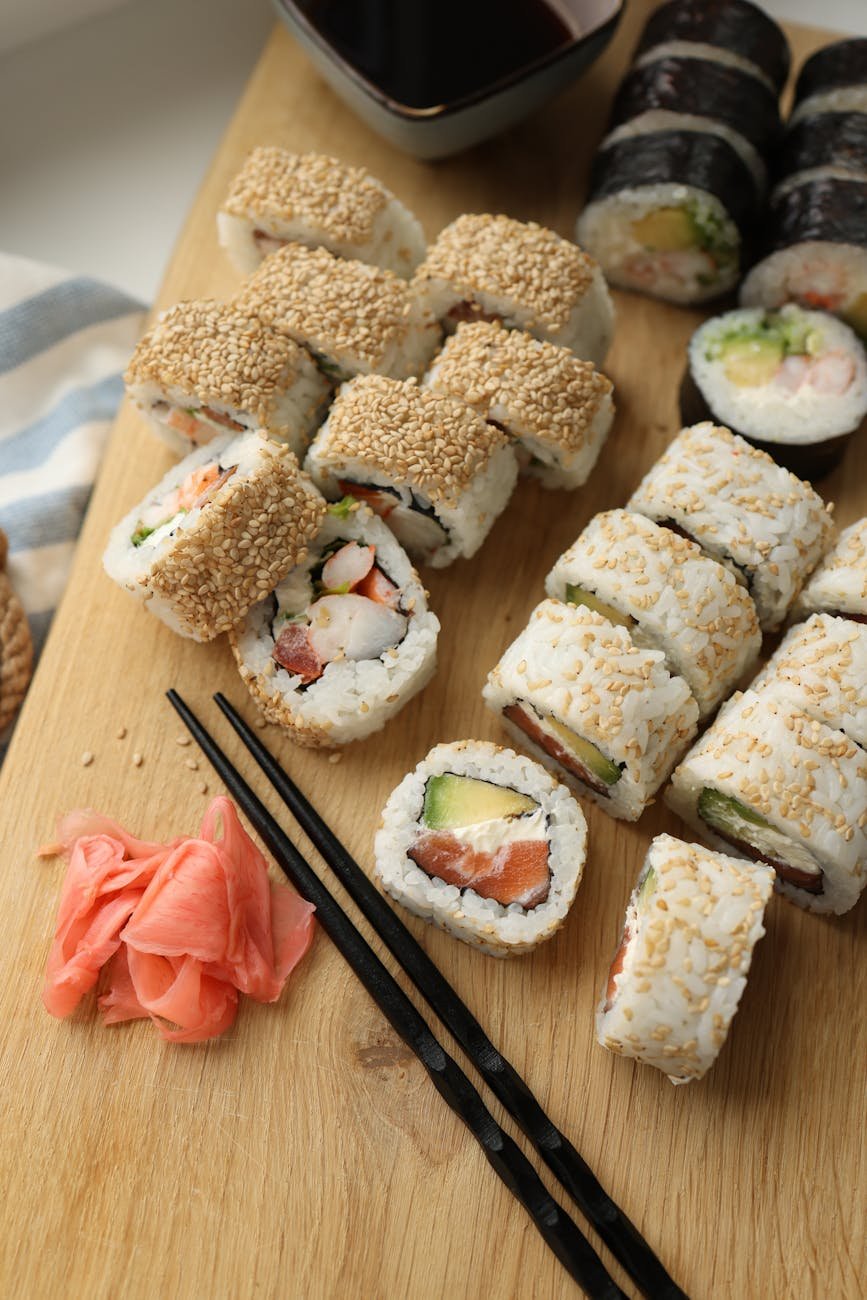
8) Tofu “Eggless” Breakfast Scramble (for early shifts)
Protein without the post-breakfast slump.
Ingredients (2 servings)
- 1 block firm tofu, crumbled
- ½ onion, diced
- 1 cup spinach
- ½ tsp turmeric
- 1 tbsp tamari
- 1 tsp sesame oil
Steps
- Sauté the onion in sesame oil.
- Add tofu + turmeric. Cook 5–7 minutes.
- Add spinach + tamari. Cook until wilted.
Pack with: leftover rice for a savory breakfast bowl.
9) Overnight Barley “Oatmeal” (less sweet, more satisfying)
Oats are great. Barley is a quieter hero. Chewy. Filling.
Ingredients (2 servings)
- 1 cup cooked barley
- 1 cup unsweetened soy milk or oat milk
- 1 grated apple
- Cinnamon
- Pinch salt
- Pumpkin seeds
Steps
- Mix barley, milk, apple, cinnamon, and salt.
- Refrigerate overnight.
- Top with pumpkin seeds before eating.
Optional: A small spoon of almond butter for extra staying power.
10) Ginger-Tamari Soba Salad (cold lunch that tastes “fresh”)
A cold noodle dish that doesn’t feel like leftovers.
Ingredients (2–3 servings)
- 6 oz soba noodles
- 1 cup shredded cabbage
- 1 carrot, julienned
- ½ cup edamame (thawed)
Dressing
- 1 tbsp tamari
- 1 tbsp rice vinegar
- 1 tsp grated ginger
- 1 tsp sesame oil
Steps
- Cook soba, rinse cold.
- Toss with veggies + edamame.
- Add dressing.
Crunch add-on: crushed roasted seaweed snacks on the top right before eating.
11) Simple Kabocha Squash + Onion Stew (sleep-friendly dinner)
This is a soft landing after a loud day.
Ingredients (3–4 servings)
- 1 small kabocha squash (or butternut), cubed
- 1 onion, sliced
- 4 cups water or light broth
- 1–2 tbsp miso (added at the end)
Steps
- Simmer squash + onion until tender, 15–20 minutes.
- Turn off the heat. Stir in miso (don’t boil it).
Serve with: a small bowl of rice and sautéed greens.
12) Brown Rice Onigiri-Style Triangles (portable, one-hand food)
Not traditional onigiri. More like “onigiri-inspired nurse fuel.”
Ingredients (6 triangles)
- 3 cups cooked short-grain brown rice (sticky helps)
- Pinch salt
- Nori strips
- Optional fillings: mashed chickpeas, pickled plum/umeboshi (if you like it), sautéed mushrooms
Steps
- With wet hands, shape warm rice into triangles.
- Add a small filling if using.
- Wrap with a nori strip.
Storage: 24 hours is best for texture. Great for a quick bite, charting at a computer.
13) One-Pan Tempeh + Cabbage Stir-Fry (fast, high-protein)
Tempeh is nutty, firm, and doesn’t get weird when reheated.
Ingredients (2–3 servings)
- 8 oz tempeh, cubed
- 3 cups shredded cabbage
- 1 tbsp tamari
- 1 tsp maple syrup (optional, tiny amount)
- 1 tsp sesame oil
- Ginger + garlic (optional)
Steps
- Pan-sear tempeh 5–7 minutes.
- Add cabbage + splash water. Cover 2 minutes.
- Stir in tamari + sesame oil (+ maple if using).
Serve with: quinoa or soba.
14) Kuzu Lemon Pudding (light dessert, gut-friendly vibe)
Not everyone has kuzu on hand. If you do, it’s a fun one. If not, skip it—no guilt.
Ingredients (2 servings)
- 2 cups water
- 2 tbsp kuzu starch
- 2 tbsp lemon juice
- 1–2 tsp maple syrup (optional)
- Pinch salt
Steps
- Dissolve kuzu in a little cold water first.
- Heat water in a pot, whisk in the kuzu mixture.
- Stir until translucent and thick.
- Add lemon + salt (and maple if using). Chill.
Nurse reality: Great when you want “something” after a shift without going full sugar.
Smart substitutions (because U.S. grocery stores vary)
If a recipe calls for something you don’t have, swap it without overthinking.
- No soba? Use whole-wheat spaghetti or rice noodles.
- No adzuki beans? Use black beans or kidney beans.
- No kabocha? Butternut squash is everywhere in the U.S.
- No tempeh? Use extra-firm tofu or edamame.
- No miso? Use a light broth + a splash of tamari. It’s not the same, but it works.
- No sea vegetables? Skip them. Add sesame seeds and greens instead.
To be candid, consistency beats specialty ingredients.
Frequent slip-ups that make macrobiotic eating harder than it needs to be
You don’t need “perfect macrobiotic.” You need functional.
Here are the usual missteps nurses run into:
- Going too raw, too fast
Raw salads can feel “healthy” but leave you hungry and bloated on shift. Try cooked veggies and soups more often. - Skipping salt entirely
If you’re sweating, running, and living on caffeine, you may need reasonable sodium. Miso and tamari exist for a reason. - Not eating enough carbs
Whole grains are not the enemy. Under-eating them can backfire with cravings later. - Making meals too low-calorie
A bowl of steamed broccoli won’t survive a 12-hour shift. Add grains, beans, and a sauce. - Forgetting texture
Soft + soft + soft gets depressing. Add crunch: seeds, nori, quick pickles. - Cooking without a flavor plan
Keep one “go-to” sauce. Your future self will thank you at 5:30 a.m.
A 3-day nurse shift meal plan (mix-and-match, minimal cooking)
Here’s a sample plan using the recipes above. Swap based on day shift vs. nights.
| Day | Breakfast | Packable shift meal | Snack | Post-shift |
|---|---|---|---|---|
| Day 1 | Tofu scramble + rice | Lentil brown rice bowl | Onigiri triangle | Kabocha miso stew |
| Day 2 | Overnight barley + apple | Ginger-tamari soba salad | Nori chickpea wrap | Adzuki sweet potato chili |
| Day 3 | Miso-ginger thermos soup + quinoa | Tempeh cabbage stir-fry | Sauerkraut + seeds | Udon with broccoli |
Want it even simpler? Batch-cook: rice + lentils + sheet-pan veg. Then rotate sauces and toppings.
Mini shopping list (1 week, nurse-friendly)
- Brown rice + quinoa
- Lentils + chickpeas (canned is fine)
- Tofu or tempeh
- Cabbage, carrots, onions, spinach/kale
- Sweet potatoes + mushrooms
- Miso, tamari, rice vinegar, sesame oil
- Nori sheets + sesame seeds
- Sauerkraut or pickles
That’s the backbone.
FAQs (U.S. nurse edition)
1) Is macrobiotic eating the same as vegan?
Not necessarily. Many macrobiotic-style meals are plant-forward, but some people include fish or other foods depending on their approach. This post focuses on mostly plant-based, shift-friendly recipes.
2) Will these recipes keep me full during a 12-hour shift?
Yes—if you build the bowl correctly. Include grain + bean/soy + cooked veg + sauce. If you’re still hungry, increase portions or add a snack with seeds/nuts.
3) I work nights. What should I eat at 2 a.m.?
Go for warm, easy-to-digest options: miso thermos soup, udon broth, or a small rice bowl with lentils. In reality, heavy, greasy meals tend to hit harder at night.
4) Do I have to give up coffee?
No. If coffee is part of your survival plan, keep it. Consider pairing it with food (not just air) and adding more hydrating meals (soups, cooked veggies) to balance it out.
5) Are these recipes gluten-free?
Some are, some aren’t. Use:
- Tamari labeled gluten-free
- Rice noodles instead of soba/udon
- Quinoa, rice, millet, buckwheat instead of barley (barley contains gluten)
6) Can I meal prep these for 3–4 days safely?
Most cooked grains, beans, and roasted vegetables hold 3–4 days in the fridge in sealed containers. Reheat until steaming hot. If you’re unsure, freeze portions (especially chili and stew).
7) I’m pregnant or have a medical condition—any cautions?
If you’re pregnant, managing diabetes, kidney disease, or on sodium restrictions, check with your clinician or dietitian. These meals are generally whole-food based, but individual needs vary.
8) What’s the simplest recipe to start with?
Start with the brown rice + lentil bowl and one sauce. It’s cheap, repeatable, and you can build endless versions without getting bored.
Final note (from one tired human to another)
Nursing shifts don’t reward fragile plans.
So don’t build one.
Build a food routine that survives short breaks, cold unit air, missed lunches, and the reality of being needed constantly. Macrobiotic-style meals—warm bowls, steady grains, beans, cooked veggies, miso—fit that life surprisingly well.
Pick three recipes from this list. Make them this week. Then rotate.
Your future self will notice. On hour ten. When you’re still standing.
SUGGESTED POST >> Easy 30-day Low FODMAP Meal Plan: 30 Days to a New Gut