
Anti inflammatory recipes for back sleepers aren’t just about eating healthy—they’re about waking up without that stiffness creeping through your spine.
You know that feeling when you roll out of bed, and your lower back protests like it just went through a wrestling match? Here’s something most people miss: what you eat directly impacts how your body recovers while you’re flat on your back for eight hours.
Back sleepers face unique challenges. The position puts pressure on specific parts of your spine, and inflammation can turn a good night’s rest into a morning struggle session. But here’s where it gets interesting.
The connection between diet and spinal inflammation runs deeper than most doctors tell you during those rushed appointments. Your body performs critical repair work while you sleep, and the nutrients you consume determine whether that repair happens efficiently or gets sabotaged by inflammatory responses.
Think about it. You’re lying there, gravity distributed differently than when you’re upright, blood flow following new patterns, and your body deciding what to do with everything you ate that day.
This post breaks down seventeen recipes specifically designed to fight inflammation from the inside out. These aren’t your typical “eat more greens” suggestions that sound great but leave you hungry an hour later. We’re talking real food that tastes good and actually works with your body’s natural healing processes.
Why Back Sleepers Need Different Nutritional Support
Back sleeping creates specific pressure points along your spine and sacrum. The position itself isn’t the problem—in fact, many orthopedic specialists recommend it. The issue comes when inflammation compounds the natural compression happening in certain vertebral segments.
Your digestive system works differently when you’re on your back, too. Food moves through your gastrointestinal tract following specific patterns, and certain inflammatory triggers become more problematic in this position.
Here’s what happens: you eat something that triggers an inflammatory response, go to bed on your back, and your body starts its overnight repair protocol while simultaneously fighting inflammation. It’s like trying to fix a car while the engine’s overheating.
The recipes below target this exact scenario.
The Science Behind Anti-Inflammatory Eating for Better Sleep
Cytokines are protein molecules that regulate inflammation in your body. When you consume inflammatory foods before bed, cytokine production goes haywire, leading to increased swelling in soft tissues around your spine.
For back sleepers, this creates a perfect storm. The natural curve of your lumbar spine already experiences pressure, and inflammation makes everything worse.
Research from the Journal of Clinical Sleep Medicine shows that people who follow anti-inflammatory diets report significantly less back pain and better sleep quality. The connection isn’t coincidental.
Omega-3 fatty acids, polyphenols, and specific antioxidants work together to reduce inflammatory markers in your bloodstream. When these compounds are present during your sleep cycle, your body can focus on repair instead of fighting internal fires.
Recipe 1: Turmeric Golden Milk Overnight Oats
Start your morning with something that’s been working for you all night.
These oats combine the anti-inflammatory power of turmeric with the slow-release energy of steel-cut oats. The curcumin in turmeric has been shown to reduce inflammatory markers by up to 60% in some studies.
Ingredients:
- 1 cup steel-cut oats
- 2 cups unsweetened almond milk
- 1 teaspoon turmeric powder
- 1/2 teaspoon cinnamon
- 1 tablespoon raw honey
- 1/4 teaspoon black pepper (increases curcumin absorption by 2000%)
- 1 tablespoon chia seeds
- Pinch of sea salt
Mix everything in a mason jar before bed. The oats soak up the liquid while you sleep on your back, and the turmeric goes to work reducing inflammation in your joints and spine.
The black pepper is crucial here. Curcumin alone has poor bioavailability, but piperine in black pepper changes the game completely.
Top with fresh berries in the morning for additional antioxidants.
Recipe 2: Wild Salmon and Avocado Power Bowl
This dinner option loads you up with omega-3s right when your body needs them most.
Wild-caught salmon contains EPA and DHA, two fatty acids that directly inhibit inflammatory pathways. Pair that with the monounsaturated fats in avocado, and you’ve got a combination that supports spinal health throughout the night.
Ingredients:
- 6 oz wild-caught salmon
- 1 ripe avocado, sliced
- 2 cups mixed greens (arugula and spinach)
- 1/2 cup quinoa, cooked
- 1/4 cup shredded red cabbage
- 2 tablespoons extra virgin olive oil
- 1 tablespoon lemon juice
- 1 teaspoon fresh grated ginger
- Sea salt to taste
Season the salmon with salt, pepper, and a touch of garlic powder. Bake at 400°F for 12-15 minutes.
While it cooks, prepare your quinoa base and chop vegetables. The ginger in the dressing adds another anti-inflammatory component that works synergistically with the omega-3s.
Eat this about three hours before bed. That timing allows for proper digestion while getting the nutrients into your system before you lie down for the night.
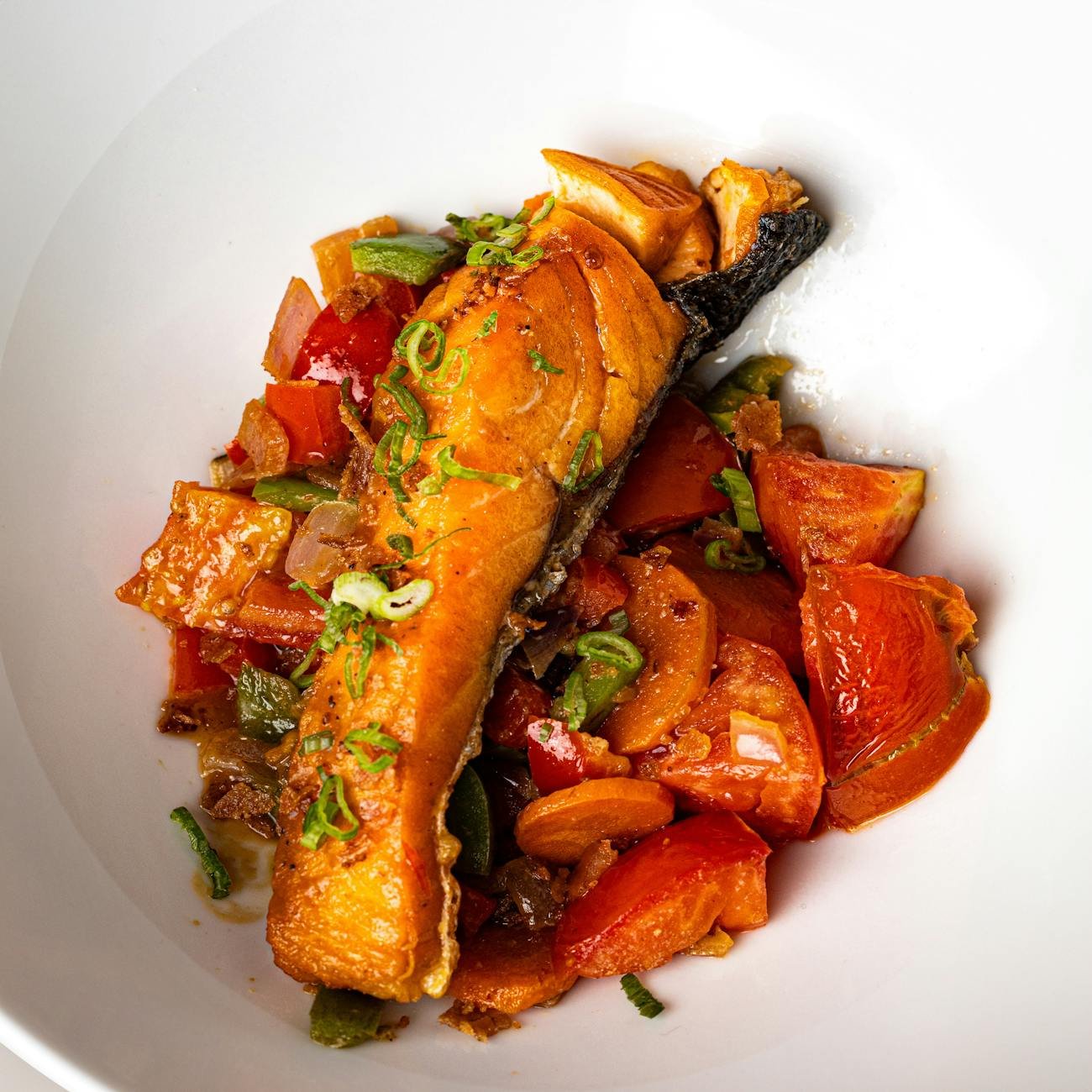
Recipe 3: Blueberry Spinach Inflammation Fighter Smoothie
Anthocyanins in blueberries are among the most potent anti-inflammatory compounds available in whole foods.
This smoothie packs them together with magnesium-rich spinach, which helps relax muscles along your spine.
Ingredients:
- 1 cup frozen wild blueberries
- 2 cups fresh spinach
- 1 banana
- 1 tablespoon almond butter
- 1 tablespoon ground flaxseed
- 1 cup coconut water
- 1/2 teaspoon vanilla extract
- 3-4 ice cubes
Blend everything until smooth. The wild blueberries contain higher concentrations of antioxidants than conventional varieties.
Drink this in the morning or early afternoon. The natural sugars give you energy without spiking insulin levels, and the anti-inflammatory compounds begin working immediately.
The flaxseed provides alpha-linolenic acid, a plant-based omega-3 that complements the overall anti-inflammatory profile.
Recipe 4: Bone Broth with Ginger and Turmeric
Collagen from bone broth supports the connective tissues in your spine.
When you sleep on your back, your intervertebral discs rehydrate and expand slightly. Collagen provides the building blocks for maintaining disc integrity.
Ingredients:
- 2 pounds grass-fed beef bones or organic chicken bones
- 4 quarts filtered water
- 2 tablespoons apple cider vinegar
- 2-inch piece of fresh ginger, sliced
- 1-inch piece of fresh turmeric root, sliced
- 2 cloves of garlic
- 1 teaspoon black peppercorns
- 2 bay leaves
- Sea salt to taste
Place bones in a slow cooker or large pot. Add water and vinegar (the acidity helps extract minerals and collagen).
Add remaining ingredients and simmer for 24-48 hours. The longer you cook it, the more nutrients you extract.
Strain and store in glass containers. Drink a cup in the evening, about an hour before bed.
The warmth relaxes your muscles, the collagen supports tissue repair, and the ginger-turmeric combination tackles inflammation from multiple angles.
Recipe 5: Mediterranean Chickpea Salad
Legumes provide steady protein without the inflammatory response that some people get from animal proteins.
This salad combines chickpeas with vegetables that deliver specific anti-inflammatory compounds.
Ingredients:
- 2 cans chickpeas, drained and rinsed
- 1 cucumber, diced
- 1 cup cherry tomatoes, halved
- 1/2 red onion, finely chopped
- 1/4 cup kalamata olives, sliced
- 1/4 cup fresh parsley, chopped
- 3 tablespoons extra virgin olive oil
- 2 tablespoons red wine vinegar
- 1 teaspoon dried oregano
- 1/2 teaspoon garlic powder
- Sea salt and black pepper
Mix all vegetables and chickpeas in a large bowl. Whisk together the oil, vinegar, and seasonings separately.
Pour dressing over the salad and toss well. Let it sit for at least 30 minutes so flavors can develop.
The fiber in chickpeas promotes gut health, which is directly connected to systemic inflammation. A healthier gut means less inflammatory signaling throughout your body.
Recipe 6: Anti-Inflammatory Green Tea Poached Fish
Green tea contains EGCG, a catechin that inhibits inflammatory pathways at the cellular level.
Using it as a poaching liquid infuses white fish with these beneficial compounds.
Ingredients:
- 4 cups brewed green tea, cooled
- 4 white fish fillets (cod or halibut)
- 2 tablespoons fresh lemon juice
- 1-inch piece of ginger, thinly sliced
- 2 cloves garlic, smashed
- 1 tablespoon coconut aminos
- Fresh cilantro for garnish
- Steamed vegetables as a side
Bring green tea to a gentle simmer in a wide pan. Add lemon juice, ginger, garlic, and coconut aminos.
Carefully place fish fillets in the liquid. Cover and poach for 8-10 minutes until the fish flakes easily.
The gentle cooking method preserves omega-3 fatty acids that would otherwise break down under high heat. Serve over cauliflower rice with steamed broccoli.
This light dinner won’t sit heavy in your stomach when you lie down for bed.
Recipe 7: Sweet Potato and Kale Power Hash
Sweet potatoes have a low glycemic index and contain beta-carotene, which converts to vitamin A—a nutrient crucial for reducing oxidative stress.
Ingredients:
- 2 medium sweet potatoes, cubed
- 3 cups kale, chopped
- 1/2 red bell pepper, diced
- 1/4 red onion, diced
- 2 tablespoons coconut oil
- 1 teaspoon smoked paprika
- 1/2 teaspoon garlic powder
- Sea salt and black pepper
- 2 eggs (optional, for topping)
Heat coconut oil in a large skillet over medium heat. Add sweet potato cubes and cook for 10 minutes, stirring occasionally.
Add bell pepper and onion. Cook another 5 minutes. Add kale and seasonings. Cook until kale wilts.
If using eggs, fry them separately and place them on top of the hash. The combination of complex carbohydrates and leafy greens provides sustained energy and anti-inflammatory benefits.
Recipe 8: Tart Cherry and Walnut Energy Bites
Tart cherries contain melatonin and anthocyanins—a dual-action combination for back sleepers.
The melatonin supports better sleep quality while anthocyanins fight inflammation.
Ingredients:
- 1 cup dried tart cherries
- 1 cup raw walnuts
- 1/2 cup unsweetened shredded coconut
- 1/4 cup almond butter
- 2 tablespoons raw honey
- 1 tablespoon chia seeds
- Pinch of sea salt
Process walnuts in a food processor until roughly chopped. Add cherries and pulse until combined.
Add remaining ingredients and process until mixture holds together when pressed.
Roll into bite-sized balls and refrigerate. Eat one or two about an hour before bed.
The walnuts provide additional omega-3s, and the natural sugars from cherries and honey won’t spike your blood sugar the way processed snacks do.
Recipe 9: Inflammation-Fighting Lentil Soup
Lentils provide plant-based protein and resistant starch that feeds beneficial gut bacteria.
A healthy microbiome reduces systemic inflammation throughout your entire body.
Ingredients:
- 1 cup red lentils, rinsed
- 4 cups vegetable broth
- 1 can diced tomatoes
- 1 carrot, diced
- 2 celery stalks, diced
- 1 onion, diced
- 3 cloves garlic, minced
- 1 teaspoon cumin
- 1 teaspoon coriander
- 1/2 teaspoon turmeric
- 2 cups spinach
- 2 tablespoons olive oil
- Sea salt and pepper
Sauté onion, carrot, and celery in olive oil until softened. Add garlic and spices, cooking for another minute.
Add lentils, broth, and tomatoes. Bring to a boil, then reduce the heat and simmer for 25 minutes.
Stir in spinach during the last few minutes. The heat will wilt it perfectly.
This soup reheats beautifully, making it perfect for meal prep. The anti-inflammatory spices work together to create a synergistic effect stronger than any single ingredient alone.
Recipe 10: Grilled Pineapple with Cinnamon
Bromelain in pineapple is a proteolytic enzyme that breaks down proteins involved in inflammatory processes.
Grilling pineapple concentrates its natural sugars and enhances the flavor without adding anything inflammatory.
Ingredients:
- 1 fresh pineapple, peeled and sliced into rings
- 1 teaspoon cinnamon
- 1 tablespoon coconut oil, melted
- Fresh mint leaves for garnish
Brush pineapple rings with melted coconut oil. Sprinkle with cinnamon.
Grill on medium-high heat for 3-4 minutes per side until caramelized.
Serve as a dessert or a sweet breakfast option. The natural enzymes in fresh pineapple are heat-stable enough to survive brief grilling.
Cinnamon adds another anti-inflammatory component while helping regulate blood sugar.
Recipe 11: Sardine and Cucumber Lettuce Wraps
Sardines might not be glamorous, but they’re nutritional powerhouses for fighting inflammation.
They contain more omega-3s per serving than almost any other food, plus they’re loaded with vitamin D—something many Americans are deficient in.
Ingredients:
- 2 cans wild-caught sardines, drained
- 1 cucumber, finely diced
- 1/4 red onion, minced
- 2 tablespoons fresh dill, chopped
- 2 tablespoons Greek yogurt
- 1 tablespoon lemon juice
- Romaine lettuce leaves
- Black pepper to taste
Mash sardines with a fork. Mix in cucumber, onion, dill, yogurt, and lemon juice.
Spoon mixture into lettuce leaves. The crunch of cucumber and lettuce contrasts nicely with the soft sardines.
Vitamin D deficiency is linked to increased inflammation and back pain. Regular consumption of sardines addresses this issue naturally.
Recipe 12: Anti-Inflammatory Golden Cauliflower Rice
Cauliflower provides sulforaphane, a compound that activates your body’s own antioxidant pathways.
This recipe transforms it into a flavorful base that pairs with almost anything.
Ingredients:
- 1 head of cauliflower, riced
- 1 tablespoon coconut oil
- 1/2 teaspoon turmeric
- 1/4 teaspoon cumin
- 1/4 teaspoon coriander
- 2 cloves garlic, minced
- 1/4 cup fresh cilantro, chopped
- Sea salt to taste
- Lime juice
Heat the coconut oil in a large skillet. Add garlic and spices, cooking for 30 seconds.
Add riced cauliflower and sauté for 5-7 minutes until tender but not mushy.
Remove from heat and stir in cilantro and a squeeze of lime juice.
This side dish complements any protein and provides fiber without the blood sugar spike of regular rice.
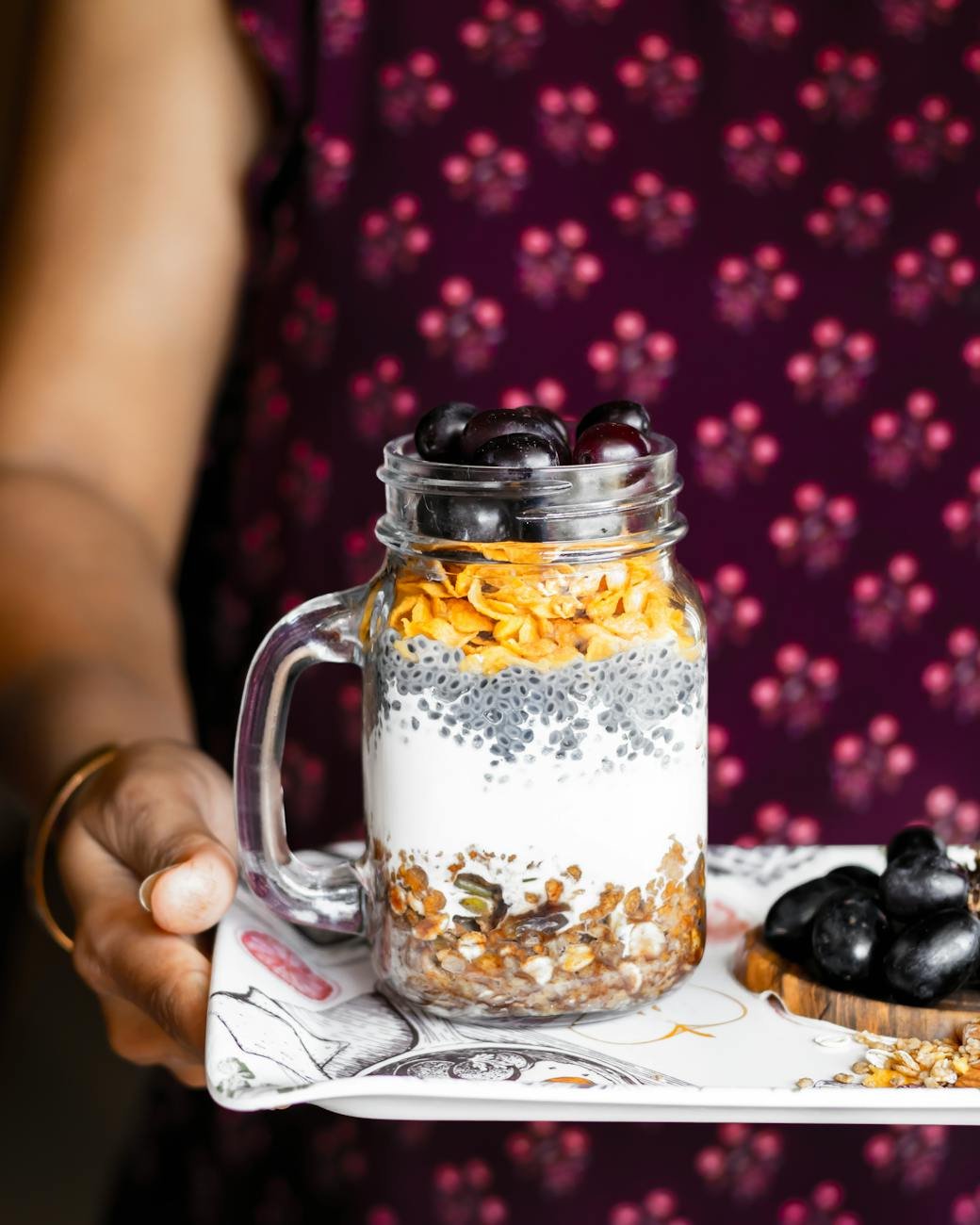
Recipe 13: Berry Chia Pudding Parfait
Chia seeds expand in liquid, creating a gel-like consistency that’s surprisingly satisfying.
They’re loaded with omega-3 fatty acids and fiber that supports gut health.
Ingredients:
- 1/4 cup chia seeds
- 1 cup unsweetened almond milk
- 1/2 teaspoon vanilla extract
- 1 tablespoon maple syrup
- 1/2 cup mixed berries
- 2 tablespoons sliced almonds
- Fresh mint for garnish
Mix chia seeds, almond milk, vanilla, and maple syrup in a jar. Stir well and refrigerate for at least 4 hours or overnight.
The seeds will absorb the liquid and create a pudding-like texture.
Layer with fresh berries and almonds. The combination provides antioxidants, healthy fats, and protein without any inflammatory ingredients.
Recipe 14: Ginger Carrot Soup
Carrots contain beta-carotene and other carotenoids that reduce oxidative stress.
Combined with ginger’s gingerol compounds, this soup delivers serious anti-inflammatory benefits.
Ingredients:
- 2 pounds carrots, peeled and chopped
- 1 onion, chopped
- 3-inch piece of fresh ginger, peeled and chopped
- 4 cups vegetable broth
- 1 can of coconut milk
- 2 tablespoons coconut oil
- 1 teaspoon cumin
- Sea salt and pepper
- Fresh cilantro for garnish
Sauté onion in coconut oil until translucent. Add ginger and cumin, cooking for another minute.
Add carrots and broth. Bring to a boil, then simmer for 20 minutes until carrots are very tender.
Blend until smooth using an immersion blender. Stir in coconut milk and adjust seasoning.
The coconut milk adds healthy fats that help you absorb the fat-soluble vitamins in carrots.
RELATED POST >> Easy Meal Prep for Nurses on 12-Hour Night Shifts
Recipe 15: Walnut-Crusted Baked Chicken
Walnuts provide omega-3 fatty acids and create a crunchy coating without inflammatory breadcrumbs.
Ingredients:
- 4 chicken breasts
- 1 cup raw walnuts, finely chopped
- 2 tablespoons fresh rosemary, minced
- 1 tablespoon Dijon mustard
- 2 tablespoons olive oil
- 1 clove garlic, minced
- Sea salt and black pepper
Preheat oven to 375°F. Mix walnuts with rosemary, garlic, salt, and pepper.
Brush chicken with mustard, then press into walnut mixture, coating well.
Place on a baking sheet lined with parchment paper. Drizzle with olive oil.
Bake for 25-30 minutes until chicken reaches 165°F internal temperature. The walnut crust stays crunchy while protecting the chicken from drying out.
Recipe 16: Anti-Inflammatory Smoothie Bowl
This breakfast option gives you the nutrition of a smoothie with the satisfaction of a full meal.
Ingredients:
- 1 cup frozen mixed berries
- 1/2 frozen banana
- 1 cup unsweetened almond milk
- 1 tablespoon almond butter
- 1 tablespoon hemp seeds
- 1/2 teaspoon cinnamon
- Toppings: fresh berries, coconut flakes, cacao nibs, sliced almonds
Blend frozen fruit, almond milk, almond butter, hemp seeds, and cinnamon until thick and creamy.
Pour into a bowl and arrange toppings artfully. The thickness forces you to eat it with a spoon, which slows down consumption and improves satiety.
Hemp seeds provide omega-3s and complete protein. Cacao nibs add antioxidants without the sugar of chocolate.
Recipe 17: Roasted Brussels Sprouts with Tahini Drizzle
Brussels sprouts contain glucosinolates that convert to anti-inflammatory compounds during digestion.
Roasting brings out their natural sweetness while tahini adds calcium and healthy fats.
Ingredients:
- 1.5 pounds Brussels sprouts, halved
- 2 tablespoons avocado oil
- Sea salt and black pepper
- 3 tablespoons tahini
- 2 tablespoons lemon juice
- 1 clove garlic, minced
- Water to thin
- Pomegranate seeds for garnish
Toss Brussels sprouts with oil, salt, and pepper. Spread on a baking sheet.
Roast at 425°F for 25-30 minutes, shaking the pan halfway through.
While they roast, whisk together tahini, lemon juice, and garlic. Add water a teaspoon at a time until you reach a drizzling consistency.
Plate the roasted Brussels sprouts and drizzle with tahini sauce. Garnish with pomegranate seeds for extra antioxidants and a pop of color.
Understanding the Connection Between Sleep Position and Inflammation
Your sleeping position influences how inflammation affects your body overnight.
Back sleepers experience pressure distributed across a larger surface area than side sleepers, but this doesn’t mean inflammation affects them less—it just affects them differently.
The spine maintains its natural curve when you sleep on your back, assuming you have proper pillow support. This alignment allows for optimal cerebrospinal fluid flow, which helps remove inflammatory waste products from the central nervous system.
When you eat anti-inflammatory foods before bed, these compounds circulate through your bloodstream during sleep. Your body allocates resources to repair and recovery, and having the right nutritional building blocks available makes this process significantly more efficient.
Studies show that people who combine anti-inflammatory diets with proper sleep positioning report better outcomes than those who focus on just one factor.
Common Pitfalls When Creating Anti-Inflammatory Meal Plans
Many people sabotage their efforts without realizing it.
They’ll eat a perfectly anti-inflammatory dinner, then finish with ice cream or a glass of wine—both highly inflammatory choices that undo the earlier benefits.
Timing matters too. Eating anti-inflammatory foods at breakfast does provide benefits, but consuming them closer to bedtime maximizes their impact on overnight recovery processes.
Another frequent error: not eating enough variety. Each anti-inflammatory compound works through different mechanisms. Relying on the same foods every day limits your body’s access to the full spectrum of beneficial compounds.
Portion sizes trip people up as well. You can eat anti-inflammatory foods in amounts that trigger weight gain, and excess body fat itself promotes inflammation. Balance is essential.
The Role of Hydration in Reducing Inflammation
Water doesn’t get enough credit in anti-inflammatory discussions.
Your intervertebral discs are about 80% water, and they rehydrate while you sleep. Dehydration prevents this process from happening efficiently, leading to increased pressure on vertebrae and surrounding tissues.
When you’re properly hydrated, your body can flush inflammatory markers more effectively. Blood flows more easily, delivering nutrients to tissues that need repair.
Aim for half your body weight in ounces of water daily. So if you weigh 160 pounds, drink 80 ounces of water.
Herbal teas count toward this total. Green tea, ginger tea, and turmeric tea provide hydration plus additional anti-inflammatory compounds.
How Quickly Can You Expect Results
Bodies don’t flip switches overnight, despite what supplement advertisements claim.
Most people notice initial changes within 3-7 days of following an anti-inflammatory diet. The first sign is usually better sleep quality—you wake up feeling more rested.
Reduced morning stiffness typically appears within two weeks. Your body needs time to reduce accumulated inflammatory markers in your tissues.
Significant improvements in chronic back pain usually take 4-6 weeks of consistent anti-inflammatory eating. This timeline frustrates some people, but remember: the inflammation built up over months or years. Reversing it takes time.
Keep a simple journal tracking your pain levels, sleep quality, and energy. Looking back over several weeks reveals patterns and improvements you might miss day-to-day.
Meal Timing Strategies for Back Sleepers
When you eat influences inflammation just as much as what you eat.
Finish your last meal at least three hours before bed. This gives your digestive system time to process food before you lie down.
Eating too close to bedtime triggers acid reflux in back sleepers more than in side sleepers, and the inflammatory response from reflux compounds any other inflammatory issues.
If you need a snack closer to bedtime, choose something from the recipes above that’s light and easy to digest—like the berry chia pudding or a small serving of tart cherries.
Building Your Weekly Anti-Inflammatory Meal Plan
Don’t overthink this part.
Pick 3-4 recipes from the list above that sound appealing. Make them in larger batches, so you have leftovers.
A simple weekly structure might look like this:
Breakfast: Rotate between overnight oats, smoothie bowls, and sweet potato hash
Lunch: Mediterranean chickpea salad, lentil soup, or lettuce wraps with leftover protein
Dinner: Salmon bowls, baked chicken, or poached fish with roasted vegetables
Snacks: Energy bites, chia pudding, or grilled pineapple
Prep ingredients on Sunday. Chop vegetables, cook grains, and prepare any components that store well.
This approach eliminates decision fatigue during the week and ensures you always have anti-inflammatory options ready.
The Gut-Spine Connection You Haven’t Heard About
Your gut microbiome directly influences inflammation throughout your body, including your spine.
The recipes above contain prebiotics and probiotics that support beneficial bacteria. These microorganisms produce short-chain fatty acids that regulate immune function and reduce inflammatory signaling.
When your gut barrier becomes permeable—often called “leaky gut”—inflammatory compounds escape into your bloodstream. This triggers system-wide inflammation that absolutely affects your back.
Fermented foods support gut health, but many people don’t tolerate them well. The recipes above use a gentler approach, incorporating fiber-rich foods that feed beneficial bacteria without the potential digestive upset from fermented options.
Budget-Friendly Approaches to Anti-Inflammatory Eating
Quality food costs more than processed junk. There’s no getting around it.
But you can make strategic choices that reduce costs without sacrificing results.
Buy frozen wild berries instead of fresh—they’re picked at peak ripeness and often contain more antioxidants than “fresh” berries that traveled thousands of miles.
Canned wild-caught salmon and sardines cost a fraction of fresh fish and provide the same omega-3 benefits.
Buy whole chickens and use the carcass for bone broth. This maximizes value from a single purchase.
Shop seasonal produce. Vegetables in season cost less and contain more nutrients since they don’t spend weeks in storage or transit.
| Budget-Friendly Swaps | Cost Savings |
|---|---|
| Frozen berries vs fresh | 40-60% less |
| Canned fish vs fresh | 50-70% less |
| Whole chicken vs parts | 30-40% less |
| Seasonal vegetables | 25-50% less |
| Dried beans vs canned | 60-70% less |
Addressing Special Dietary Needs
These recipes accommodate most dietary restrictions naturally.
All seventeen are gluten-free. Most are dairy-free or easily modified.
For vegetarians, substitute the fish and chicken recipes with additional servings of the plant-based options. Focus on getting omega-3s from walnuts, chia seeds, hemp seeds, and flaxseed.
Vegans can replace Greek yogurt with coconut yogurt and use maple syrup instead of honey.
People with nut allergies can use sunflower seed butter instead of almond butter and pumpkin seeds instead of walnuts.
The key is maintaining the anti-inflammatory focus regardless of modifications.
Tracking Your Progress Beyond the Scale
Weight loss often accompanies anti-inflammatory eating, but it’s not the primary goal here.
Track metrics that actually matter for back sleepers:
- Morning stiffness (rate 1-10 daily)
- Sleep quality (hours slept, times waking)
- Pain levels throughout the day
- Energy levels
- Mood and mental clarity
Take photos of your meal prep and the recipes you make. Visual documentation helps you identify patterns—certain recipes might correlate with better sleep or reduced pain.
Use a simple notebook or phone app. Fancy systems create barriers to consistency.
The Exercise Connection
Diet alone won’t solve everything.
Back sleepers benefit from specific exercises that strengthen core muscles supporting the spine. Anti-inflammatory eating enhances recovery from these exercises.
Gentle yoga, walking, swimming, and targeted core work complement the nutritional strategies outlined above.
Exercise itself has anti-inflammatory effects when done properly. Overtraining triggers inflammation, but moderate activity reduces it.
The combination of proper nutrition and appropriate exercise creates synergy stronger than either approach alone.
Long-Term Sustainability Strategies
Two months of anti-inflammatory eating followed by two months of pizza and beer won’t get you anywhere.
This needs to become your default way of eating, with occasional exceptions rather than the reverse.
The recipes above taste good enough to sustain long-term. You’re not suffering through bland chicken and steamed broccoli.
Build flexibility into your approach. If you eat anti-inflammatory meals 80-85% of the time, occasional indulgences won’t derail your progress.
Social situations become easier as you develop go-to strategies: bringing a dish to share, eating beforehand, or making the best choice available from limited options.
Adjusting Based on Your Body’s Feedback
Nobody responds identically to the same foods.
Some people do incredibly well with nightshade vegetables like tomatoes and bell peppers. Others find them inflammatory.
Pay attention to how you feel 2-3 hours after eating and the next morning when you wake up.
If a particular recipe consistently correlates with increased stiffness or poor sleep, remove it from your rotation—even if it’s “supposed to be” anti-inflammatory.
Your body provides better feedback than any expert opinion. Learn to interpret its signals.
FAQs
What makes these recipes specifically good for back sleepers versus other sleeping positions?
Back sleepers experience pressure distributed across a larger spinal surface area, and these recipes target inflammation in connective tissues and joints that experience compression in this position. The timing recommendations also align with digestive processes that work differently when you sleep on your back.
Can I still eat these recipes if I don’t sleep on my back?
Definitely. Anti-inflammatory benefits apply to everyone regardless of sleeping position. Back sleepers just have specific reasons to prioritize this eating style.
How long before bed should I eat my last meal?
Aim for three hours minimum. This allows proper digestion before lying down and prevents acid reflux, which is more common in back sleepers who eat too close to bedtime.
Do I need to eat all seventeen recipes regularly, or can I pick favorites?
Pick 5-7 recipes that appeal to you and rotate them. Variety matters for getting different anti-inflammatory compounds, but you don’t need to make all seventeen every week.
Are these recipes safe if I’m taking anti-inflammatory medications?
Generally, yes, but consult your doctor if you’re on blood thinners or other medications that might interact with foods high in vitamin K or omega-3 fatty acids. Turmeric and ginger can also affect certain medications.
Will these recipes help with conditions besides back pain?
Anti-inflammatory eating benefits numerous conditions, including arthritis, autoimmune issues, cardiovascular health, and cognitive function. The recipes target systemic inflammation, not just back-specific issues.
What if I don’t like fish or seafood?
Focus on plant-based recipes and increase your intake of walnuts, chia seeds, flaxseed, and hemp seeds to boost your omega-3 fatty acid intake. You can also consider an algae-based omega-3 supplement.
Can children eat these recipes?
Yes, with portion adjustments. These whole-food recipes provide excellent nutrition for growing bodies. Just watch spice levels and adjust to your children’s preferences.
How much should portion sizes change for weight loss versus maintenance?
These recipes are designed for general health. For weight loss, reduce portion sizes by about 20% and focus on the vegetable-heavy options. For weight gain or athletic performance, increase portions and add extra healthy fats.
What’s the single most important recipe to start with?
The turmeric golden milk overnight oats or the bone broth. Both are easy to prepare, provide multiple anti-inflammatory compounds, and work well for people new to this eating style.
Can I meal prep these recipes for the whole week?
Most store well for 3-5 days. The smoothies and smoothie bowls are best fresh, but the soups, salads, and grain bowls handle meal prep beautifully.
Do organic ingredients make a significant difference?
For the “Dirty Dozen” fruits and vegetables (berries, leafy greens, etc.), organic options reduce pesticide exposure, which can trigger inflammation. For others, it’s less critical if the budget is a concern.
SUGGESTED POST >> 23+ Easy Teacher Meal Prep Ideas for 20-Minute Lunches