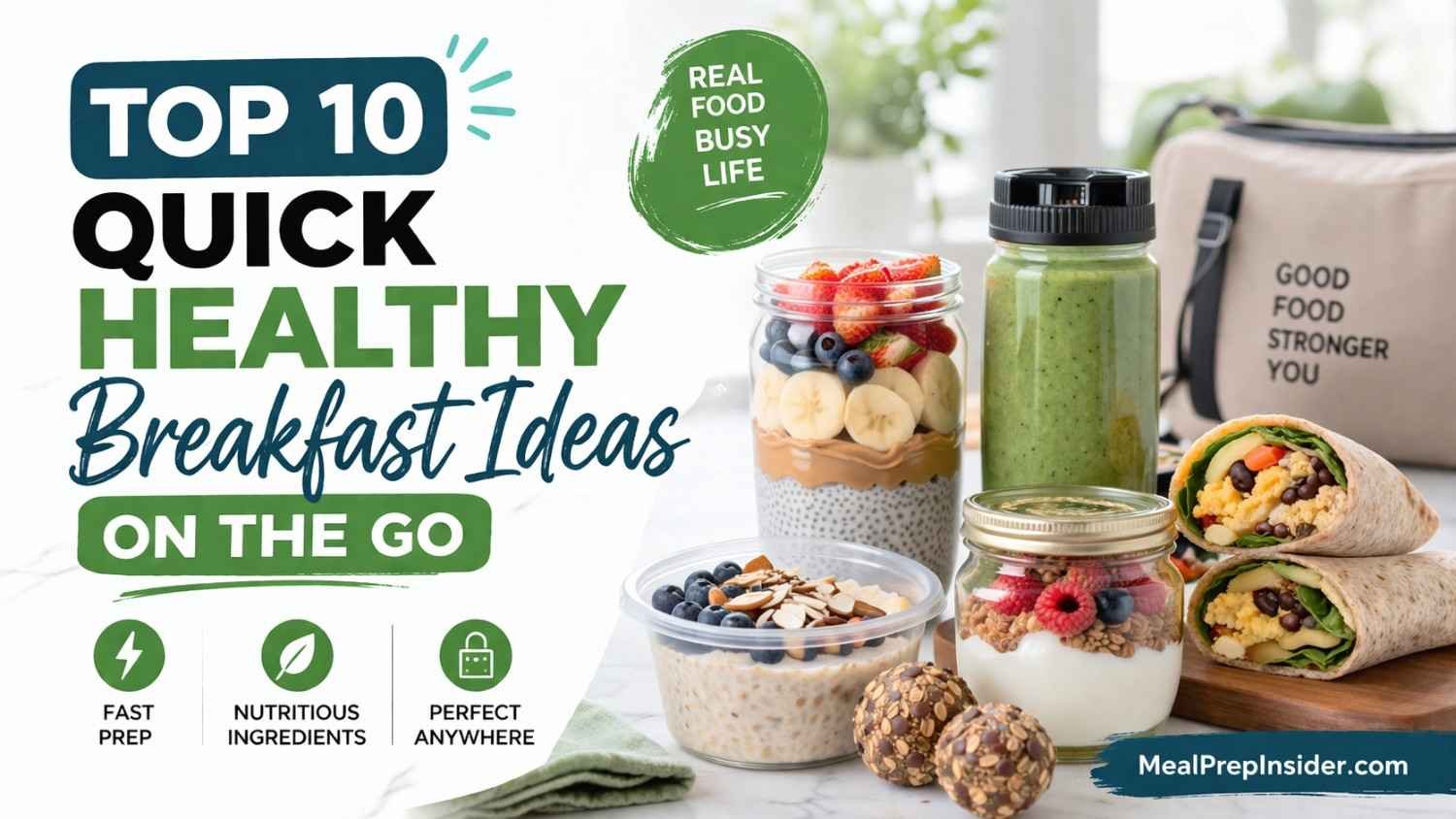
Quick healthy breakfast ideas on the go aren’t just about grabbing whatever’s closest to your front door. They’re about knowing exactly what to reach for when your alarm didn’t go off, your kid lost their shoes, and traffic’s already backing up on the highway.
You’ve been there.
Standing in your kitchen at 6:47 AM, stomach growling, fully aware that skipping breakfast means you’ll be face-down in the office donuts by 10 AM. The drive-thru beckons. The sugary cereal box whispers sweet nothings. Your willpower starts negotiations with your hunger.
Here’s what nobody tells you: the morning rush doesn’t have to sabotage your health goals. The secret isn’t waking up earlier or meal-prepping like you’re running a small restaurant. It’s having a mental arsenal of genuinely quick options that don’t taste like cardboard or require a culinary degree.
This isn’t your typical breakfast listicle.
What you’re about to discover are breakfast strategies that real people use in real life—not Instagram-perfect smoothie bowls that take forty-five minutes to arrange. We’re talking genuinely portable, legitimately nutritious options that work whether you’re sprinting to catch the 7:15 train or corralling toddlers into car seats.
Let’s get into it.
Why Quick Healthy Breakfast Ideas on the Go Matter More Than You Think
Your morning meal sets the metabolic tone for your entire day. Skip it, and your blood sugar crashes harder than a cheap dating app. Grab something loaded with refined carbs and sugar, and you’re on a roller coaster that ends with afternoon brain fog and vending machine regret.
The research backs this up.
Studies from the American Journal of Clinical Nutrition show that people who eat protein-rich breakfasts consume fewer calories throughout the day. They report better focus, improved mood, and more stable energy levels. But here’s the kicker—these benefits only happen when breakfast actually happens.
That’s where most people stumble.
They know breakfast matters. They’ve read the articles. They’ve made the resolutions. But when Monday morning hits with its usual chaos, knowledge doesn’t translate into action. The gap between knowing and doing is where health goals go to die.
The solution isn’t more willpower. It’s a better system.
What Makes a Breakfast Both Quick and Healthy
Not all grab-and-go options are created equal. Some give you energy. Others just give you a sugar crash disguised as convenience.
Here’s what separates the winners from the pretenders:
Protein Content: Aim for at least 15-20 grams. Protein keeps you full, stabilizes blood sugar, and prevents that mid-morning collapse into the break room pastries.
Healthy Fats: These slow digestion and keep hunger at bay. Think nuts, seeds, avocado, or eggs—not the trans fats hiding in processed breakfast bars.
Fiber: The unsung hero of breakfast. Fiber aids digestion, promotes fullness, and helps regulate blood sugar. Whole grains, fruits, and vegetables are your friends here.
Minimal Added Sugar: If your breakfast contains more sugar than a candy bar, it’s not breakfast. It’s a dessert with better marketing.
True Portability: Can you actually eat this while driving? Walking? Commuting? If it requires a fork, knife, and napkin, it’s not truly “on the go.”
The sweet spot hits all five criteria without requiring you to wake up before the sun.
The Top 10 Quick Healthy Breakfast Ideas That Actually Work
Let’s cut through the noise. These aren’t theoretical options that sound good on paper. They’re battle-tested by real people who don’t have time for nonsense.
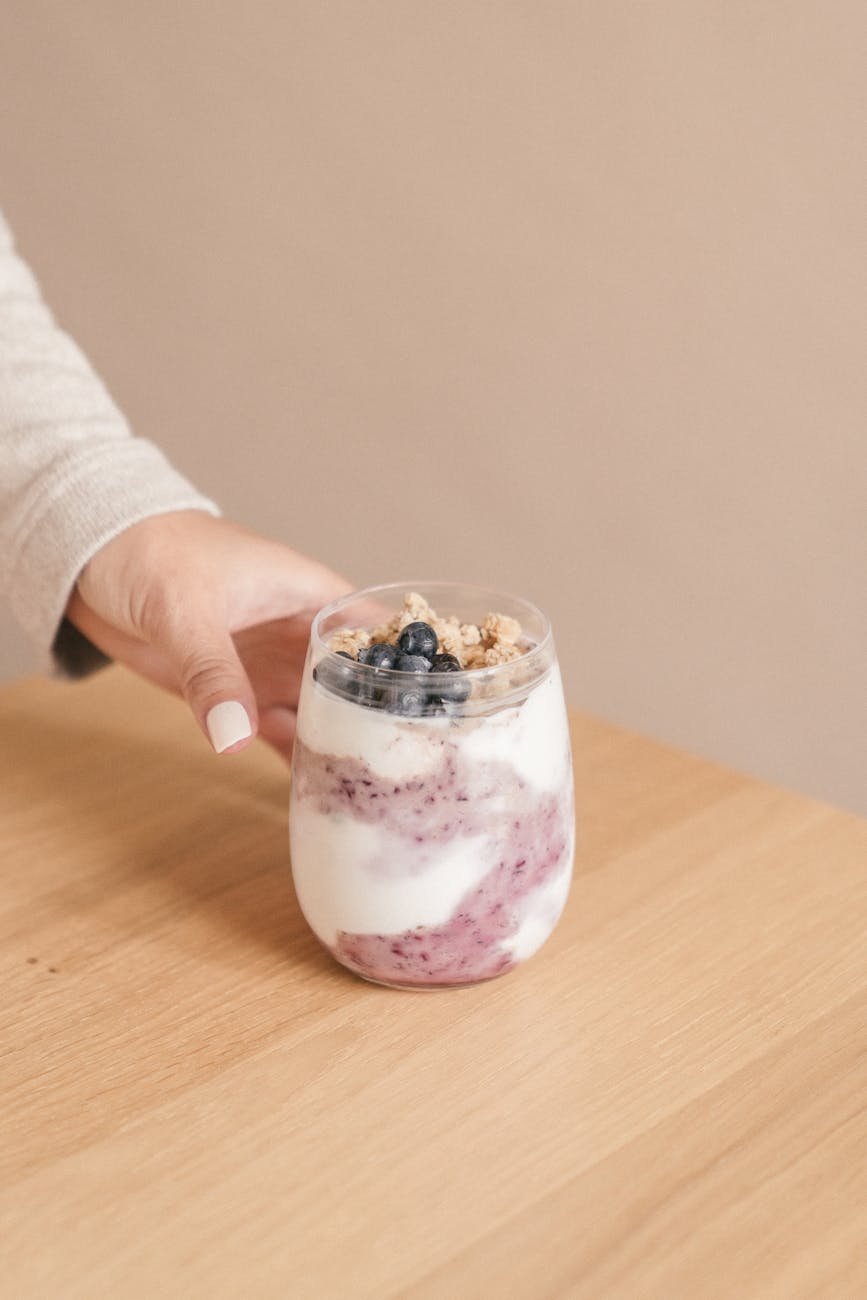
1. Greek Yogurt Parfait in a Mason Jar
Greek yogurt parfaits deliver serious protein without requiring any morning prep time—if you set them up the night before.
Here’s the formula: Layer plain Greek yogurt (not the sugar-loaded flavored kind) with fresh berries, a handful of granola, and a drizzle of honey. Throw in some chia seeds if you’re feeling fancy. Screw the lid on tight.
Grab it from the fridge on your way out.
The protein from Greek yogurt keeps you satisfied for hours. One cup packs around 20 grams of protein, which is more than three eggs. The berries add antioxidants and natural sweetness without spiking your blood sugar. The granola provides that satisfying crunch and keeps things interesting.
Nutrition snapshot:
- Calories: 250-300
- Protein: 20-25g
- Fiber: 5-7g
- Prep time: 5 minutes the night before
Pro tip: Buy plain yogurt and flavor it yourself with vanilla extract, cinnamon, or a small amount of maple syrup. The pre-flavored versions typically contain 15-20 grams of added sugar. That’s basically a Snickers bar masquerading as health food.
Keep a spoon in your car or bag. Problem solved.
2. Overnight Oats with Endless Variations
Overnight oats are the ultimate set-it-and-forget-it breakfast. They require zero morning effort because all the work happens while you sleep.
The basic formula is stupid simple: Mix equal parts rolled oats and milk (dairy or plant-based) in a container. Add a pinch of salt. Refrigerate overnight. That’s it.
But here’s where it gets good.
The variation possibilities are genuinely endless:
- Peanut butter and banana: Add 1 tablespoon natural peanut butter and sliced banana
- Apple cinnamon: Mix in diced apple, cinnamon, and a touch of maple syrup
- Chocolate cherry: Add cocoa powder, dried cherries, and dark chocolate chips
- Tropical: Include diced mango, shredded coconut, and macadamia nuts
- Pumpkin spice: Mix in pumpkin puree, pumpkin pie spice, and chopped pecans
Each version delivers different nutrients and flavors, so you never get bored. The oats provide complex carbohydrates and fiber. Add protein powder or Greek yogurt to boost the protein content.
Nutrition snapshot:
- Calories: 300-400
- Protein: 10-20g (depending on additions)
- Fiber: 8-10g
- Prep time: 3 minutes the night before
The texture throws some people off at first. If you’re one of them, try using less liquid or adding some crunch on top with nuts or seeds.
3. Hard-Boiled Eggs with Everything Seasoning
Eggs are nature’s perfect portable protein source. Hard-boiled eggs take the hassle out of morning cooking because you make them in advance.
Boil a dozen on Sunday. Store them in the fridge. Grab two or three each morning.
Simple. Effective. Boring.
Until you discover everything bagel seasoning.
That magical blend of sesame seeds, poppy seeds, garlic, onion, and salt transforms plain hard-boiled eggs into something you genuinely look forward to eating. Keep a small container of the seasoning in your desk or bag.
Pair your eggs with a piece of fruit and a handful of nuts for a complete breakfast that covers all your nutritional bases.
Nutrition snapshot (2 large eggs):
- Calories: 140
- Protein: 12g
- Healthy fats: 10g
- Prep time: 0 minutes in the morning, 15 minutes once per week
The cholesterol in eggs won’t wreck your health, despite what outdated nutrition advice claimed for decades. Current research shows dietary cholesterol has minimal impact on blood cholesterol for most people.
4. Protein Smoothie in a Portable Blender
Smoothies get a bad rap because most commercial versions are sugar bombs pretending to be healthy food. But make your own, and you control exactly what goes in.
The key is getting the ratio right.
Start with protein: Greek yogurt, protein powder, or silken tofu. Add healthy fats from nut butter, avocado, or chia seeds. Include fiber from spinach, kale, or frozen cauliflower (trust me on the cauliflower—you won’t taste it). Finish with frozen fruit for natural sweetness and a thick, creamy texture.
Skip the fruit juice. It’s just sugar water.
Use water, unsweetened almond milk, or regular milk as your liquid base instead.
Here’s a winning combination:
- 1 cup unsweetened almond milk
- 1 scoop vanilla protein powder
- 1 tablespoon almond butter
- 1 cup frozen berries
- 1 handful baby spinach
- Ice as needed
Blend it up in a portable blender like a BlendJet or NutriBullet. Drink it on your commute. You’ve just consumed a nutrient-dense meal in under five minutes.
Nutrition snapshot:
- Calories: 300-350
- Protein: 25-30g
- Fiber: 6-8g
- Prep time: 5 minutes
Common pitfall: Adding too much fruit turns your smoothie into a milkshake. Stick to one cup of fruit maximum, and balance it with protein and healthy fats.
5. Nut Butter and Banana on Whole Grain Toast
This classic combination works because it balances all three macronutrients perfectly. The whole-grain bread provides complex carbs and fiber. The nut butter delivers protein and healthy fats. The banana adds natural sweetness, potassium, and quick energy.
Toast your bread in the morning. Slather on two tablespoons of your favorite nut butter. Slice the banana on top. Sprinkle with chia seeds or hemp hearts for extra nutrients.
Eat half before you leave. Wrap the other half in foil and eat it when you get to work.
Nutrition snapshot:
- Calories: 350-400
- Protein: 12-15g
- Fiber: 8-10g
- Prep time: 3 minutes
The combination of fiber and healthy fats means this breakfast provides sustained energy without the crash that comes from plain toast or sugary cereal.
Choose actual whole-grain bread, not “wheat bread” that’s just white bread wearing a disguise. Check the ingredient list: whole grain should be the first ingredient, and each slice should contain at least 3 grams of fiber.
6. Cottage Cheese with Fruit and Nuts
Cottage cheese has made a major comeback, and for good reason. It’s loaded with protein, surprisingly versatile, and requires zero preparation.
Here’s the formula: Start with one cup of cottage cheese. Top with fresh berries, sliced peaches, or diced pineapple. Add a handful of almonds, walnuts, or pecans for crunch. Drizzle with honey if you need extra sweetness.
Pack it in a container with a tight lid. Toss a spoon in your bag. Done.
The protein content of cottage cheese is legitimately impressive—around 24 grams per cup. That’s more than most protein shakes deliver. The combination of protein and healthy fats from the nuts creates serious staying power.
Nutrition snapshot:
- Calories: 300-350
- Protein: 26-28g
- Fiber: 4-6g
- Prep time: 2 minutes
Texture issues? Go for small curd cottage cheese or blend it smooth for a ricotta-like consistency. Add cinnamon, vanilla extract, or cocoa powder to change up the flavor profile.
Some people swear by savory cottage cheese instead—topped with cucumber, tomatoes, everything seasoning, and a drizzle of olive oil. Different strokes.
7. Homemade Breakfast Burritos from the Freezer
Breakfast burritos are the MVP of make-ahead morning meals. Spend an hour on Sunday making a batch, and you’ve got breakfast sorted for the entire week.
Here’s the game plan:
Scramble a dozen eggs with your choice of add-ins: black beans, sautéed peppers and onions, cooked turkey sausage, shredded cheese, diced tomatoes, spinach, or salsa. Let the mixture cool slightly.
Warm whole wheat tortillas to make them pliable. Spoon the egg mixture onto each tortilla. Roll them up tight, tucking in the ends. Wrap each burrito individually in foil or parchment paper.
Freeze them in a gallon freezer bag.
Each morning, unwrap one burrito, wrap it in a paper towel, and microwave it for 90 seconds to 2 minutes. Flip it halfway through for even heating.
You now have a hot, satisfying, protein-packed breakfast ready to go.
Nutrition snapshot:
- Calories: 350-450
- Protein: 18-22g
- Fiber: 5-7g
- Prep time: 0 minutes in the morning, 60 minutes once per week
The beauty of this approach is customization. Make some with meat, some vegetarian. Make some spicy, some mild. Everyone in your household can have their preference ready to grab.
8. Apple Slices with Nut Butter and Granola
Sometimes the simplest combinations are the most satisfying. This three-ingredient breakfast takes about two minutes to assemble and travels beautifully.
Slice an apple (or buy pre-sliced if you’re seriously time-crunched). Pack a small container of your favorite nut butter. Add a handful of granola to a separate small container or baggie.
Dip the apple slices in the nut butter, then in the granola for a satisfying crunch. You get fiber from the apple, protein and healthy fats from the nut butter, and complex carbs from the granola.
Nutrition snapshot:
- Calories: 300-350
- Protein: 8-10g
- Fiber: 7-9g
- Prep time: 2 minutes
The combination of sweet and crunchy hits the spot without feeling heavy. Plus, the act of dipping and assembling makes breakfast feel less rushed, even when you’re eating it in the car.
Skip the granola if you’re watching carbs and double up on the nut butter instead.
9. Protein Balls Made in Advance
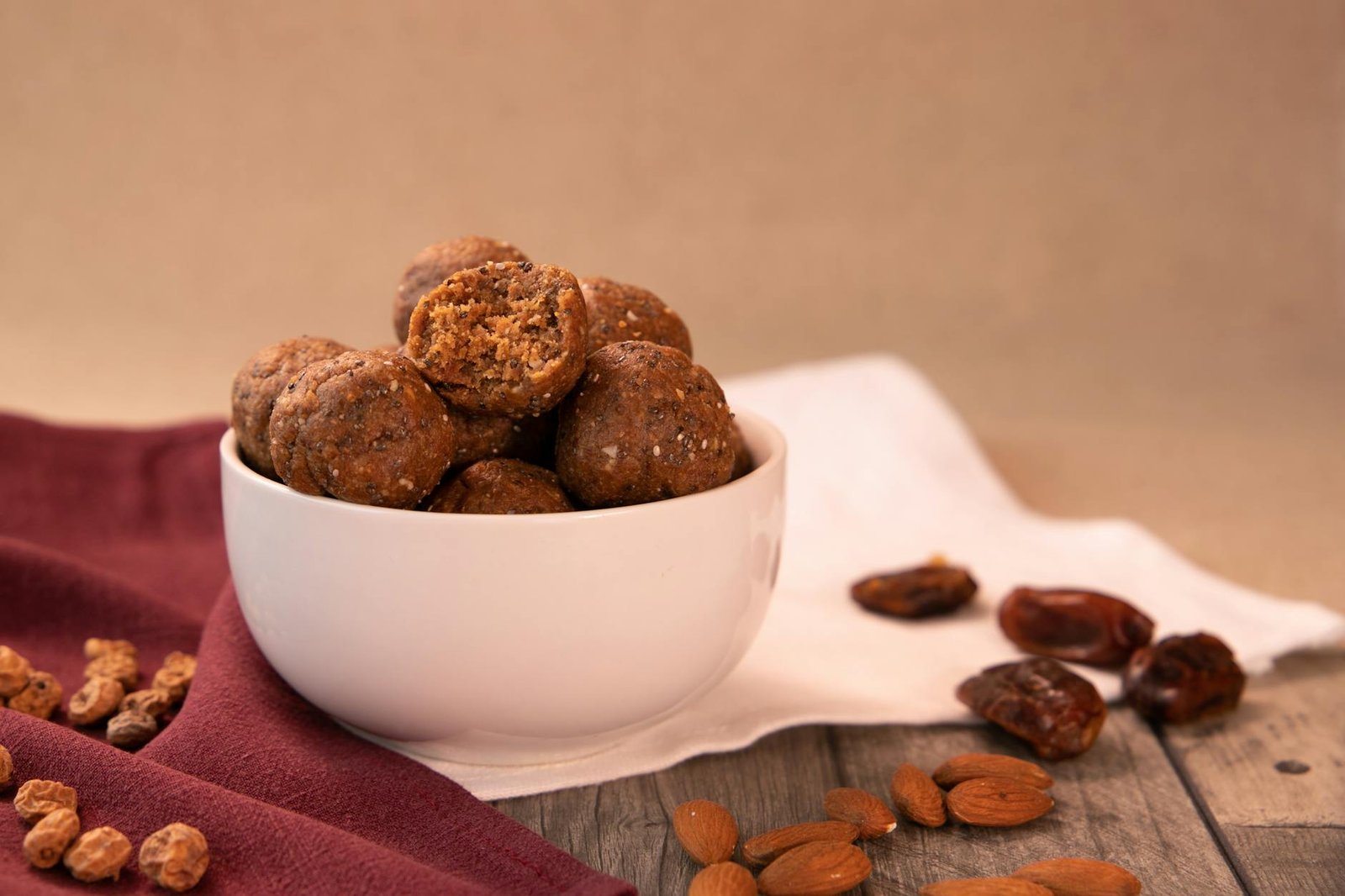
Protein balls (also called energy balls or energy bites) are the perfect example of smart meal prep paying dividends all week long.
The basic formula is incredibly forgiving:
- 1 cup rolled oats
- 1/2 cup nut butter
- 1/3 cup honey or maple syrup
- 1/2 cup mix-ins (chocolate chips, dried fruit, seeds, coconut, etc.)
Mix everything in a bowl. Roll into balls about the size of a golf ball. Refrigerate for at least 30 minutes to firm up. Store in an airtight container in the fridge for up to two weeks.
Grab three or four balls in the morning. Pair them with a piece of fruit or a cheese stick for a more balanced meal.
Popular combinations:
- Chocolate peanut butter with mini chocolate chips and chia seeds
- Almond coconut with dried cranberries and shredded coconut
- Cashew date with dates, cashew butter, and vanilla extract
- Pumpkin spice with pumpkin puree, pecans, and warming spices
Nutrition snapshot (3 balls):
- Calories: 300-350
- Protein: 10-12g
- Fiber: 5-6g
- Prep time: 0 minutes in the morning, 20 minutes once per week
These are especially clutch for people who struggle with traditional breakfast foods. They don’t feel like breakfast, which somehow makes them easier to eat when you’re not naturally hungry in the morning.
RELATED POST >> Top 13 Easy AIP Breakfast Ideas: Simple High-Protein Packed
10. Avocado Toast with a Twist
Avocado toast became a cliché, but strip away the Instagram culture, and you’re left with a legitimately nutritious, quick breakfast option.
Here’s how to elevate it beyond the basic version:
Toast whole-grain bread until it’s actually crispy. Mash half an avocado with a squeeze of lime juice and a pinch of salt. Spread it thick on the toast.
Now add your twist:
- Egg topper: Add a fried or hard-boiled egg sliced on top
- Smoked salmon: Layer on some smoked salmon and capers
- Tomato and feta: Top with sliced cherry tomatoes and crumbled feta
- Everything spice: Sprinkle with everything bagel seasoning and red pepper flakes
- Chickpea mash: Mix mashed chickpeas with the avocado for extra protein and fiber
The healthy fats in avocado keep you full for hours. Pair it with an egg or smoked salmon, and you’ve got enough protein to power through your morning.
Nutrition snapshot:
- Calories: 350-450
- Protein: 12-20g (depending on additions)
- Fiber: 8-12g
- Prep time: 5 minutes
The key to making avocado toast portable is toasting the bread until it’s genuinely crispy, which prevents it from getting soggy. Wrap it in foil or parchment paper, and it travels surprisingly well.
How to Build Your Personal Breakfast System
Having ten options is great. But choice paralysis is real, especially when you’re half-awake at 6:30 AM.
Here’s how to build a system that actually works:
Pick three favorites: Don’t try to rotate through all ten options. Choose three that genuinely appeal to you and fit your schedule. Master those first.
Prep on Sunday: Spend 30-60 minutes on Sunday setting yourself up for success. Boil eggs, make overnight oats, assemble breakfast burritos, or whip up a batch of protein balls.
Stock your pantry: Keep the essentials on hand so you’re never scrambling. Basics like oats, nut butter, whole grain bread, eggs, Greek yogurt, and frozen fruit cover most of these options.
Keep backup options: Life happens. The milk goes bad. You run out of bread. Have shelf-stable backups like protein bars (choose ones with minimal ingredients and at least 10g of protein) or individual nut butter packets.
Make it visible: Store your breakfast prep at eye level in the fridge. If you have to dig for it, you won’t eat it.
Mistakes People Make With Grab-and-Go Breakfasts
Let’s talk about where people typically go wrong, so you can avoid these pitfalls entirely.
Relying solely on packaged “health” foods: Those protein bars, breakfast cookies, and grab-and-go packages are convenient, but check the labels. Many contain as much sugar as candy bars and use cheap protein sources that don’t keep you full.
Skipping protein: A banana and coffee isn’t breakfast. It’s a sugar rush followed by a crash. Every breakfast should include a solid protein source.
Not preparing anything in advance: Hoping you’ll “figure it out in the morning” is a recipe for drive-thru failure. Even five minutes of prep the night before makes a massive difference.
Choosing foods you don’t like: Forcing yourself to eat overnight oats because they’re “healthy” won’t work long-term if you genuinely dislike them. Pick options you actually enjoy.
Making it too complicated: If your breakfast requires more than five ingredients or ten minutes of prep time, you won’t stick with it. Keep it simple.
Forgetting about hydration: Pair your breakfast with water. Most people start their day dehydrated, which gets mistaken for hunger or fatigue.
Making It Work for Different Dietary Needs
These breakfast ideas are adaptable to various dietary preferences and restrictions.
For vegetarians: All options except the smoked salmon avocado toast work as-is. The breakfast burritos can be made with black beans instead of meat.
For vegans: Swap Greek yogurt for coconut or almond yogurt, use plant-based protein powder, choose vegan protein bars, and skip the eggs. Overnight oats, smoothies, avocado toast, and protein balls all adapt easily.
For low-carb or keto eaters: Focus on the eggs, cottage cheese, Greek yogurt, and nuts. Skip the oats, bread, and fruit, or reduce portions significantly. Add more healthy fats.
For gluten-free needs: Choose gluten-free oats and bread. Everything else on this list is naturally gluten-free or easily adaptable.
For dairy-free requirements: Use plant-based milk and yogurt. Most of these options don’t require dairy or adapt easily.
The core principles remain the same: protein, healthy fats, fiber, and genuine portability.
The Real Cost of These Breakfasts
Let’s address the elephant in the room. Healthy eating costs money. But so does eating poorly—you just pay the bill later in medical expenses and lost productivity.
Here’s a realistic cost breakdown for these options:
| Breakfast Option | Approximate Cost Per Serving |
|---|---|
| Greek yogurt parfait | $2.00-$2.50 |
| Overnight oats | $1.00-$1.50 |
| Hard-boiled eggs | $0.50-$0.75 |
| Protein smoothie | $2.50-$3.00 |
| Nut butter banana toast | $1.50-$2.00 |
| Cottage cheese bowl | $2.00-$2.50 |
| Breakfast burrito | $2.00-$2.50 |
| Apple with nut butter | $1.50-$2.00 |
| Protein balls | $1.00-$1.50 |
| Avocado toast | $2.50-$3.50 |
Compare these to:
- Fast food breakfast sandwich: $4.00-$6.00
- Coffee shop breakfast: $6.00-$10.00
- Skipping breakfast and buying snacks later: $5.00-$8.00
The homemade options are cheaper, healthier, and more satisfying. The “I don’t have time to make breakfast” argument falls apart when you realize you’re spending more time and money on worse alternatives.
How to Actually Stick With This
Knowledge without implementation is just entertainment. Here’s how to turn these ideas into consistent habits:
Start with one week: Don’t commit to doing this forever. Just commit to one week. That’s manageable. That doesn’t feel overwhelming.
Prep with a friend or family member: Make it a Sunday ritual. Put on music or a podcast. Prep together. It’s faster and more enjoyable.
Track how you feel: Notice your energy levels, focus, and hunger patterns when you eat these breakfasts versus when you skip or grab junk food. Let the results motivate you.
Give yourself grace: You’ll mess up. You’ll oversleep and grab a donut. You’ll forget to prep. That’s fine. One missed breakfast doesn’t undo your progress.
Adjust as you go: If something doesn’t work for your taste or schedule, try a different option. This isn’t about perfection. It’s about finding what works for you specifically.
The Surprising Benefits Beyond Nutrition
Eating breakfast does more than fuel your body. The ripple effects touch multiple areas of your life.
Better financial decisions: Research shows that hungry people make impulsive, emotion-driven choices. Eat breakfast, and you’re more likely to make rational decisions about everything from work projects to online shopping.
Improved relationships: Hangry is real. Starting your day properly fed means you’re more patient, more present, and less likely to snap at your partner, kids, or coworkers over minor irritations.
Enhanced productivity: Your brain runs on glucose. Feed it consistently, and your focus, memory, and problem-solving abilities all improve. That morning meeting gets easier. That difficult project becomes more manageable.
Reduced stress: When your blood sugar is stable, your stress response is more measured. You handle challenges with more resilience and less panic.
Building Your Breakfast Blueprint
You now have ten proven options that work for real people with real time constraints. You understand what makes a breakfast both quick and healthy. You know the common pitfalls to avoid.
Here’s your action plan:
Today: Read through the options again and pick your top three based on your taste preferences and schedule.
This weekend: Shop for the ingredients you need for your chosen three options.
Sunday: Spend 30-60 minutes doing your breakfast prep for the week.
Monday: Execute your plan. Grab your prepared breakfast on the way out the door.
Throughout the week: Notice how you feel. Adjust as needed. Celebrate the wins.
The goal isn’t perfection. It’s progress. It’s setting yourself up for success instead of leaving your health to chance every morning.
Why This Matters More Than Just Breakfast
Your morning sets the tone for everything that follows. Start your day rushed, stressed, and running on fumes, and you’re fighting uphill battles all day long. Start it nourished, prepared, and in control, and everything else gets easier.
This isn’t about becoming a morning person or transforming into someone you’re not. It’s about recognizing that small, consistent actions create massive results over time.
A healthy breakfast takes five minutes and costs two dollars. But the ROI—in energy, focus, health, and how you show up for yourself and others—is enormous.
You deserve to feel good. You deserve sustained energy. You deserve a morning routine that supports your goals instead of sabotaging them.
These ten breakfast options give you exactly that. No gimmicks. No complicated recipes. No expensive supplements or special equipment.
Just real food, smart preparation, and a system that works with your life instead of against it.
Frequently Asked Questions
What if I’m not hungry in the morning?
Not feeling hungry right when you wake up is normal for some people. Try eating breakfast 30-60 minutes after waking instead of immediately. Start with something small, like a protein ball or a handful of nuts with fruit. Your appetite will likely increase as your body adjusts to regular morning fuel.
Can I drink coffee with these breakfasts?
Absolutely. Coffee itself isn’t the problem—it’s using coffee as a breakfast replacement that creates issues. Enjoy your coffee alongside one of these options. Just watch the added sugar and high-calorie creamers that turn coffee into dessert.
How long will prepped breakfasts stay fresh?
Hard-boiled eggs last one week in the shell. Overnight oats stay good for 4-5 days. Breakfast burritos last 3 months in the freezer. Greek yogurt parfaits are best consumed within 2-3 days. Protein balls last up to two weeks refrigerated or three months frozen.
What if I have specific food allergies?
Every option here can be modified for common allergies. Nut allergies? Use sunflower seed butter instead. Egg allergies? Focus on the oat, yogurt, and smoothie options. Dairy allergies? Use plant-based alternatives. The core principles of protein, healthy fats, and fiber remain the same regardless of specific ingredients.
Are these breakfasts kid-friendly?
Most kids love overnight oats (especially chocolate or cinnamon versions), protein balls, smoothies, and breakfast burritos. Let kids help with prep on Sunday, and they’re more likely to eat what they’ve helped create. Adjust flavors and textures to their preferences.
Can I eat these breakfasts if I’m trying to lose weight?
Yes. These options provide balanced nutrition that keeps you satisfied, which prevents overeating later in the day. Pay attention to portions and avoid adding excessive sweeteners or high-calorie toppings. The protein and fiber content support weight loss by regulating appetite and blood sugar.
What’s the best option for someone who works night shifts?
The same principles apply—you want protein, healthy fats, and fiber for your first meal of the “day” regardless of when that occurs. Prep these options the same way, but eat them before your shift starts instead of in the traditional morning hours.
Do I really need to prep in advance?
Some options don’t require advance prep (eggs with seasoning, cottage cheese bowls, apple with nut butter), but the five-minute investment the night before makes your morning exponentially easier. Even small prep steps—like putting your smoothie ingredients in the blender container and storing it in the fridge—remove decision fatigue from your morning.
What if I get bored eating the same things?
Rotate through the different options weekly or monthly. Within each option, vary your ingredients (different fruits, different nut butters, different seasonings). Boredom usually comes from eating the exact same breakfast daily without variation.
Can these replace my protein shake?
Many of these options (Greek yogurt, cottage cheese, protein smoothies) contain as much or more protein than typical protein shakes. If you’re using protein shakes for convenience, these breakfasts offer the same benefit with better overall nutrition from whole foods.
SUGGESTED POST >> Top 11 Easy Dinner Ideas with Canned Chicken