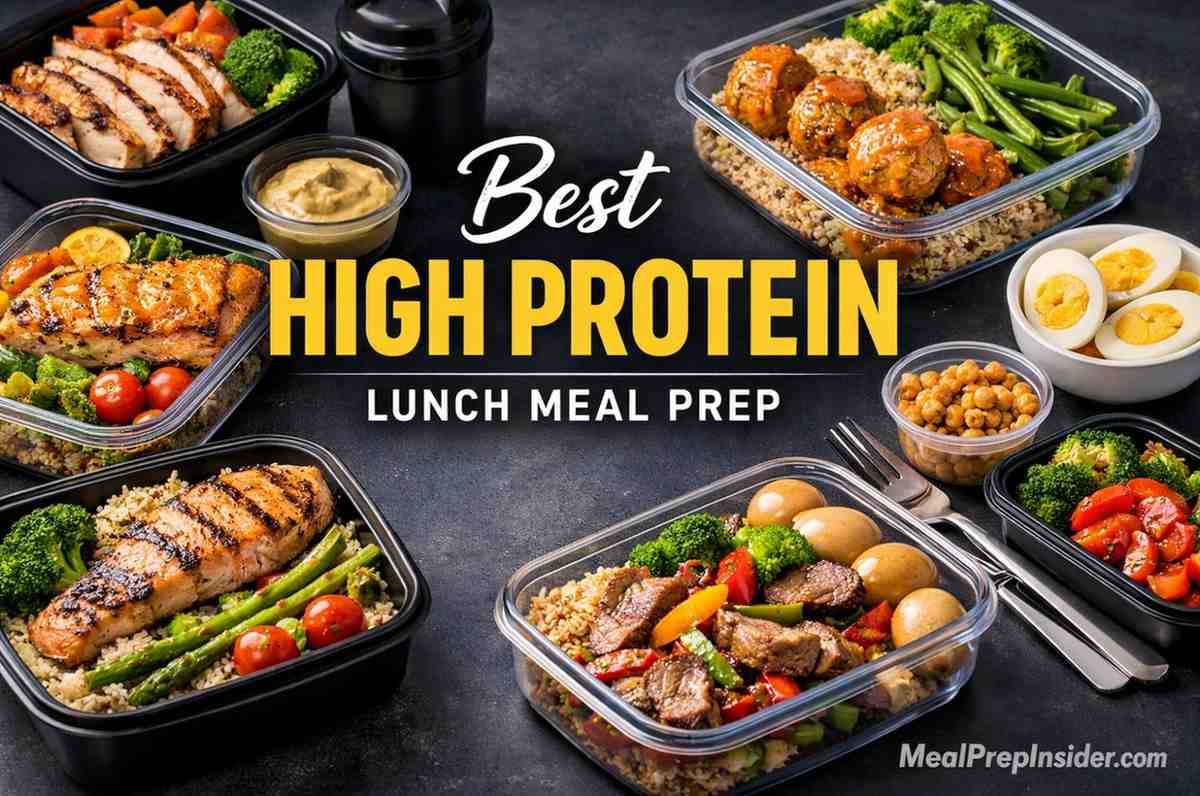
Best high protein lunch meal prep changed my entire relationship with food, and it’s about to change yours, too.
You’re probably eating lunch wrong. There, I said it.
Most people stumble into the kitchen at noon with absolutely zero plan. They grab whatever’s easiest, fastest, cheapest. Then wonder why they’re starving by 2 PM or why those fitness goals keep slipping further away.
Here’s the thing: your lunch is destroying your progress. Not because you’re lazy or lack willpower. But because nobody ever taught you how to prep high-protein meals that taste incredible, stay fresh all week, and support the body you’re trying to build.
I’m talking about lunches that pack 35-50 grams of protein per serving. Meals that cost less than eating out. Food that makes your coworkers jealous when you pull it out of the office fridge.
Ready to completely transform your midday eating? Let’s get into it.
Why Best High Protein Lunch Meal Prep Matters More Than You Think
Protein isn’t just for bodybuilders anymore.
Whether you’re trying to lose weight, build muscle, maintain energy throughout your workday, or simply stop feeling hungry two hours after eating, protein is your best friend. And lunch? That’s prime real estate for getting it right.
The average American lunch contains maybe 15-20 grams of protein. That’s pathetic. Your body needs way more to maintain muscle mass, regulate appetite, and keep your metabolism humming along.
When you prep high-protein lunches in advance, you’re not just saving time. You’re setting yourself up for consistent results. No more decision fatigue. No more grabbing whatever’s convenient. No more expensive takeout that leaves you feeling sluggish.
Your future self will thank you every single time you open that meal prep container.
How Much Protein Do You Really Need at Lunch?
Let’s clear up the confusion right now.
Most experts recommend roughly 0.7 to 1 gram of protein per pound of body weight daily if you’re active or trying to build muscle. For weight loss, you might aim even higher since protein keeps you satisfied longer.
If you weigh 150 pounds and you’re moderately active, you’re looking at about 105-150 grams of protein throughout your entire day. Breaking that down across three meals and maybe a snack means lunch should deliver somewhere between 30-45 grams minimum.
That’s significantly more than most people consume.
The beautiful thing about meal prepping is that you can nail these numbers consistently. No guessing. No estimating. Just precise portions that align with your goals.
The Foundation: Choosing Your Protein Sources
Not all protein is created equal.
Some sources are expensive. Others are loaded with fat you might not want. Some taste amazing cold, while others absolutely need to be reheated properly.
Top Protein Sources for Meal Prep:
- Chicken breast (26g protein per 3.5 oz)
- Turkey breast (29g protein per 3.5 oz)
- Lean ground beef (25g protein per 3.5 oz)
- Salmon (25g protein per 3.5 oz)
- Tuna (26g protein per 3.5 oz)
- Eggs (6g protein per large egg)
- Greek yogurt (17g protein per 6 oz)
- Cottage cheese (14g protein per 4 oz)
- Tofu (8g protein per 3.5 oz)
- Tempeh (19 g protein per 3.5 oz)
- Chickpeas (9g protein per half cup)
- Lentils (9g protein per half cup)
- Shrimp (24g protein per 3.5 oz)
- Pork tenderloin (26g protein per 3.5 oz)
- Protein powder (varies, usually 20-30g per scoop)
Different proteins work better for different meal styles. Chicken is versatile but can dry out. Fish needs careful reheating to avoid that office microwave smell. Plant proteins often need to be combined to get complete amino acid profiles.
Think about your week ahead. Which proteins fit your budget? Which ones do you genuinely enjoy eating? Which ones reheat well or taste good cold?
The Meal Prep Method That Works Every Single Time
Forget what you’ve heard about spending entire Sundays in the kitchen.
Smart meal prep takes two to three hours max. Once weekly. That’s it.
Here’s the streamlined approach:
Pick one or two protein sources for the week. Variety is overrated when you’re starting. Master chicken and ground turkey before you get fancy.
Choose three to four vegetable options. Different colors mean different nutrients. Broccoli, bell peppers, spinach, and sweet potatoes cover a lot of ground.
Select two or three carb sources if you’re including them. Rice, quinoa, and pasta are meal prep staples for good reason.
Cook everything in bulk. Bake proteins in the oven. Steam or roast vegetables. Batch cook your grains.
Portion everything into containers immediately. Don’t wait. Don’t leave food sitting out. Pack it up while it’s fresh.
Label with dates. You think you’ll remember what you made on which day. You won’t.
Five Game-Changing High-Protein Lunch Prep Ideas
Southwestern Chicken Power Bowl
This one’s a crowd favorite for a reason.
Grilled chicken breast seasoned with cumin, chili powder, and garlic. Black beans for extra protein and fiber. Brown rice is your base. Top with corn, diced tomatoes, a bit of cheese, and salsa. Add avocado in the morning if you want healthy fats.
Total protein per serving: 42-48 grams, depending on portions.
The flavors stay bold all week. Nothing gets soggy. You can eat this cold or heated up. Customize the spice level to your preference.
Mediterranean Turkey Quinoa Prep
Simple but sophisticated.
Ground turkey cooked with oregano, garlic, and a touch of olive oil. Quinoa as your protein-packed grain base. Cucumber, cherry tomatoes, red onion, and feta cheese. A side of hummus for dipping.
Total protein per serving: 38-44 grams.
This one tastes incredible cold, which makes it perfect for those days when the office microwave is out. The Mediterranean flavors are bright and fresh even on day five.
Asian-Inspired Salmon and Vegetables
Elevate your lunch game significantly.
Baked salmon with a simple soy sauce, ginger, and sesame oil marinade. Edamame for bonus protein. Stir-fried vegetables like snap peas, carrots, and bok choy. Cauliflower rice keeps it lower-carb.
Total protein per serving: 35-42 grams.
Salmon is pricier but worth it occasionally. The omega-3s support brain function and reduce inflammation. Your afternoon focus will be noticeably sharper.
Beef Taco Meal Prep Bowls
Who says meal prep can’t be exciting?
Lean ground beef seasoned with taco spices. Black beans and pinto beans for extra protein. Cauliflower rice or regular rice, depending on your carb goals. Lettuce, cheese, Greek yogurt instead of sour cream, and salsa.
Total protein per serving: 45-52 grams.
This hits every craving for comfort food while keeping your macros on point. The Greek yogurt swap alone saves calories while boosting protein.
Chicken Sausage and Roasted Vegetable Mix
Minimal prep, maximum flavor.
High-protein chicken sausage sliced and browned. Roasted sweet potato, Brussels sprouts, and bell peppers. A side of cottage cheese with everything bagel seasoning for dipping.
Total protein per serving: 40-46 grams.
The cottage cheese might sound weird, but trust the process. It’s creamy, satisfying, and packs serious protein for very few calories.
The Container Situation: What You Truly Need
Your containers matter more than you think.
Cheap containers leak. They stain. They crack in the dishwasher. They make your food taste like plastic. Don’t waste money on garbage.
What to look for:
Glass containers with locking lids are the gold standard. They’re microwave-safe, dishwasher-safe, and don’t absorb odors or colors. Yes, they’re heavier. Yes, they cost more upfront. They’re worth every penny.
BPA-free plastic works if you’re on a budget or need lightweight options for carrying. Just replace them regularly and avoid microwaving them repeatedly.
Three-compartment containers keep foods separated. Your salad stays crisp. Your sauce doesn’t make everything soggy. Your grains don’t absorb moisture from your vegetables.
Invest in 8-12 quality containers. That covers your work week plus a couple of extras while some are in the dishwasher.
Avoiding the Pitfalls That Ruin Most Meal Prep
People make the same errors repeatedly.
Overcooking chicken until it’s dry: Use a meat thermometer. Pull chicken at 165°F internal temperature. Let it rest before slicing. Don’t eyeball it and overcook out of fear.
Prepping food that doesn’t reheat well: Some dishes are meant to be eaten fresh. Fried foods get soggy. Delicate fish falls apart. Crispy items turn mushy. Plan accordingly.
Not seasoning enough: Flavors mellow as food sits. Season more aggressively than you think necessary. Salt, acid, herbs, and spices are your friends.
Forgetting about food safety: Cooked food needs to cool to room temperature before refrigerating, but don’t leave it out more than two hours. Four days in the fridge is your maximum for most proteins. When in doubt, freeze half.
Making too much variety: Seven different meals sounds fun until you’re exhausted from cooking and cleaning. Start with two or three recipes. Rotate them weekly.
Ignoring texture: All mushy food is depressing. Include something crunchy in each meal. Raw vegetables, nuts, seeds, or crispy chickpeas work perfectly.
The Vegetarian and Vegan High-Protein Approach
Plant-based doesn’t mean low protein.
It requires more planning, but it’s absolutely doable.
Tempeh and tofu are your protein foundations. Marinate them aggressively since they absorb flavors. Bake or pan-fry for a better texture than just steaming.
Legumes need to be combined with whole grains to create complete proteins. Rice and beans. Quinoa and lentils. Pita and hummus. These combinations have sustained entire cultures.
Protein powder can bridge gaps. Add it to overnight oats, smoothies, or even savory sauces. Pea protein, brown rice protein, and hemp protein are solid plant-based options.
Nutritional yeast adds cheesy flavor plus protein and B vitamins. Sprinkle it on basically everything.
Sample Vegan High Protein Meal Prep:
Baked BBQ tempeh (30g protein per serving), quinoa (8g protein per cup cooked), roasted chickpeas (15g protein per cup), steamed broccoli, and tahini drizzle.
Total protein: 53+ grams per serving.
Completely plant-based. Completely satisfying.
Carbs or No Carbs? The Question Everyone Asks
It depends entirely on your goals and activity level.
If you’re highly active, training hard, or doing physical work, you need carbs. Your muscles use glycogen for fuel. Depriving yourself leads to poor performance and constant fatigue.
If you’re sedentary and trying to lose weight, lower-carb meals might help create the calorie deficit you need. Plus, when you remove carbs and add more protein and healthy fats, satiety typically improves.
Healthy carb options for high protein meal prep:
- Sweet potatoes
- Brown rice
- Quinoa
- Wild rice
- Whole-grain pasta
- Oats
- Butternut squash
- Farro
Lower-carb alternatives:
- Cauliflower rice
- Zucchini noodles
- Spaghetti squash
- Cabbage
- Riced broccoli
- Shirataki noodles
Mix and match based on your day. Maybe you do higher carbs on training days and lower carbs on rest days. Flexibility beats rigid rules.
Making It Taste Amazing All Week Long
Day-old meal prep doesn’t have to taste like sadness.
Separate wet and dry ingredients when possible. Keep dressings and sauces in small containers. Add them right before eating. This prevents sogginess and keeps everything fresh-tasting.
Fresh elements matter. Pack cherry tomatoes, avocado, fresh herbs, or a handful of arugula separately. Add them to your reheated meal for instant freshness.
Acid brightens everything. A squeeze of lemon or lime, a splash of vinegar, or some pickled vegetables wakes up flavors that have dulled in the fridge.
Reheat properly. Low and slow beats nuking it on high. Use a lower power setting for longer. Add a tablespoon of water to rice or grains before reheating to restore moisture.
Texture contrasts keep meals interesting. Crunchy nuts or seeds on top of soft proteins. Crispy vegetables alongside creamy elements. Temperature variety works too – cold components on hot bases.
RELATED POST >> Best Top 86 Breakfast Meal Prep Ideas: Easy Ones to Try Now
The Real Cost Breakdown
Meal prepping absolutely saves money.
Let’s do some basic math.
Average restaurant or takeout lunch in the US: $12-15 minimum, often more in cities.
That’s $60-75 per week. $240-300 per month. Nearly $3,000 per year just on weekday lunches.
Meal prep costs for high protein lunches:
Chicken breast: $3-4 per pound (provides 4 servings)
Rice or quinoa: $2-3 per pound (provides 8+ servings)
Frozen vegetables: $2-3 per bag (provides 4 servings)
Seasonings and oils: Pennies per serving
A complete high-protein meal prep for five lunches typically costs $20-30 total. That’s $4-6 per meal.
You’re saving roughly $40-55 per week compared to eating out. Over $200 monthly. More than $2,500 yearly.
That’s a vacation. A gym membership. New clothes when you reach your fitness goals.
Meal Prep for Different Goals
Your protein lunch prep should match what you’re trying to achieve.
For weight loss:
Focus on lean proteins like chicken breast, white fish, and shrimp. Keep portions controlled. Load up on non-starchy vegetables. Use moderate healthy fats. Consider lower-carb approaches.
Total calories per meal: 350-450
Protein: 40-50g
Carbs: 20-35g
Fats: 8-12g
For muscle building:
Include fattier proteins like salmon, ground beef, and whole eggs. Don’t fear carbs – you need them for training fuel and recovery. Increase portion sizes significantly.
Total calories per meal: 550-700
Protein: 45-60g
Carbs: 50-75g
Fats: 15-25g
For maintenance and general health:
Balanced approach with variety. Mix lean and fatty proteins. Include complex carbs. Plenty of vegetables. Moderate portions.
Total calories per meal: 450-550
Protein: 35-45g
Carbs: 40-55g
Fats: 12-18g
The Sunday Prep Session: Step by Step
Let’s walk through an efficient prep day.
10:00 AM – Planning and shopping
Review your recipes. Check what you already have. Make your shopping list. Hit the grocery store.
11:30 AM – Prep work begins
Wash all produce. Chop vegetables. Measure out grains and seasonings. Get everything organized before you start cooking. This mise en place approach saves tons of time.
12:00 PM – Start proteins
Get the chicken in the oven. Start the ground meat on the stovetop. If you’re doing multiple proteins, stagger them so they finish at different times.
12:20 PM – Start grains and vegetables
Rice cookers handle grains. Roast vegetables in the oven alongside proteins. Steam quick-cooking vegetables.
1:00 PM – First proteins finish
Pull chicken from the oven. Let it rest. Start your next batch of whatever needs cooking.
1:15 PM – Begin assembly
As items finish cooking, start portioning them into containers. Work assembly-line style. All the proteins first. Then grains. Then vegetables.
1:45 PM – Final touches
Label everything. Stack in the fridge. Portion sauces and dressings into small containers. Clean up your kitchen.
2:00 PM – Done
Five days of high-protein lunches ready to go. You just saved yourself hours of decision-making and cooking throughout the week.
How to Keep It Interesting Week After Week
Boredom kills consistency.
Rotate your proteins every two weeks. Chicken week, then beef week, then fish week, then back around. This prevents flavor fatigue.
Change up your seasoning profiles. Mexican spices for one week. Italian herbs are next. Asian flavors. Middle Eastern. Indian. Same proteins, completely different taste experience.
Try new vegetables seasonally. Whatever’s fresh and cheap at the market becomes your side dish. This naturally creates variety throughout the year.
Join meal prep communities online. Instagram and Reddit have massive meal prep followings. Seeing other people’s creations sparks inspiration and gives you new ideas.
Keep a running list of wins. When you make something you love, write it down. Build your personal recipe rotation based on what you genuinely enjoy.
Equipment That Makes Everything Easier
You don’t need a gourmet kitchen.
But a few key items make meal prep significantly faster and more enjoyable.
Rice cooker: Set it and forget it. Makes perfect grains every time without monitoring.
Instant Pot or pressure cooker: Chicken breasts in 12 minutes. Dry beans ready in an hour. Meal prep on hard mode becomes easy mode.
Sheet pans: Get three or four. Roast everything at once. One-pan cleanup is a game-changer.
Food scale: Eyeballing portions leads to inconsistency. Weighing takes five extra seconds and ensures you hit your macros.
Good knives: Dull knives make chopping vegetables miserable and dangerous. Sharp knives make prep work actually pleasant.
Meat thermometer: Stop guessing doneness. Know exactly when your proteins are perfectly cooked.
None of this is mandatory. But each item shaves minutes off your prep time and improves results.
Storage and Food Safety Guidelines
Nobody wants food poisoning.
Cooked proteins last 3-4 days in the refrigerator at 40°F or below. Not five days. Not a week. Three to four days maximum.
If you’re prepping Sunday for Friday’s lunch, freeze what you’ll eat Thursday and Friday. Thaw it in the fridge on Wednesday night.
Cool food quickly before refrigerating. Spread it on sheet pans or divide into smaller containers. Getting food from cooking temperature to refrigerator temperature within two hours prevents bacterial growth.
Reheat to 165°F internal temperature. That’s the food safety standard for killing potential bacteria.
Don’t let food sit at room temperature. Bring an insulated lunch box with an ice pack if you won’t have refrigerator access. Bacteria multiply rapidly between 40-140°F.
When in doubt, throw it out. Slightly questionable smell? Toss it. Not worth the risk.
Quick Assembly Options for Busy Mornings
Sometimes, even grabbing a prepped container feels like too much.
Mason jar salads: Layer dressing on the bottom, then hearty vegetables, grains, beans, and greens on top. Shake when ready to eat. The ingredients stay separated and fresh for days.
Protein boxes: Inspired by those expensive Starbucks options. Hard-boiled eggs, cheese cubes, deli meat, nuts, vegetables, and hummus. No reheating required.
Wrap kits: Prepare all your wrap fillings separately. Pack tortillas. Assemble fresh in two minutes before heading out the door.
Power salads: Pre-portion greens, chopped vegetables, proteins, and toppings into containers. Dressing stays separate. Dump, shake, eat.
These options work when traditional meal prep containers don’t fit your routine or preferences.
Sample Weekly Meal Prep Schedule
Here’s what an actual week looks like.
Monday: Southwestern chicken bowl with black beans, brown rice, corn, peppers, and salsa
Protein: 44g
Tuesday: Mediterranean turkey quinoa with cucumber, tomatoes, feta, and hummus
Protein: 41g
Wednesday: Asian salmon with edamame, stir-fried vegetables, and cauliflower rice
Protein: 38g
Thursday: Beef taco bowl with beans, rice, lettuce, cheese, and Greek yogurt
Protein: 48g
Friday: Chicken sausage with roasted sweet potato, Brussels sprouts, and cottage cheese
Protein: 43g
Total weekly protein from lunch alone: 214g
Average per meal: 42.8g
That’s consistency. Those are the results. That’s how you make progress.
When Meal Prep Doesn’t Work
It’s not for everyone, and that’s okay.
Some people have unpredictable schedules. Some genuinely enjoy cooking fresh daily. Others have specific dietary restrictions that make batch cooking difficult.
If you’ve tried meal prep multiple times and it never sticks, don’t force it.
Alternatives that still provide high-protein lunches:
Rotisserie chickens from the grocery store. Shred the meat, portion it out, and pair with bagged salads and quick-cooking grains.
Meal delivery services focused on high protein. More expensive, but eliminates all prep work.
Simple formula approach. Keep cooked proteins, pre-washed greens, and easy sides on hand. Combine each day differently without formal meal prep.
Breakfast for lunch. Eggs cook in minutes. Pair with vegetables and whole-grain toast. High protein, zero advance prep.
Find what works for your lifestyle. Sustainability beats perfection.
Troubleshooting Common Issues
Problem: Food gets boring by day three
Solution: Make two different recipes instead of five portions of one meal. Alternate them throughout the week.
Problem: Chicken always comes out dry
Solution: Brine it first (salt water soak for 30 minutes), don’t overcook, and let it rest before cutting.
Problem: Vegetables get mushy
Solution: Slightly undercook them. They’ll continue softening in the fridge. Reheating finishes the job.
Problem: Not enough time on Sunday
Solution: Split prep across two days. Proteins Sunday, sides Monday. Or prep Thursday evening instead of Sunday.
Problem: Running out of containers
Solution: Eat Monday’s lunch from a plate at home, wash that container immediately, and rotate it back into service.
Problem: Food smells weird after a few days
Solution: You’re probably pushing it past the safe window. Freeze anything you won’t eat within three days.
Taking Your High-Protein Lunch Prep to the Next Level
Once you’ve mastered the basics, experimentation becomes fun.
Try ethnic cuisines you’ve never explored. Thai curry with chicken and vegetables. Moroccan spiced lamb with lentils. Korean beef bowls with kimchi.
Incorporate fermented foods for gut health. Sauerkraut, kimchi, pickled vegetables, and kefir add probiotics and tangy flavors.
Explore alternative proteins. Bison, venison, duck, or less common fish varieties keep things interesting.
Learn advanced techniques. Sous vide for perfectly cooked proteins. Smoking meats for incredible flavor. Pressure canning for shelf-stable components.
Create theme weeks. Italian week with various chicken preparations. Taco Tuesday all week long with different proteins and toppings.
The possibilities expand infinitely once you’re comfortable with the foundations.
The Mental Game of Meal Prep Success
Mindset matters as much as method.
You will have weeks where you don’t prep. Life happens. Work gets crazy. You get sick. Don’t spiral into all-or-nothing thinking.
Progress isn’t linear. Some weeks you’ll nail it. Other weeks, you’ll eat out more. The goal is consistency over time, not perfection every single week.
Celebrate small wins. You prepped three lunches instead of five? That’s three times you’re not scrambling or spending money unnecessarily. That’s still a win.
Focus on how you feel. Better energy. Fewer afternoon crashes. Hitting your protein targets consistently. These matter more than any specific number on the scale.
Meal prep is a skill. You’ll get faster, more efficient, and more creative with practice. Your first attempts will be clumsy. That’s expected. Keep going.
Frequently Asked Questions
How long does meal-prepped food actually last in the fridge?
Most cooked proteins and complete meals stay safe for 3-4 days when properly stored at 40°F or below. Some items, like hard-boiled eggs or certain vegetables, last up to a week. When in doubt, freeze portions you won’t eat within three days and thaw them as needed.
Can I freeze meal-prepped lunches?
Definitely. Most cooked proteins, grains, and vegetables freeze well for 2-3 months. Avoid freezing foods with high water content, like lettuce, cucumbers, or tomatoes, since they get mushy when thawed. Let food cool completely before freezing, and label everything with dates.
What if I don’t have time to meal prep on Sundays?
Pick whatever day works for your schedule. Many people prep on Wednesday evenings or split it across two shorter sessions. Even prepping just your proteins in advance while making fresh sides daily saves significant time and decision-making energy.
Do I need to eat the same thing every day?
Not at all. Prepare two or three different recipes and rotate them. Or prep components separately and mix them differently each day. The goal is convenience and consistency, not monotony.
How do I prevent chicken from drying out in meal prep?
Use a meat thermometer and remove chicken at exactly 165°F internal temperature. Let it rest before slicing. Consider cooking chicken thighs instead of breasts since the higher fat content keeps them moister. Adding sauce to your meal prep containers also helps retain moisture.
Is meal prep actually cheaper than eating out?
Significantly. Home-prepped meals typically cost $4-6 each compared to $12-15 for restaurant lunches. You’re looking at savings of $40-55 weekly or over $2,000 annually just on weekday lunches.
What containers work best for meal prep?
Glass containers with locking lids are ideal. They’re microwave-safe, dishwasher-safe, don’t stain or absorb odors, and last for years. BPA-free plastic works if you need lighter, less expensive options. Three-compartment containers keep different foods separated.
Can vegetarians get enough protein from meal prep?
Absolutely. Combine legumes with whole grains, use tofu or tempeh as protein bases, incorporate Greek yogurt or cottage cheese if you eat dairy, and consider adding protein powder to certain dishes. A well-planned plant-based lunch easily hits 35-45 grams of protein.
How do I make meal prep taste good all week?
Keep sauces and dressings separate until eating. Add fresh elements like herbs or avocado right before consuming. Season more aggressively than you think necessary since flavors mellow over time. Include texture contrasts like crunchy vegetables or nuts.
What if I get sick of eating the same proteins?
Rotate proteins every one to two weeks. Change your seasoning profiles dramatically between weeks. Mix different cooking methods. Even the same chicken tastes completely different with Mexican spices versus Italian herbs, and Asian marinades.
Should I include carbs in my high-protein meal prep?
It depends on your goals and activity level. Active people generally benefit from including complex carbs like rice, quinoa, or sweet potatoes. Those trying to lose weight might prefer lower-carb approaches. Neither is inherently right or wrong—match it to your needs.
How much should I actually cook on prep day?
Most people prep 4-5 lunches, sometimes including a couple of dinners or breakfasts. Starting with just lunches is smart until you get comfortable with the process. Three hours typically covers a full week of lunches for one person.
Final Thoughts on Your High-Protein Lunch Journey
Best high-protein lunch meal prep isn’t complicated once you understand the fundamentals.
Pick proteins you enjoy. Choose vegetables you’ll eat. Cook everything in bulk. Portion it out. Store it properly. Repeat weekly.
The benefits compound quickly. More energy throughout your workday. Consistent progress toward fitness goals. Money saved. Time reclaimed. Mental clarity from eliminating daily food decisions.
Your first few attempts won’t be Instagram-worthy. They might not even taste amazing. That’s fine. You’re building a skill that will serve you for years.
Start small. Prep just three lunches next week. See how it feels. Adjust what doesn’t work. Keep what does.
The people who succeed with meal prep aren’t the ones who do it perfectly. They’re the ones who do it consistently, imperfectly, week after week.
Your body doesn’t care if your containers match or if your food photography is beautiful. It cares about consistent nutrition. Adequate protein. Real, whole foods prepared with intention.
Get started this weekend. Your future self is already thanking you.
SUGGESTED POST >> Clean Plate Meal Prep: Your Ultimate Guide Now