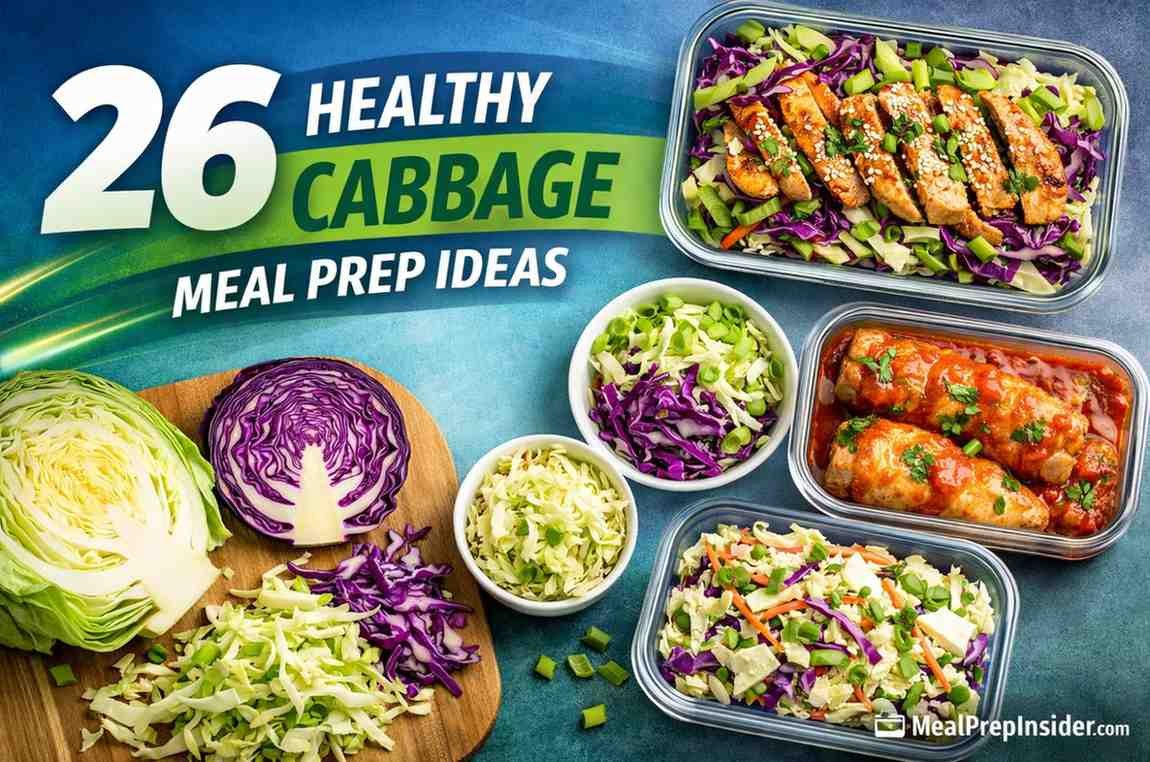
Cabbage meal prep ideas are taking over kitchen counters across America, and for good reason. This humble vegetable sits in your fridge for weeks, costs practically nothing, and transforms into everything from crispy tacos to comforting soups. While everyone else rushes to the grocery store for expensive salad mixes that wilt overnight, you’re about to discover how one simple head of cabbage can fuel an entire week of meals.
Here’s the thing most meal preppers won’t tell you.
Cabbage doesn’t get enough credit. It’s crunchy. It’s versatile. It stays fresh when everything else in your vegetable drawer turns to mush. And unlike its trendy vegetable cousins like kale or Brussels sprouts, cabbage won’t drain your wallet.
Think about it. You’ve probably walked past cabbage dozens of times at the store, dismissing it as boring or old-fashioned. Meanwhile, you’re spending fifteen dollars on pre-cut vegetables that go bad in three days. That stops today.
This guide hands you 26 cabbage meal prep ideas that actually taste good, keep well, and work for real life. No fancy equipment. No ingredient lists that read like a chemistry textbook. Just straightforward recipes that make meal prepping feel less like a chore and more like a strategy for winning at adulting.
Let’s get into it.
Why Cabbage Dominates the Meal Prep Game
Before jumping into recipes, you need to understand why cabbage deserves a permanent spot in your meal prep rotation.
First, the cost factor. A head of cabbage typically runs between one to three dollars, depending on the variety and where you live. That single head gives you roughly eight to ten cups of vegetables. Compare that to pre-bagged lettuce or specialty greens, and the savings become obvious.
Second, shelf life. Cabbage laughs in the face of time. Store it properly in your crisper drawer, and it’ll last three weeks, sometimes longer. This longevity means you can buy it during your monthly shopping trip without worrying about it becoming compost before you use it.
Third, nutritional density. One cup of raw cabbage delivers vitamin C, vitamin K, fiber, and various antioxidants while containing only about 22 calories. It supports gut health, fights inflammation, and provides nutrients your body genuinely needs.
Fourth, versatility. You can eat cabbage raw, fermented, sautéed, roasted, steamed, or grilled. It works in Asian stir-fries, European stews, American coleslaws, and Mexican street tacos. Few vegetables adapt to this many cuisines without losing their identity.
Fifth, texture variation. Depending on how you prepare it, cabbage can be crunchy, tender, silky, or crispy. This textural flexibility keeps your meals interesting throughout the week.
The Different Cabbage Varieties You Should Know
Not all cabbage is created equal. Understanding the differences helps you pick the right type for each recipe.
Green Cabbage
The standard workhorse. Dense, slightly peppery, and available everywhere. Best for coleslaw, stir-fries, and soups.
Red Cabbage
Similar texture to green but with a slightly earthier flavor. The purple color adds visual appeal to meal prep containers. Works beautifully in slaws and pickled preparations.
Napa Cabbage
Longer, more delicate leaves with a milder, sweeter taste. Popular in Asian cuisines. Cooks faster than round cabbages.
Savoy Cabbage
Crinkled, tender leaves with a subtle flavor. Perfect for dishes where you want the cabbage to melt into the background.
Meal Prep Fundamentals for Cabbage Success
Proper preparation makes the difference between cabbage that stays crisp all week and cabbage that turns into a soggy mess by Wednesday.
Storage Techniques
Keep raw shredded cabbage in airtight containers with a paper towel at the bottom to absorb excess moisture. It’ll stay crunchy for up to five days.
Cooked cabbage stores well for four to five days when cooled completely before refrigerating. Keep it in glass containers to prevent lingering odors.
Cutting Methods
Shred cabbage for slaws and stir-fries using a knife, mandoline, or food processor. Thin strips cook faster and distribute more evenly through dishes.
Chop into chunks for soups and braises where you want the cabbage to maintain some structure during cooking.
Flavor Boosting
Cabbage absorbs flavors beautifully. Salt it lightly and let it sit for 10 minutes before cooking to draw out moisture and concentrate its natural sweetness.
Pair it with bold flavors like garlic, ginger, vinegar, soy sauce, or spicy peppers to create depth.

The 26 Healthy Cabbage Meal Prep Ideas
Now, for what you came here for. These recipes cover breakfast through dinner, with options for different dietary preferences and cooking skill levels.
1. Classic Asian Chicken Cabbage Bowl
Stir-fried ground chicken with shredded cabbage, carrots, and a ginger-soy glaze. Prep the protein and vegetables separately, then combine when reheating. Serves over brown rice or cauliflower rice.
Nutrition per serving: approximately 320 calories, 28g protein, 25g carbs, 12g fat.
2. Cabbage Egg Roll in a Bowl
All the flavors of an egg roll without the wrapper. Ground pork or turkey, coleslaw mix, garlic, ginger, and sesame oil come together in under 20 minutes. Prep five servings on Sunday, and you’ve got lunch sorted.
3. Unstuffed Cabbage Roll Casserole
Traditional stuffed cabbage takes hours. This version layers everything in a baking dish. Ground beef, rice, tomato sauce, and chopped cabbage bake together into comfort food heaven. Portions beautifully into meal prep containers.
4. Korean-Inspired Beef and Cabbage
Thinly sliced beef marinated in a Korean-style sauce with cabbage, bell peppers, and green onions. The cabbage stays slightly crispy, providing textural contrast to the tender beef.
5. Cabbage and Sausage Skillet
Smoked sausage, cabbage, and potatoes make a hearty one-pan meal. The sausage fat flavors the cabbage as everything cooks together. Reheats exceptionally well.
6. Thai Peanut Cabbage Salad with Grilled Chicken
Shredded cabbage, carrots, edamame, and grilled chicken with a creamy peanut dressing. Keep the dressing separate until eating to maintain crunch. The cabbage actually gets better as it marinates slightly.
7. Cabbage and White Bean Soup
A vegetarian protein powerhouse. White beans, cabbage, tomatoes, and Italian herbs simmer into a filling soup. Freezes well for up to three months.
8. Fish Tacos with Cabbage Slaw
Season and bake white fish, then prep a quick lime-cilantro cabbage slaw separately. Assemble tacos fresh throughout the week. The slaw stays crispy for days.
9. Shredded Cabbage Breakfast Hash
Diced sweet potatoes, cabbage, onions, and bell peppers topped with a fried egg. Prep the vegetable base, then add a fresh egg each morning.
10. Cabbage Fried Rice
Replace half the rice with finely chopped cabbage to increase volume and nutrients while cutting calories. Add scrambled eggs, peas, carrots, and soy sauce.
11. Mediterranean Cabbage Salad
Chopped cabbage, cucumbers, tomatoes, chickpeas, feta cheese, and a lemon-oregano dressing. Keeps well because cabbage doesn’t wilt like lettuce.
12. Cabbage and Turkey Meatball Soup
Lean turkey meatballs, cabbage, carrots, and celery in a light broth. Hearty enough to satisfy but light on calories.
13. Sesame Ginger Cabbage with Tofu
Baked tofu cubes and cabbage tossed in a sesame ginger sauce. A vegan-friendly option that provides complete protein when served with quinoa.
14. Cabbage Fajita Bowls
Seasoned chicken or steak with sautéed cabbage and peppers. Top with salsa, guacamole, and a small amount of cheese. The cabbage provides that satisfying crunch usually missing from fajita bowls.
15. Braised Cabbage with Apples and Bacon
Sweet and savory combine in this side-dish-turned-main. The apples caramelize slightly while the bacon adds smokiness. Pairs with roasted chicken or pork.
16. Cabbage Pad Thai
Traditional Pad Thai uses minimal vegetables. This version bulks up with cabbage and bean sprouts, stretching the noodles further while adding nutrition.
17. Cabbage and Ground Beef Stir-Fry
Simple but effective. Ground beef, cabbage, onions, and a simple sauce make an affordable, high-protein meal. Mix it up with different seasonings each week.
18. Lentil and Cabbage Curry
Red lentils and cabbage simmer in coconut milk with curry spices. Vegetarian, filling, and budget-friendly. The lentils break down to create a thick, satisfying sauce.
19. Cabbage Burrito Bowls
Seasoned black beans, brown rice, roasted cabbage, corn, and pico de gallo. Roasting the cabbage brings out natural sweetness and reduces the sulfur flavor some people dislike.
20. Japanese Okonomiyaki-Inspired Cabbage Pancakes
Shredded cabbage mixed into a simple batter, pan-fried, and topped with sauce. Prep the pancakes, then reheat in a skillet to restore crispiness.
21. Cabbage and Quinoa Power Bowl
Quinoa, roasted chickpeas, shredded cabbage, avocado, and tahini dressing. The components store separately, maintaining their individual textures.
22. Pulled Pork with Vinegar Cabbage Slaw
Slow-cooked pulled pork paired with a tangy vinegar-based cabbage slaw. The acidity cuts through the richness of the pork.
23. Cabbage and Shrimp Stir-Fry
Quick-cooking shrimp with cabbage, snap peas, and garlic. Prep the vegetables and marinate the shrimp, then the stir-fry takes only minutes.
24. Creamy Cabbage and Mushroom Pasta
Sautéed cabbage and mushrooms in a light cream sauce over whole wheat pasta. The cabbage adds bulk without overwhelming the dish.
25. Cabbage Soup with Italian Sausage
Spicy Italian sausage, cabbage, tomatoes, and Italian seasonings create a soup that tastes better the next day as flavors meld.
26. Asian Cabbage Salad with Ramen Noodles
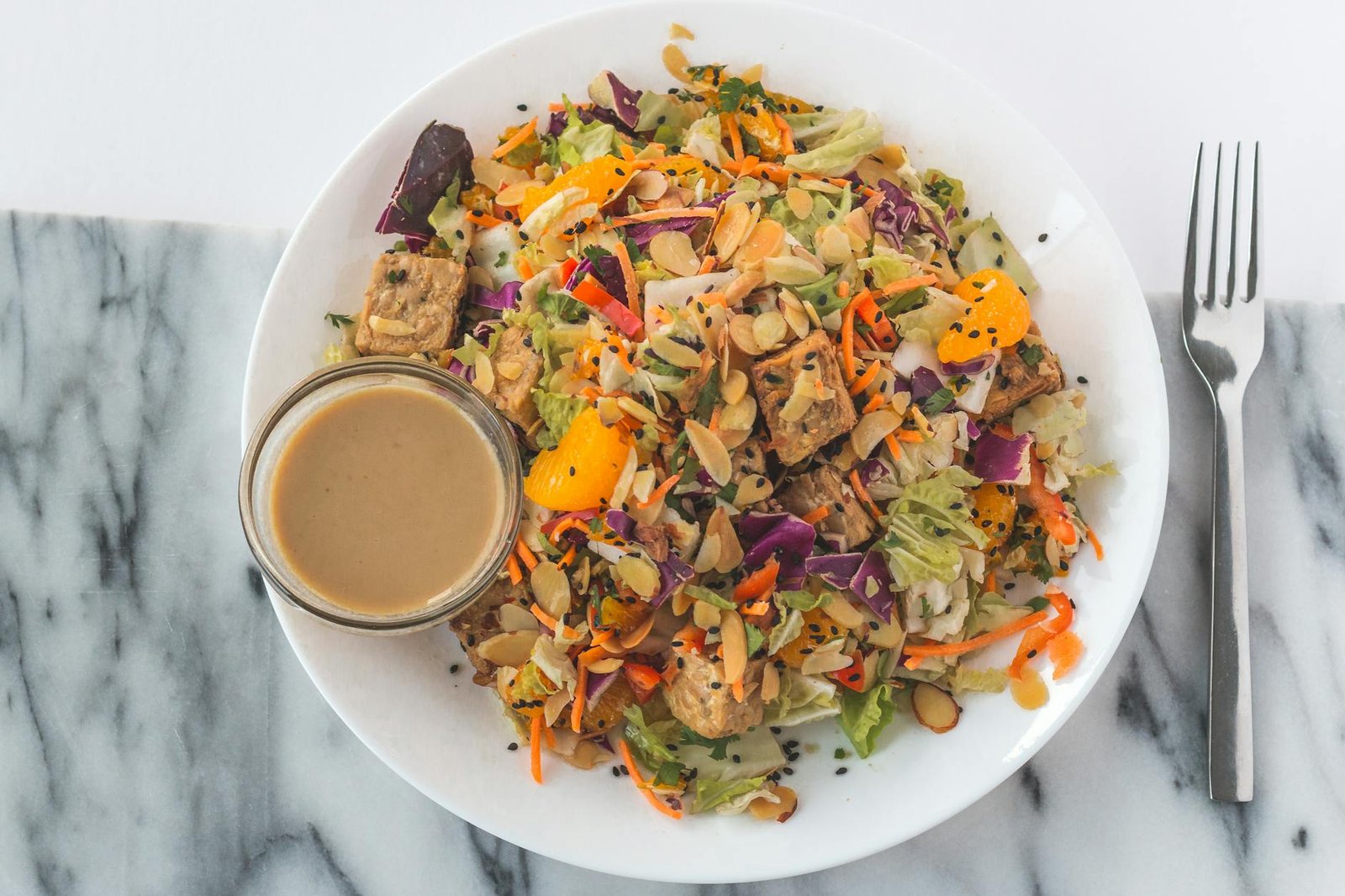
Crunchy cabbage salad with broken ramen noodles, almonds, and a sweet-tangy dressing. Keep the noodles separate until serving to maintain their crunch.
Nutritional Benefits That Matter
Understanding what cabbage brings to your plate helps you appreciate why it’s worth incorporating regularly.
| Nutrient | Amount per Cup | Why It Matters |
|---|---|---|
| Vitamin C | 32.6mg (36% DV) | Immune support, collagen production |
| Vitamin K | 67.6mcg (56% DV) | Blood clotting, bone health |
| Folate | 38.3mcg | Cell division, DNA synthesis |
| Fiber | 2.2g | Digestive health, satiety |
| Calcium | 32.6mg | Bone health |
Cabbage also contains sulforaphane, an antioxidant compound studied for its potential cancer-fighting properties. While no single food prevents disease, including antioxidant-rich vegetables, supports overall health.
The fiber content helps with satiety, making cabbage-based meals filling without excessive calories. This quality makes it valuable for anyone managing their weight.
Pitfalls to Sidestep When Meal Prepping Cabbage
Even with the best intentions, certain mistakes can turn your cabbage meal prep from success to disaster.
Overcooking During Initial Prep
Since you’ll reheat meals throughout the week, slightly undercook cabbage during the initial preparation. It’ll finish cooking when you reheat, preventing mushiness.
Drowning It in Dressing Too Early
Raw cabbage salads handle dressing better than lettuce, but they still have limits. Add heavy dressings the night before at the earliest, or keep them separate entirely.
Ignoring the Sulfur Smell
Cooking cabbage produces sulfur compounds that smell unpleasant when overcooked. Shorter cooking times and proper ventilation solve this issue. Adding acid, like lemon juice or vinegar, also helps neutralize odors.
Using Only One Variety
Relying exclusively on green cabbage means missing out on flavor variations. Rotate between green, red, and Napa cabbage to prevent palate fatigue.
Forgetting to Season Properly
Cabbage has a mild flavor that needs enhancement. Underseasoning results in bland meals that you’ll dread eating by midweek. Salt, acid, and fat bring cabbage to life.
Not Accounting for Volume Reduction
Raw cabbage cooks down significantly. What looks like enough to feed an army might yield only a few servings. Plan accordingly when meal prepping.
Making Cabbage Appeal to Picky Eaters
Getting your family on board with cabbage meal prep sometimes requires a strategy.
Start with familiar flavors. If your household loves tacos, begin with cabbage slaw on taco night rather than introducing a completely unfamiliar cabbage dish.
Camouflage is your friend. Finely shredded cabbage mixed into ground meat dishes goes largely unnoticed while boosting nutrition.
Texture matters tremendously. Some people dislike mushy cooked cabbage but enjoy it raw and crunchy. Others prefer it tender and sweet from roasting. Experiment to find what works.
Involve family members in preparation. People eat more willingly when they’ve helped create the meal. Let kids tear cabbage leaves, or older children practice knife skills with chopping.
Don’t force it. If cabbage truly doesn’t work for someone despite multiple attempts with different preparations, that’s fine. Plenty of other vegetables exist.
Adapting These Ideas for Different Diets
The beauty of cabbage lies in its adaptability to various eating patterns.
For Keto Dieters
Cabbage fits perfectly into low-carb eating. Focus on recipes with fatty proteins like sausage, bacon, or salmon. Skip rice-based bowls in favor of straight vegetable-protein combinations.
For Vegetarians and Vegans
Substitute plant-based proteins like tofu, tempeh, beans, or lentils in any recipe calling for meat. Many cabbage dishes are naturally vegetarian or require minimal modification.
For Paleo Followers
Cabbage is Paleo-approved. Stick with recipes that avoid grains, legumes, and dairy. The Asian-inspired dishes and simple sautés work particularly well.
For Gluten-Free Needs
Most cabbage recipes are naturally gluten-free or easily modified. Just watch soy sauce (use tamari instead) and check that any prepared sauces don’t contain gluten-containing thickeners.
RELATED POST >> 47 Easy Costco Meal Prep Ideas for the Week
Time-Saving Strategies for Cabbage Prep
Efficiency determines whether meal prep becomes a sustainable habit or an abandoned New Year’s resolution.
Buy Pre-Shredded When It Makes Sense
Yes, pre-shredded cabbage costs more per pound. But if the convenience means you’ll use it instead of letting a whole head rot in your fridge, it’s worth the premium.
Invest in the Right Tools
A sharp chef’s knife makes cabbage prep faster and safer. A mandoline creates uniform shreds in seconds. A food processor with a slicing disk handles large quantities effortlessly.
Prep Components, Not Just Complete Meals
Instead of assembling five identical bowls, prepare components separately. Cook your protein, prepare your cabbage base, and make your sauce. Mix and match throughout the week for variety without extra work.
Double Your Batches
Cooking takes roughly the same time whether you’re making four servings or eight. Double recipes and freeze half for those weeks when you can’t find time to meal prep.
Use One Pot When Possible
The cabbage and sausage skillet, unstuffed cabbage rolls, and various soups minimize dishes while creating complete meals.
Shopping and Storage Guidelines
Smart shopping sets you up for meal prep success before you even start cooking.
Selecting Quality Cabbage
Choose heads that feel heavy for their size, indicating dense leaves with high moisture content. The outer leaves should be crisp without wilting, browning, or major blemishes.
Small cracks in the stem end are normal and don’t affect quality. However, avoid cabbage with soft spots or strong odors.
Optimal Storage Conditions
Keep whole cabbage heads in the crisper drawer, loosely wrapped in plastic. They’ll last three to four weeks under proper conditions.
Once cut, wrap the remaining cabbage tightly in plastic wrap or store it in an airtight container. Use within one week for the best quality.
Cooked cabbage belongs in sealed containers in the refrigerator. It maintains quality for four to five days.
Freezing Guidelines
Raw cabbage doesn’t freeze well due to its high water content. It becomes mushy when thawed.
Blanched cabbage freezes adequately for use in cooked dishes. Blanch for 90 seconds, shock in ice water, drain thoroughly, and freeze in portions.
Cooked cabbage dishes freeze well for up to three months. Cool completely before freezing, and leave headspace for expansion.
Budget Breakdown: The Economics of Cabbage Meal Prep
Let’s talk numbers because meal prep often stems from financial necessity as much as health goals.
A standard green cabbage weighing about two pounds costs roughly two dollars. That cabbage yields approximately eight cups of shredded vegetables.
Compare this to:
- Pre-washed salad mix: six dollars for five cups
- Fresh broccoli florets: four dollars for three cups
- Bell peppers: five dollars for three cups
The cost per cup for cabbage comes to about 25 cents. Other vegetables range from 80 cents to over one dollar per cup.
For a week of lunches (five meals), using two cups of cabbage per meal costs about two dollars and fifty cents total. The same volume of mixed greens would run twelve dollars or more.
Add a pound of ground meat, some rice or beans, and basic seasonings, and you’re feeding yourself hearty lunches for under fifteen dollars for the week. Restaurant lunches in most U.S. cities run ten to fifteen dollars per meal, totaling fifty to seventy-five dollars weekly.
The savings become substantial over time. If meal prepping saves you forty dollars weekly, that’s over two thousand dollars annually.
Flavor Combinations That Transform Basic Cabbage
Understanding which flavors complement cabbage helps you create satisfying meals rather than boring ones.
Cabbage loves acid. Vinegar, lemon juice, lime juice, and fermentation all enhance cabbage’s natural flavor while cutting any bitterness.
Fat carries flavor. Olive oil, sesame oil, butter, bacon fat, and coconut oil help cabbage absorb and distribute seasonings.
Umami creates depth. Soy sauce, fish sauce, miso, anchovies, and Parmesan cheese add savory complexity that makes cabbage dishes crave-worthy.
Sweetness balances. A touch of honey, maple syrup, apple, or caramelized onion plays against cabbage’s slight bitterness.
Heat cuts through. Red pepper flakes, sriracha, fresh chilies, or black pepper add dimension and make cabbage-heavy meals more interesting.
Aromatics build a foundation. Garlic, ginger, onions, and scallions create aromatic bases that elevate simple preparations.
Troubleshooting Common Cabbage Cooking Issues
Even experienced cooks encounter problems. Here’s how to solve them.
Problem: Cabbage tastes bitter
Solution: Remove the tough core, which concentrates bitter compounds. Add acid and a touch of sweetness. Don’t overcook, as this intensifies bitterness.
Problem: Cabbage releases too much water
Solution: Salt, shred raw cabbage, and let it sit for 10 minutes. Squeeze out excess moisture before cooking. This technique works particularly well for stir-fries and slaws.
Problem: Cooked cabbage turns mushy
Solution: Cut cabbage into larger pieces, reduce cooking time, or cook at a higher heat. Stir-frying and roasting maintain better texture than boiling or steaming.
Problem: The smell is overwhelming
Solution: Don’t overcook. Use adequate ventilation. Add lemon juice or vinegar to the cooking water. Clean your kitchen immediately after cooking to prevent lingering odors.
Problem: Family complains it’s boring
Solution: Change your preparation method. If you’ve been serving boiled cabbage, try roasting it. Vary your seasonings. Mix cabbage with other vegetables rather than serving it solo.
Seasonal Considerations for Cabbage Meal Prep
While cabbage is available year-round, understanding seasonal patterns helps you get the best quality and price.
Fall and Winter
Peak season for most cabbage varieties. Prices drop, and quality peaks. Stock up during these months. Heartier, warming cabbage dishes like soups and braises feel more appealing in cold weather.
Spring
Early spring cabbage tends to be tender and sweet. Lighter preparations like slaws and quick sautés work well as the weather warms.
Summer
Not peak season, but cabbage still performs well. Focus on cold preparations like slaws and pickled cabbage to complement grilled proteins.
Scaling Recipes for Different Household Sizes
These recipes adapt easily, whether you’re cooking for one or feeding a family.
Single Person Meal Prep
Prepare full recipes and freeze half, or cut recipes in half. Focus on dishes that don’t bore you by day five. Variety matters more when cooking for one.
Couples
Standard recipes typically serve four to six, perfect for three days of dinners or a week of lunches. Coordinate meal planning so both people enjoy what’s prepared.
Families with Kids
Double or triple recipes, portioning some for adults and some for kids. Consider making one adventurous cabbage dish for adults and one familiar preparation that kids will accept.
Involve children in preparation to increase buy-in. Even young kids can tear cabbage leaves or help measure ingredients.
Advanced Techniques for Cabbage Enthusiasts
Once you’ve mastered basic cabbage meal prep, these techniques add sophistication.
Fermenting Your Own Sauerkraut
Homemade sauerkraut requires only cabbage and salt. Shred cabbage, massage with salt, pack into jars, and let ferment for one to four weeks. You’ll save money compared to store-bought versions while controlling sodium and flavor.
Quick Pickling for Variety
Quick-pickled cabbage adds tangy crunch to bowls and sandwiches. Combine shredded cabbage with vinegar, a touch of sugar, and spices. It’s ready in an hour and lasts two weeks refrigerated.
Charring for Depth
Cut cabbage into thick wedges, brush with oil, and char on the grill or under the broiler. The caramelization creates complex flavors unattainable through other cooking methods.
Cabbage “Steaks”
Slice cabbage into thick rounds, roast at high heat until the edges crisp and the interior turns tender. Serves as a vegetarian main course or substantial side dish.
FAQ Section
How long does meal-prepped cabbage last in the refrigerator?
Raw shredded cabbage stays fresh for five to seven days when stored properly in an airtight container with a paper towel to absorb moisture. Cooked cabbage dishes last four to five days refrigerated. Always cool food completely before refrigerating and store in glass or BPA-free plastic containers.
Can you freeze cabbage meal prep?
Most cooked cabbage dishes freeze well for up to three months. Soups, casseroles, and braised cabbage freeze particularly successfully. Raw cabbage doesn’t freeze well due to its high water content, but blanched cabbage works for cooked applications after thawing. Cool dishes completely, portion into freezer-safe containers, label with dates, and freeze promptly.
Does cabbage lose nutrients when meal prepped?
Some nutrient loss occurs with any food storage, but cabbage retains most of its nutritional value throughout a typical meal prep week. Vitamin C decreases slightly over time and with cooking, but fiber, minerals, and other vitamins remain stable. Eating meal-prepped cabbage is far more nutritious than skipping vegetables entirely because fresh ones weren’t available.
Why does my cabbage smell bad when cooking?
Cabbage contains sulfur compounds that are released during cooking, creating an unpleasant odor. Overcooking intensifies this smell. To minimize odor, don’t overcook, ensure proper kitchen ventilation, cook at higher temperatures for shorter times, and add acidic ingredients like lemon juice or vinegar. Clean cooking surfaces immediately after preparing cabbage to prevent lingering smells.
Is cabbage good for weight loss?
Cabbage supports weight management as part of a balanced diet. It’s low in calories (about 22 per cup raw), high in fiber (promoting fullness), and has high water content (increasing volume without adding calories). However, no single food causes weight loss. Sustainable weight management requires overall dietary patterns, physical activity, and lifestyle factors.
What’s the difference between green and purple cabbage nutritionally?
Red (purple) cabbage contains all the nutrients found in green cabbage plus anthocyanins, the antioxidant compounds that create its color. These anthocyanins provide additional anti-inflammatory benefits. Red cabbage typically contains more vitamin C and vitamin A than green varieties. Both are nutritious choices, so select based on preference and recipe needs.
Can you eat cabbage raw every day?
Eating raw cabbage daily is safe for most people and provides beneficial nutrients and fiber. However, people with thyroid conditions should consult healthcare providers, as raw cruciferous vegetables contain compounds that can interfere with thyroid function when consumed in very large quantities. Cooking deactivates these compounds. For most people, varying preparation methods provides both raw and cooked benefits.
How do you prevent cabbage from getting soggy in meal prep?
Store dressings and sauces separately from raw cabbage until ready to eat. For cooked cabbage, slightly undercook during initial preparation since reheating continues the cooking process. Remove excess moisture by salting and draining shredded cabbage before cooking. Store meal prep containers in the refrigerator, not at room temperature, and use airtight containers to prevent moisture accumulation.
What proteins pair best with cabbage?
Cabbage pairs beautifully with ground meats (beef, turkey, pork, chicken), sausages, bacon, fish (especially white fish and salmon), shrimp, tofu, tempeh, beans, and lentils. Its mild flavor and sturdy texture complement both delicate and robust proteins. The key is matching cooking methods—quick-cooking proteins work with lightly cooked cabbage, while tougher cuts benefit from long braises with cabbage.
Is coleslaw healthy for meal prep?
Coleslaw can be healthy depending on the dressing. Traditional mayonnaise-based coleslaws are higher in calories and fat but provide satisfaction and help absorb fat-soluble vitamins. Vinegar-based slaws are lower in calories. Both versions offer the nutritional benefits of raw cabbage. For meal prep, vinegar-based slaws maintain texture better over several days. Make coleslaw healthier by using Greek yogurt instead of mayonnaise or reducing added sugar.
Does cooking cabbage reduce its health benefits?
Cooking affects different nutrients differently. Heat reduces vitamin C content but makes some beneficial compounds more bioavailable. Fiber remains intact regardless of cooking method. Light cooking methods like steaming and stir-frying preserve more nutrients than boiling, where nutrients leach into cooking water. Including both raw and cooked cabbage in your meal prep provides a range of nutritional benefits.
What’s the best way to cut cabbage for meal prep?
The cutting method depends on your recipe. For slaws and stir-fries, thin shreds work best. Quarter the cabbage, remove the core, and slice thinly with a sharp knife or mandoline. For soups and braises, rough chops work well. For roasting, thick wedges or steaks maintain structure. Always use a sharp knife to prevent crushing the cabbage, which releases excess moisture and creates bruising.
Cabbage meal prep doesn’t require culinary school credentials or a pantry full of exotic ingredients. It needs only willingness to experiment with an underappreciated vegetable that’s been feeding people affordably for centuries.
Start with one or two recipes from this list. See how your household responds. Adjust seasonings to match your preferences. Before long, you’ll wonder why you ever overlooked this meal prep powerhouse.
Your wallet will thank you. Your body will thank you. And when friends complain about their soggy, expensive salad greens, you’ll smile knowing your cabbage is still perfectly crisp on day five.
SUGGESTED POST >> Easy Broccolini Meal Prep: Sheet Pan Recipes: Eat Clean Now