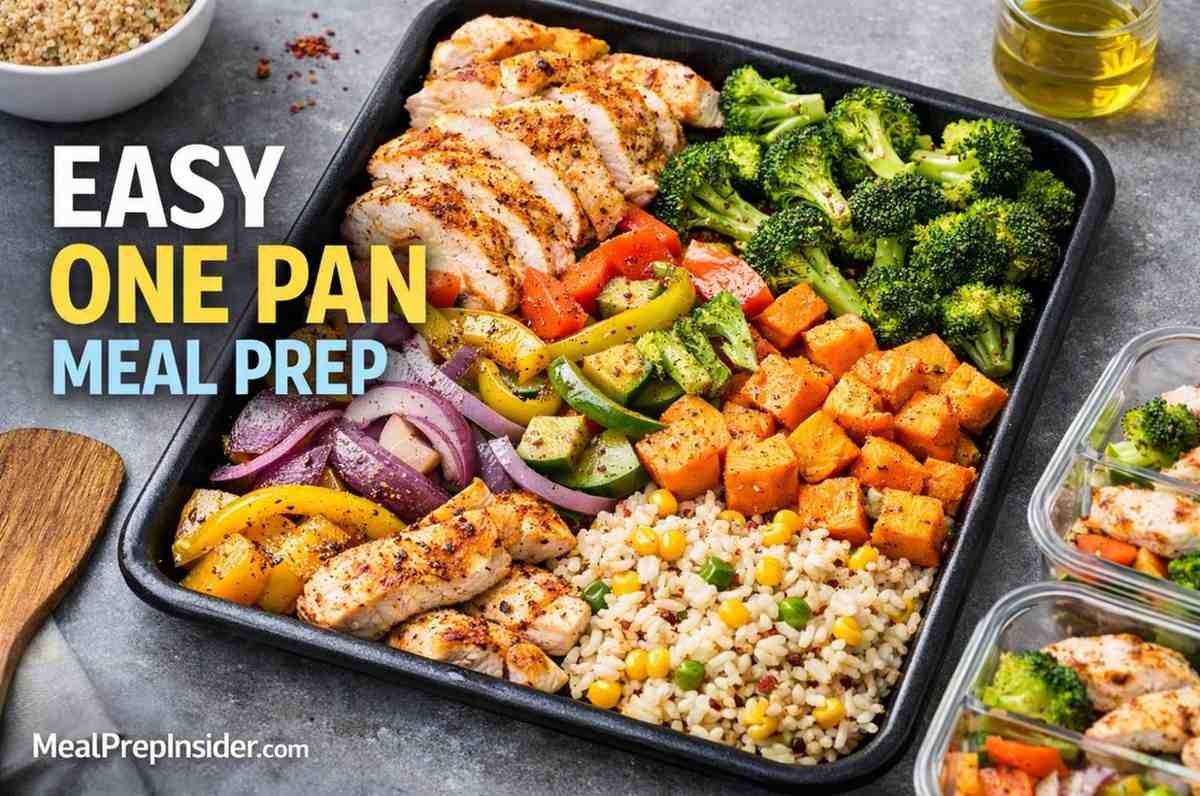
Easy one pan meal prep changed my entire relationship with weeknight cooking, and I’m betting it’ll do the same for you.
Think about this for a second. You drag yourself home after work. Hungry. Tired. The last thing you want is a sink full of dishes staring you down while you’re still chewing your dinner.
That ends now.
What if I told you that cooking delicious, nutritious meals doesn’t require an arsenal of pots, pans, cutting boards, and mixing bowls? What if the secret to staying consistent with healthy eating wasn’t willpower but simply reducing the friction between you and a good meal?
That’s exactly what we’re diving into.
This isn’t about shortcuts that sacrifice flavor. This isn’t about eating the same bland chicken and rice every day. This is about real food that tastes incredible, saves you hours each week, and keeps cleanup so simple you’ll genuinely wonder why you ever cooked any other way.
Stay with me. We’re about to transform how you think about meal prep.
Why Easy One Pan Meal Prep Works So Well
The genius lies in simplicity.
When you eliminate variables, you eliminate stress. One pan means one temperature zone to monitor. One surface to season. One thing to wash later.
But there’s more to it than convenience. These meals genuinely work better because ingredients cook together, sharing flavors in ways that compartmentalized cooking never achieves. That chicken thigh dripping its fat onto the Brussels sprouts below? That’s not a mess. That’s flavor engineering.
The psychological benefit matters too. When meal prep feels like a massive production, you skip it. You order takeout instead. But when you know you can have six meals ready in under an hour with minimal cleanup, you’re far more likely to follow through.
Consistency beats perfection every time.
The Foundation: What You Need to Get Started
Let’s talk equipment first because choosing the right pan makes everything easier.
Sheet Pans
The workhorse of one pan cooking. Get two half-sheet pans (18×13 inches). They fit standard ovens, provide enough space to spread ingredients without crowding, and they’re ridiculously affordable.
Look for heavy-duty aluminum with a rim. The cheap thin ones warp at high heat, and your food slides everywhere. Not fun.
Cast Iron Skillets
A 12-inch cast-iron skillet is basically a cheat code for delicious food. It goes from stovetop to oven seamlessly, retains heat like nothing else, and develops better flavor over time.
If you’re new to cast iron, ignore the intimidation. Seasoning isn’t rocket science. Use it often, don’t soak it overnight, and it’ll outlive you.
Roasting Pans
For bigger batches or whole proteins with vegetables, a proper roasting pan with a rack gives you options. The rack elevates proteins so air circulates underneath, giving you crispy skin and perfectly cooked vegetables below.
Essential Tools Beyond Pans
- Silicone baking mats or parchment paper for easy cleanup
- A quality chef’s knife (you’ll be chopping)
- Measuring spoons and cups
- Tongs and a fish spatula
- Meal prep containers (glass or BPA-free plastic)
The Formula for Perfect One Pan Meals
Here’s what most people miss: successful one pan meals follow a pattern.
Once you understand this formula, you can improvise endlessly without following recipes.
Protein + Vegetable + Starch + Fat + Seasoning = Complete Meal
Sounds basic, right? But the magic happens when you understand timing and temperature.
Different ingredients need different cooking times. Potatoes take longer than asparagus. Chicken breasts cook faster than bone-in thighs. The solution isn’t using different pans. It’s strategic placement and staggered timing.
Start your long-cooking items first. Add quicker-cooking ingredients partway through. Everything finishes together, perfectly done, in one pan.
Temperature and Timing Guide
This table removes the guesswork:
| Ingredient Type | Temperature | Approximate Time | Notes |
|---|---|---|---|
| Bone-in chicken thighs | 425°F | 35-40 minutes | Skin side up for crispy finish |
| Chicken breasts | 400°F | 20-25 minutes | Pound to even thickness |
| Salmon fillets | 400°F | 12-15 minutes | Pat dry, don’t overcook |
| Pork chops | 400°F | 15-20 minutes | Brine for juiciness |
| Sausages | 400°F | 25-30 minutes | Rotate halfway |
| Potatoes (cubed) | 425°F | 25-30 minutes | Cut ¾-inch pieces |
| Sweet potatoes | 425°F | 20-25 minutes | Cut slightly smaller |
| Brussels sprouts | 425°F | 20-25 minutes | Halved, cut side down |
| Broccoli florets | 425°F | 15-20 minutes | Don’t overcrowd |
| Cauliflower | 425°F | 25-30 minutes | Gets beautifully caramelized |
| Bell peppers | 425°F | 15-20 minutes | Cut into strips |
| Green beans | 425°F | 15-18 minutes | Trim ends |
| Zucchini | 425°F | 12-15 minutes | Cut thick to prevent mushiness |
Five Battle-Tested One Pan Meal Prep Recipes
These recipes feed you for days and scale easily based on your needs.
Mediterranean Chicken with Vegetables
This is flavor-packed and ridiculously forgiving.
Ingredients:
- 6 bone-in, skin-on chicken thighs
- 1 pound baby potatoes, halved
- 1 red onion, cut into wedges
- 2 bell peppers, cut into strips
- 1 pint cherry tomatoes
- 4 cloves garlic, smashed
- ¼ cup olive oil
- 2 tablespoons lemon juice
- 1 tablespoon dried oregano
- 1 teaspoon paprika
- Salt and black pepper
Instructions:
Preheat to 425°F. Toss potatoes with half the olive oil, salt, and pepper. Spread on a sheet pan. Roast for 10 minutes while you prep everything else.
Mix remaining olive oil, lemon juice, oregano, paprika, salt, and pepper. Coat chicken thighs thoroughly.
Pull the pan out. Add onions, peppers, tomatoes, and garlic around the potatoes. Nestle chicken thighs on top, skin side up.
Back in the oven. Roast 30-35 minutes until the chicken hits 165°F internally and the skin crisps up beautifully.
Divide into containers. This keeps for four days easily.
Sheet Pan Fajita Bowl
Texmex flavors without the cleanup nightmare.
Ingredients:
- 1.5 pounds of flank steak or chicken breast, sliced thin
- 3 bell peppers (multiple colors), sliced
- 1 large onion, sliced
- 1 can black beans, drained and rinsed
- 2 cups cooked rice (prepare separately or use pre-cooked)
- 3 tablespoons olive oil
- 2 tablespoons fajita seasoning
- Juice of 2 limes
- Fresh cilantro
- Optional toppings: salsa, avocado, cheese
Instructions:
Mix olive oil, fajita seasoning, and lime juice. Toss with sliced protein until coated. Let it sit while you prep vegetables.
Spread peppers and onions across a sheet pan. Drizzle with a bit of oil, salt, and pepper.
Roast vegetables at 425°F for 10 minutes. They get a head start since protein cooks faster.
Add the seasoned protein to the pan, spreading everything in a single layer. Roast another 12-15 minutes until the protein is cooked and the vegetables are nicely charred.
Toss black beans in during the last 5 minutes just to warm them.
Build your bowls: rice base, protein and vegetable mixture on top, your favorite toppings.
Italian Sausage and Vegetables
Comfort food that preps beautifully.
Ingredients:
- 6 Italian sausages (sweet or hot, your call)
- 1.5 pounds baby potatoes, quartered
- 1 pound green beans, trimmed
- 1 red onion, cut into wedges
- 4 cloves garlic, minced
- 3 tablespoons olive oil
- 1 tablespoon Italian seasoning
- ½ teaspoon red pepper flakes
- Salt and pepper
Instructions:
Preheat oven to 400°F.
Toss potatoes with olive oil, Italian seasoning, garlic, salt, and pepper. Spread on a sheet pan. Roast 15 minutes.
Add sausages and onions to the pan. Roast another 15 minutes.
Add green beans and red pepper flakes. Toss everything together. Roast for the final 10-12 minutes.
The sausage fat flavors everything. The potatoes get crispy. The green beans stay slightly snappy.
Perfect meal prep. Reheat portions throughout the week.
Asian-Inspired Salmon and Broccoli
Light but satisfying with bold flavors.
Ingredients:
- 4 salmon fillets (6 ounces each)
- 1 pound broccoli florets
- 1 red bell pepper, sliced
- 3 tablespoons soy sauce
- 2 tablespoons honey
- 1 tablespoon sesame oil
- 1 tablespoon rice vinegar
- 2 cloves garlic, minced
- 1 teaspoon fresh ginger, grated
- Sesame seeds and green onions for garnish
Instructions:
Whisk together soy sauce, honey, sesame oil, rice vinegar, garlic, and ginger.
Toss broccoli and bell pepper with half the sauce. Spread on a sheet pan lined with parchment.
Roast at 400°F for 10 minutes.
Place salmon fillets in the pan. Brush with remaining sauce.
Roast another 12-15 minutes until salmon flakes easily.
Garnish with sesame seeds and sliced green onions.
Pair with rice or quinoa prepared separately.
Southwest Chicken with Sweet Potatoes
Slightly sweet, slightly spicy, completely addictive.
Ingredients:
- 6 chicken breasts, pounded to even thickness
- 2 large sweet potatoes, cubed
- 1 can black beans, drained
- 1 cup corn (frozen works fine)
- 1 red onion, diced
- 3 tablespoons olive oil
- 2 tablespoons chili powder
- 1 tablespoon cumin
- 1 teaspoon garlic powder
- ½ teaspoon cayenne (adjust to taste)
- Salt and pepper
- Fresh cilantro and lime wedges
Instructions:
Preheat to 400°F.
Toss sweet potatoes with olive oil, half the spices, salt, and pepper. Spread on a sheet pan. Roast 15 minutes.
Season chicken breasts with remaining spices.
Add chicken, onions, black beans, and corn to the pan. Arrange so that everything has pan contact.
Roast 20-25 minutes until chicken reaches 165°F internally.
Squeeze fresh lime over everything. Top with cilantro.
This combo of flavors keeps your taste buds interested all week.
Strategic Seasoning: Beyond Salt and Pepper
Seasoning makes or breaks meal prep.
When you’re eating the same base ingredients multiple days, seasoning variety prevents boredom.
Build a Core Spice Collection
These thirteen seasonings cover most flavor profiles:
- Garlic powder
- Onion powder
- Paprika (both sweet and smoked)
- Cumin
- Chili powder
- Oregano
- Thyme
- Rosemary
- Italian seasoning
- Curry powder
- Red pepper flakes
- Black pepper
- Sea salt
Pre-Made Blends Save Time
No shame in quality pre-mixed seasonings. Look for options without excessive sodium or weird additives.
Fajita seasoning, everything bagel seasoning, ranch seasoning packets, lemon pepper, cajun blends—all legitimate shortcuts that deliver consistent results.
Finishing Touches Matter
Don’t underestimate fresh herbs, citrus zest, or a drizzle of quality olive oil added after cooking. These bright, fresh elements elevate meal prep from “edible and convenient” to “genuinely delicious.”
Meal Prep Strategy: Plan Once, Eat All Week
Random cooking isn’t meal prep. It’s just cooking.
Real meal prep requires intention.
The Sunday Strategy
Most people find Sunday works best for batch cooking. You prep once and coast through the busy workweek.
Pick two different one pan meals. Make double batches. That gives you variety without cooking every night.
For example: Mediterranean chicken on one sheet pan, fajita bowls on another. Both in the oven simultaneously if your timing works out.
Boom. Ten meals are ready.
The Protein Rotation
Eating chicken every day gets old fast.
Rotate proteins weekly: chicken one week, pork the next, then fish, then beef or plant-based options. Same vegetables, different proteins, completely different eating experience.
Vegetable Variety Prevents Burnout
Keep your vegetable rotation interesting. Don’t default to the same three options constantly.
Try this monthly rotation:
Week 1: Broccoli, bell peppers, onions
Week 2: Brussels sprouts, sweet potatoes, cauliflower
Week 3: Green beans, zucchini, cherry tomatoes
Week 4: Asparagus, mushrooms, carrots
Same effort, maximum variety.
RELATED POST >> Top 10 Macro Meal Prep Recipes Made Easy for Busy Lifestyle
Storage and Reheating for Best Results
You prepped beautiful meals. Don’t ruin them with poor storage.
Container Selection
Glass containers beat plastic for reheating. They don’t stain, don’t absorb odors, and go straight from fridge to microwave safely.
Get several sizes. Single-serving containers for grab-and-go lunches. Larger containers for family dinners.
Proper Cooling Prevents Sogginess
Let food cool 10-15 minutes before sealing containers. Hot food creates condensation that makes everything soggy.
For crispy items like roasted vegetables, store slightly underdone. They’ll finish cooking when reheated and maintain better texture.
Separation Strategy
Keep proteins and vegetables together, but store wet ingredients separately.
For fajita bowls, keep salsa and avocado separate until eating. For Asian dishes, add sauce when reheating rather than coating everything beforehand.
Freezer-Friendly Options
Most one pan meals freeze beautifully for 2-3 months.
Cool completely. Portion into freezer-safe containers or heavy-duty freezer bags. Label with contents and date.
Thaw overnight in the fridge before reheating.
Reheating Without Drying Out
Microwave: Add a tablespoon of water or broth, cover loosely, and heat in 60-second intervals.
Oven: Reheat at 350°F, covered with foil, about 15-20 minutes for refrigerated meals.
Stovetop: Best for maintaining texture. Add a bit of oil or butter to a pan, heat over medium, stirring occasionally.
Pitfalls to Sidestep
Let’s talk about where people typically stumble.
Overcrowding the Pan
When ingredients touch too much, they steam instead of roasting. You get pale, sad vegetables instead of caramelized deliciousness.
Use two pans if needed. The slight extra cleanup beats disappointing food.
Skipping the Parchment or Oil
Food sticks. You spend twenty minutes scrubbing. Your sheet pan develops permanent stains.
Line pans with parchment or silicone mats. Or use enough oil. In the future, you will be grateful.
Cutting Vegetables Inconsistently
A half-inch piece of potato and a two-inch chunk don’t cook at the same rate. You’ll have some pieces burnt while others remain raw.
Take thirty extra seconds. Cut things uniformly.
Forgetting to Pat Protein Dry
Wet chicken skin doesn’t crisp. Wet salmon creates steam pockets.
Grab paper towels. Pat everything dry before seasoning. This simple step dramatically improves results.
Not Rotating the Pan
Ovens have hot spots. The back corner cooks faster than the front edge.
Halfway through cooking, rotate your pan 180 degrees. Everything finishes more evenly.
Using Low Temperatures
Roasting at 350°F won’t give you the caramelization and texture you want. Most vegetables and proteins do best at 400-425°F.
Higher heat equals better flavor development.
Budget-Friendly One Pan Meal Prep
Quality food doesn’t require a massive budget.
Strategic Protein Choices
- Chicken thighs cost less than breasts and taste better
- Pork shoulder is cheap and becomes incredibly tender when roasted
- Whole chickens broken down yourself save serious money
- Canned fish (salmon, sardines, tuna) works great for some recipes
- Eggs are still the most affordable protein available
Seasonal Vegetables Win
Out-of-season asparagus costs three times more than in-season options. Buy what’s abundant and cheap right now.
Frozen vegetables are legitimately nutritious and often cheaper than fresh. They’re already prepped, too.
Buy in Bulk
Sheet pan meals use ingredients in quantities that make bulk buying worthwhile. A five-pound bag of potatoes, a large pack of chicken thighs, and family packs of vegetables.
The per-unit cost drops significantly.
Shop Sales and Freeze
When chicken goes on sale, buy extra. Prep multiple batches. Freeze portions.
Your grocery budget smooths out month-to-month instead of spiking randomly.
Adapting for Dietary Needs
One pan meal prep works for virtually any eating style.
Keto and Low-Carb
Skip the potatoes, rice, and starchy vegetables. Load up on proteins, fatty cuts, cheese, and low-carb vegetables like cauliflower, zucchini, and leafy greens.
The formula stays the same. Just swap ingredients.
Vegetarian and Vegan
Replace animal proteins with tofu, tempeh, chickpeas, or hearty vegetables like portobello mushrooms and cauliflower steaks.
Increase healthy fats from nuts, seeds, and avocado to keep meals satisfying.
Paleo
Focus on grass-fed meats, wild-caught fish, and abundant vegetables. Use compliant fats like ghee, coconut oil, and avocado oil.
Swap regular potatoes for sweet potatoes. Skip beans and grains.
Whole30
Similar to paleo but stricter. No added sugar, no legumes, no dairy.
The recipes above adapt easily by removing non-compliant ingredients and using approved alternatives.
Scaling Up or Down
The beauty of this approach is flexibility.
Cooking for One
Use a quarter sheet pan or an 8×8 baking dish. Halve recipes. You’ll still get 3-4 meals from one prep session.
Feeding a Family
Double everything. Use multiple sheet pans simultaneously. If your oven can fit two pans side by side, you’re cooking for a family of six with basically the same effort as cooking for two.
Meal Prep for Athletes or High Activity
Increase portion sizes. Add extra starches. Include more calorie-dense ingredients like nuts, seeds, and fattier proteins.
The template adjusts to your needs without requiring completely different methods.
Time-Saving Shortcuts That Don’t Sacrifice Quality
Efficiency matters when you’re already busy.
Pre-Prepped Vegetables
Yes, pre-cut vegetables cost more. If the upcharge means you genuinely meal prep instead of ordering takeout, it’s worth every penny.
Do the math on your time value and choose accordingly.
Quality Frozen Options
Frozen riced cauliflower, frozen vegetable medleys, frozen pre-cooked grains—all legitimate time savers.
You’re still cooking real food. You’re just eliminating some prep steps.
Batch Seasoning
Mix large batches of your favorite seasoning combinations. Store in jars. Grab and sprinkle without measuring individual spices every time.
The Assembly Line Approach
When prepping multiple sheet pans, work assembly-line style. Chop all proteins first. Then all vegetables. Then seasoning. Then assembly.
This focused approach beats jumping between tasks randomly.
Advanced Techniques for Next-Level Results
Once you’ve mastered the basics, these techniques add polish.
The Reverse Sear
For thick proteins, start them at a lower temperature (275°F) until almost done. Crank the heat to 450°F for the last few minutes.
You get edge-to-edge perfect doneness with a beautifully seared exterior.
Marinades and Dry Brines
Thirty minutes in a marinade or a dry brine (just salt) the night before dramatically improves flavor and texture.
Minimal extra effort for significant payoff.
Strategic Fat Placement
Place fattier proteins over vegetables that benefit from rendered fat. Bacon over Brussels sprouts. Chicken thighs over potatoes. Sausages over peppers.
Everything self-bastes as it cooks.
The Broiler Finish
After roasting, hit everything with 2-3 minutes under the broiler for extra caramelization and crispy bits.
Watch carefully so nothing burns.
Mix and Match Template
Here’s your formula for infinite variety:
Pick one from each category:
Proteins:
- Chicken (thighs, breasts, drumsticks)
- Pork (chops, tenderloin, sausages)
- Beef (sirloin, flank steak)
- Fish (salmon, cod, tilapia)
- Shrimp
- Tofu or tempeh
Vegetables (choose 2-3):
- Potatoes or sweet potatoes
- Broccoli or cauliflower
- Bell peppers
- Onions
- Brussels sprouts
- Green beans
- Zucchini or squash
- Carrots
- Asparagus
- Mushrooms
Flavor Profiles:
- Italian (oregano, basil, garlic, tomatoes)
- Mexican (cumin, chili powder, lime, cilantro)
- Asian (soy sauce, ginger, sesame, garlic)
- Mediterranean (lemon, oregano, olives, feta)
- BBQ (paprika, brown sugar, apple cider vinegar)
- Cajun (cayenne, paprika, thyme, garlic)
Literally hundreds of combinations from this simple framework.
Troubleshooting Common Issues
Vegetables Keep Burning
Lower your oven rack position. The closer to the heating element, the more intense the heat.
Or reduce the temperature by 25°F and add a few minutes to the cooking time.
Chicken is Dry
You’re overcooking it. Use a meat thermometer. Pull chicken at 160°F. It’ll coast to 165°F while resting.
Or switch to thighs, which are more forgiving.
Everything Tastes Bland
You’re under-seasoning. Be generous with salt and spices. Food needs more seasoning than you think.
Also, add acid (lemon juice, vinegar) and fresh herbs after cooking.
Food is Soggy Instead of Crispy
You’re overcrowding the pan or using too much liquid.
Space things out. Pat ingredients dry. Use high heat.
Timing is Always Off
Keep notes on what works in YOUR oven. Every oven runs slightly differently.
After a few attempts, you’ll dial in perfect timing for your specific equipment.
Making It Sustainable Long-Term
Meal prep fails when it becomes a chore you dread.
Start Small
Don’t commit to prepping every meal for the week right away. Start with lunches only. Or just dinners.
Build the habit gradually.
Embrace Imperfection
Some weeks you’ll nail it. Other weeks, you’ll barely manage one batch.
That’s fine. One prepped meal beats zero prepped meals.
Keep It Interesting
Try one new recipe or ingredient every few weeks. Boredom kills consistency faster than anything.
Build in Flexibility
Don’t meal prep so rigidly that you can’t enjoy spontaneous dinners out or social events.
This is a tool, not a prison.
Frequently Asked Questions
How long do one pan meals last in the fridge?
Most cooked proteins and vegetables stay good for 4-5 days when stored properly in airtight containers. If you’re prepping for longer than that, freeze portions after day three.
Can I prep ingredients ahead and cook later?
Absolutely. Chop vegetables and store in containers. Season proteins and refrigerate in zip-top bags. When ready to cook, just dump on pans and roast. This works great for people who prefer fresh-cooked meals but want to eliminate the tedious prep work.
What’s the best way to prevent sticking without parchment paper?
Generously oil your pan or use a silicone baking mat. You can also season sheet pans like cast iron over time, building up a natural nonstick surface.
How do I keep vegetables from getting mushy when reheating?
Store vegetables slightly undercooked. Reheat at higher temperatures for shorter times. The stovetop method works best for maintaining texture compared to the microwave.
Can I use aluminum foil instead of parchment?
Yes, but food may stick more, and acidic ingredients can react with aluminum. If using foil, coat it lightly with oil or cooking spray first.
What if I don’t have an oven?
Use a large skillet or electric griddle. The principle stays the same—start long-cooking items first, add quick-cooking items later. You’ll need to stir occasionally since the heat comes from one direction.
Do I need to flip vegetables during cooking?
Usually not if they’re in a single layer with cut sides down. If you want extra browning on multiple sides, flip halfway through cooking time.
How do I prevent cross-contamination with raw meat?
Keep raw proteins on one side of your prep area. Wash your hands after handling. Use separate cutting boards for proteins and vegetables. Once everything is cooking, high heat kills surface bacteria.
Can I cook frozen vegetables in the same pan?
Frozen vegetables release more moisture, which can create steam and prevent browning. Thaw and pat dry first, or add frozen vegetables later in the cooking process so excess moisture evaporates.
What’s the best protein for meal prep beginners?
Bone-in, skin-on chicken thighs. They’re forgiving, flavorful, inexpensive, and nearly impossible to dry out. Perfect for building confidence.
How do I make crispy potatoes every time?
Cut uniformly, toss with enough oil, spread in a single layer without touching, and roast at 425°F. Don’t stir them too much—let them develop that golden crust before flipping.
Should I bring meal prep to room temperature before reheating?
Not necessary from a food safety standpoint, but it helps food reheat more evenly. If you have time, pull containers from the fridge 15-20 minutes before reheating.
Your Next Steps
You’ve got the knowledge. Time to use it.
Start with one recipe this week. Just one. The Mediterranean chicken or the fajita bowls. Something that sounds genuinely good to you.
Prep it on Sunday. Eat it on Monday and Tuesday. Notice how much easier those evenings feel.
Then try a second recipe next week. Then maybe prep two different meals.
Before you know it, easy one pan meal prep becomes your default. Not because you’re forcing yourself, but because it genuinely makes life better.
The dishes barely pile up. The food tastes great. You save money compared to takeout. You eat healthier without suffering through boring diet food.
And honestly? That’s the point of all this.
Not perfection. Not Instagram-worthy meal prep photos. Just making it easier to feed yourself well on a regular basis.
So grab a sheet pan and get started. Your future self is going to thank you.
SUGGESTED POST >> Easy Whole30 Meal Prep Ideas for Busy Weeks