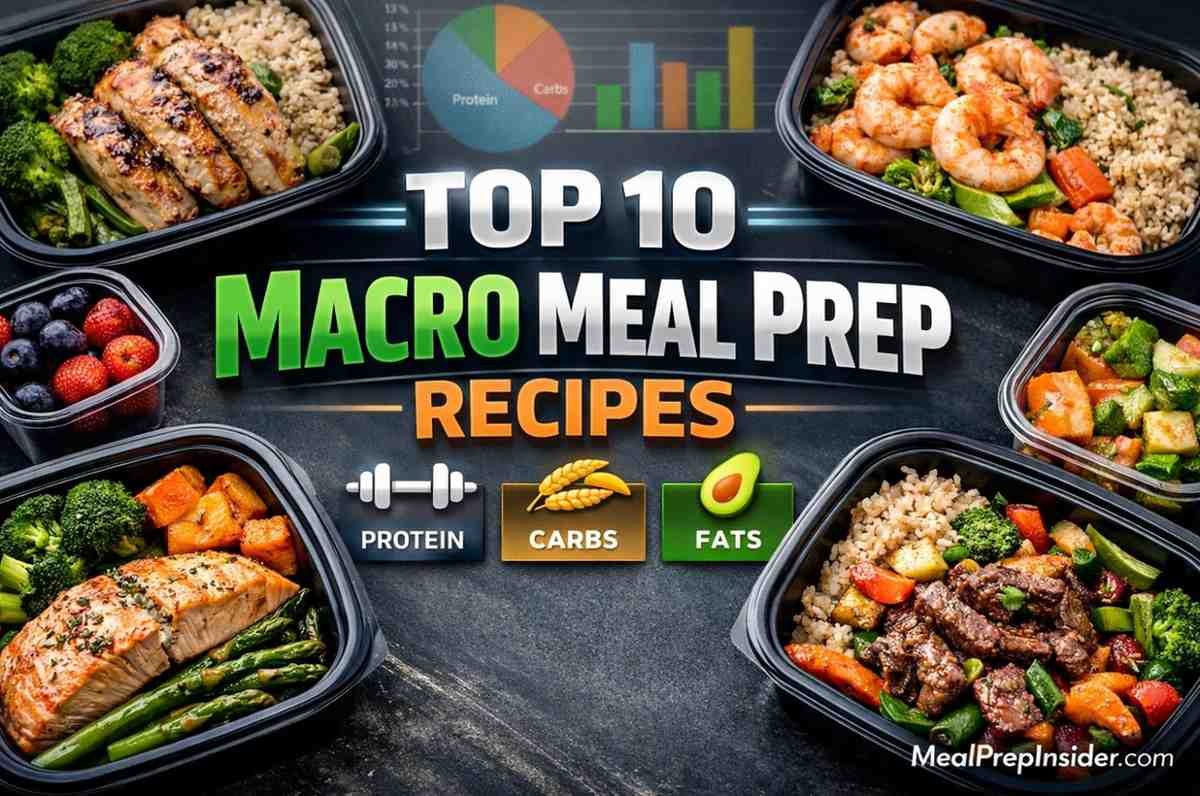
Top 10 macro meal prep recipes are transforming how Americans eat, and honestly, most people are doing it completely wrong.
You know that feeling when you’re starving at 2 PM, staring into your fridge, and nothing looks remotely appealing? Yeah, that’s the problem we’re solving today. But here’s the twist—we’re not just throwing random chicken and broccoli into containers and calling it a day.
What if I told you that counting macros doesn’t mean eating bland, boring food for seven days straight? Could you prepare meals that genuinely excite you while hitting your protein, carb, and fat targets with precision?
Stay with me here. Because the recipes you’re about to discover aren’t the same recycled nonsense you’ve seen everywhere else. We’re going deep into combinations that taste incredible, keep you full, and support whatever goal you’re chasing—whether that’s building muscle, losing fat, or just eating like an actual functioning adult.
Let’s get into it.
Why Macro Meal Prep Actually Works
The science is simple. When you control your macronutrients, you control your results. Period.
But here’s what most blogs won’t tell you: meal prepping isn’t about perfection. It’s about removing the decision fatigue that makes you order DoorDash at 9 PM because you’re too tired to think. When your meals are ready, portioned, and waiting in the fridge, you’re already three steps ahead.
The average American spends over 37 minutes daily just deciding what to eat. That’s not cooking time. That’s pure decision-making paralysis. Multiply that by seven days, and you’ve wasted over four hours just thinking about food.
Macro tracking eliminates guesswork. Meal prep eliminates excuses.
Together? That’s when transformation happens.
What Makes These 10 Recipes Different
Every recipe in this guide hits three non-negotiable criteria:
- Balanced macronutrient profiles (with variations for different goals)
- Preparation time under 90 minutes for the full batch
- Storage life of at least 4-5 days without getting disgusting
We’re skipping the recipes that sound great in theory but turn into soggy nightmares by Wednesday. These are battle-tested, fridge-proven winners that people genuinely want to eat on Day 5.
No fluff. No filler. Just food that works.
Recipe 1: Korean Beef Bowl with Cauliflower Rice
This one hits different.
The sweet and savory combo makes your taste buds forget you’re eating something “healthy.” Ground beef keeps the cost down while delivering serious protein, and cauliflower rice slashes carbs without sacrificing volume.
Macro Breakdown (per serving):
- Calories: 385
- Protein: 34g
- Carbs: 18g
- Fat: 19g
What You Need:
- 2 lbs lean ground beef (90/10)
- 4 cups riced cauliflower
- 1/4 cup coconut aminos or low-sodium soy sauce
- 3 tablespoons brown sugar (or alternative sweetener)
- 2 tablespoons sesame oil
- 4 cloves garlic, minced
- 1 tablespoon fresh ginger, grated
- 2 cups shredded carrots
- Green onions for garnish
- Sesame seeds
The Method:
Brown the ground beef in a large skillet over medium-high heat. Break it apart well—nobody wants giant beef chunks. Drain excess fat if needed, but keep some for flavor.
Toss in the garlic and ginger. Let them bloom for about 30 seconds until your kitchen smells incredible.
Mix the coconut aminos, brown sugar, and sesame oil in a small bowl. Pour over the beef and stir. Let it simmer for 3-4 minutes until the sauce thickens slightly.
In a separate pan, sauté the cauliflower rice with a bit of oil for 5-6 minutes. You want it tender but not mushy. Add the shredded carrots in the last minute.
Divide the cauliflower rice into five containers. Top with the beef mixture. Garnish with green onions and sesame seeds.
Pro Tip: If you want more carbs, swap half the cauliflower rice for white or brown rice. This bumps the carbs to about 35g per serving.
Recipe 2: Honey Mustard Chicken with Sweet Potato and Green Beans
Classic for a reason.
This combination never gets old because the honey mustard glaze adds just enough sweetness to make everything interesting. Sweet potatoes give you clean, sustained energy. Green beans add crunch and fiber.
Macro Breakdown (per serving):
- Calories: 425
- Protein: 42g
- Carbs: 38g
- Fat: 9g
What You Need:
- 2.5 lbs boneless, skinless chicken breast
- 3 large sweet potatoes, cubed
- 1 lb fresh green beans, trimmed
- 1/3 cup Dijon mustard
- 3 tablespoons honey
- 2 tablespoons olive oil
- 1 tablespoon apple cider vinegar
- Salt, pepper, and garlic powder to taste
The Method:
Preheat your oven to 425°F.
Cut chicken breasts into even portions—roughly 6-7 ounces each. Season with salt, pepper, and garlic powder.
Whisk together the mustard, honey, olive oil, and apple cider vinegar in a bowl. Set aside half for later.
Arrange sweet potato cubes on a baking sheet. Drizzle with a bit of oil and season. Roast for 25 minutes.
While that’s going on, heat a large oven-safe skillet over medium-high heat. Sear the chicken for 2-3 minutes per side until golden. Brush with half the honey mustard glaze.
Transfer the skillet to the oven. Bake for 12-15 minutes until the chicken reaches 165°F internally.
Steam or sauté green beans until tender-crisp—about 6-8 minutes.
Portion everything into containers. Drizzle the remaining honey mustard over the chicken.
Storage Note: Keep the sauce separate if you prefer less soggy chicken. Just add it when you reheat.
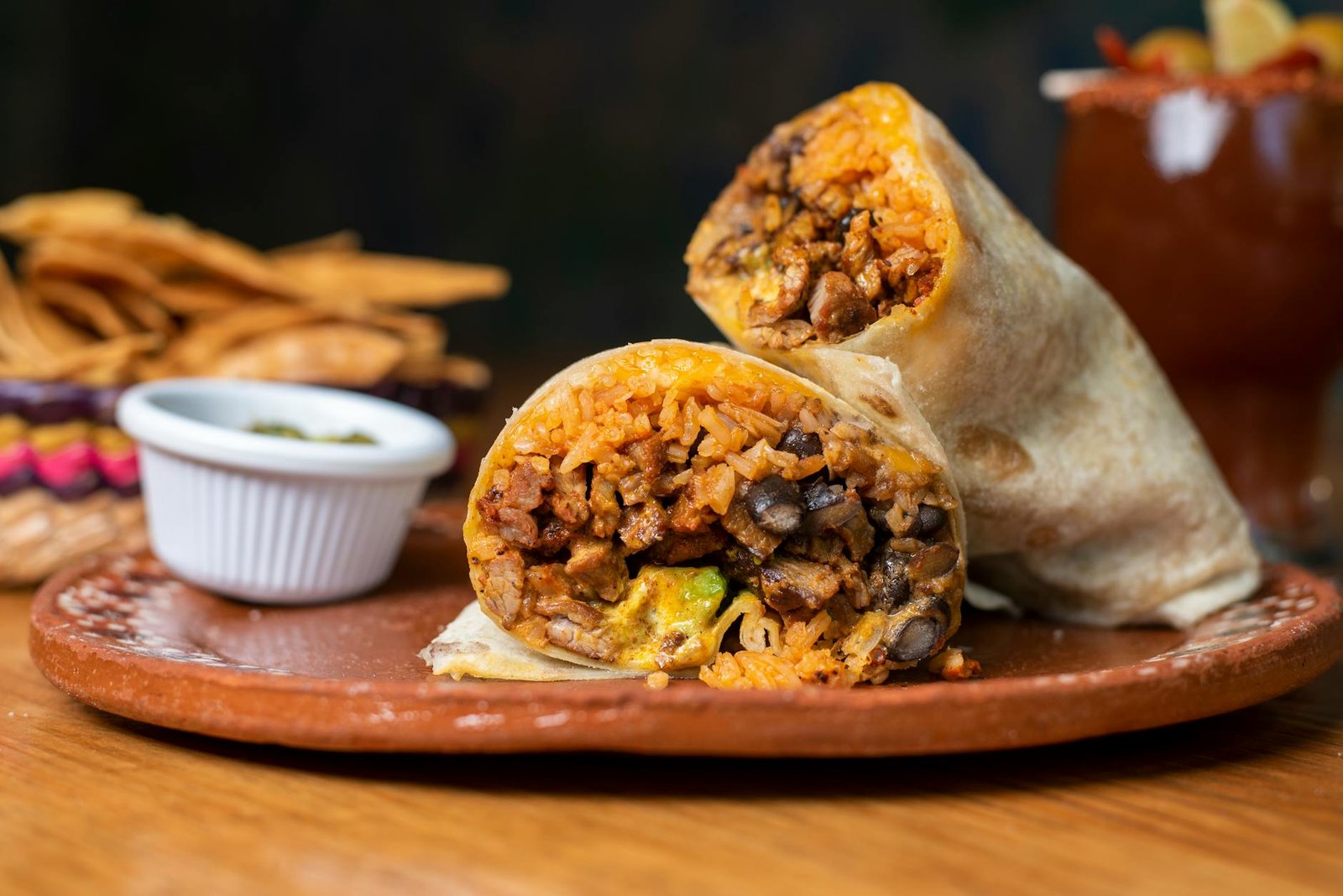
Recipe 3: Chipotle-Style Carnitas Burrito Bowl
Restaurant-quality food at meal prep prices.
Slow-cooked pork that falls apart with a fork. Cilantro-lime rice that tastes better than the chain version. All the fixings you want without the $12 price tag or mystery ingredients.
Macro Breakdown (per serving):
- Calories: 465
- Protein: 38g
- Carbs: 42g
- Fat: 14g
What You Need:
- 3 lbs pork shoulder, trimmed and cut into chunks
- 2 cups brown rice (uncooked)
- 1 can black beans, drained and rinsed
- 1 cup corn kernels
- 2 oranges, juiced
- 4 cloves garlic, smashed
- 2 tablespoons cumin
- 1 tablespoon oregano
- 2 teaspoons smoked paprika
- Fresh cilantro
- 2 limes
The Method:
Season pork chunks generously with cumin, oregano, paprika, salt, and pepper. Let it sit for 10 minutes.
Place pork in a slow cooker. Add orange juice and smashed garlic. Cook on low for 7-8 hours or high for 4-5 hours. The pork should shred easily with two forks.
While the pork cooks, prepare brown rice according to package directions. Once done, stir in chopped cilantro and the juice of one lime.
Shred the pork and return it to the cooking liquid. Let it absorb those juices for 10 minutes.
Heat black beans and corn together in a saucepan with a pinch of cumin.
Build your bowls: rice base, beans and corn, shredded pork, additional toppings if desired.
Customization Options:
Want lower carbs? Cut the rice in half and add extra lettuce. Need more fat? Add a quarter avocado to each serving. Chasing higher protein? Increase the pork to 4 lbs.
Recipe 4: Mediterranean Baked Salmon with Quinoa and Roasted Vegetables
Omega-3 powerhouse meets meal prep efficiency.
Salmon intimidates people because they think it’s complicated. It’s not. This recipe takes 20 minutes of active time and delivers restaurant-quality results every single time.
Macro Breakdown (per serving):
- Calories: 445
- Protein: 36g
- Carbs: 34g
- Fat: 18g
What You Need:
- 2 lbs salmon fillet, cut into 5 portions
- 1.5 cups quinoa (uncooked)
- 2 zucchini, sliced
- 1 red bell pepper, chopped
- 1 pint cherry tomatoes
- 1/4 cup Kalamata olives, sliced
- 3 tablespoons olive oil
- 2 lemons
- Fresh dill
- Garlic powder, salt, pepper
The Method:
Cook quinoa according to package instructions. Fluff with a fork and set aside.
Preheat oven to 400°F.
Arrange zucchini, bell pepper, and cherry tomatoes on a baking sheet. Drizzle with olive oil and season. Roast for 20 minutes.
Pat salmon portions dry. Season with salt, pepper, and garlic powder.
Place salmon on a separate baking sheet lined with parchment paper. Top each piece with lemon slices and fresh dill.
Bake salmon for 12-15 minutes, depending on thickness. You want it just cooked through, still moist in the center.
Divide quinoa into containers. Add roasted vegetables and olives. Place salmon on top.
Critical Mistake to Sidestep:
Don’t overcook the salmon. It continues cooking even after you remove it from the oven. Better to undercook slightly than create salmon jerky.
Recipe 5: Turkey Taco Lettuce Wraps with Cilantro-Lime Cauliflower Rice
Low-carb meets high-flavor.
When you need to drop carbs but refuse to sacrifice satisfaction, this is your answer. The seasoning blend makes ground turkey taste way better than it has any right to, and the freshness factor stays strong all week.
Macro Breakdown (per serving):
- Calories: 285
- Protein: 32g
- Carbs: 12g
- Fat: 12g
What You Need:
- 2.5 lbs ground turkey (93/7)
- 5 cups riced cauliflower
- 1 can black beans, drained
- 2 tablespoons taco seasoning (homemade preferred)
- 1 cup salsa
- Fresh cilantro
- 2 limes
- Romaine lettuce hearts
- Optional: Greek yogurt, hot sauce, shredded cheese
The Method:
Brown the ground turkey in a large skillet over medium heat. Break it up as it cooks.
Add taco seasoning and 1/2 cup water. Simmer until the liquid reduces and the turkey is well-coated.
Stir in salsa and black beans. Cook for another 5 minutes.
In another pan, sauté cauliflower rice with a bit of oil for 5-6 minutes. Remove from heat and stir in chopped cilantro and lime juice.
Separate romaine leaves for wrapping. Store these separately from the hot ingredients.
Pack containers with the turkey mixture and cauliflower rice. Keep lettuce leaves in a different container or bag.
Assembly Note:
Don’t assemble these until you’re ready to eat. Keep components separate to avoid soggy lettuce. Takes 30 seconds to put together when it’s time.
Recipe 6: Teriyaki Chicken Thighs with Broccoli and Brown Rice
Thighs over breasts. Fight me.
Chicken thighs stay juicy throughout the week, pack more flavor, and cost less. The teriyaki glaze makes meal prep feel like takeout, minus the guilt and sodium bomb.
Macro Breakdown (per serving):
- Calories: 485
- Protein: 36g
- Carbs: 45g
- Fat: 16g
What You Need:
- 2.5 lbs boneless, skinless chicken thighs
- 2 cups brown rice (uncooked)
- 1.5 lbs broccoli florets
- 1/2 cup low-sodium soy sauce
- 3 tablespoons honey
- 2 tablespoons rice vinegar
- 1 tablespoon sesame oil
- 3 cloves garlic, minced
- 1 tablespoon cornstarch
- Sesame seeds for garnish
The Method:
Cook brown rice according to package directions. Set aside.
Trim any excess fat from chicken thighs and cut into bite-sized pieces.
Whisk together soy sauce, honey, rice vinegar, sesame oil, and garlic in a bowl.
Heat a large skillet over medium-high heat. Cook chicken pieces until browned and cooked through—about 8-10 minutes.
Mix cornstarch with 2 tablespoons of water to create a slurry. Add the teriyaki sauce to the chicken, then stir in the cornstarch mixture. Let it simmer for 2-3 minutes until thickened.
Steam broccoli until tender-crisp, about 5-7 minutes.
Divide rice into containers. Add broccoli and top with teriyaki chicken. Sprinkle sesame seeds over each portion.
Flavor Hack:
Add a pinch of red pepper flakes to the sauce if you want heat. Completely changes the vibe without changing the macros.
Recipe 7: Beef and Vegetable Stir-Fry with Jasmine Rice
Fast. Simple. Delicious.
Stir-fry is the ultimate meal prep hack because you can use whatever vegetables are on sale, and it still comes out great. The key is high heat and not overcrowding your pan.
Macro Breakdown (per serving):
- Calories: 455
- Protein: 35g
- Carbs: 48g
- Fat: 12g
What You Need:
- 2 lbs flank steak or sirloin, thinly sliced
- 2 cups jasmine rice (uncooked)
- 2 cups snap peas
- 2 bell peppers, sliced
- 1 large onion, sliced
- 3 cups broccoli florets
- 4 tablespoons oyster sauce
- 2 tablespoons soy sauce
- 2 tablespoons vegetable oil
- 4 cloves garlic, minced
- 1 tablespoon fresh ginger, minced
The Method:
Cook jasmine rice and set aside.
Slice beef against the grain into thin strips. This keeps it tender.
Heat a wok or large skillet over high heat. Add half the oil.
Working in batches (don’t crowd the pan), sear the beef for 2-3 minutes. Remove and set aside.
Add remaining oil. Toss in the hardest vegetables first—broccoli and snap peas. Stir-fry for 3 minutes.
Add bell peppers and onions. Cook for another 2 minutes.
Return beef to the pan. Add garlic, ginger, oyster sauce, and soy sauce. Everything should sizzle and come together in about 2 minutes.
Portion rice into containers and top with the stir-fry mixture.
Time-Saver:
Use pre-cut stir-fry vegetables from the grocery store. Costs a bit more but cuts prep time in half.
RELATED POST >> Anti-Inflammatory Meal Prep for the Week: 7-Day Best Options
Recipe 8: Greek Chicken Bowl with Tzatziki and Couscous
Mediterranean vibes without the vacation prices.
The tzatziki sauce makes this recipe. Creamy, tangy, and packed with flavor that improves over a few days as the garlic mellows out. These bowls taste better on Day 3 than on Day 1.
Macro Breakdown (per serving):
- Calories: 420
- Protein: 40g
- Carbs: 38g
- Fat: 10g
What You Need:
- 2.5 lbs chicken breast
- 2 cups pearl couscous (uncooked)
- 2 cucumbers, diced
- 2 cups cherry tomatoes, halved
- 1 red onion, thinly sliced
- 1 cup Greek yogurt (plain, non-fat)
- 1 cucumber for tzatziki, grated and drained
- 3 cloves garlic, minced
- Fresh dill
- Lemon juice
- Dried oregano
- Kalamata olives (optional)
The Method:
Season chicken breasts with oregano, salt, pepper, and lemon juice. Let marinate for 15 minutes if possible.
Grill or bake chicken at 375°F for 20-25 minutes until the internal temp hits 165°F. Let rest, then slice.
Cook pearl couscous according to package directions. Fluff and set aside.
For tzatziki: Grate cucumber and squeeze out excess moisture using a towel. Mix with Greek yogurt, minced garlic, chopped dill, lemon juice, salt, and pepper. Refrigerate.
Prep your vegetables—dice cucumbers, halve tomatoes, slice onions.
Build bowls: couscous base, sliced chicken, fresh vegetables, and a generous dollop of tzatziki. Add olives if you want extra flavor and healthy fats.
Storage Wisdom:
Keep tzatziki in separate small containers. Add it just before eating to maintain the best texture.
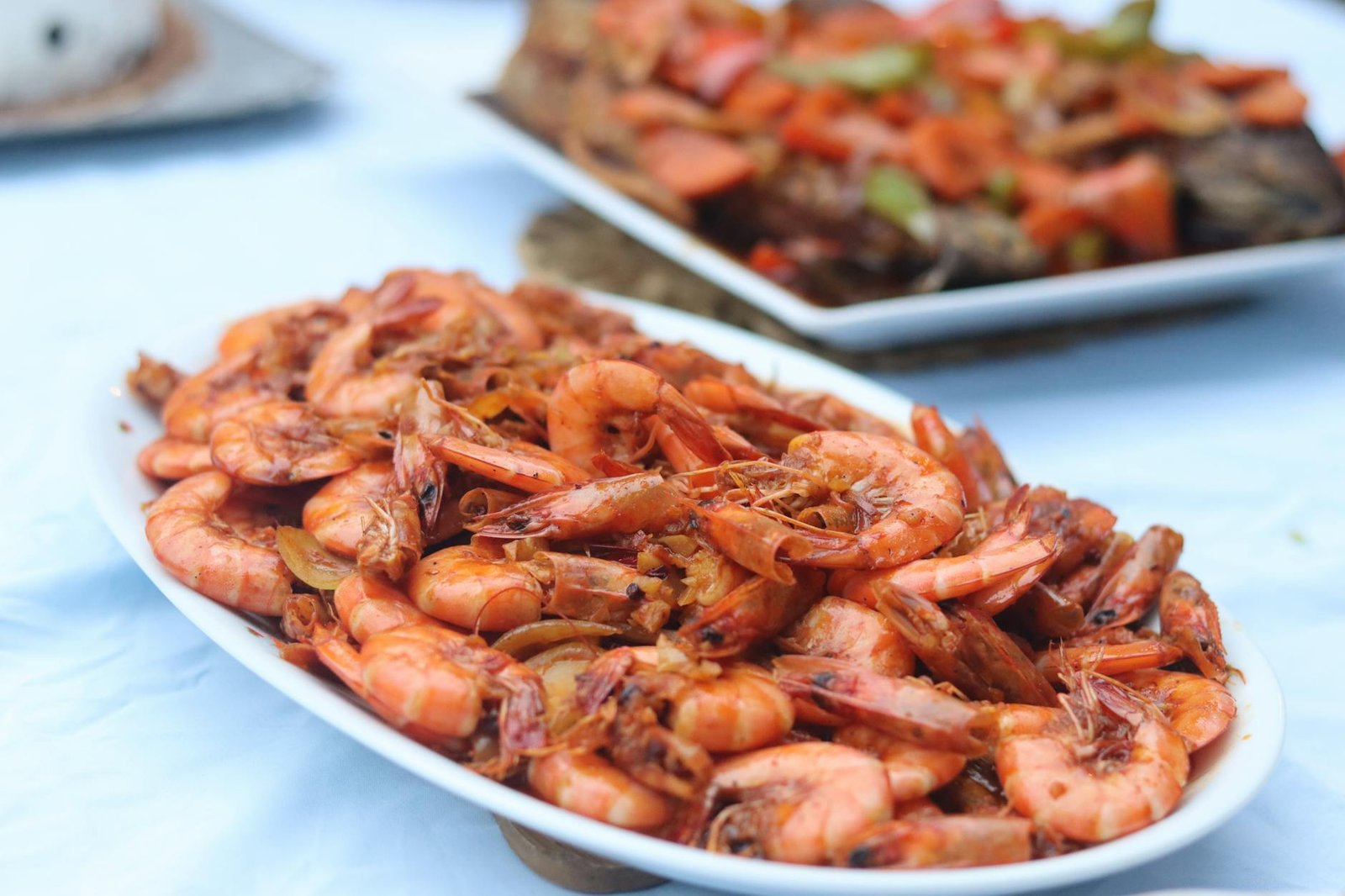
Recipe 9: Spicy Shrimp and Veggie Sheet Pan with Quinoa
Quick-cooking protein meets minimal cleanup.
Shrimp is criminally underused in meal prep because people overthink it. Cook it right, and it stays tender all week. Plus, it’s pure protein with almost no fat.
Macro Breakdown (per serving):
- Calories: 365
- Protein: 38g
- Carbs: 36g
- Fat: 8g
What You Need:
- 2 lbs large shrimp, peeled and deveined
- 1.5 cups quinoa (uncooked)
- 2 zucchini, sliced
- 2 yellow squash, sliced
- 1 red bell pepper, chopped
- 1 pint cherry tomatoes
- 3 tablespoons olive oil
- 2 teaspoons Cajun seasoning
- 1 teaspoon smoked paprika
- Red pepper flakes to taste
- Fresh parsley
- Lemon wedges
The Method:
Preheat oven to 425°F.
Cook quinoa and set aside.
Arrange zucchini, squash, bell pepper, and tomatoes on a large baking sheet. Drizzle with half the olive oil and season with salt and pepper. Roast for 15 minutes.
While the vegetables roast, toss the shrimp with the remaining olive oil, Cajun seasoning, paprika, and red pepper flakes.
After 15 minutes, add seasoned shrimp to the sheet pan with the vegetables. Return to oven for 6-8 minutes until shrimp are pink and cooked through.
Divide quinoa into containers. Top with the shrimp and veggie mixture. Garnish with fresh parsley. Pack lemon wedges separately.
Common Error to Avoid:
Don’t overcook the shrimp. They cook fast—really fast. Overcooked shrimp turn rubbery and sad. Pull them when they just turn pink.
Recipe 10: Slow Cooker Chicken Burrito Bowl
Set it and forget it wins again.
This is your emergency meal prep for crazy weeks. Dump everything in a slow cooker in the morning, come home to perfectly cooked chicken, and assemble bowls in 10 minutes.
Macro Breakdown (per serving):
- Calories: 475
- Protein: 42g
- Carbs: 50g
- Fat: 10g
What You Need:
- 3 lbs boneless, skinless chicken breast
- 2 cups brown rice (uncooked)
- 1 can black beans, drained
- 1 cup corn kernels
- 1 cup salsa
- 1 packet taco seasoning (or homemade)
- 1 cup chicken broth
- 1 bell pepper, diced
- 1 onion, diced
- Fresh cilantro
- Lime wedges
- Optional toppings: Greek yogurt, cheese, avocado
The Method:
Place chicken breasts in the slow cooker.
Add salsa, taco seasoning, chicken broth, bell pepper, and onion.
Cook on low for 6-7 hours or high for 3-4 hours.
About 40 minutes before the chicken is done, cook your brown rice.
Shred the chicken using two forks right in the slow cooker. Let it soak up the juices.
Heat black beans and corn together with a pinch of cumin.
Build your bowls: rice, beans and corn, shredded chicken, and any additional toppings you want.
Budget Tip:
This is one of the cheapest recipes per serving. Chicken breast on sale, canned beans, frozen corn—total cost usually under $20 for five meals.
Macro Tracking Made Simple
Here’s the truth nobody wants to admit: you don’t need to be precise to the gram to see results.
Ballpark accuracy wins over perfect tracking that you quit after two weeks. The recipes above include calculated macros, but real life isn’t a laboratory.
Quick Reference Macro Targets:
| Goal | Protein (per lb bodyweight) | Carbs | Fat |
|---|---|---|---|
| Fat Loss | 1.0-1.2g | Lower, 0.5-1g per lb | Moderate, 0.3-0.4g per lb |
| Muscle Gain | 0.8-1.0g | Higher, 1.5-2.5g per lb | Moderate, 0.4-0.5g per lb |
| Maintenance | 0.7-0.9g | Moderate, 1-1.5g per lb | Moderate, 0.35-0.45g per lb |
Adjust the portions of these recipes based on your specific targets. Need more protein? Add an extra chicken breast to your weekly prep. Need fewer carbs? Cut the rice portions in half.
Meal Prep Mistakes That Sabotage Your Results
Prepping food you don’t genuinely enjoy eating. This is the number one reason meal prep fails. You convince yourself you should eat tilapia and asparagus because some fitness influencer does it, then you hate life by Wednesday. Prep the food you want to eat.
Storing everything in giant containers. Portion control happens during prep, not when you’re hungry and staring at a week’s worth of food. Use individual containers. Remove temptation and guesswork.
Ignoring food safety basics. Cooked food keeps for 4-5 days max in the fridge. Freeze anything beyond that. Label containers with dates. Nobody wants food poisoning from their “healthy” meal prep.
Making the same thing every week forever. Variety prevents boredom. Rotate these recipes. Try new combinations. Your taste buds need excitement, not monotony.
Forgetting about vegetables. Protein gets all the attention, but vegetables provide volume, nutrients, and fiber that keep you full and healthy. Every recipe should include at least one serving of vegetables.
Skipping the seasoning. Under-seasoned food is the fastest way to hate meal prep. Salt, pepper, garlic, herbs, spices—these have negligible calories but a massive impact on whether you want to eat your food.
Container and Storage Strategy
The right containers change everything.
Glass containers with snap-lock lids are worth the investment. They don’t stain, don’t hold odors, are microwave-safe, and last for years. Plastic works too, but quality matters.
Size Guide:
For most of these recipes, 28-32 oz containers work perfectly. They hold a full meal without being awkward to carry or store.
Smaller 8-16 oz containers work great for sauces, dressings, and components you want to keep separate.
Fridge Organization:
Line up your containers in order—Monday in front, Friday in back. You always know what’s next, and nothing gets forgotten and wasted.
Use the top shelf for ready-to-eat meals. Bottom shelf for ingredients that need cooking or assembly.
Reheating Without Ruining Your Food
Microwave technique matters more than you think.
Protein: Reheat at 70% power for longer rather than full power for less time. This prevents rubbery chicken and dried-out beef.
Rice and grains: Add a splash of water before reheating. Cover with a damp paper towel. This creates steam and prevents that hard, crusty texture.
Vegetables: Slightly undercook vegetables during prep. They’ll finish cooking when you reheat, staying crisp instead of turning to mush.
Fish: Reheat salmon or shrimp at 50% power. They’re already fully cooked and just need warming. High heat destroys the texture.
Some people prefer eating certain meals cold or at room temperature. The Mediterranean bowl and burrito bowls both work great without reheating.
Scaling Recipes Up or Down
All these recipes are built for five servings—a standard work week.
Need more? Double everything. Most of these recipes handle scaling well. You might need larger cooking vessels, but the method stays the same.
Feeding just yourself and want more variety? Cut recipes in half and prep two different recipes each week. You get ten different meals instead of five of the same thing.
Prep Time Optimization:
Cook multiple recipes simultaneously. While chicken bakes, prepare your stir-fry. While rice cooks, chop vegetables for tomorrow’s recipe. Efficient meal preppers finish multiple recipes in 2-3 hours total.
Use your slow cooker and oven at the same time. Passive cooking is your friend.
Beyond the Basics: Customization Ideas
These recipes are templates, not restrictions.
Protein Swaps:
- Any recipe with chicken works with turkey
- Ground beef recipes work with ground turkey, chicken, or bison
- Fish recipes work with different fish varieties
Carb Swaps:
- Rice for quinoa, farro, or bulgur
- Regular rice for cauliflower rice (massive carb reduction)
- Sweet potato for regular potato or butternut squash
Vegetable Flexibility:
Use what’s in season or on sale. The Korean beef bowl works with any quick-cooking vegetable. The sheet pan recipes adapt to whatever you have available.
The Mental Game of Meal Prep
Results happen when Sunday preparation meets Monday execution.
You’re not just cooking food. You’re building a system that removes friction from your life. Every meal prepped is one less decision, one less opportunity to make a choice that doesn’t align with your goals.
Motivation fades. Systems persist.
When you have five perfectly portioned meals sitting in your fridge, the question isn’t “What should I eat?” It’s “Which delicious meal do I want right now?”
That shift—from decision fatigue to simple selection—is what separates people who maintain their nutrition from people who constantly restart.
Cost Breakdown: What to Expect
Meal prepping saves money if you’re currently eating out or ordering delivery regularly.
Average cost per recipe (5 servings):
- Budget recipes (turkey tacos, slow cooker chicken): $15-20
- Mid-range recipes (Korean beef, teriyaki chicken): $20-30
- Premium recipes (salmon, shrimp): $30-40
That works out to $3-8 per meal. Compare that to $12-15 for restaurant meals or $8-12 for fast food.
Over a month, meal prepping lunch and dinner five days a week saves the average American $200-400 compared to eating out.
Building Your Meal Prep Routine
Week 1: Start with just two recipes. Don’t try to prep everything at once. Get comfortable with the process.
Week 2: Add a third recipe. You’re now covering most of your work week.
Week 3: Branch into breakfast prep if you want. Overnight oats, egg muffins, and protein-packed options.
Week 4: You’re a meal prep pro now. Experiment with new recipes and flavor combinations.
The biggest hurdle is starting. The second biggest is maintaining consistency through the first month. After that, it becomes routine—something you just do, like brushing your teeth or making coffee.
Frequently Asked Questions
How long does meal-prepped food actually stay fresh?
Four to five days for most cooked proteins and grains stored properly in the refrigerator at 40°F or below. If you’re prepping on Sunday, you’re good through Thursday. For Friday meals, consider freezing that portion and thawing it on Thursday night. Fish and seafood are the exceptions—best consumed within three days.
Can I freeze these recipes?
Absolutely. Most of these freeze beautifully for 2-3 months. The exceptions are recipes with fresh vegetables that have high water content, like cucumbers and lettuce. Those turn to mush when frozen. Rice-based meals, proteins with sauces, and casserole-style dishes freeze perfectly. Cool completely before freezing, and thaw in the fridge overnight before reheating.
Do I need to count macros exactly?
No. Exact macro counting helps some people, especially athletes or bodybuilders with specific goals, but most people see excellent results with portion awareness and balanced plates. These recipes give you the information if you want it, but you can also just follow the portions as written and see how your body responds. Consistency beats precision.
What if I get bored eating the same meals?
Rotate recipes every two weeks. Prep three different recipes instead of five of one kind. Change up your sauces and seasonings—the same chicken and rice becomes five different meals with different sauces. Keep a variety of hot sauces, condiments, and seasoning blends on hand to remix flavors throughout the week.
How do I handle social events or eating out while meal prepping?
Meal prep is a tool, not a prison. If you have plans on Wednesday night, prep four meals instead of five. If someone wants to grab lunch, go enjoy yourself. The goal is progress, not perfection. Having meals ready means you’re in control—you can choose when to eat your prepped food and when to be flexible.
What containers do you recommend?
Glass meal prep containers with locking lids are the gold standard. Brands like Pyrex, Prep Naturals, and Glasslock all make quality options. If you’re on a budget, heavy-duty plastic works fine—just avoid cheap containers that warp in the microwave or dishwasher. Get at least 10 containers so you always have clean ones ready while others are in use or being washed.
Can I meal prep if I have dietary restrictions?
These recipes adapt easily. Gluten-free? All of them work with simple swaps. Dairy-free? Most don’t include dairy anyway, and Greek yogurt substitutes exist. Low-carb? Cut the grains and add more vegetables. Vegetarian? Swap proteins for tofu, tempeh, or legumes. The framework stays the same.
How do I prevent the food from getting soggy or dry?
Store wet and dry components separately when possible. Keep sauces and dressings in small containers to add when eating. Slightly undercook vegetables—they finish cooking during reheating. Add a splash of water or broth when reheating to restore moisture. Don’t overfill containers—leave some air space.
What’s the best day to meal prep?
Whatever day you’ll actually do it consistently. Sunday works for most people because it sets up the work week. Some prefer Saturday for more time. Others do a mid-week prep on Wednesday to refresh meals. Split-preppers do a quick session on Sunday and another on Wednesday. Find your rhythm.
How do I calculate my specific macro needs?
Start with body weight in pounds. For fat loss, multiply by 10-12 for total calories. For maintenance, multiply by 13-15. For muscle gain, multiply by 16-18. Then divide into roughly 40% carbs, 30% protein, and 30% fat as a starting point. Track for two weeks, assess how you feel and your results, then adjust. Or use any of the free macro calculators online—remember, they’re starting points, not gospel.
This is meal prep that works in real life. Not the Instagram-perfect version that falls apart by Tuesday. Not the bland, boring approach that makes you hate healthy eating.
These ten recipes give you variety, flavor, and the macronutrient balance to support whatever goal you’re chasing. More importantly, they’re designed to actually get eaten—not wasted after two days when you can’t stand another bite.
Start with one recipe this week. Get comfortable. Then add another. Build the habit before you worry about perfection.
Your future self—the one not stressed about what to eat, not wasting money on mediocre takeout, not derailing progress because nothing was ready—will thank you for starting today.
SUGGESTED POST >> High Protein Meal Prep for Weight Loss for Fast Results