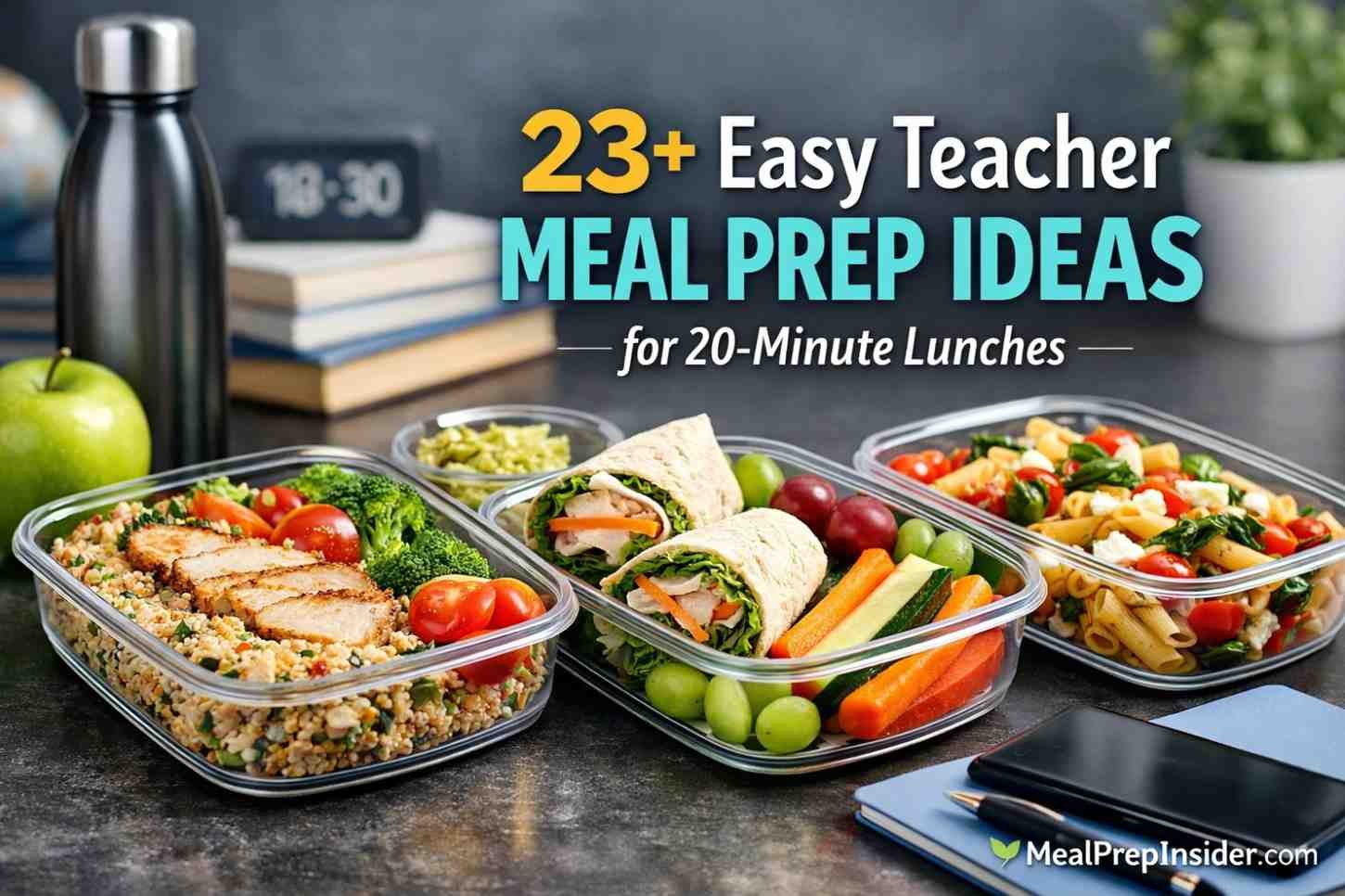
23+ Easy Teacher Meal Prep Ideas for 20-Minute Lunches

Teacher meal prep ideas for 20-minute lunches can transform your chaotic workweek into something manageable. That mad dash to the teachers’ lounge microwave? The soggy sandwich from the vending machine? The forgotten lunch sitting at home in your fridge? Those days are about to end.
Here’s the truth nobody tells you about teaching: you barely have time to breathe, let alone eat properly.
Between morning bell chaos, back-to-back classes, unexpected parent emails, and supervising recess, lunch becomes an afterthought. You deserve better. Your body deserves better. And honestly, your wallet deserves better than that daily takeout habit that’s draining your paycheck.
The solution isn’t complicated.
It’s strategic meal prep designed specifically for teachers who need grab-and-go lunches that require zero brain power on Monday morning. These aren’t Pinterest-perfect bento boxes that take two hours to assemble. These are real meals for real teachers with real time constraints.
Let’s fix your lunch situation once and for all.
Why Teachers Need Different Meal Prep Strategies
Teachers face unique challenges that office workers simply don’t understand. You can’t just pop out for lunch. You can’t take an extra fifteen minutes if you’re running behind. Your lunch break is sacred, short, and often interrupted by students who “just have a quick question.”
Your meal prep needs to account for:
- Extremely limited eating windows (sometimes 20 minutes or less)
- No guarantee of microwave access when you need it
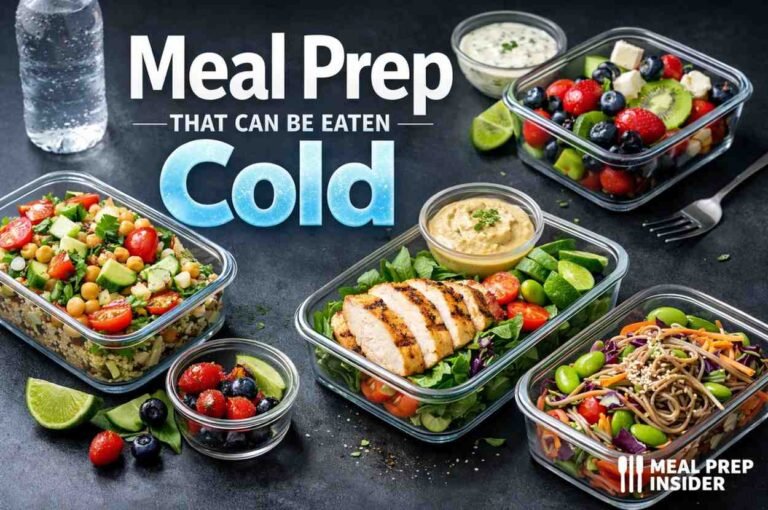
- Food that tastes good at room temperature or cold
- Meals that don’t require utensils in a pinch
- High-energy foods that prevent the 2 PM crash
- Budget-friendly options for a teacher’s salary
Standard meal prep advice doesn’t cut it. You need meals that survive in a lunch bag until noon. You need foods that energize, not ones that make you want to nap during fifth period.
The Sunday Strategy: Setting Yourself Up for Success
Sunday afternoon is your power hour. Three hours of focused prep work gives you five days of stress-free lunches. Here’s how to maximize that time without burning out before the week even starts.
Start with a simple template: pick two proteins, three carb bases, four vegetables, and two sauces. Mix and match throughout the week so you’re not eating identical meals five days straight.
Batch cooking is your best friend. While chicken breasts roast in the oven, quinoa cooks on the stovetop, and vegetables roast on another sheet pan. Everything happens simultaneously. You’re not cooking five separate meals. You’re preparing components that become multiple meals.
The game-changer? Investing in quality containers that don’t leak, don’t stain, and actually seal properly. Nothing worse than discovering marinara sauce all over your lesson plans.
Mason Jar Salads That Don’t Get Soggy
Mason jar salads revolutionized teacher lunches, and for good reason. The layering technique keeps everything fresh and crunchy until you’re ready to eat.
The secret is all in the order. Dressing goes on the bottom, always. Then add sturdy vegetables like cucumbers, carrots, or bell peppers. Next come proteins, grains, softer vegetables, and finally, greens on top.
Five Mason Jar Combinations That Hit Different:
- Mediterranean Marvel: Lemon vinaigrette, chickpeas, cucumber, cherry tomatoes, feta, olives, romaine
- Southwest Fiesta: Salsa ranch, black beans, corn, bell peppers, grilled chicken, avocado, mixed greens
- Asian Crunch: Sesame ginger dressing, edamame, shredded carrots, purple cabbage, grilled shrimp, crispy wontons, spinach
- Greek Goddess: Tzatziki, quinoa, cucumber, red onion, grilled chicken, feta, arugula
- Harvest Bowl: Apple cider vinaigrette, roasted sweet potato, dried cranberries, pecans, goat cheese, kale
When lunchtime hits, just shake and dump into a bowl. Or eat straight from the jar if you’re really pressed for time.
Protein-Packed Wraps and Roll-Ups
Wraps are the unsung heroes of teacher lunches. No utensils needed. Easy to eat while responding to emails. Portable enough to take to playground duty if necessary.
The key to a great wrap is balance. You want protein for sustained energy, healthy fats to keep you full, and enough vegetables to meet your nutritional needs without making the wrap impossible to close.
Buffalo Chicken Wrap: Shredded rotisserie chicken tossed in buffalo sauce, Greek yogurt ranch, shredded lettuce, diced tomatoes, shredded carrots, whole wheat tortilla
Turkey Avocado Club: Sliced turkey, mashed avocado, bacon bits, tomato slices, lettuce, mustard, spinach wrap
Hummus Veggie Rainbow: Hummus spread thick, shredded purple cabbage, julienned carrots, cucumber strips, bell pepper strips, sprouts, tomato wrap
Chicken Caesar Wrap: Grilled chicken, romaine, parmesan, Caesar dressing, whole wheat tortilla
Tuna Salad Wrap: Tuna mixed with Greek yogurt, diced celery, diced apple, spinach, tomato, whole grain wrap
Pro tip: wrap each one tightly in foil or parchment paper. It keeps everything together and makes eating at your desk significantly less messy.
Buddha Bowls for Maximum Nutrition
Buddha bowls pack more nutrition per bite than almost any other lunch option. They’re essentially deconstructed meals in a container, with grains, proteins, vegetables, and sauce all working together.
The beauty of Buddha bowls is their flexibility. Prep components on Sunday, then mix and match based on what sounds good each morning.
Basic Buddha Bowl Formula:
- 1 cup cooked grain (quinoa, brown rice, farro, cauliflower rice)
- 4-6 oz protein (chicken, tofu, chickpeas, salmon, eggs)
- 2-3 different vegetables (roasted, raw, or steamed)
- Healthy fat (avocado, nuts, seeds)
- Flavorful sauce (2-3 tablespoons)
Teriyaki Chicken Bowl: Brown rice, teriyaki chicken, steamed broccoli, shredded carrots, edamame, sesame seeds, teriyaki drizzle
Mediterranean Quinoa Bowl: Quinoa, grilled chicken, cucumber, cherry tomatoes, kalamata olives, feta, lemon tahini dressing
Burrito Bowl: Cilantro lime rice, seasoned black beans, fajita vegetables, corn, salsa, Greek yogurt, cheese, avocado
Thai Peanut Bowl: Rice noodles, grilled shrimp, purple cabbage, bell peppers, cucumber, peanut sauce, crushed peanuts, cilantro
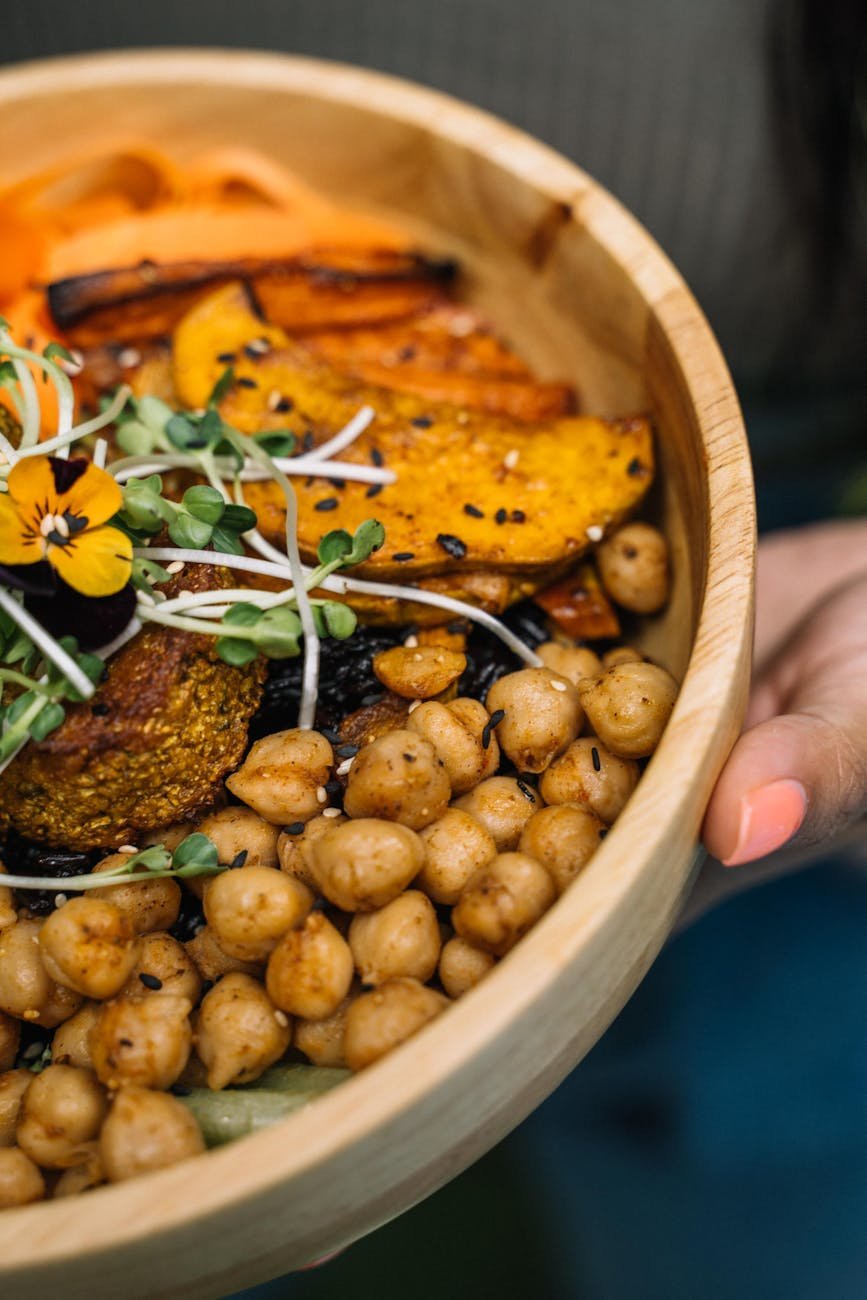
Harvest Bowl: Farro, roasted chickpeas, roasted sweet potato, Brussels sprouts, dried cranberries, pecans, maple tahini dressing
These bowls taste great cold or heated. If microwaves are scarce at your school, these work perfectly at room temperature.
Soups and Stews in Thermoses
A good thermos changes everything during colder months. Hot, comforting soup in the middle of a stressful day feels like a warm hug from the inside out.
The trick with thermos meals is preheating the thermos. Pour boiling water in, let it sit for five minutes, dump it out, then add your piping hot soup. This keeps everything hot until lunch.
Chicken Tortilla Soup: Shredded chicken, black beans, corn, diced tomatoes, chicken broth, taco seasoning, topped with crushed tortilla chips, cheese, and avocado
Creamy Tomato Basil Soup: Blended tomato soup with cream, fresh basil, served with a side of grilled cheese cubes for dipping
Italian Wedding Soup: Mini meatballs, pasta, spinach, carrots, chicken broth, parmesan
Butternut Squash Soup: Pureed butternut squash, coconut milk, curry spices, topped with pumpkin seeds
Hearty Chili: Ground turkey, kidney beans, black beans, tomatoes, peppers, chili spices, topped with shredded cheese and Greek yogurt
Pair soups with crackers, bread, or a small side salad to round out the meal. Prep a big batch on Sunday, portion into containers, refrigerate, then heat and transfer to your thermos each morning.
Bento Box Inspired Lunches
Bento boxes aren’t just for kids. They’re perfect for teachers who like variety and need portion control without thinking about it.
The concept is simple: small portions of different foods that create a complete meal. No single item dominates. Everything works together.
Protein Snack Box: Hard-boiled eggs, cheese cubes, turkey slices, whole grain crackers, cherry tomatoes, hummus, grapes
Mediterranean Plate: Pita wedges, hummus, tzatziki, falafel, cucumber slices, cherry tomatoes, olives, feta
Asian Inspired: Edamame, sushi roll pieces, cucumber salad, seaweed snacks, mandarin oranges, sesame rice crackers
Breakfast for Lunch: Mini frittata muffins, turkey sausage, fruit salad, yogurt, granola
Taco Box: Seasoned ground turkey, lettuce, diced tomatoes, shredded cheese, salsa, Greek yogurt, tortilla chips
These boxes require zero reheating. Grab and go. Eat while grading papers if necessary (though you deserve an actual break).
Pasta Salads That Go the Distance
Pasta salads are underrated lunch champions. They taste better after sitting for a day or two as flavors meld together. They’re filling. And they’re endlessly customizable.
The secret to great pasta salad is slightly undercooking the pasta, rinsing it in cold water to stop cooking, and dressing it while still warm so it absorbs maximum flavor.
Italian Pasta Salad: Rotini, salami, mozzarella, cherry tomatoes, olives, pepperoncini, Italian dressing, fresh basil
Greek Pasta Salad: Penne, grilled chicken, cucumber, cherry tomatoes, red onion, feta, kalamata olives, lemon herb vinaigrette
Southwest Pasta Salad: Bowtie pasta, black beans, corn, bell peppers, cilantro, lime cumin dressing, cotija cheese
Caprese Pasta Salad: Tortellini, mozzarella balls, cherry tomatoes, fresh basil, balsamic glaze, olive oil
Asian Noodle Salad: Soba noodles, edamame, shredded carrots, purple cabbage, sesame ginger dressing, sesame seeds, green onions
Pack these in containers that seal well. The dressing can make them a bit liquidy, and nobody wants that leaking into their teacher bag.
Sheet Pan Meals for Minimal Cleanup
Sheet pan meals are the lazy cook’s secret weapon. Everything cooks together in one pan. Minimal prep. Even more minimal cleanup.
The formula: protein plus vegetables plus seasoning equals a complete meal. Prep five sheet pans on Sunday, cook them throughout the week, or cook everything at once and portion into containers.
Chicken Fajita Sheet Pan: Sliced chicken breast, bell peppers, onions, fajita seasoning, olive oil (serve with tortillas, salsa, cheese)
Sausage and Vegetables: Italian sausage, Brussels sprouts, sweet potato cubes, red onion, garlic, olive oil, Italian herbs
Teriyaki Salmon: Salmon fillets, broccoli, snap peas, teriyaki sauce, sesame seeds
Greek Chicken: Chicken thighs, red onion, cherry tomatoes, bell peppers, lemon, oregano, garlic (serve over rice or with pita)
BBQ Meatballs: Frozen meatballs, diced sweet potato, green beans, BBQ sauce
Portion these into containers with rice, quinoa, or cauliflower rice for complete meals. Reheat at school or eat cold, depending on your preference and microwave availability.
Grain Bowls with Endless Variations
Grain bowls are the blank canvas of meal prep. Start with your favorite grain, then build from there based on what you’re craving.
Different grains offer different benefits. Quinoa packs protein. Brown rice is affordable and filling. Farro adds chewy texture. Cauliflower rice keeps things low-carb.
Build Your Own Grain Bowl Template:
| Component | Options |
|---|---|
| Base Grain | Quinoa, brown rice, wild rice, farro, cauliflower rice, couscous |
| Protein | Chicken, turkey, beef, salmon, tofu, chickpeas, black beans, eggs |
| Vegetables | Roasted, steamed, raw, pickled, or sautéed |
| Healthy Fats | Avocado, nuts, seeds, olive oil, cheese |
| Sauce | Tahini, peanut, teriyaki, ranch, vinaigrette, salsa |
| Toppings | Fresh herbs, seeds, nuts, dried fruit, cheese |
Mix components differently each day for variety without extra work. Monday might be quinoa with chicken and Mediterranean vegetables. Tuesday could be brown rice with beef and Asian-inspired toppings.
Cold Noodle Salads for Hot Days
When temperatures rise, hot lunches lose their appeal. Cold noodle salads hit the spot without weighing you down during afternoon classes.
These salads work with various noodles: rice noodles, soba noodles, whole wheat pasta, or even spiralized vegetables for a lighter option.
Sesame Peanut Noodles: Rice noodles, shredded chicken, cucumber, carrots, purple cabbage, peanut sauce, crushed peanuts, cilantro
Cold Soba with Vegetables: Soba noodles, edamame, snap peas, radishes, green onions, sesame ginger dressing, sesame seeds
Vietnamese Spring Roll Bowl: Rice vermicelli, shrimp, cucumber, carrots, mint, basil, cilantro, nuoc cham sauce, crushed peanuts
Caprese Pasta: Angel hair pasta, cherry tomatoes, fresh mozzarella, fresh basil, balsamic vinaigrette, olive oil
Thai Cucumber Noodles: Spiralized cucumber, shredded chicken, peanut lime dressing, crushed peanuts, cilantro, mint
These salads improve with time as flavors develop. Make them on Sunday, and they’re even better by Wednesday.
Protein-Packed Egg Dishes
Eggs are budget-friendly protein powerhouses perfect for meal prep. They’re versatile, filling, and work for any meal, including lunch.
Egg Muffin Cups: Whisk eggs with milk, pour into muffin tins, add vegetables (spinach, peppers, tomatoes), cheese, and cooked sausage or bacon. Bake at 350°F for 20-25 minutes.
Frittata Squares: Bake a large frittata in a 9×13 pan with eggs, vegetables, cheese, and protein. Cut into squares for easy portioning.
Hard-Boiled Egg Bowl: Hard-boiled eggs, avocado, cherry tomatoes, everything bagel seasoning, served over mixed greens
Egg Salad Lettuce Wraps: Mashed hard-boiled eggs with Greek yogurt, mustard, diced celery, salt, and pepper, served in lettuce leaves
Breakfast Burrito Bowls: Scrambled eggs, black beans, salsa, cheese, avocado, served over rice or with tortilla chips
Egg dishes typically last four to five days in the fridge. Cook Sunday and Wednesday for fresh options all week.
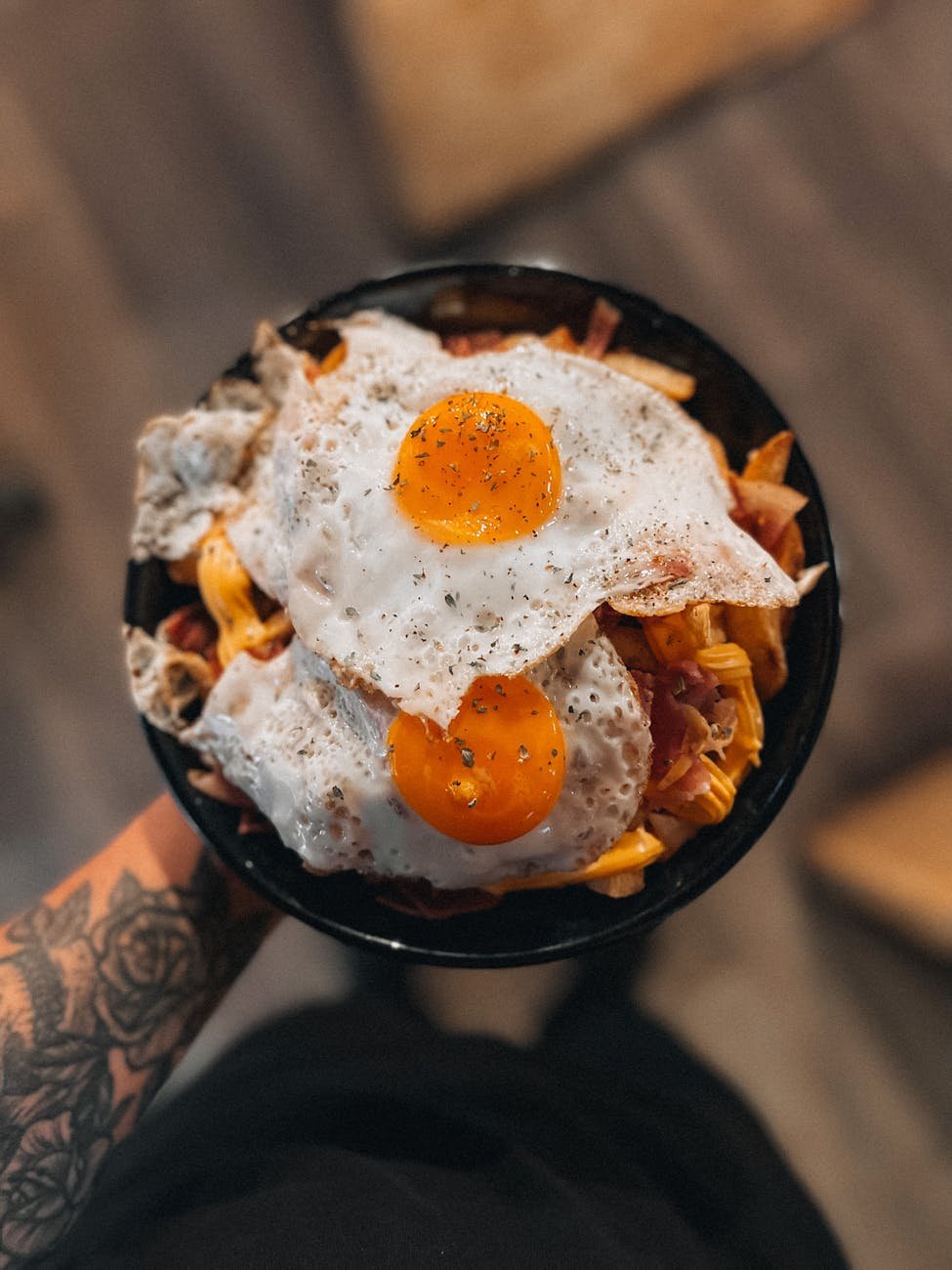
Rotisserie Chicken Hacks
Rotisserie chicken is the meal prep shortcut every teacher needs. It’s already cooked, seasoned, and ready to transform into multiple meals.
One $5-7 chicken becomes:
- Chicken salad for wraps
- Shredded chicken for bowls and tacos
- Diced chicken for pasta salads
- Sliced chicken for sandwiches
- Chicken for soup
Five-Minute Chicken Salad: Shred chicken, mix with Greek yogurt, diced celery, diced apple, grapes, pecans, salt, and pepper. Eat with crackers, in a wrap, or over greens.
BBQ Chicken Sweet Potato: Shred chicken, toss with BBQ sauce, serve over baked sweet potato with coleslaw
Buffalo Chicken Bowl: Shred chicken, toss with buffalo sauce, serve over rice with ranch, celery, carrots, and blue cheese
Chicken Pesto Pasta: Dice chicken, toss with cooked pasta, pesto, cherry tomatoes, and mozzarella
Chicken Quesadilla Prep: Shred chicken, portion with cheese and tortillas, assemble and heat at school
Keep a rotisserie chicken in your weekly shopping routine. Your future self will thank you.
RELATED POST >> Best Cheap Meal Prep Ideas Under $50: Easy & Healthy
Make-Ahead Sandwich Combinations
Sandwiches get boring when you make the same turkey and cheese five days straight. Switch up ingredients, bread types, and spreads to keep things interesting.
The key to making-ahead sandwiches is preventing sogginess. Pack wet ingredients separately or use spreads as moisture barriers between bread and vegetables.
Turkey Avocado BLT: Whole grain bread, mashed avocado spread, turkey, bacon, lettuce, tomato
Chicken Pesto Sandwich: Ciabatta roll, pesto spread, grilled chicken, roasted red peppers, mozzarella, arugula
Mediterranean Veggie: Whole wheat pita, hummus, cucumber, tomato, red onion, feta, spinach, olives
Tuna Melt Components: Whole grain bread, tuna salad, cheese slice (assemble and heat at school)
Roast Beef and Horseradish: Rye bread, horseradish sauce, roast beef, cheddar, lettuce, tomato, red onion
Toast bread before assembly to create an additional moisture barrier. Pack lettuce and tomatoes separately if you’re particularly concerned about sogginess.
Rice Paper Roll Prep
Rice paper rolls (summer rolls) are fresh, light, and fun to customize. They take practice to roll, but once you’ve got the technique down, they’re quick to assemble.
Make them the night before for ultimate freshness. They last 24 hours wrapped tightly in plastic wrap.
Basic Rolling Technique:
- Dip rice paper in warm water for 2-3 seconds
- Lay flat on a clean surface
- Add ingredients in the center, leaving edges clear
- Fold the bottom up over the filling
- Fold in sides
- Roll tightly forward
Shrimp Spring Rolls: Cooked shrimp, rice vermicelli, cucumber, carrots, lettuce, mint, cilantro, served with peanut sauce
Chicken Mango Rolls: Grilled chicken, mango slices, cucumber, lettuce, mint, basil, served with sweet chili sauce
Tofu Veggie Rolls: Marinated tofu, cucumber, carrots, purple cabbage, avocado, lettuce, served with peanut sauce
Turkey Club Rolls: Turkey, bacon bits, lettuce, tomato, avocado, served with ranch
Pack the sauce separately to prevent soggy rolls. These are incredibly refreshing on hot days when heavy lunches sound unappealing.
Snack-Style Lunches for Grazing
Some days, you don’t want a traditional meal. You want to graze on various items throughout your limited lunch period. Snack boxes deliver variety without commitment.
Protein-Focused Box: Turkey slices, cheese cubes, hard-boiled eggs, almonds, apple slices, dark chocolate squares
Mediterranean Mezze: Hummus, tzatziki, pita chips, olives, feta, cucumber, cherry tomatoes, stuffed grape leaves
Charcuterie Style: Salami, cheese, crackers, grapes, nuts, dark chocolate, pickles
Mexican Inspired: Guacamole, salsa, tortilla chips, cheese quesadilla pieces, black beans, cherry tomatoes
Breakfast Snack Box: Yogurt, granola, berries, hard-boiled egg, cheese stick, whole grain muffin
These boxes work well when you know your lunch period might be interrupted or shortened. Grab what you can, save the rest for an afternoon snack.
Freezer-Friendly Options for Emergency Days
Even the best meal preppers have off weeks. Having freezer meals ready to grab saves you from the vending machine on chaotic mornings.
Burritos: Assemble burritos with rice, beans, cheese, protein, and vegetables. Wrap tightly in foil, freeze. Reheat at school or eat cold if necessary.
Soup Portions: Freeze individual soup portions in containers. Thaw overnight, heat in the morning, transfer to a thermos.
Muffins: Savory muffins with eggs, cheese, vegetables, and sausage freeze beautifully. Grab and go.
Pasta Bakes: Individual portions of baked ziti, mac and cheese, or lasagna freeze well and reheat quickly.
Grain Bowls: Assemble complete grain bowls, freeze everything except fresh vegetables and avocado. Add those fresh in the morning when you take it.
Label everything with contents and date. Nothing worse than mystery freezer meals.
Smart Shopping for Meal Prep Success
Effective meal prep starts at the grocery store. Strategic shopping saves time, money, and decision fatigue.
Weekly Shopping Template:
- 2-3 proteins (chicken, ground turkey, salmon, tofu)
- 1 pre-cooked protein (rotisserie chicken, hard-boiled eggs)
- 3-4 grains/carbs (rice, quinoa, pasta, sweet potatoes)
- 6-8 vegetables (mix of fresh, frozen, and pre-cut)
- 2-3 fruits
- Healthy fats (avocados, nuts, seeds, olive oil)
- Dairy/alternatives (Greek yogurt, cheese, milk)
- Condiments and sauces (rotate to prevent flavor fatigue)
Buy in bulk when possible. Stock up on pantry staples during sales. Frozen vegetables work just as well as fresh and last significantly longer.
Container Organization Systems
The right containers make or break meal prep success. Invest in quality over quantity.
What You Need:
- 5-7 large containers for main meals (glass or BPA-free plastic)
- 3-5 divided containers for bento-style meals
- Small containers for dressings and sauces
- Mason jars for salads
- Insulated lunch bag that fits your containers
- Ice packs or a thermos, depending on the meal type
Glass containers are microwave-safe, don’t stain, and don’t retain odors. They’re heavier but worth it. Plastic containers are lighter for commuting, but don’t last as long.
Label containers with days of the week using dry-erase markers or tape. Grab Monday’s lunch on Monday. No thinking required.
Time-Saving Prep Techniques
Work smarter, not harder. These techniques cut prep time significantly.
Batch Cooking Methods:
- Cook multiple proteins simultaneously (oven chicken, stovetop ground turkey, slow cooker pulled pork)
- Roast all vegetables together on multiple sheet pans
- Cook grains in bulk (rice cooker or Instant Pot)
- Prep vegetables immediately after shopping
- Use pre-cut vegetables strategically for time-crunched weeks
Kitchen Tool Essentials:
- Sharp knives (make chopping faster and safer)
- Rice cooker or Instant Pot
- Quality sheet pans
- Large cutting board
- Food processor for quick chopping
- Salad spinner
Set a timer for focused prep work. You’d be amazed at what you can accomplish in focused 20-minute increments.
Common Pitfalls Teachers Make with Meal Prep
Even experienced meal preppers stumble into these traps. Avoid them from the start.
Typical Mistakes:
Overcomplicating recipes: Stick to simple preparations, especially when starting. Instagram-worthy doesn’t mean practical.
Making identical meals all week: You’ll get sick of chicken and broccoli by Wednesday. Build in variety.
Forgetting about texture: Some foods don’t reheat well or get soggy. Know which ones to avoid.
Skipping the taste test: Season your food properly. Bland meal prep doesn’t get eaten.
Not accounting for schedule changes: Have backup options for unexpectedly long days or meetings during lunch.
Buying ingredients without a plan: Random healthy ingredients don’t automatically become meals. Shop with specific recipes in mind.
Neglecting your preferences: Don’t force yourself to eat kale if you hate it. Meal prep should include foods you genuinely enjoy.
Learn from each week. Adjust. Find your rhythm.
Budget-Friendly Strategies
Teaching doesn’t come with a corporate salary. Meal prep should save money, not drain your account.
Money-Saving Tips:
- Plan meals around sales and seasonal produce
- Buy store brands for staples
- Use dried beans instead of canned
- Stretch expensive proteins with grains and beans
- Shop your pantry first before buying new ingredients
- Freeze leftovers immediately to prevent waste
- Compare unit prices, not just package prices
- Join store loyalty programs for discounts
A week of prepped lunches costs roughly $20-35, depending on your choices. Compare that to $10-15 daily for takeout. The math is simple.
Adapting for Dietary Restrictions
Whether you’re managing food allergies, following specific diets, or just have preferences, these lunch ideas adapt easily.
Gluten-Free Adaptations: Use gluten-free wraps, rice instead of pasta, lettuce wraps instead of bread, rice paper rolls, grain bowls with quinoa or rice
Dairy-Free Options: Swap Greek yogurt for coconut yogurt, use dairy-free cheese, replace cream in soups with coconut milk, skip cheese in bowls and wraps
Vegetarian Protein Swaps: Chickpeas, black beans, lentils, tofu, tempeh, eggs, quinoa, nuts, and seeds
Low-Carb Choices: Cauliflower rice, zucchini noodles, lettuce wraps, veggie-focused Buddha bowls, egg-based meals, salads with protein
The core meal prep principles apply regardless of dietary needs. Just swap ingredients appropriately.
Staying Motivated Through the School Year
September enthusiasm often fades by November. Maintaining meal prep momentum requires strategy.
Motivation Tactics:
- Track money saved from not buying lunch
- Notice energy level improvements
- Prep with a friend or partner for accountability
- Allow one “fun lunch” purchase weekly as a treat
- Rotate recipes seasonally to match the weather and produce
- Join online meal prep communities for inspiration
- Remember that even imperfect prep beats no prep
Some weeks you’ll nail it. Some weeks you’ll barely manage. Both are fine. Progress, not perfection.
Frequently Asked Questions
How long does prepped food stay fresh in the fridge?
Most meal-prepped lunches last 4-5 days in the refrigerator when stored properly in airtight containers. Meals with seafood should be consumed within 2-3 days. Salads with dressing last 3-4 days. Freezing extends this to 2-3 months for most items.
What if my school doesn’t have a working microwave?
Many of these lunch ideas work perfectly cold or at room temperature: mason jar salads, wraps, pasta salads, rice paper rolls, cold noodle salads, sandwiches, and snack boxes. Invest in a quality thermos for hot meals that don’t require reheating.
How do I prevent meal prep burnout?
Rotate recipes weekly, incorporate convenience items when needed, prep only 3-4 days at a time instead of a full week, and allow yourself occasional breaks. Meal prep should reduce stress, not create it.
Can I meal prep if I have a very small fridge?
Focus on compact storage containers, prep fewer days at a time, utilize freezer space for backup meals, and choose meals with overlapping ingredients to reduce total items stored.
What’s the best way to reheat lunches at school?
Microwave-safe glass containers work best. Remove lids before heating. Heat for 1-2 minutes, stir, then heat an additional 30-60 seconds if needed. For foods that dry out, add a splash of water before reheating.
How much should I expect to spend on meal prep initially?
Initial investment in containers runs $30-60. Weekly groceries for five lunches typically cost $20-35. After the first container purchase, ongoing costs are minimal compared to buying lunch daily.
Is Sunday the only day to meal prep?
Not at all. Sunday works for many teachers, but Wednesday evening works too for a mid-week refresh. Some people prefer nightly 10-minute prep sessions. Find what fits your schedule and energy levels.
What if I get tired of eating the same things?
These 23+ ideas provide endless combinations. Rotate through different cuisines weekly, vary your sauces and seasonings, swap proteins regularly, and try one new recipe each week while keeping familiar favorites.
Can meal prep work during busy school periods like report cards or conferences?
Absolutely. Those are exactly the times when meal prep saves you. During extra-busy weeks, rely on simpler recipes, use more pre-cut vegetables, grab a rotisserie chicken, and utilize freezer backup meals.
How do I handle special dietary needs for health conditions?
All these recipes adapt to various dietary requirements. Swap ingredients based on your specific needs, consult with a healthcare provider about nutritional requirements, and use meal prep to ensure you’re consistently meeting those needs during hectic school days.
The school year is long. Your energy matters. Your health matters. And yes, your lunch matters more than you think. These teacher meal prep ideas for 20-minute lunches give you practical, realistic options that work with your actual life, not some idealized version that doesn’t exist.
Start small. Pick three recipes from this list. Prep this Sunday. See how you feel by Friday. You’ll likely notice better energy, less stress, and more money in your account. From there, build your personal rotation of go-to meals that make teaching just a little bit easier.
You show up for students every single day. It’s time to show up for yourself, too.
SUGGESTED POST >> Easy Fibermaxxing Meal Prep for Beginners
Discover more from Meal Prep Insider
Subscribe to get the latest posts sent to your email.