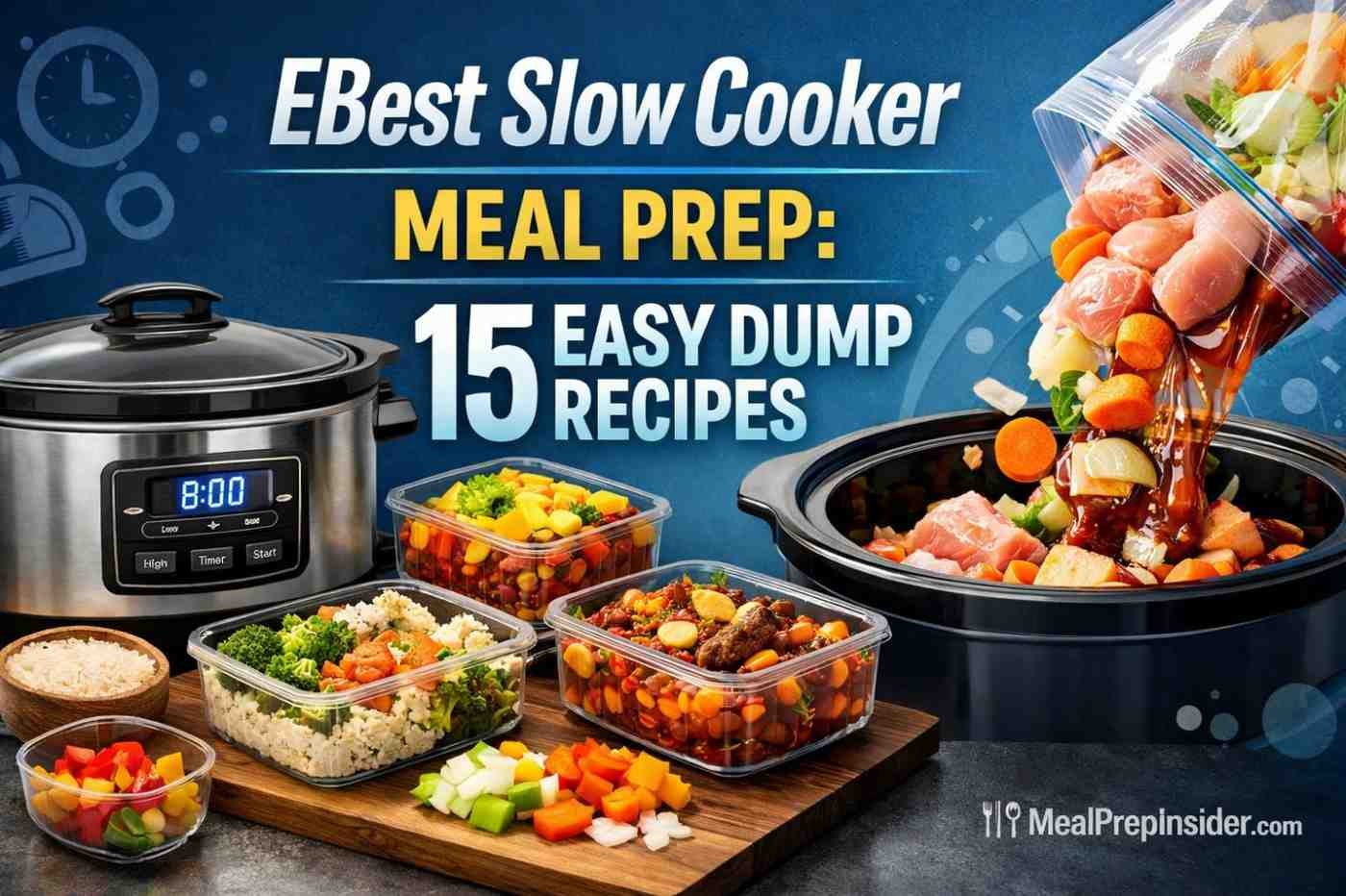
Best Slow Cooker Meal Prep: 15 Easy Dump Recipes

Best slow cooker meal prep starts with one simple truth: you’re probably overthinking it.
Most people stare at their slow cooker like it’s some ancient relic requiring a PhD to operate. Meanwhile, it’s sitting there, ready to do all the heavy lifting while you binge-watch your favorite show or pretend to work from home.
Here’s the thing nobody talks about. That overwhelming Sunday evening panic when you realize you haven’t planned meals for the week? It doesn’t have to exist. Dump recipes—yes, that’s what they’re actually called—eliminate about 90% of cooking stress. No sautéing. No browning. No standing over a hot stove, wondering if you should’ve just ordered takeout again.
Just throw everything in. Set it. Walk away.
Sounds too good to be true? Stick around. This isn’t your grandmother’s slow cooker guide filled with cream-of-whatever soups and mystery casseroles. These recipes are legitimately good, genuinely easy, and surprisingly impressive when you portion them into those fancy glass meal prep containers.
Let’s get into it.
Why Dump Recipes Are Perfect for Meal Prep
Dump recipes strip cooking down to its bare essentials. You’re essentially loading raw ingredients into a ceramic pot and letting time and low heat work their magic. No complicated techniques. No precise timing. No culinary school required.
For meal prepping, this approach makes ridiculous sense.
Traditional meal prep demands chopping seventeen vegetables, monitoring multiple pots, and somehow timing everything to finish simultaneously. Dump recipes? You prep once, cook once, and eat for days. The slow cooker does the actual work while you reclaim your Sunday.
Time savings alone make this worthwhile. But there’s more.
Flavor development in a slow cooker happens differently. Those long cooking hours break down proteins, marry spices with liquids, and create depth that quick cooking methods can’t replicate. Your chicken doesn’t just cook—it practically melts. Your beans don’t just soften—they absorb every bit of seasoning you’ve thrown in there.
Plus, these recipes scale beautifully. Making food for one? Use a 4-quart. Feeding a family or prepping for bodybuilding-level portions? Break out the 6 or 8-quart beast.
What Makes a Great Dump Recipe
Not all dump recipes deserve that title. Some people slap the label on anything involving a slow cooker, which frankly does everyone a disservice.
Real dump recipes follow specific criteria:
- Minimal prep work – We’re talking under 15 minutes of actual knife work
- No pre-cooking required – Everything goes in raw (with rare exceptions)
- Ingredient availability – Nothing exotic that requires three specialty stores
- Reheating friendly – Because that’s literally the point of meal prep
- Nutritionally balanced – Protein, vegetables, and reasonable macros
The best ones also avoid turning into mush. Nobody wants to open their Tuesday lunch container and find gray protein swimming in mystery liquid. Texture matters, even in dump recipes.
Essential Tips Before You Start
Your slow cooker size matters more than you think. A recipe designed for a 6-quart pot won’t work the same in a 4-quart pot. Ingredients need proper space for liquid circulation. Pack it too full, and you’ll end up with unevenly cooked food. Fill it less than halfway, and everything might dry out.
General rule: Fill your slow cooker between half and three-quarters full for optimal results.
Layering isn’t arbitrary. Hardier vegetables (carrots, potatoes, onions) go on the bottom where heat concentrates. Proteins go in the middle. Delicate items (leafy greens, fresh herbs) get added later or sprinkled on top.
Liquid requirements aren’t negotiable. Slow cookers need moisture to function properly. But here’s where people mess up—they add way too much. Unlike stovetop cooking, where liquid evaporates, slow cookers trap steam. Start conservative. You can always add more later, but you can’t un-water your stew.
Dairy products and certain ingredients wait until the end. Milk, cream, cheese, and pasta turn into disasters if cooked for eight hours. Add them during the last 30 minutes to an hour.
Frozen ingredients work fine. Despite what some recipe blogs claim, you can absolutely dump frozen chicken, vegetables, or meat directly into your slow cooker. Just add an extra hour or two to cooking time.
The 15 Best Dump Recipes for Meal Prep
1. Classic Chicken Taco Bowls
Throw in boneless chicken breasts, a jar of salsa, black beans, corn, taco seasoning, and a bit of chicken broth. That’s it. Cook on low for 6-8 hours. Shred the chicken before portioning.
Meal prep containers get:
- Shredded chicken mixture
- Brown rice or cauliflower rice
- Toppings packed separately (cheese, sour cream, avocado)
This stays fresh for five days easily. The flavors actually improve after a day in the fridge.
2. Beef and Sweet Potato Stew
Cube some beef chuck roast. Chop sweet potatoes, carrots, and onions. Add beef broth, tomato paste, garlic, thyme, and paprika. Everything goes in together.
Cook on low for 7-8 hours until the beef falls apart.
The sweet potatoes provide natural thickness without needing flour or cornstarch. This freezes beautifully, too, which extends your meal prep options significantly.
3. Teriyaki Chicken with Vegetables
Chicken thighs, soy sauce, honey, rice vinegar, ginger, garlic, and whatever Asian-style frozen vegetable mix you grab from the store. Seriously, the frozen stuff works perfectly here.
In the last 30 minutes, mix cornstarch with cold water and stir it in to thicken the sauce.
Portion over rice. Each container becomes basically restaurant-quality teriyaki without the $12 price tag or questionable sodium levels.
4. White Chicken Chili
This one’s a crowd favorite for good reason. Chicken breasts, white beans (cannellini or great northern), green chiles, onion, garlic, cumin, oregano, and chicken broth all dump in together.
Before serving, shred the chicken and stir in cream cheese for richness. The cream cheese transforms this from “pretty good” to “why haven’t I made this every week?”
Top individual portions with shredded Monterey Jack, cilantro, and lime juice.
5. Italian Sausage and Peppers
Slice bell peppers and onions. Add Italian sausages (either keep them whole or slice them—your call), marinara sauce, Italian seasoning, and a splash of balsamic vinegar.
This versatile mixture works over pasta, in hoagie rolls, or alongside roasted vegetables. The sausages release fat that flavors everything else, creating richness without extra work.
6. Mongolian Beef
Flank steak sliced thin, soy sauce, brown sugar, hoisin sauce, ginger, garlic, and red pepper flakes for heat. Add sliced onions if you want extra vegetables.
The sauce reduces into this glossy, restaurant-style coating that makes meal-prepped rice bowls actually exciting.
Fair warning: this one disappears fast. You might want to double the recipe.
7. Tuscan White Bean Soup
Cannellini beans, diced tomatoes, vegetable broth, kale, carrots, celery, onion, garlic, and Italian herbs. Optionally add diced pancetta for meatiness.
The kale goes in during the last hour to prevent it from disintegrating into green mush. This soup somehow tastes better on day three than day one, which makes it ideal for meal prep.
Pack with crusty bread or serve over quinoa for extra protein.
8. Honey Garlic Chicken
Chicken drumsticks or thighs, honey, soy sauce, ketchup (yes, really), garlic, and a tiny bit of red pepper flakes. The combination sounds weird on paper, but creates this sticky, sweet-savory glaze that rivals takeout.
The ketchup adds umami and helps thicken the sauce naturally. Serve with steamed broccoli and rice.
9. Pulled Pork Carnitas
Pork shoulder, orange juice, lime juice, garlic, cumin, oregano, and a bay leaf. The citrus breaks down the pork while infusing flavor.
After 8 hours on low, shred the pork and broil it for 3-5 minutes to crisp the edges. This extra step takes minutes but elevates the texture significantly.
Use throughout the week in tacos, burrito bowls, salads, or breakfast scrambles.
10. Lentil and Vegetable Curry
Brown lentils, coconut milk, diced tomatoes, curry powder, onion, garlic, ginger, carrots, and spinach. The spinach goes in at the end.
Lentils are ridiculously cheap and packed with protein and fiber. This recipe costs maybe $8 and yields six generous portions.
Serve over rice or with naan. The leftovers freeze perfectly for up to three months.
11. Salsa Verde Chicken
Chicken breasts, salsa verde, black beans, corn, cumin, and lime juice. Possibly the easiest recipe on this list, with only five ingredients.
Shred the chicken before meal prepping. Use it in burrito bowls, on top of salads, in quesadillas, or straight out of the container because it tastes that good cold.
12. Balsamic Pot Roast
Chuck roast, baby potatoes, carrots, onion, balsamic vinegar, beef broth, garlic, and rosemary. The balsamic creates this tangy-sweet glaze that separates this from every other pot roast recipe.
Cook on low for 8-10 hours. The meat should be fork-tender and practically falling apart.
This feels fancy enough for dinner guests but requires zero actual skill.
13. Thai Peanut Chicken
Chicken breasts, peanut butter, soy sauce, lime juice, honey, ginger, garlic, and red pepper flakes. Add bell peppers and snap peas during the last hour.
The peanut sauce thickens naturally as it cooks. Serve over rice noodles or cauliflower rice, depending on your carb preferences.
14. Greek Chicken and Potatoes
Chicken thighs, baby potatoes, lemon juice, olive oil, oregano, garlic, and olives. Everything takes on these bright Mediterranean flavors.
Add feta cheese and fresh dill right before serving. Pair with a simple Greek salad for complete meals.
15. Chili Mac
Ground beef, kidney beans, diced tomatoes, tomato sauce, chili powder, cumin, garlic powder, onion, and elbow macaroni. The pasta goes in during the last 30 minutes.
This one’s pure comfort food. It’s what you make when you need something that feels like a hug in Tupperware form.
Kids love it. Adults secretly love it too, but pretend it’s “for the kids.”
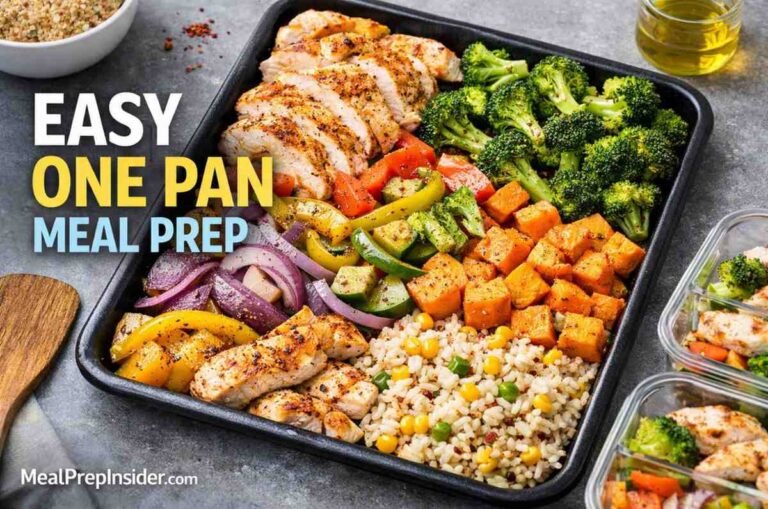
RELATED POST >> Easy One Pan Meal Prep that is Healthy with Zero Cleanup
Meal Prep Container Strategy
Glass containers beat plastic every time for slow cooker meal prep. The sauces, oils, and seasonings in these recipes stain plastic and retain odors. Glass wipes clean, microwaves evenly, and lasts for years.
Get containers in two sizes: larger ones (3-4 cups) for main meals and smaller ones (1-2 cups) for sides or components you’re keeping separate.
Portion everything the same day you cook. Waiting until later sounds convenient but usually means you’ll just eat directly from the slow cooker all week, defeating the entire purpose.
Let food cool for 30-45 minutes before sealing and refrigerating. Trapping steam creates excess moisture and reduces shelf life.
Label everything. You think you’ll remember what’s in each container. You won’t. Include the date and reheating instructions.
Most of these recipes stay fresh for 4-5 days refrigerated. For longer storage, freeze half your portions immediately. Frozen slow cooker meals last 2-3 months.
Common Pitfalls to Avoid
Adding too much liquid ranks as the number one mistake. Vegetables and meat release moisture as they cook. That half-cup of broth you add becomes a full cup by dinner time. When recipes call for liquid, err on the conservative side.
Opening the lid constantly destroys cooking times. Each peek releases heat and adds 15-20 minutes to cooking time. Resist the urge. Trust the process.
Cutting proteins too small leads to dry, overcooked results. Bigger chunks retain moisture better during long cooking times. If a recipe calls for cubed chicken, make those cubes substantial—about 2 inches.
Skipping the browning step when it’s actually recommended. Most dump recipes don’t require pre-cooking, but occasionally recipes suggest browning meat first. That step adds flavor through the Maillard reaction. When it’s mentioned, it’s usually worth doing.
Not adjusting for your specific slow cooker. They’re not all created equal. Some run hot; others run cool. After a few recipes, you’ll learn your machine’s quirks. Maybe your “low” setting cooks like others’ “high.” Adjust accordingly.
Forgetting about altitude and humidity. If you live in Denver, your cooking times will differ from those of someone in Miami. Higher altitudes need longer cooking times. Humid climates might require less liquid.
Maximizing Flavor in Dump Recipes
Toast your spices first if you have an extra 60 seconds. Even this minimal step releases essential oils and intensifies flavor. Toss cumin, coriander, or chili powder in a dry skillet for 30 seconds before adding to your slow cooker.
Use better stock. The difference between boxed grocery store broth and quality stock is massive. Or make your own by saving vegetable scraps and chicken bones in the freezer.
Layer your aromatics. Onions on the bottom caramelize slightly from the direct heat. Garlic in the middle infuses everything. Fresh herbs on top stay bright.
Finish with acid. A squeeze of lemon, a splash of vinegar, or a spoonful of mustard at the end brightens flavors that have been cooking for hours. This small addition makes everything taste more complex.
Don’t skip the salt. Slow cookers don’t reduce liquid like stovetop cooking, so flavors don’t concentrate the same way. Season more than you think necessary, then adjust before portioning.
Budget-Friendly Meal Prep Tips
These dump recipes already save money compared to eating out, but you can stretch your dollar even further.
Buy proteins on sale and freeze them. When chicken thighs hit $1.99/lb, buy multiple packs. Same with pork shoulder, chuck roast, or ground beef. Freeze in recipe-sized portions.
Dried beans cost pennies compared to canned. Yes, you’ll need to soak them overnight, but the savings add up quickly. A one-pound bag of dried beans costs about $1.50 and equals roughly four cans.
Generic spices work fine. You don’t need fancy oregano or premium cumin for dump recipes. Save the expensive stuff for dishes where subtle differences matter.
Shop seasonally for produce. Bell peppers in summer cost half what they do in January. Adjust your recipes based on what’s cheap that week.
Make your own spice blends. Taco seasoning, Italian seasoning, and curry powder cost 5-10x more than buying individual spices and mixing them yourself.
Adapting Recipes for Dietary Needs
For keto: Replace potatoes and rice with cauliflower alternatives. Swap honey for erythritol or monk fruit. Add extra healthy fats like coconut oil or butter.
For paleo: Skip the dairy additions. Use coconut cream instead of regular cream. Replace soy sauce with coconut aminos.
For vegetarians: Substitute vegetable broth for chicken or beef broth. Use chickpeas, lentils, or beans as your protein source. Double the vegetables.
For gluten-free: Most of these recipes already qualify. Just verify your soy sauce, broth, and any packaged seasonings are certified gluten-free.
For low-sodium: Make your own broth or buy no-salt-added versions. Control the seasoning yourself rather than using packet mixes.
The beauty of dump recipes is their flexibility. They’re forgiving templates, not rigid formulas.
Reheating Without Ruining Everything
Microwave reheating works but requires technique. Heat at 70% power for longer rather than 100% power quickly. This prevents edges from overcooking while centers stay cold.
Add a tablespoon of water or broth before reheating to restore moisture. Cover with a damp paper towel to trap steam.
Stovetop reheating produces better results if you have time. Add contents to a pan over medium-low heat, stirring occasionally. Takes 5-7 minutes but maintains better texture.
Oven reheating works great for larger portions. Transfer to an oven-safe dish, cover with foil, and warm at 325°F for 15-20 minutes.
Avoid reheating rice and meat together if possible. They need different temperatures and times. Store them in separate compartments when meal prepping.
Scaling Recipes Up or Down
The recipes listed here generally yield 4-6 servings. But your needs might differ.
To double a recipe: Make sure your slow cooker can handle the volume. Don’t exceed the three-quarters-full rule. Liquid doesn’t need to double—increase by only 50%.
To halve a recipe: Cooking time stays roughly the same. Slow cookers need a minimum amount of food to work properly, so going too small (less than 2-3 cups total) doesn’t work well.
For different slow cooker sizes:
| Slow Cooker Size | Ideal For | Recipe Adjustments |
|---|---|---|
| 3-4 quart | 1-2 people | Halve standard recipes |
| 5-6 quart | 3-5 people | Standard recipe size |
| 7-8 quart | 6+ people | Double most recipes |
Storing and Food Safety
Cool food to room temperature before refrigerating, but don’t let it sit out for more than two hours. The danger zone for bacterial growth is between 40°F and 140°F.
Store everything within that 4-5 day window. After day five, quality and safety decline rapidly. When in doubt, throw it out.
Freeze strategically. Most slow cooker meals freeze well, but some ingredients don’t. Potatoes get grainy. Dairy separates. Rice can get mushy. Freeze those components separately if possible.
Thaw safely. Move frozen portions to the refrigerator 24 hours before you plan to eat them. Never thaw on the counter.
Label frozen meals with both the date and reheating instructions. In the future, you will appreciate the guidance.
Making Meal Prep a Sustainable Habit
Start with one recipe per week. Don’t try to prep every meal immediately. Master one or two dump recipes, then gradually expand.
Pick a consistent day. Most people choose Sunday, but Wednesday works too if that fits your schedule better. Consistency matters more than the specific day.
Prep ingredients the night before. Chop vegetables, measure spices, and portion proteins on Saturday evening. Sunday morning, just dump and go.
Rotate your recipes. Eating the same thing for four weeks straight kills motivation fast. Cycle through at least 8-10 different recipes to maintain interest.
Don’t aim for perfection. Some weeks you’ll nail it. Other weeks, you’ll order pizza on Wednesday because life happened. That’s fine. Meal prep should reduce stress, not create it.

Frequently Asked Questions
Can I cook frozen chicken directly in the slow cooker?
Yes, absolutely. Frozen chicken breasts or thighs work fine in slow cookers. Add an extra 1-2 hours to the cooking time. The USDA previously discouraged this practice due to bacterial concerns, but modern slow cookers reach safe temperatures quickly enough to make this acceptable. Just ensure the internal temperature hits 165°F.
Why does my chicken always come out dry?
You’re probably using chicken breasts on the high setting or cooking them too long. Chicken thighs contain more fat and stay moister. If you must use breasts, stick to low settings and check the temperature at the minimum cooking time. Overcooking is usually the culprit.
Do I really need to layer ingredients in a specific order?
For most dump recipes, it helps but isn’t critical. The main concern is keeping delicate vegetables from turning to mush by placing them on top. Root vegetables belong on the bottom, where they’ll actually cook through. But if you forget and toss everything in randomly, the world won’t end.
Can I leave my slow cooker on while I’m at work?
Modern slow cookers are designed for this exact purpose. They’re safe to run unattended for 8-10 hours. Place it on a heat-safe surface away from curtains or other flammable materials. Use the low setting for all-day cooking.
How do I prevent my vegetables from getting mushy?
Cut them into larger pieces than you think necessary. They’ll shrink during cooking. Add delicate vegetables like zucchini, spinach, or tomatoes during the last 1-2 hours. Choose heartier vegetables like carrots, potatoes, and onions for all-day cooking.
Can I use my slow cooker for just one or two portions?
Small slow cookers (1.5-3 quarts) exist specifically for this purpose. Regular-sized slow cookers don’t work well with tiny portions because they need enough food to generate proper heat circulation. If you’re cooking small amounts, look for a mini slow cooker.
What’s the difference between low and high settings?
Both eventually reach the same temperature (around 209°F), but low takes longer to get there. Low setting typically takes 7-8 hours; high setting takes 3-4 hours. Low produces more tender results for tough cuts of meat. High works fine for recipes with already-tender ingredients.
Can I open the lid to check on the food?
You can, but every time you do, you add 15-30 minutes to the cooking time. Opening the lid releases heat and steam that take time to rebuild. Unless you’re adding ingredients or checking doneness near the end, resist the temptation.
Why do some recipes turn out watery?
Slow cookers trap moisture instead of allowing evaporation. Vegetables and meat release liquid as they cook. Use less liquid than you think necessary—usually about half what a stovetop recipe calls for. If it’s still too watery, remove the lid for the last 30 minutes on high to reduce liquid, or add a cornstarch slurry.
How long can I keep slow cooker meals in the fridge?
Four to five days is the safe window for most slow cooker meals. Some foods, like chili or stew, improve with time. Others, like dishes with seafood or dairy, should be eaten within three days. Always smell and inspect before eating older portions.
Can I put my slow cooker insert in the dishwasher?
Most ceramic inserts are dishwasher-safe, but check your manual. The lid usually is, too. Never submerge the heating element base in water. Let the insert cool completely before washing to prevent cracking from temperature shock.
What size slow cooker should I buy?
For one or two people, get a 4-quart. For families of three to five, choose a 6-quart. For larger families or serious meal preppers, go for an 8-quart. Having one medium and one large gives you maximum flexibility.
Can I cook pasta directly in the slow cooker?
Yes, but add it during the last 30-45 minutes of cooking. Pasta cooked for hours turns into wallpaper paste. Use slightly less liquid than the box directions suggest since there’s no evaporation. Check frequently to avoid overcooking.
Do I need to brown meat before adding it to the slow cooker?
For dump recipes, no. The whole point is minimal prep. Browning adds flavor through caramelization, but it isn’t necessary for food safety or edibility. Some recipes benefit from it; most work fine without it.
Why did my dairy curdle in the slow cooker?
Dairy products don’t handle long, low heat well. Milk, cream, sour cream, and cheese should be added during the last 30-60 minutes. For all-day cooking, use evaporated milk or coconut cream as substitutes.
Can I use a slow cooker liner?
Slow cooker liners make cleanup easier, but aren’t necessary. They’re food-safe plastic bags that fit inside the insert. Some people swear by them; others find them wasteful. They don’t affect cooking, but can sometimes wrinkle and create uneven heating spots.
Final Thoughts
Best slow cooker meal prep doesn’t require culinary expertise or hours of weekend labor. These 15 dump recipes prove that simple ingredients, minimal prep, and patient cooking create genuinely delicious, ready-to-eat meals for your entire week.
The slow cooker sitting in your cabinet isn’t complicated kitchen equipment. It’s basically a foolproof method for cooking food while you do literally anything else. That’s the magic.
Start with one recipe this week. Get comfortable with the process. Learn how your specific slow cooker behaves. Then expand your rotation.
Within a month, you’ll wonder how you ever survived without this system. Your wallet will thank you. Your future self opening a home-cooked lunch at work will definitely thank you.
And those Sunday evenings? They’ll feel a whole lot less overwhelmed when dinner for the next five days is already sitting in your fridge, perfectly portioned and ready to grab.
SUGGESTED POST >> Top 10 Macro Meal Prep Recipes Made Easy for Busy Lifestyle
Discover more from Meal Prep Insider
Subscribe to get the latest posts sent to your email.