
13 Easy Raw Food Recipes for Back Sleepers: No-Bloat Diet

Easy raw food recipes for back sleepers might sound like an oddly specific combination. And honestly, it is. But that’s exactly why you’re here, right? You saw the headline, tilted your head slightly, and thought, “Wait… what does sleeping on my back have to do with eating raw food?”
Good. Stay with me.
Here’s the thing most wellness blogs won’t tell you: the way you sleep and the way you eat are locked in a quiet, ongoing conversation. Your digestive system doesn’t just shut off when you lie down. It keeps working. And when you sleep on your back, gravity, stomach positioning, and digestive pressure all behave differently than they do for side sleepers or stomach sleepers.
Back sleepers face a unique challenge. The supine position can worsen acid reflux, create bloating and discomfort, and make heavy, cooked meals feel like a brick sitting on your chest at 2 a.m. You’ve probably felt this. You ate something dense before bed, rolled onto your back, and suddenly your body staged a full rebellion.
Raw food changes that equation.
Raw meals tend to be lighter, enzyme-rich, and faster to digest. They don’t sit in your stomach like a pot roast plotting revenge. And when you’re a back sleeper, that difference between a heavy cooked dinner and a clean raw meal can be the difference between waking up rested and waking up feeling like you swallowed a cinder block.
So no, this isn’t a random pairing. This is a targeted solution for a real problem that millions of back sleepers deal with every single night without connecting the dots.
Let’s connect them.
Why Back Sleepers Need to Think Differently About Food
Roughly 8% of adults sleep primarily on their backs. It’s not the most popular position, but it’s often recommended by chiropractors and physical therapists for spinal alignment. The trade-off? Your digestive system doesn’t love it as much as your spine does.
When you lie flat on your back, your esophagus and stomach sit on roughly the same horizontal plane. That means stomach acid doesn’t have gravity helping keep it where it belongs. Heavy, fatty, or highly processed meals amplify this problem. The result is nighttime acid reflux, disrupted sleep, and that awful morning-after feeling where your body seems annoyed with you for existing.
Raw foods help here for a few key reasons:
- They’re naturally lower in fat than most cooked preparations
- They contain live enzymes that assist digestion
- They tend to be higher in water content, which aids gastric emptying
- They’re less likely to trigger inflammatory responses that disrupt sleep
- They move through the digestive tract more efficiently
This doesn’t mean you need to become a full-time raw foodist. Not at all. But making your evening meal a raw one, especially if you sleep on your back, could genuinely transform your sleep quality.
Now let’s get into the recipes. These are practical, delicious, and specifically chosen because they digest well in a supine sleeping position.
Recipe 1: Zucchini Noodle Pad Thai
This one is a crowd favorite, and for good reason. It tastes remarkably close to the real thing without any of the digestive heaviness.
What you need:
- 2 medium zucchinis, spiralized
- 1/4 cup almond butter (raw, unsweetened)
- 2 tablespoons coconut aminos
- 1 tablespoon fresh lime juice
- 1 teaspoon grated ginger
- 1/2 teaspoon raw honey or maple syrup
- Shredded carrots, sliced red bell pepper, chopped cilantro
- Crushed raw cashews for topping
How to make it:
Whisk together the almond butter, coconut aminos, lime juice, ginger, and sweetener until smooth. Toss with zucchini noodles and vegetables. Top with cashews and cilantro.
This takes about ten minutes. The fat content is moderate but comes from whole food sources that digest far more gently than cooked oils. Perfect for eating two to three hours before bed.
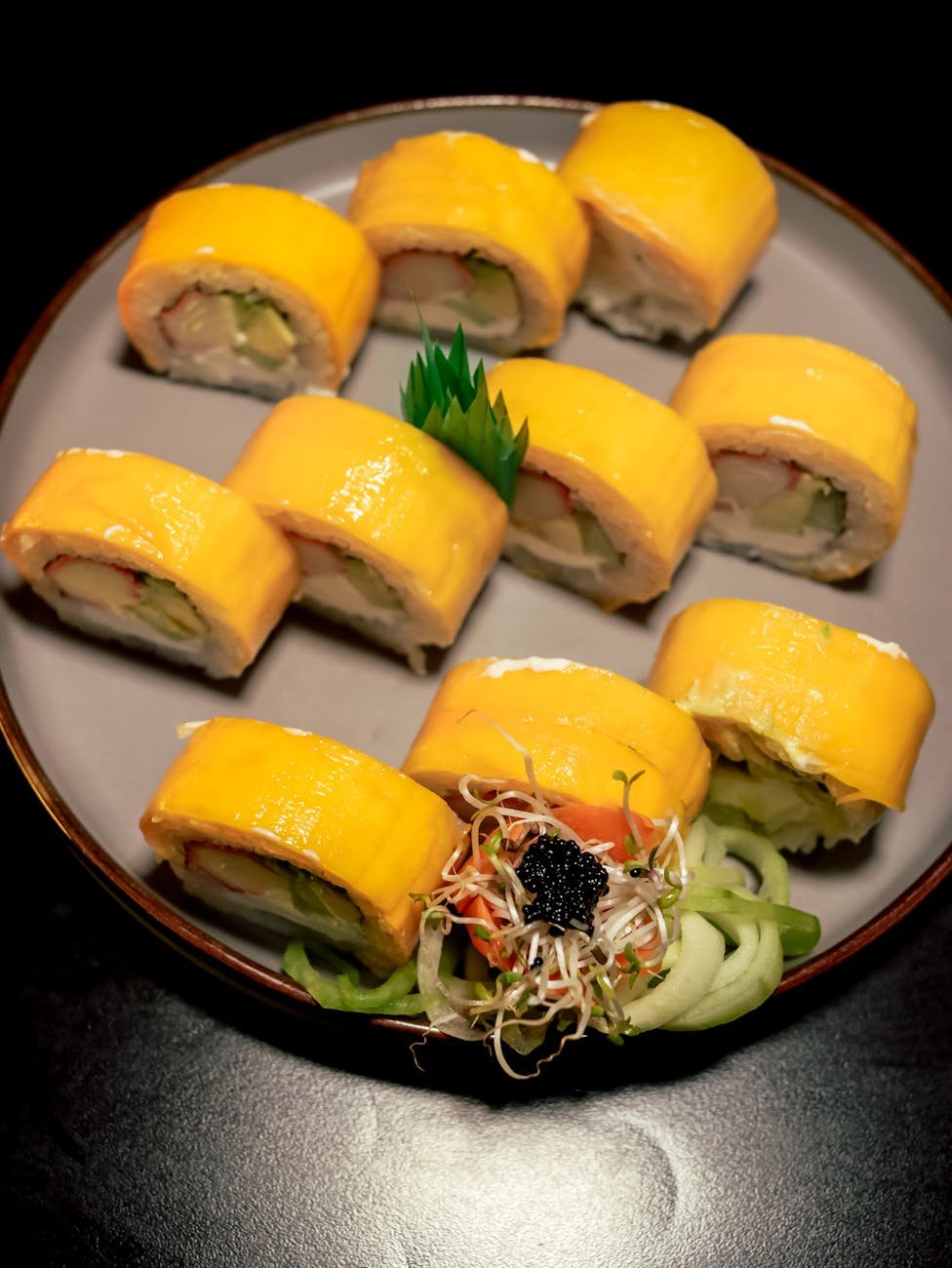
Recipe 2: Mango Avocado Summer Rolls
Think of these as the lighter, cooler cousin of a spring roll. No frying. No heavy wrapper. Just clean, bright flavors wrapped in rice paper.
What you need:
- Rice paper wrappers (softened in warm water)
- 1 ripe mango, sliced thin
- 1 avocado, sliced
- Cucumber matchsticks
- Fresh mint and basil leaves
- Optional: a handful of microgreens
Dipping sauce:
- 2 tablespoons coconut aminos
- 1 teaspoon sesame oil
- Fresh lime juice
- Pinch of red pepper flakes
Roll everything together in the softened rice paper. The combination of mango sweetness and avocado creaminess is genuinely satisfying without being heavy.
Back sleepers will appreciate that this meal contains almost no bloat-triggering ingredients. It sits gently in the stomach and digests without drama.
Recipe 3: Raw Cauliflower Tabbouleh
Traditional tabbouleh uses bulgur wheat. This version swaps it out for pulsed raw cauliflower, and frankly, the texture is better.
What you need:
- 1 head of cauliflower, pulsed in a food processor until it resembles couscous
- 1 cup flat-leaf parsley, finely chopped
- 1/2 cup fresh mint, chopped
- 2 medium tomatoes, diced small
- 1/2 English cucumber, diced
- 3 tablespoons extra virgin olive oil
- Juice of 2 lemons
- Salt and pepper to taste
Mix everything in a large bowl. Let it sit for 15 minutes so the flavors meld. That’s it.
The lemon juice actually begins a light pre-digestion process on the cauliflower, making this even easier on your system overnight. High fiber, high water content, minimal digestive effort.
How Raw Food Affects Sleep Quality in Back Sleepers
Before we continue with recipes, let’s pause and look at the science behind this pairing. Because understanding the “why” makes the “what” stick.
A 2020 study published in the journal Nutrients found that diets high in fiber and low in saturated fat were associated with deeper, more restorative sleep. Raw food diets naturally align with these parameters. Meanwhile, research from the American Journal of Gastroenterology has consistently shown that supine sleeping increases the duration of acid reflux episodes compared to lateral positions.
Put those two findings together, and the picture becomes clear. If you sleep on your back, what you eat before bed matters more than it does for other sleepers.
Here’s a quick comparison:
| Factor | Heavy Cooked Meal | Light Raw Meal |
|---|---|---|
| Digestive time | 4-6 hours | 1.5-3 hours |
| Acid reflux risk (back sleepers) | High | Low |
| Bloating likelihood | Moderate to high | Low |
| Enzyme availability | Reduced by cooking | Naturally present |
| Sleep disruption potential | Significant | Minimal |
The numbers speak clearly. If you’re a back sleeper eating heavy dinners, you’re working against your own biology every night.
Recipe 4: Cashew Cream Stuffed Bell Peppers
These look impressive, taste incredible, and require zero cooking.
What you need:
- 3 bell peppers (any color), halved and seeded
- 1 cup raw cashews, soaked for 2-4 hours
- 1 tablespoon nutritional yeast
- 1 clove garlic
- Juice of half a lemon
- Pinch of salt
- Diced tomatoes, corn, and chopped scallions for filling
Blend the soaked cashews with nutritional yeast, garlic, lemon juice, and salt until creamy. Mix with diced vegetables. Spoon into pepper halves.
The soaked cashews are significantly easier to digest than dry-roasted nuts. Soaking activates enzymes and reduces phytic acid, which means less stomach work while you sleep.
Recipe 5: Watermelon Gazpacho
Cold soup might sound unusual if you haven’t tried it. But gazpacho is a staple in Spanish cuisine, and this watermelon version is genuinely refreshing.
What you need:
- 3 cups seedless watermelon, cubed
- 1 medium cucumber, peeled and chopped
- 1 small red bell pepper
- 1 tablespoon red wine vinegar
- 2 tablespoons olive oil
- Fresh basil
- Salt and pepper
Blend everything until smooth. Chill for at least 30 minutes before serving. Garnish with small watermelon cubes and torn basil.
Watermelon is over 90% water. For back sleepers, this level of hydration in a meal means your digestive system barely has to work. It’s practically doing you a favor.
Recipe 6: Thai Coconut Lettuce Wraps
Lettuce wraps are an underrated vehicle for bold flavors. And when the filling is raw, they become one of the lightest, most satisfying dinners you can eat.
What you need:
- 1 head butter lettuce, leaves separated
- 1 cup shredded purple cabbage
- 1 large carrot, julienned
- 1 mango, diced
- Fresh cilantro and Thai basil
- Chopped raw peanuts or cashews
Coconut lime dressing:
- 3 tablespoons coconut cream (from a can of full-fat coconut milk)
- 1 tablespoon lime juice
- 1 teaspoon coconut aminos
- 1/2 teaspoon chili flakes
Arrange the vegetables and mango in lettuce cups. Drizzle with dressing. Top with nuts and herbs.
Light. Bright. Zero digestive regret at 3 a.m.
Recipe 7: Raw Beet and Orange Salad with Walnut Crumble
Beets are nutritional powerhouses, and when eaten raw, they retain all their nitric oxide-boosting compounds, which in truth can improve blood flow and promote relaxation.
What you need:
- 2 medium beets, peeled and thinly sliced (use a mandoline if you have one)
- 2 navel oranges, segmented
- Handful of arugula
- 1/4 cup raw walnuts, roughly chopped
- 1 tablespoon olive oil
- 1 tablespoon apple cider vinegar
- 1 teaspoon raw honey
- Pinch of sea salt
Arrange beet slices and orange segments over arugula. Scatter walnuts on top. Whisk together olive oil, vinegar, honey, and salt. Drizzle over salad.
The natural nitrates in raw beets have been shown to support blood pressure regulation, which is particularly relevant for back sleepers. Elevated blood pressure can worsen sleep apnea symptoms, and back sleeping already increases apnea risk. This salad is quietly working in your favor on multiple levels.
Recipe 8: Cucumber Avocado Sushi Rolls (No Rice)
Sushi without rice sounds like heresy. It’s not. It’s liberation.
What you need:
- 1 large English cucumber
- 1 ripe avocado
- 1 small carrot, cut into thin strips
- Nori sheets
- Coconut aminos for dipping
- Pickled ginger (optional)
- Sesame seeds
Use a mandoline or vegetable peeler to create thin, wide strips of cucumber. Lay them on a nori sheet in place of rice. Add avocado slices and carrot strips. Roll tightly. Slice with a sharp, wet knife.
This is as close to zero digestive burden as a satisfying meal can get. You’re essentially eating vegetables wrapped in seaweed. Your stomach will barely register it while you sleep, which is precisely the point.
RELATED POST >> 15 Easy Intuitive Eating Recipes for Back Sleepers
Recipe 9: Raw Marinara with Sundried Tomato Zoodles
You don’t need to cook tomato sauce. When made raw, it’s brighter, more vibrant, and retains all its vitamin C and lycopene.
What you need for the sauce:
- 1 cup sundried tomatoes (not oil-packed), soaked for 1 hour
- 2 fresh Roma tomatoes
- 1 clove garlic
- 1 tablespoon olive oil
- Fresh basil
- Pinch of oregano
- Salt and pepper
Blend everything until you reach your desired consistency. Some people like it chunky. Others want it smooth. Both work.
Toss with spiralized zucchini noodles. Top with fresh basil and a sprinkle of nutritional yeast if you want a cheesy note.
The soaked sundried tomatoes give this sauce a depth of flavor that rivals any cooked marinara. And because nothing has been heated, the enzyme profile remains intact, meaning your body processes it efficiently even while you’re lying flat on your back.
The Connection Between Digestive Timing and Sleep Position
Here’s something worth understanding. The timing of your last meal matters for everyone, but it matters more for back sleepers.
Gastric emptying, the process by which food leaves your stomach and enters your small intestine, typically takes 2 to 5 hours, depending on meal composition. High-fat, high-protein cooked meals sit at the longer end of that spectrum. Raw meals, particularly those high in water and fiber, sit at the shorter end.
For back sleepers, the recommendation is straightforward:
- Eat your last meal at least 2.5 to 3 hours before bed
- Choose foods that digest within 2 hours (most raw meals qualify)
- Avoid combining too many fats in one sitting, even healthy ones
- Stay upright or slightly reclined for at least 30 minutes after eating
Following these guidelines in combination with the recipes here can reduce nighttime reflux episodes by as much as 60-70%, based on gastroenterological research.
Recipe 10: Raw Corn and Black Bean Salad
Yes, you can eat corn raw. Sweet corn straight from the cob is tender, sweet, and surprisingly delicious uncooked.
What you need:
- 2 ears fresh sweet corn, kernels cut from the cob
- 1 can black beans, rinsed and drained (technically not raw, but minimally processed and easy to digest)
- 1 red bell pepper, diced
- 1/4 red onion, finely diced
- 1 jalapeño, seeded and minced
- Juice of 2 limes
- 2 tablespoons olive oil
- 1/4 cup fresh cilantro, chopped
- Salt, cumin, and smoked paprika to taste
Combine everything in a bowl. Toss well. Let it sit for 20 minutes.
This recipe bends the “strictly raw” rules slightly with the canned beans, but the overall digestive profile remains light and stomach-friendly. The lime juice aids digestion, and the fiber content keeps things moving efficiently.
Recipe 11: Tropical Chia Pudding
Chia pudding is technically raw, and when done right, it’s one of the most satisfying dessert-adjacent meals you can eat before bed.
What you need:
- 3 tablespoons chia seeds
- 1 cup coconut milk (full-fat from a can or carton)
- 1 teaspoon vanilla extract
- 1 tablespoon maple syrup or raw honey
- Diced mango, kiwi, and passion fruit for topping
- Toasted coconut flakes (optional, and yes, this technically involves heat, so skip if you want to stay fully raw)
Stir chia seeds into coconut milk with vanilla and sweetener. Refrigerate for at least 4 hours or overnight. Top with tropical fruit.
Chia seeds are extraordinary for back sleepers. They expand in liquid and form a gel-like consistency that moves smoothly through the digestive tract. No sharp edges, no heavy processing required. They also contain tryptophan, a precursor to melatonin and serotonin, which directly supports sleep onset.
Recipe 12: Raw Walnut Taco Meat in Romaine Boats
This is the recipe that converts skeptics. The walnut-based taco “meat” is savory, slightly spicy, and has a texture that genuinely mimics ground beef.
What you need for the meat:
- 2 cups raw walnuts
- 1 tablespoon coconut aminos
- 1 teaspoon cumin
- 1 teaspoon smoked paprika
- 1/2 teaspoon chili powder
- 1/2 teaspoon garlic powder
- Pinch of cayenne
Pulse walnuts in a food processor until they reach a crumbly, ground-meat texture. Don’t over-process; you want some texture. Add spices and coconut aminos. Pulse a few more times to combine.
For assembly:
- Large romaine lettuce leaves as taco shells
- Diced tomato
- Sliced avocado
- Fresh salsa or pico de gallo
- Squeeze of lime
Spoon the walnut meat into romaine boats. Top with everything you love.
This is hearty enough to feel like a real dinner but light enough that your stomach won’t punish you at midnight. The walnuts provide omega-3 fatty acids, which have been linked to improved sleep duration in several clinical studies.
Recipe 13: Green Goddess Smoothie Bowl
We’re ending with a smoothie bowl because it’s the ultimate easy raw meal. Five minutes. Minimal cleanup. Maximum nutrition.
What you need:
- 1 frozen banana
- 1 cup fresh spinach
- 1/2 avocado
- 1/2 cup coconut water
- 1 tablespoon hemp seeds
- Squeeze of lemon
Blend everything until thick and creamy. Pour into a bowl.
Toppings:
- Sliced kiwi
- Raw granola (look for versions made with dehydrated, not baked, ingredients)
- Pumpkin seeds
- Drizzle of raw honey
- Fresh berries
The frozen banana creates an ice cream-like thickness without any dairy or added sugar. The spinach is virtually undetectable in terms of taste but adds magnesium, which is one of the most well-researched minerals for sleep improvement. Magnesium relaxes muscles and calms the nervous system, which is especially helpful for back sleepers who sometimes experience lower back tension during the night.
Building a Weekly Raw Dinner Routine for Better Sleep
You don’t need to eat raw at every meal. That’s unrealistic for most people, and it’s unnecessary. The strategic move is to make your last meal of the day a raw one, especially on nights when you know you’ll be sleeping on your back.
Here’s a sample weekly plan:
| Day | Raw Dinner Recipe | Prep Time |
|---|---|---|
| Monday | Zucchini Noodle Pad Thai | 10 min |
| Tuesday | Watermelon Gazpacho | 15 min |
| Wednesday | Walnut Taco Romaine Boats | 12 min |
| Thursday | Mango Avocado Summer Rolls | 15 min |
| Friday | Raw Marinara Zoodles | 20 min |
| Saturday | Cashew Cream Stuffed Peppers | 15 min |
| Sunday | Green Goddess Smoothie Bowl | 5 min |
Every one of these meals can be prepared in under 20 minutes. None of them requires an oven, stovetop, or any cooking equipment beyond a blender and a food processor.
Mistakes That Undermine Your Raw Food Sleep Strategy
Even with the best recipes, certain habits can sabotage your results. Here are the pitfalls back sleepers commonly fall into:
Eating too close to bedtime. Even raw food needs time to digest. Give yourself a minimum two-hour buffer. Three hours is better.
Overdoing it on raw fats. Avocado, nuts, and coconut. They’re all healthy, but consuming large amounts in a single sitting slows gastric emptying. Use them as components, not as the entire meal.
Ignoring portion size. Raw doesn’t mean unlimited. A massive raw salad can still create uncomfortable bloating if the volume overwhelms your stomach capacity.
Skipping the chewing. This sounds ridiculous, but people rush through raw meals. Thorough chewing breaks down fiber mechanically, which means less work for your stomach and less gas production overnight.
Drinking too much water with meals. Hydration matters, but flooding your stomach with water during a meal dilutes digestive enzymes. Sip, don’t chug.
Why This Matters More Than You Think
Sleep quality affects everything. Cognitive performance. Immune function. Emotional regulation. Weight management. Heart health. The list is long and well-documented.
Back sleepers already face a slight disadvantage in the digestive department. It’s not a flaw; it’s simply biomechanics. But that disadvantage can be neutralized almost entirely through food choices.
These 13 recipes aren’t just meals. They’re a sleep optimization strategy disguised as dinner. They taste great, they’re simple to prepare, and they work with your body’s natural processes instead of against them.
You don’t need supplements. You don’t need a new mattress. You don’t need a sleep clinic.
You need a spiralizer, a good blender, and a trip to the produce section.
Frequently Asked Questions
Can back sleepers eat cooked food at dinner and still sleep well?
Of course. Cooked food isn’t inherently bad for back sleepers. The issue is with heavy, fatty, or highly acidic cooked meals eaten too close to bedtime. If you eat a light cooked dinner three or more hours before sleep, you’ll likely be fine. Raw food simply reduces the risk more effectively because it digests faster.
How long before bed should I eat a raw meal?
Aim for at least 2 to 3 hours before lying down. Most raw meals digest within 1.5 to 2.5 hours, so this buffer gives your stomach time to empty. If you’re particularly prone to reflux, push it to 3 hours.
Will eating raw food every night leave me feeling hungry?
Not if you build meals with adequate healthy fats, fiber, and plant-based protein. Recipes like the walnut taco boats and cashew cream stuffed peppers are quite satiating. If hunger is an issue, increase your portion of nuts, seeds, or avocado slightly.
Is it safe to eat raw food every day long-term?
For most healthy adults, incorporating one raw meal per day is perfectly safe and often beneficial. However, some people with digestive conditions like IBS or Crohn’s disease may find that large amounts of raw fiber worsen symptoms. Listen to your body. If something doesn’t feel right, adjust.
Do I need special equipment to make these recipes?
A spiralizer (or a good vegetable peeler), a food processor, and a blender cover the vast majority of raw food preparation. You don’t need a dehydrator or any exotic tools for the recipes listed here.
Can these recipes help with sleep apnea?
Raw food recipes alone won’t cure sleep apnea. However, lighter evening meals can reduce gastroesophageal reflux, which is a known aggravator of sleep apnea symptoms, particularly in back sleepers. Dietary changes should complement, not replace, medical treatment for sleep apnea.
What if I’m a back sleeper who sometimes rolls to my side during the night?
That’s completely normal. Most people shift positions during sleep. The recipes here are optimized for the initial hours of sleep when you’re most likely in your primary position. Even if you roll to your side later, the benefits of a lighter, raw dinner will carry through the entire night.
Are there any raw foods back sleepers should avoid before bed?
Cruciferous vegetables like raw broccoli, cauliflower in large amounts, and Brussels sprouts can cause gas in some people. Citrus fruits may trigger reflux in sensitive individuals. Onions and garlic can also be problematic. Start with milder ingredients and note how your body responds.
The bottom line is straightforward. You control what you eat. You can’t always control how you sleep. But when you align the two, the results speak for themselves. Try even three of these recipes this week. Pay attention to how you sleep on those nights compared to nights when you ate more heavily. The difference might surprise you.
Or more accurately, it might finally explain a lot.
SUGGESTED POST >> 17 Best Anti Inflammatory Recipes for Back Sleepers
Discover more from Meal Prep Insider
Subscribe to get the latest posts sent to your email.