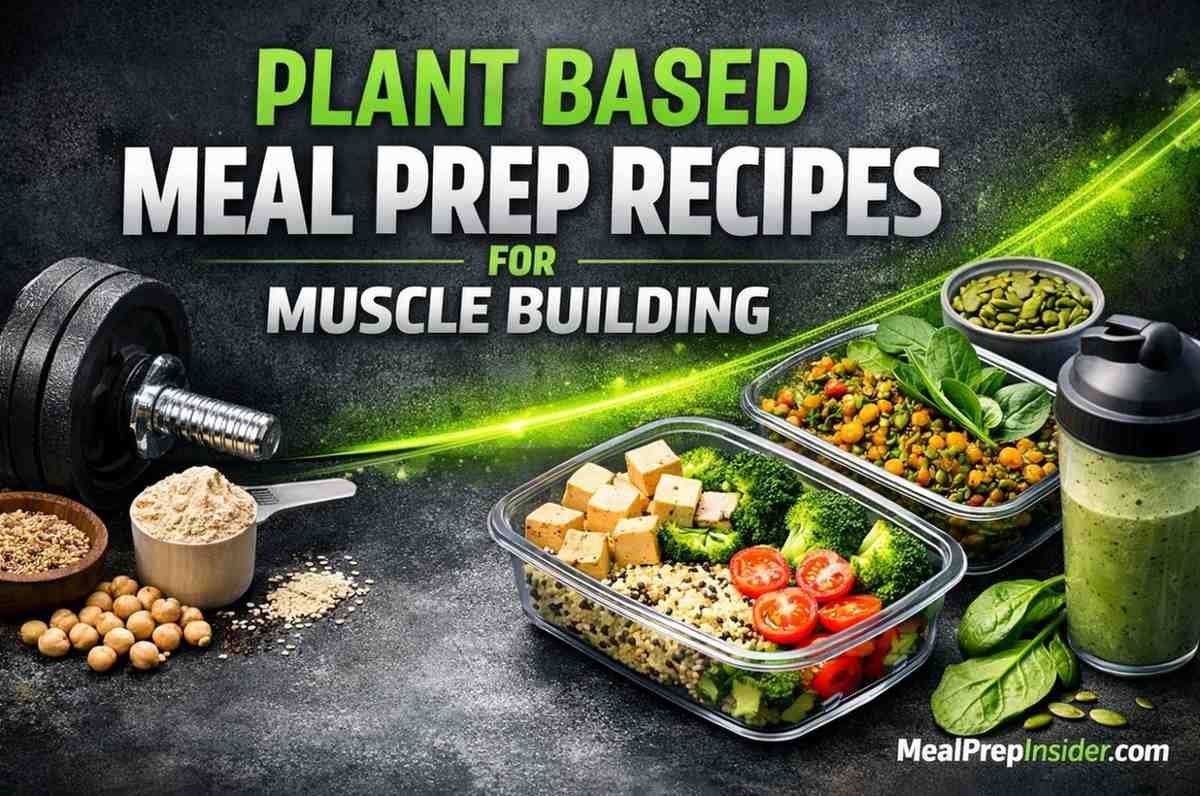
Plant Based Meal Prep Recipes for Muscle Building

Plant based meal prep recipes for muscle building are changing the game for athletes who once thought chicken breast was their only ticket to gains. You’ve been lied to.
The fitness industry spent decades convincing you that slabs of meat were non-negotiable for building serious muscle. Meanwhile, some of the strongest athletes on the planet have been quietly crushing PRs on plants alone.
Here’s what nobody tells you.
Your muscles don’t care whether protein comes wrapped in fur or grown from soil. They care about amino acids. Complete nutrition. Consistent fuel. And that’s exactly what strategic plant-based meal prep delivers when you know what you’re doing.
This isn’t about converting anyone. It’s about showing you a different path that works. No weird powders you can’t pronounce. No spending two hours at the grocery store decoding labels. Just real food that builds real muscle while you save time, money, and actually enjoy what you eat.
The recipes ahead are battle-tested by people who lift heavy, run far, and refuse to sacrifice performance for principles.
Let’s get into it.
Why Plant Based Protein Works for Muscle Growth
The science is settled, even if your gym buddy hasn’t gotten the memo yet. Muscle protein synthesis responds to adequate amino acid intake regardless of source. Period.
Research published in the Journal of the International Society of Sports Nutrition confirms that plant-based athletes achieve comparable muscle growth and strength gains to their omnivore counterparts when protein intake and training stimulus are matched. The keyword there is “matched.” You need a strategy, not just good intentions.
Plant proteins offer distinct advantages that meat-eaters miss. Legumes pack fiber that stabilizes blood sugar during long training sessions. Quinoa delivers all nine essential amino acids in one grain. Nuts provide healthy fats that support hormone production, including testosterone. Seeds like hemp and chia bring omega-3s that reduce inflammation and speed recovery.
Your body actually processes diverse protein sources more efficiently than relying on one or two animal products repeatedly. Variety creates resilience in your digestive system and ensures you’re not missing micronutrients buried in different foods.
The Muscle-Building Macros You Need
Let’s talk numbers without getting obsessive. Building muscle on plants requires hitting specific targets consistently. Not perfectly. Consistently.
Protein: 0.8 to 1 gram per pound of body weight daily. A 180-pound lifter needs 144-180 grams. Totally achievable without supplements, though they help.
Carbohydrates: Your actual muscle fuel. Don’t fear carbs. Embrace them. Aim for 2-4 grams per pound, depending on activity level. Sweet potatoes, oats, rice, and fruit should dominate your plate.
Fats: 0.3-0.5 grams per pound. Think avocados, nuts, seeds, and olive oil. These support hormone production and keep you satisfied between meals.
Calculate your baseline. Adjust based on results. Your body gives feedback constantly through energy levels, recovery speed, and mirror changes.
Meal prep makes hitting these numbers automatic instead of accidental. When your food is ready, you eat what you need rather than what’s convenient.
Setting Up Your Meal Prep System
Meal prep fails when people overcomplicate it. You don’t need matching containers that spark joy. You need a system that survives your actual schedule.
Pick one day. Sunday works for most people. Block three hours. That’s it.
Essential equipment:
- 10-15 glass or BPA-free containers with tight lids
- Large sheet pans (two minimum)
- Big pots for grains and legumes
- Sharp knife and cutting board
- Food scale (optional but helpful)
Prep in this order: grains, proteins, roasted vegetables, fresh components. This sequence maximizes oven and stovetop efficiency.
Cook grains in bulk. Make enough quinoa, brown rice, or farro for the entire week. These store well and reheat perfectly.
Prep your protein sources next. Bake multiple types of legumes, prepare tofu in different marinades, or cook a massive batch of tempeh. Variety prevents taste fatigue.
Roast vegetables while your proteins cook. Broccoli, Brussels sprouts, cauliflower, peppers, and zucchini all improve with high heat. Toss with olive oil and seasonings, spread on pans, and roast at 425°F until caramelized.
Keep some components fresh. Not everything needs cooking. Raw spinach, cherry tomatoes, cucumber, and herbs added at mealtime boost nutrition and texture.
Recipe 1: High-Protein Buddha Bowl Base
This is your foundation meal. Customizable. Satisfying. Packed with over 35 grams of protein per serving.
Ingredients:
- 2 cups cooked quinoa
- 1.5 cups cooked chickpeas
- 1 cup edamame, shelled
- 2 cups roasted sweet potato cubes
- 2 cups steamed broccoli
- 1/4 cup tahini
- 2 tablespoons nutritional yeast
- 2 tablespoons lemon juice
- 1 tablespoon maple syrup
- Salt and pepper to taste
- Garlic powder
Preparation:
Cook quinoa according to package directions. Drain and rinse chickpeas, then roast them at 400°F for 25 minutes with cumin and paprika until crispy. Boil edamame for 5 minutes in salted water.
Cube sweet potatoes, toss with olive oil and cinnamon, and roast at 425°F for 30 minutes, flipping halfway. Steam broccoli until bright green but still firm.
Make the tahini sauce by whisking tahini, nutritional yeast, lemon juice, maple syrup, and enough water to reach a pourable consistency. Season aggressively with salt, pepper, and garlic powder.
Divide quinoa among five containers. Top each with chickpeas, edamame, sweet potato, and broccoli. Store sauce separately in small containers.
Macros per serving:
- Protein: 36g
- Carbohydrates: 72g
- Fats: 18g
- Calories: 580
This bowl reheats beautifully or eats well cold. Add hot sauce, hemp seeds, or fresh cilantro when serving.
Recipe 2: Lentil and Walnut Taco Filling
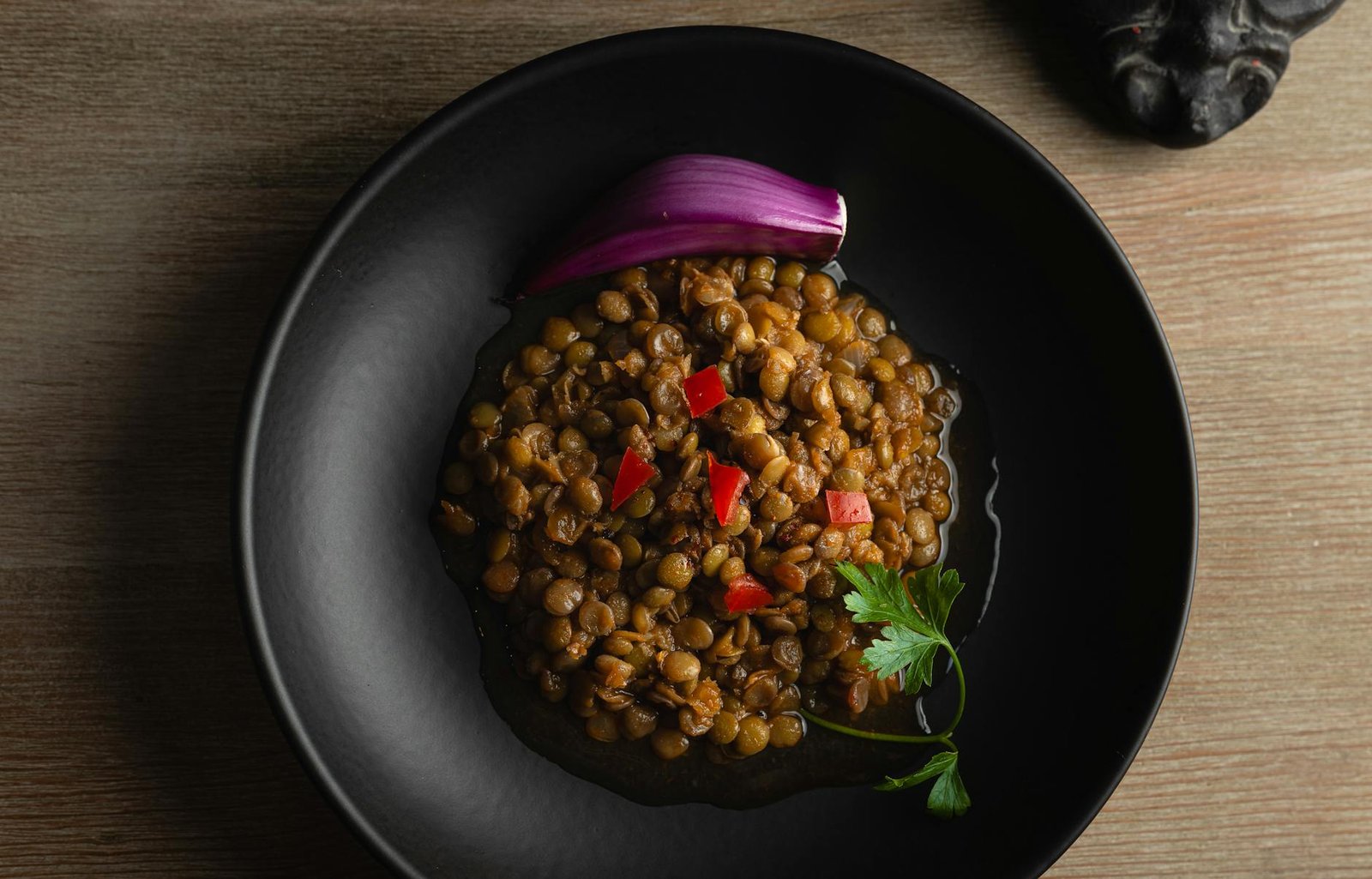
Forget crumbly store-bought substitutes that taste like cardboard. This filling has texture, flavor, and enough protein to fuel serious growth.
Ingredients:
- 2 cups cooked brown lentils
- 1 cup walnuts, pulsed in a food processor
- 1 large onion, diced
- 4 cloves garlic, minced
- 2 tablespoons tomato paste
- 2 teaspoons cumin
- 2 teaspoons chili powder
- 1 teaspoon smoked paprika
- 1 teaspoon oregano
- Salt to taste
- 1/2 cup vegetable broth
Preparation:
Sauté the onion in a large pan until translucent. Add garlic and cook another minute. Stir in tomato paste and spices, toasting for 30 seconds.
Add cooked lentils and pulsed walnuts. Pour in vegetable broth and simmer until liquid is absorbed, about 8 minutes. The mixture should be thick and cohesive.
Taste and adjust seasonings. This should be aggressively flavored since you’ll eat it throughout the week.
Portion into containers. Serve with whole-grain tortillas, brown rice, or lettuce wraps. Top with salsa, avocado, and cashew sour cream.
Macros per serving (1 cup filling):
- Protein: 22g
- Carbohydrates: 34g
- Fats: 14g
- Calories: 340
Make double batches. This freezes perfectly for up to three months.
Recipe 3: Tempeh Power Bowls with Peanut Sauce
Tempeh intimidates people unnecessarily. It’s fermented soybeans pressed into a cake. High protein. Firm texture. Takes on any flavor you give it.
Ingredients:
For the tempeh:
- 16 oz tempeh, cubed
- 3 tablespoons soy sauce
- 1 tablespoon rice vinegar
- 1 tablespoon maple syrup
- 1 teaspoon sesame oil
For the bowl:
- 2 cups cooked brown rice
- 2 cups shredded red cabbage
- 2 cups snap peas
- 1 cup shredded carrots
- 1/4 cup green onions, sliced
For the peanut sauce:
- 1/2 cup natural peanut butter
- 3 tablespoons soy sauce
- 2 tablespoons rice vinegar
- 1 tablespoon maple syrup
- 1 teaspoon sriracha
- 1 clove garlic, minced
- Water to thin
Preparation:
Steam tempeh for 10 minutes to remove bitterness. Cut into cubes. Whisk together soy sauce, rice vinegar, maple syrup, and sesame oil. Marinate tempeh for at least 30 minutes.
Bake marinated tempeh at 375°F for 25 minutes, flipping once, until edges are golden and slightly crispy.
For the sauce, whisk all ingredients together, adding water until it reaches a drizzle consistency. This should be thick but pourable.
Assemble bowls with brown rice, raw shredded cabbage, blanched snap peas, raw carrots, and baked tempeh. Store sauce separately.
Macros per serving:
- Protein: 32g
- Carbohydrates: 58g
- Fats: 22g
- Calories: 540
The combination of tempeh and peanut sauce delivers complete amino acid profiles your muscles crave.
Recipe 4: Overnight Oats Protein Powerhouse
Building muscle starts at breakfast. This meal prep breakfast takes five minutes to assemble and delivers all morning.
Ingredients (per serving):
- 1/2 cup rolled oats
- 1 scoop plant-based protein powder (vanilla or chocolate)
- 1 tablespoon chia seeds
- 1 tablespoon ground flaxseed
- 1 tablespoon almond butter
- 1 cup unsweetened almond milk
- 1/2 banana, sliced
- Handful of berries
- Pinch of cinnamon
Preparation:
Mix oats, protein powder, chia seeds, flaxseed, and cinnamon in a jar or container. Add almond milk and stir thoroughly. Top with almond butter (don’t mix in).
Refrigerate overnight. In the morning, add a fresh banana and berries. The oats will have absorbed the liquid and softened perfectly.
Make five at once. Line them up in your fridge. Grab and go.
Macros per serving:
- Protein: 35g
- Carbohydrates: 52g
- Fats: 14g
- Calories: 460
This breakfast keeps you full for hours and starts protein synthesis early.
Recipe 5: Black Bean and Quinoa Burgers
Portable protein that actually tastes incredible. These freeze beautifully and reheat in minutes.
Ingredients:
- 2 cups cooked black beans
- 1 cup cooked quinoa
- 1/2 cup oat flour
- 1/4 cup ground flaxseed mixed with 1/2 cup water
- 1 small onion, finely diced
- 3 cloves garlic, minced
- 2 teaspoons cumin
- 1 teaspoon smoked paprika
- Salt and pepper
- 2 tablespoons soy sauce
Preparation:
Mash black beans in a large bowl, leaving some texture. Mix in cooked quinoa, oat flour, and flax mixture (let this sit 5 minutes to gel first).
Sauté onion and garlic until soft. Add to the bean mixture along with all spices and soy sauce. Mix thoroughly. The mixture should hold together when pressed.
Form into 8 patties. Bake at 375°F for 25 minutes, flip, then bake another 20 minutes. They should be firm and slightly crispy on the outside.
Macros per burger:
- Protein: 14g
- Carbohydrates: 28g
- Fats: 6g
- Calories: 220
Stack these in whole-grain buns or crumble over salads. Each burger is a complete protein source.
Recipe 6: High-Protein Chickpea Curry
Comfort food that builds muscle. This curry improves over several days as flavors meld.
Ingredients:
- 3 cups cooked chickpeas
- 1 block firm tofu, cubed
- 1 can full-fat coconut milk
- 1 can crushed tomatoes
- 1 large onion, diced
- 4 cloves garlic, minced
- 2 tablespoons fresh ginger, minced
- 2 tablespoons curry powder
- 1 teaspoon turmeric
- 1 teaspoon cumin
- 1 teaspoon coriander
- 2 cups spinach
- Salt to taste
Preparation:
Press tofu to remove excess moisture. Cube and bake at 400°F for 25 minutes until golden.
In a large pot, sauté the onion until soft. Add garlic and ginger, cooking another minute. Stir in all spices, toasting briefly.
Add crushed tomatoes and coconut milk. Bring to a simmer. Add chickpeas and cook for 15 minutes. Stir in baked tofu and spinach. Cook until spinach wilts.
Portion into containers. Serve over brown rice or quinoa.
Macros per serving (without rice):
- Protein: 28g
- Carbohydrates: 42g
- Fats: 18g
- Calories: 440
This recipe makes 6 hearty servings that only get better with time.
Recipe 7: Protein-Packed Smoothie Freezer Packs
Blending fresh ingredients daily is unrealistic. Freezer packs solve this.
Ingredients per pack:
- 1 cup spinach
- 1/2 cup frozen berries
- 1/2 frozen banana
- 1 tablespoon almond butter
- 1 tablespoon hemp seeds
- 1 tablespoon ground flaxseed
- 1 scoop protein powder (add when blending)
Preparation:
Portion all ingredients except protein powder into freezer bags. Press out air and freeze flat for easy storage.
When ready to drink, dump contents into a blender. Add protein powder and 1-1.5 cups of liquid (almond milk, oat milk, or water). Blend until smooth.
Make 10 packs at once. You now have 10 ready-to-blend smoothies.
Macros per smoothie:
- Protein: 32g
- Carbohydrates: 38g
- Fats: 12g
- Calories: 380
Perfect post-workout when you need fast-absorbing nutrition.
Strategic Food Combinations for Complete Proteins
Plant proteins become complete when you combine complementary amino acid profiles. You don’t need to eat these in the same meal despite outdated advice. Your body pools amino acids over 24 hours.
Still, certain combinations are nutritional powerhouses:
Rice and beans: The classic for good reason. Rice provides methionine, beans provide lysine. Together, they form a complete protein with excellent digestibility.
Hummus and whole grain pita: Chickpeas paired with wheat create all essential aminos. Add this to meal prep as snacks.
Peanut butter on whole wheat toast: Legumes plus grains again. Simple but effective.
Quinoa with any legume: Quinoa is already complete, so adding lentils, chickpeas, or beans supercharges the protein content.
Spinach salad with sunflower seeds: Leafy greens plus seeds cover the amino acid spectrum while adding vital minerals.
Plan your meal prep around these combinations. They ensure you’re building muscle efficiently without overthinking every amino acid.
RELATED POST >> Best Slow Cooker Meal Prep: 15 Easy Dump Recipes
Shopping List Essentials
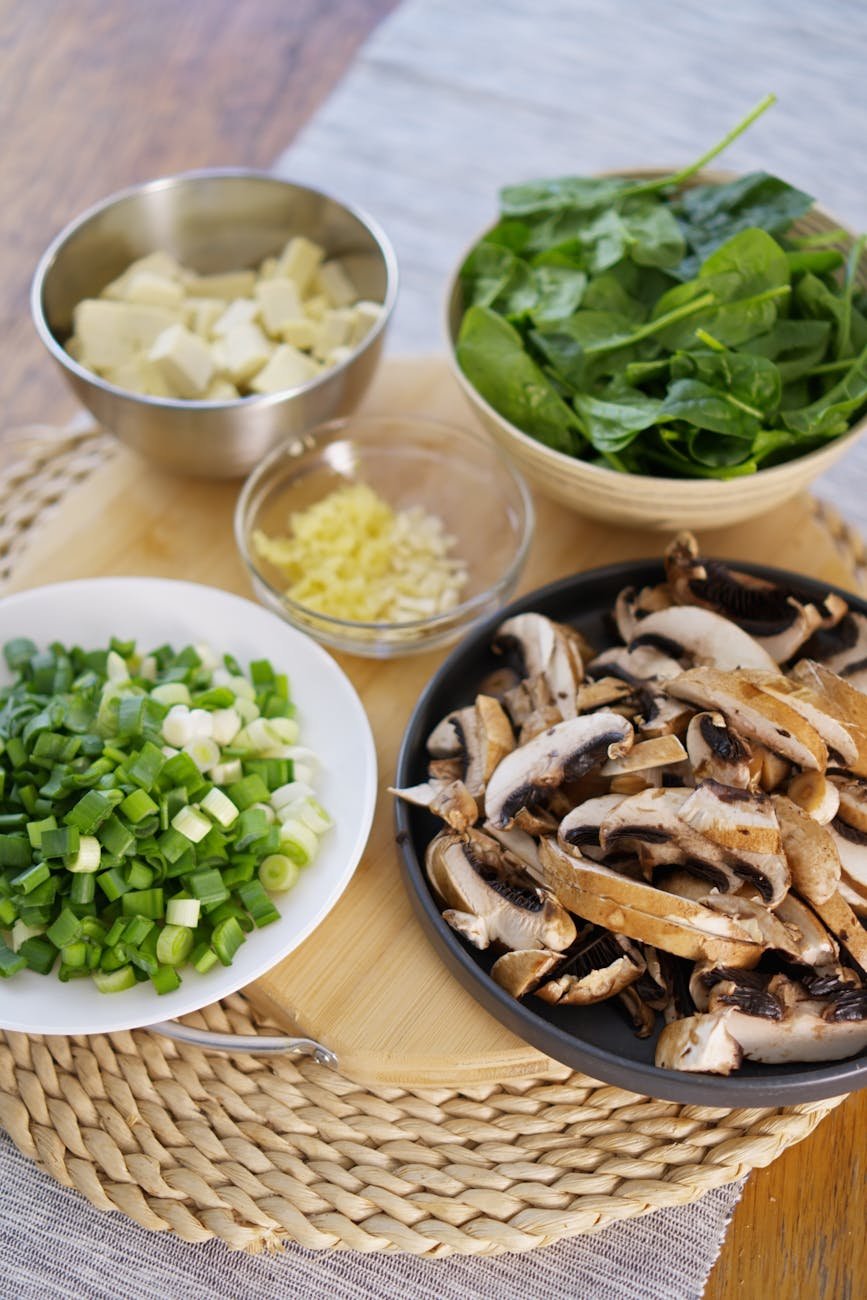
Your meal prep succeeds or fails at the grocery store. Stock these staples, and you’ll always have muscle-building meals available.
Protein sources:
- Dried lentils (red, green, black)
- Dried beans (black, pinto, chickpeas)
- Firm and extra-firm tofu
- Tempeh
- Edamame
- Plant-based protein powder
- Natural peanut butter
- Almond butter
Grains:
- Quinoa
- Brown rice
- Farro
- Oats
- Whole-grain pasta
- Whole-grain bread
Vegetables:
- Sweet potatoes
- Broccoli
- Spinach
- Kale
- Bell peppers
- Onions
- Garlic
- Mushrooms
- Tomatoes
Healthy fats:
- Avocados
- Raw almonds
- Walnuts
- Pumpkin seeds
- Hemp seeds
- Chia seeds
- Olive oil
- Coconut oil
Flavor enhancers:
- Nutritional yeast
- Soy sauce or tamari
- Hot sauce
- Vinegars
- Spices (cumin, paprika, turmeric, curry powder)
- Fresh herbs
Buy in bulk when possible. Dried legumes and grains are pennies per serving compared to packaged foods.
Common Pitfalls to Sidestep
People torpedo their plant-based muscle building through simple mistakes. Avoid these, and you’re ahead of 90% of beginners.
Undereating protein: The biggest error. Track your intake for two weeks to calibrate your instincts. Most people drastically underestimate portions.
Skipping variety: Eating chickpeas seven days straight leads to burnout. Rotate protein sources even if it means slightly more prep work.
Neglecting calories: Plants are less calorie-dense than meat. You might need to eat larger volumes than expected. Don’t fear big portions.
Forgetting about leucine: This amino acid triggers muscle protein synthesis. Foods high in leucine include soybeans, tofu, tempeh, lentils, and pumpkin seeds. Include these daily.
Inadequate meal timing: Spread protein across the day. Four meals with 30-40 grams each beat two massive meals. Your body can only utilize so much protein per sitting.
Ignoring micronutrients: Plants deliver vitamins and minerals that meat lacks, but you need variety. Eat the rainbow. Different colored vegetables provide different compounds.
Overcomplicating recipes: Simple food prepared well beats elaborate dishes you’ll never make again. Stick with recipes you’ll actually repeat.
Adapting Recipes to Your Calorie Needs
These recipes provide baselines. Your body might need more or fewer calories depending on size, activity level, and goals.
Bulking? Add extra servings of nuts, seeds, and avocado. These are calorie-dense without being filling. An extra 1/4 cup of almonds adds 200 calories and 7 grams of protein.
Cutting? Reduce added fats slightly. Replace half the quinoa with cauliflower rice. Use vegetable broth instead of coconut milk in curries. These swaps maintain volume and satisfaction while reducing calories.
Track results for two weeks. Weigh yourself daily and average the week. If the scale moves in your intended direction, you’re on track. If not, adjust portions by 10-15% and reassess.
Listen to your body. Constant hunger means you’re undereating. Sluggish workouts suggest insufficient carbs. Slow recovery might indicate inadequate protein or overall calories.
Meal Prep Schedule That Works
Here’s a realistic Sunday routine that sets up your entire week:
Hour 1:
- Start rice and quinoa cooking
- Prep all vegetables (wash, chop, store)
- Preheat oven
- Start marinating tofu or tempeh
Hour 2:
- Put proteins in the oven
- Cook lentils or beans on the stovetop
- Roast vegetables
- Make sauces and dressings
Hour 3:
- Assemble containers
- Label everything with dates
- Prepare smoothie freezer packs
- Clean kitchen
Three hours gives you 10-15 meals ready to grab. That’s breakfast, lunch, and snacks for the work week.
Friday evening, do a mini-prep. Make weekend breakfast items and one dinner. This prevents decision fatigue when you’re tired.
Storage and Safety Guidelines
Food safety matters when you’re preparing days ahead. Follow these rules to keep meals fresh and safe.
Most prepared meals last 4-5 days refrigerated. Freeze anything you won’t eat within that window.
Cool foods completely before refrigerating. Hot food in sealed containers creates condensation and bacterial growth.
Keep your refrigerator at 40°F or below. Invest in a fridge thermometer if uncertain.
Label containers with contents and date prepared. Use a piece of tape and a marker. Simple but effective.
Reheat to 165°F minimum. Use a food thermometer occasionally to verify your microwave heats thoroughly.
Trust your senses. If something smells off, looks weird, or tastes strange, toss it. Don’t gamble with sketchy leftovers.
Freeze items in single servings. This allows you to defrost only what you need rather than an entire batch.
Pre and Post Workout Nutrition
Meal prep extends to workout fuel. Having the right food ready makes or breaks training quality.
Pre-workout (1-2 hours before):
Focus on easily digestible carbs with moderate protein. A smoothie with banana, berries, oats, and protein powder works perfectly. Or toast with almond butter and banana slices.
Avoid heavy fats immediately before training. They slow digestion and can cause discomfort during intense workouts.
Post-workout (within 2 hours):
This is your muscle-building window. Prioritize protein and carbs. The tempeh power bowl, chickpea curry over rice, or a protein smoothie all hit the mark.
Research shows 20-40 grams of protein post-workout optimizes recovery. Your muscles are primed to absorb nutrients.
Prep these meals specifically for training days. Keep them in containers you can grab on the way to or from the gym.
Supplements Worth Considering
Whole foods should dominate your nutrition. But a few supplements legitimately help plant-based athletes.
Protein powder: Not required, but incredibly convenient. Look for blends containing pea, rice, and hemp for complete amino acids. Avoid products loaded with sweeteners and artificial ingredients.
Creatine monohydrate: The single most researched muscle-building supplement. Plant-based diets contain zero creatine naturally since it’s found in animal tissue. Five grams daily increases strength and power output.
Vitamin B12: Non-negotiable. B12 exists primarily in animal products. Take 1000-2500 mcg weekly or a daily lower dose. Deficiency tanks energy and recovery.
Vitamin D: Unless you live somewhere sunny year-round, you probably need this. Supports bone health, hormone production, and immune function. Get levels tested and supplement accordingly.
Omega-3s from algae: If you don’t eat flax, chia, or walnuts daily, consider an algae-based EPA/DHA supplement. These support inflammation control and cardiovascular health.
Zinc: Plant-based diets can run low in zinc, which affects testosterone production and immune function. Pumpkin seeds are an excellent source of supplement 15-30mg daily.
Buy supplements from reputable brands that do third-party testing. The industry is poorly regulated, so quality varies dramatically.
Tracking Progress Beyond the Scale
Building muscle on plants requires patience and proper metrics. The scale tells part of the story but misses important details.
Take progress photos every two weeks. Same lighting, same time of day, same angles. Visual changes often precede scale changes.
Track workout performance. Are your lifts increasing? Can you do more reps at the same weight? Performance gains indicate muscle growth even if bodyweight stays stable.
Measure body parts monthly. Arm, chest, waist, thigh, and calf measurements reveal composition changes the scale misses.
Monitor energy levels and recovery. Building muscle successfully means you feel strong and recover between sessions. Constant fatigue suggests inadequate nutrition.
Pay attention to how clothes fit. Muscle occupies less space than fat at the same weight. Your pants might fit better even if the scale hasn’t budged.
Give changes 4-6 weeks minimum before adjusting your approach. Muscle building is slow. Trust the process when you’re doing things correctly.
Budget-Friendly Meal Prep Tips
Plant-based eating costs significantly less than meat-based diets when you shop smart. Here’s how to maximize your budget.
Buy dried beans and lentils instead of canned. A one-pound bag costs $1-2 and yields 6-7 cups cooked. That’s roughly 20 cents per serving versus 80 cents for canned.
Shop sales and stock up. When quinoa or brown rice goes on sale, buy multiple bags. These stores indefinitely.
Visit ethnic grocery stores. Indian, Middle Eastern, and Asian markets sell legumes, grains, and spices at a fraction of mainstream grocery prices.
Buy frozen vegetables when fresh is expensive. Nutritionally identical, often cheaper, and zero waste from spoilage.
Make your own protein bars and energy balls. Store-bought versions cost $2-3 each. Homemade costs about 40 cents and contains real ingredients.
Grow herbs on your windowsill. Fresh herbs are pricey but add enormous flavor. Basil, cilantro, and parsley grow easily indoors.
Prep larger batches and freeze portions. Cooking once and eating three times is more economical than cooking small batches repeatedly.
Troubleshooting Digestive Issues
Switching to higher-fiber plant foods can cause temporary digestive discomfort. Your gut microbiome needs time to adapt.
Increase fiber gradually. Don’t go from 15 grams daily to 50 grams overnight. Add high-fiber foods slowly over several weeks.
Drink more water. Fiber needs liquid to move through your system smoothly. Aim for half your bodyweight in ounces daily.
Soak beans and lentils before cooking. This reduces phytic acid and certain sugars that cause gas. Soak 8-12 hours, drain, rinse, then cook.
Cook legumes thoroughly. Undercooked beans are harder to digest. They should be soft enough to smash easily with a fork.
Try digestive enzymes. Over-the-counter enzyme supplements containing alpha-galactosidase help break down complex carbohydrates that cause gas.
Chew food thoroughly. Digestion starts in your mouth. Breaking food down mechanically reduces work for your stomach and intestines.
Most people adapt within 2-4 weeks. Temporary discomfort is normal. Persistent severe issues warrant talking to a doctor.
Scaling Recipes for Different Household Sizes
These recipes serve 4-6 typically. Adjust based on your situation.
Meal prepping solo: Cut recipes in half or make full batches and freeze portions. Variety matters more when cooking for one, so make smaller batches of multiple recipes rather than one massive batch.
Couples: Standard recipes work perfectly. You’ll each have lunch and dinner for several days, plus extra servings for flexibility.
Families with kids: Double the recipes. Kids eat less per serving, but families burn through food quickly. Having abundant healthy options prevents last-minute takeout.
Feeding athletes: Make 1.5x to 2x the standard amounts. Athletes in heavy training need massive calorie intake. Better to have leftovers than run short mid-week.
Use your freezer strategically. Cook double batches, eat some fresh, freeze the rest. This builds a rotation of meals, preventing boredom.
Frequently Asked Questions
Can you build muscle as effectively on plants as with animal protein?
Yes, when you consume adequate protein, calories, and train properly. Research comparing plant-based and omnivore athletes shows equivalent muscle growth when protein intake and training are matched. The key is eating sufficient amounts from varied sources.
How much protein do I really need for muscle growth?
0.8-1 gram per pound of bodyweight daily for most people. A 170-pound person building muscle should target 136-170 grams daily. Spread this across 4-5 meals for optimal muscle protein synthesis.
What are the best plant protein sources for building muscle?
Lentils, chickpeas, black beans, tofu, tempeh, edamame, quinoa, nutritional yeast, and plant-based protein powders. Combine different sources throughout the day to ensure complete amino acid intake.
How long does meal-prepped food stay fresh?
Most cooked meals last 4-5 days refrigerated. Freeze anything you won’t consume within that timeframe. Properly frozen meals maintain quality for 2-3 months.
Is plant protein harder to digest than animal protein?
Initially, higher fiber content may cause digestive adjustment. Your gut adapts within 2-4 weeks. Proper cooking, soaking legumes, and gradual increases minimize discomfort. Once adapted, most people digest plant proteins easily.
Do I need protein powder, or can I get enough from whole foods?
Whole foods can absolutely provide sufficient protein. Powder is convenient, but not necessary. If your schedule makes eating enough whole food protein difficult, powder helps fill gaps efficiently.
What if I don’t like the taste of tofu or tempeh?
Neither food has much inherent flavor, which is actually an advantage. They absorb whatever seasonings and marinades you use. Proper preparation with bold flavors transforms them completely. Give them several tries with different recipes before deciding.
How do I meal prep if I travel frequently for work?
Focus on portable items like protein bars, nuts, shelf-stable protein powder, and dried fruit. Many hotels have mini-fridges where you can store prepped salads and grain bowls. Pack a small cooler bag with ice packs for flights.
Can beginners start with meal prep, or should they ease into it?
Start by preparing 3-4 meals rather than a full week. As you get comfortable, scale up. Beginning with manageable amounts prevents overwhelm and waste if you discover you don’t enjoy certain recipes.
Will eating the same meals repeatedly get boring?
Rotate 8-10 different recipes and prep 2-3 simultaneously each week. Use different sauces and toppings to vary flavors. Most people find a groove with favorite staples they genuinely enjoy eating regularly.
How do I know if I’m eating enough calories to build muscle?
Track your weight weekly. Building muscle typically requires a slight calorie surplus. If you’re training hard but weight isn’t increasing 0.5-1 pound weekly, increase portions by 10-15%. Adjust based on results.
What’s the most important factor for muscle-building success?
Consistency. Perfect nutrition executed occasionally loses to good nutrition implemented daily. Meal prep removes friction between you and adequate nutrition, making consistency automatic rather than dependent on willpower.
Building muscle on plants isn’t about perfection. It’s about preparation. The recipes and strategies here give you everything needed to fuel serious gains without animal products. Start with two or three recipes that appeal to you. Master those. Add more as you build confidence.
Your muscles don’t care about ideology. They respond to stimuli and fuel. Give them both consistently, and they’ll grow. The meal prep containers in your fridge make that consistency effortless.
Stop overthinking it. Pick a prep day. Make some food. Eat it. Train hard. Repeat.
That’s the entire game.
SUGGESTED POST >> Easy One Pan Meal Prep that is Healthy with Zero Cleanup
Discover more from Meal Prep Insider
Subscribe to get the latest posts sent to your email.