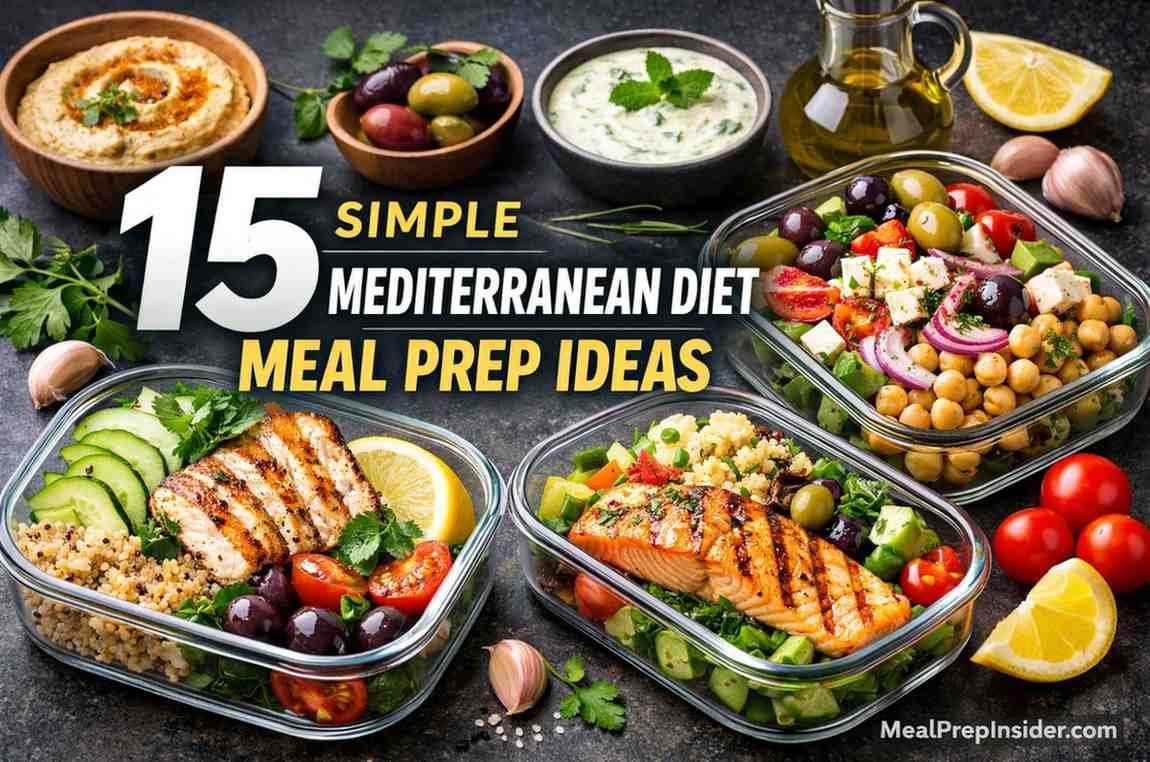
15 Simple Mediterranean Diet Meal Prep Ideas: Gut Reset Hack

Mediterranean diet meal prep ideas can transform your weekly routine from chaotic takeout orders to organized, delicious eating that doesn’t require a culinary degree or hours in the kitchen. You know that Sunday panic when you realize you’ve got nothing planned for the week ahead? That scramble ends now.
Here’s the thing most people don’t tell you about the Mediterranean diet: it’s ridiculously practical for meal prep. No bizarre ingredients that go bad before you can use them. No complicated techniques that require a YouTube tutorial every single time.
Just real food. Simple combinations. Flavors that somehow get better sitting in your fridge.
And yeah, we’re talking about the same eating pattern that’s been linked to longer lifespans, healthier hearts, and better brain function. But forget the science lecture for now. Let’s talk about getting dinner on the table without losing your mind.
Why Mediterranean Diet Meal Prep Actually Works
The Mediterranean approach fits meal prep like a glove fits a hand. The cuisine relies heavily on ingredients that hold up well in storage. Think chickpeas, whole grains, roasted vegetables, and grilled proteins.
These aren’t delicate foods that turn to mush after a day in the fridge.
Most Mediterranean dishes taste better the next day. That’s not an exaggeration. The olive oil seeps into the grains. The lemon juice mellows. The herbs distribute their flavor throughout the entire dish.
You’re basically getting better food with less effort. That’s the dream, right?
The diet emphasizes plants, healthy fats, and moderate portions of fish and poultry. These components naturally create balanced meals that keep you satisfied without that heavy, sluggish feeling.
Prep once. Eat well all week. Simple math.
Getting Your Kitchen Ready for Success
Before diving into specific recipes, let’s talk containers. You need good ones. Not those flimsy things that crack after two uses or leak marinara sauce all over your work bag.
Glass containers with snap-lock lids are worth every penny. They don’t stain, don’t hold smells, and you can see what’s inside without playing refrigerator roulette.
Get a variety of sizes. Small ones for dressings and dips. Medium for sides. Large for full meals.
Your knife matters too. A sharp chef’s knife makes chopping vegetables actually enjoyable instead of a finger-endangering chore. You don’t need an expensive set. One good eight-inch chef’s knife does most of the work.
Stock your pantry with Mediterranean staples:
- Extra virgin olive oil (the real stuff, not the fake garbage)
- Canned chickpeas and white beans
- Whole-grain pasta and farro
- Quinoa and brown rice
- Canned tomatoes (whole and crushed)
- Kalamata olives
- Capers
- Red wine vinegar and lemon juice
- Dried oregano, basil, and thyme
- Garlic (fresh, always fresh)
- Tahini
- Pine nuts and walnuts
With these ingredients on hand, you’re already halfway to most Mediterranean meals.
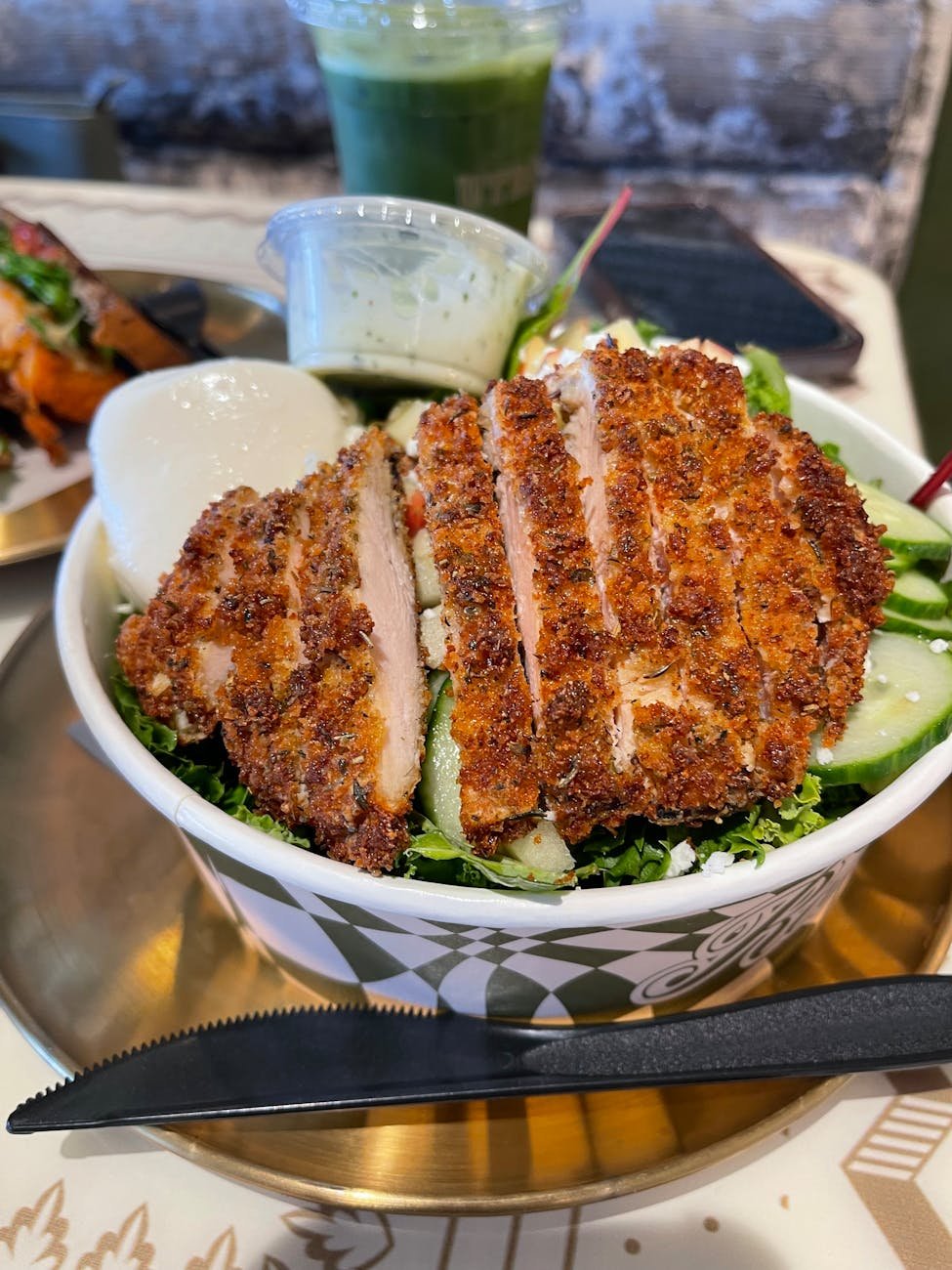
1. Greek Chicken Bowls with Tzatziki
Start with this crowd-pleaser. Marinate chicken thighs (not breasts, they dry out) in lemon juice, olive oil, garlic, and oregano. Give them at least two hours, but overnight works even better.
Grill or bake the chicken until the edges get slightly charred. That caramelization equals flavor.
While the chicken cooks, prep your other components. Cook quinoa or brown rice. Chop cucumbers, tomatoes, and red onion. Slice some bell peppers.
For the tzatziki, combine Greek yogurt with grated cucumber (squeeze out the water first), minced garlic, lemon juice, and fresh dill. This sauce keeps for five days easily.
Assemble everything in containers:
- Base layer of grains
- Sliced chicken on top
- Vegetables on the side
- Tzatziki in a small separate container
Each lunch takes about four minutes to throw together. Each bite delivers protein, complex carbs, and vegetables in perfect harmony.
2. Mediterranean Lentil Soup
Lentil soup is the ultimate set-it-and-forget-it meal prep. It freezes beautifully, reheats perfectly, and costs almost nothing to make.
Sauté diced onions, carrots, and celery in olive oil until soft. Add minced garlic and tomato paste. Let that cook for a minute until fragrant.
Dump in your lentils (green or brown, not red for this), vegetable broth, canned tomatoes, and seasonings. Cumin, coriander, and a bay leaf make this sing.
Simmer for 40 minutes. That’s it.
The soup thickens as it sits, so add extra broth when reheating. Finish each serving with a drizzle of good olive oil and a squeeze of lemon. Those final touches elevate it from good to spectacular.
Make a double batch. Portion some for the week ahead and freeze the rest for those emergency dinner situations.
3. Baked Falafel with Hummus and Veggies
True story: baked falafel works just as well as fried, with maybe 10% of the hassle and none of the oil splatter.
Pulse chickpeas (dried ones you’ve soaked, not canned) with onion, garlic, parsley, cilantro, and spices in a food processor. The mixture should hold together when squeezed but still look pretty rough.
Form into patties or balls. Brush with olive oil. Bake at 375°F for about 25 minutes, flipping halfway.
Pair these with homemade or store-bought hummus, cucumber slices, cherry tomatoes, and whole wheat pita. Pack everything separately so the pita doesn’t get soggy.
These falafel keep their texture all week. Reheat them in a toaster oven for best results, or eat them cold in a salad.
4. Sheet Pan Salmon with Roasted Vegetables
Sheet pan meals are the busy person’s secret weapon. Everything cooks together. Cleanup takes two minutes.
Arrange salmon fillets on a parchment-lined baking sheet. Surround them with cherry tomatoes, asparagus, and thinly sliced fennel.
Drizzle everything with olive oil. Season the salmon with salt, pepper, and dried oregano. Add lemon slices on top.
Roast at 400°F for 15-18 minutes, depending on the thickness of your salmon. The vegetables get caramelized. The salmon stays moist.
Divide into containers with some cooked orzo or quinoa. The fish holds up for about three days in the fridge.
Pro tip: slightly undercook the salmon if you’re planning to reheat it. That prevents it from getting dry.
5. Greek Salad Meal Prep Jars
Layer these in wide-mouth mason jars for Instagram-worthy lunches that stay fresh and crisp.
Bottom layer: dressing made with red wine vinegar, olive oil, Dijon mustard, and dried oregano.
Next: chickpeas or white beans for protein and substance.
Then: cucumbers, bell peppers, and red onion.
Top layer: chopped romaine and crumbled feta.
When you’re ready to eat, shake it up. Everything gets coated in dressing. The lettuce stays crisp because it wasn’t sitting in liquid.
Make five of these on Sunday. Grab one each morning. You’ve got lunch handled.
6. Mediterranean Egg Muffins
Breakfast doesn’t get enough attention in meal prep conversations. These egg muffins fix that problem.
Whisk eggs with a splash of milk. Add sautéed spinach, sun-dried tomatoes, feta cheese, and fresh basil.
Pour into greased muffin tins. Bake at 350°F for about 20 minutes until set.
Pop them out, let them cool, and store them in the fridge. Two or three of these with a piece of fruit make a complete breakfast.
Reheat in the microwave for 30 seconds. Eat them cold if you’re rushing out the door. They’re good either way.
These freeze beautifully, too. Make a massive batch, and you’ve got breakfast sorted for weeks.
7. Tabbouleh with Grilled Chicken
Tabbouleh is basically the perfect grain salad. It’s fresh, herbaceous, and doesn’t get soggy like other salads.
The key is using way more parsley than you think you need. This isn’t a grain salad with some herbs. It’s an herb salad with some grains.
Cook bulgur wheat according to package directions. Let it cool completely.
Chop parsley (a lot), mint (less but still a good amount), tomatoes, and cucumber. Mix everything with lemon juice, olive oil, salt, and pepper.
Grill chicken breasts seasoned simply with salt, pepper, and a bit of cumin. Slice them up.
Pack the tabbouleh and chicken separately or together, depending on your preference. This combination stays fresh for four days easily.
8. White Bean and Tuna Salad
This might sound too simple to be good. It’s not. Sometimes simple is exactly what you need.
Drain canned white beans and good-quality tuna. Mix them with diced red onion, chopped parsley, lemon juice, and olive oil.
Season with salt and pepper. That’s the whole recipe.
Serve it over greens, stuff it in a pita, or eat it straight from the container with crackers. The beans make it filling enough to be a complete meal.
Make a big batch, and it’ll keep for five days. The flavors develop and improve as it sits.
9. Stuffed Bell Peppers Mediterranean Style
Traditional stuffed peppers often get mushy. This version stays structured and delicious.
Cut bell peppers in half lengthwise. Remove the seeds, but leave the peppers raw for now.
Make a filling with cooked quinoa, chickpeas, diced tomatoes, crumbled feta, kalamata olives, and fresh oregano. Season well.
Stuff the pepper halves with this mixture. Arrange them in a baking dish. Add a little water to the bottom to create steam.
Cover with foil and bake at 375°F for 35 minutes. Remove the foil and bake another 10 minutes to let the tops get slightly crispy.
These peppers reheat perfectly. The filling stays moist while the pepper maintains some bite.
10. Moroccan Chickpea Stew
North African flavors fit beautifully into the Mediterranean diet framework. This stew brings warmth and complexity to your meal prep rotation.
Sauté onions until golden. Add garlic, ginger, cumin, coriander, cinnamon, and a pinch of cayenne. Let those spices bloom in the oil.
Add chickpeas, diced sweet potato, crushed tomatoes, and vegetable broth. Simmer until the sweet potato is tender, about 25 minutes.
Stir in some spinach at the end. It wilts right into the stew.
Finish with a squeeze of lemon and some chopped cilantro. Serve over couscous or with crusty bread.
This stew actually gets better over time as the flavors meld. It’s one of those rare dishes that’s better on day three than day one.
11. Greek Yogurt Chicken Salad
Swap mayo for Greek yogurt, and this lunch classic becomes Mediterranean-approved.
Use rotisserie chicken to save time. Shred it up and mix with Greek yogurt, diced cucumber, dried cranberries, chopped walnuts, and fresh dill.
Season with salt, pepper, and a squeeze of lemon. Adjust the yogurt amount to get the consistency you prefer.
Pack this with whole-grain crackers, sliced vegetables, or stuff it in a whole wheat pita. It’s versatile and holds up well for about four days.
The protein from the yogurt and chicken keeps you full. The walnuts add crunch and healthy fats.
12. Shakshuka Meal Prep Style
Traditional shakshuka is cooked fresh, but you can prep the tomato sauce ahead and poach eggs when you’re ready to eat.
Make a sauce with crushed tomatoes, sautéed bell peppers and onions, garlic, cumin, and paprika. Let it simmer until thick.
Portion the sauce into containers. When you want to eat, heat the sauce in a skillet and poach eggs directly in it. Five minutes and you’ve got a hot, satisfying meal.
Serve with crusty bread or pita. The runny yolk mixing with the spiced tomato sauce is absolutely worth the minimal effort.
13. Orzo Salad with Roasted Vegetables
Orzo is pasta that thinks it’s rice. It’s perfect for cold salads that hold up in the fridge.
Cook orzo until al dente. While it cooks, roast zucchini, eggplant, and cherry tomatoes with olive oil and Italian seasoning.
When everything is cool, mix it with arugula, crumbled goat cheese, and a simple lemon vinaigrette.
This salad works as a side or a main. Add grilled chicken or shrimp if you want extra protein.
The roasted vegetables add a depth of flavor that raw vegetables can’t match. The orzo soaks up the dressing without getting mushy.
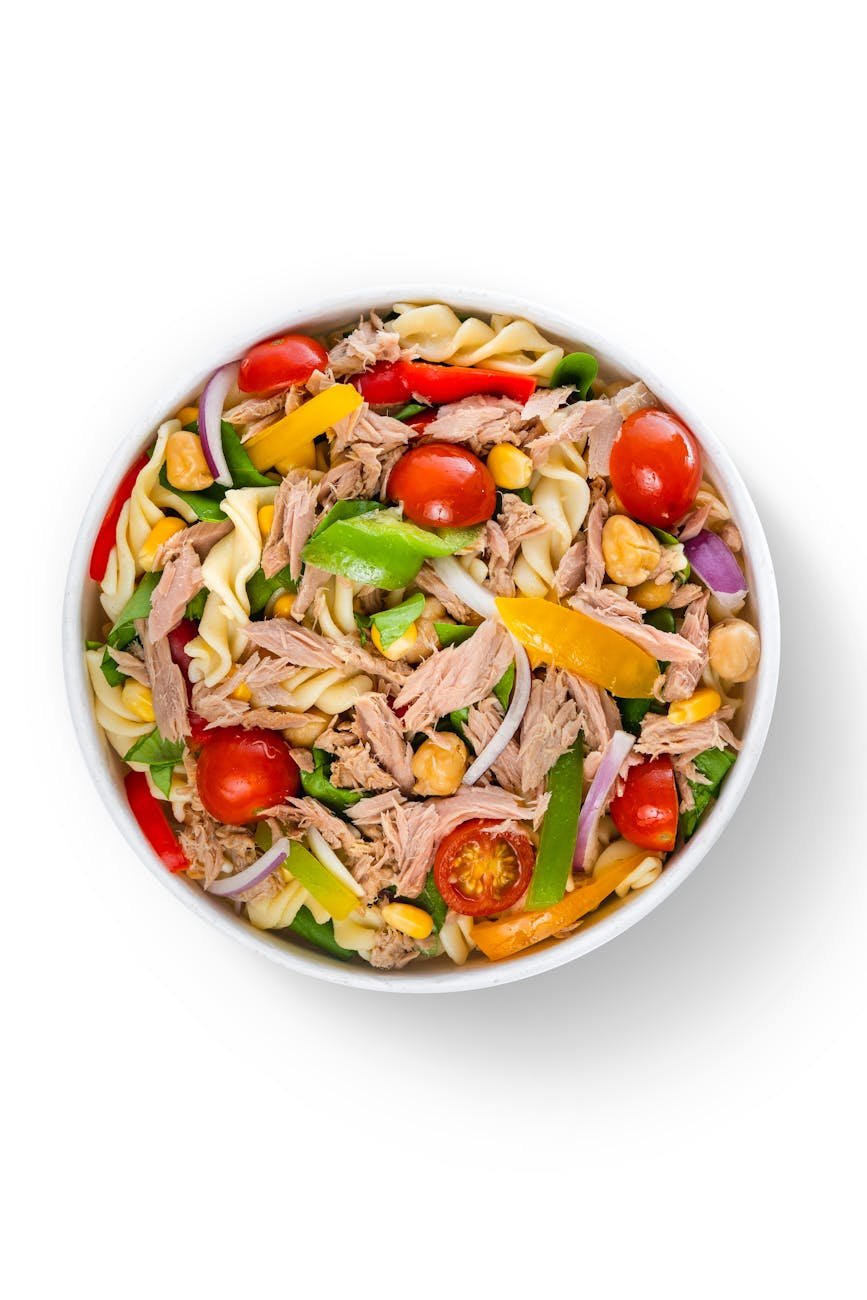
14. Mediterranean Tuna Pasta
This isn’t your cafeteria tuna noodle casserole. This is bright, fresh, and completely different.
Cook whole wheat pasta. While it’s cooking, make a quick sauce with olive oil, garlic, lemon zest, and red pepper flakes.
Drain the pasta and toss it with the sauce. Add canned tuna, halved cherry tomatoes, capers, and fresh basil.
Toss everything together. The heat from the pasta slightly warms the tomatoes and releases their juices.
This dish is good warm or cold. Pack it for lunch or eat it for dinner. Either way, it takes about 20 minutes to make.
15. Baked Eggplant with Tomatoes and Feta
Eggplant sometimes gets a bad rap for being bland or mushy. Prepared correctly, it’s neither.
Slice eggplant into rounds about half an inch thick. Salt them and let them sit for 20 minutes to draw out moisture.
Rinse and pat dry. Arrange on a baking sheet and brush with olive oil. Roast at 425°F until golden, about 25 minutes.
Layer the roasted eggplant with marinara sauce, fresh mozzarella, and crumbled feta in a baking dish. Bake until bubbly.
Portion into containers. This reheats beautifully, and the flavors intensify over a couple of days.
Serve it with a simple side salad or some whole-grain bread.
Common Pitfalls People Encounter When Meal Prepping
One mistake people repeatedly make is prepping meals they don’t genuinely enjoy. If you hate chickpeas, don’t force yourself to eat them five days straight because they’re “healthy.”
Meal prep should make your life easier, not turn eating into a punishment.
Another issue: making everything on Sunday and expecting it to taste fresh on Friday. Some foods simply don’t last a week. Fish and leafy greens have a shorter window. Plan accordingly.
Batch prepping doesn’t mean eating identical meals every single day. Mix and match components. Use the same grilled chicken in a salad one day and in a wrap the next.
Failing to season properly ruins meal prep faster than anything else. Food sitting in the fridge needs more seasoning than food eaten immediately. Be generous with your herbs, spices, and acid.
Not labeling containers seems minor until you’re staring at three identical containers trying to remember which one has the lentil soup and which has the marinara sauce.
RELATED POST >> 37 Easy Cheap High Protein Meal Prep Ideas Now
Smart Storage Strategies That Extend Freshness
Some ingredients need to be packed separately. Dressings make salads soggy if they sit together for days. Keep them in small containers and add them right before eating.
Herbs stay fresher when stored properly. Treat them like flowers. Trim the stems and stand them in a glass of water in the fridge with a plastic bag loosely covering the top.
Cooked grains can get dry in the fridge. Add a small splash of water or broth when reheating to bring back their moisture.
Store containers in the order you’ll eat them. Monday’s lunch goes in front, Friday’s goes in back. This prevents you from accidentally eating Thursday’s meal on Tuesday and scrambling to figure out what to do.
Freeze portions you won’t eat within four days. Most of these Mediterranean dishes freeze well for up to three months.
Making Mediterranean Meal Prep Work With Your Schedule
You don’t have to dedicate your entire Sunday to cooking. Break it up.
Prep vegetables and grains on Sunday. Cook proteins on Wednesday. You’re spreading the work across the week while still getting ahead.
Double recipes when you’re already cooking dinner. Making chicken for tonight? Double it and use the extra for meal prep.
Use your tools efficiently. While something bakes in the oven, chop vegetables. While grains simmer, make your dressing. Stack your tasks.
Involve your family if you’ve got one. Kids can wash vegetables. Partners can chop or stir. Many hands make light work, and all that.
Some weeks will be busier than others. On crazy weeks, prep even simpler meals. There’s no shame in rotisserie chicken, pre-washed greens, and a jar of quality marinara.
How To Keep Your Meal Prep Interesting
Rotate your proteins. Chicken one week, fish the next, vegetarian the week after. The Mediterranean diet isn’t heavy on meat anyway, so you’ve got plenty of plant-based options.
Change up your grains. Quinoa, farro, bulgur, couscous, and rice all bring different textures and flavors. Don’t get stuck in a rut.
Follow the seasons. Summer tomatoes taste nothing like winter tomatoes. Embrace what’s fresh and available. Your food will taste better and cost less.
Try one new recipe every other week. Don’t overhaul everything at once. Just add one new dish to your rotation. Over time, you’ll build a substantial collection of go-to meals.
Different herbs completely change a dish’s profile. Basil takes you to Italy. Mint brings Middle Eastern vibes. Oregano screams Greece. Same basic ingredients, totally different experience.
The Economics of Mediterranean Meal Prep
Let’s talk money because eating well shouldn’t require a second mortgage.
Beans and lentils cost pennies per serving. They’re packed with protein and fiber. They’re the backbone of budget-friendly Mediterranean eating.
Buying whole chickens and breaking them down yourself saves significant money compared to pre-cut pieces. It takes ten minutes to learn, and you’ll save thousands over a lifetime.
Frozen vegetables are nutritionally similar to fresh and often cheaper. Frozen spinach, artichokes, and peas work beautifully in Mediterranean cooking.
Store brands for canned goods are usually identical to name brands. Save the money for splurging on really good olive oil, which actually makes a difference.
Growing your own herbs is laughably easy and saves money. A basil plant costs three dollars and produces more basil than you’d get in twenty of those tiny grocery store packages.
Nutrition Breakdown: What Makes This Work
The Mediterranean diet isn’t a diet in the restrictive sense. It’s a pattern of eating that humans have followed for thousands of years.
It emphasizes:
| Food Category | Frequency | Examples |
|---|---|---|
| Vegetables | Daily, multiple servings | Tomatoes, peppers, eggplant, leafy greens |
| Fruits | Daily | Citrus, grapes, figs, apples |
| Whole Grains | Daily | Whole wheat, farro, bulgur, oats |
| Legumes | Daily | Chickpeas, lentils, white beans |
| Olive Oil | Daily | Extra virgin olive oil as primary fat |
| Fish and Seafood | 2-3 times weekly | Salmon, tuna, sardines, shrimp |
| Poultry and Eggs | Moderate portions | Chicken, turkey, eggs |
| Dairy | Moderate portions | Greek yogurt, feta, goat cheese |
| Red Meat | Sparingly | Lean cuts, special occasions |
This balance naturally provides plenty of fiber, healthy fats, lean protein, and micronutrients. You’re not counting calories or measuring portions obsessively.
The focus on whole foods means you’re getting nutrients in their natural context, with all the cofactors and compounds that make them work effectively in your body.
Adapting These Ideas for Different Dietary Needs
Going vegetarian or vegan? Most of these recipes already are or can be easily modified. Swap the chicken for extra chickpeas. Use tofu instead of fish. Skip the feta or use a plant-based version.
Need more protein for athletic training? Add an extra serving of fish, chicken, or eggs to your containers. Greek yogurt on the side pumps up protein without much effort.
Gluten-free? Quinoa, rice, and potatoes replace wheat-based grains seamlessly. Many Mediterranean dishes naturally avoid gluten anyway.
Dairy sensitivities? Most of these recipes use minimal dairy, and what’s there can be omitted. The Mediterranean diet doesn’t rely heavily on dairy like some other eating patterns.
Low-carb or keto? Focus on the proteins and vegetables. Use cauliflower rice instead of grains. Increase the olive oil and add more nuts.
Frequently Asked Questions
How long does Mediterranean meal prep last in the fridge?
Most cooked Mediterranean meals stay fresh for 4-5 days when stored properly in airtight containers. Fish dishes are best consumed within 2-3 days. Grain salads and roasted vegetables hit their peak around day 3. Always smell and visually inspect food before eating.
Can you freeze Mediterranean meal prep?
Absolutely. Soups, stews, cooked grains, and baked dishes freeze excellently for up to 3 months. Avoid freezing fresh salads, yogurt-based sauces, and dishes with lots of raw vegetables. Thaw frozen meals in the refrigerator overnight for best results.
Is meal prepping the Mediterranean diet expensive?
Not necessarily. While quality olive oil and fresh fish cost more, the diet’s emphasis on beans, lentils, seasonal vegetables, and whole grains keeps costs reasonable. Many people find they spend less because they’re not buying processed foods or eating out constantly.
Do I need special equipment for Mediterranean meal prep?
Basic kitchen equipment works fine. A good knife, cutting board, baking sheets, and storage containers are the essentials. A food processor makes hummus and falafel easier, but it’s not mandatory. Most Mediterranean cooking uses simple techniques.
How do I keep my meal prep from getting boring?
Rotate proteins, change up your grain choices, and vary your herbs and spices. Try one new recipe every couple of weeks. Follow the seasons for vegetables. Sometimes just switching from lemon to red wine vinegar completely changes a dish’s character.
Can kids eat Mediterranean meal prep?
Definitely. The Mediterranean diet is family-friendly. Kids often enjoy Greek yogurt, pasta dishes, meatballs, and chicken skewers. Let them help with age-appropriate prep tasks. Exposure to these flavors early builds lifelong healthy eating habits.
What if I don’t like olives or feta cheese?
Skip them. The Mediterranean diet is a framework, not a rigid prescription. If you hate certain ingredients, leave them out. The core principles—lots of plants, healthy fats, moderate protein, whole grains—matter more than specific ingredients.
How do I meal prep if I work irregular hours?
Focus on components that can be mixed and matched at any time. Keep containers of cooked grains, proteins, roasted vegetables, and dressings ready. Assemble meals as needed rather than plating everything in advance. This flexibility accommodates weird schedules.
Is the Mediterranean diet good for weight loss?
Many people lose weight naturally on a Mediterranean diet because it emphasizes nutrient-dense, satisfying foods. The fiber and healthy fats promote fullness. However, portion sizes still matter. It’s very possible to overeat even healthy foods.
Can I meal prep if I live alone?
Absolutely, and it might be even more beneficial. Cooking for one often leads to unhealthy convenience choices. Meal prep ensures you always have good food ready. Many of these recipes freeze well, so make full batches and freeze portions for variety.
What’s the biggest mistake beginners make?
Trying to prep too many different recipes at once. Start with 2-3 simple dishes. Get comfortable with the process before expanding. Also, making food they think they should eat rather than food they genuinely enjoy leads to abandoned containers in the back of the fridge.
How do I meal prep without getting sick of the same flavors?
Change your flavor profiles throughout the week. Monday might be Greek-inspired, Wednesday could be Italian, and Friday brings North African spices. Use the same base ingredients but season them differently. Variety in herbs and acids prevents flavor fatigue.
Your Next Steps Start Here
You’ve got fifteen solid meal prep ideas. The information is useless if it stays theoretical.
Pick two recipes for next week. Just two. Make them this weekend. See how it goes.
Don’t try to overhaul your entire eating pattern overnight. Small, consistent changes create lasting results.
Maybe you start with the Greek chicken bowls and the lentil soup. Simple, reliable, delicious. Get comfortable with those before adding more complexity.
Mediterranean eating isn’t about perfection. It’s about consistently choosing whole foods, healthy fats, and lots of plants. Some weeks you’ll nail it. Other weeks, you’ll barely manage. Both are fine.
The goal is progress, not perfection.
Your future self will thank you when Wednesday rolls around, and lunch is already handled. When you’re tired after work, but dinner is just a quick reheat away. When your energy stabilizes because you’re actually nourishing your body properly.
Meal prep transforms from a chore to a habit to just what you do. Give it a few weeks. You’ll wonder how you ever managed without it.
SUGGESTED POST >> 17 Easy Okinawa Blue Zone Recipes: Authentic Eat to Age 100
Discover more from Meal Prep Insider
Subscribe to get the latest posts sent to your email.