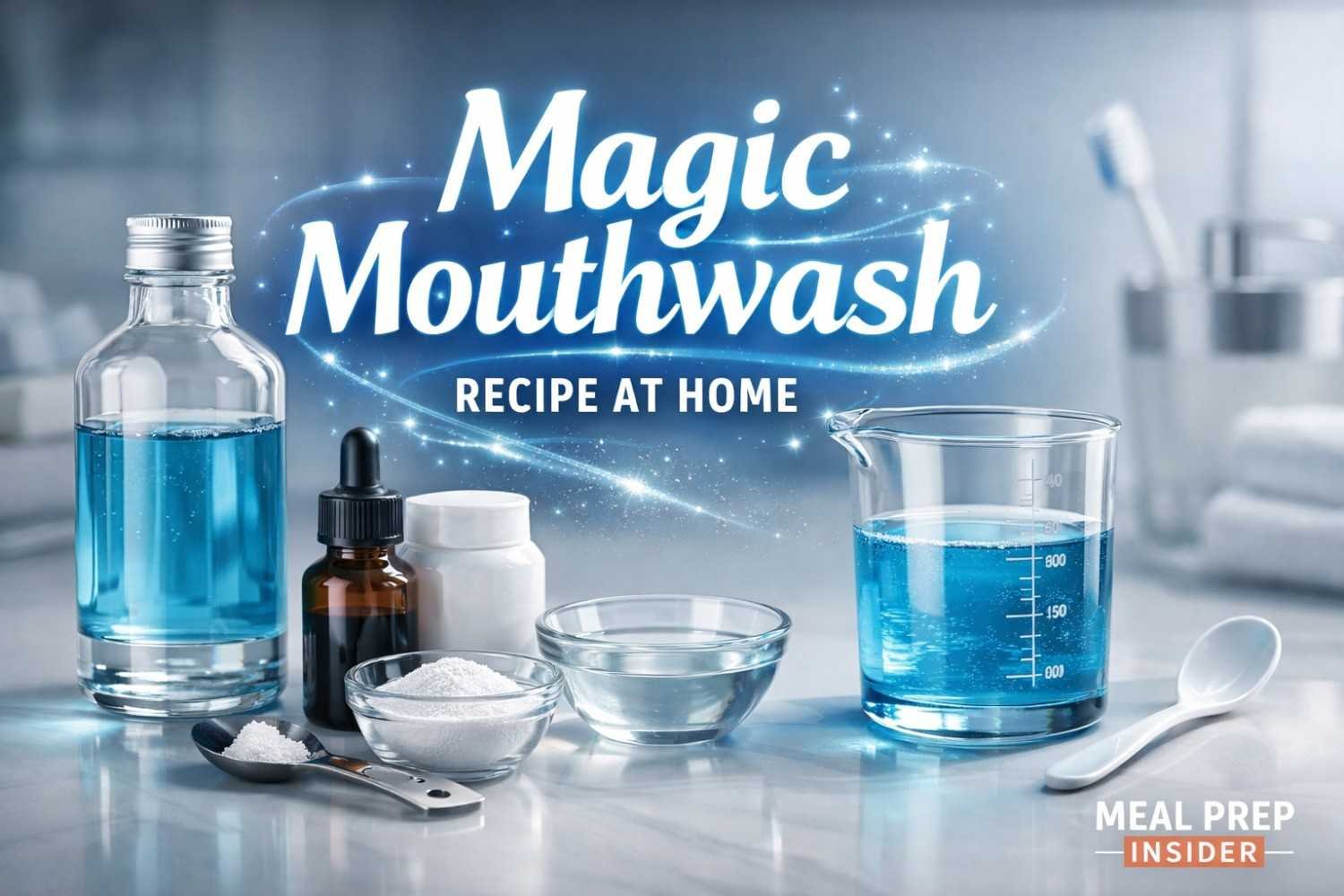
Easy Magic Mouthwash Recipe at Home: DIY Now for Newbies

Magic Mouthwash Recipe: Learn how to make magic mouthwash at home with simple ingredients. This guide covers recipes, uses, safety tips, and what works best for mouth sores in the US.
Magic Mouthwash Recipe at Home
You’ve probably heard the term “magic mouthwash” thrown around at the doctor’s office or maybe after a cancer treatment consultation. It sounds dramatic. But it’s real, it works, and — depending on the formulation — you can actually make a version of it yourself at home.
This isn’t a cure-all. It’s not going to replace your dentist. But for people dealing with painful mouth sores, chemotherapy-related mucositis, canker sores, or even a bad case of strep throat irritation, magic mouthwash can bring serious relief fast.
Let’s break it all down.
What Is Magic Mouthwash, Exactly?
Magic mouthwash is a compounded oral rinse. It typically combines several active ingredients that target pain, inflammation, and infection simultaneously. That’s what makes it “magic” — not one thing working, but multiple things working together at the same time.
The classic prescription version usually contains:
- Diphenhydramine (Benadryl) — an antihistamine that also numbs slightly
- Lidocaine — a topical anesthetic that kills pain fast
- Antacid (like Maalox or Mylanta) — coats the mucous membranes
- Nystatin — an antifungal (included when fungal infection is a risk)
- Corticosteroids — to reduce inflammation
Not all versions include every ingredient. Some doctors prescribe a simplified rinse with two or three ingredients. Some pharmacies compound it differently depending on what the patient needs.
The important thing to understand: the full prescription version is not something you’re going to recreate exactly at home. But a practical, effective, and safe approximation? Absolutely possible.
Why People Look for a Home Version
The cost is a real barrier. Prescription mouthwash can run anywhere from $40 to over $200, depending on the pharmacy and whether your insurance covers it. Many insurance plans don’t cover compounded medications.
Then there’s accessibility. If you’re in a rural area, or it’s a weekend, or your pharmacy doesn’t compound, you’re stuck.
So people improvise. And honestly, some of the home-friendly versions do a solid job for mild to moderate discomfort.
The Simple DIY Magic Mouthwash Formula
Here’s a home-friendly version that mimics the coating and mild numbing effects of the commercial formula:
Basic 3-Part Mixture:
| Ingredient | Purpose | Amount |
|---|---|---|
| Liquid Benadryl (diphenhydramine) | Mild numbing, antihistamine | 1 part |
| Maalox or Mylanta (liquid antacid) | Coats and soothes the lining | 1 part |
| Viscous Lidocaine 2% (OTC if available) | Pain relief | 1 part |
Mix equal parts. Swish one tablespoon around your mouth for about 1–2 minutes. Spit it out. Do not swallow.
That’s the base. Simple, accessible, and actually effective for painful oral sores.
Getting the Ingredients
Let’s talk about what you can actually buy over the counter in the US and what you’ll need a prescription for.
Over-the-Counter (OTC):
- Liquid Benadryl — yes, easily found at CVS, Walgreens, Walmart, or Amazon
- Maalox or Mylanta — yes, antacids are OTC
- Hydrogen peroxide (diluted, for a gentler version) — yes
- Salt water — obviously yes
Prescription Required:
- Viscous lidocaine 2% — this is technically Rx in the US, though some areas and telehealth services may vary
- Nystatin — always prescription
- Corticosteroids — always prescription
If you can get a telehealth consult, many online services can prescribe viscous lidocaine fairly quickly. That said, even the two-part Benadryl + Maalox combo works reasonably well for canker sores.
A Gentler Version (No Lidocaine)
If you can’t get lidocaine, this version is still genuinely useful:
2-Ingredient Soothing Rinse:
- 1 tablespoon liquid Benadryl (12.5 mg/5mL formulation)
- 1 tablespoon Maalox or Mylanta
Mix and swish for 60–90 seconds. Spit. Use up to 4 times per day, or as needed.
It’s not as numbing, but the coating effect from the antacid and the anti-inflammatory property of diphenhydramine still help quite a bit. People with canker sores report noticeable improvement in comfort within a day or two.
What Magic Mouthwash Is Actually Used For
It helps to understand the actual clinical use cases, because that tells you whether your symptoms even call for it.
Oral Mucositis: This is the big one. Oral mucositis is a common and painful side effect of chemotherapy and radiation to the head and neck area. The inner lining of the mouth breaks down, creating raw, inflamed, and incredibly painful sores. Magic mouthwash is one of the standard go-to treatments.
Canker Sores (Aphthous Ulcers) These show up on the soft tissue inside your mouth — not on the gums or lips. They’re not caused by a virus, which means they’re not contagious. But they hurt. Magic mouthwash helps manage that pain and speeds healing.
Hand, Foot, and Mouth Disease: A viral illness common in young children. The mouth sores that accompany it are painful and make eating difficult. A diluted, gentle magic mouthwash formulation is sometimes used in pediatric settings — but always consult your child’s doctor first.
Post-Dental Procedure Discomfort: Some dentists or oral surgeons recommend it after significant procedures when the tissue is irritated. It’s situational, but it comes up.
Strep Throat Irritation. Not a first-line use, but some people use it for the throat pain during strep. It provides temporary relief, not treatment.
RELATED POST >> 15 Easy Ground Lamb Recipes You’ll Keep Coming Back To
How to Use It Correctly
This is where many people mess up. They use too much, too often, or they swallow it. Don’t swallow it.
Step-by-Step:
- Measure about 1 tablespoon (roughly 15 mL)
- Take it into your mouth
- Swish slowly — make sure it reaches all affected areas
- Hold it in your mouth for 1–2 minutes
- Spit it out completely
- Avoid eating or drinking for at least 30 minutes after
Why the waiting period? Because you want those ingredients to stay in contact with the tissue. Washing them away immediately defeats the purpose.
Frequency: Most protocols suggest every 4–6 hours, up to 4 times per day. Don’t exceed this on a homemade version without medical guidance.
A Note on Dosing for Kids
Children can use magic mouthwash, but the dosing is completely different. Pediatric formulations are lower concentrations and sometimes just a simple saline-based rinse with a small amount of Benadryl. Do not use adult dosages on children.
If your child has oral sores that are making it hard to eat or drink, call their pediatrician. Dehydration from mouth pain is a real risk in toddlers, and they need weight-appropriate dosing.
Potential Risks and Side Effects
It’s not dangerous when used correctly. But here’s what to know:
Numbness beyond the mouth: Lidocaine can numb the throat, which can temporarily affect your gag reflex. This is why you spit, not swallow. It reduces the risk of accidentally inhaling something.
Diphenhydramine absorption: Liquid Benadryl can be absorbed through mucous membranes to some extent. Don’t use it right before driving or operating machinery.
Interaction with other medications: If you’re taking anything that can prolong QT or interact with antihistamines, talk to your doctor first.
Overuse: Using it more than directed can actually irritate the mouth lining further. Resist the urge to use it constantly, even if the relief is nice.
Allergic reactions: Rare, but possible. If your mouth swells or your throat tightens, stop immediately and seek care.
Salt Water Rinse: Still Worth It
Before you even reach for the DIY formula, salt water is underrated.
Mix ¼ teaspoon of salt in 8 ounces of warm water. Swish for 30 seconds. Spit. Repeat several times a day.
It’s not as fast-acting as magic mouthwash, but it reduces bacteria, reduces inflammation, and promotes healing. It costs basically nothing. Many dentists recommend it as the first line of treatment.
Baking soda rinse is another option — ¼ teaspoon in 8 ounces of water. Slightly alkaline, which helps neutralize the acidic environment that slows mouth sore healing.
You can even combine ⅛ teaspoon salt and ⅛ teaspoon baking soda in 8 oz of water. This is actually a formula some cancer centers recommend for mucositis prevention.
Comparing Common Mouthwash Formulas
Here’s a side-by-side of common options:
| Formula | Best For | Cost | OTC? |
|---|---|---|---|
| Salt water | Mild irritation, prevention | Nearly free | Yes |
| Baking soda rinse | Acid neutralization, mild sores | Nearly free | Yes |
| Benadryl + Maalox | Canker sores, moderate pain | ~$10–15 | Yes |
| Benadryl + Maalox + Lidocaine | Moderate to severe sores | ~$15–25 | Partial |
| Full prescription magic mouthwash | Chemotherapy mucositis, severe cases | $40–200+ | No |
| Chlorhexidine (Peridex) | Gum disease, post-dental | ~$10–20 | Rx |
When to See a Doctor Instead
Home remedies are fine for mild cases. But there are situations where you absolutely need medical attention:
- Mouth sores that last longer than 2 weeks without improvement
- Sores that are growing in size
- You have a fever alongside mouth sores
- Difficulty swallowing or breathing
- Sores that are affecting your ability to eat or drink for more than 2–3 days
- You’re immunocompromised (HIV, on chemo, on immunosuppressants)
- Your child under 6 months has any mouth sores
These aren’t “wait and see” situations. See a provider.
Storing Your Homemade Mouthwash
If you mix up a batch, store it in a clean, sealed glass jar or bottle in the refrigerator. It’ll stay usable for about 3–5 days. Shake or stir before each use.
Don’t store it in the bathroom — temperature and humidity swings degrade the ingredients. And label it clearly, especially if there are kids in the house.
What the Research Says
Let’s be honest about the evidence. Magic mouthwash has been used clinically for decades, but the research is more complicated than the reputation suggests.
A 2014 study published in JAMA compared a lidocaine-containing magic mouthwash to a simple diphenhydramine-antacid mixture for oral mucositis in patients receiving cancer treatment. The results? Both formulas provided similar pain relief. The full magic mouthwash wasn’t significantly better.
That’s actually good news for people making a home version. The simpler two-ingredient mix may be just as effective for most cases.
A 2017 Cochrane review noted that while several mouthwash interventions reduce mucositis symptoms, the evidence for any single formula being definitively superior is limited. Consistency of use and basic oral hygiene matter just as much.
Building Good Oral Hygiene Around It
Magic mouthwash isn’t a replacement for basic care. It works best when you’re also doing the basics:
- Brush twice a day gently — use a soft-bristled brush
- Avoid alcohol-based mouthwashes during active sores (they burn and slow healing)
- Stay hydrated — dry mouth makes everything worse
- Avoid spicy, acidic, crunchy, or very hot foods when sores are present
- Use a straw if swallowing is painful (keeps liquids from direct contact with sores)
Many patients skip brushing because it hurts. Totally understandable. But plaque buildup during a sore period prolongs healing. Rinse at least, even if you can’t fully brush.

A Few Things Nobody Tells You
Most articles leave these parts out. A couple of things worth knowing:
The coating doesn’t last long. Maalox-based formulas coat the tissue for maybe 20–30 minutes. The relief is real but temporary. That’s normal. That’s how it works. You’re not doing it wrong.
It works better on clean tissue. If there’s food debris or a film on your sores, rinse with plain water first, then use the mouthwash. The active ingredients absorb better on cleaner tissue.
Cold versions feel better. A lot of people store it cold and find that the cool temperature adds to the relief. Not clinically necessary, but worth trying.
The taste is not great. Liquid Benadryl is cherry-flavored, Maalox is chalky, and together it’s a little odd. Some people add the tiniest drop of peppermint extract (not oil — just extract). It helps.
Telehealth and Getting the Full Formula
If your sores are severe and you really need the lidocaine-based version, telehealth is your best bet in the US right now.
Services like Teladoc, MDLive, or even local urgent care telehealth can prescribe viscous lidocaine 2% after a short consultation. Some will send the prescription directly to your local pharmacy. It’s faster than it used to be, and depending on your plan, it may be covered.
If you’re already under oncology or medical care, just ask your care team directly. A lot of people don’t realize that mucositis management is part of supportive care — they don’t need to tough through it without help.
FAQs
Q: Is homemade magic mouthwash safe? Yes, when made with standard OTC ingredients and used as directed — swish and spit only. It’s not safe to swallow, and it’s not appropriate for young children without pediatric guidance.
Q: How long until it starts working? Numbing effects from lidocaine kick in within minutes. The antacid coating is immediate but fades. The anti-inflammatory effects build over repeated uses, usually noticeable within 24–48 hours of consistent use.
Q: Can I swallow magic mouthwash? No. The lidocaine component can affect your gag reflex and cause issues if aspirated. Even without lidocaine, swallowing large amounts of diphenhydramine is not recommended. Always spit.
Q: Does it work for tonsillitis or strep throat pain? It can provide temporary relief for throat pain, but it’s not a treatment for the underlying infection. If you have strep, you need antibiotics.
Q: Can I use this while pregnant? Talk to your OB first. Diphenhydramine is generally considered low-risk in pregnancy, but oral lidocaine absorption is a consideration. Don’t self-prescribe during pregnancy.
Q: What if I don’t have Maalox? Generic antacid suspension works fine. Look for liquid aluminum hydroxide/magnesium hydroxide. Store-brand versions at Walmart or Target cost a couple of dollars.
Q: Why does my doctor’s version look different from the recipe I found online? Because magic mouthwash is not a single standardized formula. Different institutions compound it differently. There’s no official “one recipe.” Your doctor’s version is tailored to your specific needs.
Q: How many times a day can I use the homemade version? Up to 4 times per day is the general recommendation. Don’t use it more than every 4 hours. If symptoms require more frequent use than that, it’s time to see a provider.
Q: Can this help with geographic tongue? It can soothe the irritation, but it won’t treat the underlying condition. Geographic tongue is benign but persistent — magic mouthwash is just a comfort measure.
Q: Where can I buy viscous lidocaine without a prescription? In the US, 2% viscous lidocaine is a prescription product. You won’t find it OTC. Telehealth providers can prescribe it after a consultation.
There it is — everything you actually need to know about making and using magic mouthwash at home. No fluff, no filler. Just the real picture, from ingredients and ratios to when to stop DIYing and call your doctor.
Mouth pain is no small thing. And you don’t have to just sit with it.
SUGGESTED POST >> Japanese Mounjaro Recipe: (It’s Surprisingly Easy to Make)
Discover more from Meal Prep Insider
Subscribe to get the latest posts sent to your email.