
15 Easy Intuitive Eating Recipes for Back Sleepers

Intuitive eating recipes for back sleepers might sound like an oddly specific combination. And honestly, that’s exactly why you clicked. You’re curious. Maybe a little skeptical. Good. Stick around because this connection runs deeper than you’d expect, and by the end, you’ll have 15 recipes that genuinely serve both your relationship with food and your sleep quality.
Here’s the thing most wellness blogs won’t tell you: the way you eat and the way you sleep are locked in a feedback loop. Back sleepers, in particular, deal with specific digestive realities that side sleepers and stomach sleepers simply don’t face. Acid reflux. Bloating that presses against the diaphragm. That heavy, uncomfortable feeling when you lie flat after a meal that didn’t sit right.
Now layer intuitive eating on top of that. You’re not following rigid meal plans. You’re not counting macros obsessively. You’re listening to your body. But what happens when your body is sending mixed signals because your sleep position is amplifying digestive discomfort?
That’s the gap nobody is talking about. Until now.
This post bridges two worlds. You’ll get practical, satisfying recipes built around intuitive eating principles, specifically designed to sit well in your stomach when you’re lying face-up for seven or eight hours. No gimmicks. No food rules disguised as “wellness tips.” Just real food that respects your hunger, tastes fantastic, and won’t punish you at 2 a.m.
Let’s get into it.
Why Back Sleepers Need to Think Differently About Evening Meals
Back sleeping is considered one of the healthiest sleep positions. It supports spinal alignment, reduces pressure points, and can minimize wrinkles (if that matters to you). But it comes with a trade-off that rarely gets discussed in recipe roundups.
When you sleep on your back, gravity works differently on your digestive system. Your esophagus and stomach are essentially on the same horizontal plane. This means stomach acid can travel more freely toward your throat. Foods that cause gas, bloating, or slow digestion become more problematic in this position than they would for someone curled up on their left side.
This doesn’t mean you need to eat bland food. Far from it. It means the timing, composition, and volume of your meals, especially dinner, deserve some intentional thought.
And that’s where intuitive eating fits perfectly.
The Intuitive Eating Framework (Without the Lecture)
If you’re already familiar with intuitive eating, skip ahead. If you’re newer to this, here’s the short version.
Intuitive eating is a self-care eating framework developed by dietitians Evelyn Tribole and Elyse Resch. It has ten core principles, but the ones most relevant here include:
- Honor your hunger. Eat when you’re genuinely hungry, not on a schedule imposed by someone else.
- Feel your fullness. Pay attention to the signals that tell you you’re comfortably satisfied.
- Respect your body. Choose foods that feel good both during and after eating.
- Gentle nutrition. Make food choices that honor your health and taste buds without obsession.
Notice what’s missing? There are no forbidden foods. No calorie caps. No guilt. The goal is reconnecting with your body’s natural wisdom around food.
For back sleepers, “respect your body” and “feel your fullness” take on extra significance. Overeating before bed when you sleep supine is a recipe for discomfort. Not because overeating is morally wrong, but because your body will physically let you know it wasn’t a great idea around midnight.
These 15 recipes are built with all of that in mind.
How These Recipes Were Selected
Every recipe on this list meets a specific set of criteria:
- Simple to make. Nothing here requires culinary school training or 47 ingredients.
- Digestively gentle for supine sleeping. Lower in common reflux triggers, moderate in fat and fiber, so your stomach isn’t working overtime at bedtime.
- Satisfying enough to honor hunger. These aren’t sad diet plates. You’ll feel full and content.
- Flexible. Swap ingredients based on what sounds good to you. Intuitive eating means you get to choose.
- Genuinely delicious. Because food should be enjoyable. Period.
Let’s cook.
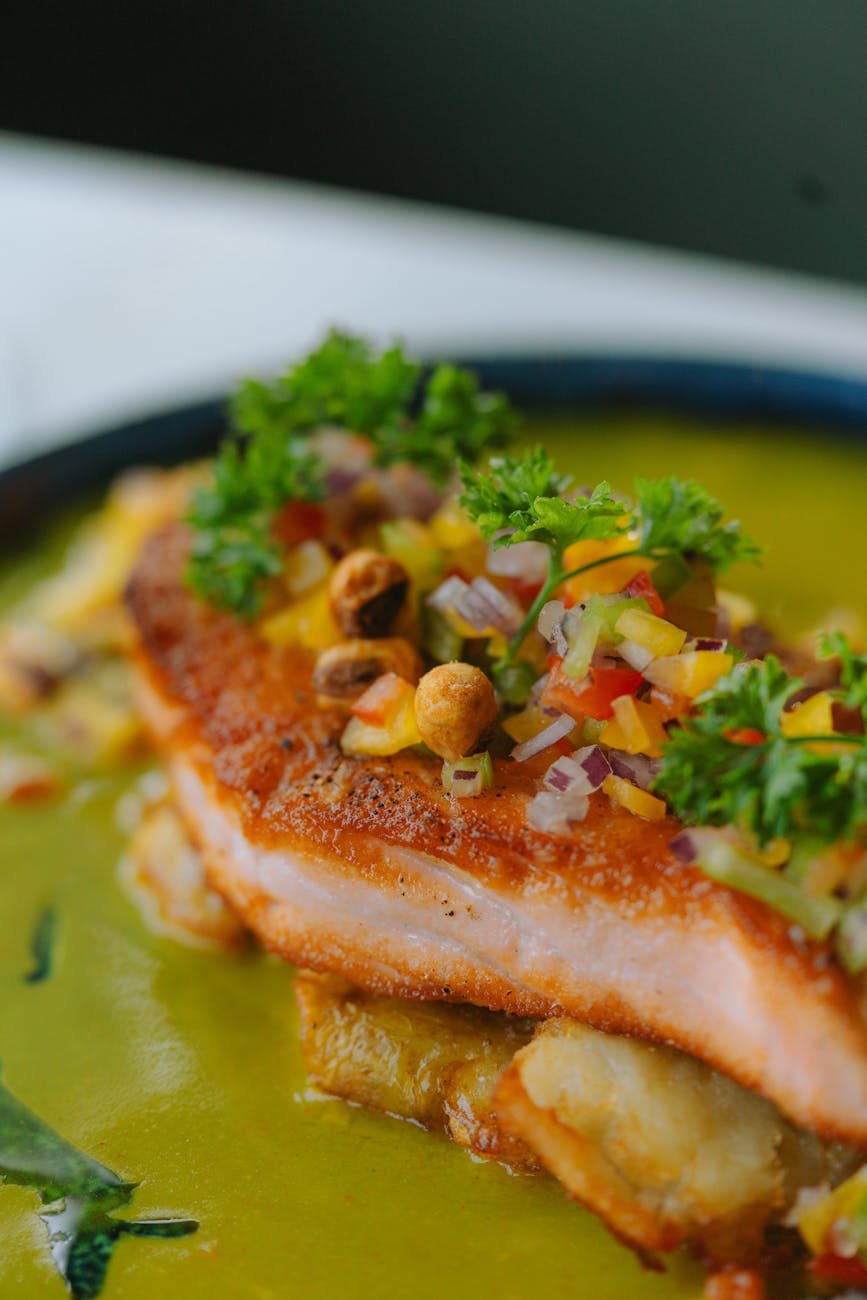
Recipe 1: Lemon Herb Salmon with Roasted Zucchini
Salmon is a back sleeper’s best friend at dinner. It’s rich in omega-3 fatty acids, which have anti-inflammatory properties that can actually support better sleep quality. It digests more easily than red meat and pairs beautifully with low-acid vegetables.
What you need:
- 2 salmon fillets
- 1 tablespoon olive oil
- Juice of half a lemon
- Fresh dill and parsley, chopped
- 2 medium zucchini, sliced into half-moons
- Salt and pepper to taste
What you do:
Preheat your oven to 400°F. Toss zucchini with a drizzle of olive oil, salt, and pepper, then spread on a baking sheet. Place salmon fillets alongside the zucchini. Drizzle fish with olive oil and lemon juice. Top with herbs. Roast for 15 to 18 minutes until the salmon flakes easily. Done.
Why it works for back sleepers: Zucchini is one of the most easily digested vegetables. Salmon provides protein without the heaviness. Lemon adds flavor without the acid overload of a tomato-based sauce.
Recipe 2: Turkey and Sweet Potato Bowl
Ground turkey is lean, easy to digest, and incredibly versatile. Sweet potatoes bring complex carbohydrates that can promote serotonin production, a precursor to the sleep hormone melatonin.
What you need:
- 1 pound ground turkey
- 2 medium sweet potatoes, cubed
- 1 tablespoon avocado oil
- 1 teaspoon cumin
- ½ teaspoon smoked paprika
- Fresh spinach
- Salt to taste
What you do:
Roast sweet potato cubes at 425°F for 20 to 25 minutes. While they roast, brown the ground turkey in avocado oil with cumin, paprika, and salt. Assemble bowls with a bed of fresh spinach, topped with turkey and sweet potatoes. Add a squeeze of lime if you want brightness.
Why it works for back sleepers: This bowl is filling without being heavy. The sweet potatoes digest steadily, avoiding blood sugar spikes that can disrupt sleep.
Recipe 3: Ginger Chicken Stir-Fry with Jasmine Rice
Ginger is a natural digestive aid. It calms the stomach, reduces nausea, and can help food move through your system more efficiently. For someone sleeping on their back, that’s a significant advantage.
What you need:
- 2 boneless, skinless chicken breasts, sliced thin
- 1 tablespoon fresh ginger, grated
- 2 cloves garlic, minced
- 1 cup snap peas
- 1 medium carrot, julienned
- 2 tablespoons low-sodium soy sauce
- 1 tablespoon sesame oil
- Cooked jasmine rice
What you do:
Heat sesame oil in a wok or large skillet over high heat. Cook chicken until golden, about 5 minutes. Add ginger and garlic, stir for 30 seconds. Toss in vegetables and soy sauce. Stir-fry for another 3 to 4 minutes. Serve over jasmine rice.
Why it works for back sleepers: Ginger actively promotes gastric motility. Jasmine rice is a high-glycemic-index grain that some research suggests may help you fall asleep faster when eaten a few hours before bed.
Recipe 4: Creamy Butternut Squash Soup
Soup for dinner is underrated. Especially for back sleepers, a warm bowl of pureed soup digests far more easily than a chunky, heavy meal.
What you need:
- 1 medium butternut squash, peeled and cubed
- 1 small yellow onion, diced
- 2 cups vegetable broth
- ½ cup coconut milk
- 1 tablespoon olive oil
- Pinch of nutmeg
- Salt and pepper
What you do:
Sauté the onion in olive oil until soft. Add squash cubes and broth. Bring to a boil, then simmer until squash is fork-tender, about 20 minutes. Blend until smooth. Stir in coconut milk and nutmeg. Season to taste.
Why it works for back sleepers: Pureed foods require less mechanical digestion. Butternut squash is alkaline-forming, which is a plus for anyone prone to acid reflux in the supine position.
Recipe 5: Shrimp and Avocado Lettuce Wraps
Light, fresh, and satisfying. These wraps let you eat with your hands, which somehow makes food taste better. Science hasn’t confirmed that yet, but give it time.
What you need:
- ½ pound cooked shrimp, chopped
- 1 ripe avocado, diced
- ¼ cup cucumber, finely diced
- Juice of one lime
- Butter lettuce leaves
- Pinch of sea salt
- Optional: a drizzle of tahini
What you do:
Toss shrimp, avocado, and cucumber together with lime juice and salt. Spoon the mixture into lettuce cups. Drizzle with tahini if you’re in the mood. Eat immediately.
Why it works for back sleepers: This meal is light enough to digest before bedtime but substantial enough to prevent middle-of-the-night hunger. The healthy fats in avocado digest slowly and steadily without causing reflux.
Recipe 6: Herb-Roasted Chicken Thighs with Mashed Cauliflower
Comfort food that doesn’t leave you feeling wrecked. Mashed cauliflower gives you the creamy texture of mashed potatoes with less digestive burden.
What you need:
- 4 bone-in chicken thighs
- 1 head of cauliflower, broken into florets
- 2 tablespoons butter
- 1 tablespoon olive oil
- Fresh rosemary and thyme
- Salt and pepper
What you do:
Season chicken thighs with olive oil, herbs, salt, and pepper. Roast at 425°F for 35 to 40 minutes until the skin is crispy. Meanwhile, steam cauliflower until very tender. Mash with butter, salt, and pepper until smooth.
Why it works for back sleepers: Cauliflower is less likely to cause the bloating and gas that regular potatoes can produce in some people. The chicken thighs provide satisfying richness without the density of red meat.
Recipe 7: Pesto Pasta with Cherry Tomatoes and Mozzarella
Wait. Tomatoes? Hear me out. A small amount of cooked cherry tomatoes won’t trigger reflux the way a heavy marinara sauce will for most people. Intuitive eating is about listening to your body, not following blanket restrictions.
What you need:
- 8 ounces pasta of your choice (penne works great)
- ¼ cup basil pesto
- 1 cup cherry tomatoes, halved
- Fresh mozzarella, torn into pieces
- Drizzle of olive oil
- Fresh basil leaves
What you do:
Cook pasta according to package directions. In the last minute, toss cherry tomatoes into the pasta water to lightly soften them. Drain everything. Toss with pesto, mozzarella, olive oil, and fresh basil.
Why it works for back sleepers: Pesto is far less acidic than traditional tomato sauce. The small amount of cherry tomatoes adds flavor without overwhelming your stomach. If tomatoes don’t sit well with you personally, skip them. That’s the whole point of intuitive eating.
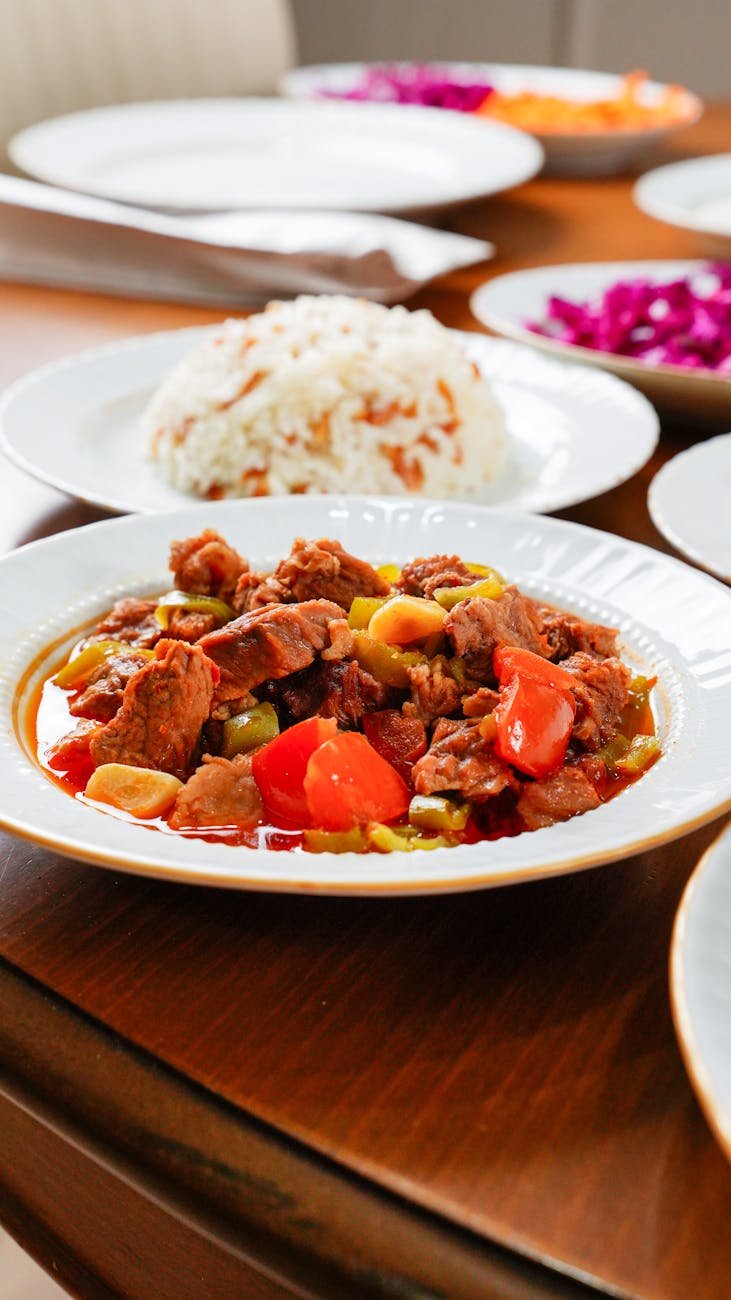
Recipe 8: Coconut Curry Lentil Stew
Plant-based, warming, and deeply satisfying. This stew feels like a hug.
What you need:
- 1 cup red lentils, rinsed
- 1 can of coconut milk
- 2 cups vegetable broth
- 1 tablespoon curry powder
- 1 teaspoon turmeric
- 1 small onion, diced
- 2 cloves of garlic
- 1 tablespoon coconut oil
- Salt to taste
What you do:
Sauté onion and garlic in coconut oil. Add curry powder and turmeric, stir for one minute. Pour in lentils, coconut milk, and broth. Simmer for 20 to 25 minutes until the lentils are soft and the stew has thickened. Season with salt.
Why it works for back sleepers: Red lentils break down more completely than green or brown varieties, making them easier to digest. Turmeric is anti-inflammatory and can soothe the digestive tract. Coconut milk adds creaminess without dairy, which some back sleepers find triggers nighttime reflux.
Recipe 9: Baked Cod with Fennel and Olive Oil
Fennel is a sleeper ingredient (pun fully intended). It has been used for centuries to ease bloating and digestive discomfort.
What you need:
- 2 cod fillets
- 1 large fennel bulb, thinly sliced
- 2 tablespoons olive oil
- Juice of half a lemon
- Salt, pepper, and a pinch of red pepper flakes
What you do:
Spread fennel slices on a baking sheet. Drizzle with olive oil, salt, and pepper. Roast at 400°F for 15 minutes. Place cod fillets on top of fennel. Squeeze lemon over everything. Return to oven for 12 to 15 minutes until fish is opaque and flaky.
Why it works for back sleepers: Cod is one of the most easily digested proteins. Fennel actively reduces gas and bloating. This meal is practically designed for lying flat afterward.
Recipe 10: Mushroom and Spinach Frittata
Breakfast for dinner is always a valid choice. A frittata comes together in under 20 minutes and delivers exactly the kind of gentle, protein-rich meal that works well before back sleeping.
What you need:
- 6 eggs
- 1 cup mushrooms, sliced
- 2 cups fresh spinach
- ¼ cup feta cheese (optional)
- 1 tablespoon butter
- Salt and pepper
What you do:
Preheat your broiler. Melt butter in an oven-safe skillet over medium heat. Sauté mushrooms until golden. Add spinach and cook until wilted. Pour beaten, seasoned eggs over the vegetables. Cook on the stovetop for 3 to 4 minutes until edges set. Sprinkle feta on top. Transfer to the broiler for 2 to 3 minutes until the top is golden and puffed. Let it rest for a minute before slicing.
Why it works for back sleepers: Eggs are one of the most bioavailable proteins out there. This frittata is filling without being dense. Mushrooms add umami depth without adding digestive stress.
Recipe 11: Miso Glazed Tofu with Steamed Bok Choy
For the plant-based crowd. Or for anyone who appreciates that tofu, when prepared right, is legitimately delicious.
What you need:
- 1 block extra-firm tofu, pressed and cubed
- 2 tablespoons white miso paste
- 1 tablespoon maple syrup
- 1 tablespoon rice vinegar
- 2 heads baby bok choy
- Sesame seeds for garnish
What you do:
Whisk miso, maple syrup, and rice vinegar together. Toss tofu cubes in the mixture. Bake at 400°F for 25 minutes, flipping halfway through, until caramelized. Steam bok choy for 3 to 4 minutes. Plate together and sprinkle with sesame seeds.
Why it works for back sleepers: Tofu is light and protein-rich. Miso contains natural probiotics that support digestion. Bok choy is mild and easy on the stomach.
Recipe 12: One-Pan Mediterranean Chicken with Olives
Mediterranean-style cooking tends to be naturally aligned with digestive comfort. Olive oil, herbs, and lean proteins dominate the landscape.
What you need:
- 4 chicken drumsticks
- ½ cup Kalamata olives
- 1 lemon, sliced into rounds
- 4 cloves garlic, whole
- Fresh oregano
- 2 tablespoons olive oil
- Salt and pepper
What you do:
Place everything in a single baking dish. Toss to coat. Roast at 400°F for 40 minutes until the chicken is cooked through and the skin is golden. That’s it. One pan. Minimal cleanup.
Why it works for back sleepers: Olives provide healthy monounsaturated fats that don’t aggravate reflux. The simplicity means fewer ingredients competing for your stomach’s attention.
Recipe 13: Banana Oat Pancakes (Yes, for Dinner)
Sometimes intuitive eating means having pancakes at 7 p.m. because that’s what sounds good. These are naturally sweetened and easy to digest.
What you need:
- 2 ripe bananas
- 2 eggs
- ½ cup rolled oats
- Pinch of cinnamon
- Coconut oil for the pan
- Optional toppings: almond butter, sliced strawberries, a drizzle of honey
What you do:
Blend bananas, eggs, oats, and cinnamon until smooth. Heat coconut oil in a nonstick skillet over medium heat. Pour small rounds of batter. Cook 2 to 3 minutes per side until golden. Top as desired.
Why it works for back sleepers: Bananas are a natural antacid. Oats are gentle on digestion and promote steady blood sugar levels through the night. The simplicity of the ingredient list means less for your digestive system to sort through.
Recipe 14: Warm Quinoa Salad with Roasted Beets and Goat Cheese
Earthy, colorful, and nutrient-dense. This one feels fancy but takes minimal effort.
What you need:
- 1 cup quinoa, cooked
- 2 medium beets, roasted and cubed
- 2 ounces goat cheese, crumbled
- Handful of arugula
- 2 tablespoons balsamic vinegar
- 1 tablespoon olive oil
- Salt and pepper
What you do:
Toss warm quinoa with roasted beets, arugula, olive oil, and balsamic vinegar. Season. Top with crumbled goat cheese. Serve warm or at room temperature.
Why it works for back sleepers: Quinoa is a complete protein that digests well. Beets support liver function and overall detoxification. Goat cheese is typically easier to digest than cow’s milk cheese for many people.
Recipe 15: Chamomile-Poached Pears with Honey and Walnuts
Ending with dessert. Because intuitive eating doesn’t demonize sweets, and because this particular dessert might be the most back-sleeper-friendly thing you’ll ever eat.
What you need:
- 2 ripe pears, halved and cored
- 2 cups brewed chamomile tea
- 2 tablespoons honey
- ¼ cup walnuts, chopped
- Pinch of cinnamon
What you do:
Bring chamomile tea and honey to a gentle simmer in a saucepan. Place pear halves cut-side down in the tea. Poach for 15 to 20 minutes until tender. Remove pears and plate. Drizzle with a bit of the poaching liquid. Top with walnuts and a dusting of cinnamon.
Why it works for back sleepers: Chamomile is one of the most well-documented natural sleep aids. Pears are low-acid and easy to digest. Walnuts contain natural melatonin. This dessert is practically a sleep prescription disguised as something beautiful.
Quick Reference Table: All 15 Recipes at a Glance
| Recipe | Protein Source | Prep Time | Best For |
|---|---|---|---|
| Lemon Herb Salmon | Salmon | 25 min | Weeknight dinner |
| Turkey Sweet Potato Bowl | Ground turkey | 30 min | Meal prep |
| Ginger Chicken Stir-Fry | Chicken breast | 20 min | Quick dinner |
| Butternut Squash Soup | Plant-based | 35 min | Comfort food |
| Shrimp Avocado Wraps | Shrimp | 10 min | No-cook meal |
| Herb-Roasted Chicken Thighs | Chicken thighs | 45 min | Weekend cooking |
| Pesto Pasta | Mozzarella | 20 min | Carb craving |
| Coconut Curry Lentil Stew | Red lentils | 30 min | Plant-based |
| Baked Cod with Fennel | Cod | 30 min | Light dinner |
| Mushroom Spinach Frittata | Eggs | 20 min | Breakfast for dinner |
| Miso Glazed Tofu | Tofu | 30 min | Vegan option |
| Mediterranean Chicken | Chicken drumsticks | 45 min | One-pan meal |
| Banana Oat Pancakes | Eggs | 15 min | Fun dinner |
| Quinoa Beet Salad | Quinoa | 25 min | Nutrient-dense |
| Chamomile-Poached Pears | Walnuts | 25 min | Dessert |

Pitfalls Worth Avoiding as a Back Sleeper Who Eats Intuitively
Even with the right recipes, some traps can derail your sleep quality or your intuitive eating practice. Here’s what to watch for.
Eating too close to bedtime. Intuitive eating doesn’t mean eating whenever the clock says to. It means eating when you’re hungry. But if you can, try to finish your last substantial meal at least two to three hours before lying down. This is especially relevant for back sleepers because that horizontal position makes reflux more likely if food hasn’t had time to begin digesting.
Confusing fullness with satisfaction. You can be physically full but emotionally unsatisfied with a meal. That often leads to late-night snacking, which then creates the exact digestive issues you’re trying to avoid. Choose meals that satisfy on every level. Flavor, texture, warmth, variety.
Ignoring persistent reflux. If you consistently experience acid reflux as a back sleeper regardless of what you eat, that’s worth discussing with a healthcare provider. Intuitive eating is powerful, but it’s not a substitute for medical evaluation when something is genuinely off.
Overcomplicating things. You don’t need to follow all 15 recipes in one week. Pick two or three that appeal to you. Rotate them. Build from there.
Timing Tips for Back Sleepers
Here’s a practical framework that works well without turning into a rigid schedule:
- Dinner: Aim for 3 hours before your expected bedtime. If you go to bed at 10 p.m., eat around 7 p.m. This gives your body time to move food through the initial stages of digestion before you lie flat.
- Evening snack (if genuinely hungry): Something small and easy to digest. A handful of walnuts. A small banana. A cup of chamomile tea. Listen to your body. If you’re not hungry, skip it entirely without guilt.
- Hydration: Sip water throughout the evening, but avoid chugging large amounts right before bed. Back sleepers who drink too much liquid before lying down sometimes experience discomfort from a full bladder or mild nausea.
The Bigger Picture
These recipes aren’t about restriction. They’re not a list of “approved foods” for back sleepers. That would contradict the entire philosophy of intuitive eating.
Instead, think of this as a curated menu of options. Meals that tend to work well for people who sleep supine. Foods that honor hunger, deliver real satisfaction, and don’t create problems when gravity changes direction for eight hours.
You get to decide what sounds good on any given night. Some nights it’ll be the ginger chicken stir-fry. Other nights you’ll want those banana oat pancakes. And some nights you’ll order pizza and eat it in bed, and that’s fine too. Intuitive eating is about the long game, not perfection at every single meal.
The fact that you’re even thinking about how your food choices interact with your sleep position puts you ahead of most people. That awareness, without obsession, is the sweet spot.
FAQs
What is intuitive eating, and how does it differ from traditional dieting?
Intuitive eating is an evidence-based approach to eating that prioritizes internal body cues like hunger, fullness, and satisfaction over external rules like calorie counts or food restrictions. Unlike traditional dieting, it has no forbidden foods, no meal timing mandates, and no weight loss goals baked into its framework. It’s about rebuilding trust with your body’s natural signals.
Why does sleeping position matter when choosing what to eat for dinner?
Your sleep position affects how gravity interacts with your digestive system. Back sleepers are more prone to acid reflux and nighttime bloating because the stomach and esophagus are on the same horizontal plane. Foods that digest quickly and don’t produce excessive gas or acid tend to sit better in this position.
Can I eat these recipes even if I’m not a back sleeper?
Absolutely. These recipes are delicious and nutritionally balanced regardless of how you sleep. The back-sleeper angle simply adds an extra layer of consideration around digestive comfort, but every single recipe here works as a solid, satisfying meal for anyone.
Are there specific foods back sleepers should avoid at dinner?
There are no universal “avoid” foods because individual tolerance varies. That said, common triggers for nighttime discomfort in back sleepers include very spicy foods, heavy fried dishes, large amounts of raw onion or garlic, excessive caffeine, and highly acidic sauces like marinara. Pay attention to how your body responds and adjust accordingly.
How long before bed should I stop eating if I sleep on my back?
A general guideline is two to three hours before lying down. This gives your stomach adequate time to begin the digestive process. However, if you’re genuinely hungry closer to bedtime, eating a small, easily digested snack is far better than going to bed hungry and waking up at 3 a.m. ravenous.
Can intuitive eating help improve sleep quality?
In many cases, yes. When you eat in alignment with your body’s true hunger and fullness signals, you’re less likely to overeat at night, which reduces digestive discomfort that can interfere with sleep. The reduced stress and anxiety that come from ditching diet culture can also positively impact sleep quality. Several studies have linked intuitive eating with improved overall well-being, which includes sleep.
Do I need to follow these recipes exactly?
Not at all. Intuitive eating is inherently flexible. Use these recipes as starting points and adjust based on what your body wants, what you have in your kitchen, and what sounds appealing. Swap proteins, change vegetables, adjust seasonings. Make them yours.
SUGGESTED POST >> Top 37 High Fiber Meal Prep Ideas: Best Quick Fixes
Discover more from Meal Prep Insider
Subscribe to get the latest posts sent to your email.