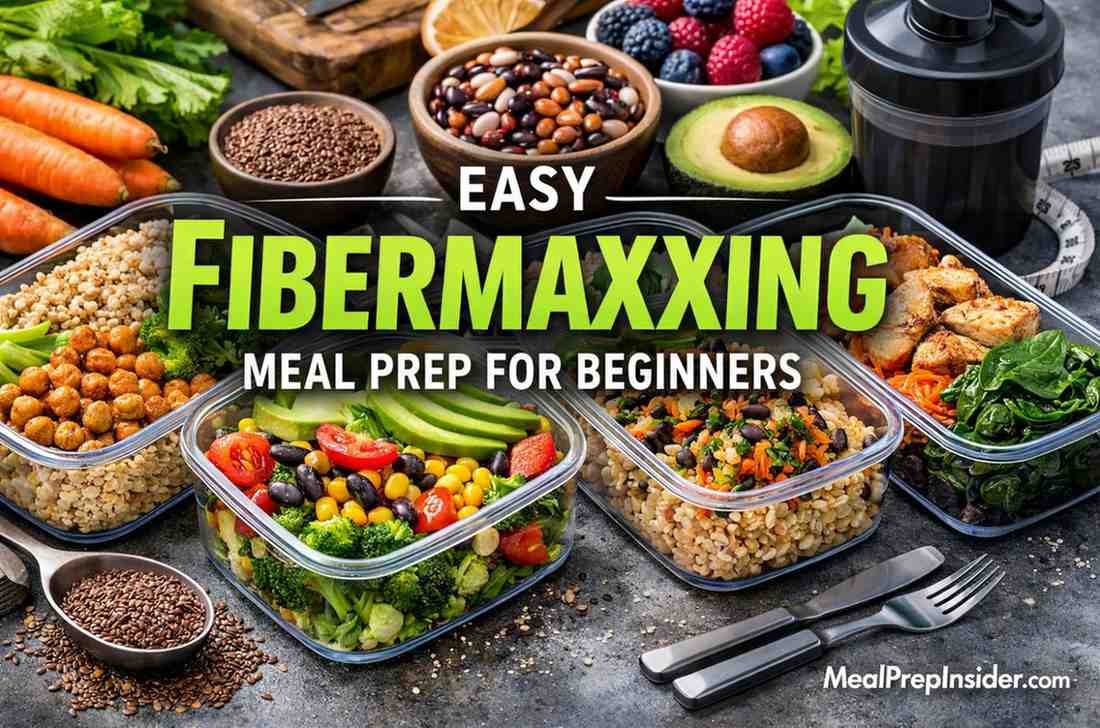
Easy Fibermaxxing Meal Prep for Beginners

Easy fibermaxxing meal prep for beginners doesn’t require a nutrition degree or hours in the kitchen. You’re about to discover something most people mess up completely when they start eating more fiber.
Here’s the thing nobody tells you: jumping into high-fiber eating without a plan leads to bloating, discomfort, and abandoned meal prep containers shoved to the back of your fridge. Sound familiar?
What if you could prep an entire week’s worth of fiber-rich meals in under two hours? What if your digestive system thanked you instead of revolting against you?
This isn’t another boring nutrition lecture.
You’re getting real strategies, tested combinations, and straightforward meal prep methods that work for people who have jobs, families, and zero time for complicated recipes. The kind of information that makes your gut health improve while your life gets simpler.
Ready to transform your fiber intake without turning your kitchen into a disaster zone?
Let’s go.
What Fibermaxxing Really Means for Your Body
Fibermaxxing is the practice of intentionally maximizing your dietary fiber intake to optimize digestion, blood sugar control, and overall health. Think of it as taking fiber seriously without becoming obsessive.
The average American eats about 15 grams of fiber daily. That’s pathetic compared to the recommended 25-38 grams. Your ancestors consumed somewhere between 50-100 grams daily. They didn’t have grocery stores full of ultra-processed nonsense.
Your body needs two fiber types: soluble and insoluble.
Soluble fiber dissolves in water, forming a gel-like substance that slows digestion and helps control blood sugar. Insoluble fiber doesn’t dissolve. It adds bulk to your stool and keeps things moving through your digestive tract.
Both matter. Both work differently. Both need spots in your meal prep.
When you maximize fiber intake properly, several things happen:
- Your hunger signals normalize
- Blood sugar spikes flatten out
- Cholesterol levels often improve
- Bowel movements become predictable
- Inflammation markers decrease
- Your gut microbiome diversifies
That last point deserves attention. Your gut bacteria feast on fiber. Feed them well, and they produce compounds that protect your brain, strengthen your immune system, and reduce disease risk.
Starve them, and they start eating your gut lining instead.
Not ideal.
Why Meal Prep Changes Everything for Fiber Intake
Meal prep solves the biggest obstacle to fibermaxxing: decision fatigue.
When you’re hungry and tired, you grab what’s convenient. Convenience foods are typically fiber wastelands. A frozen pizza? Maybe 3 grams. Fast food burger? Perhaps 2 grams if you’re lucky.
But when you open your fridge and see prepared fiber-rich meals ready to heat and eat? You just won the nutrition lottery without thinking.
Here’s what proper meal prep accomplishes:
Consistency over perfection. You don’t need to hit your fiber target every single meal. You need weekly consistency. Meal prep makes that automatic.
Cost reduction. Buying bulk quantities of beans, lentils, whole grains, and vegetables costs a fraction of prepared foods. Your wallet notices.
Portion control. Pre-portioned meals mean you know exactly how much fiber you’re getting. No guessing. No undereating. No accidental fiber overload that leaves you uncomfortable.
Time multiplication. Two hours on Sunday creates ten ready-to-eat meals. That’s twelve minutes per meal of active prep time. Try cooking from scratch daily and see how that compares.
The math works in your favor.
Setting Up Your Fibermaxxing Kitchen
Before you prep a single meal, your kitchen needs the right tools and ingredients. Nothing fancy. Just functional.
Essential Equipment
You don’t need expensive gadgets. You need reliability.
- Large stockpot: For cooking beans, lentils, and grains in bulk
- Sheet pans: Multiple ones. Roasting vegetables becomes your best friend
- Quality knife: One good chef’s knife beats a drawer full of dull blades
- Glass storage containers: Various sizes, microwave-safe, with tight lids
- Rice cooker or Instant Pot: Optional but game-changing for hands-off cooking
- Measuring cups and food scale: Accuracy matters when you’re tracking fiber
That’s it. Skip the specialty items gathering dust in infomercials.
Pantry Staples That Deliver Fiber
Stock these items and you’ll never be far from a fiber-rich meal:
Legumes:
- Black beans (15g fiber per cup)
- Lentils (16g fiber per cup)
- Chickpeas (12g fiber per cup)
- Split peas (16g fiber per cup)
Whole Grains:
- Steel-cut oats (8g fiber per cup)
- Quinoa (5g fiber per cup)
- Brown rice (4g fiber per cup)
- Whole wheat pasta (6g fiber per cup)
Seeds and Nuts:
- Chia seeds (10g fiber per ounce)
- Flaxseeds (8g fiber per ounce)
- Almonds (4g fiber per ounce)
- Sunflower seeds (3g fiber per ounce)
Keep canned versions of beans and lentils on hand. Yes, dried is cheaper, but canned saves time when you’re starting out. You can graduate to cooking dried legumes later.
Fresh Produce Winners
These vegetables and fruits pack serious fiber while tasting good enough to eat repeatedly:
- Broccoli (5g per cup)
- Brussels sprouts (4g per cup)
- Sweet potatoes (4g per medium potato)
- Carrots (4g per cup)
- Apples with skin (4g per medium apple)
- Pears (6g per medium pear)
- Raspberries (8g per cup)
- Avocados (10g per fruit)
Buy what’s in season. Frozen works perfectly fine and sometimes contains more nutrients than “fresh” produce that traveled thousands of miles.
Easy Fibermaxxing Meal Prep: The Beginner Framework
Here’s your simple system for creating a week’s worth of fiber-rich meals without losing your mind.
The Three-Component Method
Every meal prep session follows this template:
- Protein + Fiber Base: Legumes, tofu, or lean meat paired with whole grains
- Vegetable Volume: Roasted, steamed, or raw vegetables in substantial quantities
- Flavor System: Sauces, herbs, and seasonings that make everything worth eating
This isn’t complicated. You’re essentially mixing and matching components.
Cook each component in bulk, then combine them into different meals throughout the week. Same ingredients, different arrangements, varied flavors.
Boredom avoided. Fiber maximized.
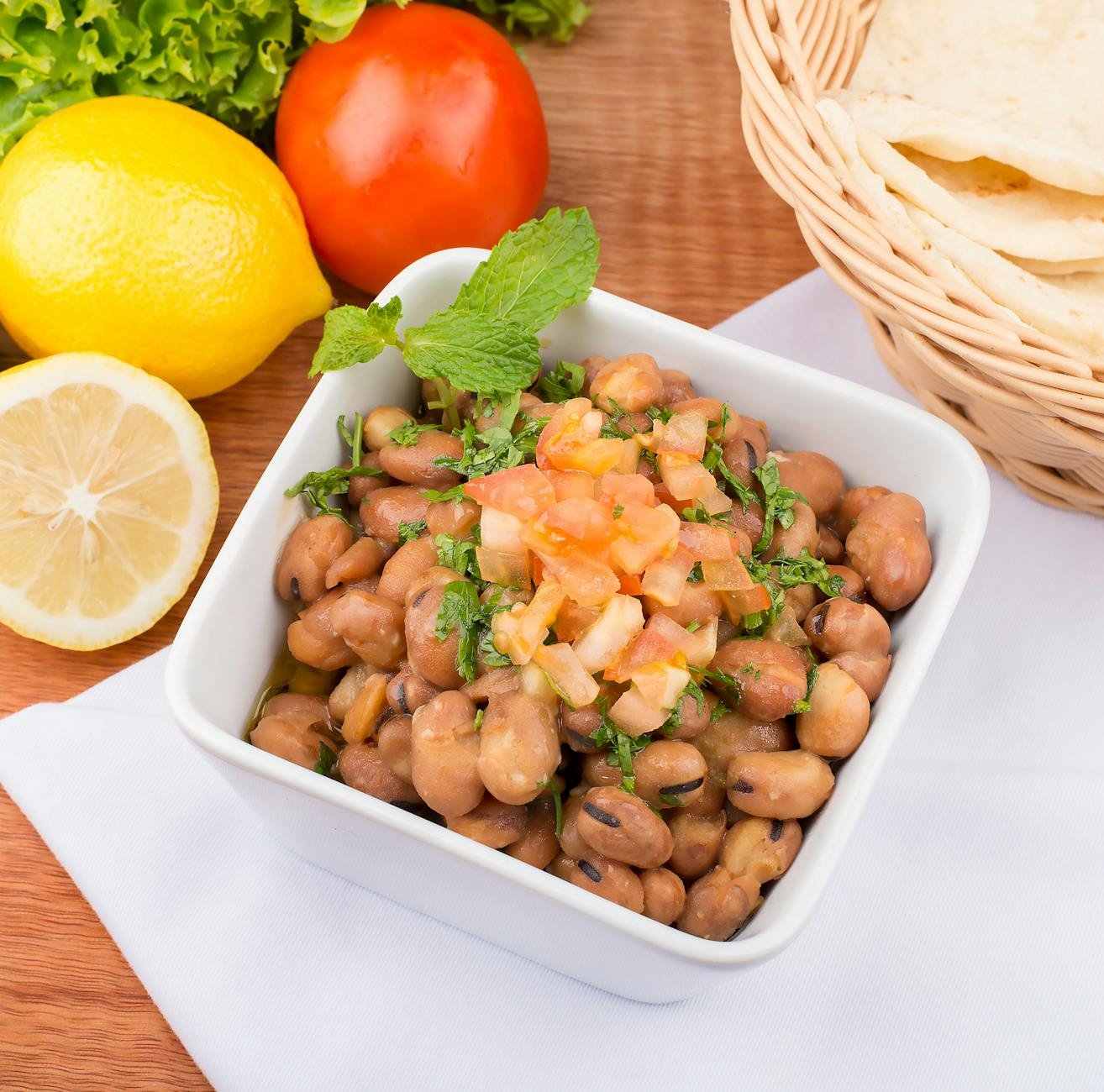
Your First Prep Session Step-by-Step
Set aside two hours on your chosen prep day. Sunday works for most people, but Wednesday works if your schedule differs.
Hour One: Foundation Cooking
Start everything simultaneously. Multitasking cuts your time in half.
- Put 2 cups of brown rice or quinoa in your rice cooker
- Set a large pot of lentils or beans to simmer (3-4 cups dried)
- Chop vegetables for roasting: sweet potatoes, broccoli, Brussels sprouts, carrots
- Toss vegetables with olive oil, salt, and pepper, then spread on sheet pans
- Put vegetables in the oven at 425°F
While everything cooks, prep your sauces and seasonings. Simple options:
- Tahini dressing: Tahini, lemon juice, garlic, water
- Balsamic glaze: Balsamic vinegar reduced with a touch of honey
- Chimichurri: Parsley, garlic, olive oil, vinegar, red pepper flakes
- Curry sauce: Coconut milk, curry paste, ginger
Hour Two: Assembly and Storage
By now, your grains are done, legumes are tender, and vegetables are caramelized.
Let everything cool for 10-15 minutes. Hot food creates condensation in containers, leading to soggy meals.
Create your combinations:
Bowl 1: Lentils + quinoa + roasted sweet potato + tahini dressing + raw spinach
Bowl 2: Black beans + brown rice + roasted broccoli + chimichurri + avocado slices
Bowl 3: Chickpeas + quinoa + roasted Brussels sprouts + balsamic glaze + walnuts
Make 8-10 containers. Label them with dates if you’re organized. Toss them in the fridge if you’re normal.
Done.
You just created a week’s worth of fiber-rich lunches or dinners.
Five Complete Fibermaxxing Meal Prep Recipes
Let’s get specific. These recipes use the framework above with exact measurements and instructions.
Mediterranean Lentil Power Bowls
Fiber per serving: 18g
Ingredients:
- 2 cups dried green lentils
- 2 cups quinoa
- 4 cups cherry tomatoes
- 2 large cucumbers
- 1 red onion
- 1 cup Kalamata olives
- 4 oz feta cheese
- Fresh parsley
- Lemon-herb dressing
Instructions:
Cook lentils in vegetable broth until tender, about 25 minutes. Drain and season with salt and pepper.
Cook quinoa according to package directions. Fluff with a fork.
Dice cucumbers, halve cherry tomatoes, thinly slice red onion, and chop parsley.
Make dressing by whisking together olive oil, lemon juice, minced garlic, dried oregano, salt, and pepper.
Assemble bowls: quinoa base, lentils, vegetables, olives, and feta. Store dressing separately.
Makes 6 servings. Keeps for 5 days refrigerated.
Tex-Mex Sweet Potato and Black Bean Prep
Fiber per serving: 16g
Ingredients:
- 4 large sweet potatoes
- 3 cans black beans (or 1.5 cups dried, cooked)
- 2 cups brown rice
- 1 red bell pepper
- 1 green bell pepper
- 1 red onion
- 2 cups corn (frozen works fine)
- Cumin, chili powder, paprika
- Fresh cilantro
- Lime wedges
Instructions:
Preheat oven to 425°F. Cube sweet potatoes into 1-inch pieces.
Dice bell peppers and onion. Toss sweet potatoes, peppers, and onion with olive oil and spices. Roast for 35 minutes, stirring halfway.
Cook brown rice. Heat black beans with their liquid, adding cumin and chili powder.
Combine everything in containers with corn. Store cilantro and lime separately to add fresh flavor before eating.
Makes 8 servings. Keeps for 6 days refrigerated.
Asian-Inspired Chickpea Stir-Fry Meal Prep
Fiber per serving: 14g
Ingredients:
- 3 cans chickpeas (or 1.5 cups dried, cooked)
- 2 cups brown rice
- 1 large head of broccoli
- 2 cups snap peas
- 2 large carrots
- 1 red bell pepper
- Sesame oil
- Soy sauce or tamari
- Fresh ginger
- Garlic
- Sesame seeds
Instructions:
Cook brown rice and set aside.
Cut broccoli into florets, julienne carrots, and slice bell pepper.
Heat sesame oil in a large pan or wok. Add minced ginger and garlic, and cook for 30 seconds.
Add harder vegetables first (carrots, broccoli), then softer ones (snap peas, peppers). Stir-fry for 6-8 minutes.
Add chickpeas and sauce (soy sauce, rice vinegar, a touch of honey or maple syrup). Cook for 3 more minutes.
Portion into containers with rice. Sprinkle sesame seeds before sealing.
Makes 6 servings. Keeps for 5 days refrigerated.
Tuscan White Bean and Kale Bowls
Fiber per serving: 15g
Ingredients:
- 3 cans white beans (cannellini or great northern)
- 2 cups farro or barley
- 1 large bunch of kale
- 1 pint cherry tomatoes
- 4 cloves of garlic
- Sun-dried tomatoes
- Pine nuts
- Parmesan cheese
- Balsamic vinegar
Instructions:
Cook farro according to package directions. It takes about 30 minutes and should be chewy but tender.
Remove stems from kale and roughly chop. Massage with a bit of olive oil and salt.
Halve cherry tomatoes. Thinly slice garlic and sun-dried tomatoes.
In a large pan, sauté garlic in olive oil until fragrant. Add cherry tomatoes and cook until they start bursting.
Add white beans, sun-dried tomatoes, and kale. Cook until kale wilts.
Assemble bowls with farro, bean mixture, pine nuts, and shaved Parmesan. Drizzle with balsamic before eating.
Makes 6 servings. Keeps for 5 days refrigerated.
Moroccan Spiced Lentil and Root Vegetable Prep
Fiber per serving: 19g
Ingredients:
- 2 cups dried red lentils
- 2 cups quinoa
- 3 large carrots
- 2 parsnips
- 1 large sweet potato
- 1 can diced tomatoes
- Cumin, coriander, cinnamon, turmeric
- Vegetable broth
- Fresh mint
- Lemon wedges
Instructions:
Preheat oven to 400°F. Cube all root vegetables into similar-sized pieces.
Toss vegetables with olive oil, salt, cumin, coriander, and cinnamon. Roast for 40 minutes.
Meanwhile, cook lentils in vegetable broth with turmeric until soft and slightly broken down, about 20 minutes. Stir in diced tomatoes.
Cook quinoa separately.
Layer quinoa, lentil mixture, and roasted vegetables in containers. Add fresh mint and lemon wedges right before eating.
Makes 8 servings. Keeps for 6 days refrigerated.
Building Your Weekly Fibermaxxing Schedule
Meal prep works best when it fits your actual life. Not some idealized version where you have unlimited time and energy.
Here’s a realistic weekly approach:
Sunday (2-3 hours):
- Primary meal prep session
- Cook 2-3 grain varieties
- Prepare 2-3 legume dishes
- Roast 2-3 vegetable types
- Make 2 sauces or dressings
Wednesday (30 minutes):
- Mid-week refresh
- Chop fresh vegetables
- Boil eggs for snacks
- Prep overnight oats for breakfasts
Saturday (optional, 1 hour):
- Baking session for high-fiber treats
- Muffins with oat flour and berries
- Energy balls with dates and nuts
- Homemade granola
This schedule creates variety without overwhelming you. You’re not eating the same thing seven days straight, which is where most people quit.
How to Gradually Increase Fiber Without Digestive Distress
Here’s where people screw up: going from 15 grams to 40 grams of fiber overnight.
Your gut microbiome needs time to adjust. Your digestive enzymes need to ramp up production. Your intestinal muscles need to adapt to moving more bulk.
Rush this process, and you’ll experience bloating, gas, cramping, and potentially constipation that makes you swear off fiber forever.
Don’t do that.
The Progressive Overload Approach
Treat fiber like strength training. Gradual progression beats reckless enthusiasm.
Week 1-2: Add 5-7 grams daily
If you’re currently eating 15 grams, aim for 20-22 grams. Small changes:
- Switch white rice to brown rice in one meal
- Add a side of roasted vegetables to dinner
- Include an apple or a pear as a snack
Week 3-4: Add another 5-7 grams daily
Now targeting 25-28 grams:
- Replace regular pasta with whole wheat or legume-based pasta
- Start meals with a small salad
- Add chia seeds to your morning smoothie or yogurt
Week 5-6: Add another 5-7 grams daily
Reaching 30-35 grams:
- Incorporate legumes into lunch or dinner daily
- Snack on nuts instead of processed foods
- Choose higher-fiber breakfast options like steel-cut oats
Week 7+: Maintain and optimize
At 35+ grams, you’re in the optimal range. Monitor how you feel and adjust based on your digestive comfort.
Critical Support Strategies
More fiber requires more water. Non-negotiable.
Aim for half your body weight in ounces of water daily. If you weigh 160 pounds, that’s 80 ounces. Fiber without adequate hydration causes constipation instead of preventing it.
Movement matters too. Walking, stretching, and general activity help move fiber through your system. Sitting for 12 hours straight while eating 40 grams of fiber is asking for trouble.
Probiotics can help, but they’re not essential. If you’re experiencing significant bloating during your fiber increase, a quality probiotic might ease the transition.
Meal Prep Storage and Food Safety Guidelines
Food safety isn’t exciting, but food poisoning definitely is. In the worst way possible.
Follow these rules to keep your meal prep safe:
Cooling:
Never put hot food directly into containers and seal them. Let everything cool to room temperature first, but don’t leave food out for more than two hours total.
Temperature:
Your refrigerator should maintain 40°F or below. Your freezer should be at 0°F.
Storage duration:
| Food Type | Refrigerator | Freezer |
|---|---|---|
| Cooked grains | 5-6 days | 2-3 months |
| Cooked legumes | 5-7 days | 3-4 months |
| Roasted vegetables | 4-5 days | 2-3 months |
| Raw vegetables (prepped) | 3-5 days | Varies |
| Sauces and dressings | 5-7 days | 2-3 months |
| Complete assembled meals | 4-5 days | 2-3 months |
Reheating:
Heat food to 165°F internal temperature. Microwaves create hot and cold spots, so stir food halfway through reheating.
Add fresh elements right before eating: herbs, greens, avocado, nuts, dressing. They don’t reheat well and lose quality after a few days.
Label containers if you’re making multiple varieties. In the future, you will appreciate knowing which container holds which meal.
Troubleshooting Frequent Obstacles
Problems will emerge. They always do. Here’s how to handle the most predictable ones.
“I’m getting too much gas.”
Your gut bacteria are feasting and producing gas as a byproduct. This typically resolves within 2-3 weeks as your microbiome adjusts.
Solutions:
- Slow down your fiber progression
- Drink more water
- Try digestive enzymes with meals
- Avoid carbonated beverages
- Chew food thoroughly
“Everything tastes boring by day three.”
Your seasoning game needs work. Fiber-rich foods are blank canvases.
Solutions:
- Make multiple sauce varieties
- Use different spice blends on the same vegetables
- Add fresh herbs before eating
- Include crunchy toppings like nuts or seeds
- Incorporate fermented foods like sauerkraut or kimchi
“I don’t have time for two-hour prep sessions.”
Then don’t do two-hour sessions. Adjust the framework.
Solutions:
- Prep just lunches, not every meal
- Use pre-chopped frozen vegetables
- Buy pre-cooked grains from the grocery store
- Make one-pot meals that reduce dishes
- Prep twice weekly for 45 minutes instead
“I’m actually losing weight when I don’t want to.”
High-fiber meals are incredibly filling and lower in calories than processed foods. If weight loss isn’t your goal, you need to add calorie-dense ingredients.
Solutions:
- Increase portions of nuts, seeds, and avocados
- Add olive oil generously to meals
- Include more whole-food carbohydrates
- Don’t skip meals just because you’re full
- Consider tracking calories temporarily to ensure adequate intake
“My family won’t eat this stuff.”
Kids and partners raised on processed foods need gradual transitions, too.
Solutions:
- Start with familiar formats (tacos, pasta, bowls)
- Let them add their own toppings
- Don’t announce you’re “making them eat healthy.”
- Involve them in cooking
- Keep introducing foods multiple times without pressure
Advanced Fibermaxxing Strategies
Once you’ve mastered basic meal prep, these techniques take your fiber game to the next level.
Resistant Starch Manipulation
When you cook and cool starches like rice, potatoes, and pasta, some of the starch converts to resistant starch. Your body can’t digest it in the small intestine, so it functions like fiber in your colon.
Cook your grains and potatoes, then refrigerate them overnight before eating. You get more fiber-like benefits from the same food.
Fiber Stacking
Combine multiple fiber sources in single meals to hit higher totals without huge portions.
Example: Quinoa (5g) + black beans (15g) + roasted broccoli (5g) + avocado (10g) + chia seed pudding for dessert (10g) = 45g fiber in one meal.
You don’t need to hit these numbers every meal, but knowing how to stack fiber when desired gives you flexibility.
Fermentation for Gut Health Synergy
Fermented fiber-rich foods provide both fiber and beneficial bacteria. Sauerkraut, kimchi, and fermented vegetables add probiotics while contributing to your fiber totals.
Add a small portion to your meal prep bowls. The tangy flavor prevents taste fatigue while supporting your microbiome.
Strategic Supplement Use
Whole foods should provide most of your fiber, but supplements fill gaps on busy days.
Quality options:
- Psyllium husk (pure fiber, mixes into liquids)
- Acacia fiber (gentle, well-tolerated)
- Inulin powder (prebiotic fiber that feeds beneficial bacteria)
Use these as backup, not as primary sources. Real food provides nutrients and compounds that isolated fiber doesn’t.
Budget-Friendly Fibermaxxing
Eating high-fiber foods doesn’t require spending as much when you shop at boutique health food stores.
Dried beans cost about $1.50 per pound and provide roughly 12 servings. That’s 12 cents per serving for 15 grams of fiber and 15 grams of protein.
Brown rice runs about $2 per pound. Oats cost even less.
Frozen vegetables often cost less than fresh and contain equivalent nutrition. A 16-ounce bag typically costs $1-2 and provides 4-5 servings.
Seasonal produce is cheapest. Apples in fall, citrus in winter, berries in summer. Buy what’s abundant, and prices drop.
Buying in bulk saves money on non-perishables. Join a warehouse club or find stores with bulk bins. Purchasing 5-pound bags of quinoa, lentils, and oats cuts costs significantly.
Weekly Budget Example:
- 2 pounds dried beans: $3
- 2 pounds brown rice: $4
- 3 pounds of frozen vegetables: $5
- 5 pounds sweet potatoes: $4
- 2 pounds of apples: $3
- 1 pound oats: $2
- Basic spices and oil: $3
Total: $24 for a week’s worth of fiber-rich meal components
That’s roughly $3.40 per day. Add protein sources and fresh vegetables based on your budget from there.
SEE POST ALSO >> Best Duck Meal Prep Recipes for the Week that Saves Time
Measuring Progress Beyond the Scale
Fibermaxxing changes more than your weight. Track these indicators to see real improvements:
Digestive regularity: Are bowel movements predictable and comfortable? This often improves within one week.
Energy stability: Blood sugar control from high-fiber eating means fewer energy crashes. Notice if you’re avoiding the 2 PM slump.
Hunger patterns: Fiber increases satiety. You should feel satisfied longer between meals within 2-3 weeks.
Sleep quality: Gut health influences sleep. Many people report better sleep after 3-4 weeks of higher fiber intake.
Mood consistency: Your gut produces neurotransmitters that affect mood. Changes might appear after 4-6 weeks.
Lab markers: If you get regular bloodwork, watch your cholesterol, triglycerides, and blood sugar numbers. Fiber impacts all three positively.
Keep a simple journal. Rate these factors weekly on a scale of 1-10. Patterns emerge that scales can’t measure.
Making Fibermaxxing Sustainable Long-Term
Meal prep isn’t meant to be temporary. It’s a system that compounds results over months and years.
Here’s how to avoid burnout:
Rotate recipes every 4-6 weeks. You don’t need infinite variety, but cycling through 12-15 different meal types prevents boredom.
Take occasional breaks. Skip meal prep during vacations, holidays, or exceptionally busy weeks. Rigid perfection leads to abandonment.
Involve others. Meal prep parties with friends make the process social. Cooking together cuts individual time while building accountability.
Celebrate small wins. Hit your fiber target for a full week? Acknowledge it. Tried a new recipe successfully? That counts.
Adjust for seasons. Your meal prep will look different in summer versus winter. Fresh salads work great in July. Warm grain bowls hit better in January.
Document what works. Keep photos of successful meal combinations. Note which containers seal best. Record which vegetables reheat well.
Build a personal system instead of following someone else’s perfectly.
Fiber-Rich Breakfast Options That Prep Well
Breakfast determines how the rest of your day unfolds. Start with fiber, and you’re ahead.
Overnight Oats Variations
Base formula: 1/2 cup oats + 1/2 cup milk + 1 tablespoon chia seeds = 12g fiber
Flavor variations:
- Apple cinnamon: Diced apple, cinnamon, walnuts, maple syrup
- Berry blast: Mixed berries, almond butter, vanilla extract
- Banana bread: Mashed banana, pecans, nutmeg, dark chocolate chips
- Pumpkin spice: Pumpkin puree, pumpkin pie spice, pepitas
Make 5-6 jars on Sunday. Grab and go each morning.
Veggie-Packed Egg Muffins
Whisk 12 eggs with salt and pepper. Add 3 cups of chopped vegetables (spinach, bell peppers, onions, mushrooms) and 1 cup cooked quinoa.
Pour into greased muffin tins. Bake at 350°F for 20-25 minutes.
Each muffin provides 3-4g fiber. Eat 2-3 for breakfast. Store for 5 days refrigerated or 2 months frozen.
High-Fiber Smoothie Freezer Packs
Pre-portion smoothie ingredients into freezer bags:
- 1 cup spinach or kale
- 1/2 cup berries
- 1/2 banana
- 1 tablespoon ground flaxseed
- 1 tablespoon hemp seeds
When ready, dump contents into blender with liquid of choice. Each pack provides 8-10g fiber.
Portable High-Fiber Snacks for Busy Days
Meal prep includes snacks. Having fiber-rich options prevents vending machine disasters.
Roasted chickpeas: Toss canned chickpeas with oil and spices. Roast at 400°F for 40 minutes until crunchy. Portion into small containers. 1/2 cup = 6g fiber.
Apple slices with almond butter: Pre-slice apples, store in lemon water to prevent browning. Pack with individual almond butter portions. 1 apple + 2 tablespoons almond butter = 7g fiber.
Trail mix: Combine almonds, walnuts, pumpkin seeds, dried figs, and dark chocolate chips. Portion into 1/4 cup servings. Each serving = 4-5g fiber.
Hummus and vegetable sticks: Prep carrot sticks, cucumber slices, and bell pepper strips. Pair with hummus portions. Total = 5-6g fiber per serving.
Homemade energy balls: Blend dates, oats, nut butter, chia seeds, and cocoa powder. Roll into balls. Each ball = 3-4g fiber. Makes 20-24 balls that keep for 2 weeks.
Eating Out While Maintaining Fiber Goals
Meal prep covers most meals, but life happens. Restaurants don’t have to derail your progress.
Mexican restaurants: Order burrito bowls with brown rice, black beans, fajita vegetables, and guacamole. Skip the tortilla. Easy 15-18g fiber.
Mediterranean spots: Choose grain bowls or lentil soup. Add extra vegetables. Hummus appetizers add fiber without feeling like you’re “being healthy.”
Asian cuisine: Stir-fries over brown rice work perfectly. Request extra vegetables. Edamame as an appetizer contributes 8g of fiber.
Italian restaurants: Whole wheat pasta exists at many places now. Order pasta primavera or pasta e fagioli (pasta with beans). Side salads with olive oil dressing add volume and fiber.
American diners: Sweet potato instead of regular fries. Grilled chicken salad with beans added. Oatmeal for breakfast with berries and nuts.
Don’t make it weird. Just choose options that align with how you’re eating at home.
The Fiber-Mental Health Connection You’re Not Hearing About
Here’s something fascinating that mainstream nutrition advice often misses: your gut bacteria directly influence your mental state.
Your microbiome produces neurotransmitters, including serotonin, dopamine, and GABA. About 90% of your body’s serotonin gets produced in your gut, not your brain.
Feed your gut bacteria fiber, and they produce short-chain fatty acids like butyrate. Butyrate reduces inflammation, strengthens your gut barrier, and influences brain function.
Studies show people eating high-fiber diets report:
- Lower anxiety levels
- Reduced depression symptoms
- Better stress resilience
- Improved cognitive function
This isn’t woo-woo wellness nonsense. This is documented science connecting dietary fiber to mental health outcomes.
When you’re meal prepping fiber-rich foods, you’re not just helping your digestive system. You’re supporting your brain chemistry.
That’s worth two hours on Sunday.
How Different Fiber Types Affect Your Body
Not all fiber works the same way. Understanding the differences helps you strategically choose foods.
Soluble Fiber:
Found in: Oats, beans, lentils, apples, citrus fruits, barley
What it does: Dissolves in water, forms gel, slows digestion, feeds beneficial bacteria
Benefits: Lowers cholesterol, stabilizes blood sugar, increases satiety
Insoluble Fiber:
Found in: Whole wheat, vegetables, nuts, seeds, brown rice
What it does: Doesn’t dissolve, adds bulk, speeds transit time through intestines
Benefits: Prevents constipation, reduces hemorrhoid risk, maintains digestive health
Resistant Starch:
Found in: Cooked and cooled potatoes, green bananas, legumes, whole grains
What it does: Resists digestion in the small intestine, ferments in the colon
Benefits: Feeds beneficial bacteria, improves insulin sensitivity, promotes satiety
Prebiotic Fiber:
Found in: Garlic, onions, leeks, asparagus, Jerusalem artichokes
What it does: Specifically feeds beneficial bacteria strains
Benefits: Enhances microbiome diversity, strengthens immune function, reduces inflammation
Your meal prep should include all types. Variety in fiber sources creates the healthiest gut ecosystem.
Common Meal Prep Errors That Sabotage Your Fiber Goals
People make predictable mistakes when starting fiber-focused meal prep. Avoid these.
Mistake 1: Cooking everything identically each week
Eating the same three meals for months kills motivation. Rotate at least one new recipe weekly.
Mistake 2: Ignoring texture variety
If every meal is mushy beans and soft vegetables, you’ll get tired of it. Include crunchy elements: nuts, seeds, raw vegetables, crispy roasted chickpeas.
Mistake 3: Underseasoning
Fiber-rich foods need bold flavors. Don’t be timid with spices, herbs, acids, and quality salt.
Mistake 4: Overfilling containers
Packed containers are hard to reheat evenly and look unappetizing. Leave space. Food should look good when you open it.
Mistake 5: Neglecting meal timing
Making all your meals identical sizes doesn’t match how you eat. Bigger lunch, smaller dinner? Prep accordingly.
Mistake 6: Forgetting about snacks
You’ll get hungry between meals, especially initially when adjusting to higher fiber. Prep snacks, or you’ll grab processed junk.
Mistake 7: Not testing recipes before bulk prepping
Making eight servings of something you’ve never tried is risky. Test new recipes in small batches first.
Fibermaxxing for Specific Goals
Adjust your approach based on what you’re trying to accomplish.
For weight loss:
Focus on volume eating. Maximize vegetables and legumes. These provide huge portions for relatively few calories. Include lean proteins to maintain muscle mass.
Sample day: 40g fiber, 1,600-1,800 calories
- Breakfast: Large vegetable omelet with berries
- Lunch: Massive lentil and vegetable soup with side salad
- Dinner: Stir-fried vegetables with chickpeas over cauliflower rice
- Snacks: Apple with almond butter, raw vegetables with hummus
For muscle gain:
Higher calories are required. Include fiber-rich foods, but add calorie-dense ingredients liberally.
Sample day: 35g fiber, 2,800-3,200 calories
- Breakfast: Massive bowl of oats with nuts, seeds, nut butter, and banana
- Lunch: Quinoa bowl with black beans, avocado, olive oil, and grilled chicken
- Dinner: Whole wheat pasta with white beans, vegetables, and salmon
- Snacks: Trail mix, protein smoothie with berries and flaxseed
For blood sugar control:
Emphasize foods with low glycemic impact. Pair carbohydrates with protein and fat.
Sample day: 40g fiber, focus on blood sugar stability
- Breakfast: Steel-cut oats with nuts, chia seeds, and berries
- Lunch: Lentil and vegetable salad with olive oil dressing
- Dinner: Grilled fish with quinoa and roasted non-starchy vegetables
- Snacks: Hummus with vegetable sticks, a small apple with cheese
For digestive issues:
Start conservatively. Some people with IBS or other conditions need lower-FODMAP approaches initially.
Work with a healthcare provider, but generally: Favor well-cooked vegetables over raw, choose refined grains temporarily while healing, limit legumes initially, and gradually reintroduce foods.
The Role of Fermented Foods in Fibermaxxing
Fermented foods supercharge your fiber strategy by providing both fiber and beneficial bacteria.
Sauerkraut: 1 cup provides 4g fiber plus Lactobacillus bacteria
Kimchi: Similar fiber content with additional probiotics and a different flavor profile
Tempeh: Fermented soybeans with 8g fiber per cup, plus easier digestion than regular soybeans
Miso: Fermented soybean paste adds flavor and probiotics to soups and dressings
Kefir: Fermented milk with some fiber if you add chia seeds or ground flaxseed
Add small amounts to meals. A few forkfuls of sauerkraut on your grain bowl. Miso-based dressing on salads. Kimchi mixed into stir-fries.
The combination of fiber feeding your existing gut bacteria and fermented foods introduces new beneficial strains, creating optimal digestive health.
Adapting Meal Prep for Different Living Situations
Your meal prep approach changes based on your circumstances.
Living alone:
Smaller batch sizes prevent waste. Consider prepping 3-4 days at a time instead of full weeks. Freeze half of everything to create variety without constantly cooking.
Couples or roommates:
Double recipes, but keep customization options. One person wants spicy, the other doesn’t? Add hot sauce individually. Different protein preferences? Cook components separately, combine at serving.
Families with kids:
Build-your-own approaches work best. Prep components, let everyone assemble their own bowls. Kids control their portions and combinations, increasing buy-in.
Tiny kitchens:
Minimize equipment. One-pot meals become essential. Use your oven and stovetop simultaneously. Invest in stackable storage containers to maximize fridge space.
No kitchen access:
Microwave-only situations require different strategies. Focus on pre-cooked ingredients needing only reheating. Canned beans, microwaveable rice packets, and pre-chopped vegetables. Less ideal but workable.
Seasonal Fibermaxxing Strategies
Your meal prep should shift with seasons for optimal nutrition, flavor, and cost.
Spring:
Feature: Asparagus, peas, artichokes, strawberries, greens
Approach: Lighter meals, more raw components, fresher flavors
Summer:
Feature: Tomatoes, zucchini, bell peppers, berries, stone fruits
Approach: Grilled vegetables, cold grain salads, minimal cooking to avoid heating the kitchen
Fall:
Feature: Squash, apples, pears, Brussels sprouts, sweet potatoes
Approach: Roasted vegetables, warming spices, heartier portions
Winter:
Feature: Root vegetables, cabbage, citrus, dried beans, winter squash
Approach: Soups, stews, slow-cooked meals, comfort foods
Seasonal eating provides variety automatically while reducing costs and environmental impact.
Frequently Asked Questions
How much fiber is too much?
Most people tolerate up to 60-70 grams daily without issues if they increase gradually and drink adequate water. Above that, you might experience nutrient absorption interference or excessive gas. Listen to your body. If you’re uncomfortable, you’ve exceeded your personal tolerance.
Can I get enough fiber without meal prepping?
Yes, but it’s harder. Meal prep removes decision-making and ensures fiber-rich foods are always available. Without it, you’ll need significant daily planning and consistent discipline.
Why am I constipated after increasing fiber?
Two common causes: insufficient water intake or increasing fiber too quickly. Drink more water first. If that doesn’t help, reduce fiber temporarily and increase it more gradually.
Do fiber supplements work as well as food?
Supplements provide fiber but lack the vitamins, minerals, antioxidants, and phytonutrients found in whole foods. Use them as backup, not as primary sources.
How long until I notice benefits?
Digestive changes appear within days. Energy and satiety improvements show up in 1-2 weeks. Mental health and metabolic markers take 4-8 weeks.
Can I fibermax on a keto diet?
It’s challenging but possible using low-carb, high-fiber vegetables (broccoli, cauliflower, leafy greens), nuts, seeds, and coconut flour. You won’t hit 40g easily, but can reach 20-25g.
What if I hate meal prep containers?
Use plates, bowls, or whatever works. The container type doesn’t matter. The preparation and availability matter.
Is frozen produce as good as fresh?
Often better. Frozen vegetables are processed at peak ripeness, while “fresh” produce might be weeks old. Frozen maintains nutrients effectively.
How do I meal prep when traveling?
Bring non-perishable fiber sources: individual nut butter packets, dried fruit, whole grain crackers, protein bars with fiber. Choose restaurants strategically. Accept imperfection during travel.
Can kids eat this much fiber?
Kids need less than adults but benefit from fiber-rich diets. Calculate roughly their age plus 5-10 grams as a reasonable target. A 10-year-old might aim for 15-20 grams daily.
What’s the best container type?
Glass is ideal for reheating and durability. Plastic is lighter and cheaper. BPA-free is non-negotiable if using plastic. Get containers with compartments if you prefer foods to be separated.
Should I count fiber in nutrition labels?
In the US, total carbohydrates include fiber. Some people subtract fiber from total carbs when calculating “net carbs.” For general health, tracking total fiber grams matters most.
Your Next Steps Start Now
You’ve got the information. You understand the framework. You know which foods to buy and how to prepare them.
Here’s what happens next.
Pick one recipe from this guide. Just one. Make it this weekend.
Don’t try to overhaul your entire diet on Monday morning. Don’t attempt to prep 15 meals in your first session. Don’t pressure yourself to immediately hit 40 grams of fiber daily.
Start small. Build momentum. Trust the process.
Your digestive system will thank you.
Your energy levels will improve.
Your health markers will shift in the right direction.
But only if you actually start.
The meal prep containers are waiting. The grocery list is simple. The time investment is minimal compared to the returns.
Two hours this Sunday changes how you eat for the entire week. Repeat that for a month, and you’ve established a pattern. Continue for three months, and you’ve built a sustainable system.
Fibermaxxing through meal prep isn’t complicated.
It’s just a decision you make, followed by actions you take consistently.
Everything else is details.
Now go cook something.
SUGGESTED POST >> 15 Easy Meal Prep Crock Pot Ideas: Flavorful & Fast
Discover more from Meal Prep Insider
Subscribe to get the latest posts sent to your email.