
15 Easy Zone Recipes for Back Sleepers’ Bed Rest Comfort

Easy zone recipes for back sleepers might sound like an odd combination of words at first glance. But stick with me here.
You’re lying in bed. Staring at the ceiling. Your back feels… off. Not terrible, just not right. You shift positions, adjust your pillow, and wonder why everyone keeps talking about sleep zones and nutrition like they’re the secret sauce to waking up without feeling like a dried-out pretzel.
Here’s the thing nobody tells you: what you eat directly impacts how well you sleep on your back. The inflammation in your joints. The muscle recovers while you’re horizontal. The way your spine decompresses overnight. It’s all connected, and most people are doing it completely wrong.
Back sleepers face unique challenges. The pressure points. The lower back curve. The tendency to wake up with a stiff neck even when you’ve done “everything right.” But there’s a twist in this story, and it involves food that works with your body’s natural sleep mechanics instead of against them.
This isn’t about counting calories or following some restrictive diet that makes you miserable. We’re talking about strategic eating that supports spinal health, reduces nighttime inflammation, and helps your muscles relax enough to actually benefit from lying on your back all night.
Ready? Let’s get into it.
Why Back Sleepers Need Different Nutritional Strategies
Your sleeping position matters more than you think. Back sleeping is considered the gold standard by orthopedic specialists, but it comes with its own set of requirements.
When you sleep on your back, your entire spine relies on proper support. Your neck needs to maintain its natural curve. Your lower back can’t sag into the mattress. And your body needs to stay relaxed enough to maintain this position without tensing up.
Food plays a massive role here. Anti-inflammatory nutrients reduce joint stiffness. Magnesium-rich meals help muscles release tension. Protein timing supports overnight tissue repair. And certain foods actively sabotage your back-sleeping success by causing bloating, acid reflux, or blood sugar crashes that wake you up at 3 AM.
The zone approach to eating focuses on balanced macronutrients that stabilize blood sugar, control inflammation, and support recovery. For back sleepers specifically, this translates to meals that won’t cause digestive distress when you’re lying flat while providing the building blocks your spine needs to decompress properly.
Understanding the Zone Diet Basics for Better Sleep
The Zone Diet centers on a specific ratio: 40% carbohydrates, 30% protein, and 30% fat. This balance keeps insulin levels steady, which directly affects sleep quality.
Insulin spikes = restless nights. When your blood sugar crashes mid-sleep, cortisol floods your system to compensate. You wake up. Your back tenses. The cycle continues.
Zone eating prevents this rollercoaster. Each meal becomes a carefully balanced plate that satisfies hunger without triggering metabolic chaos. For back sleepers, this stability means your body can focus on repair instead of managing blood sugar emergencies at 2 AM.
The anti-inflammatory component is equally crucial. Chronic inflammation stiffens joints and muscles. When you’re on your back, inflamed tissues can’t relax properly. You end up compensating with poor posture, even while unconscious.
Think of these recipes as fuel designed for horizontal spinal decompression. Sounds technical, but it’s really just eating in a way that lets your back do what it needs to do overnight.
Recipe 1: Mediterranean Chickpea Bowl with Grilled Chicken
This bowl hits every zone marker while delivering serious anti-inflammatory power.
Ingredients:
- 4 oz grilled chicken breast, sliced
- 2/3 cup cooked chickpeas
- 1 cup mixed greens
- 1/4 cup cucumber, diced
- 1/4 cup cherry tomatoes, halved
- 2 tablespoons hummus
- 1 tablespoon olive oil
- Lemon juice, garlic, and herbs to taste
Preparation:
Season and grill the chicken with oregano and garlic. Toss chickpeas with a light coating of olive oil and roast until crispy. Build your bowl with greens as the base, add vegetables, and top with chicken and chickpeas. Drizzle with hummus thinned with lemon juice.
Why it works for back sleepers:
The protein-to-carb ratio keeps you satisfied without overloading your digestive system before bed. Olive oil provides anti-inflammatory omega-3s that reduce joint stiffness. The fiber from chickpeas prevents blood sugar spikes that would otherwise interrupt deep sleep cycles.
Recipe 2: Salmon and Asparagus with Quinoa
Omega-3 fatty acids in salmon are basically medicine for people who sleep on their backs.
Ingredients:
- 5 oz wild-caught salmon fillet
- 1 cup asparagus spears
- 1/2 cup cooked quinoa
- 1 tablespoon avocado oil
- Garlic, dill, and lemon
- Sea salt and black pepper
Preparation:
Preheat your oven to 400°F. Place salmon and asparagus on a baking sheet. Drizzle with avocado oil, season with garlic, dill, salt, and pepper. Bake for 12-15 minutes. Serve over quinoa with a squeeze of fresh lemon.
Why it works for back sleepers:
Salmon’s omega-3s actively reduce inflammation in spinal joints. Vitamin D supports calcium absorption for bone health. Asparagus contains folate and fiber that stabilize overnight blood sugar. Quinoa provides complete protein for muscle repair while your spine decompresses.
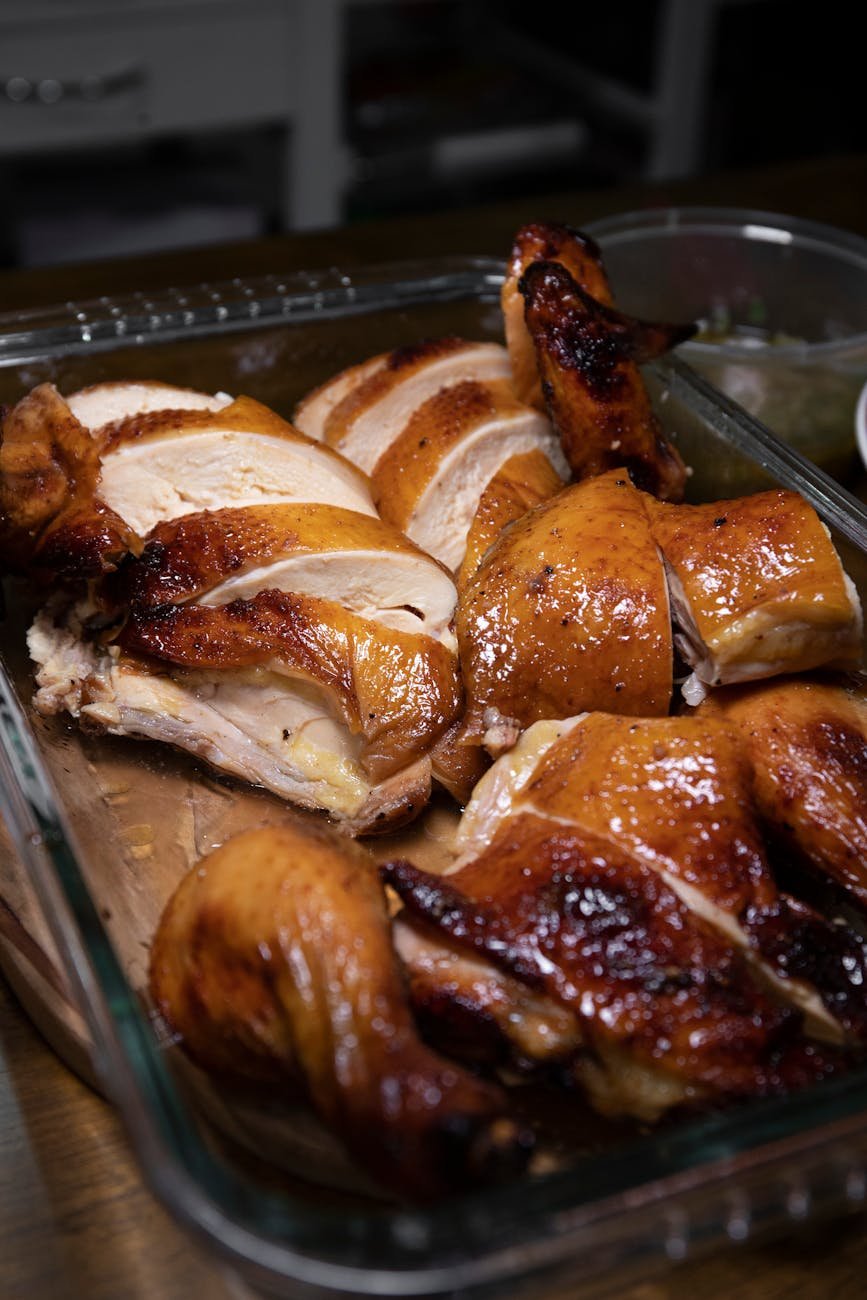
Recipe 3: Turkey and Vegetable Stir-Fry with Cauliflower Rice
Here’s where we get clever with carb sources to prevent that bloated feeling when lying flat.
Ingredients:
- 5 oz ground turkey (93% lean)
- 2 cups cauliflower rice
- 1/2 cup bell peppers, sliced
- 1/2 cup snap peas
- 2 tablespoons coconut aminos
- 1 tablespoon sesame oil
- Ginger and garlic, minced
- Green onions for garnish
Preparation:
Heat sesame oil in a large pan. Cook ground turkey until browned. Remove and set aside. Sauté vegetables with ginger and garlic until tender-crisp. Add cauliflower rice and cook for 3-4 minutes. Return turkey to the pan, add coconut aminos, and toss everything together.
Why it works for back sleepers:
Cauliflower rice eliminates the heavy, bloated feeling traditional rice causes when you’re horizontal. Turkey provides lean protein without excess fat that can trigger acid reflux. The vegetable volume fills you up while maintaining perfect zone ratios.
Recipe 4: Greek-Style Egg Muffins with Spinach and Feta
Not just for breakfast. These work brilliantly as a light dinner for back sleepers who need protein without bulk.
Ingredients:
- 6 eggs
- 1 cup fresh spinach, chopped
- 1/4 cup feta cheese, crumbled
- 1/4 cup sun-dried tomatoes, chopped
- 2 tablespoons olive oil
- Oregano and basil
- Salt and pepper
Preparation:
Preheat oven to 350°F. Whisk eggs with herbs and seasonings. Fold in spinach, feta, and tomatoes. Pour into greased muffin tins, filling each about 2/3 full. Bake for 18-20 minutes until set. Makes 6 muffins; serves 2-3 depending on your size.
Why it works for back sleepers:
Eggs digest easily without causing the stomach distension that makes back sleeping uncomfortable. The magnesium in spinach helps muscles relax. Feta provides calcium for bone health without the lactose load that triggers bloating in sensitive individuals.
Recipe 5: Lentil and Sweet Potato Buddha Bowl
Plant-based protein that actually keeps you full and supports spinal health.
Ingredients:
- 3/4 cup cooked lentils
- 1/2 cup roasted sweet potato, cubed
- 1 cup kale, massaged
- 1/4 avocado, sliced
- 2 tablespoons tahini
- 1 tablespoon lemon juice
- Hemp seeds for topping
Preparation:
Roast sweet potato cubes at 425°F for 25 minutes. Massage kale with a pinch of salt until softened. Make dressing by whisking tahini with lemon juice and water to the desired consistency. Build a bowl with kale as a base, add lentils and sweet potato, top with avocado and hemp seeds, and drizzle with tahini dressing.
Why it works for back sleepers:
Lentils provide slow-digesting carbs that prevent midnight blood sugar crashes. Sweet potatoes contain potassium that prevents muscle cramping during sleep. The healthy fats from avocado and tahini support anti-inflammatory processes without sitting heavily in your stomach.
Recipe 6: Grilled Shrimp Tacos with Cabbage Slaw
Light, satisfying, and perfectly balanced for evening meals before a night of back sleeping.
Ingredients:
- 6 oz large shrimp, peeled and deveined
- 2 small corn tortillas
- 1 cup purple cabbage, shredded
- 1/4 cup Greek yogurt
- Lime juice and cilantro
- Cumin and chili powder
- 1 tablespoon olive oil
Preparation:
Season shrimp with cumin, chili powder, salt, and pepper. Grill for 2-3 minutes per side. Make slaw by mixing cabbage with Greek yogurt, lime juice, and cilantro. Warm tortillas, fill with shrimp and slaw.
Why it works for back sleepers:
Shrimp is high-protein and low-fat, digesting quickly, so you’re not lying on your back with a full stomach. The probiotics in yogurt support gut health, reducing nighttime inflammation. Corn tortillas provide gentler carbs than wheat for those sensitive to gluten-related inflammation.
Recipe 7: Beef and Broccoli with Almond Butter Sauce
A takeout favorite reimagined for optimal sleep support.
Ingredients:
- 4 oz lean beef sirloin, thinly sliced
- 2 cups broccoli florets
- 2 tablespoons almond butter
- 1 tablespoon coconut aminos
- 1/2 teaspoon rice vinegar
- Garlic and ginger, minced
- Red pepper flakes (optional)
Preparation:
Steam broccoli until tender-crisp. Stir-fry beef in a hot pan until browned. Remove beef. In the same pan, combine almond butter, coconut aminos, vinegar, garlic, and ginger with a splash of water to create a sauce. Add broccoli and beef back to the pan, toss to coat.
Why it works for back sleepers:
Grass-fed beef provides iron and zinc that support overnight tissue repair. Broccoli contains calcium and vitamin K for bone health. Almond butter delivers magnesium that helps muscles release tension, crucial when your entire spine relies on muscular relaxation.
Recipe 8: White Fish with Roasted Brussels Sprouts
Simple, clean, and designed not to interfere with comfortable back sleeping.
Ingredients:
- 5 oz cod or halibut fillet
- 1.5 cups Brussels sprouts, halved
- 1 tablespoon avocado oil
- 1 tablespoon Dijon mustard
- Fresh thyme and rosemary
- Lemon wedges
Preparation:
Preheat oven to 425°F. Toss Brussels sprouts with half the avocado oil, salt, and pepper. Roast for 20 minutes. Brush fish with remaining oil and Dijon mustard, season with herbs. Add fish to the baking sheet for the last 10-12 minutes. Serve with fresh lemon.
Why it works for back sleepers:
White fish is the lightest protein option, digesting rapidly, so you’re not dealing with fullness when horizontal. Brussels sprouts contain glucosinolates that reduce systemic inflammation. The minimal fat content prevents acid reflux that plagues back sleepers who eat heavy dinners.
Recipe 9: Turkey Lettuce Wraps with Avocado
When you want something satisfying but refuse to feel stuffed before bed.
Ingredients:
- 5 oz ground turkey
- 4 large romaine or butter lettuce leaves
- 1/4 avocado, mashed
- 1/4 cup salsa
- 1/4 cup black beans
- Cumin and paprika
- Lime juice
Preparation:
Brown ground turkey with cumin and paprika. Warm black beans. Spread mashed avocado on lettuce leaves, add turkey and beans, top with salsa and a squeeze of lime.
Why it works for back sleepers:
Eliminating the heavy wrap or tortilla prevents that distended stomach feeling. The lettuce provides crunch and volume without digestive burden. Avocado’s healthy fats support nutrient absorption while reducing inflammation in spinal joints.
Recipe 10: Chicken and Zucchini Noodle Soup
Comfort food that won’t sabotage your sleep position.
Ingredients:
- 4 oz chicken breast, diced
- 2 cups zucchini noodles
- 3 cups low-sodium chicken broth
- 1/2 cup carrots, sliced
- 1/2 cup celery, chopped
- 1 tablespoon olive oil
- Thyme, bay leaf, and parsley
Preparation:
Sauté carrots and celery in olive oil until softened. Add chicken and cook until no longer pink. Pour in broth, add herbs, and simmer for 10 minutes. Add zucchini noodles in the last 3 minutes. Remove bay leaf before serving.
Why it works for back sleepers:
The warm liquid is soothing without being heavy. Zucchini noodles provide substance without the inflammatory response some people get from wheat pasta. The hydration from broth supports overnight spinal disc rehydration, which happens more efficiently when you sleep on your back.
Recipe 11: Egg Roll in a Bowl
All the flavor, none of the sleep-disrupting elements.
Ingredients:
- 4 oz ground pork or chicken
- 2 cups coleslaw mix
- 2 tablespoons coconut aminos
- 1 tablespoon rice vinegar
- 1 teaspoon sesame oil
- Ginger and garlic, minced
- Green onions and sesame seeds
Preparation:
Brown meat with ginger and garlic. Add coleslaw mix and cook until wilted. Stir in coconut aminos, rice vinegar, and sesame oil. Top with green onions and sesame seeds.
Why it works for back sleepers:
The cabbage provides volume and nutrients without excessive calories or carbs that would spike insulin. The balanced protein prevents muscle breakdown overnight. Ginger actively reduces inflammation and aids digestion, preventing discomfort when lying flat.
Recipe 12: Baked Chicken Thighs with Green Beans and Almonds
Dark meat chicken gets unfairly criticized, but it’s perfect for the zone approach.
Ingredients:
- 2 small chicken thighs, skinless
- 1.5 cups green beans, trimmed
- 2 tablespoons sliced almonds
- 1 tablespoon olive oil
- Garlic powder and smoked paprika
- Lemon zest
Preparation:
Season chicken thighs with garlic powder, paprika, salt, and pepper. Bake at 375°F for 35-40 minutes. In the last 15 minutes, toss green beans with olive oil and roast alongside the chicken. Top with toasted almonds and lemon zest.
Why it works for back sleepers:
Chicken thighs contain more minerals than breast meat, supporting bone and muscle health. Green beans provide fiber without the gas-producing effects of cruciferous vegetables. Almonds deliver magnesium that specifically helps with muscular relaxation during sleep.
RELATED POST >> 34 Easy Carnivore Recipes for Back Sleepers: Pain-Free Night
Recipe 13: Tuna Salad Stuffed Bell Peppers
Protein-packed and refreshing, perfect for warm evenings.
Ingredients:
- 4 oz canned tuna in water, drained
- 2 large bell peppers, halved and seeded
- 2 tablespoons Greek yogurt
- 1/4 cup cucumber, diced
- 1/4 cup celery, diced
- Dill and lemon juice
- Salt and pepper
Preparation:
Mix tuna with Greek yogurt, cucumber, celery, dill, lemon juice, salt, and pepper. Stuff into bell pepper halves. Serve cold or at room temperature.
Why it works for back sleepers:
This is a no-cook option that’s incredibly light on the digestive system. Tuna provides omega-3s without the mercury concerns of larger fish when eaten occasionally. The raw vegetables offer enzymes that aid digestion, preventing the bloating that makes back sleeping uncomfortable.
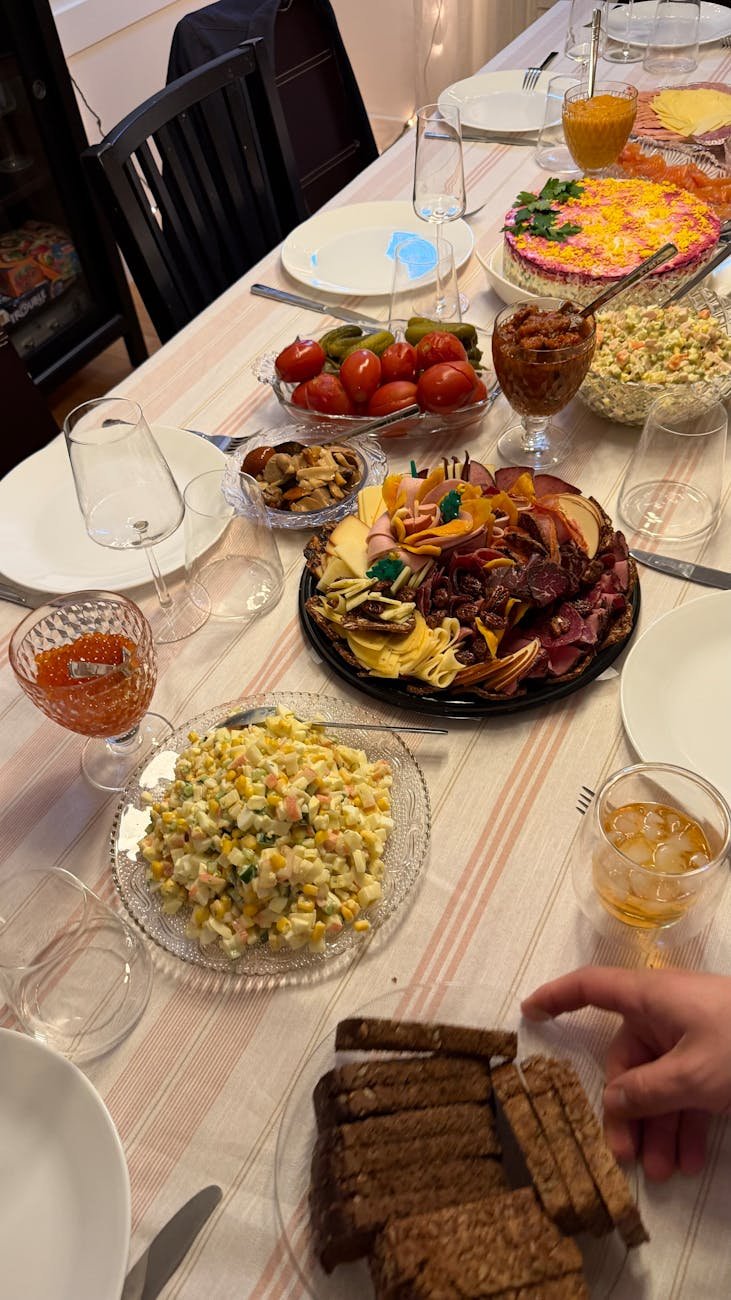
Recipe 14: Pork Tenderloin with Roasted Cauliflower
Lean pork is underrated in zone-style eating plans.
Ingredients:
- 5 oz pork tenderloin
- 2 cups cauliflower florets
- 1 tablespoon olive oil
- 1 teaspoon Dijon mustard
- Rosemary and thyme
- Apple cider vinegar
Preparation:
Rub pork with Dijon mustard, rosemary, thyme, salt, and pepper. Sear in a hot pan, then transfer to a 400°F oven for 15-18 minutes. Toss cauliflower with olive oil and a splash of apple cider vinegar, and roast alongside the pork for 20-25 minutes.
Why it works for back sleepers:
Pork tenderloin is as lean as chicken breast but offers different mineral profiles, including thiamine, which supports nerve function. Cauliflower is anti-inflammatory and low in fermentable fibers that cause gas. The combination digests smoothly without creating pressure that disrupts back sleeping.
Recipe 15: Cottage Cheese and Veggie Plate
Sometimes the simplest approach is the smartest.
Ingredients:
- 3/4 cup low-fat cottage cheese
- 1 cup cherry tomatoes
- 1 cup cucumber slices
- 1/4 cup carrots, cut into sticks
- 2 tablespoons almonds
- Fresh herbs and black pepper
Preparation:
Arrange cottage cheese in a bowl. Season with fresh herbs and black pepper. Surround with raw vegetables and almonds.
Why it works for back sleepers:
Cottage cheese contains casein protein that digests slowly, providing amino acids throughout the night for muscle repair. The calcium content supports bone health. Raw vegetables provide enzymes and fiber without requiring heavy digestion. This meal is light enough to eat fairly close to bedtime without interfering with sleep quality.
Timing Your Zone Meals for Optimal Back Sleep
When you eat matters almost as much as what you eat. For back sleepers, timing becomes critical.
The ideal window for dinner is 3-4 hours before bed. This gives your body enough time to complete the active digestion phase before you lie down. When you sleep on your back with a full stomach, gravity works against you. Food can press against your diaphragm. Acid reflux becomes more likely. Your sleep quality tanks.
But here’s the tricky part: you also don’t want to go to bed hungry. Blood sugar crashes trigger cortisol release, which wakes you up and causes muscle tension throughout your back.
The zone recipes above hit that sweet spot. They’re substantial enough to prevent hunger but designed to digest efficiently. The balanced macronutrient ratios mean you won’t experience the insulin spike and crash that comes from carb-heavy dinners.
Consider this timing strategy:
- Finish dinner by 7 PM if you sleep at 10 PM
- Choose lighter options from the list if eating closer to bedtime
- Save heavier proteins (beef, pork) for earlier meals
- Opt for fish, turkey, or eggs when dining late
Common Pitfalls That Sabotage Back Sleepers
Let’s talk about what doesn’t work. Most people make the same errors repeatedly without connecting them to their sleep quality.
High-sodium meals before bed: Salt causes water retention, which increases inflammation in spinal joints. You wake up stiff and swollen.
Heavy carbohydrate loads: Pasta, bread, rice in large quantities spike insulin and lead to overnight blood sugar fluctuations. Your sleep cycles get disrupted.
Excessive fats at dinner: While healthy fats are crucial in zone eating, overdoing it at night slows digestion to a crawl. You’re lying on your back with undigested food for hours.
Dairy products for sensitive individuals: If you’re even slightly lactose intolerant, dairy creates gas and bloating that makes back sleeping miserable.
Spicy foods close to bedtime: These can trigger acid reflux, which is worse when you’re on your back.
Alcohol with dinner: It might make you drowsy initially, but alcohol fragments sleep and causes dehydration that stiffens muscles and joints.
The zone approach naturally avoids most of these problems. The balanced ratios prevent overloading any single macronutrient. The anti-inflammatory focus eliminates problematic ingredients. Portion control keeps you from overeating.
Hydration Strategies for Back Sleepers
Water intake deserves its own section because it’s that important for spinal health.
Your intervertebral discs are about 80% water. During the day, gravity compresses these discs and squeezes water out. At night, especially when you sleep on your back with proper support, these discs rehydrate and expand.
But this only works if you’re adequately hydrated. Dehydrated discs don’t decompress properly. You wake up with back pain even though you slept in the “correct” position.
Here’s the balance: drink enough water throughout the day, but taper off 2-3 hours before bed. You don’t want a full bladder waking you up at 2 AM.
Aim for:
- 8-10 glasses of water during waking hours
- Front-load hydration in the morning and afternoon
- Limit fluids to small sips after dinner
- Avoid diuretic beverages (coffee, alcohol) close to bedtime
Some of the recipes above contain water-rich vegetables that contribute to hydration without requiring you to drink more fluids. Cucumbers, tomatoes, zucchini, and leafy greens all help maintain hydration status.
Supplements That Support Back Sleepers
While whole foods should always be your foundation, certain supplements complement the zone approach for back sleepers.
Magnesium glycinate: 300-400mg before bed helps muscles relax without the laxative effect of other magnesium forms. Critical for preventing nighttime muscle tension.
Omega-3 fatty acids: If you’re not eating fatty fish 3-4 times per week, a quality fish oil supplement provides anti-inflammatory benefits for spinal joints.
Vitamin D3: Most people are deficient, and low vitamin D correlates with chronic pain and poor sleep. Get your levels tested and supplement accordingly.
Collagen peptides: Supports connective tissue health throughout your spine. Mix into morning beverages for best absorption.
Tart cherry extract: Contains natural melatonin and anti-inflammatory compounds. Some back sleepers find this helpful for both falling asleep and reducing morning stiffness.
Always consult with a healthcare provider before adding supplements, especially if you take medications.
Meal Prep Strategies for Busy People
The recipes above work, but only if you actually make them. Let’s get practical about implementation.
Sunday prep session:
- Grill 3-4 chicken breasts
- Cook a large batch of quinoa or cauliflower rice
- Chop vegetables for the week
- Hard-boil a dozen eggs
- Prepare 2-3 recipes that reheat well
Storage tips:
Use glass containers to prevent chemical leaching from plastics. Portion meals into zone-appropriate servings immediately. Label containers with dates. Most cooked proteins last 4 days refrigerated.
Quick assembly meals:
Keep ingredients on hand that require minimal prep. Pre-cooked rotisserie chicken (remove the skin), canned fish, frozen vegetables, and pre-washed greens let you assemble zone meals in under 10 minutes.
Batch cooking favorites:
The turkey and vegetable stir-fry, chicken soup, and egg muffins all scale up easily and freeze well. Make double batches and freeze half for later.
Tracking Your Progress
You need objective measures to know if this approach is working for your back and sleep quality.
Sleep quality metrics:
- How many times do you wake up per night?
- Do you feel rested in the morning?
- Can you maintain a back sleeping position all night?
Physical markers:
- Morning stiffness on a 1-10 scale
- Lower back pain levels throughout the day
- Range of motion in the spine and neck
Food response notes:
Keep a simple log of what you eat and how you feel the next morning. Patterns emerge quickly. You might discover that fish works better for you than poultry, or that any dairy causes issues.
Give each recipe a 2-3 week trial before making judgments. Your body needs time to adapt to new eating patterns and reap anti-inflammatory benefits.
Adjusting Portions for Your Body
The recipes above work for most people, but individual needs vary. Someone who’s 6’2″ and 210 pounds requires different portions than someone who’s 5’4″ and 130 pounds.
The zone diet uses “blocks” to customize portions. One block equals:
- 7 grams of protein
- 9 grams of carbohydrates
- 1.5 grams of fat
Most women need 11 blocks per day (3-block meals, 1-block snacks). Most men need 14 blocks per day (4-block meals, 1-block snacks).
The recipes provided are approximately 3-4 blocks each. Adjust protein portions up or down based on your individual block requirements. Add or subtract vegetables and healthy fats accordingly.
If you’re losing weight unintentionally, increase portions slightly. If you’re gaining weight or not seeing anti-inflammatory benefits, ensure you’re hitting the 40-30-30 ratio accurately.
Beyond Diet: Other Factors for Back Sleepers
Food is crucial, but it’s not the only factor in successful back sleeping.
Pillow height matters: Your neck should maintain natural alignment. Too high or too low both cause problems. A cervical pillow specifically designed for back sleepers often helps.
Mattress firmness: Medium-firm typically works best for back sleepers. Too soft allows your spine to sag. Too hard creates pressure points.
Lower back support: A small pillow or rolled towel under your knees takes pressure off your lower back and helps maintain the natural lumbar curve.
Room temperature: Cooler environments (65-68°F) support better sleep quality. Your body temperature drops naturally during sleep, and a cool room facilitates this.
Evening routine: The hour before bed should be relaxing. Dim lights, avoid screens, practice light stretching or meditation.
These lifestyle factors work synergistically with the nutritional strategies. You can eat perfectly, but still struggle if your sleep environment is wrong.
Frequently Asked Questions
How quickly will I notice improvements in my back pain and sleep quality?
Most people notice subtle changes within a week, particularly reduced morning stiffness. Significant improvements in sleep quality and back pain typically appear after 2-3 weeks of consistent zone eating. The anti-inflammatory effects are cumulative.
Can I use these recipes if I’m not strictly following the Zone Diet?
Absolutely. These meals are healthy and balanced regardless of whether you’re committed to zone eating as a lifestyle. The principles of balanced macronutrients and anti-inflammatory ingredients benefit everyone, especially back sleepers concerned about spinal health.
What if I can’t eat dinner 3-4 hours before bed due to my work schedule?
Choose the lighter options from the list—white fish, turkey lettuce wraps, cottage cheese plate, or egg muffins. These digest more quickly. You might also consider making lunch your larger meal and keeping dinner very light.
Are these recipes suitable for weight loss?
The zone approach naturally supports healthy weight loss because it stabilizes blood sugar and controls portions. However, individual caloric needs vary. If weight loss is your primary goal, track your portions carefully and ensure you’re in a slight caloric deficit while maintaining the 40-30-30 ratio.
I’m a vegetarian. Can I adapt these recipes?
Many recipes are already plant-based or easily modified. Substitute tofu, tempeh, or other legumes for meat. Pay extra attention to getting complete proteins from combinations like rice and beans or quinoa-based meals. The lentil Buddha bowl and chickpea Mediterranean bowl are excellent starting points.
Will these recipes help with conditions like herniated discs or sciatica?
While proper nutrition supports overall spinal health and reduces inflammation, these recipes aren’t medical treatment for specific conditions. If you have a diagnosed spinal condition, work with your healthcare provider on a comprehensive treatment plan that may include nutrition as one component.
How do I know if I’m getting the macronutrient ratios right?
Use a food tracking app for the first week or two. Enter the ingredients and portions to see the actual percentages. After a while, you’ll develop an intuitive sense of what a balanced plate looks like without needing to track everything.
Can I eat these same recipes every day, or should I rotate them?
Variety ensures you get a broad spectrum of nutrients and prevents food boredom. Rotate through different recipes throughout the week. However, if you find 3-4 favorites that you genuinely enjoy and work well for your body, there’s nothing wrong with eating them frequently.
What about breakfast and lunch? Do those meals matter as much?
All meals matter for overall health, but dinner has the most direct impact on sleep quality for back sleepers. That said, eating zone-balanced meals throughout the day stabilizes blood sugar and reduces inflammation, which supports better sleep. Consider applying these same principles to breakfast and lunch.
I have acid reflux. Are all these recipes safe for me?
Most of these recipes avoid common reflux triggers, but individual responses vary. Start with the least acidic options—avoid tomatoes, citrus, and vinegar if those trigger your symptoms. The white fish, turkey, chicken, and egg-based recipes are typically well-tolerated. Eat at least 3 hours before lying down.
How much water should I drink with these meals?
Sip water with meals rather than gulping large amounts, which can dilute digestive enzymes. Aim for 8-12 ounces with dinner, then limit fluids for 2-3 hours before bed to avoid nighttime bathroom trips that disrupt sleep.
Can I make these recipes if I’m on a budget?
Absolutely. Many of the proteins—eggs, canned tuna, chicken thighs, and ground turkey—are affordable. Buy vegetables seasonally or frozen to save money. The investment in quality food often reduces healthcare costs related to poor sleep and chronic pain.
Making It Work Long-Term
Sustainability matters more than perfection. You don’t need to eat zone-balanced, anti-inflammatory meals 100% of the time to see benefits. Aim for 80-90% compliance.
The remaining 10-20% gives you flexibility for social occasions, restaurants, and life’s unpredictable moments. One less-than-ideal meal won’t undo weeks of good nutrition.
Build these recipes into your regular rotation. Start with 3-4 favorites and master those before adding more. Cooking becomes automatic when you’re not constantly referring to recipes.
Notice how your body responds. Some people thrive on fish-heavy plans. Others prefer poultry or plant proteins. The zone framework is consistent, but the specific ingredients can be personalized.
Your back will tell you what’s working. Less morning stiffness. Easier time maintaining back sleeping position. Better energy during the day. These are the markers that matter more than any scale or measurement.
The connection between what you eat and how well you sleep on your back is real. These recipes give you a practical starting point for exploring that connection in your own life.
Start tonight. Pick one recipe. Make it. Notice how you feel in the morning.
Your spine will thank you.
SUGGESTED POST >> How to Make Grocery List on iPhone: Create Smart Shopping
Discover more from Meal Prep Insider
Subscribe to get the latest posts sent to your email.