
17 Easy Keto Recipes for Back Sleepers: Top Simple Meals

Keto recipes for back sleepers might sound like the weirdest food combination you’ve heard all week. But stick with me here.
Your sleep position changes everything about how your body digests food overnight. Back sleepers deal with unique digestive challenges that side and stomach sleepers never face. When you sleep on your back, gravity works differently on your digestive system. Acid reflux becomes more likely. Your metabolism processes nutrients at a different rate. Even your body’s overnight fat-burning mechanisms shift gears.
This isn’t some pseudoscience nonsense either.
Research shows that what you eat before bed directly impacts sleep quality, especially for those who prefer sleeping supine. Heavy, carb-loaded meals sitting in your stomach while you’re flat on your back? That’s a recipe for restless nights, heartburn, and waking up feeling like garbage.
Enter the keto diet. High fat, moderate protein, low carb. It’s already designed to keep blood sugar stable and reduce inflammation. But when you combine keto principles with meal timing and specific ingredients that complement back sleeping, something magical happens. You sleep more deeply. You wake up refreshed. Your body burns fat more efficiently while you’re unconscious.
The recipes I’m sharing aren’t just low-carb meals slapped together. Each one considers digestion speed, anti-inflammatory properties, and how certain foods interact with your body when horizontal for eight hours. Some are perfect for dinner. Others work as late-night snacks that won’t sabotage your sleep or your waistline.
Ready to revolutionize both your diet and your sleep? Let’s dig in.
Why Back Sleepers Need Different Meal Strategies
Sleeping on your back is considered the healthiest position by most chiropractors and sleep specialists. It keeps your spine aligned, reduces wrinkles, and prevents neck pain. But nutritionally speaking, it comes with complications.
The main issue is gravity. When you’re on your back, there’s a straighter path from your stomach to your esophagus. Stomach acid can travel upward more easily, causing reflux and heartburn. This gets worse with certain foods, especially those high in simple carbohydrates and sugars.
Traditional high-carb dinners create a perfect storm for back sleepers. Your blood sugar spikes, then crashes around 2 AM. Your body releases cortisol to compensate. You wake up feeling wired and tired simultaneously. Meanwhile, that pasta or bread sits heavy in your stomach, fermenting and creating gas that makes comfortable back sleeping nearly impossible.
Keto meals solve these problems naturally. Fat and protein are digested more slowly and steadily. There’s no blood sugar rollercoaster. Ketones, the fuel your body produces when in ketosis, provide clean energy to your brain throughout the night. Plus, many keto-friendly ingredients have natural anti-inflammatory properties that reduce any digestive irritation.
The timing matters too. These recipes are designed to be eaten at specific times to maximize both nutritional benefits and sleep quality. Some should be consumed three to four hours before bed. Others work perfectly as late-evening snacks. I’ll note the best timing for each.
Understanding the Sleep-Keto Connection
Your body doesn’t shut down when you sleep. It shifts into repair mode, processing the day’s nutrients and burning stored energy. For back sleepers specifically, the digestive system needs extra support to function optimally in this position.
Keto diets increase production of adenosine, a sleep-promoting chemical in your brain. They also stabilize blood glucose levels throughout the night. No midnight blood sugar crashes means no cortisol spikes that jolt you awake.
Furthermore, ketosis enhances overnight fat burning. When you’re in ketosis, your body preferentially burns fat for fuel. Combine that with the natural fasting state of sleep, and you’ve got a metabolism that’s working overtime while you’re counting sheep.
The key is eating the right keto foods at the right times. Heavy cream-based dishes right before bed might be keto, but they’ll sit like a rock in your stomach. Lean proteins with healthy fats and fiber-rich vegetables? That’s the sweet spot for back sleepers who want to maximize both sleep quality and metabolic benefits.
The 17 Essential Keto Recipes for Back Sleepers
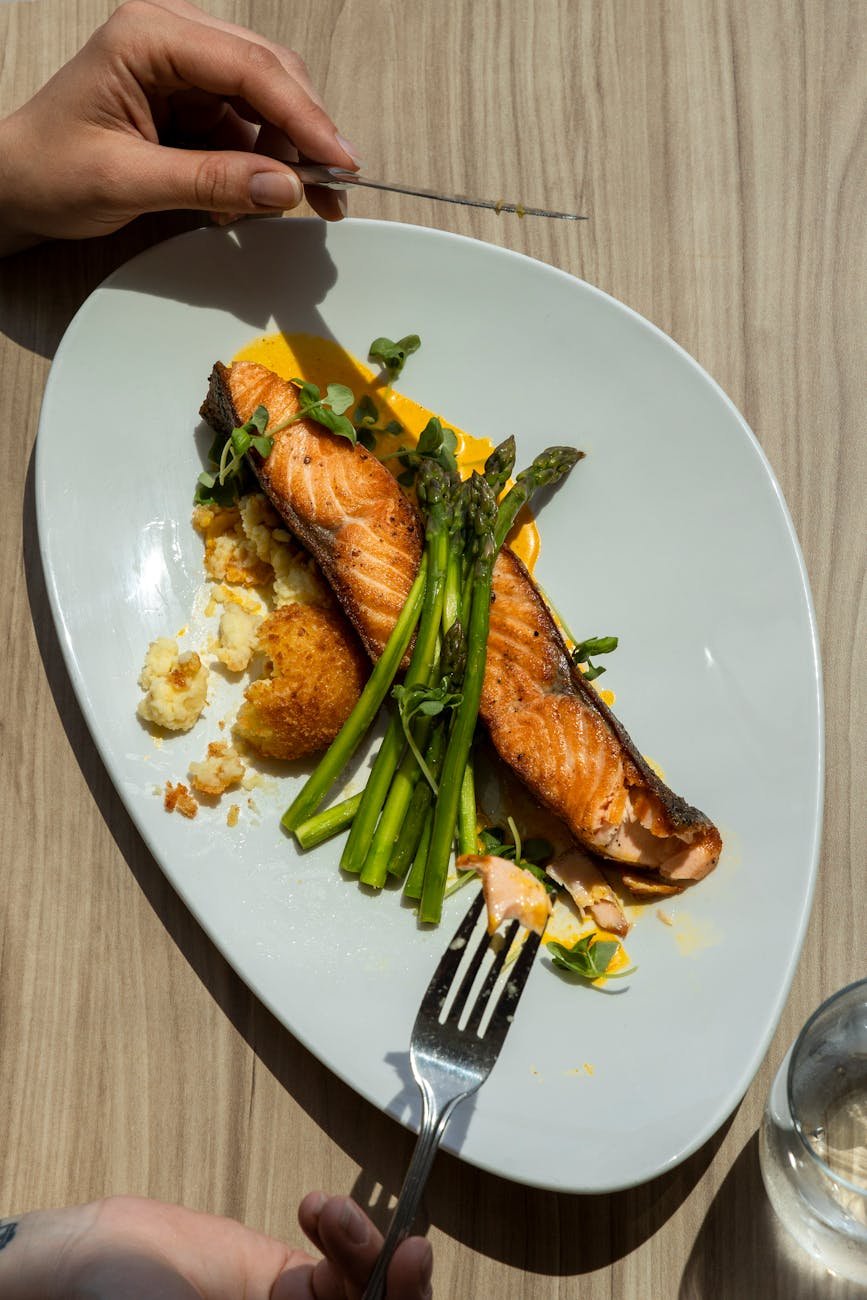
1. Lemon Herb Baked Salmon with Asparagus
Salmon contains omega-3 fatty acids that reduce inflammation and promote deep sleep. The timing on this one is crucial. Eat it three to four hours before bed for optimal results.
Ingredients:
- 6 oz wild-caught salmon fillet
- 1 bunch of asparagus spears
- 2 tablespoons grass-fed butter
- Fresh lemon juice
- Garlic, dill, and parsley
- Sea salt and black pepper
Preparation:
Preheat your oven to 400°F. Place salmon and asparagus on a baking sheet lined with parchment paper. Melt butter and mix with lemon juice, minced garlic, and chopped herbs. Pour over salmon and asparagus. Season generously. Bake for 15-18 minutes until salmon flakes easily.
The omega-3s in salmon actually improve sleep architecture, helping back sleepers achieve more restorative deep sleep phases. Asparagus acts as a natural diuretic, preventing the bloating that can make back sleeping uncomfortable. The vitamin D in salmon regulates circadian rhythms, too.
2. Zucchini Noodle Chicken Alfredo
This lighter take on Alfredo won’t leave you feeling stuffed and uncomfortable lying flat. The zucchini provides fiber that aids digestion without adding carbs.
Ingredients:
- 2 medium zucchinis spiralized
- 8 oz chicken breast, diced
- 1/2 cup heavy cream
- 1/4 cup parmesan cheese, grated
- 2 cloves garlic, minced
- 2 tablespoons olive oil
- Fresh basil
Preparation:
Sauté chicken in olive oil until cooked through. Remove and set aside. In the same pan, add garlic and cook until fragrant. Add heavy cream and parmesan, stirring until the sauce thickens. Toss in spiralized zucchini for just two minutes. Don’t overcook them or they’ll get mushy. Add chicken back in. Top with fresh basil.
The moderate protein content keeps you satiated without overloading your digestive system. The cream provides satisfying fat that signals fullness hormones. Perfect for dinner about three hours before hitting the pillow.
3. Cauliflower Rice Stir-Fry with Shrimp
Shrimp is one of the easiest proteins to digest, making it ideal for back sleepers who experience reflux. Cauliflower rice keeps this dish light and low-carb.
Ingredients:
- 1 lb raw shrimp, peeled and deveined
- 3 cups riced cauliflower
- 2 eggs, beaten
- 2 tablespoons coconut aminos
- 1 tablespoon sesame oil
- Ginger and garlic
- Green onions
- Mixed vegetables (bell peppers, snap peas)
Preparation:
Heat sesame oil in a large wok or skillet. Add shrimp and cook until pink. Remove and set aside. Scramble eggs in the same pan. Add ginger, garlic, and vegetables. Stir-fry for three minutes. Add cauliflower rice and coconut aminos. Cook for five more minutes. Toss shrimp back in.
This meal digests quickly, usually within two hours. The ginger reduces any potential digestive discomfort. Shrimp provides selenium and vitamin B12, both crucial for maintaining healthy sleep cycles.
4. Creamy Tuscan Chicken Skillet
Rich, satisfying, and packed with spinach that provides magnesium for muscle relaxation. This one-pan wonder makes cleanup easy, too.
Ingredients:
- 4 chicken thighs, boneless and skinless
- 3 cups fresh spinach
- 1/2 cup sun-dried tomatoes
- 1 cup heavy cream
- 1/2 cup chicken broth
- 3 cloves of garlic
- Italian seasoning
- Parmesan cheese
Preparation:
Season chicken thighs with salt, pepper, and Italian seasoning. Sear in a hot skillet until golden on both sides. Remove chicken. Add garlic to the pan and sauté. Pour in chicken broth and heavy cream. Add sun-dried tomatoes. Simmer until the sauce thickens slightly. Add spinach until wilted. Return chicken to the pan and cook through.
The magnesium in spinach helps relax muscles, which is particularly beneficial for back sleepers who sometimes experience lower back tension. The healthy fats promote satiety without causing digestive distress.
5. Butter Coffee Bombs for Late Evening
These aren’t technically a meal, but they’re perfect for back sleepers who get hungry an hour or two before bed. They provide sustained energy without disrupting sleep.
Ingredients:
- 1/2 cup grass-fed butter, softened
- 1/4 cup coconut oil
- 2 tablespoons unsweetened cocoa powder
- Stevia to taste
- Pinch of sea salt
Preparation:
Mix all ingredients in a bowl until smooth. Pour into silicone molds or an ice cube tray. Freeze for two hours. Pop one out when you need a small snack. Let it melt slowly in your mouth.
The medium-chain triglycerides in coconut oil convert quickly to ketones, which your brain uses for fuel during sleep. The small amount of caffeine from cocoa is minimal and won’t interfere with sleep when consumed in moderation two hours before bed.
6. Bacon-Wrapped Avocado Bites
These provide the perfect fat ratio for maintaining ketosis overnight. Plus, they’re incredibly simple to prepare.
Ingredients:
- 2 avocados, sliced into wedges
- 8 strips of bacon, halved
- Everything bagel seasoning
- Lime juice
Preparation:
Preheat oven to 400°F. Wrap each avocado wedge with a bacon half. Secure with toothpicks. Place on a baking sheet. Sprinkle with seasoning. Bake for 20 minutes until bacon is crispy. Squeeze fresh lime juice over top before serving.
Avocados contain potassium that helps prevent leg cramps, a common complaint among back sleepers. The monounsaturated fats support heart health and provide steady energy through the night.
7. Keto Egg Roll in a Bowl
All the flavor of egg rolls without the inflammatory vegetable oils and refined carbs. This dish is ready in under twenty minutes.
Ingredients:
- 1 lb ground pork
- 1 bag coleslaw mix
- 3 cloves garlic, minced
- 1 tablespoon fresh ginger, grated
- 3 tablespoons coconut aminos
- 1 tablespoon sesame oil
- Green onions for garnish
- Sesame seeds
Preparation:
Brown ground pork in a large skillet. Add garlic and ginger. Cook until fragrant. Add coleslaw mix and coconut aminos. Stir-fry until cabbage wilts but maintains some crunch. Drizzle with sesame oil. Top with green onions and sesame seeds.
Cabbage is a digestive superhero. It contains compounds that support gut health and reduce inflammation. The fiber helps maintain steady blood sugar throughout the night. For back sleepers, this means fewer wake-ups due to blood sugar fluctuations.
8. Garlic Butter Steak Bites with Mushrooms
Steak for dinner might seem heavy, but when cut into small pieces and paired with mushrooms, it becomes surprisingly digestible.
Ingredients:
- 1 lb sirloin steak, cut into cubes
- 8 oz mushrooms, sliced
- 4 tablespoons grass-fed butter
- 4 cloves garlic, minced
- Fresh thyme
- Sea salt and pepper
Preparation:
Season steak bites with salt and pepper. Heat half the butter in a cast-iron skillet over high heat. Sear steak bites for two minutes per side for medium-rare. Remove from the pan. Add remaining butter, mushrooms, and garlic. Sauté until mushrooms are golden. Add steak back in with fresh thyme. Toss to coat.
Eat this one earlier in the evening, around four to five hours before bed. The iron in red meat supports oxygen transport in your blood, which is crucial for quality sleep. Mushrooms contain vitamin D and selenium, both linked to improved sleep quality.
9. Thai Coconut Curry Soup
Warm, soothing, and easy on the digestive system. Soups are generally excellent choices for back sleepers because liquids digest more quickly than solid foods.
Ingredients:
- 1 can full-fat coconut milk
- 2 cups chicken or vegetable broth
- 1 lb chicken breast, diced
- 2 tablespoons red curry paste
- 1 cup bok choy, chopped
- Mushrooms, bell peppers
- Fish sauce
- Lime juice
- Fresh cilantro and basil
Preparation:
In a large pot, combine coconut milk and broth. Bring to a simmer. Add curry paste and whisk until dissolved. Add chicken and vegetables. Simmer for fifteen minutes until the chicken is cooked through. Add fish sauce and lime juice to taste. Garnish with fresh herbs.
Coconut milk provides lauric acid, which has antimicrobial properties that support gut health. The warming spices in curry paste stimulate digestion without causing reflux when consumed in moderate amounts.
10. Almond Flour Pizza with Pesto and Mozzarella
Pizza on keto? Absolutely. This version won’t cause the blood sugar spike and crash that traditional pizza triggers.
Ingredients for crust:
- 2 cups almond flour
- 2 cups shredded mozzarella
- 2 oz cream cheese
- 1 egg
- Italian seasoning
Toppings:
- Pesto sauce
- Fresh mozzarella
- Cherry tomatoes
- Arugula
- Prosciutto (optional)
Preparation:
Melt the mozzarella and cream cheese together in the microwave. Mix with almond flour, egg, and seasoning to form dough. Roll out between parchment paper. Bake crust at 425°F for 12 minutes. Remove and add toppings. Bake another 8 minutes until the cheese melts.
Almond flour provides vitamin E and magnesium. Both nutrients support muscle relaxation and cardiovascular health during sleep. This is a satisfying dinner that keeps you full without the carb crash.
11. Miso Glazed Cod with Bok Choy
Miso is a fermented food that supports gut health. Combined with easily digestible cod, this Japanese-inspired dish is perfect for back sleepers.
Ingredients:
- 2 cod fillets (6 oz each)
- 3 tablespoons white miso paste
- 1 tablespoon rice vinegar
- 1 tablespoon sesame oil
- 4 heads baby bok choy
- Ginger and garlic
- Sesame seeds
Preparation:
Mix miso paste, rice vinegar, and half the sesame oil. Coat cod fillets and marinate for thirty minutes. Meanwhile, sauté bok choy with the remaining sesame oil, ginger, and garlic. Broil cod for 8-10 minutes until it flakes easily. Serve over bok choy. Sprinkle with sesame seeds.
The probiotics in miso support your gut microbiome, which actually influences sleep quality through the gut-brain axis. Cod provides lean protein that won’t overburden your digestive system before bed.
12. Keto Greek Salad with Grilled Chicken
Sometimes the best dinner is simple. This Mediterranean classic provides healthy fats, quality protein, and anti-inflammatory ingredients.
Ingredients:
- 8 oz chicken breast, grilled and sliced
- 2 cups mixed greens
- 1/2 cup cucumber, diced
- 1/2 cup cherry tomatoes
- 1/4 cup Kalamata olives
- 1/4 cup feta cheese
- Red onion, thinly sliced
- Olive oil and red wine vinegar
- Oregano, salt, pepper
Preparation:
Grill seasoned chicken breast. Let rest, then slice. Combine all vegetables in a large bowl. Add chicken. Drizzle with olive oil and red wine vinegar. Season with oregano, salt, and pepper. Top with crumbled feta.
This light meal digests easily and provides antioxidants that reduce inflammation throughout your body. The olive oil supports cardiovascular health. Eat this when you want dinner, but don’t want to feel stuffed lying on your back later.
RELATED POST >> 12 Easy Atkins Recipes for Back Sleepers: Best Bet Meals
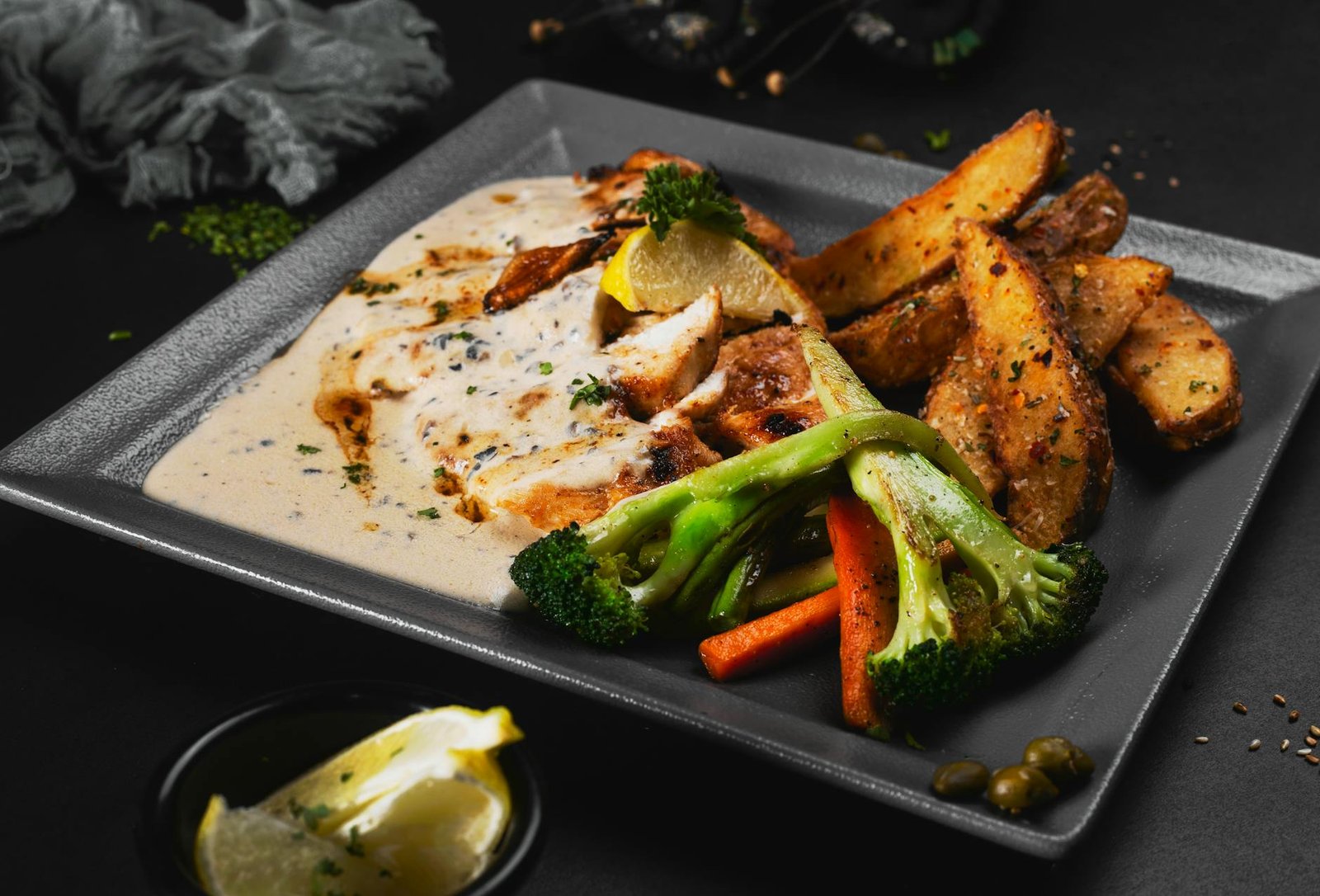
13. Cheesy Broccoli Chicken Casserole
Comfort food that’s actually good for you. This casserole reheats beautifully, so make a big batch for multiple meals.
Ingredients:
- 3 cups cooked chicken, shredded
- 4 cups broccoli florets, steamed
- 1 cup heavy cream
- 2 cups cheddar cheese, shredded
- 4 oz cream cheese
- 1/2 cup chicken broth
- Garlic powder, onion powder
- Salt and pepper
Preparation:
Preheat oven to 375°F. In a saucepan, combine heavy cream, cream cheese, half the cheddar, and chicken broth. Heat until smooth and creamy. Mix chicken and broccoli in a casserole dish. Pour sauce over. Top with remaining cheddar. Bake for twenty-five minutes until bubbly and golden.
Broccoli contains fiber and compounds that support liver detoxification. During sleep, your liver works hard to process the day’s toxins. Supporting this process with nutritious foods improves sleep quality and overall health.
14. Spicy Avocado Tuna Boats
Quick, no-cook, and perfect for those evenings when you need something light but satisfying.
Ingredients:
- 2 cans of tuna packed in olive oil
- 2 avocados, halved
- 2 tablespoons mayonnaise
- 1 tablespoon sriracha
- Diced celery
- Lemon juice
- Everything bagel seasoning
Preparation:
Drain tuna and place in a bowl. Mix with mayonnaise, sriracha, and diced celery. Scoop out a bit of the avocado to create more room. Fill avocado halves with tuna mixture. Squeeze lemon juice over the top. Sprinkle with seasoning.
Tuna provides omega-3s and selenium. Both nutrients support thyroid function, which regulates your metabolism during sleep. This meal is light enough to eat two to three hours before bed without discomfort.
15. Lemon Garlic Butter Scallops with Spinach
Scallops cook in minutes and provide lean protein that won’t sit heavy in your stomach. They’re also rich in vitamin B12, crucial for energy regulation.
Ingredients:
- 1 lb sea scallops, patted dry
- 4 cups fresh spinach
- 4 tablespoons grass-fed butter
- 4 cloves garlic, minced
- Lemon zest and juice
- White wine (optional)
- Sea salt and pepper
Preparation:
Season scallops with salt and pepper. Heat half the butter in a skillet over high heat. Sear scallops for two minutes per side until golden. Remove. Add remaining butter, garlic, and spinach. Sauté until spinach wilts. Add lemon juice, zest, and a splash of white wine. Return scallops to the pan briefly.
This elegant meal feels fancy but comes together in under fifteen minutes. The magnesium in spinach promotes muscle relaxation. Perfect for back sleepers who experience tension.
16. Keto Chili with Cauliflower Rice
Hearty, warming, and surprisingly sleep-friendly when you skip the beans and use the right meat ratio.
Ingredients:
- 1 lb ground beef (80/20)
- 1 can diced tomatoes
- 1 cup beef broth
- 1 bell pepper, diced
- 1 onion, diced
- 3 tablespoons chili powder
- 1 tablespoon cumin
- Garlic, paprika
- Sour cream and cheese for topping
- Cauliflower rice on the side
Preparation:
Brown ground beef with onions and bell pepper. Drain excess fat if needed. Add tomatoes, broth, and all spices. Simmer for thirty minutes. Serve over cauliflower rice. Top with sour cream and shredded cheese.
The protein and fat combination keeps you satisfied through the night. Eat this earlier in the evening to give it time to digest. The warming spices actually support circulation, which can improve sleep quality.
17. Coconut Flour Pancakes with Almond Butter
Who says you can’t have breakfast for dinner? These pancakes provide a comforting end to your day without the carb overload.
Ingredients:
- 1/4 cup coconut flour
- 4 eggs
- 1/4 cup coconut milk
- 1 teaspoon vanilla extract
- 1/2 teaspoon baking powder
- Pinch of salt
- Butter for cooking
- Almond butter and sugar-free syrup
Preparation:
Whisk eggs, coconut milk, and vanilla. Add coconut flour, baking powder, and salt. Mix until smooth. Let batter sit for five minutes to thicken. Heat butter in a skillet. Pour small amounts of batter to make silver-dollar-sized pancakes. Flip when bubbles form. Serve with almond butter and a drizzle of sugar-free syrup.
This meal is surprisingly light despite being filling. The eggs provide tryptophan, a precursor to serotonin and melatonin. Both neurotransmitters regulate sleep. Have this about three hours before bed for best results.
Meal Timing Guidelines for Back Sleepers
When you eat matters just as much as what you eat. Here’s a quick reference guide for timing your keto meals to optimize both sleep and digestion.
4-5 Hours Before Bed:
- Heavier proteins like steak
- Casseroles with multiple ingredients
- Meals with more vegetables and fiber
3-4 Hours Before Bed:
- Medium proteins like chicken and salmon
- Meals with moderate fat content
- Most of the recipes in this list fall here
2-3 Hours Before Bed:
- Light proteins like fish and shrimp
- Soups and broths
- Salads with protein
1-2 Hours Before Bed:
- Small fat bombs
- Handful of nuts
- Herbal tea with a teaspoon of coconut oil
Never Right Before Bed:
- Large meals of any kind
- Spicy foods that trigger reflux
- Excessive fluids that cause nighttime bathroom trips
Common Pitfalls to Sidestep
Eating Too Much Fat Right Before Sleep
Yes, keto is high-fat. No, you shouldn’t consume a cup of heavy cream an hour before lying down. Fat takes longer to digest than protein. When you’re on your back, a stomach full of fat can lead to reflux and discomfort.
Forgetting About Electrolytes
Keto diets are naturally diuretic. You lose more sodium, potassium, and magnesium. These electrolytes are crucial for muscle function and sleep quality. Back sleepers who don’t supplement often experience leg cramps and restless sleep.
Add a pinch of sea salt to your meals. Eat magnesium-rich foods like spinach and avocados. Consider a quality electrolyte supplement if you’re experiencing muscle cramps.
Drinking Too Much Water Late
Staying hydrated is important, but chugging water after dinner leads to nighttime bathroom runs. This disrupts your sleep cycles. Front-load your water intake earlier in the day. Taper off two hours before bed.
Ignoring Individual Tolerance
Some people handle spicy foods fine before bed. Others get reflux from a single jalapeño. Pay attention to how your body responds to different ingredients. The recipes here work for most back sleepers, but you might need to make adjustments based on your personal digestive quirks.
Skipping Dinner Entirely
Some keto enthusiasts practice intermittent fasting and skip dinner. If that works for you, great. But many back sleepers find that going to bed hungry leads to poor sleep. You wake up at 3 AM with low blood sugar and can’t fall back asleep.
Find your sweet spot. A moderate keto dinner that’s properly timed usually produces the best sleep outcomes.
Enhancing Your Back Sleeping Experience
Beyond food choices, several other factors impact how well back sleepers rest and digest.
Pillow Height Matters
Your pillow should support your neck without pushing your head too far forward. This keeps your airway open and reduces acid reflux risk. A pillow that’s too high or too low can create digestive issues.
Slight Incline Helps Digestion
Some back sleepers benefit from elevating the head of their bed by four to six inches. This uses gravity to keep stomach acid where it belongs. You can use bed risers or a wedge pillow to achieve this angle.
Pre-Sleep Routine
A consistent routine signals your body that sleep is coming. This might include light stretching, reading, or meditation. Avoid screens for at least thirty minutes before bed. The blue light disrupts melatonin production.
Room Temperature
Your body temperature naturally drops during sleep. A cool room (65-68°F) supports this process. Back sleepers sometimes sleep warmer than side sleepers, so temperature control becomes even more important.
Tracking Your Progress
Keep a simple sleep and food journal for two weeks. Note what you ate, when you ate it, and how you slept that night. Patterns will emerge quickly.
Rate your sleep quality on a scale of one to ten each morning. Note any middle-of-the-night wake-ups, digestive discomfort, or how you feel upon waking. Track which recipes work best for you personally.
Some back sleepers find that fattier fish like salmon works perfectly. Others do better with leaner proteins. There’s no one-size-fits-all approach, but these recipes provide an excellent starting framework.
The Science Behind Keto and Sleep
Ketogenic diets influence sleep through multiple mechanisms. Understanding the science helps you make informed choices about meal timing and ingredient selection.
Blood Sugar Stability
Stable blood glucose throughout the night prevents cortisol spikes that wake you up. Keto meals keep insulin low and steady. This creates an ideal metabolic environment for deep sleep.
Adenosine Production
Ketones increase adenosine, a neurotransmitter that promotes sleepiness. Higher adenosine levels in the evening support faster sleep onset and better sleep quality.
GABA Enhancement
Beta-hydroxybutyrate, the primary ketone your body produces, enhances GABA activity in the brain. GABA is your main inhibitory neurotransmitter, creating a calming effect that improves sleep.
Reduced Inflammation
Chronic inflammation disrupts sleep. Keto diets reduce systemic inflammation through multiple pathways. Less inflammation means better sleep, especially for back sleepers who are more prone to reflux-related inflammation.

Adjusting Recipes for Your Needs
These recipes serve as templates. Feel free to modify based on your preferences and tolerances.
Spice Sensitivity
If spicy foods trigger reflux, simply reduce or eliminate hot peppers and spicy seasonings. You can still enjoy Thai curry with less curry paste, for example.
Dairy Issues
Many keto recipes include dairy. If you’re lactose intolerant, substitute coconut cream for heavy cream. Use nutritional yeast instead of cheese. Ghee works well in place of butter for those sensitive to milk proteins.
Vegetarian Adaptations
Replace meat proteins with tofu, tempeh, or additional eggs. Add hemp seeds or chia seeds for extra protein and omega-3s. Just ensure you’re getting adequate protein to maintain muscle mass and metabolic health.
Portion Sizes
The portions listed work for most people, but adjust based on your caloric needs and activity level. Someone who works out heavily might need larger portions. A smaller person might do better with less.
Frequently Asked Questions
How long does it take to notice improved sleep on keto?
Most back sleepers report better sleep within three to seven days of starting a ketogenic diet. The first few nights might actually be worse as your body adapts to using fat for fuel. Push through this transition period. By the end of week one, you should notice improvements in sleep depth and morning energy.
Can I have a late-night snack on keto?
Yes, but choose wisely. Small portions of nuts, a fat bomb, or a few slices of cheese work well. Avoid anything that requires significant digestion. Keep late-night snacks under 200 calories and primarily fat-based.
Why do I feel weird at night when I first start keto?
This is common during the adaptation phase. Your body is ramping up fat-burning mechanisms and producing more cortisol temporarily. It usually resolves within one to two weeks. Make sure you’re consuming enough electrolytes and not eating too late.
Should I take magnesium supplements for better sleep?
Magnesium glycinate taken about an hour before bed can significantly improve sleep quality, especially for back sleepers prone to muscle tension. Start with 200mg and adjust based on your response. Magnesium also helps prevent the leg cramps common when first starting keto.
How much water should I drink in the evening?
Limit fluids to small sips after dinner. Most of your daily water intake should happen before 6 PM. This prevents nighttime bathroom trips that disrupt your sleep cycles.
Are there any keto foods I should absolutely avoid before bed?
Avoid anything with hidden carbs that might spike blood sugar. Watch out for sugar alcohols in keto desserts, as they can cause digestive upset. Excessive caffeine, even from dark chocolate, can interfere with sleep for sensitive individuals.
What if I wake up hungry in the middle of the night?
This usually indicates you didn’t eat enough protein or fat at dinner. Adjust your evening meal to include more satisfying ingredients. A tablespoon of almond butter before bed can bridge the gap while your body adapts.
Can keto help with sleep apnea common in back sleepers?
Weight loss from keto often improves sleep apnea symptoms. Additionally, reduced inflammation can decrease airway restriction. However, never stop using a CPAP machine without consulting your doctor.
How do I know if I’m eating too close to bedtime?
If you experience reflux, feel uncomfortably full lying down, or have restless sleep, you’re probably eating too late. Push dinner earlier by thirty-minute increments until you find your optimal timing.
Should meal timing change on weekends versus weekdays?
Consistency is key for optimal sleep. Try to maintain similar meal timing even on weekends. Your body thrives on routine. Erratic eating schedules disrupt your circadian rhythm and sleep quality.
Is it normal to need less sleep on keto?
Many people report needing slightly less sleep on keto because the sleep they get is more restorative. You spend more time in deep sleep and less time in light, easily-disrupted sleep stages. However, you still need seven to nine hours nightly for optimal health.
Can I combine intermittent fasting with these recipes?
Absolutely. Many back sleepers do well with a 16:8 fasting schedule, eating between noon and 8 PM. This gives plenty of time for digestion before bed. Just ensure your eating window allows for proper meal timing before sleep.
Final Thoughts
The connection between diet, sleep position, and sleep quality is real and significant. Back sleepers face unique challenges that the right nutritional approach can solve.
These seventeen recipes aren’t just randomly selected low-carb meals. Each one considers digestion speed, nutrient density, and how specific ingredients interact with your body during sleep. From the omega-3-rich salmon to the magnesium-loaded spinach dishes, every recipe serves a purpose beyond simple nutrition.
Your sleep position shouldn’t limit your food choices or compromise your rest quality. With the right keto meals at the right times, back sleeping becomes the advantage it’s supposed to be. You’ll wake up refreshed, energized, and ready to tackle your day.
Start with the recipes that appeal most to you. Track your results. Adjust timing and ingredients based on your personal response. Within a couple of weeks, you’ll have dialed in the perfect evening nutrition routine for your body.
Sleep is one of the most important factors in your overall health. It affects everything from immune function to mental clarity to metabolic health. When you optimize your diet to support quality sleep, you’re investing in every aspect of your wellbeing.
These recipes make that optimization delicious and sustainable. No more choosing between foods you enjoy and sleep you need. With keto meals designed specifically for back sleepers, you get both.
Sweet dreams and happy eating.
SUGGESTED POST >> 15 Easy Zone Recipes for Back Sleepers’ Bed Rest Comfort
Discover more from Meal Prep Insider
Subscribe to get the latest posts sent to your email.