12 Easy Atkins Recipes for Back Sleepers: Best Bet Meals

Easy Atkins recipes for back sleepers might sound like the strangest combination you’ve read all week. And honestly, that’s exactly why you should keep reading.
Here’s the thing most people miss. What you eat before bed doesn’t just affect your weight. It affects how you sleep, how your spine aligns, and whether you wake up feeling like a functioning human or a crumpled paper bag. If you sleep on your back, your digestion works differently from someone who curls up on their side. Gravity hits your stomach differently. Acid reflux becomes a real threat. Bloating can turn a perfectly good night into a restless disaster.
Now throw a low-carb, high-fat diet into the mix. Suddenly, the stakes get interesting.
Most Atkins recipe roundups ignore one critical audience: the people who need their dinner to work with their sleep position, not against it. Nobody talks about this. Nobody connects the dots between a keto-friendly chicken thigh and the fact that you’re lying flat on your back for eight hours afterward.
Until now.
This post gives you 12 recipes that are Atkins-compliant, genuinely easy to make, and specifically chosen because they won’t wreck your sleep when you’re a back sleeper. We’re talking meals that digest well in a supine position, avoid common reflux triggers, and still taste like something you’d actually want to eat on a Tuesday night.
Let’s get into it.
Why Back Sleepers Need to Think Differently About Dinner
Sleeping on your back is considered one of the healthiest positions for spinal alignment. Orthopedic specialists and physical therapists frequently recommend it. But it comes with a digestive trade-off that rarely gets mentioned in wellness circles.
When you lie flat on your back, your esophagus and stomach sit on roughly the same horizontal plane. That means stomach acid has an easier path upward. Heavy meals, acidic foods, and anything that causes gas or bloating can turn your night into a battle between comfort and digestion.
For back sleepers following the Atkins diet, this creates a specific challenge. Atkins meals tend to be rich in fat and protein. Both take longer to digest than carbohydrates. Eating the wrong combination too close to bedtime can lead to acid reflux, discomfort, and broken sleep cycles.
The solution isn’t to abandon Atkins. It’s to choose recipes that are lighter in the evening, lower in acidity, moderate in fat content (while still being low-carb), and easy on the digestive system.
That’s exactly what these 12 recipes deliver.
What Makes a Recipe “Back Sleeper Friendly”?
Before we jump into the recipes, let’s establish the ground rules. A back-sleeper-friendly Atkins recipe meets these criteria:
- Low acid content. No tomato-heavy sauces, no citrus-based marinades for evening meals.
- Moderate fat. Enough to stay in ketosis or low-carb mode, but not so much that your stomach is working overtime at 2 a.m.
- Easy-to-digest proteins. Think chicken, turkey, fish, and eggs over red meat and pork.
- Minimal bloat factors. Limited cruciferous vegetables, no carbonated ingredients, and careful use of dairy.
- Appropriate portion size. These aren’t feast-level meals. They’re satisfying without being stuffed.
Got it? Good. Let’s cook.
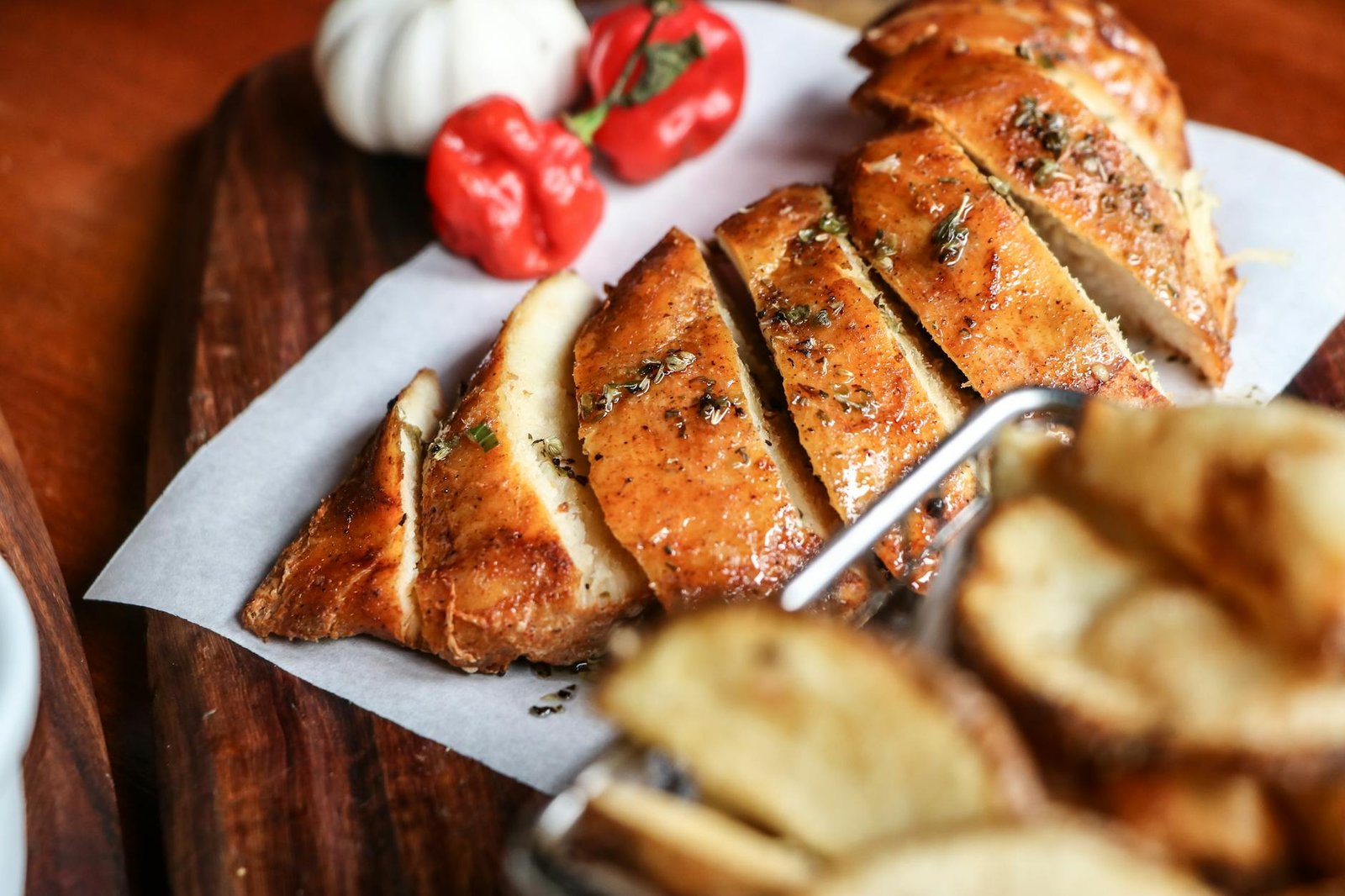
Recipe 1: Lemon Herb Chicken with Zucchini Ribbons
This is your new weeknight default. It takes about 25 minutes from start to plate.
Ingredients:
- 2 boneless, skinless chicken breasts
- 2 medium zucchini, shaved into ribbons with a vegetable peeler
- 2 tablespoons olive oil
- 1 tablespoon fresh dill, chopped
- 1 teaspoon garlic powder
- Salt and pepper to taste
- A light squeeze of lemon (just enough for flavor, not enough to trigger reflux)
Instructions:
Season the chicken breasts with garlic powder, salt, pepper, and half the dill. Heat one tablespoon of olive oil in a skillet over medium heat. Cook the chicken for about 6 to 7 minutes per side until the internal temperature reaches 165°F. Remove and let it rest for 5 minutes.
In the same skillet, add the remaining olive oil and toss in the zucchini ribbons. Sauté for 2 to 3 minutes. They should be tender but still have a slight bite. Finish with the remaining dill and that light squeeze of lemon.
Slice the chicken, lay it over the ribbons, and you’re done.
Why it works for back sleepers: Chicken breast is one of the easiest proteins to digest. Zucchini is gentle on the stomach and unlikely to cause gas. The fat content is moderate. This meal will be largely digested before you even hit the pillow.
Atkins phase compatibility: All phases.
Recipe 2: Turkey and Spinach Egg Muffins
Meal prep heroes, this one’s for you. Make a batch on Sunday and eat them all week.
Ingredients:
- 8 large eggs
- 1/2 pound ground turkey, cooked and crumbled
- 1 cup fresh spinach, chopped
- 1/4 cup shredded mozzarella
- Salt, pepper, and a pinch of nutmeg
Instructions:
Preheat your oven to 375°F. Grease a 12-cup muffin tin. Whisk the eggs in a large bowl and season with salt, pepper, and nutmeg. Divide the cooked turkey and spinach evenly among the muffin cups. Pour the egg mixture over the top, filling each cup about three-quarters full. Sprinkle mozzarella on top.
Bake for 18 to 22 minutes until the eggs are set and the tops are lightly golden.
Why it works for back sleepers: These are portion-controlled by design. You eat two or three, feel satisfied, and don’t overload your digestive system. Turkey is lean and digests efficiently. Spinach is one of the least gas-producing greens available.
Atkins phase compatibility: All phases.
Recipe 3: Garlic Butter Shrimp with Asparagus
Fast. Elegant. Absurdly easy.
Ingredients:
- 1 pound large shrimp, peeled and deveined
- 1 bunch of asparagus, trimmed and cut into 2-inch pieces
- 3 tablespoons butter
- 3 cloves garlic, minced
- Salt, pepper, and red pepper flakes (optional, use sparingly)
Instructions:
Melt the butter in a large skillet over medium-high heat. Add the garlic and cook for 30 seconds. Add the asparagus and cook for 3 to 4 minutes until tender-crisp. Push the asparagus to the side and add the shrimp. Cook for 2 minutes per side until pink and opaque. Toss everything together. Season and serve.
Why it works for back sleepers: Shrimp is incredibly light and digests faster than almost any other protein. Asparagus is a natural diuretic, which can help reduce any water retention or bloating before bed. The butter adds richness without going overboard.
Atkins phase compatibility: All phases.
Recipe 4: Creamy Cauliflower Soup (No Heavy Cream Version)
Soup for dinner hits different when you’re watching your carbs and your sleep quality.
Ingredients:
- 1 large head of cauliflower, cut into florets
- 2 cups chicken broth (low sodium)
- 1/2 cup unsweetened almond milk
- 2 tablespoons butter
- 1/2 teaspoon onion powder
- Salt and white pepper to taste
Instructions:
Steam or boil the cauliflower florets until very tender, about 12 to 15 minutes. Drain well. Transfer to a blender with the chicken broth, almond milk, butter, and seasonings. Blend until silky smooth. Return to the pot and heat gently.
A word on texture: if it’s too thick, add a splash more broth. If it’s too thin, let it simmer uncovered for a few minutes.
Why it works for back sleepers: Soup is one of the easiest foods to digest in any position. By skipping heavy cream and using almond milk, you reduce the dairy load significantly. Cauliflower, when fully cooked and blended, loses much of its gas-producing potential.
Atkins phase compatibility: Phase 1 and beyond.
Recipe 5: Baked Salmon with Dill Cucumber Salad
Omega-3s before bed can genuinely support better sleep quality. Research published in the Journal of Clinical Sleep Medicine found that higher omega-3 intake was associated with better sleep outcomes. This recipe delivers.
Ingredients:
For the salmon:
- 2 salmon fillets (about 6 ounces each)
- 1 tablespoon olive oil
- Salt, pepper, and dried dill
For the salad:
- 1 English cucumber, thinly sliced
- 2 tablespoons sour cream
- 1 tablespoon white vinegar
- Fresh dill
- Salt
Instructions:
Preheat oven to 400°F. Place salmon fillets on a lined baking sheet, drizzle with olive oil, and season. Bake for 12 to 15 minutes, depending on thickness.
While the salmon bakes, toss the cucumber slices with sour cream, vinegar, fresh dill, and salt. Let it sit in the fridge until the salmon is ready.
Plate the salmon alongside the cucumber salad. That’s it.
Why it works for back sleepers: Salmon is rich in both omega-3 fatty acids and vitamin D, both of which have been linked to improved sleep regulation. The cucumber salad is hydrating and incredibly light. No reflux triggers in sight.
Atkins phase compatibility: All phases.
The Connection Between Low-Carb Eating and Sleep Quality
Let’s pause from the recipes for a moment and talk about something that deserves more attention.
Multiple studies have explored the relationship between carbohydrate intake and sleep. A 2020 study in the journal Nutrients found that very low-carbohydrate diets could increase the proportion of deep sleep (slow-wave sleep) in some individuals. However, the transition period when first starting Atkins or keto can temporarily disrupt sleep due to changes in serotonin and melatonin production.
For back sleepers specifically, the advantage of low-carb evening meals is reduced insulin spikes before bed. Insulin spikes can cause restlessness, night sweats, and blood sugar crashes that wake you up at 3 a.m., staring at the ceiling.
The recipes in this post are designed with all of this in mind. They keep carbs low, provide adequate nutrition for overnight recovery, and avoid the digestive pitfalls that specifically plague people who sleep face-up.
Recipe 6: Greek-Style Chicken Lettuce Wraps
No tortilla needed. No bloat delivered.
Ingredients:
- 1 pound ground chicken
- 1 teaspoon oregano
- 1/2 teaspoon cumin
- Salt and pepper
- 1/4 cup crumbled feta
- 1/4 cup diced cucumber
- Butter lettuce leaves for wrapping
Instructions:
Brown the ground chicken in a skillet over medium heat, breaking it into small pieces. Season with oregano, cumin, salt, and pepper. Cook until no pink remains. Spoon the chicken into butter lettuce cups. Top with feta and cucumber.
Why it works for back sleepers: Lettuce wraps eliminate any bread-related bloating. Ground chicken is easy to digest. The feta adds flavor with minimal dairy volume. These are light enough for a 7 or 8 p.m. dinner without any digestive regret later.
Atkins phase compatibility: Phase 1 and beyond.
Recipe 7: Parmesan Crusted Cod
White fish is your best friend if you sleep on your back. Here’s why, and here’s how to make it taste incredible.
Ingredients:
- 2 cod fillets
- 1/4 cup grated Parmesan
- 1 tablespoon mayonnaise
- 1 teaspoon Dijon mustard
- Salt and pepper
- Fresh parsley for garnish
Instructions:
Preheat oven to 400°F. Pat the cod fillets dry. Mix the Parmesan, mayonnaise, and Dijon into a paste. Spread evenly over the top of each fillet. Place on a lined baking sheet and bake for 15 to 18 minutes until the fish flakes easily, and the topping is golden.
Why it works for back sleepers: Cod is one of the leanest, most digestible fish available. The Parmesan crust adds satisfying flavor and texture without requiring heavy sauces. This meal sits lightly in your stomach, which is precisely what you want before lying flat for the night.
Atkins phase compatibility: All phases.
Recipe 8: Avocado Egg Salad Boats
Dinner doesn’t always need to involve a stove. Sometimes the best meal is the one you assemble in 10 minutes.
Ingredients:
- 4 hard-boiled eggs, chopped
- 1 ripe avocado, halved and pitted
- 1 tablespoon mayonnaise
- 1 teaspoon mustard
- Salt, pepper, and paprika
- Chopped chives
Instructions:
Mix the chopped eggs with mayonnaise, mustard, salt, and pepper. Scoop some of the avocado flesh from each half to create a deeper well (dice the scooped avocado and mix it into the egg salad). Fill each avocado half with the egg salad mixture. Top with paprika and chives.
Why it works for back sleepers: Eggs digest relatively quickly, especially when hard-boiled. Avocado provides healthy monounsaturated fats that support satiety without the heaviness of animal fats. The portion is naturally controlled by the avocado shell itself. Smart design by nature.
Atkins phase compatibility: Phase 1 and beyond.
Quick Reference: All 12 Recipes at a Glance
Here’s a table to help you plan your week. Save it, screenshot it, print it out, and stick it on your fridge. Whatever works.
| Recipe | Protein Source | Prep Time | Best Eaten | Reflux Risk |
|---|---|---|---|---|
| Lemon Herb Chicken with Zucchini | Chicken breast | 25 min | Dinner | Very low |
| Turkey Spinach Egg Muffins | Turkey + eggs | 30 min | Any meal | Very low |
| Garlic Butter Shrimp | Shrimp | 15 min | Dinner | Low |
| Creamy Cauliflower Soup | N/A (vegetarian) | 25 min | Dinner | Very low |
| Baked Salmon with Cucumber Salad | Salmon | 20 min | Dinner | Low |
| Greek Chicken Lettuce Wraps | Ground chicken | 20 min | Dinner | Very low |
| Parmesan Crusted Cod | Cod | 20 min | Dinner | Very low |
| Avocado Egg Salad Boats | Eggs | 10 min | Lunch/Dinner | Low |
| Herb Turkey Patties | Ground turkey | 20 min | Any meal | Very low |
| Spinach and Feta Frittata | Eggs | 25 min | Dinner | Low |
| Chicken and Green Bean Stir-Fry | Chicken thigh | 20 min | Dinner | Low |
| Warm Tuna and Olive Plate | Canned tuna | 10 min | Lunch/Dinner | Very low |
RELATED POST >> 15 Easy Zone Recipes for Back Sleepers’ Bed Rest Comfort
Recipe 9: Herb Turkey Patties with Side Greens
Think of these as burgers without the bun, the guilt, or the midnight heartburn.
Ingredients:
- 1 pound ground turkey
- 2 tablespoons fresh parsley, finely chopped
- 1 tablespoon fresh basil, chopped
- 1 clove garlic, minced
- 1 egg
- Salt and pepper
- Mixed greens dressed with olive oil and a splash of white wine vinegar
Instructions:
Combine the turkey, herbs, garlic, egg, salt, and pepper in a bowl. Mix gently (don’t overwork the meat or the patties get tough). Form into 4 patties. Cook in a lightly oiled skillet over medium heat for 5 to 6 minutes per side until fully cooked through.
Serve alongside a simple salad of mixed greens.
Why it works for back sleepers: The herbs in these patties do double duty. Parsley and basil both have mild digestive benefits. Turkey is lean and won’t sit heavily. The side salad adds fiber without bulk.
Atkins phase compatibility: All phases.
Recipe 10: Spinach and Feta Frittata
Frittatas are the unsung heroes of low-carb cooking. One pan. One effort. Multiple servings.
Ingredients:
- 8 large eggs
- 2 cups fresh spinach
- 1/3 cup crumbled feta
- 1 tablespoon butter
- Salt, pepper, and a pinch of garlic powder
Instructions:
Preheat your broiler. Melt butter in an oven-safe skillet over medium heat. Add spinach and cook until wilted, about 2 minutes. Whisk eggs with salt, pepper, and garlic powder, then pour over the spinach. Cook undisturbed for 5 to 6 minutes until the edges are set, but the center is still slightly jiggly. Scatter feta on top. Transfer the skillet to the broiler for 2 to 3 minutes until the top is golden and puffed.
Let it cool for a few minutes before slicing.
Why it works for back sleepers: Frittatas are lighter than omelets stuffed with heavy fillings. The spinach provides magnesium, which is a mineral directly involved in muscle relaxation and sleep quality. Feta keeps the dairy content modest compared to cheddar or cream cheese-based dishes.
Atkins phase compatibility: All phases.
Recipe 11: Chicken and Green Bean Stir-Fry
Stir-fries are fast, customizable, and perfect for people who want maximum flavor with minimum fuss.
Ingredients:
- 2 boneless chicken thighs, sliced thin
- 2 cups fresh green beans, trimmed and cut in half
- 2 tablespoons coconut aminos (or soy sauce if you’re not avoiding soy)
- 1 tablespoon sesame oil
- 1 clove garlic, minced
- 1 teaspoon fresh ginger, grated
- Sesame seeds for garnish
Instructions:
Heat sesame oil in a wok or large skillet over high heat. Add chicken slices and cook for 4 to 5 minutes until browned. Add garlic and ginger, stir for 30 seconds. Toss in the green beans and cook for 3 to 4 minutes until tender-crisp. Pour in coconut aminos and toss to coat everything evenly. Garnish with sesame seeds.
Why it works for back sleepers: Ginger is a well-documented digestive aid. It can help prevent nausea and reduce the risk of acid reflux. Green beans are among the least gas-producing vegetables, making them an excellent choice for anyone lying flat after dinner. Chicken thighs provide slightly more fat than breasts, but the portion here is controlled.
Atkins phase compatibility: Phase 1 and beyond (check coconut aminos carb count for your specific phase target).
Recipe 12: Warm Tuna and Olive Plate
This is the recipe for the nights when cooking feels like too much. Ten minutes. No excuses.
Ingredients:
- 2 cans of solid white tuna in olive oil, drained slightly (keep some of that oil)
- 1/4 cup Kalamata olives, halved
- 1 tablespoon capers
- 1 tablespoon olive oil
- Fresh cracked pepper
- A small handful of arugula
Instructions:
Arrange the arugula on a plate. Break the tuna into chunks over the arugula. Scatter the olives and capers on top. Drizzle with olive oil and crack fresh pepper over everything.
That’s the whole recipe. No cooking required.
Why it works for back sleepers: Canned tuna is pre-cooked and easy to digest. Olives provide healthy fats without excess volume. Capers add briny flavor with essentially zero calories or digestive burden. The arugula provides a peppery bed that makes this feel like a composed restaurant plate rather than a lazy dinner. Which, let’s be honest, it sort of is. But nobody needs to know that.
Atkins phase compatibility: All phases.
Typical Errors Back Sleepers Make with Evening Meals
Let’s talk about the missteps. These aren’t obscure mistakes. They’re patterns that millions of people fall into without realizing the impact on their sleep.
Eating too close to bedtime. Even with the lightest Atkins meal on this list, you should aim for at least 2 to 3 hours between your last bite and lights out. Your stomach needs time to do its job before you go horizontal.
Overdoing the fat. Atkins encourages healthy fats, and that’s great. But loading up a dinner plate with bacon, cheese, butter, and avocado all at once creates a digestive traffic jam. For back sleepers, this translates directly into discomfort. Choose one or two fat sources per meal, not five.
Ignoring portion sizes. Low-carb doesn’t mean unlimited. Your stomach has a physical capacity, and exceeding it before lying flat is a recipe for reflux. Eat until satisfied, not stuffed.
Choosing spicy foods at night. Capsaicin can increase stomach acid production. If you sleep on your back, that acid has nowhere to go but up. Save the hot sauce for lunch.
Drinking large amounts of liquid with dinner. Hydration matters, but drinking 16 ounces of water with your meal dilutes digestive enzymes and increases stomach volume. Sip throughout dinner rather than gulping.
Meal Timing Strategy for Back Sleepers on Atkins
Here’s a framework that works well for most people:
| Time | Meal | Notes |
|---|---|---|
| 7:00 – 8:00 AM | Breakfast | Higher fat is fine here. You have the whole day to digest. |
| 12:00 – 1:00 PM | Lunch | This can be your biggest meal. Load up. |
| 5:30 – 6:30 PM | Dinner | Choose from the 12 recipes above. Keep it moderate. |
| 8:00 PM | Light snack (optional) | A few nuts, a small piece of cheese. Nothing substantial. |
| 9:30 – 10:00 PM | Bedtime | Your dinner has had 3+ hours to digest. |
This schedule isn’t rigid. Adjust it to match your own routine. The principle is what matters: front-load your heavier meals and keep dinner light enough that your body can rest properly.
A Few Additional Tips Worth Mentioning
Elevate your head slightly. If you’re a committed back sleeper and you eat dinner on the later side, a slight elevation (even just an extra pillow or a wedge pillow) can reduce reflux risk significantly.
Track how you feel. Keep a simple log for two weeks. Note what you ate for dinner, when you ate it, and how you slept. Patterns will emerge fast. You might discover that certain recipes from this list work better for your body than others.
Don’t drink alcohol right before bed. This isn’t an Atkins rule per se, but alcohol relaxes the lower esophageal sphincter, which dramatically increases reflux risk for back sleepers. If you’re going to have a glass of dry wine (Atkins-approved in moderation during later phases), have it with lunch instead.
Consider magnesium supplementation. Many people on low-carb diets run low on magnesium. This mineral is critical for sleep quality. Talk to your doctor about whether a supplement makes sense for you.
Frequently Asked Questions
Can I eat these recipes during Atkins Phase 1 (Induction)?
Most of the 12 recipes are compatible with Phase 1. The exceptions would be any that include ingredients slightly higher in carbs, such as the coconut aminos in the stir-fry. Always check net carb counts against your daily Phase 1 limit of 20 grams.
How long before bed should I eat dinner as a back sleeper?
Aim for a minimum of 2 to 3 hours. Three hours is ideal. This gives your stomach enough time to process the meal substantially before you lie down.
Will eating low-carb help me sleep better?
It can, but there’s a transition period. When you first start Atkins, your body is adjusting to using fat for fuel instead of carbohydrates. During this adaptation phase (often called “keto flu”), sleep can temporarily suffer. After a few weeks, many people report deeper, more restful sleep.
Are these recipes only for dinner?
Not at all. Several of them (the egg muffins, the avocado egg boats, the tuna plate) work perfectly as lunches or even breakfasts. The “back sleeper” consideration is specifically about what you eat in the evening, but the recipes themselves are versatile.
What if I’m a back sleeper who also deals with acid reflux?
These recipes were chosen partly with reflux prevention in mind. However, if you have chronic GERD or frequent acid reflux, you should consult your doctor. Dietary changes help, but they might not be sufficient on their own. A wedge pillow designed for reflux sufferers is also worth considering.
Can I add sauces to these recipes?
Yes, but choose wisely. Avoid tomato-based sauces, citrus-heavy dressings, and anything loaded with garlic (small amounts are fine, but large quantities can trigger reflux). Ranch dressing, blue cheese dressing, or a simple olive oil and herb drizzle are safer bets.
Is back sleeping really better for you?
For spinal alignment and reducing pressure on joints, yes, back sleeping is generally considered beneficial. It’s also the best position for preventing wrinkles and reducing sinus pressure. The main drawback is the increased risk of snoring and sleep apnea in some individuals. It also requires more attention to what and when you eat, which is precisely what this post addresses.
Do I need to eat all 12 recipes?
Of course not. Pick the ones that appeal to you and rotate them throughout the week. Even using just 3 or 4 of these recipes as your go-to weeknight dinners can make a meaningful difference in your sleep quality.
Final Thoughts
The intersection of diet and sleep position is one of those topics that sounds niche until you realize it affects your life every single night. If you’re following Atkins and you sleep on your back, you have a specific set of needs that generic recipe lists don’t address.
These 12 recipes do.
They’re simple enough for a busy weeknight. They’re compliant with Atkins principles. And they’re designed to let your body rest properly when you’re lying face-up for seven or eight hours straight.
Try a few this week. Pay attention to how you feel in the morning. You might be surprised at how much a thoughtful dinner choice can change the quality of your sleep.
Your back will thank you. Your stomach will thank you. And that weird 3 a.m. wake-up that you’ve been blaming on stress? It might just disappear.
SUGGESTED POST >> Ultimate Mediterranean Diet Grocery List: Best Easy Guide
Discover more from Meal Prep Insider
Subscribe to get the latest posts sent to your email.