
Top 25 Best Blue Zone Recipes: The 100-Year Diet

The best blue zone recipes aren’t just another food trend that’ll fade by next Tuesday.
These dishes represent something bigger—a way of eating that’s kept people alive, active, and sharp well into their nineties and beyond. We’re talking about real food from real places where centenarians aren’t rare unicorns but regular members of the community.
Forget calorie counting. Toss out those complicated meal prep containers.
The secret to longevity might just be sitting in your grandmother’s recipe box, or in the kitchens of five specific regions around the world where people routinely live past 100. Okinawa, Japan. Sardinia, Italy. Ikaria, Greece. Nicoya, Costa Rica. Loma Linda, California.
Different continents. Similar outcomes.
What these places share isn’t access to expensive superfoods or cutting-edge supplements. It’s simple, delicious food that happens to work with your body instead of against it. And you can make every single one of these recipes in an average American kitchen with ingredients from your local grocery store.
Sound too simple? Good. It should be.
What Makes Blue Zone Recipes Different From Regular Healthy Eating
Blue Zone recipes follow patterns that emerged naturally over centuries, not from laboratory studies or diet books. People in these regions didn’t sit down and calculate their macros. They ate what grew nearby, what their ancestors taught them to cook, and what tasted good enough to eat daily for decades.
The magic happens in what’s missing as much as what’s included.
Minimal processed foods. Almost no refined sugar. Meat appears as a condiment rather than the main event. Beans show up constantly—and we mean constantly. Whole grains replace refined ones. Vegetables dominate the plate.
But here’s what matters most: these recipes taste incredible. Nobody’s choking down kale smoothies out of obligation or forcing themselves to eat cardboard-flavored health food. The longevity is almost a happy accident of eating delicious meals.
The Core Principles Behind These Twenty-Five Recipes
Before we jump into specific dishes, understanding a few basic patterns will change how you approach cooking. Blue Zone eating isn’t about following rigid rules or measuring portions down to the gram.
The Foundation Elements:
- Beans and legumes form the protein base for most meals
- Whole grains replace anything white and refined
- Vegetables fill at least half your plate
- Meat serves as flavoring, not the centerpiece
- Olive oil provides healthy fats
- Nuts and seeds add crunch and nutrition
- Moderate amounts of fish in coastal regions
- Wine appears occasionally, usually with meals
- Natural sweeteners replace processed sugar
- Fermented foods support gut health
Recipe 1: Okinawan Sweet Potato Buddha Bowl
Start your Blue Zone journey with something familiar yet transformative. This purple-fleshed sweet potato isn’t the orange variety Americans know. It’s denser, slightly less sweet, and packed with antioxidants that give it that distinctive purple color.
Roast chunks of purple sweet potato with a touch of sesame oil. Add steamed edamame, quick-pickled cucumbers, shredded purple cabbage, and a handful of brown rice. Top with sesame seeds and a miso-ginger dressing.
The entire bowl comes together in thirty minutes. Meal prep friendly. Gorgeous on camera if you’re into that sort of thing.
Recipe 2: Sardinian Minestrone with Cannellini Beans
Sardinians don’t mess around with their soup. This isn’t some watery broth situation—it’s thick, hearty, and substantial enough to be dinner.
Sauté onions, celery, and carrots in olive oil. Add crushed tomatoes, vegetable broth, cannellini beans, diced zucchini, and whatever greens you have hanging around. Throw in some whole wheat pasta during the last ten minutes. Season with fresh basil and a Parmesan rind if you’ve got one.
This soup improves overnight. Make a big batch on Sunday, eat it all week. Your future self will thank your past self.
Recipe 3: Greek Lentil Soup (Fakes)
Every Greek household has its version of this soup. Some add potatoes. Others don’t. Some blend it smoothly. Others leave it chunky. All of them eat it regularly.
Brown lentils simmered with onions, garlic, crushed tomatoes, and a bay leaf. That’s it. The secret is the finishing touch—a generous pour of quality olive oil and a squeeze of lemon right before serving.
Serve with crusty whole grain bread, and you’ve got a complete meal for under five dollars that’ll keep you full for hours.
Recipe 4: Costa Rican Gallo Pinto
Nicoyans eat this rice and bean combo for breakfast. Yes, breakfast. And they’re living longer than most of us, so maybe they’re onto something.
Leftover rice (day-old works best) fried with black beans, diced bell peppers, onions, and cilantro. Season with Salsa Lizano if you can find it, or Worcestershire sauce in a pinch. The rice should get slightly crispy around the edges.
Pair with corn tortillas, avocado slices, and scrambled eggs if you want. Or eat it straight from the pan standing over the stove. No judgment.
Recipe 5: Ikarian Longevity Stew
This Greek island stew combines whatever vegetables are in season with beans and herbs. There’s no single “correct” recipe because Ikarians cook with what’s available.
Start with onions and fennel in olive oil. Add chopped tomatoes, black-eyed peas, diced potatoes, plenty of garlic, and fresh dill. Simmer until everything’s tender and the flavors meld together.
The key is patience. Let it cook low and slow. The vegetables should almost dissolve into the broth, creating a thick, comforting stew.
Recipe 6: Whole Grain Sourdough Bread
Loma Linda’s Adventist community appreciates good bread. Real sourdough made with whole grains, wild yeast, and time.
If you’ve never made sourdough, start with a simple whole wheat version. Feed your starter. Mix flour, water, and salt. Let it ferment overnight. Shape it. Bake it. The process sounds complicated, but it becomes meditative once you get the rhythm.
Fresh bread with olive oil and tomatoes? That’s a Blue Zone breakfast right there.
Recipe 7: Sardinian Fregula with Clams
This isn’t pasta—it’s toasted semolina pearls that Sardinians have eaten for generations. The toasting gives it a nutty flavor that regular pasta lacks.
Cook the fregula like risotto, adding vegetable broth gradually. Toss in fresh clams during the last few minutes. Finish with parsley, lemon zest, and a drizzle of olive oil.
Seafood appears regularly in coastal Blue Zones, but in reasonable portions that support health without breaking the budget.
Recipe 8: Okinawan Stir-Fried Goya (Bitter Melon)
Americans might need time to adjust to bitter melon’s intense flavor. Okinawans eat it constantly and credit it with various health benefits.
Slice the goya thin, removing seeds. Stir-fry with tofu, eggs, and a touch of soy sauce. The bitterness mellows during cooking but never completely disappears.
Start with small amounts if you’re new to bitter flavors. Your palate will adapt. Or it won’t, and you’ll skip this one. That’s fine too.
Recipe 9: Mediterranean Chickpea Salad
This travels well, tastes better after sitting, and requires zero cooking skills. Perfect for people who claim they can’t cook.
Mix chickpeas, diced cucumber, cherry tomatoes, red onion, parsley, and feta cheese. Dress with olive oil, lemon juice, and oregano. Done.
Make it Sunday. Eat it for lunch all week. The flavors develop and improve each day.
Recipe 10: Nicoya-Style Black Bean Soup
Costa Rican black beans are legendary in the longevity community. Nicoyans eat them daily, often multiple times per day.
Simmer black beans with onions, bell peppers, cilantro, and cumin. Some recipes add a bit of pork for flavor, but vegetarian versions work beautifully. The beans should be creamy, almost falling apart.
Serve over rice or with tortillas. Add fresh cilantro, lime, and avocado on top.
Recipe 11: Greek Gigantes Plaki
Giant butter beans baked in tomato sauce until creamy and tender. This dish appears at every Greek celebration and family dinner.
Soak the beans overnight. Cook until tender. Make a sauce with tomatoes, onions, garlic, parsley, and dill. Combine everything in a baking dish. Bake until the sauce thickens and the beans absorb all those flavors.
Room temperature or warm—both work. Greeks often eat this as part of a mezze spread with other vegetable dishes.
Recipe 12: Japanese Miso Soup with Wakame and Tofu
Okinawans start many days with miso soup. The fermented paste supports gut health while providing deep, satisfying flavor.
Heat dashi (or vegetable broth). Add cubed tofu and dried wakame seaweed. Turn off the heat, then whisk in miso paste. Never boil miso—it kills the beneficial bacteria.
This takes five minutes to make. Five minutes for a nutrient-dense, probiotic-rich soup that costs pennies per serving.
Recipe 13: Sardinian Pane Carasau with Vegetables
This crispy flatbread gets topped with whatever vegetables are in season. Think of it as a healthier, more interesting pizza base.
Layer the crispy bread with sautéed zucchini, eggplant, tomatoes, and fresh mozzarella. Drizzle with olive oil. The bread softens slightly from the vegetables while maintaining some crunch.
Sardinians often make this with leftover vegetables, turning scraps into something special.
Recipe 14: Adventist Walnut Lentil Tacos
Loma Linda’s plant-based community created incredibly satisfying meatless meals long before it was trendy. These tacos prove you don’t need meat for flavor or satisfaction.
Cook brown lentils with taco seasonings. Mash roughly with chopped walnuts. The texture mimics ground meat surprisingly well. Load into corn tortillas with all your favorite toppings.
Even dedicated meat-eaters often can’t tell the difference. The seasoning does most of the work.
Recipe 15: Ikarian Horta with Lemon
Wild greens picked from hillsides, simply boiled and dressed with lemon and olive oil. This might be the most basic recipe on this list—and one of the most important.
Boil any bitter greens (dandelion, mustard greens, chicory) until tender. Drain. Dress generously with olive oil and fresh lemon juice. Season with salt.
Ikarians eat this almost daily. The greens provide fiber, vitamins, and compounds that support longevity. The olive oil helps you absorb fat-soluble nutrients.
Recipe 16: Costa Rican Tres Leches Corn Cake (Healthier Version)
Blue Zone eating includes desserts, just not every day, and not loaded with refined sugar. This version uses less sugar and incorporates corn for whole-grain goodness.
Make a simple corn cake with masa harina, eggs, and moderate sugar. Soak in a mixture of coconut milk, evaporated milk, and condensed milk. Top with fresh fruit.
It’s still dessert. Still a treat. Just not an everyday food.
Recipe 17: Sardinian Fava Bean Puree
Dried fava beans are cooked until they collapse into a creamy puree. Sardinian shepherds ate this in the fields, served simply with bread and olive oil.
Soak dried fava beans overnight. Cook with garlic and bay leaf until completely soft. Mash or blend until smooth. Adjust consistency with cooking liquid. Drizzle with your best olive oil.
The texture resembles hummus, but the flavor is earthier, more rustic. Spread on whole-grain toast for a protein-packed breakfast.
Recipe 18: Okinawan Champuru (Mixed Stir-Fry)
The base concept is simple: tofu, vegetables, and whatever else needs using, stir-fried together. Every Okinawan cook has their own version.
Press the firm tofu to remove excess water. Stir-fry with cabbage, carrots, bean sprouts, and scrambled egg. Season with soy sauce and a touch of sesame oil.
This recipe embraces flexibility. Use what you have. Nothing goes to waste. That’s the Blue Zone way.
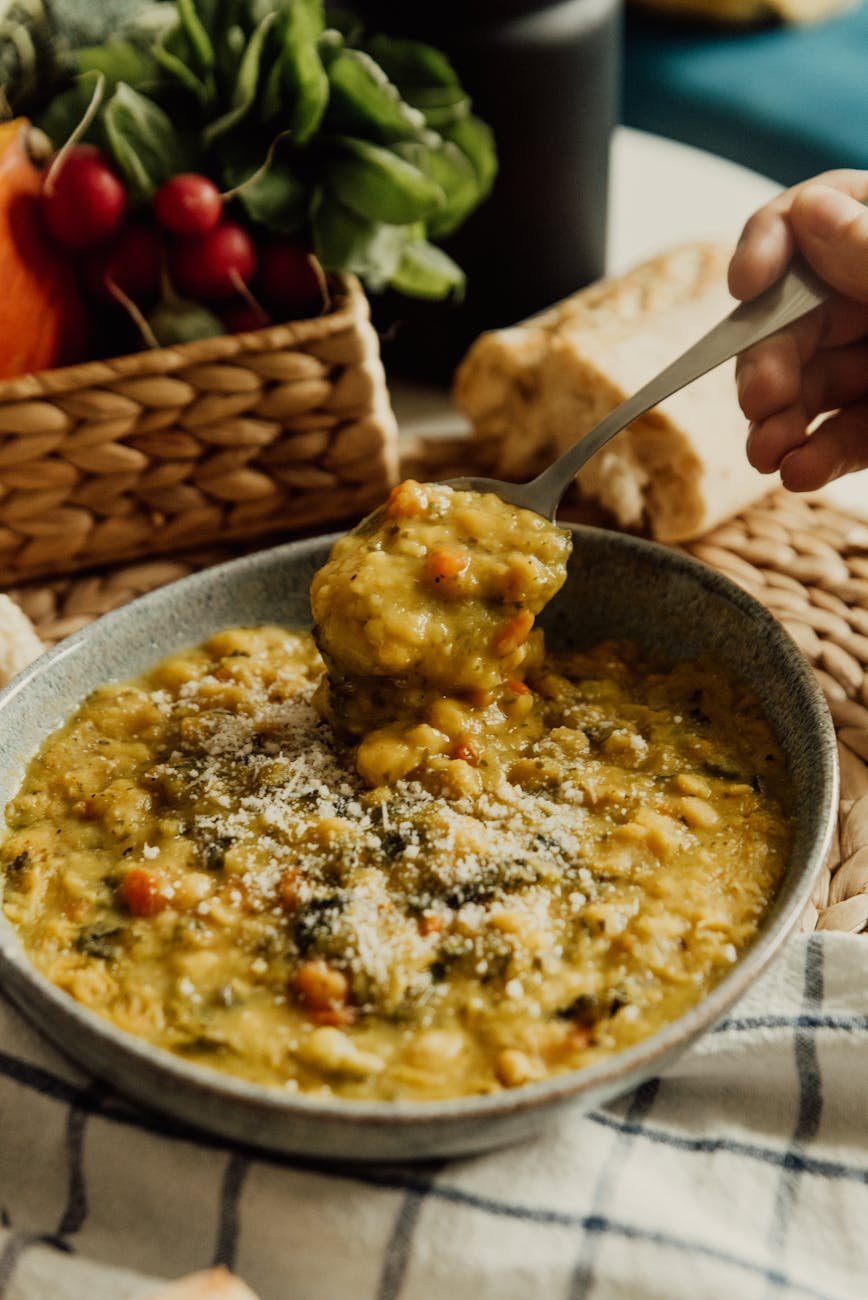
Recipe 19: Greek Fasolada (National Dish of Greece)
Greeks call this their national dish, and many credit it with contributing to their longevity. It’s bean soup, elevated.
White beans simmered with tomatoes, carrots, celery, and onions. Olive oil goes in at the beginning and again at the end. Some add a splash of vinegar for brightness.
Serve with olives, feta, and crusty bread. This meal costs almost nothing to make and feeds a crowd.
Recipe 20: Nicoya Squash and Bean Stew
Costa Rican comfort food that appears regularly on Nicaraguan tables. Squash and beans create a complete protein while providing fiber and nutrients.
Sauté onions and peppers. Add cubed squash (any variety works), black or pinto beans, vegetable broth, and cilantro. Simmer until the squash is tender.
The squash breaks down slightly, thickening the broth naturally. No cream, no thickeners needed.
Recipe 21: Sardinian Pane Frattau
Layers of crispy flatbread, tomato sauce, poached eggs, and pecorino cheese. This traditional shepherd’s dish transforms simple ingredients into something memorable.
Layer softened pane carasau with tomato sauce. Top with a poached egg and grated pecorino. The runny yolk creates a sauce that soaks into the bread.
It’s messy. It’s delicious. It’s proof that peasant food often beats fancy cuisine.
Recipe 22: Japanese Soba Noodles with Vegetables
Buckwheat noodles provide whole-grain goodness and a nutty flavor. Okinawans eat them hot or cold, depending on the season.
Cook soba noodles according to package directions. Toss with steamed vegetables, edamame, and a sesame-soy dressing. Top with nori strips and sesame seeds.
This works hot for dinner or cold for lunch the next day. Extremely versatile and endlessly customizable.
RELATED POST >> 11 Easy Zone Recipes for Side Sleepers: Reflux-Free Rest
Recipe 23: Mediterranean Roasted Vegetables with Chickpeas
Sheet pan cooking meets Blue Zone principles. Everything roasts together, flavors mingling and intensifying.
Toss chickpeas, zucchini, bell peppers, red onion, and cherry tomatoes with olive oil and herbs. Roast at high heat until everything’s caramelized and the chickpeas are crispy.
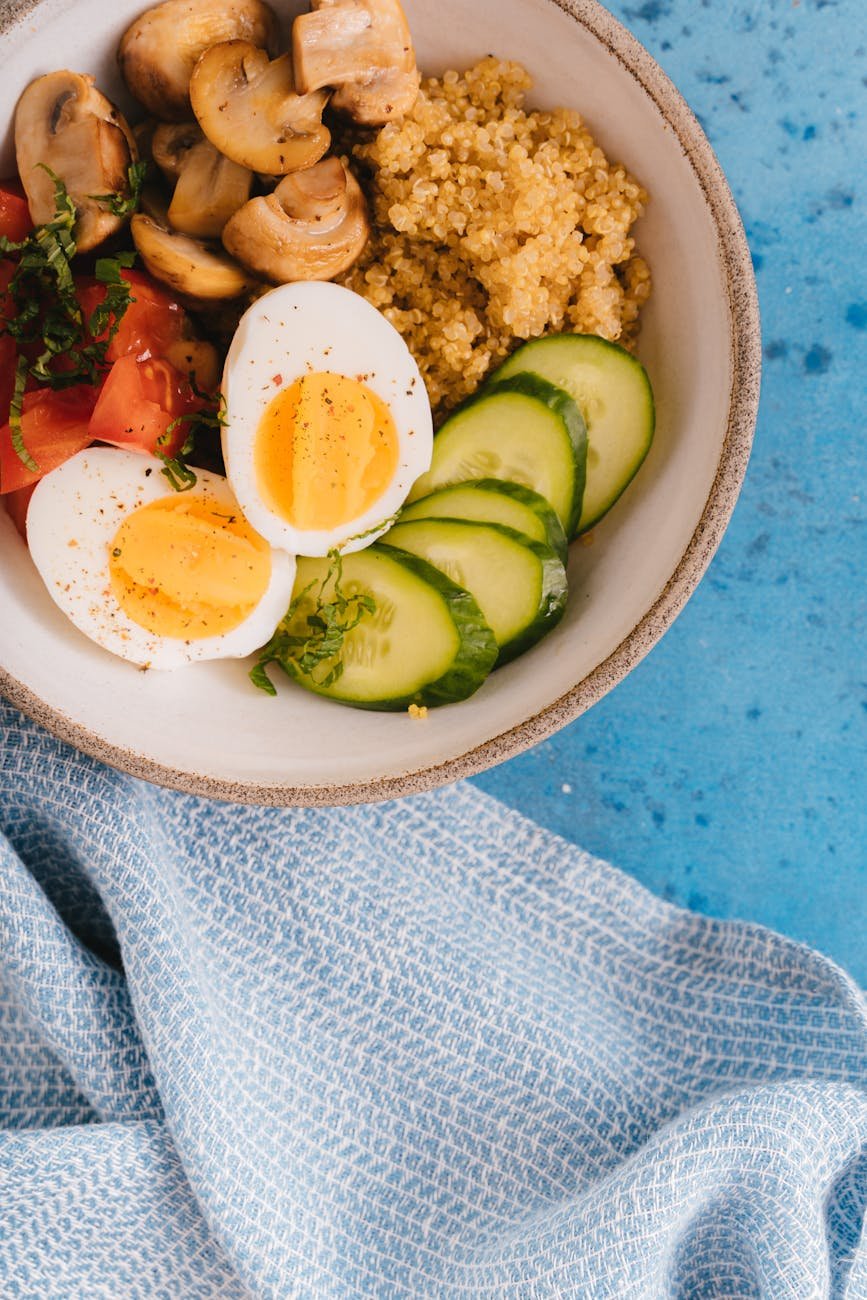
Serve over quinoa or farro. Drizzle with tahini sauce. This meal prep favorite stays good all week.
Recipe 24: Ikarian Honey-Lemon Herbal Tea
Blue Zones don’t just focus on food. What you drink matters too. Ikarians sip herbal tea throughout the day, often made with wild herbs from the hillsides.
Steep fresh or dried herbs (mint, chamomile, sage, rosemary) in hot water. Add a small spoonful of local honey and fresh lemon juice.
Skip the commercial tea bags. Fresh or dried herbs provide more flavor and more beneficial compounds.
Recipe 25: Adventist Date-Walnut Energy Balls
Loma Linda’s plant-based community needed portable snacks that provided lasting energy without refined sugar. These balls deliver.
Blend dates, walnuts, oats, and a touch of vanilla in a food processor. Roll into balls. Coat with shredded coconut if desired.
These satisfy sweet cravings while providing fiber, healthy fats, and natural sugars that won’t spike your blood sugar like candy.
Common Pitfalls When Cooking Blue Zone Meals
People mess up Blue Zone cooking in predictable ways. Recognizing these errors before you make them saves time and frustration.
Frequent Errors to Avoid:
- Using poor-quality olive oil defeats the purpose
- Rushing bean cooking results in a tough, unpleasant texture
- Adding too much salt instead of building flavor with herbs
- Treating vegetables as afterthoughts rather than stars
- Buying canned beans without rinsing away excess sodium
- Overcooking greens until they’re gray and mushy
- Skipping the overnight soak for dried beans
- Using refined grains when whole grains are specified
The difference between okay Blue Zone food and amazing Blue Zone food often comes down to ingredient quality and patience. Don’t rush the process.
How to Stock Your Pantry for Blue Zone Cooking
Having the right ingredients on hand makes Blue Zone cooking effortless. You won’t cook this way if you need a special grocery run every time.
Essential Pantry Items:
- Multiple varieties of dried beans (black, cannellini, chickpeas, lentils)
- Whole grains (brown rice, farro, quinoa, whole wheat pasta)
- Quality olive oil (buy the best you can afford)
- Canned tomatoes (whole and crushed)
- Vegetable broth (low-sodium)
- Miso paste
- Soy sauce or tamari
- Nuts and seeds (walnuts, almonds, sesame seeds)
- Dried herbs (oregano, basil, thyme)
- Garlic and onions
- Lemons
- Local honey
Fresh Items to Keep Stocked:
- Seasonal vegetables (whatever’s cheap and fresh)
- Leafy greens (rotate varieties for different nutrients)
- Fresh herbs (grow them on your windowsill)
- Tofu
- Eggs
- Seasonal fruit
The Role of Community and Enjoyment in Blue Zone Eating
Here’s something most Blue Zone recipe lists miss: the food matters less than how you eat it.
Blue Zone centenarians rarely eat alone. They share meals with family and friends. They take time to enjoy their food rather than inhaling it while scrolling through their phones. They celebrate with food, mourn with food, and use mealtimes to strengthen social bonds.
You can eat every recipe on this list and miss the point entirely if you’re stress-eating them in your car between meetings. The longevity benefits come from the total package—good food, good company, reasonable portions, and a relaxed approach to eating.
Make these recipes for people you care about. Invite friends over for dinner. Put your phone in another room. Light candles if that’s your thing. Create an environment where eating becomes an experience rather than a necessity.
Adapting These Recipes for American Ingredients and Schedules
You don’t need to import specialty ingredients from Greece or Japan. Blue Zone eating adapts beautifully to whatever’s available locally.
Can’t find bitter melon? Skip that recipe or substitute zucchini. No purple sweet potatoes? Regular orange ones work fine. Missing Salsa Lizano? Use what you’ve got.
The principles matter more than perfect authenticity. Focus on whole foods, mostly plants, with beans as a protein staple. The specific varieties and regional variations are less critical than the overall pattern.
Time-crunched Americans can still cook Blue Zone meals. Most of these recipes require minimal active cooking time. Soups and stews simmer unattended. Grain bowls assemble in minutes. Sheet pan meals require tossing everything together and walking away.
Batch cooking is your friend. Make a huge pot of beans on Sunday evening. Use them in five different recipes throughout the week. Cook extra grains. Chop vegetables in advance. The Blue Zone lifestyle adapts to meal prep culture surprisingly well.
Seasonal Variations to Keep Things Interesting
Eating the same twenty-five recipes on repeat sounds boring because it would be boring. Blue Zone residents eat seasonally, which naturally creates variety throughout the year.
Summer calls for fresh tomato-based dishes, cool grain salads, and abundant zucchini. Winter shifts to hearty bean stews, roasted root vegetables, and warming soups. Spring brings fresh greens and lighter preparations. Fall features squash, beans, and harvest vegetables.
Following the seasons keeps your cooking interesting while ensuring you’re eating the freshest, most nutrient-dense produce available. It also saves money—seasonal vegetables cost less than out-of-season imports.
Blue Zone Cooking on a Budget
Longevity food doesn’t require a Whole Foods budget. These recipes are some of the most economical meals you can make.
Dried beans cost pennies per serving. Seasonal vegetables are cheap. Whole grains bought in bulk are affordable. Even quality olive oil, when you calculate cost per use, is reasonable.
Compare the cost of these meals to restaurant food or processed convenience items. A pot of lentil soup costs maybe four dollars and feeds you for three days. A fast food meal costs more, feeds you once, and leaves you hungry two hours later.
The most expensive ingredient in Blue Zone cooking is time, and even that’s mostly passive time where food cooks unattended.
How These Recipes Support Different Health Goals
Blue Zone eating isn’t a diet in the traditional sense. There’s no calorie counting, no macro tracking, no points system. Yet people eating this way tend to maintain healthy weights effortlessly.
The fiber from beans and whole grains keeps you full. The lack of processed foods eliminates empty calories. The emphasis on vegetables provides nutrients with minimal calories. The moderate portions and slow eating pace prevent overconsumption.
For people managing specific health conditions:
- High blood pressure responds well to the low-sodium, high-potassium approach
- Diabetes management improves with the fiber-rich, low-glycemic meals
- Heart health benefits from the emphasis on olive oil and omega-3s
- Digestive issues often improve with fiber and fermented foods
- Inflammation decreases when you eliminate processed foods
Obviously, talk to your doctor about significant dietary changes. But the Blue Zone pattern is generally considered safe and beneficial for most people.
Teaching Kids to Enjoy Blue Zone Foods
Getting children to eat beans and vegetables requires strategy, but it’s absolutely doable. Blue Zone families raise kids on these foods from infancy, which gives them a head start.
For American families transitioning to this style of eating, start small. Don’t announce that everything’s changing starting tomorrow. Gradually introduce new recipes alongside familiar favorites.
Make it fun. Let kids help cook. Children who participate in food preparation are more likely to eat the results. Assign age-appropriate tasks—stirring soup, washing vegetables, measuring ingredients.
Don’t force it. Offer the food without pressure. It takes multiple exposures before kids accept new flavors. Keep offering without comment or bribe.
Find gateway recipes. The walnut lentil tacos often fool kids into thinking they’re eating regular tacos. The energy balls taste like treats. The pasta dishes feel familiar.
Meal Planning Template for a Blue Zone Week
Building a week of Blue Zone meals is easier with a basic template. This isn’t rigid—adjust based on your schedule and preferences.
Sample Week:
Monday: Greek lentil soup with whole grain bread
Tuesday: Okinawan stir-fry over brown rice
Wednesday: Mediterranean chickpea salad with pita
Thursday: Costa Rican gallo pinto with avocado
Friday: Sardinian minestrone
Saturday: Walnut lentil tacos with all the fixings
Sunday: Ikarian longevity stew
Notice the pattern—make something on Sunday that provides leftovers. Cook beans once, use them multiple ways. Keep breakfast and lunch simple so dinner can be more involved.
The Connection Between Blue Zone Eating and Environmental Sustainability
Here’s an unexpected benefit: Blue Zone eating is good for the planet.
Plant-based meals require fewer resources than meat-heavy diets. Beans, grains, and vegetables need less water, less land, and produce fewer greenhouse gas emissions than livestock. Eating seasonally reduces transportation emissions. Cooking from scratch eliminates packaging waste.
You don’t need to go full vegetarian to make an impact. Just shifting the ratio so vegetables and beans take up more plate space makes a difference. Blue Zone eating does this naturally.
The regions with the longest-lived people happen to eat in ways that support environmental health. That’s not coincidental—what’s good for the planet tends to be good for human bodies too.
Frequently Asked Questions
Do I need to follow these recipes exactly?
No. Blue Zone cooking is about principles and patterns, not precise measurements. Adjust seasonings to your taste. Substitute vegetables based on what’s available. Make these recipes your own.
Can I eat meat and still follow Blue Zone principles?
Yes. Blue Zone residents eat meat occasionally, just in small amounts and less frequently than a typical American diet. Think of it as flavoring rather than the main event. A little bacon in the bean soup. Some chicken in the Sunday stew. Just not twice a day, every day.
How long before I notice health benefits?
This varies wildly between individuals. Some people report better energy and digestion within days. Weight changes and health marker improvements typically show up after several weeks or months of consistent eating. This isn’t a quick fix—it’s a sustainable way of eating.
Are Blue Zone recipes gluten-free?
Some are, some aren’t. Many of the recipes feature whole grains containing gluten. However, the pattern adapts easily. Use rice instead of wheat. Choose gluten-free oats. Focus on the naturally gluten-free recipes like bean soups and vegetable dishes.
What about protein—is this enough?
Absolutely. Beans, lentils, whole grains, nuts, and seeds provide complete protein when eaten in variety. Blue Zone populations have thrived on primarily plant-based protein for generations. If you’re concerned, track your intake for a few days to see the numbers.
Can I lose weight eating this way?
Many people do, though it’s not specifically a weight-loss diet. The high fiber, whole foods approach tends to naturally reduce calorie intake while keeping you satisfied. You’re eliminating calorie-dense processed foods and replacing them with nutrient-dense whole foods.
Do I need special equipment?
Nope. A good pot for cooking beans and soup. A skillet for stir-fries. A baking sheet for roasted vegetables. Maybe a food processor makes some tasks easier, but it’s not essential. Blue Zone cooking is deliberately simple and low-tech.
How do I make beans less boring?
Season them well. Cook them in broth instead of water. Add aromatics like garlic, onions, and bay leaves while they simmer. Finish with good olive oil and acid (lemon juice or vinegar). Beans absorb whatever flavors you give them—take advantage of that.
What if my family won’t eat this food?
Start with the most familiar recipes. The pasta dishes and tacos feel more approachable than exotic-sounding stews. Involve family members in choosing recipes to try. Make one Blue Zone meal per week initially, gradually increasing frequency as people adjust.
Is this expensive to maintain long-term?
No. Blue Zone eating is one of the most budget-friendly approaches to healthy eating. Beans and grains are cheap staples. Seasonal vegetables cost less than processed foods. You’re eliminating expensive items like frequent meat purchases and processed snacks.
Can I meal prep these recipes?
Most of them, yes. Soups and stews actually improve after a day or two. Grain bowls assemble quickly from prepped components. Some dishes, like the crispy flatbread preparations, are best fresh, but the majority work perfectly for meal prep.
Do Blue Zone residents really eat this way daily?
Yes, with the understanding that these recipes represent patterns, not literal daily menus. They eat beans almost daily. Vegetables dominate meals. Whole grains appear regularly. The specific dishes vary, but the principles remain consistent.
The people living longest aren’t following diet rules. They’re eating traditional foods their families have prepared for generations. That’s the beauty of this approach—it doesn’t feel like dieting because it’s not. It’s just eating real food that happens to support longevity.
Now you’ve got twenty-five recipes that have supported human health for generations. Start with one this week. See how it feels. Maybe try two next week. There’s no rush, no deadline, no finish line.
Blue Zone eating is a practice, not a destination. The centenarians didn’t reach 100 by perfectly executing a meal plan. They got there by consistently choosing real food, sharing it with people they love, and enjoying the process.
Your kitchen is ready. Your pantry’s stocked. Pick a recipe and start cooking.
SUGGESTED POST >> Ninja Foodi 5-in-1 Indoor Grill Reviews: Brutally Honest
Discover more from Meal Prep Insider
Subscribe to get the latest posts sent to your email.