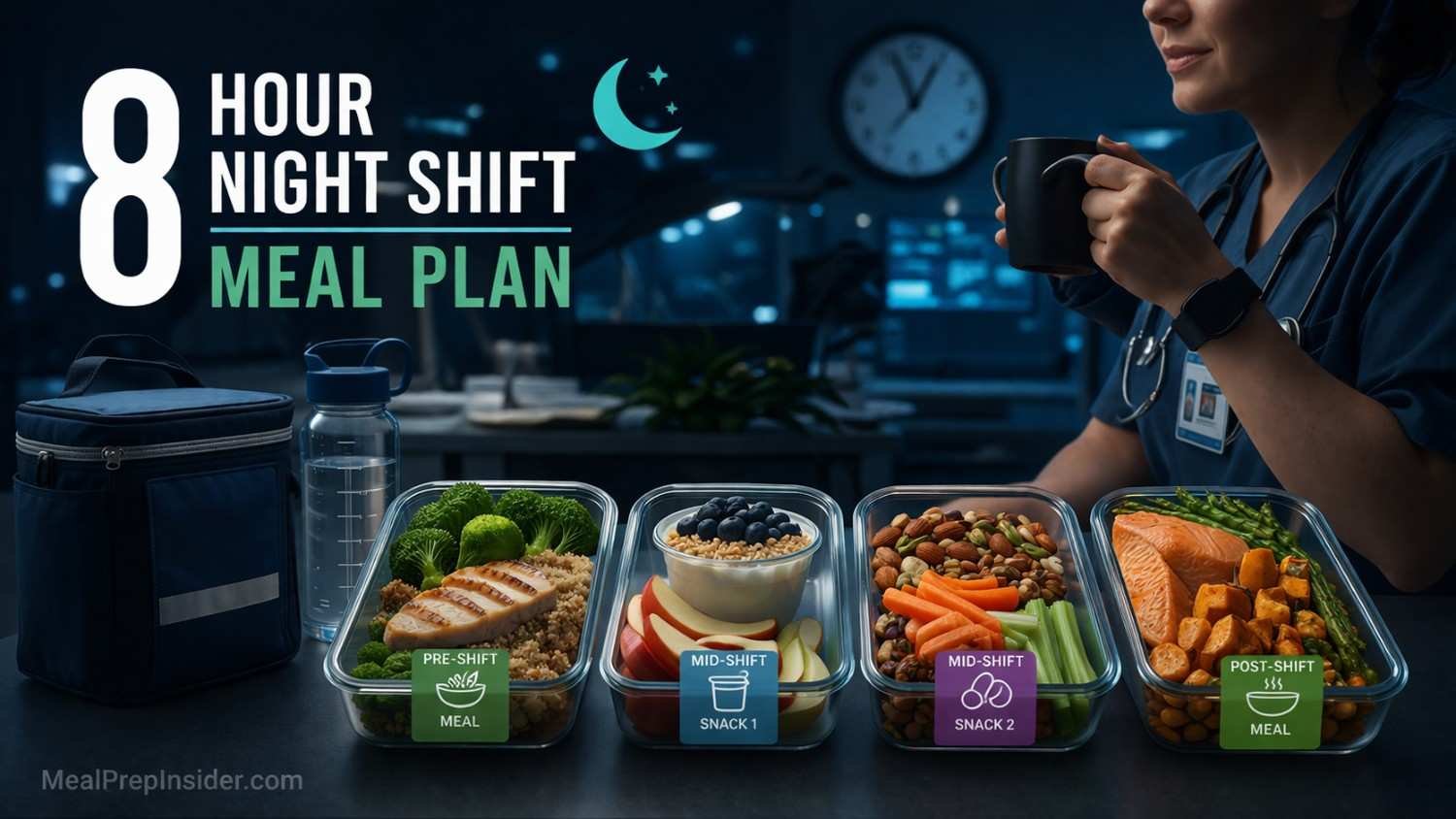
An 8 hour night shift meal plan can make the difference between dragging yourself through your shift and actually crushing your workday while everyone else sleeps. I’ve watched too many night shift workers grab their fourth energy drink at 3 AM, their bodies running on fumes and vending machine snacks, wondering why they feel like garbage.
Let me tell you about Marcus, a nurse who worked the graveyard shift at a hospital in Phoenix. He gained thirty pounds in six months after switching to nights. His solution? Gas-station burritos and Monster Energy drinks. Not exactly a winning strategy.
The thing is, your body doesn’t care what shift you work. It still needs proper fuel at the right times.
Why Night Shift Workers Need a Different Approach to Eating
Your circadian rhythm isn’t just some fancy science term. It’s your body’s internal clock that regulates everything from digestion to hormone production. When you flip your schedule upside down, you’re essentially asking your body to digest a cheeseburger when it thinks it should be sleeping.
Research shows that night shift workers face higher risks of metabolic syndrome, weight gain, and digestive issues. But here’s the good news: strategic meal planning fixes most of these problems.
Think about it this way. During daylight hours, your body produces enzymes and hormones designed to help you process food efficiently. At night, those same processes slow down dramatically. Your metabolism becomes sluggish. Your insulin sensitivity decreases. Everything just works differently.
This means the same meal that energizes you at noon might leave you feeling bloated and exhausted at midnight.
The Science Behind Timing Your Meals on Night Shift
Your digestive system has preferences. Strong ones, in truth.
Studies from the University of Chicago found that eating large meals during your body’s natural sleep window increases inflammation markers and disrupts metabolic processes. Translation: eating a huge dinner at 2 AM is asking for trouble.
The best approach? Align your eating schedule with your work schedule, but respect your body’s limitations.
Here’s what research tells us works:
Pre-Shift Meal: Eat this 1-2 hours before starting work. Think of it as your breakfast, even if the clock says 9 PM. This meal should provide sustained energy without causing digestive distress.
Mid-Shift Meal: Your main meal, consumed around the middle of your shift. This keeps your energy stable and prevents the dreaded 4 AM crash.
Pre-Sleep Snack: A small, light option before bed. This prevents you from waking up starving but doesn’t interfere with sleep quality.
Building Your Perfect 8 Hour Night Shift Meal Plan
Let me walk you through what an effective meal plan looks like for someone working 11 PM to 7 AM. You can adjust the times to fit your schedule.
Pre-Shift Meal (9 PM)
This meal sets the foundation for your entire shift. You want something that provides steady energy without spiking your blood sugar.
Best Options:
- Grilled chicken breast with quinoa and roasted vegetables
- Turkey and avocado wrap with a whole-grain tortilla and a side salad
- Baked salmon with sweet potato and steamed broccoli
- Lean beef stir-fry with brown rice and mixed vegetables
- Egg white omelet with vegetables and whole wheat toast
The formula is simple: lean protein + complex carbohydrates + healthy fats + fiber. This combination digests slowly, providing sustained energy for hours.
Marcus, that nurse I mentioned? He switched to grilled chicken with brown rice before his shifts. The difference was immediate. No more energy crashes two hours in.
First Snack (1 AM)
Around two hours into your shift, you’ll need something small to maintain energy levels.
Smart Choices:
- Greek yogurt with berries and a handful of almonds
- Apple slices with natural peanut butter
- Hummus with carrot sticks and whole grain crackers
- String cheese with grapes
- Protein shake made with banana and spinach
Keep this light. You’re not hungry enough for a full meal yet, and you don’t want to feel sluggish.
Mid-Shift Main Meal (3 AM)
This is your dinner, even though the rest of the world is fast asleep. Make it count.
Ideal Meals:
- Grilled turkey breast with roasted vegetables and quinoa
- Chicken breast with green beans and wild rice
- Tuna salad with mixed greens and olive oil dressing
- Lean ground turkey chili with beans
- Baked cod with asparagus and fingerling potatoes
Notice a pattern? High protein, moderate complex carbs, lots of vegetables. This combination keeps you alert without causing digestive issues.
Second Snack (5:30 AM)
As your shift winds down, you need something to carry you through without interfering with your upcoming sleep.
Light Options:
- Small handful of mixed nuts
- Cottage cheese with cucumber slices
- Hard-boiled eggs
- Cherry tomatoes with mozzarella
- Rice cakes with almond butter
Pre-Sleep Snack (8 AM)
After your shift, you need something that promotes sleep without keeping your digestive system working overtime.
Sleep-Friendly Choices:
- Warm oatmeal with cinnamon
- Banana with a small handful of walnuts
- Whole-grain cereal with almond milk
- Chamomile tea with a small piece of whole-grain toast
- Tart cherry juice (natural melatonin source)

The Complete Weekly Meal Plan Template
Here’s a full week of meals designed specifically for night shift workers. Mix and match based on your preferences.
Monday
| Meal Time | Food | Calories (Approx) |
|---|---|---|
| Pre-Shift (9 PM) | Grilled chicken breast, quinoa, roasted Brussels sprouts | 450 |
| First Snack (1 AM) | Greek yogurt with blueberries and almonds | 200 |
| Main Meal (3 AM) | Turkey breast, sweet potato, green beans | 500 |
| Second Snack (5:30 AM) | Hard-boiled eggs (2) | 140 |
| Pre-Sleep (8 AM) | Oatmeal with banana | 250 |
Tuesday
| Meal Time | Food | Calories (Approx) |
|---|---|---|
| Pre-Shift (9 PM) | Baked salmon, brown rice, steamed broccoli | 480 |
| First Snack (1 AM) | Apple with peanut butter | 180 |
| Main Meal (3 AM) | Grilled chicken salad with olive oil dressing | 420 |
| Second Snack (5:30 AM) | Cottage cheese with cucumber | 120 |
| Pre-Sleep (8 AM) | Whole grain toast with almond butter | 220 |
Wednesday
| Meal Time | Food | Calories (Approx) |
|---|---|---|
| Pre-Shift (9 PM) | Lean beef stir-fry with vegetables and brown rice | 510 |
| First Snack (1 AM) | Protein shake with banana | 220 |
| Main Meal (3 AM) | Baked cod, quinoa, asparagus | 430 |
| Second Snack (5:30 AM) | Mixed nuts (small handful) | 160 |
| Pre-Sleep (8 AM) | Chamomile tea with banana | 105 |
Thursday
| Meal Time | Food | Calories (Approx) |
|---|---|---|
| Pre-Shift (9 PM) | Turkey and avocado wrap, side salad | 440 |
| First Snack (1 AM) | Hummus with carrot sticks and crackers | 190 |
| Main Meal (3 AM) | Chicken breast, wild rice, mixed vegetables | 480 |
| Second Snack (5:30 AM) | String cheese with grapes | 150 |
| Pre-Sleep (8 AM) | Tart cherry juice with walnuts | 180 |
Friday
| Meal Time | Food | Calories (Approx) |
|---|---|---|
| Pre-Shift (9 PM) | Grilled chicken, sweet potato, roasted vegetables | 460 |
| First Snack (1 AM) | Greek yogurt with strawberries | 170 |
| Main Meal (3 AM) | Turkey chili with beans | 420 |
| Second Snack (5:30 AM) | Rice cakes with almond butter | 140 |
| Pre-Sleep (8 AM) | Oatmeal with cinnamon | 240 |
Saturday
| Meal Time | Food | Calories (Approx) |
|---|---|---|
| Pre-Shift (9 PM) | Baked salmon, quinoa, green beans | 470 |
| First Snack (1 AM) | Apple slices with cheese | 160 |
| Main Meal (3 AM) | Grilled turkey breast, roasted vegetables, brown rice | 490 |
| Second Snack (5:30 AM) | Cherry tomatoes with mozzarella | 130 |
| Pre-Sleep (8 AM) | Banana with small handful of walnuts | 200 |
Sunday
| Meal Time | Food | Calories (Approx) |
|---|---|---|
| Pre-Shift (9 PM) | Egg white omelet, whole wheat toast, vegetables | 380 |
| First Snack (1 AM) | Protein shake with spinach | 210 |
| Main Meal (3 AM) | Chicken breast salad with quinoa | 450 |
| Second Snack (5:30 AM) | Cottage cheese with berries | 140 |
| Pre-Sleep (8 AM) | Egg white omelet, whole wheat toast, and vegetables | 230 |
Foods to Embrace on Night Shift
Certain foods work better than others when you’re fighting your natural circadian rhythm.
Lean Proteins
Chicken, turkey, fish, and eggs should become your best friends. Protein keeps you full longer and provides steady energy without the crash. Plus, it helps maintain muscle mass, which night shift workers tend to lose more easily.
Complex Carbohydrates
Forget white bread and sugary snacks. Think quinoa, brown rice, sweet potatoes, and whole-grain options. These digest slowly, preventing blood sugar spikes and crashes.
Healthy Fats
Avocados, nuts, olive oil, and fatty fish provide essential nutrients and help you feel satisfied. They also support hormone production, which gets disrupted during night shift work.
Fiber-Rich Vegetables
Broccoli, Brussels sprouts, leafy greens, and other vegetables keep your digestive system running smoothly. Night shift workers often struggle with constipation and other digestive issues. Fiber helps tremendously.
Foods to Avoid Like the Plague
Some foods seem appealing at 2 AM but will absolutely wreck your shift.
Processed Sugars
That candy bar is calling your name from the vending machine? It’ll give you a fifteen-minute energy boost followed by a spectacular crash. The same goes for donuts, pastries, and most gas station snacks.
Heavy, Greasy Foods
Pizza, burgers, and fried foods sit in your stomach like a rock when your digestive system is trying to sleep. They also increase inflammation and make you feel sluggish.
Excessive Caffeine
I’m not saying skip coffee entirely. But your fifth cup at 5 AM will absolutely destroy your ability to sleep when you get home. Cut off caffeine at least four hours before your shift ends.
High-Sodium Processed Foods
Frozen dinners, canned soups, and deli meats are loaded with sodium that causes water retention and bloating. Your body already struggles with fluid balance on the night shift. Don’t make it worse.
Meal Prep Strategies That Save Time and Sanity
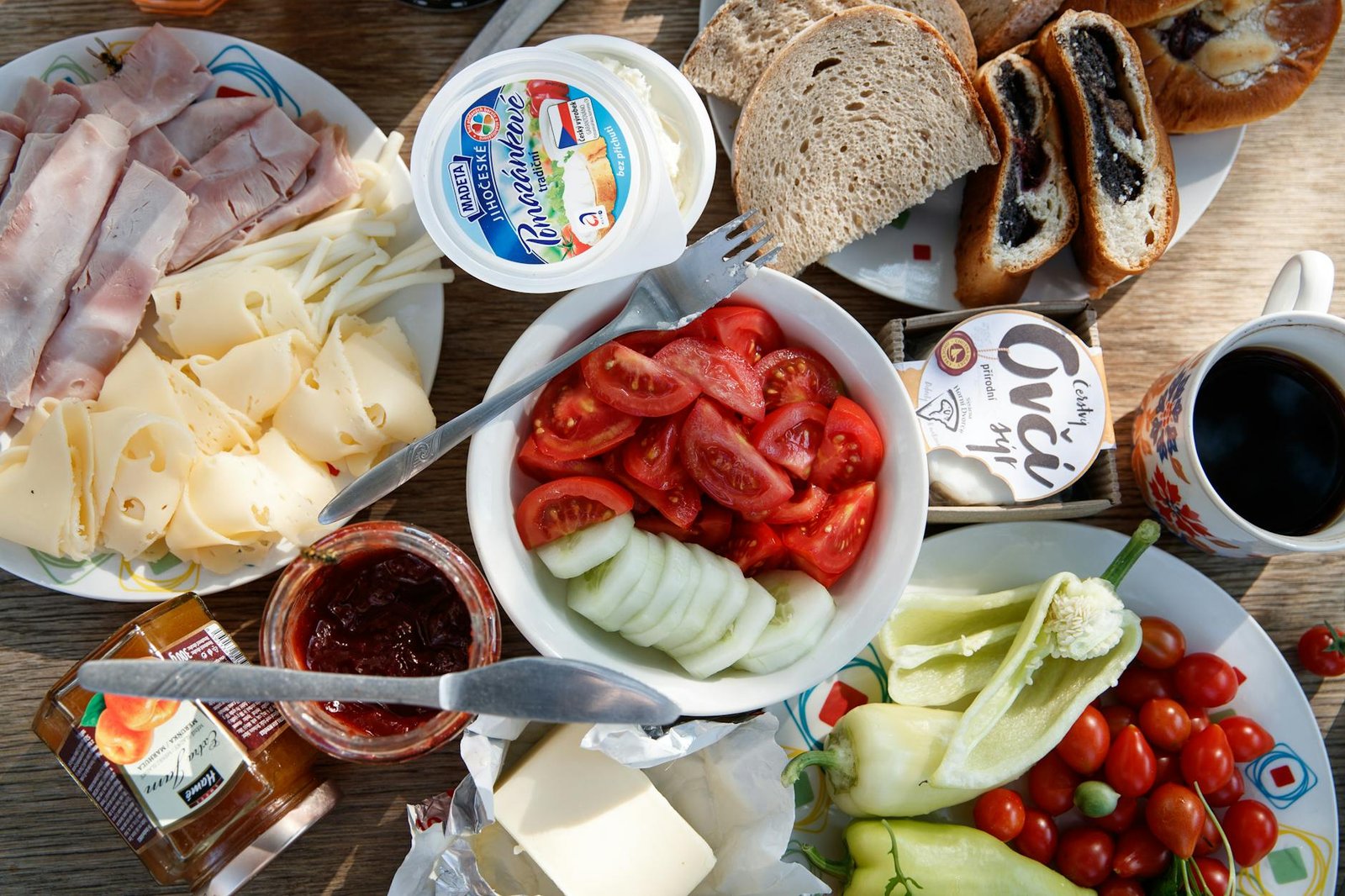
Let’s be honest. You’re not cooking fresh meals at 2 AM. Meal prep is non-negotiable for night shift workers.
Sunday Prep Session
Spend two to three hours on your day off preparing the week’s meals. Cook multiple chicken breasts, portion out the quinoa, chop the vegetables, and pack everything into containers.
Sarah, a police officer working nights in Detroit, does this every Sunday. She preps five days of meals in one session. Total game-changer for her energy levels and her wallet.
Invest in Quality Containers
Get leak-proof, microwave-safe containers in various sizes. You need different containers for full meals versus snacks. Clear containers help you see what’s inside without opening everything.
Batch Cooking Works Wonders
Make large batches of staples like brown rice, quinoa, grilled chicken, and roasted vegetables. Mix and match throughout the week to prevent boredom.
Freeze Strategic Portions
Some meals freeze beautifully. Turkey chili, for instance, can be made in huge batches and frozen in individual portions. Same with certain soups and casseroles.
Hydration Is Half the Battle
Water intake makes or breaks your night shift experience.
Your body processes water differently at night. You’re more prone to dehydration because you’re not drinking as naturally as during daytime hours. Plus, many night shift workers avoid drinking too much because they don’t want frequent bathroom breaks.
Bad strategy.
Dehydration causes fatigue, headaches, decreased cognitive function, and increased hunger. All things you definitely don’t want during a shift.
Hydration Guidelines:
- Drink 8-12 ounces of water with each meal
- Sip water consistently throughout your shift
- Avoid excessive caffeine, which dehydrates you
- Monitor your urine color (pale yellow is ideal)
- Don’t chug large amounts right before bed
Consider adding electrolytes to your water, especially if you work in a physically demanding job. Low-sugar sports drinks or electrolyte packets work well.
RELATED POST >> Easy 12-Hour Night Shift Meal Plan: The Best PDF Inclusive
Managing Energy Crashes Without Caffeine Overload
The 3 AM slump is real. Your body desperately wants to sleep, and you’re asking it to stay alert and functional.
Caffeine helps, but there’s a smarter approach.
Strategic Caffeine Use:
- First cup at the start of your shift
- Second cup around hour three or four
- Cut off caffeine four to five hours before bed
- Choose coffee or tea over energy drinks
- Avoid adding excessive sugar
Alternative Energy Boosters:
Light movement breaks help tremendously. A five-minute walk or some stretching increases blood flow and alertness. Several studies show that movement is more effective than caffeine for sustained alertness.
Exposure to bright light, particularly blue light, signals your brain to stay awake. Many night shift workers use light therapy boxes.
Cold water on your face or wrists provides an instant alertness boost.
Dealing with Social Eating Situations
Night shift workers face unique social challenges around food.
Your coworkers order pizza at midnight. Your family expects you at Sunday brunch even though that’s your sleep time. Friends think you’re anti-social because you can’t make dinner plans.
Here’s the truth: you need boundaries.
When coworkers order unhealthy food, have your prepared meal ready. Don’t rely on willpower when you’re tired. Bring food you genuinely enjoy eating.
For family events, communicate your schedule clearly. Offer alternative times that work with your sleep needs. Real friends and family will understand.
Pack extra portions of your meals to share. When people see that your healthy food looks and tastes good, they’re less likely to pressure you about pizza.
Adjusting Your Plan for Different Shift Lengths
Not everyone works exactly eight hours. Some shifts run ten or twelve hours. The principles stay the same, but you’ll need adjustments.
For 10-Hour Shifts
Add a small snack between your main meal and your second snack. Think protein-focused options like a handful of nuts or a hard-boiled egg.
For 12-Hour Shifts
You’ll need two substantial meals plus three snacks. Structure it like this:
- Pre-shift meal (substantial)
- First snack (hour 2-3)
- Main meal (hour 5-6)
- Second snack (hour 8-9)
- Third snack (hour 11)
- Pre-sleep snack
The key is to spread out your nutrition to maintain consistent energy without overloading your digestive system at any one time.
Supplements Worth Considering
While whole foods should provide most of your nutrition, certain supplements help night shift workers.
Vitamin D
You’re not getting natural sunlight during waking hours. Vitamin D deficiency is incredibly common among night shift workers. Consider 2000-4000 IU daily, but talk to your doctor first.
Magnesium
This mineral supports sleep quality and helps regulate your circadian rhythm. Many Americans are deficient. Taking magnesium before bed can improve your sleep.
Omega-3 Fatty Acids
These reduce inflammation, which increases during night shift work. Fish oil supplements or algae-based options for vegetarians work well.
Melatonin (Used Carefully)
Small doses of melatonin (0.5-3mg) before your planned sleep time can help regulate your sleep-wake cycle. Don’t use it right before driving home or operating machinery.
B-Complex Vitamins
These support energy production and metabolism. A quality B-complex vitamin taken with your pre-shift meal helps many night shift workers.
Always consult with a healthcare provider before starting new supplements, especially if you take medications.
Pitfalls Night Shift Workers Should Sidestep
I’ve seen the same errors repeated countless times. Learn from others’ mistakes.
Skipping Meals to Lose Weight
Your metabolism already struggles on the night shift. Skipping meals makes it worse, not better. You’ll end up binging later and tanking your energy.
Eating Heavy Meals Right Before Sleep
That late-shift burrito might taste amazing, but it’ll destroy your sleep quality. Your body can’t properly digest heavy meals when it’s trying to sleep.
Relying on Vending Machines
Convenience is tempting. But vending machine food is engineered to be addictive, not nutritious. Plan ahead, or you’ll end up here.
Not Adjusting on Days Off
Some night shift workers try to flip back to a “normal” schedule on days off. This constant switching is harder on your body than staying consistent.
Drinking Alcohol to Fall Asleep
Alcohol might make you drowsy, but it severely disrupts sleep quality. You’ll wake up feeling like garbage.
Ignoring Hunger Cues
Sometimes you’re legitimately hungry. Sometimes you’re bored or tired. Learn the difference. Eating when you’re not truly hungry leads to weight gain.
Special Considerations for Different Types of Night Shift Workers
Different jobs have different challenges.
Healthcare Workers
You can’t always take breaks when you want them. Pack foods you can eat quickly between patient care. Think protein bars (quality ones, not candy bars disguised as health food), nuts, or pre-portioned meals that take seconds to eat.
Manufacturing and Warehouse Workers
Physical jobs burn more calories. Increase your portion sizes, particularly of protein and complex carbs. You need more fuel than someone sitting at a desk.
Security Guards
Long periods of sitting increase the temptation to snack constantly. Set specific meal times and stick to them. Keep healthy snacks visible and unhealthy options out of reach.
Truck Drivers
Limited storage and heating options make meal planning trickier. Invest in a quality cooler and portable microwave or heating element. Focus on foods that taste good cold if necessary.
Transitioning Between Night and Day Shifts
Some workers rotate between day and night shifts. This is metabolically challenging.
Give your body at least 24 hours to adjust when switching. Gradually shift your meal times during this transition period rather than making abrupt changes.
On your transition day, eat lighter meals. Your digestive system is confused enough without having to process heavy food.
Stay hydrated during transitions. Dehydration makes the adjustment harder.
Consider taking a transition week where you keep your meal timing consistent with your upcoming shift, even if you’re not working yet.
Tracking Progress and Making Adjustments
What works for someone else might not work for you. Pay attention to how you feel.
Keep a simple food and energy journal for two weeks. Note what you eat, when you eat it, and how you feel throughout your shift. Patterns will emerge.
Track these markers:
- Energy levels at different times during the shift
- Sleep quality (duration and how rested you feel)
- Digestive comfort
- Weight changes
- Mood and mental clarity
- Hunger patterns
If something isn’t working, change it. The meal plan isn’t set in stone. It’s a framework you adjust based on your individual response.
Jessica, an emergency dispatcher in Chicago, discovered that any dairy after 2 AM gave her terrible heartburn. She switched to non-dairy options for her late-shift meals and felt dramatically better.
Your body will tell you what works if you listen.
Making It Sustainable Long-Term
Short-term meal plans are easy. Sticking with healthy eating for months and years? That’s the real challenge.
Build in Flexibility
You will have days when meal prep doesn’t happen. Keep healthy frozen meals as backup. They’re not ideal, but they’re infinitely better than fast food.
Allow Occasional Treats
Depriving yourself completely leads to binges. If you want pizza once a week, fit it into your plan. Just don’t make it your standard.
Find Healthy Foods You Genuinely Enjoy
Eating food you hate, even if it’s healthy, isn’t sustainable. Experiment with different proteins, vegetables, and preparations until you find combinations you look forward to eating.
Connect with Other Night Shift Workers
Online communities, workplace groups, or friends working similar schedules provide support and accountability. Share recipes, strategies, and encouragement.
Re-evaluate Regularly
Your needs change. Your schedule might shift. Your fitness goals evolve. Revisit your meal plan every few months to ensure it still serves you.
The Bottom Line on Night Shift Eating
An 8 hour night shift meal plan isn’t about restriction or complicated rules. It’s about working with your body instead of against it.
You’re asking your body to function on a schedule that contradicts millions of years of evolution. The least you can do is fuel it properly.
Start simple. Pick a few meals from this plan that appeal to you. Prep them for the week. See how you feel. Adjust as needed.
Marcus, that nurse from the beginning? He eventually lost those thirty pounds and now has energy throughout his entire shift. His secret? Nothing complicated. Just consistent meal timing, whole foods, and ditching the gas station burritos.
You can do this too.
The difference between feeling like death warmed over and thriving on night shift often comes down to what you put in your body and when.
Your body is remarkably adaptable. Give it the right fuel at the right times, and it’ll perform better than you thought possible, even at 3 AM when every cell is screaming for sleep.
Start tonight. Prep tomorrow. Thank yourself next week when you sail through your shift while your coworkers are dragging.
Frequently Asked Questions
Should I eat before or after my night shift?
Both, in truth. Eat a substantial meal 1-2 hours before your shift starts, then have your main meal mid-shift, and a light snack after your shift before sleep. This pattern maintains energy while respecting your digestive system’s limitations at night.
How many calories should I eat on the night shift?
Your caloric needs depend on your activity level, age, gender, and goals. Most night shift workers need the same total number of calories as day shift workers, but timing matters more than the total amount. Spread 1,800-2,400 calories across your eating window rather than consuming large amounts at once.
Can I drink coffee throughout my entire shift?
You can, but you shouldn’t. Cut off caffeine at least 4-5 hours before your planned sleep time. Caffeine has a half-life of 5-6 hours, meaning half of it is still in your system hours later. That 4 AM coffee will absolutely wreck your sleep at 8 AM.
What if I can’t take regular breaks to eat?
Pack foods that are quick to consume during brief moments. Hard-boiled eggs, nuts, protein bars, and pre-cut vegetables require no preparation and take seconds to eat. Focus on nutrient-dense options that provide maximum nutrition in minimal time.
Why do I gain weight on the night shift even when eating less?
Night shift disrupts your metabolism, insulin sensitivity, and hunger hormones like leptin and ghrelin. Your body also tends to store more fat when eating during natural sleep hours. Focus on meal timing and food quality rather than just calorie restriction.
Should my eating schedule stay the same on days off?
Consistency helps your body adapt. If possible, maintain similar meal timing even on days off. Constantly switching between night and day eating patterns is metabolically stressful and makes adaptation harder.
What’s the best pre-sleep meal to help me fall asleep?
Choose foods containing tryptophan, complex carbohydrates, and magnesium. Oatmeal with banana, whole grain toast with almond butter, or a small portion of turkey with sweet potato work well. Avoid heavy, high-fat meals that sit in your stomach.
How much water should I drink during an 8-hour night shift?
Aim for 48-64 ounces spread throughout your shift. Don’t chug large amounts at once. Sip consistently. Monitor your urine color—pale yellow indicates good hydration. Darker urine means you need more water.
Can I do intermittent fasting on the night shift?
You can, but structure it carefully. Many night shift workers find success with time-restricted eating, consuming all meals within an 8-10 hour window aligned with their shift. Consult a healthcare provider before starting any fasting protocol.
What should I eat if I feel nauseous during night shift?
Nausea often indicates eating too much, too fast, or foods that are too heavy for nighttime digestion. Try smaller portions, bland options like rice with chicken, ginger tea, or crackers. If nausea persists, consult a doctor, as it might indicate a deeper issue.
How do I stop craving sugar during my shift?
Sugar cravings often signal energy crashes from poor meal timing or composition. Ensure you’re eating enough protein and complex carbs at regular intervals. When cravings hit, try fruit with nut butter or Greek yogurt with berries instead of candy.
Is it better to eat several small meals or fewer large meals?
For night shift workers, several moderate meals and snacks work better than large meals. Your digestive system operates less efficiently at night, so smaller, more frequent meals help prevent discomfort and maintain steadier energy.
SUGGESTED POST >> Healthy Vegetable Soup Meal Prep: Batch Cooking Guide